


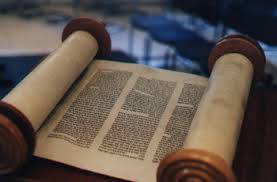


(טז) שָׁל֣וֹשׁ פְּעָמִ֣ים ׀ בַּשָּׁנָ֡ה יֵרָאֶ֨ה כׇל־זְכוּרְךָ֜ אֶת־פְּנֵ֣י ׀ יהוה אֱלֹהֶ֗יךָ בַּמָּקוֹם֙ אֲשֶׁ֣ר יִבְחָ֔ר בְּחַ֧ג הַמַּצּ֛וֹת וּבְחַ֥ג הַשָּׁבֻע֖וֹת וּבְחַ֣ג הַסֻּכּ֑וֹת וְלֹ֧א יֵרָאֶ֛ה אֶת־פְּנֵ֥י יהוה רֵיקָֽם׃ (יז) אִ֖ישׁ כְּמַתְּנַ֣ת יָד֑וֹ כְּבִרְכַּ֛ת יהוה אֱלֹהֶ֖יךָ אֲשֶׁ֥ר נָֽתַן־לָֽךְ׃ {ס}
(16) Three times a year—on the Feast of Unleavened Bread, on the Feast of Weeks, and on the Feast of Booths—all your males shall appear before your God יהוה in the place that [God] will choose. They shall not appear before יהוה empty-handed, (17) but each with his own gift, according to the blessing that your God יהוה has bestowed upon you.
bring the burnt offerings that are obligatory when one appears before the Lord, and the peace offerings of the festival. - Rashi
And this is (Deuteronomy 16:16), “He shall not appear before the countenance of God empty-handed” on the Festivals, when the countenance of God—the aspect of panim —is revealed. With this that each person brings a pilgrimage-offering from the fruits of his labor for which he worked throughout the year, he thereby rectifies and elevates all his food and livelihood in the aspect of the panim bread. - R. Nahman of Breslov
And this is (Deuteronomy 16:16), “He shall not appear before the countenance of God empty-handed” on the Festivals, when the countenance of God—the aspect of panim —is revealed. With this that each person brings a pilgrimage-offering from the fruits of his labor for which he worked throughout the year, he thereby rectifies and elevates all his food and livelihood in the aspect of the panim bread. - R. Nahman of Breslov
(יד) וַיִּקְרָ֧א אַבְרָהָ֛ם שֵֽׁם־הַמָּק֥וֹם הַה֖וּא יהוה ׀ יִרְאֶ֑ה אֲשֶׁר֙ יֵאָמֵ֣ר הַיּ֔וֹם בְּהַ֥ר יהוה יֵרָאֶֽה׃
(14) And Abraham named that site Adonai-yireh, whence the present saying, “On the mount of יהוה there is vision.”
Another interpretation, this teaches that the Holy One blessed be God showed him [Abraham] the [future] Temple as built, then destroyed and then built, as it is stated: “The name of that place The Lord will see [yireh]” – that refers to the Temple built, just as it says: “Three times in the year [all your males] shall appear [yeraeh]” (Deuteronomy 16:16). “As it is said to this day: On the mount where the Lord” – that refers to the Temple destroyed, as it is stated: “On Mount Zion that is desolate” (Lamentations 5:18). “The Lord will be seen” – [that refers to the Temple] built and perfected in the future, like the matter that is stated: “For the Lord has rebuilt Zion and is seen in His glory” (Psalms 102:17). - Breisheet Rabbah 56:10
(יז) אִ֖ישׁ כְּמַתְּנַ֣ת יָד֑וֹ כְּבִרְכַּ֛ת יהוה אֱלֹהֶ֖יךָ אֲשֶׁ֥ר נָֽתַן־לָֽךְ׃ {ס}
(17) but each with his own gift, according to the blessing that your God יהוה has bestowed upon you.
EVERYONE [SHALL BRING] ACCORDING TO THE ABILITY OF HIS HAND TO GIVE — i.e. one who has a large household (lit., many eaters) and great possessions brings many burnt offerings and many peace offerings (Sifrei Devarim 143:10; Chagigah 8b). - Rashi
Shenei Luchot HaBerit, Torah Shebikhtav, Re'eh, Derekh Chayim 5
איש כמתנת ידו כברכת יהוה אלוהיך אשר נתן לך . The two letters כ in front of the words כמתנת, כברכת, are a reminder that when we give a gift we should never feel that what we are giving away was ours in the first place, and that we therefore are truly generous. Whatever is at our disposal was given to us by G–d. David expressed this idea already very forcefully when he said (Chronicles I 29,14): כי ממך הכל ומידך נתנו לך, “For everything is from You, and it is Your gift that we have given to You.”
The Torah alludes to this by not writing מתנת ידך, but כמתנת ידך instead.
MEANING OF THE MONTH OF ELUL - This Shabbat we will announce Elul that will start Sunday night into Monday
He went up on the first day of the month of Elul when He told him: Hew thee these two tablets … and be ready by the morning (ibid. 34:1–2). And he hewed … and Moses rose up early in the morning, and went up unto Mount Sinai (ibid., v. 4). He stayed there throughout the month of Elul and until the tenth day of Tishri (another ten days). On the tenth day of Tishri he descended while the Israelites were praying and fasting. - Midrash Tanchuma Ki Tisa 31
We have the custom to get up at the break of dawn to recite Selichot and tachanunim from Rosh Chodesh Elul until Yom Kippur. (Rema: The minhag of Ashkenazi Jews is not like that. Instead from Rosh Chodesh on we blow the Shofar after Shacharith, and there are some places where they also blow the Shofar after Arvit. We get up at dawn to recite Selichot from the Sunday before Rosh HaShanah on; and if Rosh HaShanah falls on a Monday or Tuesday, we begin reciting Selichot from Sunday the week before Rosh HaShanah…
-Shulchan Arukh, Orach Chayim 581:1
The letters of the word Elul are encoded in the first letters of the phrase “I am my beloved’s and my beloved is mine,” from which the rabbinic tradition learns that Elul is a time of renewal of God and Israel’s love for each other. Rabbi Hayyim Joseph David Azulay, an eighteenth-century Sephardi scholar and kabbalist, elaborates on the symbolic meanings of the letters that spell Elul.
אני לדודי ודודי לי "Ani L'Dodi Ve'Dodi Li" - the first letter of each word (Roshei Teivot) forms the acronym E.L.U.L. - because in the month of ELUL, G-d reconciles with Israel, and becomes a Beloved to them, to draw them near in teshuva (repentance). He is close to those who call upon Him this month. ??? and others, the Rishonim, hint (early rabbinic scholars 11th-16th c) in expounding on the verse (Deut 30:6) ומל ה"א את לבבך ואת לבב -- "and G-d will circumcise your heart and the heart (of your children)"- that it connects with the Roshei Teivot for E.L.U.L…
Nachal Eshkol on Song of Songs 6:3
Shenei Luchot HaBerit, Torah Shebikhtav, Re'eh, Derekh Chayim 5
איש כמתנת ידו כברכת יהוה אלוהיך אשר נתן לך . The two letters כ in front of the words כמתנת, כברכת, are a reminder that when we give a gift we should never feel that what we are giving away was ours in the first place, and that we therefore are truly generous. Whatever is at our disposal was given to us by G–d. David expressed this idea already very forcefully when he said (Chronicles I 29,14): כי ממך הכל ומידך נתנו לך, “For everything is from You, and it is Your gift that we have given to You.”
The Torah alludes to this by not writing מתנת ידך, but כמתנת ידך instead.
MEANING OF THE MONTH OF ELUL - This Shabbat we will announce Elul that will start Sunday night into Monday
He went up on the first day of the month of Elul when He told him: Hew thee these two tablets … and be ready by the morning (ibid. 34:1–2). And he hewed … and Moses rose up early in the morning, and went up unto Mount Sinai (ibid., v. 4). He stayed there throughout the month of Elul and until the tenth day of Tishri (another ten days). On the tenth day of Tishri he descended while the Israelites were praying and fasting. - Midrash Tanchuma Ki Tisa 31
We have the custom to get up at the break of dawn to recite Selichot and tachanunim from Rosh Chodesh Elul until Yom Kippur. (Rema: The minhag of Ashkenazi Jews is not like that. Instead from Rosh Chodesh on we blow the Shofar after Shacharith, and there are some places where they also blow the Shofar after Arvit. We get up at dawn to recite Selichot from the Sunday before Rosh HaShanah on; and if Rosh HaShanah falls on a Monday or Tuesday, we begin reciting Selichot from Sunday the week before Rosh HaShanah…
-Shulchan Arukh, Orach Chayim 581:1
The letters of the word Elul are encoded in the first letters of the phrase “I am my beloved’s and my beloved is mine,” from which the rabbinic tradition learns that Elul is a time of renewal of God and Israel’s love for each other. Rabbi Hayyim Joseph David Azulay, an eighteenth-century Sephardi scholar and kabbalist, elaborates on the symbolic meanings of the letters that spell Elul.
אני לדודי ודודי לי "Ani L'Dodi Ve'Dodi Li" - the first letter of each word (Roshei Teivot) forms the acronym E.L.U.L. - because in the month of ELUL, G-d reconciles with Israel, and becomes a Beloved to them, to draw them near in teshuva (repentance). He is close to those who call upon Him this month. ??? and others, the Rishonim, hint (early rabbinic scholars 11th-16th c) in expounding on the verse (Deut 30:6) ומל ה"א את לבבך ואת לבב -- "and G-d will circumcise your heart and the heart (of your children)"- that it connects with the Roshei Teivot for E.L.U.L…
Nachal Eshkol on Song of Songs 6:3