


Melinda Ribner: Living in the Divine Flow
Your tears are a portable mikvah; they will purify you and open your heart.
As the Kotzker Rebbe said, ‘There is nothing more whole than a broken heart.’
Rabbi Jill Hammer: Jewish Book of Days:
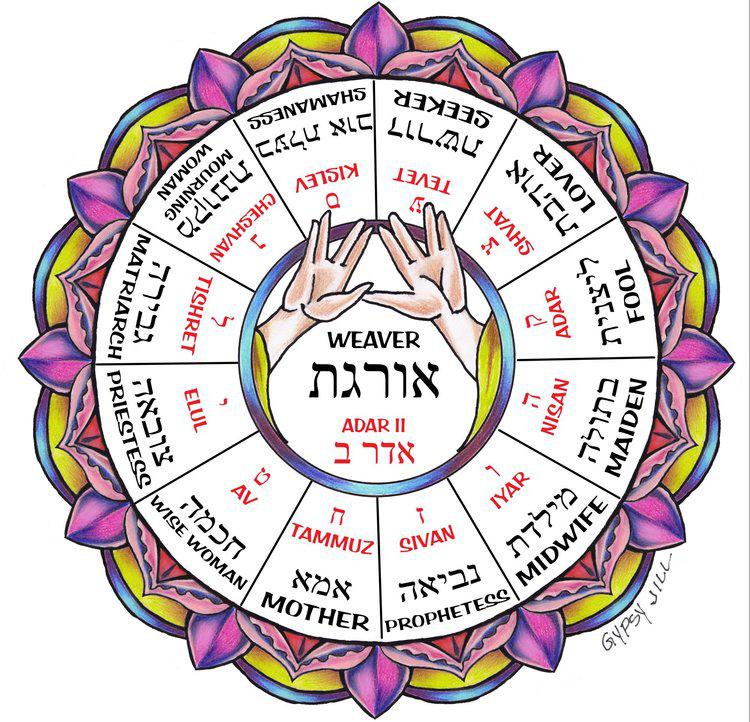
The Flower (1 Tammuz to 14 Av)
Job 14:1-2 “Man born of woman is short of days and fed with trouble. He blossoms like a flower and withers, and vanishes, like a shadow.”
The seventh movement of the year is falling. … The flower symbolizes all that is beautiful but ephemeral. In the Jewish calendar, this season of the year is a time of mourning for loss. From Revelation at the height of Sinai, we now come to the reality of human suffering.
In Tammuz, first of the summer months, we remember exile. On the 17th of Tammuz, Jews fast to recall the day Jerusalem’s walls fell to Rome. This day begins three weeks of mourning, when traditional Jews avoid music and celebration. We reflect on how violence continues to wound us, and we try to understand the apparent absence of the Divine in the world. In these days of the sun, we turn outward to be witness to the past and the present. … This season asks an eternal question about the cycle of life: What suffering can we prevent? What must we struggle to accept?
Outwardly, this is a season of fire, when cities and crops are scourged by heat. Yet inwardly, this is the water season, the time when fruits begin to fill with juice. Water is our role model, calling us to cry out our grief and quench one another’s thirst for comfort.
Summer teaches us love of life and pity for the falling flower. We pour out our hearts before the Divine Presence, so that we may prepare ourselves for the rebirth that will come in Autumn.
המליך אות ח בראיה
וקשר לו כתר
וצר בו סרטן בעולם
ותמוז בשנה
ויד ימין בנפש
זכר ונקבה
[God] caused the letter ח chet to reign over the domain of Seeing, attached to it a crown, and formed its correspondences, aligning it with
the Crab [Cancer] in the cosmos,
Tammuz in the year,
and the right hand [others: intestines] in the body,
Male and female.
חֲמִשָּׁה דְבָרִים אֵרְעוּ אֶת אֲבוֹתֵינוּ בְּשִׁבְעָה עָשָׂר בְּתַמּוּז וַחֲמִשָּׁה בְּתִשְׁעָה בְאָב.
בְּשִׁבְעָה עָשָׂר בְּתַמּוּז
נִשְׁתַּבְּרוּ הַלּוּחוֹת,
וּבָטַל הַתָּמִיד,
וְהֻבְקְעָה הָעִיר,
וְשָׂרַף אַפּוֹסְטֹמוֹס אֶת הַתּוֹרָה,
וְהֶעֱמִיד צֶלֶם בַּהֵיכָל.
נִשְׁתַּבְּרוּ הַלּוּחוֹת,
וּבָטַל הַתָּמִיד,
וְהֻבְקְעָה הָעִיר,
וְשָׂרַף אַפּוֹסְטֹמוֹס אֶת הַתּוֹרָה,
וְהֶעֱמִיד צֶלֶם בַּהֵיכָל.
בְּתִשְׁעָה בְאָב
נִגְזַר עַל אֲבוֹתֵינוּ שֶׁלֹּא יִכָּנְסוּ לָאָרֶץ,
וְחָרַב הַבַּיִת בָּרִאשׁוֹנָה וּבַשְּׁנִיָּה,
וְנִלְכְּדָה בֵיתָר,
וְנֶחְרְשָׁה הָעִיר.
נִגְזַר עַל אֲבוֹתֵינוּ שֶׁלֹּא יִכָּנְסוּ לָאָרֶץ,
וְחָרַב הַבַּיִת בָּרִאשׁוֹנָה וּבַשְּׁנִיָּה,
וְנִלְכְּדָה בֵיתָר,
וְנֶחְרְשָׁה הָעִיר.
מִשֶּׁנִּכְנַס אָב, מְמַעֲטִין בְּשִׂמְחָה:
The mishnah discusses the five major communal fast days.
Five calamitous matters occurred to our forefathers on the seventeenth of Tammuz, and five other disasters happened on the Ninth of Av.
On the seventeenth of Tammuz the tablets were broken by Moses when he saw that the Jews had made the golden calf; the daily offering was nullified by the Roman authorities and was never sacrificed again; the city walls of Jerusalem were breached; the general Apostemos publicly burned a Torah scroll; and Manasseh placed an idol in the Sanctuary.
On the Ninth of Av it was decreed upon our ancestors that they would all die in the wilderness and not enter Eretz Yisrael; and the Temple was destroyed the first time, in the days of Nebuchadnezzar, and the second time, by the Romans; and Beitar was captured; and the city of Jerusalem was plowed, as a sign that it would never be rebuilt.
Not only does one fast on the Ninth of Av, but from when the month of Av begins, one decreases acts of rejoicing.
Mica Amichai in Dreaming the World to Come Planner 5783
Unlike Tisha B’Av, which has a finality to it, the 17th of Tamuz invites us to ask what we can prevent.
What do we do when we see what is wrong and where it can lead? Octavia Butler explained her prophetic writing this way: “All I did was look around at the problems we’re neglecting now and give them about 30 years to grow into full-fledged disasters.”
Tamuz asks us to interrupt the course of events and create a different outcome. It’s a small leap to call the Earth our temple. The walls of her city have indeed been breached. The question of how to prevent destruction is the most pressing one of our times. Every day we need to remember and mourn, then take responsibility and action. In the busiest, happiest, fullest time of summer, Tamuz urges us to make sacrifices, to grow our collective power, and to change the unacceptable.
Going backward in time to Sinai, we learn from our ancestors’ moment of crisis that we need to find and nurture leaders who keep us on track when we stray. While Moses was busy receiving the ten commandments on the mountain, our ancestors waiting at the base built an idol out of gold. Personally I do not mourn the smashing of those first tablets, nor do I blame my ancestors for bowing to beauty. I was among the whiners and complainers, the ones who craved familiarity and fell prey to distraction. I continually learn and relearn to let the past go and to perceive the imperceptible, hold sight of the unseeable. No one ever said transformation was going to be easy.
Thankfully, mistakes are not failures. Let’s try shit and mess it up, do our best and forgive each other for our worst, work too hard then rest, give and receive care, write new tablets collectively, and fight gently for our temple.
We will take turns being leaders and being led, like graceful (and noisy) migrating birds.
The Torah Reading for 17 Tammuz
(יא) וַיְחַ֣ל מֹשֶׁ֔ה אֶת־פְּנֵ֖י ה׳ אֱלֹקָ֑יו וַיֹּ֗אמֶר לָמָ֤ה ה׳ יֶחֱרֶ֤ה אַפְּךָ֙ בְּעַמֶּ֔ךָ אֲשֶׁ֤ר הוֹצֵ֙אתָ֙ מֵאֶ֣רֶץ מִצְרַ֔יִם בְּכֹ֥חַ גָּד֖וֹל וּבְיָ֥ד חֲזָקָֽה׃ (יב) לָ֩מָּה֩ יֹאמְר֨וּ מִצְרַ֜יִם לֵאמֹ֗ר בְּרָעָ֤ה הֽוֹצִיאָם֙ לַהֲרֹ֤ג אֹתָם֙ בֶּֽהָרִ֔ים וּ֨לְכַלֹּתָ֔ם מֵעַ֖ל פְּנֵ֣י הָֽאֲדָמָ֑ה שׁ֚וּב מֵחֲר֣וֹן אַפֶּ֔ךָ וְהִנָּחֵ֥ם עַל־הָרָעָ֖ה לְעַמֶּֽךָ׃ (יג) זְכֹ֡ר לְאַבְרָהָם֩ לְיִצְחָ֨ק וּלְיִשְׂרָאֵ֜ל עֲבָדֶ֗יךָ אֲשֶׁ֨ר נִשְׁבַּ֣עְתָּ לָהֶם֮ בָּךְ֒ וַתְּדַבֵּ֣ר אֲלֵהֶ֔ם אַרְבֶּה֙ אֶֽת־זַרְעֲכֶ֔ם כְּכוֹכְבֵ֖י הַשָּׁמָ֑יִם וְכׇל־הָאָ֨רֶץ הַזֹּ֜את אֲשֶׁ֣ר אָמַ֗רְתִּי אֶתֵּן֙ לְזַרְעֲכֶ֔ם וְנָחֲל֖וּ לְעֹלָֽם׃ (יד) וַיִּנָּ֖חֶם ה׳ עַל־הָ֣רָעָ֔ה אֲשֶׁ֥ר דִּבֶּ֖ר לַעֲשׂ֥וֹת לְעַמּֽוֹ׃ {פ}
(11) But Moses implored his God ה׳, saying, “Let not Your anger, ה׳, blaze forth against Your people, whom You delivered from the land of Egypt with great power and with a mighty hand. (12) Let not the Egyptians say, ‘It was with evil intent that he delivered them, only to kill them off in the mountains and annihilate them from the face of the earth.’ Turn from Your blazing anger, and renounce the plan to punish Your people. (13) Remember Your servants, Abraham, Isaac, and Israel, how You swore to them by Your Self and said to them: I will make your offspring as numerous as the stars of heaven, and I will give to your offspring this whole land of which I spoke, to possess forever.” (14) And ה׳ renounced the punishment planned for God’s people.
(א) וַיֹּ֤אמֶר ה׳ אֶל־מֹשֶׁ֔ה פְּסׇל־לְךָ֛ שְׁנֵֽי־לֻחֹ֥ת אֲבָנִ֖ים כָּרִאשֹׁנִ֑ים וְכָתַבְתִּי֙ עַל־הַלֻּחֹ֔ת אֶ֨ת־הַדְּבָרִ֔ים אֲשֶׁ֥ר הָי֛וּ עַל־הַלֻּחֹ֥ת הָרִאשֹׁנִ֖ים אֲשֶׁ֥ר שִׁבַּֽרְתָּ׃ (ב) וֶהְיֵ֥ה נָכ֖וֹן לַבֹּ֑קֶר וְעָלִ֤יתָ בַבֹּ֙קֶר֙ אֶל־הַ֣ר סִינַ֔י וְנִצַּבְתָּ֥ לִ֛י שָׁ֖ם עַל־רֹ֥אשׁ הָהָֽר׃ (ג) וְאִישׁ֙ לֹֽא־יַעֲלֶ֣ה עִמָּ֔ךְ וְגַם־אִ֥ישׁ אַל־יֵרָ֖א בְּכׇל־הָהָ֑ר גַּם־הַצֹּ֤אן וְהַבָּקָר֙ אַל־יִרְע֔וּ אֶל־מ֖וּל הָהָ֥ר הַהֽוּא׃ (ד) וַיִּפְסֹ֡ל שְׁנֵֽי־לֻחֹ֨ת אֲבָנִ֜ים כָּרִאשֹׁנִ֗ים וַיַּשְׁכֵּ֨ם מֹשֶׁ֤ה בַבֹּ֙קֶר֙ וַיַּ֙עַל֙ אֶל־הַ֣ר סִינַ֔י כַּאֲשֶׁ֛ר צִוָּ֥ה ה׳ אֹת֑וֹ וַיִּקַּ֣ח בְּיָד֔וֹ שְׁנֵ֖י לֻחֹ֥ת אֲבָנִֽים׃ (ה) וַיֵּ֤רֶד ה׳ בֶּֽעָנָ֔ן וַיִּתְיַצֵּ֥ב עִמּ֖וֹ שָׁ֑ם וַיִּקְרָ֥א בְשֵׁ֖ם ה׳׃ (ו) וַיַּעֲבֹ֨ר ה׳ ׀ עַל־פָּנָיו֮ וַיִּקְרָא֒ ה׳ ׀ ה׳ אֵ֥ל רַח֖וּם וְחַנּ֑וּן אֶ֥רֶךְ אַפַּ֖יִם וְרַב־חֶ֥סֶד וֶאֱמֶֽת׃ (ז)נֹצֵ֥ר חֶ֙סֶד֙ לָאֲלָפִ֔ים נֹשֵׂ֥א עָוֺ֛ן וָפֶ֖שַׁע וְחַטָּאָ֑ה וְנַקֵּה֙ לֹ֣א יְנַקֶּ֔ה פֹּקֵ֣ד ׀ עֲוֺ֣ן אָב֗וֹת עַל־בָּנִים֙ וְעַל־בְּנֵ֣י בָנִ֔ים עַל־שִׁלֵּשִׁ֖ים וְעַל־רִבֵּעִֽים׃ (ח) וַיְמַהֵ֖ר מֹשֶׁ֑ה וַיִּקֹּ֥ד אַ֖רְצָה וַיִּשְׁתָּֽחוּ׃ (ט) וַיֹּ֡אמֶר אִם־נָא֩ מָצָ֨אתִי חֵ֤ן בְּעֵינֶ֙יךָ֙ אדושם יֵֽלֶךְ־נָ֥א אדושם בְּקִרְבֵּ֑נוּ כִּ֤י עַם־קְשֵׁה־עֹ֙רֶף֙ ה֔וּא וְסָלַחְתָּ֛ לַעֲוֺנֵ֥נוּ וּלְחַטָּאתֵ֖נוּ וּנְחַלְתָּֽנוּ׃ (י) וַיֹּ֗אמֶר הִנֵּ֣ה אָנֹכִי֮ כֹּרֵ֣ת בְּרִית֒ נֶ֤גֶד כׇּֽל־עַמְּךָ֙ אֶעֱשֶׂ֣ה נִפְלָאֹ֔ת אֲשֶׁ֛ר לֹֽא־נִבְרְא֥וּ בְכׇל־הָאָ֖רֶץ וּבְכׇל־הַגּוֹיִ֑ם וְרָאָ֣ה כׇל־הָ֠עָ֠ם אֲשֶׁר־אַתָּ֨ה בְקִרְבּ֜וֹ אֶת־מַעֲשֵׂ֤ה ה׳ כִּֽי־נוֹרָ֣א ה֔וּא אֲשֶׁ֥ר אֲנִ֖י עֹשֶׂ֥ה עִמָּֽךְ׃
(1)ה׳ said to Moses: “Carve two tablets of stone like the first, and I will inscribe upon the tablets the words that were on the first tablets, which you shattered. (2) Be ready by morning, and in the morning come up to Mount Sinai and present yourself there to Me, on the top of the mountain. (3) No one else shall come up with you, and no one else shall be seen anywhere on the mountain; neither shall the flocks and the herds graze at the foot of this mountain.” (4) So Moses carved two tablets of stone, like the first, and early in the morning he went up on Mount Sinai, as ה׳ had commanded him, taking the two stone tablets with him. (5)ה׳ came down in a cloud—and stood with him there, proclaiming the name ה׳. (6)ה׳ passed before him and proclaimed: “!יהוה! ה׳ a God compassionate and gracious, slow to anger, abounding in kindness and faithfulness, (7) extending kindness to the thousandth generation, forgiving iniquity, transgression, and sin—yet not remitting all punishment, but visiting the iniquity of parents upon children and children’s children, upon the third and fourth generations.” (8) Moses hastened to bow low to the ground in homage, (9) and said, “If I have gained Your favor, O my lord, pray, let my lord go in our midst, even though this is a stiffnecked people. Pardon our iniquity and our sin, and take us for Your own!” (10) [God] said: I hereby make a covenant. Before all your people I will work such wonders as have not been wrought on all the earth or in any nation; and all the people who are with you shall see how awesome are ה׳’s deeds which I will perform for you.
(א) וַיְהִ֣י ׀ בִּשְׁלֹשִׁ֣ים שָׁנָ֗ה בָּֽרְבִיעִי֙ בַּחֲמִשָּׁ֣ה לַחֹ֔דֶשׁ וַאֲנִ֥י בְתֽוֹךְ־הַגּוֹלָ֖ה עַל־נְהַר־כְּבָ֑ר נִפְתְּחוּ֙ הַשָּׁמַ֔יִם וָאֶרְאֶ֖ה מַרְא֥וֹת אֱלֹקִֽים׃
(1) In the thirtieth year, on the fifth day of the fourth month [ie Tamuz], when I was in the community of exiles by the Chebar Canal, the heavens opened and I saw visions of God. …
Batei Midrashot 2, 13:2
Rabbi Levi said: “In Tammuz they were blemished and in Tammuz the Holy One’s kindness returned to them.”
That is, Ezekiel’s great vision happened in Tammuz as a sign of divine favor being returned to the Israelites. Precisely because it occurred during such a difficult month it showed their spiritual status was improving.
Fasting
Eliyahu Kitov: The Book of Our Heritage - Tamuz
Fasting is intended to help us change our actions. In the Book of Jonah (3:10) it says of Nineveh, “And God saw their actions.” Talmud Taanit 22a explains that what God saw was not sackcloth and fasting but rather the difference in actions that resulted from their repentance.
(ד) הִגִּיעַ שִׁבְעָה עָשָׂר בְּמַרְחֶשְׁוָן וְלֹא יָרְדוּ גְשָׁמִים, הִתְחִילוּ הַיְחִידִים מִתְעַנִּין שָׁלשׁ תַּעֲנִיּוֹת. אוֹכְלִין וְשׁוֹתִין מִשֶּׁחֲשֵׁכָה, וּמֻתָּרִין בִּמְלָאכָה וּבִרְחִיצָה וּבְסִיכָה וּבִנְעִילַת הַסַּנְדָּל וּבְתַשְׁמִישׁ הַמִּטָּה:
(ה) הִגִּיעַ רֹאשׁ חֹדֶשׁ כִּסְלֵו וְלֹא יָרְדוּ גְשָׁמִים, בֵּית דִּין גּוֹזְרִין שָׁלשׁ תַּעֲנִיוֹת עַל הַצִּבּוּר. אוֹכְלִין וְשׁוֹתִין מִשֶּׁחֲשֵׁכָה, וּמֻתָּרִין בִּמְלָאכָה וּבִרְחִיצָה וּבְסִיכָה וּבִנְעִילַת הַסַּנְדָּל וּבְתַשְׁמִישׁ הַמִּטָּה:
(ו) עָבְרוּ אֵלּוּ וְלֹא נַעֲנוּ, בֵּית דִּין גּוֹזְרִין שָׁלשׁ תַּעֲנִיּוֹת אֲחֵרוֹת עַל הַצִּבּוּר. אוֹכְלִין וְשׁוֹתִין מִבְּעוֹד יוֹם, וַאֲסוּרִין בִּמְלָאכָה וּבִרְחִיצָה וּבְסִיכָה וּבִנְעִילַת הַסַּנְדָּל וּבְתַשְׁמִישׁ הַמִּטָּה, וְנוֹעֲלִין אֶת הַמֶּרְחֲצָאוֹת. עָבְרוּ אֵלּוּ וְלֹא נַעֲנוּ, בֵּית דִּין גּוֹזְרִין עֲלֵיהֶם עוֹד שֶׁבַע, שֶׁהֵן שְׁלשׁ עֶשְׂרֵה תַּעֲנִיּוֹת עַל הַצִּבּוּר. הֲרֵי אֵלּוּ יְתֵרוֹת עַל הָרִאשׁוֹנוֹת, שֶׁבָּאֵלּוּ מַתְרִיעִין וְנוֹעֲלִין אֶת הַחֲנוּיוֹת, בַּשֵּׁנִי מַטִּין עִם חֲשֵׁכָה, וּבַחֲמִישִׁי מֻתָּרִין מִפְּנֵי כְבוֹד הַשַּׁבָּת:
(ז) עָבְרוּ אֵלּוּ וְלֹא נַעֲנוּ, מְמַעֲטִין בְּמַשָּׂא וּמַתָּן, בְּבִנְיָן וּבִנְטִיעָה, בְּאֵרוּסִין וּבְנִשּׂוּאִין וּבִשְׁאֵלַת שָׁלוֹם בֵּין אָדָם לַחֲבֵרוֹ, כִּבְנֵי אָדָם הַנְּזוּפִין לַמָּקוֹם. הַיְחִידִים חוֹזְרִים וּמִתְעַנִּים עַד שֶׁיֵּצֵא נִיסָן. יָצָא נִיסָן וְלֹא יָרְדוּ גְשָׁמִים, סִימַן קְלָלָה, שֶׁנֶּאֱמַר (שמואל א יב) הֲלוֹא קְצִיר חִטִּים הַיּוֹם, וְגוֹ':
(4) If the seventeenth of Marḥeshvan arrived and rain has not fallen, individuals, but not the entire community, begin to fast three fasts for rain. How are these fasts conducted? As the fast begins in the morning, one may eat and drink after dark, and one is permitted during the days of the fasts themselves to engage in the performance of work, in bathing, in smearing oil on one’s body, in wearing shoes, and in conjugal relations.
(5) If the New Moon of Kislev arrived and rain has still not fallen, the court decrees three fasts on the entire community. Similar to the individual fasts, everyone may eat and drink after dark, and they are permitted to engage in the performance of work, in bathing, in smearing one’s body with oil, in wearing shoes, and in conjugal relations.
(6)If these three regular fasts have passed and they have not been answered with rain, the court decrees three other fasts upon the community. These are severe fasts, in which one may eat and drink only while it is still day, before the beginning of the night of the fast, and on the day of the fast itself they are prohibited to engage in the performance of work, in bathing, in smearing with oil, in wearing shoes, and in marital relations; and they lock the bathhouses so that no one should come to bathe on that day. If these three fasts have passed and they still have not been answered, the court decrees on them another seven fasts, which are a total of thirteen fasts, upon the community, not including the first three fasts observed by individuals. These seven fast days are more severe than the first ones, as on these days, in addition to all the earlier stringencies, they sound the alarm, as will be explained in the Gemara, and they lock the stores. Although shops must remained closed most of the time on these days, on Monday they open them a little at nightfall to allow people to purchase food for breaking their fast, and on Thursday they are permitted to open the stores all day in deference to Shabbat, so that people may purchase food for the sacred day.
(7)If these fasts have passed and they have not been answered the court does not decree additional fasts, but the entire community observes the customs of mourning. They decrease their engagement in business transactions, in building and planting, in betrothals and marriages, and in greetings between each person and his fellow, like people who have been rebuked by God. The individuals, i.e., Torah scholars, resume fasting every Monday and Thursday until the month of Nisan ends.
Moody Moons: I Fasted for 40 Days to Seek Spiritual Insight and This is Wwhat I Learned:
https://magickalspot.com/i-fasted-for-40-days-to-seek-spiritual-insight-this-is-what-i-learned/?gad_source=1&gad_campaignid=21290333211&gbraid=0AAAAADl3CuXPVSKUHvQYLtaLHCGu75uva&gclid=Cj0KCQjwvajDBhCNARIsAEE29WrXDJdRJCvMy2D-CxVZc24libxlybJ-p60siqbaJf3GU0LdKgmiAdAaAjpgEALw_wcB