


(ז) וַיֵּ֨לְכ֜וּ זִקְנֵ֤י מוֹאָב֙ וְזִקְנֵ֣י מִדְיָ֔ן וּקְסָמִ֖ים בְּיָדָ֑ם וַיָּבֹ֙אוּ֙ אֶל־בִּלְעָ֔ם וַיְדַבְּר֥וּ אֵלָ֖יו דִּבְרֵ֥י בָלָֽק׃
(7) The elders of Moab and the elders of Midian, versed in divination, set out. They came to Balaam and gave him Balak’s message.
(א)וקסמים בידם. כָּל מִינֵי קְסָמִים, שֶׁלֹּא יֹאמַר אֵין כְּלֵי תַשְׁמִישִׁי עִמִּי; דָּ"אַ — קֶסֶם זֶה נָטְלוּ בְיָדָם זִקְנֵי מִדְיָן, אָמְרוּ אִם יָבֹא עִמָּנוּ בַּפַּעַם הַזֹּאת יֵשׁ בּוֹ מַמָּשׁ, וְאִם יִדְחֵנוּ אֵין בּוֹ תוֹעֶלֶת, לְפִיכָךְ כְּשֶׁאָמַר לָהֶם "לִינוּ פֹה הַלַּיְלָה" אָמְרוּ אֵין בּוֹ תִקְוָה, הִנִּיחוּהוּ וְהָלְכוּ לָהֶם, שֶׁנֶּאֱמַר "וַיֵּשְׁבוּ שָׂרֵי מוֹאָב עִם בִּלְעָם", אֲבָל זִקְנֵי מִדְיָן הָלְכוּ לָהֶם (שם):
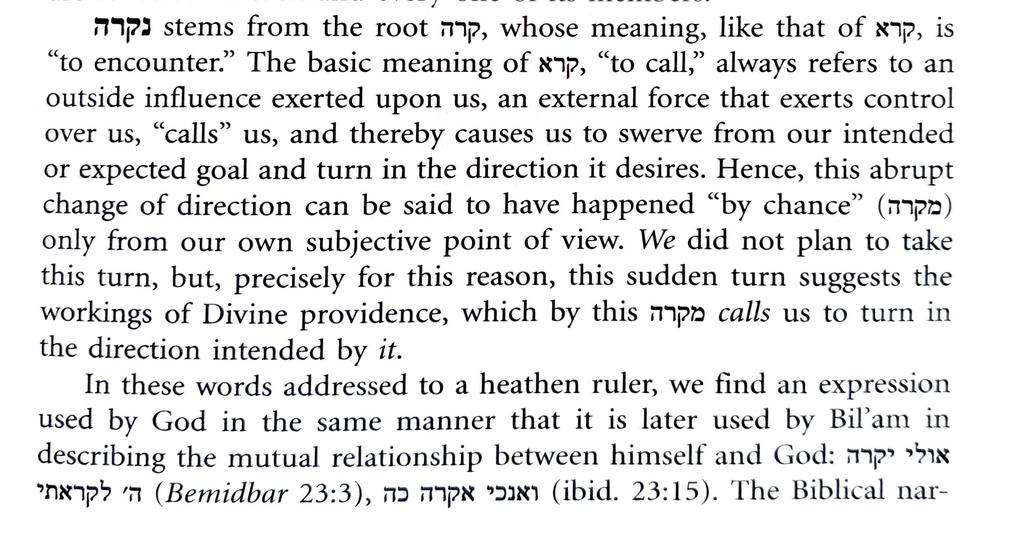
(1) וקסמים בידם AND DIVINATIONS WERE IN THEIR HANDS — all kinds of divination, in order that he should not say, “I have not got my tools with me”. — Another explanation is: this omen (קסם) the elders of Midyan took with them: — they said, “If he comes with us this time, there is something substantial in him, but if he puts us off there is no use of him”. — Consequently when he told them, “Stay here tonight”, they said, There is no hope in him”; they left him and went away, as it is said, (v. 8) And the princes of Moab stayed with Balaam”, but the princes of Midyan went away (Midrash Tanchuma, Balak 5).
R' Akiva Eiger and/or Vilna Gaon
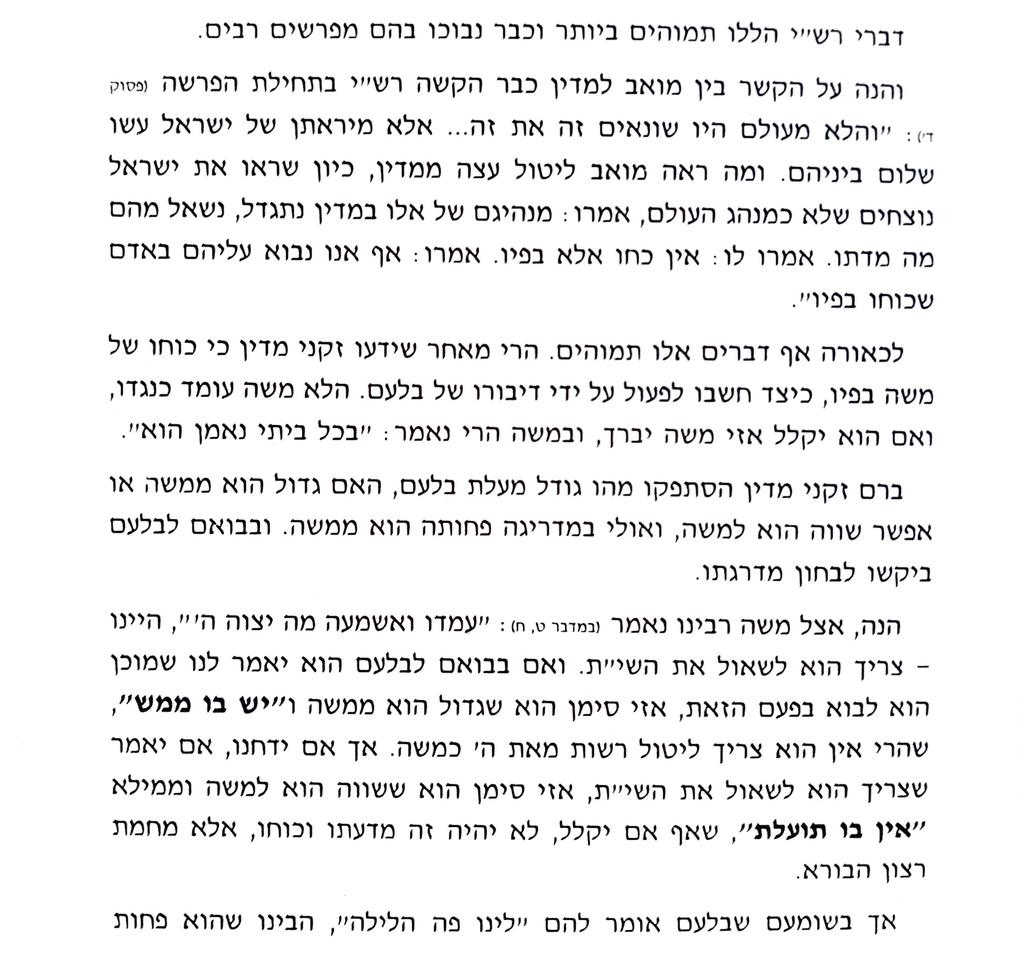
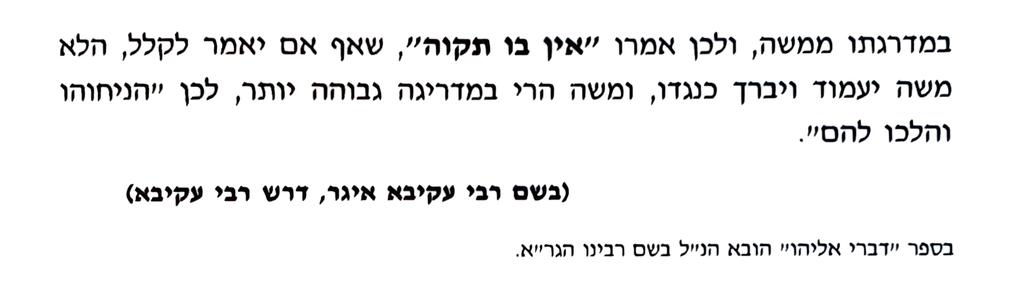
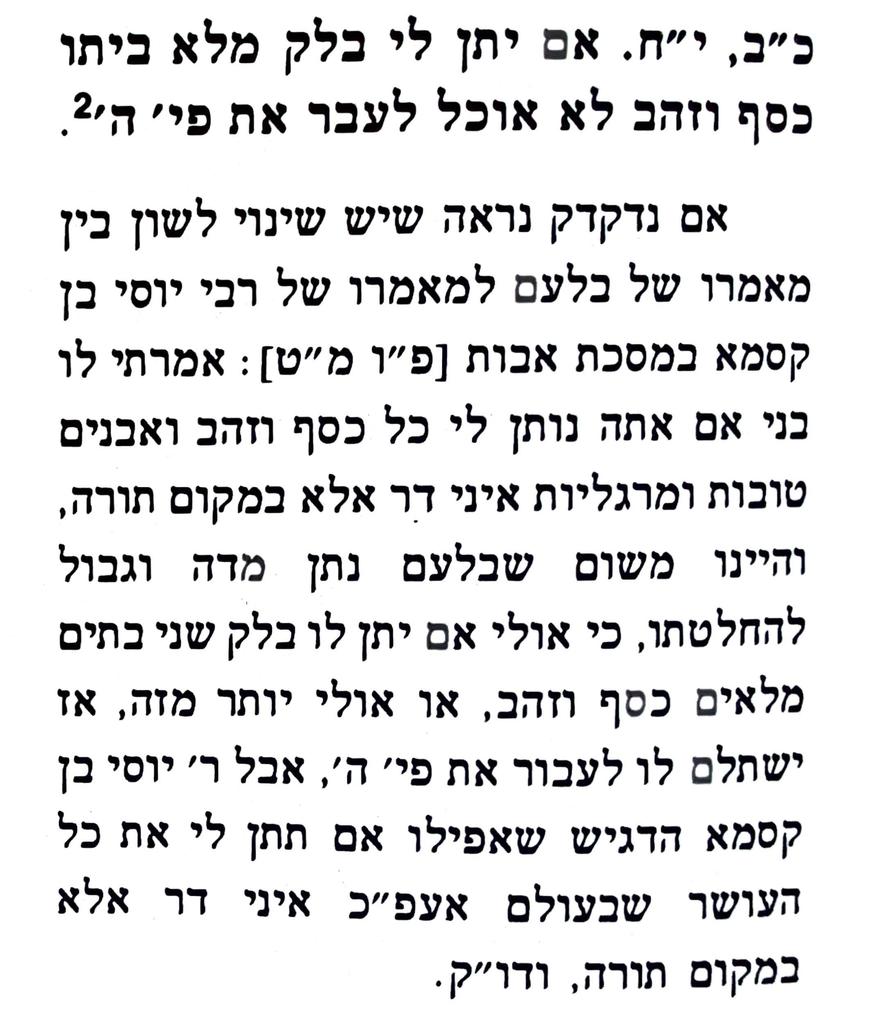
(יח) וַיַּ֣עַן בִּלְעָ֗ם וַיֹּ֙אמֶר֙ אֶל־עַבְדֵ֣י בָלָ֔ק אִם־יִתֶּן־לִ֥י בָלָ֛ק מְלֹ֥א בֵית֖וֹ כֶּ֣סֶף וְזָהָ֑ב לֹ֣א אוּכַ֗ל לַעֲבֹר֙ אֶת־פִּי֙ ה׳ אֱלֹקָ֔י לַעֲשׂ֥וֹת קְטַנָּ֖ה א֥וֹ גְדוֹלָֽה׃
(18) Balaam replied to Balak’s officials, “Though Balak were to give me his house full of silver and gold, I could not do anything, big or little, contrary to the command of my God ה׳.
(א)מלא ביתו כסף וזהב. לָמַדְנוּ שֶׁנַּפְשׁוֹ רְחָבָה וּמְחַמֵּד מָמוֹן אֲחֵרִים, אָמַר רָאוּי לוֹ לִתֵּן לִי כָּל כֶּסֶף וְזָהָב שֶׁלּוֹ, שֶׁהֲרֵי צָרִיךְ לִשְׂכֹּר חַיָּלוֹת רַבּוֹת, סָפֵק נוֹצֵחַ סָפֵק אֵינוֹ נוֹצֵחַ, וַאֲנִי וַדַּאי נוֹצֵחַ (שם): (ב)לא אוכל לעבר. עַל כָּרְחוֹ גִלָּה שֶׁהוּא בִרְשׁוּת אַחֵרִים, וְנִתְנַבֵּא כָאן שֶׁאֵינוֹ יָכוֹל לְבַטֵּל הַבְּרָכוֹת שֶׁנִּתְבָּרְכוּ הָאָבוֹת מִפִּי הַשְּׁכִינָה (שם):
(1) מלא ביתו כסף וזהב [IF BALAK WOULD GIVE ME HIS HOUSE] FULL OF SILVER AND GOLD — This tells us that he was avaricious and covetous of other peoples wealth. He said: He ought to give me all his silver and gold, for, behold, he would otherwise have to hire many armies to fight against them. Even then it is doubtful whether he would conquer or not conquer, but “I” would certainly conquer (Midrash Tanchuma, Balak 6). (2) לא אוכל לעבר I CANNOT GO BEYOND [THE WORD OF THE LORD] — Against his own will he divulged to them that he was under the control of others, and he prophesied here that he would be unable to annul those blessings with which the patriarchs had been blessed by the mouth of God (Midrash Tanchuma, Balak 6).
(ט) אָמַר רַבִּי יוֹסֵי בֶן קִסְמָא, פַּעַם אַחַת הָיִיתִי מְהַלֵּךְ בַּדֶּרֶךְ וּפָגַע בִּי אָדָם אֶחָד, וְנָתַן לִי שָׁלוֹם, וְהֶחֱזַרְתִּי לוֹ שָׁלוֹם. אָמַר לִי, רַבִּי, מֵאֵיזֶה מָקוֹם אַתָּה. אָמַרְתִּי לוֹ, מֵעִיר גְּדוֹלָה שֶׁל חֲכָמִים וְשֶׁל סוֹפְרִים אָנִי. אָמַר לִי, רַבִּי, רְצוֹנְךָ שֶׁתָּדוּר עִמָּנוּ בִמְקוֹמֵנוּ, וַאֲנִי אֶתֵּן לְךָ אֶלֶף אֲלָפִים דִּינְרֵי זָהָב וַאֲבָנִים טוֹבוֹת וּמַרְגָּלִיּוֹת. אָמַרְתִּי לוֹ, בְּנִי, אִם אַתָּה נוֹתֵן לִי כָל כֶּסֶף וְזָהָב וַאֲבָנִים טוֹבוֹת וּמַרְגָּלִיּוֹת שֶׁבָּעוֹלָם, אֵינִי דָר אֶלָּא בִמְקוֹם תּוֹרָה. וְלֹא עוֹד, אֶלָּא שֶׁבִּשְׁעַת פְּטִירָתוֹ שֶׁל אָדָם אֵין מְלַוִּין לוֹ לָאָדָם לֹא כֶסֶף וְלֹא זָהָב וְלֹא אֲבָנִים טוֹבוֹת וּמַרְגָּלִיּוֹת, אֶלָּא תוֹרָה וּמַעֲשִׂים טוֹבִים בִּלְבַד, שֶׁנֶּאֱמַר (משלי ו) בְּהִתְהַלֶּכְךָ תַּנְחֶה אֹתָךְ, בְּשָׁכְבְּךָ תִּשְׁמֹר עָלֶיךָ, וַהֲקִיצוֹתָ הִיא תְשִׂיחֶךָ. בְּהִתְהַלֶּכְךָ תַּנְחֶה אֹתָךְ, בָּעוֹלָם הַזֶּה, בְּשָׁכְבְּךָ תִּשְׁמֹר עָלֶיךָ, בַּקֶּבֶר, וַהֲקִיצוֹתָ הִיא תְשִׂיחֶךָ, לָעוֹלָם הַבָּא. וְכֵן כָּתוּב בְּסֵפֶר תְּהִלִּים עַל יְדֵי דָוִד מֶלֶךְ יִשְׂרָאֵל (תהלים קיט), טוֹב לִי תוֹרַת פִּיךָ מֵאַלְפֵי זָהָב וָכָסֶף. וְאוֹמֵר (חגי ב) לִי הַכֶּסֶף וְלִי הַזָּהָב אָמַר ה׳ צְבָאוֹת:
(9)Rabbi Yose ben Kisma said: Once I was walking by the way when a man met me, and greeted me and I greeted him. He said to me, “Rabbi, where are you from?” I said to him, “I am from a great city of sages and scribes”. He said to me, “Rabbi, would you consider living with us in our place? I would give you a thousand thousand denarii of gold, and precious stones and pearls.” I said to him: “My son, even if you were to give me all the silver and gold, precious stones and pearls that are in the world, I would not dwell anywhere except in a place of Torah; for when a man passes away there accompany him neither gold nor silver, nor precious stones nor pearls, but Torah and good deeds alone, as it is said, “When you walk it will lead you. When you lie down it will watch over you; and when you are awake it will talk with you” (Proverbs 6:22). “When you walk it will lead you” in this world. “When you lie down it will watch over you” in the grave; “And when you are awake it will talk with you” in the world to come. And thus it is written in the book of Psalms by David, king of Israel, “I prefer the teaching You proclaimed to thousands of pieces of gold and silver” (Psalms 119:72), And it says: “Mine is the silver, and mine the gold, says the Lord of Hosts” (Haggai 2:8).
Emet L'Yaakov
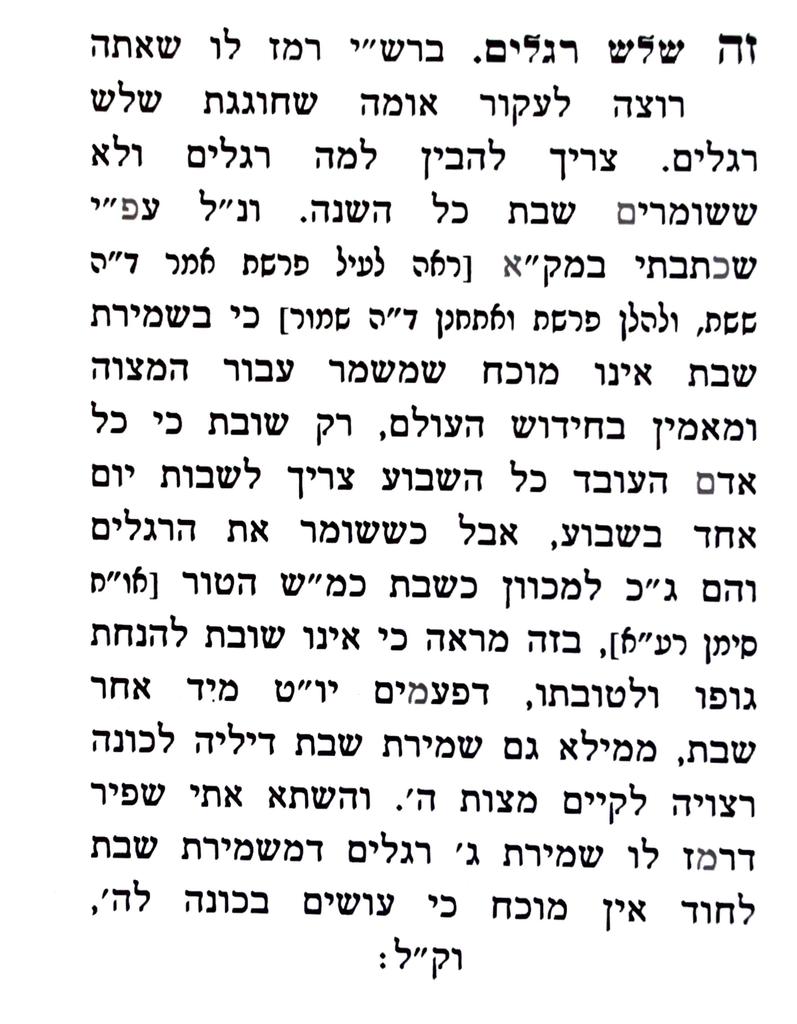
(כח) וַיִּפְתַּ֥ח ה׳ אֶת־פִּ֣י הָאָת֑וֹן וַתֹּ֤אמֶר לְבִלְעָם֙ מֶה־עָשִׂ֣יתִֽי לְךָ֔ כִּ֣י הִכִּיתַ֔נִי זֶ֖ה שָׁלֹ֥שׁ רְגָלִֽים׃
(28) Then ה׳ opened the ass’s mouth, and she said to Balaam, “What have I done to you that you have beaten me these three times?”
(א)זה שלש רגלים. רָמַז לוֹ: אַתָּה מְבַקֵּשׁ לַעֲקֹר אֻמָּה הַחוֹגֶגֶת שָׁלֹשׁ רְגָלִים בַּשָּׁנָה? (תנחומא):
(1) זה שלש רגלים THESE THREE TIMES — By these words he suggested to him: You seek to root out a nation that celebrates three festivals (שלש רגלים) annually?! (Midrash Tanchuma, Balak 9).
Ktav Sofer
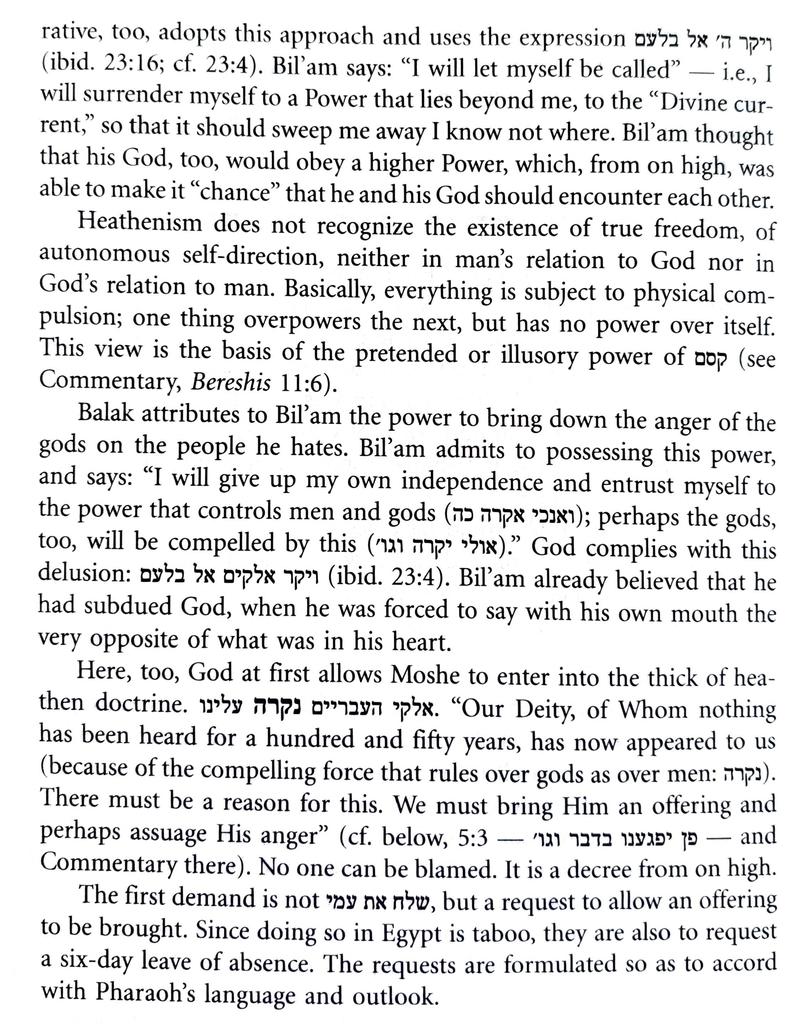
(ג) וַיֹּ֨אמֶר בִּלְעָ֜ם לְבָלָ֗ק הִתְיַצֵּב֮ עַל־עֹלָתֶ֒ךָ֒ וְאֵֽלְכָ֗ה אוּלַ֞י יִקָּרֵ֤ה ה׳ לִקְרָאתִ֔י וּדְבַ֥ר מַה־יַּרְאֵ֖נִי וְהִגַּ֣דְתִּי לָ֑ךְ וַיֵּ֖לֶךְ שֶֽׁפִי׃
(3) Then Balaam said to Balak, “Stay here beside your offerings while I am gone. Perhaps ה׳ will grant me a manifestation, and whatever is revealed to me I will tell you.” And he went off alone.
Rav Samson Raphael Hirsch (on Shemot 3:18)
(ט) כִּֽי־מֵרֹ֤אשׁ צֻרִים֙ אֶרְאֶ֔נּוּ וּמִגְּבָע֖וֹת אֲשׁוּרֶ֑נּוּ הֶן־עָם֙ לְבָדָ֣ד יִשְׁכֹּ֔ן וּבַגּוֹיִ֖ם לֹ֥א יִתְחַשָּֽׁב׃
(9) As I see them from the mountain tops, Gaze on them from the heights, There is a people that dwells apart, Not reckoned among the nations,
(ג)הן עם לבדד ישכון. לא כדרך כל אומה ולשון כשהולכים בגולה ומתערבים עם המגלים אותם משיגים בזה אהבה וחשיבות כל אחד בעיניהם יותר משהיו נפרדים מהם. אבל לא כן עם ישראל כשהוא לבדד. ואינו מתערב עמהם ישכון במנוחה ובכבוד. וראו כל עמי הארץ כי שם ה׳ נקרא עליו ואין איש מתחרה עמו:
(יז) אֶרְאֶ֙נּוּ֙ וְלֹ֣א עַתָּ֔ה אֲשׁוּרֶ֖נּוּ וְלֹ֣א קָר֑וֹב דָּרַ֨ךְ כּוֹכָ֜ב מִֽיַּעֲקֹ֗ב וְקָ֥ם שֵׁ֙בֶט֙ מִיִּשְׂרָאֵ֔ל וּמָחַץ֙ פַּאֲתֵ֣י מוֹאָ֔ב וְקַרְקַ֖ר כׇּל־בְּנֵי־שֵֽׁת׃
(17) What I see for them is not yet, What I behold will not be soon: A star rises from Jacob, A scepter comes forth from Israel; It smashes the brow of Moab, The foundation of all children of Seth.
(ב)דרך כוכב. כְּתַרְגּוּמוֹ, לְשׁוֹן "דָּרַךְ קַשְׁתּוֹ" (איכה ב'), שֶׁהַכּוֹכָב עוֹבֵר כְּחֵץ, וּבְלַעַז דישט"נט, כְּלוֹמַר יָקוּם מַזָּל: (ג)וקם שבט. מֶלֶךְ רוֹדֶה וּמוֹשֵׁל:
(2) דרך כוכב A STAR COMETH OUT [OF JACOB] — Understand this as the Targum does (“a king will arise from Jacob”). The word דרך has the same meaning as in (Lamentations 2:4): “He has bent (דרך lit., trodden) his bow; this expression is used because the star shoots across [the heavens] as an arrow does when the bow is trodden. In O. F. destent. It is as much as to say, “Prosperity (a good fortune) will rise”. (3) וקם שבט AND A שבט RISES [OUT OF ISRAEL] — a king, who chastises with the rod (שבט) and has sovereign power.
(א) הַמֶּלֶךְ הַמָּשִׁיחַ עָתִיד לַעֲמֹד וּלְהַחְזִיר מַלכוּת דָּוִד לְיָשְׁנָהּ לַמֶּמְשָׁלָה הָרִאשׁוֹנָה. וּבוֹנֶה הַמִּקְדָּשׁ וּמְקַבֵּץ נִדְחֵי יִשְׂרָאֵל. וְחוֹזְרִין כָּל הַמִּשְׁפָּטִים בְּיָמָיו כְּשֶׁהָיוּ מִקֹּדֶם. מַקְרִיבִין קָרְבָּנוֹת. וְעוֹשִׂין שְׁמִטִּין וְיוֹבְלוֹת כְּכָל מִצְוָתָן הָאֲמוּרָה בַּתּוֹרָה. וְכָל מִי שֶׁאֵינוֹ מַאֲמִין בּוֹ. אוֹ מִי שֶׁאֵינוֹ מְחַכֶּה לְבִיאָתוֹ. לֹא בִּשְׁאָר נְבִיאִים בִּלְבַד הוּא כּוֹפֵר. אֶלָּא בַּתּוֹרָה וּבְמשֶׁה רַבֵּנוּ. שֶׁהֲרֵי הַתּוֹרָה הֵעִידָה עָלָיו שֶׁנֶּאֱמַר (דברים ל, ג) "וְשָׁב ה׳ אֱלֹקֶיךָ אֶת שְׁבוּתְךָ וְרִחֲמֶךָ וְשָׁב וְקִבֶּצְךָ" וְגוֹ' (דברים ל, ד) "אִם יִהְיֶה נִדַּחֲךָ בִּקְצֵה הַשָּׁמָיִם" וְגוֹ' (דברים ל, ה) "וֶהֱבִיאֲךָ ה׳". וְאֵלּוּ הַדְּבָרִים הַמְפֹרָשִׁים בַּתּוֹרָה הֵם כּוֹלְלִים כָּל הַדְּבָרִים שֶׁנֶּאֶמְרוּ עַל יְדֵי כָּל הַנְּבִיאִים. אַף בְּפָרָשַׁת בִּלְעָם נֶאֱמַר וְשָׁם נִבֵּא בִּשְׁנֵי הַמְּשִׁיחִים. בַּמָּשִׁיחַ הָרִאשׁוֹן שֶׁהוּא דָּוִד שֶׁהוֹשִׁיעַ אֶת יִשְׂרָאֵל מִיַּד צָרֵיהֶם. וּבַמָּשִׁיחַ הָאַחֲרוֹן שֶׁעוֹמֵד מִבָּנָיו שֶׁמּוֹשִׁיעַ אֶת יִשְׂרָאֵל [בָּאַחֲרוֹנָה]. וְשָׁם הוּא אוֹמֵר (במדבר כד, יז) "אֶרְאֶנּוּ וְלֹא עַתָּה" זֶה דָּוִד. (במדבר כד, יז) "אֲשׁוּרֶנּוּ וְלֹא קָרוֹב" זֶה מֶלֶךְ הַמָּשִׁיחַ. (במדבר כד, יז) "דָּרַךְ כּוֹכָב מִיַּעֲקֹב" זֶה דָּוִד. (במדבר כד, יז) "וְקָם שֵׁבֶט מִיִּשְׂרָאֵל" זֶה מֶלֶךְ הַמָּשִׁיחַ. (במדבר כד, יז) "וּמָחַץ פַּאֲתֵי מוֹאָב" זֶה דָּוִד. וְכֵן הוּא אוֹמֵר (שמואל ב ח, ב) "וַיַּךְ אֶת מוֹאָב וַיְמַדְּדֵם בַּחֶבֶל" (במדבר כד, יז) "וְקַרְקַר כָּל בְּנֵי שֵׁת" זֶה הַמֶּלֶךְ הַמָּשִׁיחַ שֶׁנֶּאֱמַר בּוֹ (זכריה ט, י) "וּמָשְׁלוֹ מִיָּם עַד יָם". (במדבר כד, יח) "וְהָיָה אֱדוֹם יְרֵשָׁה" זֶה דָּוִד. שֶׁנֶּאֱמַר (שמואל ב ח, יד) "וַתְּהִי אֱדוֹם לְדָוִד לַעֲבָדִים" וְגוֹ'. (במדבר כד, יח) "וְהָיָה יְרֵשָׁה" וְגוֹ' זֶה הַמֶּלֶךְ הַמָּשִׁיחַ שֶׁנֶּאֱמַר (עובדיה א, כא) "וְעָלוּ מוֹשִׁעִים בְּהַר צִיּוֹן" וְגוֹ':
(1) In the future, the Messianic king will arise and renew the Davidic dynasty, restoring it to its initial sovereignty. He will build the Temple and gather the dispersed of Israel. Then, in his days, the observance of all the statutes will return to their previous state. We will offer sacrifices, observe the Sabbatical and Jubilee years according to all their particulars as described by the Torah. Anyone who does not believe in him or does not await his coming, denies not only the statements of the other prophets, but those of the Torah and Moses, our teacher. The Torah testified to his coming, as Deuteronomy 30:3-5 states: God will bring back your captivity and have mercy upon you. He will again gather you from among the nations... Even if your Diaspora is at the ends of the heavens, God will gather you up from there... and bring you to the land.... These explicit words of the Torah include all the statements made by all the prophets. Reference to Mashiach is also made in the portion of Bilaam who prophesies about two anointed kings: the first anointed king, David, who saved Israel from her oppressors; and the final anointed king who will arise from his descendants and save Israel in the end of days. That passage Numbers 24:17-18 relates: 'I see it, but not now' - This refers to David; 'I perceive it, but not in the near future;" - This refers to the Messianic king; 'A star shall go forth from Jacob' - This refers to David; 'and a staff shall arise in Israel' - This refers to the Messianic king; 'crushing all of Moab's princes' - This refers to David as II Samuel 8:2 relates: 'He smote Moab and measured them with a line;' 'decimating all of Seth's descendants' - This refers to the Messianic king about whom Zechariah 9:10 prophesies: 'He will rule from sea to sea.' 'Edom will be demolished' - This refers to David as II Samuel 8:6 states 'Edom became the servants of David;' 'Seir will be destroyed' - this refers to the Messianic king as Ovadiah 1:21 prophesies: 'Saviors will ascend Mount Zion to judge the mountain of Esau....'
Taama D'Kra
