


(א) וַיִּקַּ֣ח קֹ֔רַח בֶּן־יִצְהָ֥ר בֶּן־קְהָ֖ת בֶּן־לֵוִ֑י וְדָתָ֨ן וַאֲבִירָ֜ם בְּנֵ֧י אֱלִיאָ֛ב וְא֥וֹן בֶּן־פֶּ֖לֶת בְּנֵ֥י רְאוּבֵֽן׃
(1) Now Korah, son of Izhar son of Kohath son of Levi, betook himself, along with Dathan and Abiram sons of Eliab, and On son of Peleth—descendants of Reuben —
(א)ויקח קרח. פָּרָשָׁה זוֹ יָפֶה נִדְרֶשֶׁת בְּמִדְרַשׁ רַבִּי תַנְחוּמָא:
(1) ויקח קרח — This section is beautifully expounded in the Midrash of Rabbi Tanchuma.
(א) ויקח קרח, פרשה זו יפה נדרשת. לכאורה קשה שיש איסור בלשון זה שהרי ארז"ל שאסור לומר הלכה זו נאה הלכה זו אינה נאה, דא"ל דדוקא תרווייהו יש איסור לומר, ז"א דהא הלכה זו אינה נאה לחוד יש איסור, אלא ע"כ דה"ק כשם שאסור לומר הלכה זו אינה נאה כך אסור לומר הלכה זו נאה, דמתוך זה משמע שהלכות אחרות אינם נאים ח"ו וא"כ למה אמר רש"י פרשה זו כו' וי"ל דגם כאן יש מיעוט דבשאר מקומות יש ב' דרכים האחד לפי פשוטו והשני לפי המדרש אבל כאן אין כאן אלא דרך אחד דהמדרש הוא פשוטו שאין כאן פשוטו רק המדרש הוא יפה נדרש אפי' לפי פשוטו, דאין שום פירוש על ויקח מה לקח לפי פשוטו:(ב) ויקח קרח, לקח את עצמו לצד אחר הרמב"ן הקשה ע"ז ופירש שלבו לקחו ולא שהוא לקח את עצמו לצד אחר.. ונראה דגם רש"י נתכוון לזה דיש כאן מקרא קצר וכאילו כתיב ויקח לב קרח כמו שמצינו בדוד ויך לב דוד אותו ה"נ קאמר שלבו לקח אותו. והענין הזה הוא שיש עושה עבירה שנזדמנה לו פתאום ודאי אין עונשו רב כ"כ כמו אותו שמכין עצמו תחלה לכך. וזהו שאמרו הממרק עצמו לדבר עבירה וכן דברי הכתוב (הושע ו') כי זמה עשו דהיינו שעבירות שלהם אינן בפתאום אלא חשבו עליה תחלה במזמתם וכן מאמר הכתוב (ירמי' יא) עשותה המזמתה, ומש"ה אמר כאן שלבו של קרח לקח את עצמו של קרח להיות נחלק מן העדה שחשב תחבולות והכנה לזה לא בפתאום, וע"ז מביא התרגום שאמר ואתפליג ולא אמר ואפליג, אלא ואתפליג דהיינו ע"י אחר והוא כמו שאמרנו שעצמו של קרח חלק מצד לבו ומחשבתו שהסיתו לזה ובהכנה עשה כן:(ג) בני ראובן, דתן ואבירם ואון בן פלת. תיקן בזה דל"ת דהך בני ראובן הוה כמו בן לוי דפירושו בן ממש לא ע"ש השבט וא"כ צ"ל דקאי על אליאב וה"ק שאליאב אבי דתן ואבירם ופלת אבי און היו בני ראובן ממש, וזה אינו דלא, הוזכרו כלל בבני ראובן, אלא קאי על דתן ואבירם ועל און עצמם וא"כ הך בני ראובן אינו ממש אלא לשבט ראובן כנ"ל:
(ג)בן יצהר בן קהת בן לוי. וְלֹא הִזְכִּיר "בֶּן יַעֲקֹב", שֶׁבִּקֵּשׁ רַחֲמִים עַל עַצְמוֹ שֶׁלֹא יִזָּכֵר שְׁמוֹ עַל מַחְלְקוֹתָם, שֶׁנֶּאֱמַר "בִּקְהָלָם אַל תֵּחַד כְּבֹדִי" (בראשית מ"ט), וְהֵיכָן נִזְכַּר שְׁמוֹ עַל קֹרַח? בְּהִתְיַחֲסָם עַל הַדּוּכָן בְּדִבְרֵי הַיָּמִים, שֶׁנֶּאֱמַר (דהי"א ו') "בֶּן אֶבְיָסָף בֶּן קֹרַח בֶּן יִצְהָר בֶּן קְהָת בֶּן לֵוִי בֶּן יִשְׂרָאֵל":
(3) בן יצהר בן קהת בן לוי [KORAH] THE SON OF IZHAR, THE SON OF KOHATH, THE SON OF LEVI — It does not, however, make mention of Levi being “the son of Jacob”, because he (Jacob) offered prayer for himself that his name should not be mentioned in connection with their (the Korahites') quarrels, as it is said, (Genesis 49:6) “with their assembly, my glory. be thou not united”. And where is his name mentioned in connection with Korah? In the passage in Chronicles where their (the Korahites’) genealogy is traced in connection with the “Duchan” (properly the platform — the place on which the Levites were stationed for the service of song in the Temple), as it is said, (I Chronicles 6:22—23) “the son of Ebiasaph, the son of Korah, the son of Izhar, the son of Kohath, the son of Levi, the son of Israel” (Midrash Tanchuma, Korach 4).
(א)ויקח קרח וגו'. אפשר במשרז"ל דאמר קרח אני בן יצהר דהשמן צף למעלה על הכל וז"ש ויקח קרח לקח בדעתו שהוא בן יצהר שהוא דומה לשמן והשמן הוא עליון על כל המשקין ולו יאתה הגדולה והכבוד. אבל לא ראה שהוא בן קהת שיקהו שיניו ושיני מולידיו בן לוי שיהיה לו לויה בגיהנם כמו שאמרו רז"ל פרק חלק וזה טעות כפול דעיקרא מה בידו יקח אם אביו הוא שמן והן לו יהי הי"ל לראות בן קהת ולחוש שיקהו שיניו. א"נ בא בטענה במשז"ל דעמרם הבכור נטלו ב' בניו גדולה וא"כ הנשיאות היה ראוי לו שהוא בן יצהר. וטח מראות עיניו שהוא בן קהת מטועני הארון. וגרשון הבכור לא היה לו ולא ראה בן לוי שלוי נתקדש וראבון ושמעון לא נתקדשו. וזו תוכח"ת מגולה כי הכל בידו יתברך ולמאן דיצבי ויתנינה וכל דרכיו משפטים ישרים:
(ד) וַיִּשְׁמַ֣ע מֹשֶׁ֔ה וַיִּפֹּ֖ל עַל־פָּנָֽיו׃
(4) When Moses heard this, he fell on his face.
(א)ויפל על פניו. מִפְּנֵי הַמַּחֲלֹקֶת, שֶׁכְּבָר זֶה בְיָדָם סִרְחוֹן רְבִיעִי, חָטְאוּ בָעֵגֶל, "וַיְחַל מֹשֶׁה" (שמות ל"ב), בַּמִּתְאוֹנְנִים, "וַיִּתְפַּלֵּל מֹשֶׁה" (במדבר י"א), בַּמְּרַגְּלִים, "וַיֹּאמֶר מֹשֶׁה אֶל ה' וְשָׁמְעוּ מִצְרַיִם" (שם י"ד), בְּמַחֲלָקְתּוֹ שֶׁל קֹרַח נִתְרַשְּׁלוּ יָדָיו, מָשָׁל לְבֶן מֶלֶךְ שֶׁסָּרַח עַל אָבִיו, וּפִיֵּס עָלָיו אוֹהֲבוֹ פַּעַם וּשְׁתַּיִם וְשָׁלֹשׁ, כְּשֶׁסָּרַח רְבִיעִית, נִתְרַשְּׁלוּ יְדֵי הָאוֹהֵב הַהוּא, אָמַר עַד מָתַי אַטְרִיחַ עַל הַמֶּלֶךְ? שֶׁמָּא לֹא יְקַבֵּל עוֹד מִמֶּנִּי (תנחומא):
(1) ויפל על פניו [AND WHEN MOSES HEARD IT,] HE FELL UPON HIS FACE because of the rebellion, for this was already the fourth offence on their part: when they sinned by worshipping the Golden Calf, it states, (Exodus 32:11) "And Moses besought [the Lord]”; in the case of the “people who complained”, (Numbers 11:1) it states: “and Moses prayed”; at the incident of the “spies”, (Numbers 14:13) “And Moses said unto the Lord, ‘When the Egyptians shall hear it ... [and now I beseech Thee etc.]”; but now at the rebellion of Korah, his hands sank down (he felt himself powerless) A parable! This may be compared to the case of a prince who sinned against his father and for whom his (the father’s) friend gained forgiveness once, twice, three times. When he offended for the fourth time the friend felt himself powerless, for he said, “ How long can I trouble the king? Perhaps he will not again accept advocacy from me!” (Midrash Tanchuma, Korach 4).
Chiddushei HaGriz

(ה) בְּשָׁעָה שֶׁשּׁוֹקְלִין עֲוֹנוֹת אָדָם עִם זְכֻיּוֹתָיו אֵין מְחַשְּׁבִין עָלָיו עָוֹן שֶׁחָטָא בּוֹ תְּחִלָּה וְלֹא שֵׁנִי אֶלָּא מִשְּׁלִישִׁי וְאֵילָךְ. אִם נִמְצְאוּ עֲוֹנוֹתָיו מִשְּׁלִישִׁי וְאֵילָךְ מְרֻבִּין עַל זְכֻיּוֹתָיו אוֹתָם שְׁתֵּי עֲוֹנוֹת מִצְטָרְפִים וְדָנִין אוֹתוֹ עַל הַכּל. וְאִם נִמְצְאוּ זְכֻיּוֹתָיו כְּנֶגֶד עֲוֹנוֹתָיו אֲשֶׁר מֵעָוֹן שְׁלִישִׁי וְאֵילָךְ מַעֲבִירִים כָּל עֲוֹנוֹתָיו רִאשׁוֹן רִאשׁוֹן. לְפִי שֶׁהַשְּׁלִישִׁי נֶחְשָׁב רִאשׁוֹן שֶׁכְּבָר נִמְחֲלוּ הַשְּׁנַיִם. וְכֵן הָרְבִיעִי הֲרֵי הוּא רִאשׁוֹן שֶׁכְּבָר נִמְחַל הַשְּׁלִישִׁי וְכֵן עַד סוֹפָן. בַּמֶּה דְּבָרִים אֲמוּרִים בְּיָחִיד שֶׁנֶּאֱמַר (איוב לג כט) "הֶן כָּל אֵלֶּה יִפְעַל אֵל פַּעֲמַיִם שָׁלוֹשׁ עִם גָּבֶר". אֲבָל הַצִּבּוּר תּוֹלִין לָהֶן עָוֹן רִאשׁוֹן שֵׁנִי וּשְׁלִישִׁי שֶׁנֶּאֱמַר (עמוס ב ו) "עַל שְׁלֹשָׁה פִּשְׁעֵי יִשְׂרָאֵל וְעַל אַרְבָּעָה לֹא אֲשִׁיבֶנּוּ". וּכְשֶׁמְּחַשְּׁבִין לָהֶן עַל דֶּרֶךְ זֶה מְחַשְּׁבִין לָהֶן מֵרְבִיעִי וְאֵילָךְ. הַבֵּינוֹנִים אִם הָיָה בִּכְלַל מֶחֱצָה עֲוֹנוֹת שֶׁלָּהֶן שֶׁלֹּא הֵנִיחַ תְּפִלִּין מֵעוֹלָם דָּנִין אוֹתוֹ כְּפִי חֶטְאוֹ וְיֵשׁ לוֹ חֵלֶק לָעוֹלָם הַבָּא. וְכֵן כָּל הָרְשָׁעִים שֶׁעֲוֹנוֹתֵיהֶן מְרֻבִּים דָּנִין אוֹתָן כְּפִי חֲטָאֵיהֶם וְיֵשׁ לָהֶן חֵלֶק לָעוֹלָם הַבָּא שֶׁכָּל יִשְׂרָאֵל יֵשׁ לָהֶם חֵלֶק לָעוֹלָם הַבָּא אַף עַל פִּי שֶׁחָטְאוּ שֶׁנֶּאֱמַר (ישעיה ס כא) "וְעַמֵּךְ כֻּלָּם צַדִּיקִים לְעוֹלָם יִירְשׁוּ אָרֶץ". אֶרֶץ זוֹ מָשָׁל כְּלוֹמַר אֶרֶץ הַחַיִּים וְהוּא הָעוֹלָם הַבָּא. וְכֵן חֲסִידֵי אֻמּוֹת הָעוֹלָם יֵשׁ לָהֶם חֵלֶק לָעוֹלָם הַבָּא:
(5) When a person's sins are being weighed against his merits, [God] does not count a sin that was committed only once or twice. [A sin] is only [counted] if it was committed three times or more. Should it be found that [even] those sins committed more than three times outweigh a person's merits, the sins that were committed twice [or less] are also added and he is judged for all of his sins. If his merits are equal to [or greater than the amount of] his sins committed which were committed more than three times, [God] forgives his sins one after the other, i.e., the third sin [is forgiven because] it is considered as a first sin, for the two previous sins were already forgiven. Similarly, after the third sin is forgiven, the fourth sin is considered as a "first" [sin and is forgiven according to the same principle]. The same [pattern is continued] until [all his sins] are concluded. When does the above apply? In regard to an individual as can be inferred from [Job 33:29] "All these things, God will do twice or three times with a man." However, in regard to a community, [retribution for] the first, second, and third sins is held in abeyance as implied by [Amos 2:6] "For three sins of Israel, [I will withhold retribution,] but for the fourth, I will not withhold it." When a reckoning [of their merits and sins] is made according to the above pattern, the reckoning begins with the fourth [sin]. [As mentioned above,] a Beinoni [is one whose scale is equally balanced between merit and sin]. However, if among his sins is [the neglect of the mitzvah of] tefillin [to the extent that] he never wore them even once, he is judged according to his sins. He will, nevertheless, be granted a portion in the world to come. Similarly, all the wicked whose sins are greater [than their merits] are judged according to their sins, but they are granted a portion in the world to come for all Israel have a share in the world to come as [Isaiah 60:21] states "Your people are all righteous, they shall inherit the land forever." "The land" is an analogy alluding to "the land of life," i.e., the world to come. Similarly, the "pious of the nations of the world" have a portion in the world to come.
(ז) וּתְנ֣וּ בָהֵ֣ן ׀ אֵ֡שׁ וְשִׂ֩ימוּ֩ עֲלֵיהֶ֨ן ׀ קְטֹ֜רֶת לִפְנֵ֤י המָחָ֔ר וְהָיָ֗ה הָאִ֛ישׁ אֲשֶׁר־יִבְחַ֥ר ה ה֣וּא הַקָּד֑וֹשׁ רַב־לָכֶ֖ם בְּנֵ֥י לֵוִֽי׃
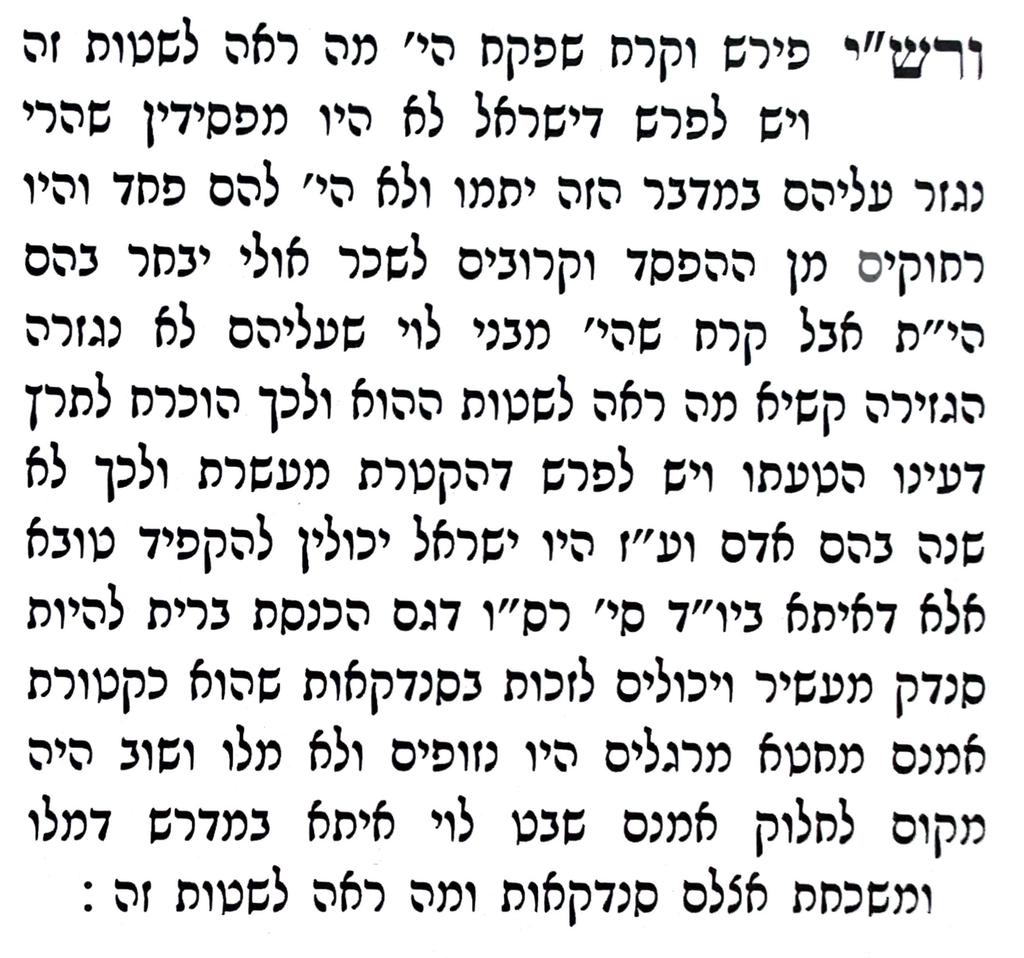
(א)רב לכם בני לוי. דָּבָר גָּדוֹל אָמַרְתִּי לָכֶם; וְלֹא טִפְּשִׁים הָיוּ, שֶׁכָּךְ הִתְרָה בָהֶם וְקִבְּלוּ עֲלֵיהֶם לְקָרֵב? הֵם חָטְאוּ עַל נַפְשׁוֹתָם, שֶׁנֶּאֱמַר "אֵת מַחְתּוֹת הַחַטָּאִים הָאֵלֶּה בְּנַפְשֹׁתָם" (במדבר י״ז:ג׳), וְקֹרַח שֶׁפִּקֵּחַ הָיָה מָה רָאָה לִשְׁטוּת זֶה? עֵינוֹ הִטְעַתּוּ, רָאָה שַׁלְשֶׁלֶת גְּדוֹלָה יוֹצְאָה מִמֶּנּוּ — שְׁמוּאֵל שֶׁשָּׁקוּל כְּנֶגֶד מֹשֶׁה וְאַהֲרֹן — אָמַר בִּשְׁבִילוֹ אֲנִי נִמְלָט, וְכ"ד מִשְׁמָרוֹת עוֹמְדוֹת לִבְנֵי בָנָיו, כֻּלָּם מִתְנַבְּאִים בְּרוּחַ הַקֹּדֶשׁ, שֶׁנֶּאֱמַר "כָּל אֵלֶּה בָנִים לְהֵימָן" (דברי הימים א כ"ה ה'), אָמַר אֶפְשָׁר כָּל הַגְּדֻלָּה הַזֹּאת עֲתִידָה לַעֲמֹד מִמֶּנִּי וַאֲנִי אֶדּוֹם? לְכָךְ נִשְׁתַּתֵּף לָבֹא לְאוֹתָהּ חֲזָקָה, שֶׁשָּׁמַע מִפִּי מֹשֶׁה שֶׁכֻּלָּם אוֹבְדִים וְאֶחָד נִמְלָט, "אֲשֶׁר יִבְחַר ה' הוּא הַקָּדוֹשׁ" — טָעָה וְתָלָה בְעַצְמוֹ, וְלֹא רָאָה יָפֶה, לְפִי שֶׁבָּנָיו עָשׂוּ תְשׁוּבָה, וּמֹשֶׁה הָיָה רוֹאֶה. — תַּנְחוּמָא:
(1) רב לכם בני לוי means, “It is a great (an important) thing that I have told you, ye sons of Levi”). But were they not fools in that although he so sternly warned them they nevertheless undertook to offer! They, however, sinned against their own souls (i.e., they were regardless of their lives) as it is said, (17:3) “the censers of these sinners against their souls”. — But Korah who certainly was a clever (lit., open-eyed) man, what reason had he to commit this folly? His mind’s eye misled him. He saw by prophetic vision a line of great men (more lit., a great chain) descending from him, amongst them the prophet Samuel who was equal in importance to Moses and Aaron together (cf. Psalms 99:6: משה ואהרן בכהניו ושמואל בקראי שמו), and he said to himself, “On his account I shall escape the punishment”. And he further saw twenty-four Mishmars (shifts of Levites who formed the Temple Choir) arising among his grand-children, all of them prophesying by the Holy Spirit, — as it is said, (I Chronicles 25:5) “All these (prominent musicians) were sons of Heiman” (Heiman was a descendant of Korah; cf. I Chronicles 6:18—23). — He said, “Is it possible that all this dignity is to arise from me and I shall remain silent (be myself of no importance)?” On this account he joined the others in order to attain to that prerogative, because he had indeed heard from the mouth of Moses that all else of them would perish and one would escape: "He whom the Lord will choose will be holy". He mistakenly applied this to himself. But he had not seen correctly, for his sons repented of their rebellious attitude and therefore did not die at that time (cf. Numbers 26:11), and it was from them that Samuel and the Levitical singers were descended. Moses, however, foresaw this. (Midrash Tanchuma, Korach 5).
Torat Moshe
(יז) וּקְח֣וּ ׀ אִ֣ישׁ מַחְתָּת֗וֹ וּנְתַתֶּ֤ם עֲלֵיהֶם֙ קְטֹ֔רֶת וְהִקְרַבְתֶּ֞ם לִפְנֵ֤י ה אִ֣ישׁ מַחְתָּת֔וֹ חֲמִשִּׁ֥ים וּמָאתַ֖יִם מַחְתֹּ֑ת וְאַתָּ֥ה וְאַהֲרֹ֖ן אִ֥ישׁ מַחְתָּתֽוֹ׃
(17) Each of you take your fire pan and lay incense on it, and each of you bring that fire pan before יהוה, two hundred and fifty fire pans; you and Aaron also [bring] your fire pans.”