


הַ֤ר סִינַי֙ עָ*שַׁ֣*ן כֻּלּ֔וֹ - עולם שנה נפש
Mount Sinai was completely asmoke (Ex 19:18) Space - Time - Soul
Har Sinai ashan kulo (ashan kulo): Olam - Shanah - Nefesh
(א)בָּרוּךְ אַתָּה יהוה אֱלֹהֵֽינוּ מֶֽלֶךְ הָעוֹלָם אֲשֶׁר קִדְּ֒שָֽׁנוּ בְּמִצְוֹתָיו וְצִוָּנוּ לַעֲסֹק בְּדִבְרֵי תוֹרָה. וְהַעֲרֶב נָא יהוה אֱלֹהֵֽינוּ אֶת־דִּבְרֵי תוֹרָתְךָ בְּפִֽינוּ וּבְפִי עַמְּךָ בֵּית יִשְׂרָאֵל. וְנִהְיֶה אֲנַֽחְנוּ וְצֶאֱצָאֵֽינוּ וְצֶאֱצָאֵי עַמְּךָ בֵּית יִשְׂרָאֵל כֻּלָּֽנוּ יוֹדְעֵי שְׁמֶֽךָ וְלוֹמְדֵי תוֹרָתֶֽךָ. (י"א תוֹרָתְךָ) לִשְׁמָהּ. בָּרוּךְ אַתָּה יהוה הַמְלַמֵּד תּוֹרָה לְעַמּוֹ יִשְׂרָאֵל:
Blessed are You [!!!!], Divine power, sovereign of the cosmos, who sanctifies us through practice, enjoining us to steep ourselves in words of Torah.
Please, G!d, our divine sovereign power, make this words of Torah sweet in our mouths and the mouths of all your people, the house of Israel, and may we and our descendants and the descendants of all your people Israel, together be knows of your Name and students of your Torah, for Her own sake. Blessed are you, All-Being, who teaches Torah to their people Israel.
Shavuot, Shabbat and Holy Bread
(י) דַּבֵּ֞ר אֶל־בְּנֵ֤י יִשְׂרָאֵל֙ וְאָמַרְתָּ֣ אֲלֵהֶ֔ם כִּֽי־תָבֹ֣אוּ אֶל־הָאָ֗רֶץ אֲשֶׁ֤ר אֲנִי֙ נֹתֵ֣ן לָכֶ֔ם וּקְצַרְתֶּ֖ם אֶת־קְצִירָ֑הּ וַהֲבֵאתֶ֥ם אֶת־עֹ֛מֶר רֵאשִׁ֥ית קְצִירְכֶ֖ם אֶל־הַכֹּהֵֽן׃ (יא) וְהֵנִ֧יף אֶת־הָעֹ֛מֶר לִפְנֵ֥י ה׳ לִֽרְצֹנְכֶ֑ם מִֽמׇּחֳרַת֙ הַשַּׁבָּ֔ת יְנִיפֶ֖נּוּ הַכֹּהֵֽן׃ (יב) וַעֲשִׂיתֶ֕ם בְּי֥וֹם הֲנִֽיפְכֶ֖ם אֶת־הָעֹ֑מֶר כֶּ֣בֶשׂ תָּמִ֧ים בֶּן־שְׁנָת֛וֹ לְעֹלָ֖ה לַה׳׃ (יג) וּמִנְחָתוֹ֩… (יד) וְלֶ֩חֶם֩ וְקָלִ֨י וְכַרְמֶ֜ל לֹ֣א תֹֽאכְל֗וּ עַד־עֶ֙צֶם֙ הַיּ֣וֹם הַזֶּ֔ה עַ֚ד הֲבִ֣יאֲכֶ֔ם אֶת־קׇרְבַּ֖ן אֱלֹקֵיכֶ֑ם חֻקַּ֤ת עוֹלָם֙ לְדֹרֹ֣תֵיכֶ֔ם בְּכֹ֖ל מֹשְׁבֹֽתֵיכֶֽם׃ {ס} (טו) וּסְפַרְתֶּ֤ם לָכֶם֙ מִמׇּחֳרַ֣ת הַשַּׁבָּ֔ת מִיּוֹם֙ הֲבִ֣יאֲכֶ֔ם אֶת־עֹ֖מֶר הַתְּנוּפָ֑ה שֶׁ֥בַע שַׁבָּת֖וֹת תְּמִימֹ֥ת תִּהְיֶֽינָה׃ (טז) עַ֣ד מִֽמׇּחֳרַ֤ת הַשַּׁבָּת֙ הַשְּׁבִיעִ֔ת תִּסְפְּר֖וּ חֲמִשִּׁ֣ים י֑וֹם וְהִקְרַבְתֶּ֛ם מִנְחָ֥ה חֲדָשָׁ֖ה לַה׳׃ (יז)מִמּוֹשְׁבֹ֨תֵיכֶ֜ם תָּבִ֣יאּוּ ׀ לֶ֣חֶם תְּנוּפָ֗ה שְׁ֚תַּיִם שְׁנֵ֣י עֶשְׂרֹנִ֔ים סֹ֣לֶת תִּהְיֶ֔ינָה חָמֵ֖ץ תֵּאָפֶ֑ינָה בִּכּוּרִ֖ים לַֽה׳׃(יח) וְהִקְרַבְתֶּ֣ם עַל־הַלֶּ֗חֶם שִׁבְעַ֨ת כְּבָשִׂ֤ים תְּמִימִם֙ בְּנֵ֣י שָׁנָ֔ה וּפַ֧ר בֶּן־בָּקָ֛ר אֶחָ֖ד וְאֵילִ֣ם שְׁנָ֑יִם יִהְי֤וּ עֹלָה֙ לַֽה׳ וּמִנְחָתָם֙ וְנִסְכֵּיהֶ֔ם אִשֵּׁ֥ה רֵֽיחַ־נִיחֹ֖חַ לַה׳׃ (יט) וַעֲשִׂיתֶ֛ם שְׂעִיר־עִזִּ֥ים אֶחָ֖ד לְחַטָּ֑את וּשְׁנֵ֧י כְבָשִׂ֛ים בְּנֵ֥י שָׁנָ֖ה לְזֶ֥בַח שְׁלָמִֽים׃ (כ)וְהֵנִ֣יף הַכֹּהֵ֣ן ׀ אֹתָ֡ם עַל֩ לֶ֨חֶם הַבִּכֻּרִ֤ים תְּנוּפָה֙ לִפְנֵ֣י ה׳ עַל־שְׁנֵ֖י כְּבָשִׂ֑ים קֹ֛דֶשׁ יִהְי֥וּ לַה׳ לַכֹּהֵֽן׃
(10) Speak to the Israelite people and say to them: When you enter the land that I am giving to you and you reap its harvest, you shall bring the first sheaf [lit. omer] of your harvest to the priest.(11) He shall elevate the omer before ה׳ for acceptance in your behalf; the priest shall elevate it on the day after the sabbath. (12) On the day that you elevate the sheaf, you shall offer as a burnt offering to ה׳one lamb of the first year without blemish. (13) The meal offering with it…(14) Until that very day, until you have brought the offering of your God, you shall eat no bread or parched grain or fresh ears; it is a law for all time throughout the ages in all your settlements. (15) And from the day on which you bring the sheaf of elevation offering—the day after the sabbath—you shall count off seven weeks. They must be complete: (16) you must count until the day after the seventh week—fifty days; then you shall bring an offering of new grain to ה׳. (17)You shall bring from your settlements two loaves of bread as an elevation offering; each shall be made of two-tenths of a measure of choice flour, baked after leavening, as first fruits to ה׳. (18) With the bread you shall present, as burnt offerings to ה׳, seven yearling lambs without blemish, one bull of the herd, and two rams, with their meal offerings and libations, an offering by fire of pleasing odor to ה׳. (19) You shall also offer one he-goat as a sin offering and two yearling lambs as a sacrifice of well-being. (20)The priest shall elevate these—the two lambs —together with the bread of first fruits as an elevation offering before ה׳; they shall be holy to ה׳, for the priest.
(ד) וַיֹּ֤אמֶר ה׳ אֶל־מֹשֶׁ֔ה הִנְנִ֨י מַמְטִ֥יר לָכֶ֛ם לֶ֖חֶם מִן־הַשָּׁמָ֑יִם וְיָצָ֨א הָעָ֤ם וְלָֽקְטוּ֙ דְּבַר־י֣וֹם בְּיוֹמ֔וֹ לְמַ֧עַן אֲנַסֶּ֛נּוּ הֲיֵלֵ֥ךְ בְּתוֹרָתִ֖י אִם־לֹֽא׃ (ה) וְהָיָה֙ בַּיּ֣וֹם הַשִּׁשִּׁ֔י וְהֵכִ֖ינוּ אֵ֣ת אֲשֶׁר־יָבִ֑יאוּ וְהָיָ֣ה מִשְׁנֶ֔ה עַ֥ל אֲשֶֽׁר־יִלְקְט֖וּ י֥וֹם ׀ יֽוֹם׃ …
(יד) וַתַּ֖עַל שִׁכְבַ֣ת הַטָּ֑ל וְהִנֵּ֞ה עַל־פְּנֵ֤י הַמִּדְבָּר֙ דַּ֣ק מְחֻסְפָּ֔ס דַּ֥ק כַּכְּפֹ֖ר עַל־הָאָֽרֶץ׃ (טו) וַיִּרְא֣וּ בְנֵֽי־יִשְׂרָאֵ֗ל וַיֹּ֨אמְר֜וּ אִ֤ישׁ אֶל־אָחִיו֙ מָ֣ן ה֔וּא כִּ֛י לֹ֥א יָדְע֖וּ מַה־ה֑וּא וַיֹּ֤אמֶר מֹשֶׁה֙ אֲלֵהֶ֔ם ה֣וּא הַלֶּ֔חֶם אֲשֶׁ֨ר נָתַ֧ן ה׳ לָכֶ֖ם לְאׇכְלָֽה׃ (טז) זֶ֤ה הַדָּבָר֙ אֲשֶׁ֣ר צִוָּ֣ה ה׳ לִקְט֣וּ מִמֶּ֔נּוּ אִ֖ישׁ לְפִ֣י אׇכְל֑וֹ עֹ֣מֶר לַגֻּלְגֹּ֗לֶת מִסְפַּר֙ נַפְשֹׁ֣תֵיכֶ֔ם אִ֛ישׁ לַאֲשֶׁ֥ר בְּאׇהֳל֖וֹ תִּקָּֽחוּ׃ … (יט) וַיֹּ֥אמֶר מֹשֶׁ֖ה אֲלֵהֶ֑ם אִ֕ישׁ אַל־יוֹתֵ֥ר מִמֶּ֖נּוּ עַד־בֹּֽקֶר׃ (כ) וְלֹא־שָׁמְע֣וּ אֶל־מֹשֶׁ֗ה וַיּוֹתִ֨רוּ אֲנָשִׁ֤ים מִמֶּ֙נּוּ֙ עַד־בֹּ֔קֶר וַיָּ֥רֻם תּוֹלָעִ֖ים וַיִּבְאַ֑שׁ וַיִּקְצֹ֥ף עֲלֵהֶ֖ם מֹשֶֽׁה׃ …
וַיְהִ֣י ׀ בַּיּ֣וֹם הַשִּׁשִּׁ֗י לָֽקְט֥וּ לֶ֙חֶם֙ מִשְׁנֶ֔ה שְׁנֵ֥י הָעֹ֖מֶר לָאֶחָ֑ד וַיָּבֹ֙אוּ֙ כׇּל־נְשִׂיאֵ֣י הָֽעֵדָ֔ה וַיַּגִּ֖ידוּ לְמֹשֶֽׁה׃ (כג) וַיֹּ֣אמֶר אֲלֵהֶ֗ם ה֚וּא אֲשֶׁ֣ר דִּבֶּ֣ר ה׳ שַׁבָּת֧וֹן שַׁבַּת־קֹ֛דֶשׁ לַֽה׳ מָחָ֑ר אֵ֣ת אֲשֶׁר־תֹּאפ֞וּ אֵפ֗וּ וְאֵ֤ת אֲשֶֽׁר־תְּבַשְּׁלוּ֙ בַּשֵּׁ֔לוּ וְאֵת֙ כׇּל־הָ֣עֹדֵ֔ף הַנִּ֧יחוּ לָכֶ֛ם לְמִשְׁמֶ֖רֶת עַד־הַבֹּֽקֶר׃ (כד) וַיַּנִּ֤יחוּ אֹתוֹ֙ עַד־הַבֹּ֔קֶר כַּאֲשֶׁ֖ר צִוָּ֣ה מֹשֶׁ֑ה וְלֹ֣א הִבְאִ֔ישׁ וְרִמָּ֖ה לֹא־הָ֥יְתָה בּֽוֹ׃ (כה) וַיֹּ֤אמֶר מֹשֶׁה֙ אִכְלֻ֣הוּ הַיּ֔וֹם כִּֽי־שַׁבָּ֥ת הַיּ֖וֹם לַה׳ הַיּ֕וֹם לֹ֥א תִמְצָאֻ֖הוּ בַּשָּׂדֶֽה׃ (כו) שֵׁ֥שֶׁת יָמִ֖ים תִּלְקְטֻ֑הוּ וּבַיּ֧וֹם הַשְּׁבִיעִ֛י שַׁבָּ֖ת לֹ֥א יִֽהְיֶה־בּֽוֹ׃ (כז) וַֽיְהִי֙ בַּיּ֣וֹם הַשְּׁבִיעִ֔י יָצְא֥וּ מִן־הָעָ֖ם לִלְקֹ֑ט וְלֹ֖א מָצָֽאוּ׃
… (כט) רְא֗וּ כִּֽי־ה׳ נָתַ֣ן לָכֶ֣ם הַשַּׁבָּת֒ עַל־כֵּ֠ן ה֣וּא נֹתֵ֥ן לָכֶ֛ם בַּיּ֥וֹם הַשִּׁשִּׁ֖י לֶ֣חֶם יוֹמָ֑יִם שְׁב֣וּ ׀ אִ֣ישׁ תַּחְתָּ֗יו אַל־יֵ֥צֵא אִ֛ישׁ מִמְּקֹמ֖וֹ בַּיּ֥וֹם הַשְּׁבִיעִֽי׃ (ל)
(4) And ה׳ said to Moses, “I will rain down bread for you from the sky, and the people shall go out and gather each day that day’s portion—that I may thus test them, to see whether they will follow My instructions or not. (5)But on the sixth day, when they apportion what they have brought in, it shall prove to be double the amount they gather each day.” …
(14) When the fall of dew lifted, there, over the surface of the wilderness, lay a fine and flaky substance, as fine as frost on the ground. (15) When the Israelites saw it, they said to one another, “Man hu? What is it?” —for they did not know what it was. And Moses said to them, “That is the bread which ה׳ has given you to eat. (16) This is what ה׳ has commanded: Each household shall gather as much as it requires to eat—an omer to a person for as many of you as there are; each household shall fetch according to those in its tent.” ... (19) And Moses said to them, “Let no one leave any of it over until morning.” (20) But they paid no attention to Moses; some of them left of it until morning, and it became infested with maggots and stank. And Moses was angry with them...
(22)On the sixth day they gathered double the amount of food, two omers for each; and when all the chieftains of the community came and told Moses, (23) he said to them, “This is what ה׳ meant: Tomorrow is a day of rest, a holy sabbath of ה׳. Bake what you would bake and boil what you would boil; and all that is left put aside to be kept until morning.” (24) So they put it aside until morning, as Moses had ordered; and it did not turn foul, and there were no maggots in it. (25) Then Moses said, “Eat it today, for today is a sabbath of ה׳; you will not find it today on the plain. (26) Six days you shall gather it; on the seventh day, the sabbath, there will be none.” (27) Yet some of the people went out on the seventh day to gather, but they found nothing. … (29) Mark that it is ה׳ who, having given you the sabbath, therefore gives you two days’ food on the sixth day. Let everyone remain in place: let no one leave the vicinity on the seventh day.” (30) So the people remained inactive on the seventh day.
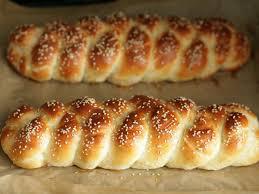
(ה) וְלָקַחְתָּ֣ סֹ֔לֶת וְאָפִיתָ֣ אֹתָ֔הּ שְׁתֵּ֥ים עֶשְׂרֵ֖ה חַלּ֑וֹת שְׁנֵי֙ עֶשְׂרֹנִ֔ים יִהְיֶ֖ה הַֽחַלָּ֥ה הָאֶחָֽת׃ (ו) וְשַׂמְתָּ֥ אוֹתָ֛ם שְׁתַּ֥יִם מַֽעֲרָכ֖וֹת שֵׁ֣שׁ הַֽמַּעֲרָ֑כֶת עַ֛ל הַשֻּׁלְחָ֥ן הַטָּהֹ֖ר לִפְנֵ֥י יְהֹוָֽה׃ (ז) וְנָתַתָּ֥ עַל־הַֽמַּעֲרֶ֖כֶת לְבֹנָ֣ה זַכָּ֑ה וְהָיְתָ֤ה לַלֶּ֙חֶם֙ לְאַזְכָּרָ֔ה אִשֶּׁ֖ה לַֽיהֹוָֽה׃ (ח) בְּי֨וֹם הַשַּׁבָּ֜ת בְּי֣וֹם הַשַּׁבָּ֗ת יַֽעַרְכֶ֛נּוּ לִפְנֵ֥י יְהֹוָ֖ה תָּמִ֑יד מֵאֵ֥ת בְּנֵֽי־יִשְׂרָאֵ֖ל בְּרִ֥ית עוֹלָֽם׃ (ט) וְהָֽיְתָה֙ לְאַהֲרֹ֣ן וּלְבָנָ֔יו וַאֲכָלֻ֖הוּ בְּמָק֣וֹם קָדֹ֑שׁ כִּ֡י קֹ֩דֶשׁ֩ קׇֽדָשִׁ֨ים ה֥וּא ל֛וֹ מֵאִשֵּׁ֥י יְהֹוָ֖ה חׇק־עוֹלָֽם׃ {ס}
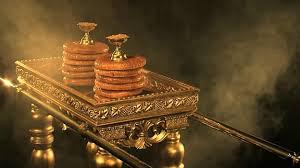
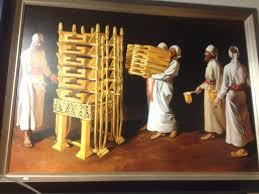
(5) You shall take choice flour and bake of it twelve loaves, two-tenths of a measure for each loaf. (6) Place them on the pure table before יהוה in two rows, six to a row. (7) With each row you shall place pure frankincense, which is to be a token offering for the bread, as an offering by fire to יהוה. (8) He shall arrange them before יהוה regularly every sabbath day—it is a commitment for all time on the part of the Israelites. (9) They shall belong to Aaron and his sons, who shall eat them in the sacred precinct; for they are his as most holy things from יהוה’s offerings by fire, a due for all time.
Rabbi Dovber Pinson: Sivan: The Art of Receiving
Sivan’s energy is one of savua, restful satisfaction, but also of movement. … The Torah, which we receive this month, contains both the final spiritual goal of creation and also the path of pursuit, the mitzvot which cause us to grow. Sivan and Shavuot thus represent both the repose of savua, and the dynamism of growth. This is the ‘twin’ (Gemini) idea of Sivan … True wholeness integrates toil and yearning with unconditional joy and satisfaction.
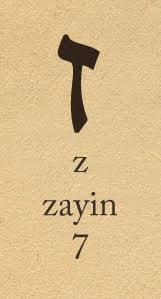
המליך אות ז בהילוך
וקשר לו כתר
וצר בו תאומים בעולם
וסיון בשנה
ורגל שמאל בנפש
זכר ונק
[God] caused the letter ז zayyin to reign over the domain of Walking, attached to it a crown, and formed its correspondences, aligning it with
the Twins [Gemini] in the cosmos,
Sivan in the year,
and the left leg in the body,
Male and female.
The Torah of Two
(יח) וַיִּתֵּ֣ן אֶל־מֹשֶׁ֗ה כְּכַלֹּתוֹ֙ לְדַבֵּ֤ר אִתּוֹ֙ בְּהַ֣ר סִינַ֔י שְׁנֵ֖י לֻחֹ֣ת הָעֵדֻ֑ת לֻחֹ֣ת אֶ֔בֶן כְּתֻבִ֖ים בְּאֶצְבַּ֥ע אֱלֹהִֽים׃
(18) Upon finishing speaking with him on Mount Sinai, [God] gave Moses the two tablets of the Pact, stone tablets inscribed with the finger of God.

(ב) אָֽנֹכִ֖י֙ ה׳ אֱלֹקֶ֑֔יךָ אֲשֶׁ֧ר הוֹצֵאתִ֛יךָ מֵאֶ֥רֶץ מִצְרַ֖יִם מִבֵּ֣֥ית עֲבָדִ֑͏ֽים׃ (ג) לֹֽ֣א־יִהְיֶ֥͏ֽה־לְךָ֛֩ אֱלֹקִ֥֨ים אֲחֵרִ֖֜ים עַל־פָּנָֽ͏ַ֗י׃
(2) I ה׳ am your God who brought you out of the land of Egypt, the house of bondage:
(3) You shall have no other gods besides Me.
Ramban (Nachmanides):
Five of the Ten Commandments deal with the honor of the Almighty, the Creator, whereas the other five address the well-being of humankind. The commandment to honor father and mother is a part of the commandments honoring G‑d G-dself, since by honoring one's father and one's mother one honors G‑d, because G‑d is a partner in the formation of any human being. The ten sefirot parallel the ten fingers….
We are therefore left with five commandments which address man's needs and dignity. It appears that one set of five commandments was engraved on one of the two tablets, and the second on the other. We are to regard both groups of commandments as equally important. This corresponds to what is written in the Sefer Yetzirah, that the ten sefirot parallel the ten fingers, five on each hand, with a covenant forming the link between them in the center. This explains the need for two tablets.
Up to and including the commandment of honoring father and mother, the commandments allude to the Written Torah; the commandments found on the second tablet are an allusion to the Oral Torah. Our sages may have had this in mind when they said that the reason that there were two tablets was that one symbolized Heaven whereas the other symbolized Earth; they symbolized the relationship between bride and groom. They symbolized the two worlds, the Here and Now and the Hereafter. All of this is reflected in a single allusion. Intelligent students will understand this.
Rashi comments on the verse in Song of Songs: "Your two breasts are like two fawns, twins of the gazelle," (Songs 4:5) that the expression "two breasts" refers to the two stone tablets. They are described as "twins" because they were both of identical dimensions and contained five commandments each.
The commandments very much parallel each other:
The injunction not to murder corresponds to the commandment "I am the Lord Your G‑d", for the murderer diminishes the stature of G‑d by destroying His handiwork;
The commandment not to have other gods corresponds to the prohibition of adultery, because the adulteress practices deceit of her husband, whereas the idol-worshipper practices infidelity against his Maker;
The commandment not to use the name of G‑d in vain corresponds to the prohibition of stealing, for in the end every thief will resort to a false oath to deny his deed;
The commandment to observe Shabbat and keep it holy corresponds to the prohibition of being a false witness, for anyone who does not observe Shabbat testifies that G‑d did not create the universe and rest on the Seventh Day;
The commandment to honor father and mother corresponds to the commandment not to covet, for he who covets someone else's wife will ultimately sire children who will repudiate and curse him instead of honoring him.
(ח)זָכ֛וֹר֩ אֶת־י֥֨וֹם הַשַּׁבָּ֖֜ת לְקַדְּשֽׁ֗וֹ׃
(8)Remember the sabbath day and keep it holy.
(יב) שָׁמ֛֣וֹר אֶת־י֥וֹם֩ הַשַּׁבָּ֖֨ת לְקַדְּשׁ֑֜וֹ כַּאֲשֶׁ֥ר צִוְּךָ֖֣ ׀ ה׳ אֱלֹקֶֽ֗יךָ׃
(12)Observe the sabbath day and keep it holy, as your God ה׳ has commanded you.
Black Fire on White Fire
אָמַר רֵישׁ לָקִישׁ בְּשָׁעָה שֶׁכָּתַב אֶת הַתּוֹרָה נָטַל משֶׁה זִיו הַפָּנִים, כֵּיצַד, אָמַר רֵישׁ לָקִישׁ הַתּוֹרָה שֶׁנִּתְּנָה לְמשֶׁה, עוֹרָהּ שֶׁל אֵשׁ לְבָנָה, וּכְתוּבָה בְּאֵשׁ שְׁחוֹרָה, וַחֲתוּמָה בְּאֵשׁ, וּמְלֻפֶּפֶת בְּאֵשׁ, וְעִם שֶׁכּוֹתֵב קִנַּח אֶת הַקּוּלְמוֹס בִּשְׂעָרוֹ וּמִשָּׁם נָטַל זִיו הַפָּנִים.
Reish Lakish said: When he wrote the Torah, Moses received the radiance of his face. How so? Reish Lakish said: The Torah that was given to Moses, its parchment was white fire, it was written with black fire, sealed with fire, and bound with fire. As he was writing, he wiped the quill in his hair, and it was from there that he received the radiance of his face.
Rabbi Dovber Pinson: Sivan
When the black fire ‘emerges from’ the white fire, each letter must be separate from the others. However, in the world of the white fire, the entire Torah is a seamless whole, for all of the white space is connected and unified. Defined and separated black fire is a reflection of the outer defined level of Torah wisdom. The open, unbounded, white fire is a reflection of the ‘infinite’ inner Torah wisdom.
In the manifest black-fire world of duality, the world was created by a ‘separate’ Creator; and the level of Torah that was revealed in this world begins with the letter bet (bereishit bara). Bet is the second letter of the alphabet, alluding to two-ness. …
Yet the ‘black fire’ Torah is an expression of the ‘white fire’ Torah, which is the Torah on the level of the aleph / one / unity. In fact, the first letter of revelation at Mount Sinai was not bet but aleph, as in Anochi HaShem - I am God. …
As the Zohar (II, Yitro, 87a) teaches, not only do the letters in the Torah comprise various names of Hashem; the entire Torah is one long name of God.
Torah of Briyah vs Torah of Atzilut
Two = Partnership
Rabbi Chayim ben Atar, Tur Barekes:
The name of the holiday should really be pronounced shevuot (oaths) rather than shavuot (weeks) for this is the festival that celebrates two oaths: the oaths that God took that he would never exchange Israel for another nation, and Israel’s oath that she would never exchange him for another God.
וְכֵן הוּא אוֹמֵר: ״צְאֶינָה וּרְאֶינָה בְּנוֹת צִיּוֹן בַּמֶּלֶךְ שְׁלֹמֹה בָּעֲטָרָה שֶׁעִטְּרָה לּוֹ אִמּוֹ בְּיוֹם חֲתֻנָּתוֹ וּבְיוֹם שִׂמְחַת לִבּוֹ״. ״בְּיוֹם חֲתֻנָּתוֹ״ — זֶה מַתַּן תּוֹרָה, ״וּבְיוֹם שִׂמְחַת לִבּוֹ״ — זֶה בִּנְיַן בֵּית הַמִּקְדָּשׁ, שֶׁיִּבָּנֶה בִּמְהֵרָה בְּיָמֵינוּ.
And similarly, it says in another verse: “Go forth, daughters of Zion, and gaze upon King Solomon, upon the crown with which his mother crowned him on the day of his wedding, and on the day of the gladness of his heart” (Song of Songs 3:11). This verse is explained as an allusion to special days: “On the day of his wedding”; this is the giving of the Torah
Eliyahu Kitov: The Book of Our Heritage - Sivan:
In many Sephardic communities it is customary, when the ark is opened and before the Torah is removed [on Shavuot], to publicly read the text of a ketubah - marriage contract - between God and Israel, which was written by Rabbi Yisrael Najara.
The ketubah speaks of the love of God - the groom - for His bride, the people Israel. … The bride responds with affection and expresses her willingness to enter the chuppah [wedding canopy], in the words “We shall do and we shall hear.” …
The Groom pledges to fulfil His obligation and to bequeath an eternal inheritance upon His beloved. He presents the Torah as a gift to His bride, and summons Heaven and Earth to be witness thereto.
(ז) וַיִּקַּח֙ סֵ֣פֶר הַבְּרִ֔ית וַיִּקְרָ֖א בְּאׇזְנֵ֣י הָעָ֑ם וַיֹּ֣אמְר֔וּ כֹּ֛ל אֲשֶׁר־דִּבֶּ֥ר ה׳ נַעֲשֶׂ֥ה וְנִשְׁמָֽע׃
(7) Then he took the record of the covenant and read it aloud to the people. And they said, “All that ה׳ has spoken we will do and we shall hear!”
דָּרַשׁ רַבִּי סִימַאי: בְּשָׁעָה שֶׁהִקְדִּימוּ יִשְׂרָאֵל ״נַעֲשֶׂה״ לְ״נִשְׁמָע״ בָּאוּ שִׁשִּׁים רִיבּוֹא שֶׁל מַלְאֲכֵי הַשָּׁרֵת, לְכׇל אֶחָד וְאֶחָד מִיִּשְׂרָאֵל קָשְׁרוּ לוֹ שְׁנֵי כְתָרִים, אֶחָד כְּנֶגֶד ״נַעֲשֶׂה״ וְאֶחָד כְּנֶגֶד ״נִשְׁמָע״.
Rabbi Simai taught: When Israel accorded precedence to the declaration “We will do” over the declaration “We will hear,” 600,000 ministering angels came and tied two crowns to each and every member of the Jewish people, one corresponding to “We will do” and one corresponding to “We will hear.”
שמות רבה מ"א ו' יפה תאר
לֹא זוֹ גְּדוֹלָה מִזּוֹ.
Exodus Rabba 41:6, Y'feh To'ar
NEITHER GREATER THAN THE OTHER. ... Also, there were five statements on one tablet and five statements on the other, and on the first tablet there were the statements that were between the person and the Omnipresent, and on the second tablet there were the statements that were between person and person. And the midrash says that they were equally important, and neither one was superior to the other.