


(א) וַיְדַבֵּ֤ר יהוה אֶל־מֹשֶׁ֔ה בְּהַ֥ר סִינַ֖י לֵאמֹֽר׃ (ב) דַּבֵּ֞ר אֶל־בְּנֵ֤י יִשְׂרָאֵל֙ וְאָמַרְתָּ֣ אֲלֵהֶ֔ם כִּ֤י תָבֹ֙אוּ֙ אֶל־הָאָ֔רֶץ אֲשֶׁ֥ר אֲנִ֖י נֹתֵ֣ן לָכֶ֑ם וְשָׁבְתָ֣ה הָאָ֔רֶץ שַׁבָּ֖ת לַיהוה׃ (ג) שֵׁ֤שׁ שָׁנִים֙ תִּזְרַ֣ע שָׂדֶ֔ךָ וְשֵׁ֥שׁ שָׁנִ֖ים תִּזְמֹ֣ר כַּרְמֶ֑ךָ וְאָסַפְתָּ֖ אֶת־תְּבוּאָתָֽהּ׃ (ד) וּבַשָּׁנָ֣ה הַשְּׁבִיעִ֗ת שַׁבַּ֤ת שַׁבָּתוֹן֙ יִהְיֶ֣ה לָאָ֔רֶץ שַׁבָּ֖ת לַיהוה שָֽׂדְךָ֙ לֹ֣א תִזְרָ֔ע וְכַרְמְךָ֖ לֹ֥א תִזְמֹֽר׃ (ה) אֵ֣ת סְפִ֤יחַ קְצִֽירְךָ֙ לֹ֣א תִקְצ֔וֹר וְאֶת־עִנְּבֵ֥י נְזִירֶ֖ךָ לֹ֣א תִבְצֹ֑ר שְׁנַ֥ת שַׁבָּת֖וֹן יִהְיֶ֥ה לָאָֽרֶץ׃ (ו) וְ֠הָיְתָ֠ה שַׁבַּ֨ת הָאָ֤רֶץ לָכֶם֙ לְאׇכְלָ֔ה לְךָ֖ וּלְעַבְדְּךָ֣ וְלַאֲמָתֶ֑ךָ וְלִשְׂכִֽירְךָ֙ וּלְתוֹשָׁ֣בְךָ֔ הַגָּרִ֖ים עִמָּֽךְ׃ (ז) וְלִ֨בְהֶמְתְּךָ֔ וְלַֽחַיָּ֖ה אֲשֶׁ֣ר בְּאַרְצֶ֑ךָ תִּהְיֶ֥ה כׇל־תְּבוּאָתָ֖הּ לֶאֱכֹֽל׃ {ס} (ח) וְסָפַרְתָּ֣ לְךָ֗ שֶׁ֚בַע שַׁבְּתֹ֣ת שָׁנִ֔ים שֶׁ֥בַע שָׁנִ֖ים שֶׁ֣בַע פְּעָמִ֑ים וְהָי֣וּ לְךָ֗ יְמֵי֙ שֶׁ֚בַע שַׁבְּתֹ֣ת הַשָּׁנִ֔ים תֵּ֥שַׁע וְאַרְבָּעִ֖ים שָׁנָֽה׃ (ט) וְהַֽעֲבַרְתָּ֞ שׁוֹפַ֤ר תְּרוּעָה֙ בַּחֹ֣דֶשׁ הַשְּׁבִעִ֔י בֶּעָשׂ֖וֹר לַחֹ֑דֶשׁ בְּיוֹם֙ הַכִּפֻּרִ֔ים תַּעֲבִ֥ירוּ שׁוֹפָ֖ר בְּכׇל־אַרְצְכֶֽם׃
(1) יהוה spoke to Moses on Mount Sinai: (2) Speak to the Israelite people and say to them: When you enter the land that I assign to you, the land shall observe a sabbath of יהוה. (3) Six years you may sow your field and six years you may prune your vineyard and gather in the yield. (4) But in the seventh year the land shall have a sabbath of complete rest, a sabbath of יהוה: you shall not sow your field or prune your vineyard. (5) You shall not reap the aftergrowth of your harvest or gather the grapes of your untrimmed vines; it shall be a year of complete rest for the land. (6) But you may eat whatever the land during its sabbath will produce—you, your male and female slaves, the hired and bound laborers who live with you, (7) and your cattle and the beasts in your land may eat all its yield. (8) You shall count off seven weeks of years—seven times seven years—so that the period of seven weeks of years gives you a total of forty-nine years. (9) Then you shall sound the horn loud; in the seventh month, on the tenth day of the month—the Day of Atonement—you shall have the horn sounded throughout your land
וְקִדַּשְׁתֶּ֗ם אֵ֣ת שְׁנַ֤ת הַחֲמִשִּׁים֙ שָׁנָ֔ה וּקְרָאתֶ֥ם דְּר֛וֹר בָּאָ֖רֶץ לְכׇל־יֹשְׁבֶ֑יהָ יוֹבֵ֥ל הִוא֙ תִּהְיֶ֣ה לָכֶ֔ם וְשַׁבְתֶּ֗ם אִ֚ישׁ אֶל־אֲחֻזָּת֔וֹ וְאִ֥ישׁ אֶל־מִשְׁפַּחְתּ֖וֹ תָּשֻֽׁבוּ׃
and you shall hallow the fiftieth year. You shall proclaim release throughout the land for all its inhabitants. It shall be a jubilee for you: each of you shall return to your holding and each of you shall return to your family.
וקראתם דרור. לָעֲבָדִים, בֵּין נִרְצַע בֵּין שֶׁלֹּא כָלוּ לוֹ שֵׁשׁ שָׁנִים מִשֶּׁנִּמְכַּר: אָמַר רַבִּי יְהוּדָה מַהוּ לְשׁוֹן דְּרוֹר? כִּמְדַיַּר בֵּי דַיְרָא וְכוּ' — שֶׁדָּר בְּכָל מָקוֹם שֶׁהוּא רוֹצֶה וְאֵינוֹ בִרְשׁוּת אֲחֵרִים (ספרא; ראש השנה ט'):
וקראתם דרור AND YE SHALL PROCLAIM LIBERTY unto slaves, both to him whose ear has been pierced (and whose period of servitude has thus been prolonged until the Jubilee; cf. Exodus 21:6) and to him whose six years of servitude (the period prescribed for an ordinary Hebrew servant; Exodus 21:6 Exodus 21:2), reckoning from the time when he was sold, have not yet ended. R. Jehuda said, “What is the etymology of the term דרור, freedom? A free man is like a person who may dwell (דור) at an inn — meaning that he may reside in any place he pleases, and is not under the control of others. (דרור therefore implies liberty of residence) (Rosh Hashanah 9b).
דרור. ידועה שהוא כמו חפשי וכדרור לעוף עוף קטן מנגן כשהוא ברשותו ואם הוא ברשות אדם לא יאכל עד שימות:
LIBERTY. The meaning of the word deror is known. It means liberty. As the flying swallow (deror) (Prov. 26:2) refers to a small bird that produces music when it is free. However, if it is taken captive it refuses to eat and starves to death.
וקראתם דרור בארץ לכל יושביה. נכלל בזה בעלי מלחמה העומדין מחוץ לביתם בשעבוד המלוכה ונימוסי המדינה וביובל שבים לביתם ואחוזתם. וע׳ להלן י״ח:
And proclaim freedom in the land. This includes the soldiers of war who leave their homes to guard in the service of the king and the matters of state; in the Jubilee year they return to their homes and ancestral land.
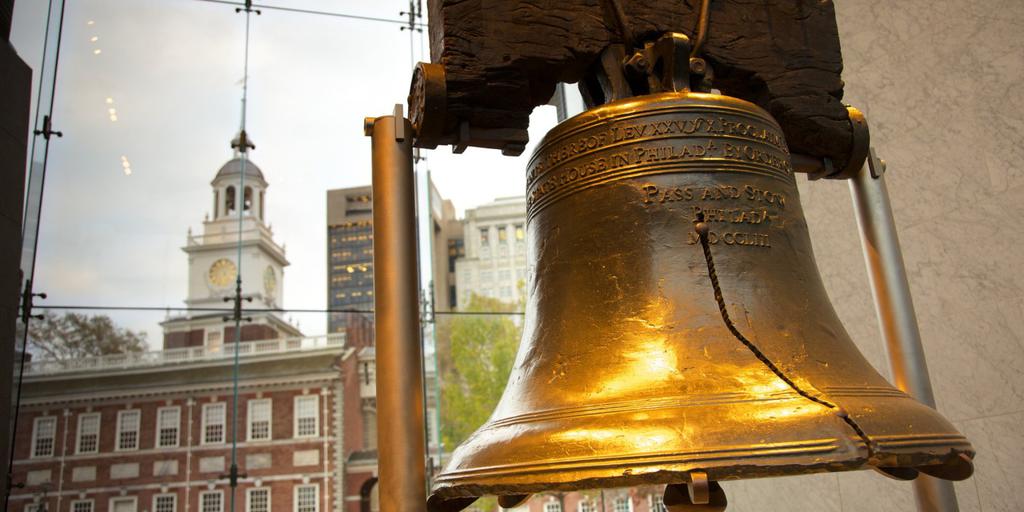
proclaim release throughout the land for all its inhabitants. This verse sums up the goal of the laws in the parashah: to ensure the fundamental freedom from economic oppression. Heb. dror (“release”) has often been translated as “freedom” or “liberty.” In 1751, the Pennsylvania Assembly ordered a bronze bell to be cast with an English translation of this clause inscribed on it, to commemorate the fiftieth anniversary of that American colony’s constitution; the inscription on that bell, now known as the Liberty Bell, is: “Proclaim Liberty throughout all the land unto all the inhabitants thereof.” jubilee. Heb. yovel, a word that in the Torah is confined to Leviticus 25 and 27 (seventeen times), with one exception (Numbers 36:4; see the introduction to this unit, above). The word also means “a ram” or “a ram’s horn.” return to your holding…return to your family. The jubilee system aims principally at reuniting families and allowing them to live on their land.
In fact, when the bell arrived from England in 1752, the rim actually cracked upon the first test of its clapper. After local foundry men re-cast the bell, the tone it made was so unattractive they re-cast it yet again before it finally rang out a resonant E-flat. Contrary to legend, the twice re-cast bell did not actually ring out on July 4, 1776 at the signing of the Declaration of Independence, nor do we even know when and how it acquired its signature crack, though that probably didn’t happen until the 1840s. Perhaps the least known part of its history, and the most intriguing, is that it was the abolitionists who gave the Liberty Bell its famous name. The bell is inscribed with Leviticus 25:10, “Proclaim liberty throughout all the land unto all the inhabitants thereof.” The verse refers to the Year of Jubilee when slaves were to be set free in accordance with Hebrew tradition. William Lloyd Garrison, abolitionist and publisher of The Liberator, seizing upon the verse’s true context, re-printed a poem, “The Liberty Bell,” in 1844. The poem’s potent line “Ring it, til the slave be free” was a rebuke; that despite its inscription, the bell did not proclaim liberty to all the inhabitants of the land so long as slavery was allowed to persist. https://time.com/4464934/ben-carson-liberty-bell-history/
“The Liberty Bell” by William Ross Wallace
A sound like a sound of thunder rolled,
And the heart of a nation stirred—
For the bell of
A sound like a sound of thunder rolled,
And the heart of a nation stirred—
For the bell of
Freedom, at midnight tolled,
Through a mighty land and was heard.
And the chime still rung From its iron tongue
Steadily swaying to and fro;
And to some it came
Like a breath of flame—
And to some a sound of wo.
Above the dark mountain, above the blue wave
It was heard by the fettered, and heard by the brave—
It was heard in the cottage, and heard in the hall—
And its chime gave a glorious summons to all—
The sabre was sharpened—the time-rusted blade
Of the Bond started out in the pioneer’s glade
Like a herald of wrath:
And the host was arrayed!
Along the dark mountain, along the blue wave
Swept the ranks of the Bond—swept the ranks of the Brave;
And a shout as of waters went up to the dome.
When a star blazing banner unfurled,
Like the wing of some Seraph flashed out from its home,
Uttered freedom and hope to the world.
O’er the hill-top and tide its magnificent fold,
With a terrible glitter of azure and gold,
In the storm, in the sunshine, and darkness unrolled.
It blazed in the valley—it blazed on the mast—
It leaped with its Eagle abroad on the blast;
And the eyes of whole nations were turned to its light;
And the heart of the multitude soon
Was swayed by its stars, as they shone through the night
Like an ocean when swayed by the moon.
Again and through the midnight that Bell thunders out,
And banners and torches are hurried about:—
A shout as of waters! a long-uttered cry!
How it leaps, how it leaps from the earth to the sky!
From the sky to the earth, from the earth to the sea,
Hear a chorus re-echoed, “The People are Free!”
That old Bell is still seen by the Patriot’s eye,
And he blesses it ever, when journeying by;
Long years have passed o’er it, and yet every soul
Will thrill in the night to its wonderful roll;
For it speaks in its belfry, when kissed by the blast,
Like a glory-breathed tone from the mystical Past.
Long years shall roll o’er it, and yet every chime
Shall unceasingly tell of an era sublime
More splendid, more dear than the rest of all time. O yes!
If the flame on our altars should pale,
Let its voice but be heard, and the Freeman shall start
To rekindle the fire, while he sees on the gale,
All the stars, and the stripes of the Flag of his heart!
Through a mighty land and was heard.
And the chime still rung From its iron tongue
Steadily swaying to and fro;
And to some it came
Like a breath of flame—
And to some a sound of wo.
Above the dark mountain, above the blue wave
It was heard by the fettered, and heard by the brave—
It was heard in the cottage, and heard in the hall—
And its chime gave a glorious summons to all—
The sabre was sharpened—the time-rusted blade
Of the Bond started out in the pioneer’s glade
Like a herald of wrath:
And the host was arrayed!
Along the dark mountain, along the blue wave
Swept the ranks of the Bond—swept the ranks of the Brave;
And a shout as of waters went up to the dome.
When a star blazing banner unfurled,
Like the wing of some Seraph flashed out from its home,
Uttered freedom and hope to the world.
O’er the hill-top and tide its magnificent fold,
With a terrible glitter of azure and gold,
In the storm, in the sunshine, and darkness unrolled.
It blazed in the valley—it blazed on the mast—
It leaped with its Eagle abroad on the blast;
And the eyes of whole nations were turned to its light;
And the heart of the multitude soon
Was swayed by its stars, as they shone through the night
Like an ocean when swayed by the moon.
Again and through the midnight that Bell thunders out,
And banners and torches are hurried about:—
A shout as of waters! a long-uttered cry!
How it leaps, how it leaps from the earth to the sky!
From the sky to the earth, from the earth to the sea,
Hear a chorus re-echoed, “The People are Free!”
That old Bell is still seen by the Patriot’s eye,
And he blesses it ever, when journeying by;
Long years have passed o’er it, and yet every soul
Will thrill in the night to its wonderful roll;
For it speaks in its belfry, when kissed by the blast,
Like a glory-breathed tone from the mystical Past.
Long years shall roll o’er it, and yet every chime
Shall unceasingly tell of an era sublime
More splendid, more dear than the rest of all time. O yes!
If the flame on our altars should pale,
Let its voice but be heard, and the Freeman shall start
To rekindle the fire, while he sees on the gale,
All the stars, and the stripes of the Flag of his heart!