


וַיֹּאמֶר יהוה אֶל אַבְרָם לֶךְ לְךָ מֵאַרְצְךָ וגו' (בראשית יב, א), רַבִּי יִצְחָק פָּתַח (תהלים מה, יא): שִׁמְעִי בַת וּרְאִי וְהַטִּי אָזְנֵךְ וְשִׁכְחִי עַמֵּךְ וּבֵית אָבִיךְ, אָמַר רַבִּי יִצְחָק מָשָׁל לְאֶחָד שֶׁהָיָה עוֹבֵר מִמָּקוֹם לְמָקוֹם, וְרָאָה בִּירָה אַחַת דּוֹלֶקֶת, אָמַר תֹּאמַר שֶׁהַבִּירָה הַזּוֹ בְּלֹא מַנְהִיג, הֵצִיץ עָלָיו בַּעַל הַבִּירָה, אָמַר לוֹ אֲנִי הוּא בַּעַל הַבִּירָה. כָּךְ לְפִי שֶׁהָיָה אָבִינוּ אַבְרָהָם אוֹמֵר תֹּאמַר שֶׁהָעוֹלָם הַזֶּה בְּלֹא מַנְהִיג, הֵצִיץ עָלָיו הַקָּדוֹשׁ בָּרוּךְ הוּא וְאָמַר לוֹ אֲנִי הוּא בַּעַל הָעוֹלָם. (תהלים מה, יב): וְיִתְאָו הַמֶּלֶךְ יָפְיֵךְ כִּי הוּא אֲדֹנַיִךְ. וְיִתְאָו הַמֶּלֶךְ יָפְיֵךְ, לְיַפּוֹתֵךְ בָּעוֹלָם, (תהלים מה, יב): וְהִשְׁתַּחֲוִי לוֹ, הֱוֵי וַיֹּאמֶר יהוה אֶל אַבְרָם.
“The Lord said to Abram: Go you, from your land, and from your birthplace, and from your father’s house, to the land that I will show you” (Genesis 12:1). “The Lord said to Abram: Go you, from your land…” – Rabbi Yitzḥak began: “Listen, daughter, see, and incline your ear. Forget your people and your father’s house” (Psalms 45:11). Rabbi Yitzḥak said: This is analogous to one who was passing from place to place, and saw a building with a [candle] burning in it. He said: ‘Is it possible that this building has no one in charge of it?’ The owner of the building looked out at him and said: ‘I am the owner of the building.’ So, because Abraham our patriarch was saying: ‘Is it possible that this world is without someone in charge?’ The Holy One blessed be He looked at him and said to him: ‘I am the owner of the world.’ “The king will desire your beauty, as he is your master” (Psalms 45:12) – to show your beauty in the world. “And bow to him” (Psalms 45:12) – that is, “the Lord said to Abram.”

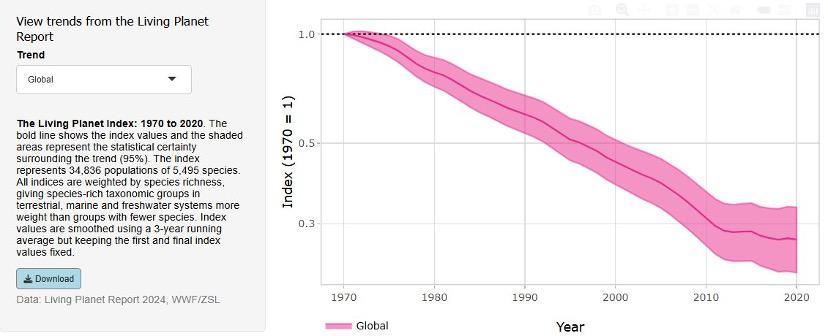
• Wildlife: Wild mammals make up only 4% of mammal biomass after livestock 60% and humans 36%. Of that 4%, WWF’s Living Planet Report 2022 found that wildlife populations of mammals, birds, amphibians, reptiles, and fish have seen a 69% drop on average since 1970.
• Insects: We have seen a drastic decline over the past 20 to 50 years (c.f. 'windscreen phenomenon'). For example, a US study found butterfly numbers dropped by 22% over two decades, and UK bumblebees had their worst year on record in 2024, with an average decline of 22.5% across 24 species (Natural History Museum, April 4, 2025).
• Soil: "About 33% of world soils are moderately to highly degraded and 12 million hectares (half the UK) of agricultural soils are lost globally through soil degradation every year." (UNDRR, "Soil Degradation").
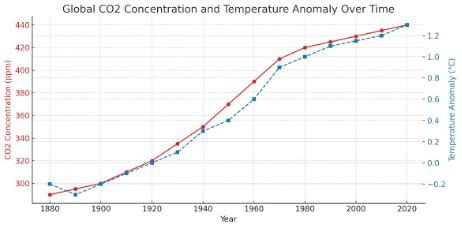
• Scientists estimate that there could be 1.2 billion climate refugees by 2050. (Earth.org, citing IPCC reports, March 20, 2025)
If the global temperature increases past a certain point (colour-coded for temperature thresholds), it's likely to trigger irreversible 'tipping points' for our planet.

הַעִדֹ֨תִי בָכֶ֣ם הַיּוֹם֮ אֶת־הַשָּׁמַ֣יִם וְאֶת־הָאָ֒רֶץ֒ הַחַיִּ֤ים וְהַמָּ֙וֶת֙ נָתַ֣תִּי לְפָנֶ֔יךָ הַבְּרָכָ֖ה וְהַקְּלָלָ֑ה וּבָֽחַרְתָּ֙ בַּחַיִּ֔ים לְמַ֥עַן תִּֽחְיֶ֖ה אַתָּ֥ה וְזַרְעֶֽךָ׃
I call heaven and earth to witness against you this day: I have put before you life and death, blessing and curse. Choose life—if you and your offspring would live—
וַיִּקַּ֛ח יהוה אֱלֹהִ֖ים אֶת־הָֽאָדָ֑ם וַיַּנִּחֵ֣הוּ בְגַן־עֵ֔דֶן לְעׇבְדָ֖הּ וּלְשׇׁמְרָֽהּ׃
God יהוה settled the Human in the garden of Eden, to till it and tend it.
רְאֵה אֶת מַעֲשֵׂה הָאֱלֹהִים כִּי מִי יוּכַל לְתַקֵּן אֵת אֲשֶׁר עִוְּתוֹ, בְּשָׁעָה שֶׁבָּרָא הַקָּדוֹשׁ בָּרוּךְ הוּא אֶת אָדָם הָרִאשׁוֹן, נְטָלוֹ וְהֶחֱזִירוֹ עַל כָּל אִילָנֵי גַּן עֵדֶן, וְאָמַר לוֹ, רְאֵה מַעֲשַׂי כַּמָּה נָאִים וּמְשֻׁבָּחִין הֵן, וְכָל מַה שֶּׁבָּרָאתִי בִּשְׁבִילְךָ בָּרָאתִי, תֵּן דַּעְתְּךָ שֶׁלֹא תְקַלְקֵל וְתַחֲרִיב אֶת עוֹלָמִי, שֶׁאִם קִלְקַלְתָּ אֵין מִי שֶׁיְתַקֵּן אַחֲרֶיךָ, וְלֹא עוֹד שֶׁאַתְּ גּוֹרֵם מִיתָה לְאוֹתוֹ צַדִּיק. מָשָׁל משֶׁה רַבֵּנוּ לְמָה הַדָּבָר דּוֹמֶה, לְאִשָּׁה עֻבָּרָה שֶׁהָיְתָה חֲבוּשָׁה בְּבֵית הָאֲסוּרִים, יָלְדָה שָׁם בֵּן, גִּדְלָה שָׁם וּמֵתָה שָׁם, לְיָמִים עָבַר הַמֶּלֶךְ עַל פֶּתַח הָאֲסוּרִים, כְּשֶׁהַמֶּלֶךְ עוֹבֵר הִתְחִיל אוֹתוֹ הַבֵּן צוֹוֵחַ וְאוֹמֵר אֲדֹנִי הַמֶּלֶךְ כָּאן נוֹלַדְתִּי, כָּאן גָּדַלְתִּי, בְּאֵיזֶה חֵטְא אֲנִי נָתוּן כָּאן אֵינִי יוֹדֵעַ. אָמַר לוֹ, בַּחֵטְא שֶׁל אִמְּךָ. כָּךְ בְּמשֶׁה, כְּמוֹ שֶׁכָּתוּב (בראשית ג, כב): הֵן הָאָדָם הָיָה כְּאַחַד, כְּתִיב (דברים לא, יד): הֵן קָרְבוּ יָמֶיךָ לָמוּת.
“See the work of God, for who can mend what He has warped?” (Ecclesiastes 7:13)“See the work of God, for who can mend what He has warped?” When the Holy One blessed be He created Adam the first man, He took him and showed him all the trees in the Garden of Eden, and He said to him: ‘See My creations, how beautiful and exemplary they are. Everything I created, I created for you. Make certain that you do not ruin and destroy My world, as if you destroy it, there will be no one to mend it after you. Moreover, you will cause death to that righteous one.’ To what is the matter of [the death of] Moses our master analogous? [It is analogous] to a pregnant woman who was incarcerated in prison. She gave birth to a son, raised him, and she died there. Sometime later the king passed the entrance of the prison. As the king was passing, that son began screaming and he said: ‘My lord the king, I was born here, I grew up here; I do not know due to what sin am I placed here.’ [The king] said to him: ‘Due to your mother’s sin.’ So too regarding Moses, as it is written: “Behold, the man has become like one [of us]” (Genesis 3:22). And it is written: “Behold, your days are drawing near to die” (Deuteronomy 31:14).
צֶ֥דֶק צֶ֖דֶק תִּרְדֹּ֑ף לְמַ֤עַן תִּֽחְיֶה֙ וְיָרַשְׁתָּ֣ אֶת־הָאָ֔רֶץ אֲשֶׁר־יהוה אֱלֹהֶ֖יךָ נֹתֵ֥ן לָֽךְ׃ {ס}
Justice, justice shall you pursue, that you may thrive and occupy the land that your God יהוה is giving you.
(ב)לא תעמד על דם רעך. לִרְאוֹת בְּמִיתָתוֹ וְאַתָּה יָכוֹל לְהַצִּילוֹ, כְּגוֹן טוֹבֵעַ בַּנָּהָר וְחַיָּה אוֹ לִיסְטִים בָּאִים עָלָיו (סנהדרין ע"ג):
(2) לא תעמד על דם רעך NEITHER SHALT THOU STAND AGAINST THE BLOOD OF THY FELLOW — witnessing his death, you being able to rescue him: if, for instance, he is drowning in the river or if a wild beast or a robber is attacking him (Sifra, Kedoshim, Chapter 4 8; Sanhedrin 73a).
(יט) כִּי תָצוּר אֶל עִיר יָמִים רַבִּים לְהִלָּחֵם עָלֶיהָ לְתָפְשָׂהּ לֹא תַשְׁחִית אֶת עֵצָהּ לִנְדֹּחַ עָלָיו גַּרְזֶן כִּי מִמֶּנּוּ תֹאכֵל וְאֹתוֹ לֹא תִכְרֹת כִּי הָאָדָם עֵץ הַשָּׂדֶה לָבֹא מִפָּנֶיךָ בַּמָּצוֹר. (כ) רַק עֵץ אֲשֶׁר תֵּדַע כִּי לֹא עֵץ מַאֲכָל הוּא אֹתוֹ תַשְׁחִית וְכָרָתָּ וּבָנִיתָ מָצוֹר עַל הָעִיר אֲשֶׁר הִוא עֹשָׂה עִמְּךָ מִלְחָמָה עַד רִדְתָּהּ.
(19) When you besiege a city a long time, in making war against it to take it, you shall not destroy the trees by wielding an axe against them; for you may eat of them, but you shall not cut them down; for is the tree of the field a human, that it should withdraw from you into the besieged city? (20) Only the trees which you know that they are not trees for food, those you may destroy and cut down, that you may build bulwarks against the city that makes war with you, until it fall.
(ה) כֹּֽה־אָמַ֞ר הָאֵ֣ל ׀ יהוה בּוֹרֵ֤א הַשָּׁמַ֙יִם֙ וְנ֣וֹטֵיהֶ֔ם רֹקַ֥ע הָאָ֖רֶץ וְצֶאֱצָאֶ֑יהָ נֹתֵ֤ן נְשָׁמָה֙ לָעָ֣ם עָלֶ֔יהָ וְר֖וּחַ לַהֹלְכִ֥ים בָּֽהּ׃ (ו) אֲנִ֧י יהוה קְרָאתִ֥יךָֽ בְצֶ֖דֶק וְאַחְזֵ֣ק בְּיָדֶ֑ךָ וְאֶצָּרְךָ֗ וְאֶתֶּנְךָ֛ לִבְרִ֥ית עָ֖ם לְא֥וֹר גּוֹיִֽם׃ (ז) לִפְקֹ֖חַ עֵינַ֣יִם עִוְר֑וֹת לְהוֹצִ֤יא מִמַּסְגֵּר֙ אַסִּ֔יר מִבֵּ֥ית כֶּ֖לֶא יֹ֥שְׁבֵי חֹֽשֶׁךְ׃ (ח) אֲנִ֥י יהוה ה֣וּא שְׁמִ֑י וּכְבוֹדִי֙ לְאַחֵ֣ר לֹֽא־אֶתֵּ֔ן וּתְהִלָּתִ֖י לַפְּסִילִֽים׃
Thus said God the LORD, Who created the heavens and stretched them out, Who spread out the earth and what it brings forth, Who gave breath to the people upon it And life to those who walk thereon: I the LORD, in My grace, have summoned you, And I have grasped you by the hand. I created you, and appointed you A covenant people, a light of nations—Opening eyes deprived of light, Rescuing prisoners from confinement, From the dungeon those who sit in darkness. I am the LORD, that is My name; I will not yield My glory to another...
יומא חד הוה אזל באורחא חזייה לההוא גברא דהוה נטע חרובא אמר ליה האי עד כמה שנין טעין אמר ליה עד שבעין שנין אמר ליה פשיטא לך דחיית שבעין שנין אמר ליה האי [גברא] עלמא בחרובא אשכחתיה כי היכי דשתלי לי אבהתי שתלי נמי לבראי
One day, he was walking on the road and saw a certain man [Honi] that was planting a carob tree. He said to him, 'How many years until this [tree] will be laden [with fruit]?' He said to him, 'Until seventy years.' He said to him, 'Is it obvious to you that you will live [another] seventy years?' He said to him, 'That man found the world with carob trees. In the same way as my fathers planted for me, I will also plant for my children.'
(יד) כִּ֣י אִם־הַחֲרֵ֣שׁ תַּחֲרִ֘ישִׁי֮ בָּעֵ֣ת הַזֹּאת֒ רֶ֣וַח וְהַצָּלָ֞ה יַעֲמ֤וֹד לַיְּהוּדִים֙ מִמָּק֣וֹם אַחֵ֔ר וְאַ֥תְּ וּבֵית־אָבִ֖יךְ תֹּאבֵ֑דוּ וּמִ֣י יוֹדֵ֔עַ אִם־לְעֵ֣ת כָּזֹ֔את הִגַּ֖עַתְּ לַמַּלְכֽוּת׃
(14) On the contrary, if you keep silent in this crisis, relief and deliverance will come to the Jews from another quarter, while you and your father’s house will perish. And who knows, perhaps you have attained to royal position for just such a crisis.”
Nor is it a path to nirvana, stilling the fires of feeling by extinguishing the self…. [Instead] Judaism is a faith for those who seek to change the world. That is unusual in the history of faith. Most religions are about accepting the world the way it is. Judaism is a protest against the world that is in the name of the world that ought to be. To be a Jew is to seek to make a difference, to change lives for the better, to heal some of the scars of our fractured world.” Studies in Spirituality pp. 188-189
הוּא הָיָה אוֹמֵר, לֹא עָלֶיךָ הַמְּלָאכָה לִגְמֹר, וְלֹא אַתָּה בֶן חוֹרִין לִבָּטֵל מִמֶּנָּה. אִם לָמַדְתָּ תוֹרָה הַרְבֵּה, נוֹתְנִים לְךָ שָׂכָר הַרְבֵּה. וְנֶאֱמָן הוּא בַעַל מְלַאכְתְּךָ שֶׁיְּשַׁלֵּם לְךָ שְׂכַר פְּעֻלָּתֶךָ. וְדַע מַתַּן שְׂכָרָן שֶׁל צַדִּיקִים לֶעָתִיד לָבֹא:
He [Rabbi Tarfon] used to say: It is not your duty to finish the work, but neither are you at liberty to neglect it; If you have studied much Torah, you shall be given much reward. Faithful is your employer to pay you the reward of your labor; And know that the grant of reward unto the righteous is in the age to come.
Critique of the "Technocratic Paradigm": Warns against an unchecked technological mindset that sees nature as a resource to be exploited.
Intergenerational Justice: Our responsibility to future generations.
Spiritual Conversion: Calls for a profound shift in mindset and lifestyle, moving from consumption to contemplation.
Global Solidarity: Emphasizes the need for international cooperation.
Stewardship (not domination): Reinterprets human dominion over creation as a responsibility to "till and keep" (le'ovdah u'le'shomrah – a direct parallel to Genesis 2:15,).
When we forget the individual soul, when we stop paying attention to the inner life of the person, everything becomes confusing and unclear. Therefore, the beginning of teshuva (spiritual growth)...is the return to oneself, to the Source of one’s soul.
—Rav Kook SK 8:213
There is a person who sings the song of the Self. He finds everything, his complete spiritual satisfaction, within himself.
—Rabbi Abraham Isaac Hacohen Kook (1865-1935); OK 2, pp.444-445
Günther Thallinger, Allianz SE Board
March 25, 2025
There are (admittedly flimsy) halachic arguments for a sustainable lifestyle (see Rabbi Wieder's talk at LSJS):
(ה) מִי שֶׁבָּא לַעֲשׂוֹת מִשְׁרָה שֶׁל פִּשְׁתָּן בְּצַד יָרָק שֶׁל חֲבֵרוֹ שֶׁהֲרֵי מֵי הַמִּשְׁרָה נִבְלָעִין בָּאָרֶץ וְהוֹלְכִין וּמַפְסִידִין אֶת הַיָּרָק. אוֹ שֶׁנָּטַע כְּרֵישִׁין קָרוֹב מִן הַבְּצָלִים שֶׁל חֲבֵרוֹ שֶׁהֵן מְפִיגִין טַעְמָן. אוֹ שֶׁנָּטַע חַרְדָּל בְּצַד כַּוֶּרֶת דְּבוֹרִים שֶׁהֲרֵי הַדְּבוֹרִים אוֹכְלִין הֶעָלִין וּמַפְסִידִין אֶת הַדְּבַשׁ וְכָל אֵלּוּ וְכַיּוֹצֵא בָּהֶן. אֵין צָרִיךְ לְהַרְחִיק בִּכְדֵי שֶׁלֹּא יַזִּיק וְעַל הַנִּזָּק לְהַרְחִיק אֶת עַצְמוֹ אִם יִרְצֶה עַד שֶׁלֹּא יַגִּיעַ לוֹ הַנֵּזֶק. שֶׁזֶּה בְּתוֹךְ שֶׁלּוֹ הוּא עוֹשֶׂה וְהַנֵּזֶק בָּא לַחֲבֵרוֹ מֵאֵלָיו. בַּמֶּה דְּבָרִים אֲמוּרִים שֶׁאֵינוֹ מַרְחִיק כְּשֶׁהָיָה הַנֶּזֶק בָּא מֵאֵלָיו אַחַר שֶׁיִּפָּסְקוּ מַעֲשָׂיו שֶׁל מַזִּיק. אֲבָל אִם הָיוּ מַעֲשָׂיו שֶׁל זֶה שֶׁעוֹשֶׂה בִּרְשׁוּתוֹ מַזִּיקִין אֶת חֲבֵרוֹ בִּשְׁעַת עֲשִׂיָּתוֹ הֲרֵי זֶה כְּמִי שֶׁמַּזִּיק בְּיָדוֹ. הָא לְמָה זֶה דּוֹמֶה לְמִי שֶׁעוֹמֵד בִּרְשׁוּתוֹ וְיוֹרֶה חִצִּים לַחֲצַר חֲבֵרוֹ וְאָמַר בִּרְשׁוּתִי אֲנִי עוֹשֶׂה שֶׁמּוֹנְעִין אוֹתוֹ. וְכֵן כָּל הַרְחָקוֹת הָאֲמוּרוֹת לְמַעְלָה בְּעִנְיָן זֶה אִם לֹא הִרְחִיקוֹ הֲרֵי זֶה כְּמִי שֶׁהִזִּיק בְּחִצָּיו. לְפִיכָךְ צָרִיךְ שֶׁיַּרְחִיק מִשְׁרָה מִן הַיָּרָק וּכְרֵישִׁין מִן הַבְּצָלִים וְחַרְדָּל מִן הַדְּבוֹרִים שְׁלֹשָׁה טְפָחִים אוֹ יֶתֶר מְעַט כְּדֵי שֶׁלֹּא יִהְיֶה הֶזֵּק בַּיָּדַיִם. אֲבָל לְהַרְחִיק עַד שֶׁלֹּא יָבוֹא הַנֶּזֶק מֵאֵלָיו אֵין צָרִיךְ:
(5) The following principles apply when a person intends to soak flax near a vegetable garden belonging to a colleague, in which instance the water used for soaking would be absorbed in the earth and damage the vegetables; or he plants leeks near onions belonging to a colleague, in which instance the flavor of the onions will be weakened; or he plants mustard next to a beehive, in which instance the bees will eat the leaves, and thus the honey will be spoiled. The person whose actions will cause the damage is not required to make a separation so that damage does not take place. Instead, it is the person whose property that will be damaged who must distance his crops if he wishes that the damage not occur. For the other person is performing his activity on his own property; the damage occurs on its own as it were. When do we say that he does not have to keep a distance? When the damage comes about by itself after the person whose deeds caused the damage ceases his activity. When, however, the acts that this person performs in his own domain cause damage to his colleague's property at the time he is performing the action, he is considered to have damaged the property with his hands. To what can the matter be likened? To a person who is standing in his own property and shooting arrows into his neighbor's, and saying: "What's the problem? I am acting in my own property. " Certainly, such a person should be prevented from causing damage. With regard to all the instances above where a separation was required, if the person does not make the required separation, he is considered to have caused the damage with his arrows. Therefore, one must make a separation of three handbreadths or slightly more between soaking flax and vegetables, leeks and onions, and mustard and bees, so that one will not be considered as having caused the damage through one's own actions. It is, however, not necessary to make a separation great enough to prevent the damage from occurring on its own accord.
(כג) מרחיקין את הנבלות ואת הקברות ואת הבורסקי ואת הכבשונות והדבורים מהעיר חמשים אמה ואין עושים בורסקי אלא למזרח העיר מפני שרוח מזרחית חמה וממעטת היזק [ריח] עיבוד העורות:
They would distance from the city; carcasses, graves, tanneries, kilns, and beehives from the city 50 amot, and the wouldn't make tanneries other than in the east of the city in order that the angry east winds would lessen the damage of the smell from working the hides ...