


(כד) דַּבֵּ֛ר אֶל־בְּנֵ֥י יִשְׂרָאֵ֖ל לֵאמֹ֑ר בַּחֹ֨דֶשׁ הַשְּׁבִיעִ֜י בְּאֶחָ֣ד לַחֹ֗דֶשׁ יִהְיֶ֤ה לָכֶם֙ שַׁבָּת֔וֹן זִכְר֥וֹן תְּרוּעָ֖ה מִקְרָא־קֹֽדֶשׁ׃
(24) Speak to the Israelite people thus: In the seventh month, on the first day of the month, shall be for you a [day of] rest. A remembrance of the sounding [of the shofar], a holy assembly.
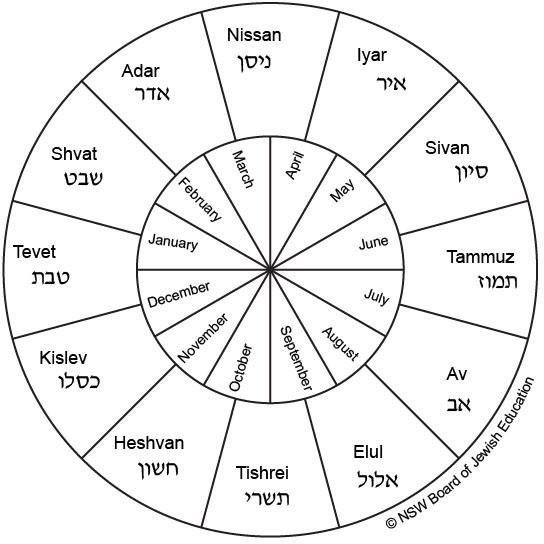
Different Calendars:
Gregorian - January 1st
Chinese - New moon between January 21st and February 20th
Islamic - 1st of Muharram, changes on Gregorian Calendar
Nowruz (Persian) - Vernal Equinox, between March 20-21st
Enkutatash (Ethiopian) - Meskerem 1, which is September 11th
Mythology:
(א)זכרון תרועה. זִכְרוֹן פְּסוּקֵי זִכְרוֹנוֹת וּפְסוּקֵי שׁוֹפָרוֹת (ספרא: ראש השנה ל"ב) לִזְכֹּר לָכֶם עֲקֵדַת יִצְחָק שֶׁקָּרַב תַּחְתָּיו אַיִל:
(1) זכרון תרועה [THERE SHALL BE UNTO YOU] A REMEMBERANCE זכרון OF SOUNDING THE SHOFAR — (זכרון) the Divine remembrance and Biblical verses which have reference to the blowing of the Shofar (a ram’s horn) on the occasion of important historical events that I may recall to memory (זכרון) for you the offering, or binding, of Isaac in whose stead a ram was offered, having been caught by its horn (שופר).
(א) בַּחֹדֶשׁ הַשְּׁבִיעִי בְּאֶחָד לַחֹדֶשׁ (ויקרא כג, כד), הֲדָא הוּא דִכְתִיב (תהלים קיט, פט): לְעוֹלָם יי דְּבָרְךָ נִצָּב בַּשָּׁמָיִם, תָּנֵי בְּשֵׁם רַבִּי אֱלִיעֶזֶר בְּעֶשְׂרִים וַחֲמִשָּׁה בֶּאֱלוּל נִבְרָא הָעוֹלָם...בְּיוֹם רֹאשׁ הַשָּׁנָה בְּשָׁעָה רִאשׁוֹנָה עָלָה בַּמַּחֲשָׁבָה, בַּשְּׁנִיָּה נִתְיָעֵץ עִם מַלְאֲכֵי הַשָּׁרֵת, בַּשְּׁלִישִׁית כִּנֵּס עֲפָרוֹ, בָּרְבִיעִית גִּבְּלוֹ, בַּחֲמִישִׁית רִקְּמוֹ, בַּשִּׁשִּׁית עֲשָׂאוֹ גֹּלֶם, בַּשְּׁבִיעִית נָפַח בּוֹ נְשָׁמָה, בַּשְּׁמִינִית הִכְנִיסוֹ לַגָּן, בַּתְּשִׁיעִית נִצְטַוָּה, בָּעֲשִׂירִית עָבַר, בְּאַחַת עֶשְׂרֵה נִדּוֹן, בִּשְׁתֵּים עֶשְׂרֵה יָצָא בְּדִימוּס. אָמַר הַקָּדוֹשׁ בָּרוּךְ הוּא לְאָדָם, זֶה סִימָן לְבָנֶיךָ כְּשֵׁם שֶׁעָמַדְתָּ לְפָנַי בַּדִּין הַיּוֹם הַזֶּה וְיָצָאתָ בְּדִימוּס, כָּךְ עֲתִידִין בָּנֶיךָ לַעֲמֹד לְפָנַי בַּדִּין בְּיוֹם זֶה וְיוֹצְאִין לְפָנַי בְּדִימוּס, אֵימָתַי בַּחֹדֶשׁ הַשְּׁבִיעִי בְּאֶחָד לַחֹדֶשׁ.
(1)“Speak to the children of Israel, saying: In the seventh month, on the first of the month, shall be a rest for you, a remembrance by means of a blast, a holy convocation” (Leviticus 23:24). “In the seventh month, on the first of the month” – that is what is written: “Forever, Lord, Your word stands in the heavens” (Psalms 119:89). It is taught in the name of Rabbi Eliezer: On the twenty-fifth of Elul, the world was created...On the day of Rosh HaShana, in the first hour it entered His thoughts, in the second [hour] He consulted with the ministering angels, in the third He gathered his dust, in the fourth He kneaded it, in the fifth He shaped it, in the sixth He made it into a lifeless body, in the seventh He breathed a soul into him, in the eighth He brought him into the Garden, in the ninth he was commanded, in the tenth he transgressed, in the eleventh he was sentenced, in the twelfth he emerged with a pardon. The Holy One blessed be He said to Adam: ‘This is a portent for your descendants. Just as you stood trial before Me this day and emerged with a pardon, so your descendants are destined to stand trial before Me on this day and emerge before Me with a pardon.’ When? It is “in the seventh month, on the first of the month.”
History:
"The Babylonians, among whom the Jews lived, marked a “Day of Judgment” each year. They believed that on that day, a convocation of their deities assembled in the temple of the god Marduk. These gods, they held, renewed the world and judged each human being, inscribing the fate of every individual on the tablet of destiny."-ReformJudaism.org,"Rosh HaShanah: History"
(א) אַרְבָּעָה רָאשֵׁי שָׁנִים הֵם. בְּאֶחָד בְּנִיסָן רֹאשׁ הַשָּׁנָה לַמְּלָכִים וְלָרְגָלִים. בְּאֶחָד בֶּאֱלוּל רֹאשׁ הַשָּׁנָה לְמַעְשַׂר בְּהֵמָה. רַבִּי אֶלְעָזָרוְרַבִּי שִׁמְעוֹן אוֹמְרִים, בְּאֶחָד בְּתִשְׁרֵי. בְּאֶחָד בְּתִשְׁרֵי רֹאשׁ הַשָּׁנָה לַשָּׁנִים וְלַשְּׁמִטִּין וְלַיּוֹבְלוֹת, לַנְּטִיעָה וְלַיְרָקוֹת. בְּאֶחָד בִּשְׁבָט, רֹאשׁ הַשָּׁנָה לָאִילָן, כְּדִבְרֵי בֵית שַׁמַּאי. בֵּית הִלֵּל אוֹמְרִים, בַּחֲמִשָּׁה עָשָׂר בּוֹ:
(1)They are four days in the year that serve as the New Year, each for a different purpose: On the first of Nisan is the New Year for kingsandfor the order of the Festivals.On the first of Elul is the New Year for animal tithes;Rabbi Elazar and Rabbi Shimon say: The New Year for animal tithes is on the first of Tishrei.On the first of Tishrei is the New Year for counting years,for calculating Sabbatical Years and Jubilee Years,for planting,and for tithing vegetables.On the first of Shevat is the New Year for the tree;in accordance with the statement of Beit Shammai. But Beit Hillel say: The New Year for trees is on the fifteenth of Shevat.
Agricultural:
Gezer Calendar (c. 10th Century BCE)
- Two months ingathering (of grapes and olives);
- Two months sowing (of grain);
- Two months late sowing;
- One month hoeing up of flax;
- One month harvest of barley;
- One month harvest (of wheat), etcetera;[2]
- Two months pruning (the vine);
- One month summer fruit.
"The Bible marks the harvest with the Feast of Ingathering (חַג הָאָסִיף), which took place בְּצֵאת הַשָּׁנָה, “at the coming forth of the year” (Exod 23:16) or, as the variant expression has it, תְּקוּפַת הַשָּׁנָה, “at the turn of the year” (Exod 34:22). In other words, Ingathering is a New Year festival. The autumn New Year festival, in its origin, was a local celebration, during which the peasant population of Israel and Judah would go to nearby sanctuaries to give the deity some of the ingathered produce, like tenant farmers giving the owner their cut of the proceeds. Worshippers also took the opportunity to offer a public expression of thanks for divine favors granted, and to petition for rain in the coming season." -Prof. Karel van der Toorn, Rosh Hashanah with the Early Israelites