אַתָּה חוֹנֵן לְאָדָם דַּֽעַת וּמְלַמֵּד לֶאֱנוֹשׁ בִּינָה: חָנֵּֽנוּ מֵאִתְּ֒ךָ דֵּעָה בִּינָה וְהַשְׂכֵּל: בָּרוּךְ אַתָּה יהוה חוֹנֵן הַדָּֽעַת:
You favor man with perception and teach mankind understanding. Grant us knowledge, understanding and intellect from You. Blessed are You, Adonoy, Grantor of perception.
אַתָּה חוֹנַנְתָּֽנוּ לְמַדַּע תּוֹרָתֶֽךָ. וַתְּ֒לַמְּ֒דֵֽנוּ לַעֲשׂוֹת חֻקֵּי רְצוֹנֶֽךָ. וַתַּבְדֵּל יהוה אֱלֹהֵֽינוּ בֵּין קֹֽדֶשׁ לְחֹל בֵּין אוֹר לְחֽשֶׁךְ בֵּין יִשְׂרָאֵל לָעַמִּים בֵּין יוֹם הַשְּׁ֒בִיעִי לְשֵֽׁשֶׁת יְמֵי הַמַּעֲשֶׂה. אָבִֽינוּ מַלְכֵּֽנוּ הָחֵל עָלֵֽינוּ הַיָּמִים הַבָּאִים לִקְרָאתֵֽנוּ לְשָׁלוֹם חֲשׂוּכִים מִכָּל חֵטְא וּמְנֻקִּים מִכָּל עָוֹן וּמְדֻבָּקִים בְּיִרְאָתֶֽךָ: וְ...
(You have favored us [with the ability] to know Your Torah and taught us to fulfill the statutes of Your will. You made a distinction, Adonoy, our God, between sacred and unhallowed, between light and darkness, between Israel and the peoples, between the seventh day and the six work days. Our Father, our King, commence for us the days that approach us, in peace, devoid of all sin, and cleansed of all iniquity, and devoted to the fear of You.)
Introduction
The first 3 brachot of the Shemoneh Esrei (Avot, Gevurot, Kedusha) are blessings of praise.
תְּפִלּוֹת אֵלּוּ אֵין פּוֹחֲתִין מֵהֶן אֲבָל מוֹסִיפִין עֲלֵיהֶם. אִם רָצָה אָדָם לְהִתְפַּלֵּל כָּל הַיּוֹם כֻּלּוֹ הָרְשׁוּת בְּיָדוֹ. וְכָל אוֹתָן הַתְּפִלּוֹת שֶׁיּוֹסִיף כְּמוֹ מַקְרִיב נְדָבוֹת. לְפִיכָךְ צָרִיךְ שֶׁיְּחַדֵּשׁ דָּבָר בְּכָל בְּרָכָה וּבְרָכָה מִן הָאֶמְצָעִיּוֹת מֵעֵין הַבְּרָכוֹת. וְאִם חִדֵּשׁ אֲפִלּוּ בִּבְרָכָה אַחַת דַּיּוֹ כְּדֵי לְהוֹדִיעַ שֶׁהִיא נְדָבָה וְלֹא חוֹבָה. וְשָׁלֹשׁ רִאשׁוֹנוֹת וְשָׁלֹשׁ אַחֲרוֹנוֹת לְעוֹלָם אֵין מוֹסִיפִין בָּהֶן וְלֹא פּוֹחֲתִין מֵהֶן וְאֵין מְשַׁנִּין בָּהֶן דָּבָר:
The number of these prayers may not be diminished, but may be increased. If a person wants to pray all day long, he may.Any prayer that one adds is considered as a freewill offering. Therefore, one must add a new idea consistent with that blessing in each of the middle blessings. [However], making an addition of a new concept even in only one blessing is sufficient in order to make known that this is a voluntary prayer and not obligatory.In the first three [blessings] and the last three [blessings], one must never add, detract or change anything at all.
So, what are the "middle" 12 blessings? The answer is: bakashot - blessings of request. Each will address a human need. The first is knowledge. Why? (Oxygen, food, love, companionship, etc.), perhaps.....
וְאַבְדָּלָה בְּחוֹנֵן הַדַּעַת דִּבְרֵי חֲכָמִים רִבִּי עֲקִיבָה אוֹמֵר אוֹמְרָהּ בְּרָכָה רְבִיעִית בְּעַצְמָהּ. רִבִּי יַעֲקֹב בַּר אָחָא בְּשֵׁם שְׁמוּאֵל אוֹמֵר בְּרָכָה רְבִיעִית. אָמַר רִבִּי יוּדָן אוֹמֵר מַטְבֵּעַ בְּרָכָה וְאַחַר כַּךְ מַבְדִּיל. וַתְייָא כְּרִבִּי דְּרִבִּי אָמַר תִּמְהָנִי הֵיְאַךְ בִּטְּלוּ חוֹנֵן הַדַּעַת בְּשַׁבָּת אִם אֵין דֵעָה תְּפִילָּה מְנַיִין. וְכֹה אִם אֵין דֵעָה הַבְדָּלָה מְנַיִין. אָמַר רִבִּי יִצְחָק בַּר אֶלְעָזָר מַבְדִּיל וְאַחַר כַּךְ אוֹמֵר מַטְבֵּעַ בְּרָכָה.
“And Havdalah in “He Who in His grace grants knowledge”, the words of the Sages. Rebbi Aqibah said: one says it as separate fourth benediction” Rebbi Jacob bar Aḥa in the name of Samuel: He says it as fourth benediction. Rebbi Yudan says, the text of the benediction and after that he says Havdalah. His version agrees with Rebbi, since Rebbi said: I wonder why they eliminated “He Who in His grace grants knowledge” on Sabbath; if there is no knowledge, where is prayer? And here, if there is no knowledge, where is Havdalah? Rebbi Isaac ben Eleazar said, he says Havdalah and afterwards adds the text of the benediction.
Or, perhaps more compellingly, by first asking for knowledge that places knowledge as our foremost need......more than any other.
Chanina
The blessing opens with praise - you grant.... chonen - to show favor; grace.
Repeated in the body of the request (grant us from you knowledge...) and the chatima (who grants knowledge). So, clearly, Chazal believe that לָחוֹן is a fitting verb for knowledge.
Commonly used in Tanakh, but not in the context of knowledge.
For example, when Yaakov meets Esav,
קַח־נָ֤א אֶת־בִּרְכָתִי֙ אֲשֶׁ֣ר הֻבָ֣את לָ֔ךְ כִּֽי־חַנַּ֥נִי אֱלֹהִ֖ים וְכִ֣י יֶשׁ־לִי־כֹ֑ל וַיִּפְצַר־בּ֖וֹ וַיִּקָּֽח׃
Please accept my present that has been brought to you, for God has favored me and I have plenty.” And when he urged him, he accepted.
Or, David Hamelech when his child with Uria's wife died....
וַיֹּ֕אמֶר בְּעוֹד֙ הַיֶּ֣לֶד חַ֔י צַ֖מְתִּי וָאֶבְכֶּ֑ה כִּ֤י אָמַ֙רְתִּי֙ מִ֣י יוֹדֵ֔עַ (יחנני) [וְחַנַּ֥נִי] יהוה וְחַ֥י הַיָּֽלֶד׃
He replied, “While the child was still alive, I fasted and wept because I thought: ‘Who knows? GOD may have pity on me, and the child may live.’
And, see.....
(י) הֲיֹסֵ֣ר גּ֭וֹיִם הֲלֹ֣א יוֹכִ֑יחַ הַֽמְלַמֵּ֖ד אָדָ֣ם דָּֽעַת׃
(10) Shall He who disciplines nations not punish, He who instructs men in knowledge?
So, Chazal intentionally changed verb from "teaches/instructs" to "grants/endows". But, why?
There are even times when chonen is used without any object at all! See Birkat Cohanim:
(כה) יָאֵ֨ר יהוה ׀ פָּנָ֛יו אֵלֶ֖יךָ וִֽיחֻנֶּֽךָּ׃ {ס} (כו) יִשָּׂ֨א יהוה ׀ פָּנָיו֙ אֵלֶ֔יךָ וְיָשֵׂ֥ם לְךָ֖ שָׁלֽוֹם׃ {ס} (כז) וְשָׂמ֥וּ אֶת־שְׁמִ֖י עַל־בְּנֵ֣י יִשְׂרָאֵ֑ל וַאֲנִ֖י אֲבָרְכֵֽם׃ {ס}
Maybe we can get a clue from another interesting part of the bracha. חָנֵּֽנוּ מֵאִתְּ֒ךָ דֵּעָה בִּינָה וְהַשְׂכֵּל - grant us from yourself! (No other bracha is like this; we don't ask HaShem for health from yourself, etc. Not even forgiveness. Only knowledge, understanding, and perception.)
Perhaps the answer is that health, wealth, etc. are all created, whereas knowledge is shared. (If I have money and share some with you, I will have less; but I know something and share it with you then we both have it.) So, the knowledge we are asking for his HaShem's knowledge. Like in the birkat cohanim, HaShem's radiance/light is knowledge, understanding and perception.
And, what better way to build a relationship with someone than by giving of yourself.
The Order of the Bracha
Another unique aspect of Birkat Da'at is that it opens with words of praise and ends with a request. All of the others will open with a request and end with words of praise. This starts with praise (You grant ....) and end with the request (grant us from Yourself...).
Perhaps the answer has to do with knowledge itself. If HaShem grants a request for health, the person will be healthy. Knowledge, however, takes both parties to be active participants. We need to show that we are willing to partner with HaShem in the request for knowledge. So, we need to first demonstrate that we know (?)/acknowledge (?) that knowledged will only come from HaShem.
Rav Bick also connects it back to birkat kedusha - knowledge comes from holiness, the the blessings should be in the same order.
Knowledge, Understand and Perception
Many commentators discuss the various synonyms for wisdom. Typically clarifying the differences between Da'at (knowledge), Bina (understanding) and Haskel (perception). [Note that in the Sephardic tradition, they are Chokhma (wisdom), Bina and Da'at. From a Chabad source: "Chabad Chassidism is a system of religious philosophy that teaches understanding and recognition of the Creator through the application of the three intellectual qualities of Chochmah (wisdom), Binah (understanding) and Daat (knowledge). The initials of these three Hebrew words form the word "Chabad"."]
Some traditions don't exclude either Chokhma or Haskel. There is a lot of kabbalistic thought on this, but that is really not my area of expertise or interest.
Some think that Da'at refers to factual knowledge. I think it is much deeper.
(א) עֲקַבְיָא בֶן מַהֲלַלְאֵל אוֹמֵר, הִסְתַּכֵּל בִּשְׁלשָׁה דְבָרִים וְאִי אַתָּה בָא לִידֵי עֲבֵרָה. דַּע מֵאַיִן בָּאתָ, וּלְאָן אַתָּה הוֹלֵךְ, וְלִפְנֵי מִי אַתָּה עָתִיד לִתֵּן דִּין וְחֶשְׁבּוֹן. מֵאַיִן בָּאתָ, מִטִּפָּה סְרוּחָה, וּלְאָן אַתָּה הוֹלֵךְ, לִמְקוֹם עָפָר רִמָּה וְתוֹלֵעָה. וְלִפְנֵי מִי אַתָּה עָתִיד לִתֵּן דִּין וְחֶשְׁבּוֹן, לִפְנֵי מֶלֶךְ מַלְכֵי הַמְּלָכִים הַקָּדוֹשׁ בָּרוּךְ הוּא:
(1) Akabyah ben Mahalalel said: mark well three things and you will not come into the power of sin: know from where you come, and where you are going, and before whom you are destined to give an account and reckoning. From where do you come? From a putrid drop. Where are you going? To a place of dust, of worm and of maggot. Before whom you are destined to give an account and reckoning? Before the King of the kings of kings, the Holy One, blessed be He.
It isn't like we need to read a biography of HaShem to know HaShem. We need an inner sense of HaShem's presence.
(כב) וַיֹּ֣אמֶר ׀ יהוה אֱלֹהִ֗ים הֵ֤ן הָֽאָדָם֙ הָיָה֙ כְּאַחַ֣ד מִמֶּ֔נּוּ לָדַ֖עַת ט֣וֹב וָרָ֑ע וְעַתָּ֣ה ׀ פֶּן־יִשְׁלַ֣ח יָד֗וֹ וְלָקַח֙ גַּ֚ם מֵעֵ֣ץ הַֽחַיִּ֔ים וְאָכַ֖ל וָחַ֥י לְעֹלָֽם׃
(22) And God יהוה said, “Now that humankind has become like any of us, knowing good and bad, what if one should stretch out a hand and take also from the tree of life and eat, and live forever!”
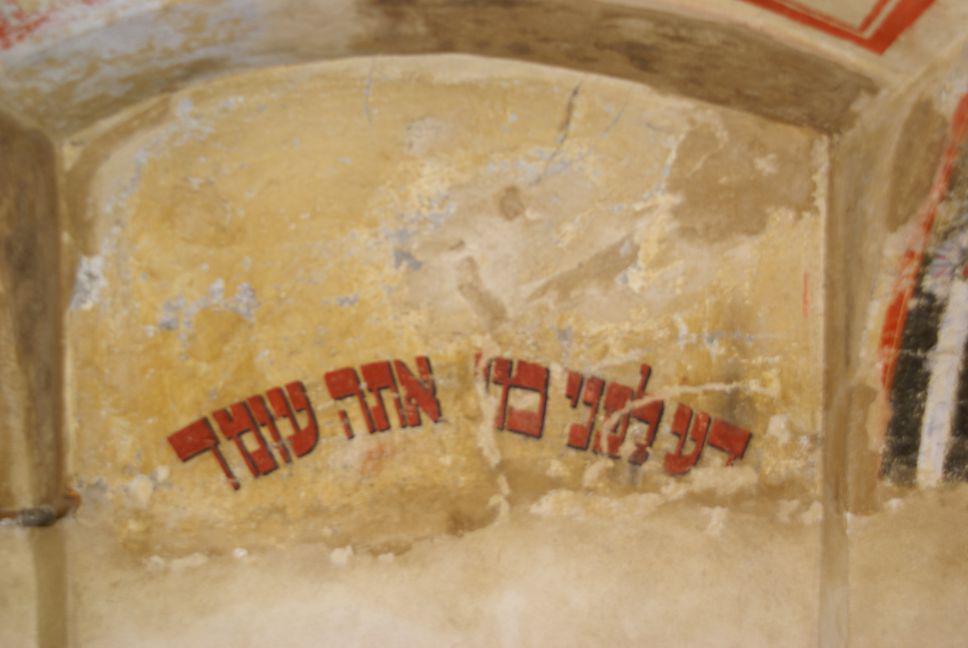
אָמַר לָהֶם: הִזָּהֲרוּ בִּכְבוֹד חַבְרֵיכֶם, וּמִנְעוּ בְּנֵיכֶם מִן הַהִגָּיוֹן, וְהוֹשִׁיבוּם בֵּין בִּרְכֵּי תַּלְמִידֵי חֲכָמִים, וּכְשֶׁאַתֶּם מִתְפַּלְּלִים — דְּעוּ לִפְנֵי מִי אַתֶּם עוֹמְדִים. וּבִשְׁבִיל כָּךְ תִּזְכּוּ לְחַיֵּי הָעוֹלָם הַבָּא.
He said to them: Be vigilant in the honor of your counterparts, and prevent your children from logic when studying verses that tend toward heresy (ge’onim), and place your children, while they are still young, between the knees of Torah scholars, and when you pray, know before Whom you stand. For doing that, you will merit the life of the World-to-Come.
דעו לפני מי וכו' – כדי שתתפללו ביראה ובכוונה:
So that you may pray with reverence and intention