


(כב) וַֽיְהִי֙ בָּעֵ֣ת הַהִ֔וא וַיֹּ֣אמֶר אֲבִימֶ֗לֶךְ וּפִיכֹל֙ שַׂר־צְבָא֔וֹ אֶל־אַבְרָהָ֖ם לֵאמֹ֑ר אֱלֹקִ֣ים עִמְּךָ֔ בְּכֹ֥ל אֲשֶׁר־אַתָּ֖ה עֹשֶֽׂה׃
(22) At that time Abimelech and Phicol, chief of his troops, said to Abraham, “God is with you in everything that you do.
(כב) וַֽיְהִי֙ בָּעֵ֣ת הַהִ֔וא וַיֹּ֣אמֶר אֲבִימֶ֗לֶךְ וּפִיכֹל֙ שַׂר־צְבָא֔וֹ אֶל־אַבְרָהָ֖ם לֵאמֹ֑ר אֱלֹקִ֣ים עִמְּךָ֔ בְּכֹ֥ל אֲשֶׁר־אַתָּ֖ה עֹשֶֽׂה׃ (כג) וְעַתָּ֗ה הִשָּׁ֨בְעָה לִּ֤י בֵֽאלֹקִים֙ הֵ֔נָּה אִם־תִּשְׁקֹ֣ר לִ֔י וּלְנִינִ֖י וּלְנֶכְדִּ֑י כַּחֶ֜סֶד אֲשֶׁר־עָשִׂ֤יתִי עִמְּךָ֙ תַּעֲשֶׂ֣ה עִמָּדִ֔י וְעִם־הָאָ֖רֶץ אֲשֶׁר־גַּ֥רְתָּה בָּֽהּ׃ (כד) וַיֹּ֙אמֶר֙ אַבְרָהָ֔ם אָנֹכִ֖י אִשָּׁבֵֽעַ׃ (כה) וְהוֹכִ֥חַ אַבְרָהָ֖ם אֶת־אֲבִימֶ֑לֶךְ עַל־אֹדוֹת֙ בְּאֵ֣ר הַמַּ֔יִם אֲשֶׁ֥ר גָּזְל֖וּ עַבְדֵ֥י אֲבִימֶֽלֶךְ׃
(22) At that time Abimelech and Phicol, chief of his troops, said to Abraham, “God is with you in everything that you do. (23) Therefore swear to me here by God that you will not deal falsely with me or with my kith and kin, but will deal with me and with the land in which you have sojourned as loyally as I have dealt with you.” (24) And Abraham said, “I swear it.” (25) Then Abraham reproached Abimelech for the well of water which the servants of Abimelech had seized.
(ז) בִּרְצ֣וֹת יקוק דַּרְכֵי־אִ֑ישׁ גַּם־א֝וֹיְבָ֗יו יַשְׁלִ֥ם אִתּֽוֹ׃
(7) When the LORD is pleased with a man’s conduct, He may turn even his enemies into allies.
שִׁלְטוֹן, שִׁי׳ m. (b. h.; preced. wds.) 1)rulership. Sifré Deut. 321; Yalk. ib. 945שִׁלְטוֹנָן, v. עֶכֶן. —2) (sub. בעל) ruler, governor. Sifra B’ḥuck. Par. 1, ch. III ש׳ אחד בא … זה שׁוּלְטָן וכ׳ one governor comes and subjugates (Israel), and goes away, and another governor comes &c. Tanḥ. Vayera 19 (ref. to Koh. VIII, 4) ש׳ הוא ואין וכ׳ God is the ruler, and none can protest against him. Y. Ber. VIII, 12ᵃ top מלך יוצא וש׳ נכנס וכ׳ when the king goes out, and the governor comes in, they escort the king first, and then they lead the governor in (the benediction for the exit of the Sabbath must precede that for the entrance of the Holy Day). Y. Sot. IX, 24ᵇ top; Tosef. ib. XV, 7. Y. Kidd. III, 64ᵇ top במה שאדבר עליך לש׳ (be betrothed unto me) for the consideration that I shall speak to the governor in thy behalf; a. fr.—Pl.שִׁלְטוֹנִים, שִלְטוֹנִין, שִׁי׳. Gen. R. s. 82 עד היכן היו מלכיות וש׳ רוצים וכ׳ how anxious courts and governors were to be connected with him (v. שׁוּלְטָנוּת). Ib. הוא היה … הש׳ he (Lotan) was one of the governors (ref. to אלוף, Gen. XXXVI, 29); a. fr.—[Gen. R. s. 93 שני שי׳ זולגות דם, read with Yalk. Job 897: עינו של ימין זולגת דם.]—Fem. שִׁלְטוֹנִית, שִׁי׳; pl. שִׁלְטוֹנִיּוֹת, שִׁי׳. Pesik. R. s. 42 שהיו השילטונים והש׳ מחסדים וכ׳ (or מחסדות, not מחסר׳) the governors and their wives insulted Sarah &c.—[Gen. R. s. 82 שלטוניות, ed. Wil., v. שׁוּלְטָנוּת.]
נָתַז , Pi. נִתֵּז (sec. verb of נָזָה, v. Kidd. 25ᵃ) 1) (neut. verb) to squirt, fly off. Kidd. 25ᵃ הרי … מַזֶּה ונִתְּזָה הזאה וכ׳ (perh. Nif.) if a person (priest) was sprinkling for purification, and the sprinkling flew upon his (the unclean person’s) mouth. Y. Yoma III, 41ᵃ top, a. e. מְנַתְּזִין, v. נִיצוֹץ. B. Kam. II, 1 היו … מנ׳ וכ׳ if stones flew off from under the animal’s feet; a. e. —2) (act. verb) to cause to fly off. Ib. 19ᵃ במקום … אלא אם כן מְנַתֶּזֶת where the animal cannot help making stones fly off. Nidd. 61ᵃ ונִתְּזוּ בקרדומותיהן they chopped with their axes. Hif. - הִתִּיז (b. h. הֵתַז) to cause to fly off, to chop off; to squirt. B. Kam. l. c. בעטה והִתִּיזָה וכ׳ she kicked and made stones fly off and thus did damage. Ib. 17ᵇ. Snh. 102ᵃ כשתי מקלות שמַתִּיזוֹת זו את זו like two sticks which splinter one another. Sabb. 62ᵇ ומַתִּיזוֹת עליהם and caused the balsam to squirt at them; a. fr.—Esp. (with ראש) to decapitate. Snh. VII, 3 היו מַתִּיזִין את וכ׳ they decapitated him with a sword. Y. Ber. IX, 13ᵃ חייבו להַתִּיז וכ׳ he sentenced him to decapitation; Cant. R. to VII, 5; a. fr.—Trnsf. to separate syllables or words distinctly, to articulate (sybillants). Y. Ber. II, 4ᵈ צריך להתיז למען תזכרו (ed. Lehm. צריך ליקוק זי"ן וכ׳) you must articulate tiz-k’ru (emphasizing the zayin, Num. XV, 40). Ib. צריך ליקוק כי לעולם חסדו you must articulate ḥas-do (so as not to make it sound ḥasto or ḥazdo.—[Gitt. 70ᵃ מַתִּיזִין גופו וכ׳ scatter the strength &c.; En Yaăk. מתישין.] Hof. - הוּתָּזto be made to fly off, be cut off. Ḥull. 27ᵃ. Gen. R. s. 9, end יוּתַּז ראשו בסייף his head shall be cut off with a sword. Nif. - נִיתַּזto fly off; to splash. Cant. R. l. c. נִתְּזָה החרב … והתיזה the sword flew off the neck of Moses and struck &c. Nidd. 13ᵃ נִתְּזִין, v. נִיצוֹץ. Tosef. Macc. II, 1 נִיתְּזָה בקעת וכ׳ if a chip flew off &c., v. נָשַׁל.—Ḥull. VI, 6 דם הנִתָּז the blood which splashes forth at slaughtering; ib. 88ᵃ הני׳. Zeb. XI, 3; a. fr.
(י) כׇּ֥ל־עַצְמוֹתַ֨י ׀ תֹּאמַרְנָה֮ יקוק מִ֥י־כָ֫מ֥וֹךָ מַצִּ֣יל עָ֭נִי מֵחָזָ֣ק מִמֶּ֑נּוּ וְעָנִ֥י וְ֝אֶבְי֗וֹן מִגֹּֽזְלֽוֹ׃
(10) All my bones shall say, “LORD, who is like You? You save the poor from one stronger than he, the poor and needy from his despoiler.”
(כא) אִם־רָעֵ֣ב שֹׂ֭נַאֲךָ הַאֲכִלֵ֣הוּ לָ֑חֶם וְאִם־צָ֝מֵ֗א הַשְׁקֵ֥הוּ מָֽיִם׃
(21) If your enemy is hungry, give him bread to eat; If he is thirsty, give him water to drink.
(ד) מִֽי־פֶ֭תִי יָסֻ֣ר הֵ֑נָּה חֲסַר־לֵ֝֗ב אָ֣מְרָה לּֽוֹ׃
(4) “Let the simple enter here”; To those devoid of sense she says,
(א) ה֤וֹי כׇּל־צָמֵא֙ לְכ֣וּ לַמַּ֔יִם וַאֲשֶׁ֥ר אֵֽין־ל֖וֹ כָּ֑סֶף לְכ֤וּ שִׁבְרוּ֙ וֶאֱכֹ֔לוּ וּלְכ֣וּ שִׁבְר֗וּ בְּלוֹא־כֶ֛סֶף וּבְל֥וֹא מְחִ֖יר יַ֥יִן וְחָלָֽב׃
(1) Ho, all who are thirsty, Come for water, Even if you have no money; Come, buy food and eat: Buy food without money, Wine and milk without cost.
(יא) קֹרֵ֤א מִמִּזְרָח֙ עַ֔יִט מֵאֶ֥רֶץ מֶרְחָ֖ק אִ֣ישׁ (עצתו) [עֲצָתִ֑י] אַף־דִּבַּ֙רְתִּי֙ אַף־אֲבִיאֶ֔נָּה יָצַ֖רְתִּי אַף־אֶעֱשֶֽׂנָּה׃ {ס}
(11) I summoned that swooping bird from the East; From a distant land, the man for My purpose. I have spoken, so I will bring it to pass; I have designed it, so I will complete it.
Notarikon (Hebrew: נוֹטָרִיקוֹן, romanized: Noṭāriqon) is a Talmudic method of interpreting Biblical words as acronyms. The same term may also be used for a Kabbalistic method of using the acronym of a Biblical verse as a name for God. Another variation uses the first and last letters, or the two middle letters of a word, to form another word.[1] The word "notarikon" is borrowed from the Greek language (νοταρικόν), and was derived from the Latin word "notarius" meaning "shorthand writer."[2]
(יב) וַיֹּ֨אמֶר אֱלֹקִ֜ים אֶל־אַבְרָהָ֗ם אַל־יֵרַ֤ע בְּעֵינֶ֙יךָ֙ עַל־הַנַּ֣עַר וְעַל־אֲמָתֶ֔ךָ כֹּל֩ אֲשֶׁ֨ר תֹּאמַ֥ר אֵלֶ֛יךָ שָׂרָ֖ה שְׁמַ֣ע בְּקֹלָ֑הּ כִּ֣י בְיִצְחָ֔ק יִקָּרֵ֥א לְךָ֖ זָֽרַע׃
(12) But God said to Abraham, “Do not be distressed over the boy or your slave; whatever Sarah tells you, do as she says, for it is through Isaac that offspring shall be continued for you.
(כג) וְעַתָּ֗ה הִשָּׁ֨בְעָה לִּ֤י בֵֽאלֹקִים֙ הֵ֔נָּה אִם־תִּשְׁקֹ֣ר לִ֔י וּלְנִינִ֖י וּלְנֶכְדִּ֑י כַּחֶ֜סֶד אֲשֶׁר־עָשִׂ֤יתִי עִמְּךָ֙ תַּעֲשֶׂ֣ה עִמָּדִ֔י וְעִם־הָאָ֖רֶץ אֲשֶׁר־גַּ֥רְתָּה בָּֽהּ׃
(23) Therefore swear to me here by God that you will not deal falsely with me or with my kith and kin, but will deal with me and with the land in which you have sojourned as loyally as I have dealt with you.”
אחים שהן שותפין יכול כל אחד למחות בחבירו שלא יקנה דבר לעצמו מהשותפות אם לא ינכה אותו מחלקו ואם לא מיחו וקנו לעצמם כשבאים לחלוק שמין הבגדים שעליהם כפי מה שהם שוים בשעת חלוקה אבל אם כלו לגמרי או אבדו אין מחשבין אותם להם ואם קנו בגדים לנשיהם ולבניהם ולבנותיהם אין שמין אותם בד"א בבגדי חול אבל בבגדי שבת שמין להם וגדול האחין אף במה שקנה לעצמו אין שמין לו אבל לכתחלה יכולים למחות בו שלא יקנה: הגה והוא הדין שאר שותפין שאינן אחין (טור ושכ"כ הרמב"ם) מיהו נ"ל דאזלינן בזה אחר המנהג:
Brothers who are partners can each protest against their fellow that he will not buy anything for himself from the partnership if he does not deduct it from his share, and if they do not protest and buy for themselves when they come to divide the clothes they have according to what they are worth at the time of division, but if they are completely worn out or lost, they do not count them as theirs. And if they bought clothes for their wives, sons, and daughters, they do not count them in the D.A. In weekday clothes, but in Sabbath clothes, they count them. And the older brother is also in what he bought for himself, he does not count them, but initially they can protest against him that he will not buy. This is the same as for the other partners who are not brothers (Tur and the like of the Rambam). Who is the above-mentioned Daslinan according to the custom:
(כ) וְֽ֭אֹיְבַי חַיִּ֣ים עָצֵ֑מוּ וְרַבּ֖וּ שֹׂנְאַ֣י שָֽׁקֶר׃
(20) for my mortal enemies are numerous; my treacherous foes are many.
(יז) וַיְהִ֗י בְּשַׁלַּ֣ח פַּרְעֹה֮ אֶת־הָעָם֒ וְלֹא־נָחָ֣ם אֱלֹקִ֗ים דֶּ֚רֶךְ אֶ֣רֶץ פְּלִשְׁתִּ֔ים כִּ֥י קָר֖וֹב ה֑וּא כִּ֣י ׀ אָמַ֣ר אֱלֹקִ֗ים פֶּֽן־יִנָּחֵ֥ם הָעָ֛ם בִּרְאֹתָ֥ם מִלְחָמָ֖ה וְשָׁ֥בוּ מִצְרָֽיְמָה׃ (יח) וַיַּסֵּ֨ב אֱלֹקִ֧ים ׀ אֶת־הָעָ֛ם דֶּ֥רֶךְ הַמִּדְבָּ֖ר יַם־ס֑וּף וַחֲמֻשִׁ֛ים עָל֥וּ בְנֵי־יִשְׂרָאֵ֖ל מֵאֶ֥רֶץ מִצְרָֽיִם׃
(17) Now when Pharaoh let the people go, God did not lead them by way of the land of the Philistines, although it was nearer; for God said, “The people may have a change of heart when they see war, and return to Egypt.” (18) So God led the people round about, by way of the wilderness at the Sea of Reeds. Now the Israelites went up armed out of the land of Egypt.
(כ) וְכִֽי־יַכֶּה֩ אִ֨ישׁ אֶת־עַבְדּ֜וֹ א֤וֹ אֶת־אֲמָתוֹ֙ בַּשֵּׁ֔בֶט וּמֵ֖ת תַּ֣חַת יָד֑וֹ נָקֹ֖ם יִנָּקֵֽם׃ (כא) אַ֥ךְ אִם־י֛וֹם א֥וֹ יוֹמַ֖יִם יַעֲמֹ֑ד לֹ֣א יֻקַּ֔ם כִּ֥י כַסְפּ֖וֹ הֽוּא׃ {ס} (כב) וְכִֽי־יִנָּצ֣וּ אֲנָשִׁ֗ים וְנָ֨גְפ֜וּ אִשָּׁ֤ה הָרָה֙ וְיָצְא֣וּ יְלָדֶ֔יהָ וְלֹ֥א יִהְיֶ֖ה אָס֑וֹן עָנ֣וֹשׁ יֵעָנֵ֗שׁ כַּֽאֲשֶׁ֨ר יָשִׁ֤ית עָלָיו֙ בַּ֣עַל הָֽאִשָּׁ֔ה וְנָתַ֖ן בִּפְלִלִֽים׃ (כג) וְאִם־אָס֖וֹן יִהְיֶ֑ה וְנָתַתָּ֥ה נֶ֖פֶשׁ תַּ֥חַת נָֽפֶשׁ׃
(20) When a slave-owning party strikes a slave, male or female, with a rod, who dies there and then, this must be avenged. (21) But if the victim survives a day or two, this is not to be avenged, since the one is the other’s property. (22) When [two or more] parties fight, and one of them pushes a pregnant woman and a miscarriage results, but no other damage ensues, the one responsible shall be fined according as the woman’s husband may exact, the payment to be based on reckoning. (23) But if other damage ensues, the penalty shall be life for life,
(טו) וַיֹּ֣אמֶר אֲבִימֶ֔לֶךְ הִנֵּ֥ה אַרְצִ֖י לְפָנֶ֑יךָ בַּטּ֥וֹב בְּעֵינֶ֖יךָ שֵֽׁב׃
(15) And Abimelech said, “Here, my land is before you; settle wherever you please.”
(כד) וַיֹּ֙אמֶר֙ אַבְרָהָ֔ם אָנֹכִ֖י אִשָּׁבֵֽעַ׃
(24) And Abraham said, “I swear it.”
(כה) וְהוֹכִ֥חַ אַבְרָהָ֖ם אֶת־אֲבִימֶ֑לֶךְ עַל־אֹדוֹת֙ בְּאֵ֣ר הַמַּ֔יִם אֲשֶׁ֥ר גָּזְל֖וּ עַבְדֵ֥י אֲבִימֶֽלֶךְ׃
(25) Then Abraham reproached Abimelech for the well of water which the servants of Abimelech had seized.
(יז) לֹֽא־תִשְׂנָ֥א אֶת־אָחִ֖יךָ בִּלְבָבֶ֑ךָ הוֹכֵ֤חַ תּוֹכִ֙יחַ֙ אֶת־עֲמִיתֶ֔ךָ וְלֹא־תִשָּׂ֥א עָלָ֖יו חֵֽטְא׃ (יח) לֹֽא־תִקֹּ֤ם וְלֹֽא־תִטֹּר֙ אֶת־בְּנֵ֣י עַמֶּ֔ךָ וְאָֽהַבְתָּ֥ לְרֵעֲךָ֖ כָּמ֑וֹךָ אֲנִ֖י יקוק׃
(17) You shall not hate your kinsfolk in your heart. Reprove your kin but incur no guilt on their account. (18) You shall not take vengeance or bear a grudge against members of your people. Love your fellow [Israelite] as yourself: I am יקוק.
Ahem, me, YK 5779 As well as the bit about rebuke, the verse commands us not to hate, commands us not to carry sin because of our fellow.
Before we are allowed, before we are commanded to go off rebuking others, we need to excise the hatred of them in our heart. We can’t rebuke someone when they annoy us, frustrate us or anger us. If we do - and this is how I understand the end of the verse - we carry the sin on their behalf.
Let me put the same idea just a little more strongly. Before we can go off rebuking someone, we need to make sure you are doing it from a place of love.
Or how the same a idea a little more religiously? Before we can go off rebuking someone, we need to make sure we see in them the image of God - they share, even in their shortfallings, the same piece of divinity that lodges in us.
OK, now you are allowed, now you are commanded, to go off rebuking someone - do it with love.
Actually, the real reason you can only rebuke from the place of having excised hatred of your fellow from your heart isn’t just religious. It’s also practical - if we don’t excise the hatred of our fellow when we rebuke, our rebuke won’t work.
That’s not going to be easy.
Almost by definition that’s not going to be easy.
After all, if the person wasn’t doing something wrong you wouldn’t have a need to rebuke in the first place.
Here’s a really interesting example of a failed rebuke.
Young Moses goes out and sees two Israelites fighting. לָמָּה תַכֶּה, רֵעֶךָ he demands. It doesn’t go well.
מִי שָׂמְךָ לְאִישׁ שַׂר וְשֹׁפֵט, עָלֵינוּ - who put you as ruler and judge on us? You going to kill me like you killed that Egyptian?
Not only does Moses now succeed in getting his fellows to stop fighting, he ends up having to flee.
I wasn’t there, but it sounds to my ear as if Moses was a little snappy - a little to arrogant in his rebuke, and it didn’t work.
I mean if what you want is to look like you are in charge you can tell people off in any way you like.
But if you actually want other people to change לֹא-תִשְׂנָא אֶת-אָחִיךָ, בִּלְבָבֶךָ - you have to excise the hatred of the other from your heart.
While it might be fun to take the mickey, while it might make us feel smart to be cutting and rude in correcting everyone around us, we are - at a certain point - going to have to make decisions about whether we are rebuking to make us feel better, or to improve the lot of others.
Actually this point goes for the Corbyns and Mays and Borises and Bibis and the rest of them - if you really want to change people, you can’t take hateful, hurtful potshots at them. If you just want to be famous and more beloved by your own silos - go for it, but if you profess to care about a more cohesive, a more functional society, you have critique from a place of kindness, you have excise the hatred of those who frustrate you from your heart. Taking sly potshots at those you critique is both a religious - a moral - failing, and ultimately destined to fail.
... I got in trouble for this, some time ago, when things weren’t good between the Israelis and the Palestinians - some things don’t change - I went to a rally wearing these lines from Bereishit Rabba as a placard.
I know it’s complicated, between the Palestinians and the Israelis - and, frankly, I know who has instigated the terror attacks, and who has rejected the peace initiatives and all - but I get itchy when I’m told that I shouldn’t be critiquing Israel.
פַּרְהֶסְיָא f. (παῤῥησία) free speech, frankness. Deut. R. s. 2, end אבל ביוה"כ … הן אומרים אותו בפ׳ וכ׳ but on the Day of Atonement … they say it openly (in a loud voice), Blessed be the name of his glorious kingdom, (opp. בלחישה (v. חֲשַׁאי).—Esp. בפ׳ publicly, opp. בצינעה. Ib. אל תתקשטי בה בפ׳ וכ׳ do not adorn thyself with it in public, but only in the house. Snh. 74ᵃ אבל בפ׳ אפי׳ מצוה וכ׳ but if a Jew is forced to transgress a religious law in public, he must surrender his life even for a minor law; ib.ᵇ וכמה פ׳ and the presence of how many is required to call it a public act? Ib. אין פ׳ פחותה וכ׳ a public is no less than ten persons. Ib. והא אסתר פ׳ הואי but was not Esther’s act (when she was forced to marry king Ahasverus) a public one? Ḥag. 5ᵃ (ref. to Koh. XII, 14) זה הנותן צדקה לעני בפ׳ this refers to one who gives charity to a poor man in public (the Lord judges whether this be a good or a bad deed).
In Hebrew, the use of a **final nun (ן)** at the end of a noun can sometimes indicate a **profession, occupation, or characteristic role**, but this is more of a morphological pattern than a strict grammatical rule. Here's a breakdown of how it works:
### 1. **Final Nun as a Pattern for Professions or Roles**
In some Hebrew nouns—especially in **modern Hebrew**—the **final nun (ן)** is part of a noun form that often denotes a **profession, agent, or person who does something**.
#### Examples:
* **שַׁרְתָּן** (*shartan*) – "janitor" or "custodian"
* **נַהֲגָן** (*nahagan*) – a variant of "driver" (common form is **נַהָג**)
* **סַדָּן** (*saddan*) – blacksmith or anvil worker
* **סַפְרָן** (*safran*) – librarian (from **סֵפֶר** – book)
These nouns often come from a **root** (שׁ־ר־ת, נ־ה־ג, ס־ד־נ, etc.) and are placed into a **pattern** (מִשְקָל / *mishkal*) that includes a final nun, typically **CaCCaN** or similar.
### 2. **Not Exclusive or Regular**
* Not **every** noun ending in a final nun refers to a profession (e.g., **עָפְרָן** – saffron).
* Not **every** profession word ends in a nun (e.g., **מוֹרֶה** – teacher, **רוֹפֵא** – doctor).
### 3. **Related to Agent Nouns**
These are sometimes considered **agent nouns**, derived from verbal roots and denoting the person who performs the action.
In biblical or older Hebrew, agent nouns are more often built with other suffixes (like **-ִי** or **מֵ-**), but the final-nun form is especially productive in **modern Hebrew**.
---
### Summary:
The final nun doesn’t have an independent grammatical function but appears in certain **noun patterns (mishkalim)** that tend to be associated with **professions or roles**. It's part of the morphological structure that signals “a person who does X.”
Would you like a list of more examples or a visual chart of these patterns?
| **Pattern (Mishkal)** | **Example** | **Root** | **Meaning** | **Notes** |
| --------------------- | --------------------- | -------- | ------------------------- | --------------------------------------- |
| CaCCaN (סַדָּן) | סַדָּן (*saddan*) | ס־ד־נ | Blacksmith or metalworker | From סַד (anvil); profession-related |
| CaCCaN (סַפְרָן) | סַפְרָן (*safran*) | ס־פ־ר | Librarian | From סֵפֶר (book); role involving books |
| CaCCaN (שַׁרְתָּן) | שַׁרְתָּן (*shartan*) | ש־ר־ת | Janitor, service worker | From שֵׁרוּת (service); occupation |
| CaCaN (נַהֲגָן) | נַהֲגָן (*nahagan*) | נ־ה־ג | Driver (variant form) | More formal/archaic than נַהָג |
| CaCaN (צַיָּדָן) | צַיָּדָן (*tsayadan*) | צ־י־ד | Hunter | From צַיָּד (hunt); professional role |
| CaCCaN (כַּבְסָן) | כַּבְסָן (*kabsan*) | כ־ב־ס | Launderer | From כיבוס (laundering); profession |
(כה) וַיָּשִׂ֣ימוּ לוֹ֩ בַעֲלֵ֨י שְׁכֶ֜ם מְאָֽרְבִ֗ים עַ֚ל רָאשֵׁ֣י הֶהָרִ֔ים וַֽיִּגְזְל֔וּ אֵ֛ת כׇּל־אֲשֶׁר־יַעֲבֹ֥ר עֲלֵיהֶ֖ם בַּדָּ֑רֶךְ וַיֻּגַּ֖ד לַאֲבִימֶֽלֶךְ׃ {פ}
(25) The citizens of Shechem planted ambuscades against him on the hilltops; and they robbed whoever passed by them on the road. Word of this reached Abimelech.
(יג) וַאֲמַרְתֶּם֩ הִנֵּ֨ה מַתְּלָאָ֜ה וְהִפַּחְתֶּ֣ם אוֹת֗וֹ אָמַר֙ יקוק צְבָא֔וֹת וַהֲבֵאתֶ֣ם גָּז֗וּל וְאֶת־הַפִּסֵּ֙חַ֙ וְאֶת־הַ֣חוֹלֶ֔ה וַהֲבֵאתֶ֖ם אֶת־הַמִּנְחָ֑ה הַאֶרְצֶ֥ה אוֹתָ֛הּ מִיֶּדְכֶ֖ם אָמַ֥ר יקוק׃ {ס}
(13) You say, “Oh, what a bother!” And so you degrade it—said GOD of Hosts—and you bring the stolen, the lame, and the sick; and you offer such as an oblation. Will I accept it from you?—said GOD.
(כח) וַיַּצֵּ֣ב אַבְרָהָ֗ם אֶת־שֶׁ֛בַע כִּבְשֹׂ֥ת הַצֹּ֖אן לְבַדְּהֶֽן׃ (כט) וַיֹּ֥אמֶר אֲבִימֶ֖לֶךְ אֶל־אַבְרָהָ֑ם מָ֣ה הֵ֗נָּה שֶׁ֤בַע כְּבָשֹׂת֙ הָאֵ֔לֶּה אֲשֶׁ֥ר הִצַּ֖בְתָּ לְבַדָּֽנָה׃
(28) Abraham then set seven ewes of the flock by themselves, (29) and Abimelech said to Abraham, “What mean these seven ewes which you have set apart?”
מבטיח אני לך שאני משהה - מעכב בשמחת כניסתם לארץ ישראל של שבעה דורות שע"י שנשבעת לאבימלך שאמר: "אם תשקור לי ולניני ולנכדי", ונתת לו שבעה כבשות לחיזוק הדברים, גרמת שלא יוכלו בניך להכנס לא"י עד שיכלה הדור השלישי לאבימלך וזה יהיה הדור השביעי לך (וכנדרש למעלה ס"ג) כנגד השבעה כבשות (ועי' בהעי).
(ג) וְעָלָה֩ הָאִ֨ישׁ הַה֤וּא מֵֽעִירוֹ֙ מִיָּמִ֣ים ׀ יָמִ֔ימָה לְהִֽשְׁתַּחֲוֺ֧ת וְלִזְבֹּ֛חַ לַיקוק צְבָא֖וֹת בְּשִׁלֹ֑ה וְשָׁ֞ם שְׁנֵ֣י בְנֵֽי־עֵלִ֗י חׇפְנִי֙ וּפִ֣נְחָ֔ס כֹּהֲנִ֖ים לַיקוק׃
(3) This man used to go up from his town every year to worship and to offer sacrifice to the LORD of Hosts at Shiloh.—Hophni and Phinehas, the two sons of Eli, were priests of the LORD there.
(יב) וּבְנֵ֥י עֵלִ֖י בְּנֵ֣י בְלִיָּ֑עַל לֹ֥א יָדְע֖וּ אֶת־יקוק׃ (יג) וּמִשְׁפַּ֥ט הַכֹּהֲנִ֖ים אֶת־הָעָ֑ם כׇּל־אִ֞ישׁ זֹבֵ֣חַ זֶ֗בַח וּבָ֨א נַ֤עַר הַכֹּהֵן֙ כְּבַשֵּׁ֣ל הַבָּשָׂ֔ר וְהַמַּזְלֵ֛ג שְׁלֹ֥שׁ הַשִּׁנַּ֖יִם בְּיָדֽוֹ׃ (יד) וְהִכָּ֨ה בַכִּיּ֜וֹר א֣וֹ בַדּ֗וּד א֤וֹ בַקַּלַּ֙חַת֙ א֣וֹ בַפָּר֔וּר כֹּ֚ל אֲשֶׁ֣ר יַעֲלֶ֣ה הַמַּזְלֵ֔ג יִקַּ֥ח הַכֹּהֵ֖ן בּ֑וֹ כָּ֚כָה יַעֲשׂ֣וּ לְכׇל־יִשְׂרָאֵ֔ל הַבָּאִ֥ים שָׁ֖ם בְּשִׁלֹֽה׃ (טו) גַּם֮ בְּטֶ֘רֶם֮ יַקְטִר֣וּן אֶת־הַחֵ֒לֶב֒ וּבָ֣א ׀ נַ֣עַר הַכֹּהֵ֗ן וְאָמַר֙ לָאִ֣ישׁ הַזֹּבֵ֔חַ תְּנָ֣ה בָשָׂ֔ר לִצְל֖וֹת לַכֹּהֵ֑ן וְלֹא־יִקַּ֧ח מִמְּךָ֛ בָּשָׂ֥ר מְבֻשָּׁ֖ל כִּ֥י אִם־חָֽי׃ (טז) וַיֹּ֨אמֶר אֵלָ֜יו הָאִ֗ישׁ קַטֵּ֨ר יַקְטִיר֤וּן כַּיּוֹם֙ הַחֵ֔לֶב וְקַ֨ח־לְךָ֔ כַּאֲשֶׁ֥ר תְּאַוֶּ֖ה נַפְשֶׁ֑ךָ וְאָמַ֥ר ׀ [לֹא֙] (לו) כִּ֚י עַתָּ֣ה תִתֵּ֔ן וְאִם־לֹ֖א לָקַ֥חְתִּי בְחׇזְקָֽה׃ (יז) וַתְּהִ֨י חַטַּ֧את הַנְּעָרִ֛ים גְּדוֹלָ֥ה מְאֹ֖ד אֶת־פְּנֵ֣י יקוק כִּ֤י נִֽאֲצוּ֙ הָאֲנָשִׁ֔ים אֵ֖ת מִנְחַ֥ת יקוק׃ (יח) וּשְׁמוּאֵ֕ל מְשָׁרֵ֖ת אֶת־פְּנֵ֣י יקוק נַ֕עַר חָג֖וּר אֵפ֥וֹד בָּֽד׃
(12) Now Eli’s sons were scoundrels; they paid no heed to the LORD. (13) This is how the priests used to deal with the people: When anyone brought a sacrifice, the priest’s boy would come along with a three-pronged fork while the meat was boiling, (14) and he would thrust it into the cauldron, or the kettle, or the great pot, or the small cooking-pot; and whatever the fork brought up, the priest would take away on it. This was the practice at Shiloh with all the Israelites who came there. (15) [But now] even before the suet was turned into smoke, the priest’s boy would come and say to the man who was sacrificing, “Hand over some meat to roast for the priest; for he won’t accept boiled meat from you, only raw.” (16) And if the man said to him, “Let them first turn the suet into smoke, and then take as much as you want,” he would reply, “No, hand it over at once or I’ll take it by force.” (17) The sin of the young men against the LORD was very great, for the men treated the LORD’s offerings impiously.
(א) וַיְהִ֥י דְבַר־שְׁמוּאֵ֖ל לְכׇל־יִשְׂרָאֵ֑ל וַיֵּצֵ֣א יִשְׂרָאֵל֩ לִקְרַ֨את פְּלִשְׁתִּ֜ים לַמִּלְחָמָ֗ה וַֽיַּחֲנוּ֙ עַל־הָאֶ֣בֶן הָעֵ֔זֶר וּפְלִשְׁתִּ֖ים חָנ֥וּ בַאֲפֵֽק׃ (ב) וַיַּעַרְכ֨וּ פְלִשְׁתִּ֜ים לִקְרַ֣את יִשְׂרָאֵ֗ל וַתִּטֹּשׁ֙ הַמִּלְחָמָ֔ה וַיִּנָּ֥גֶף יִשְׂרָאֵ֖ל לִפְנֵ֣י פְלִשְׁתִּ֑ים וַיַּכּ֤וּ בַמַּֽעֲרָכָה֙ בַּשָּׂדֶ֔ה כְּאַרְבַּ֥עַת אֲלָפִ֖ים אִֽישׁ׃ (ג) וַיָּבֹ֣א הָעָם֮ אֶל־הַֽמַּחֲנֶה֒ וַיֹּֽאמְרוּ֙ זִקְנֵ֣י יִשְׂרָאֵ֔ל לָ֣מָּה נְגָפָ֧נוּ יקוק הַיּ֖וֹם לִפְנֵ֣י פְלִשְׁתִּ֑ים נִקְחָ֧ה אֵלֵ֣ינוּ מִשִּׁלֹ֗ה אֶת־אֲרוֹן֙ בְּרִ֣ית יקוק וְיָבֹ֣א בְקִרְבֵּ֔נוּ וְיֹשִׁעֵ֖נוּ מִכַּ֥ף אֹיְבֵֽינוּ׃ (ד) וַיִּשְׁלַ֤ח הָעָם֙ שִׁלֹ֔ה וַיִּשְׂא֣וּ מִשָּׁ֗ם אֵ֣ת אֲר֧וֹן בְּרִית־יקוק צְבָא֖וֹת יֹשֵׁ֣ב הַכְּרֻבִ֑ים וְשָׁ֞ם שְׁנֵ֣י בְנֵֽי־עֵלִ֗י עִם־אֲרוֹן֙ בְּרִ֣ית הָאֱלֹקִ֔ים חׇפְנִ֖י וּפִֽינְחָֽס׃ (ה) וַיְהִ֗י כְּב֨וֹא אֲר֤וֹן בְּרִית־יקוק אֶל־הַֽמַּחֲנֶ֔ה וַיָּרִ֥עוּ כׇל־יִשְׂרָאֵ֖ל תְּרוּעָ֣ה גְדוֹלָ֑ה וַתֵּהֹ֖ם הָאָֽרֶץ׃ (ו) וַיִּשְׁמְע֤וּ פְלִשְׁתִּים֙ אֶת־ק֣וֹל הַתְּרוּעָ֔ה וַיֹּ֣אמְר֔וּ מֶ֠ה ק֣וֹל הַתְּרוּעָ֧ה הַגְּדוֹלָ֛ה הַזֹּ֖את בְּמַחֲנֵ֣ה הָעִבְרִ֑ים וַיֵּ֣דְע֔וּ כִּ֚י אֲר֣וֹן יקוק בָּ֖א אֶל־הַֽמַּחֲנֶֽה׃ (ז) וַיִּֽרְאוּ֙ הַפְּלִשְׁתִּ֔ים כִּ֣י אָֽמְר֔וּ בָּ֥א אֱלֹקִ֖ים אֶל־הַֽמַּחֲנֶ֑ה וַיֹּֽאמְרוּ֙ א֣וֹי לָ֔נוּ כִּ֣י לֹ֥א הָיְתָ֛ה כָּזֹ֖את אֶתְמ֥וֹל שִׁלְשֹֽׁם׃ (ח) א֣וֹי לָ֔נוּ מִ֣י יַצִּילֵ֔נוּ מִיַּ֛ד הָאֱלֹקִ֥ים הָאַדִּירִ֖ים הָאֵ֑לֶּה אֵ֧לֶּה הֵ֣ם הָאֱלֹקִ֗ים הַמַּכִּ֧ים אֶת־מִצְרַ֛יִם בְּכׇל־מַכָּ֖ה בַּמִּדְבָּֽר׃ (ט) הִֽתְחַזְּק֞וּ וִֽהְי֤וּ לַֽאֲנָשִׁים֙ פְּלִשְׁתִּ֔ים פֶּ֚ן תַּעַבְד֣וּ לָֽעִבְרִ֔ים כַּאֲשֶׁ֥ר עָבְד֖וּ לָכֶ֑ם וִהְיִיתֶ֥ם לַאֲנָשִׁ֖ים וְנִלְחַמְתֶּֽם׃ (י) וַיִּלָּחֲמ֣וּ פְלִשְׁתִּ֗ים וַיִּנָּ֤גֶף יִשְׂרָאֵל֙ וַיָּנֻ֙סוּ֙ אִ֣ישׁ לְאֹהָלָ֔יו וַתְּהִ֥י הַמַּכָּ֖ה גְּדוֹלָ֣ה מְאֹ֑ד וַיִּפֹּל֙ מִיִּשְׂרָאֵ֔ל שְׁלֹשִׁ֥ים אֶ֖לֶף רַגְלִֽי׃ (יא) וַאֲר֥וֹן אֱלֹקִ֖ים נִלְקָ֑ח וּשְׁנֵ֤י בְנֵֽי־עֵלִי֙ מֵ֔תוּ חׇפְנִ֖י וּפִֽינְחָֽס׃ (יב) וַיָּ֤רׇץ אִישׁ־בִּנְיָמִן֙ מֵהַמַּ֣עֲרָכָ֔ה וַיָּבֹ֥א שִׁלֹ֖ה בַּיּ֣וֹם הַה֑וּא וּמַדָּ֣יו קְרֻעִ֔ים וַאֲדָמָ֖ה עַל־רֹאשֽׁוֹ׃ (יג) וַיָּב֗וֹא וְהִנֵּ֣ה עֵ֠לִ֠י יֹשֵׁ֨ב עַֽל־הַכִּסֵּ֜א (יך) [יַ֥ד] דֶּ֙רֶךְ֙ מְצַפֶּ֔ה כִּֽי־הָיָ֤ה לִבּוֹ֙ חָרֵ֔ד עַ֖ל אֲר֣וֹן הָאֱלֹקִ֑ים וְהָאִ֗ישׁ בָּ֚א לְהַגִּ֣יד בָּעִ֔יר וַתִּזְעַ֖ק כׇּל־הָעִֽיר׃ (יד) וַיִּשְׁמַ֤ע עֵלִי֙ אֶת־ק֣וֹל הַצְּעָקָ֔ה וַיֹּ֕אמֶר מֶ֛ה ק֥וֹל הֶהָמ֖וֹן הַזֶּ֑ה וְהָאִ֣ישׁ מִהַ֔ר וַיָּבֹ֖א וַיַּגֵּ֥ד לְעֵלִֽי׃ (טו) וְעֵלִ֕י בֶּן־תִּשְׁעִ֥ים וּשְׁמֹנֶ֖ה שָׁנָ֑ה וְעֵינָ֣יו קָ֔מָה וְלֹ֥א יָכ֖וֹל לִרְאֽוֹת׃ (טז) וַיֹּ֨אמֶר הָאִ֜ישׁ אֶל־עֵלִ֗י אָֽנֹכִי֙ הַבָּ֣א מִן־הַמַּעֲרָכָ֔ה וַאֲנִ֕י מִן־הַמַּעֲרָכָ֖ה נַ֣סְתִּי הַיּ֑וֹם וַיֹּ֛אמֶר מֶה־הָיָ֥ה הַדָּבָ֖ר בְּנִֽי׃ (יז) וַיַּ֨עַן הַֽמְבַשֵּׂ֜ר וַיֹּ֗אמֶר נָ֤ס יִשְׂרָאֵל֙ לִפְנֵ֣י פְלִשְׁתִּ֔ים וְגַ֛ם מַגֵּפָ֥ה גְדוֹלָ֖ה הָיְתָ֣ה בָעָ֑ם וְגַם־שְׁנֵ֨י בָנֶ֜יךָ מֵ֗תוּ חׇפְנִי֙ וּפִ֣ינְחָ֔ס וַאֲר֥וֹן הָאֱלֹקִ֖ים נִלְקָֽחָה׃ {פ} (יח) וַיְהִ֞י כְּהַזְכִּיר֣וֹ ׀ אֶת־אֲר֣וֹן הָאֱלֹקִ֗ים וַיִּפֹּ֣ל מֵֽעַל־הַ֠כִּסֵּ֠א אֲחֹ֨רַנִּ֜ית בְּעַ֣ד ׀ יַ֣ד הַשַּׁ֗עַר וַתִּשָּׁבֵ֤ר מַפְרַקְתּוֹ֙ וַיָּמֹ֔ת כִּֽי־זָקֵ֥ן הָאִ֖ישׁ וְכָבֵ֑ד וְה֛וּא שָׁפַ֥ט אֶת־יִשְׂרָאֵ֖ל אַרְבָּעִ֥ים שָׁנָֽה׃ (יט) וְכַלָּת֣וֹ אֵשֶׁת־פִּֽינְחָס֮ הָרָ֣ה לָלַת֒ וַתִּשְׁמַ֣ע אֶת־הַשְּׁמוּעָ֗ה אֶל־הִלָּקַח֙ אֲר֣וֹן הָאֱלֹקִ֔ים וּמֵ֥ת חָמִ֖יהָ וְאִישָׁ֑הּ וַתִּכְרַ֣ע וַתֵּ֔לֶד כִּֽי־נֶהֶפְכ֥וּ עָלֶ֖יהָ צִרֶֽיהָ׃ (כ) וּכְעֵ֣ת מוּתָ֗הּ וַתְּדַבֵּ֙רְנָה֙ הַנִּצָּב֣וֹת עָלֶ֔יהָ אַל־תִּֽירְאִ֖י כִּ֣י בֵ֣ן יָלָ֑דְתְּ וְלֹ֥א עָנְתָ֖ה וְלֹא־שָׁ֥תָה לִבָּֽהּ׃ (כא) וַתִּקְרָ֣א לַנַּ֗עַר אִֽיכָבוֹד֙ לֵאמֹ֔ר גָּלָ֥ה כָב֖וֹד מִיִּשְׂרָאֵ֑ל אֶל־הִלָּקַח֙ אֲר֣וֹן הָאֱלֹקִ֔ים וְאֶל־חָמִ֖יהָ וְאִישָֽׁהּ׃ (כב) וַתֹּ֕אמֶר גָּלָ֥ה כָב֖וֹד מִיִּשְׂרָאֵ֑ל כִּ֥י נִלְקַ֖ח אֲר֥וֹן הָאֱלֹקִֽים׃ {פ}
(1) and Samuel’s word went forth to all Israel. Israel marched out to engage the Philistines in battle; they encamped near Eben-ezer, while the Philistines encamped at Aphek. (2) The Philistines arrayed themselves against Israel; and when the battle was fought, Israel was routed by the Philistines, who slew about four thousand men on the field of battle. (3) When the [Israelite] troops returned to the camp, the elders of Israel asked, “Why did the LORD put us to rout today before the Philistines? Let us fetch the Ark of the Covenant of the LORD from Shiloh; thus He will be present among us and will deliver us from the hands of our enemies.” (4) So the troops sent men to Shiloh; there Eli’s two sons, Hophni and Phinehas, were in charge of the Ark of the Covenant of God, and they brought down from there the Ark of the Covenant of the LORD of Hosts Enthroned on the Cherubim. (5) When the Ark of the Covenant of the LORD entered the camp, all Israel burst into a great shout, so that the earth resounded. (6) The Philistines heard the noise of the shouting and they wondered, “Why is there such a loud shouting in the camp of the Hebrews?” And when they learned that the Ark of the LORD had come to the camp, (7) the Philistines were frightened; for they said, “God has come to the camp.” And they cried, “Woe to us! Nothing like this has ever happened before. (8) Woe to us! Who will save us from the power of this mighty God? He is the same God who struck the Egyptians with every kind of plague in the wilderness! (9) Brace yourselves and be men, O Philistines! Or you will become slaves to the Hebrews as they were slaves to you. Be men and fight!” (10) The Philistines fought; Israel was routed, and they all fled to their homes. The defeat was very great, thirty thousand foot soldiers of Israel fell there. (11) The Ark of God was captured, and Eli’s two sons, Hophni and Phinehas, were slain. (12) A Benjaminite ran from the battlefield and reached Shiloh the same day; his clothes were rent and there was earth on his head. (13) When he arrived, he found Eli sitting on a seat, waiting beside the road—his heart trembling for the Ark of God. The man entered the city to spread the news, and the whole city broke out in a cry. (14) And when Eli heard the sound of the outcry and asked, “What is the meaning of this uproar?” the man rushed over to tell Eli. (15) Now Eli was ninety-eight years old; his eyes were fixed in a blind stare. (16) The man said to Eli, “I am the one who came from the battlefield; I have just fled from the battlefield.” [Eli] asked, “What happened, my son?” (17) The bearer of the news replied, “Israel fled before the Philistines and the troops also suffered a great slaughter. Your two sons, Hophni and Phinehas, are dead, and the Ark of God has been captured.” (18) When he mentioned the Ark of God, [Eli] fell backward off the seat beside the gate, broke his neck and died; for he was an old man and heavy. He had been a chieftain of Israel for forty years. (19) His daughter-in-law, the wife of Phinehas, was with child, about to give birth. When she heard the report that the Ark of God was captured and that her father-in-law and her husband were dead, she was seized with labor pains, and she crouched down and gave birth. (20) As she lay dying, the women attending her said, “Do not be afraid, for you have borne a son.” But she did not respond or pay heed. (21) She named the boy Ichabod, meaning, “The glory has departed from Israel”—referring to the capture of the Ark of God and to [the death of] her father-in-law and her husband. (22) “The glory is gone from Israel,” she said, “for the Ark of God has been captured.”
(כט) וּמִשְׁכַּ֣ן יקוק אֲשֶׁר־עָשָׂ֨ה מֹשֶׁ֧ה בַמִּדְבָּ֛ר וּמִזְבַּ֥ח הָעוֹלָ֖ה בָּעֵ֣ת הַהִ֑יא בַּבָּמָ֖ה בְּגִבְעֽוֹן׃
(29) for the Tabernacle of the LORD, which Moses had made in the wilderness, and the altar of burnt offerings, were at that time in the shrine at Gibeon,
(נח) וַיַּכְעִיס֥וּהוּ בְּבָמוֹתָ֑ם וּ֝בִפְסִילֵיהֶ֗ם יַקְנִיאֽוּהוּ׃ (נט) שָׁמַ֣ע אֱ֭לֹקִים וַֽיִּתְעַבָּ֑ר וַיִּמְאַ֥ס מְ֝אֹ֗ד בְּיִשְׂרָאֵֽל׃ (ס) וַ֭יִּטֹּשׁ מִשְׁכַּ֣ן שִׁל֑וֹ אֹ֝֗הֶל שִׁכֵּ֥ן בָּאָדָֽם׃ (סא) וַיִּתֵּ֣ן לַשְּׁבִ֣י עֻזּ֑וֹ וְֽתִפְאַרְתּ֥וֹ בְיַד־צָֽר׃ (סב) וַיַּסְגֵּ֣ר לַחֶ֣רֶב עַמּ֑וֹ וּ֝בְנַחֲלָת֗וֹ הִתְעַבָּֽר׃
(58) They vexed Him with their high places; they incensed Him with their idols. (59) God heard it and was enraged; He utterly rejected Israel. (60) He forsook the tabernacle of Shiloh, the tent He had set among men. (61) He let His might go into captivity, His glory into the hands of the foe. (62) He gave His people over to the sword; He was enraged at His very own.
לשבי עוזו ותפארתו ביד צר" "ויתן לשבי עוזו" זה ארון ברית שכן "אין "עוז" אלא תורה, כמו שכתוב (תהלים כט, יא): "יקוק עוז לעמו יתן יקוק יברך את עמו בשלום" שנשבה בידי פלשתים עפ"י רצון יקוק שאמר כן לאברהם ונתקיים הדבר, שהרי וכתיב: "ויהי ארון יקוק בשדה פלשתים שבעה חדשים",
(א) וַיְהִ֧י אֲרוֹן־יקוק בִּשְׂדֵ֥ה פְלִשְׁתִּ֖ים שִׁבְעָ֥ה חֳדָשִֽׁים׃ (ב) וַיִּקְרְא֣וּ פְלִשְׁתִּ֗ים לַכֹּהֲנִ֤ים וְלַקֹּֽסְמִים֙ לֵאמֹ֔ר מַֽה־נַּעֲשֶׂ֖ה לַאֲר֣וֹן יקוק הוֹדִעֻ֕נוּ בַּמֶּ֖ה נְשַׁלְּחֶ֥נּוּ לִמְקוֹמֽוֹ׃ {ס}
(1) The Ark of the LORD remained in the territory of the Philistines seven months. (2) Then the Philistines summoned the priests and the diviners and asked, “What shall we do about the Ark of the Lord? Tell us with what we shall send it off to its own place.”
(ב) וְעָשִׂ֥יתָ בִגְדֵי־קֹ֖דֶשׁ לְאַהֲרֹ֣ן אָחִ֑יךָ לְכָב֖וֹד וּלְתִפְאָֽרֶת׃
(2) Make sacral vestments for your brother Aaron, for dignity and adornment.
תִּפְאֶרֶת f. (b. h.; פָּאַר) 1)crown, top. Ḥull. 131ᵃ, sq. שלא תיטול תִּפְאַרְתּוֹ, v. פָּאַר. —2)glory. Y. Ber. I, 3ᵈ top לך גדולה … לך ת׳ thine is the greatness, thine the power, thine the glory. Lev. R. s. 19 בית קדשינו ותִפְאַרְתֵּנוּ the house of our holiness and of our glory. Mekh. B’shall., s. 2 ונותנין שיר ושבח … ות׳ וכ׳ and give song, and praise, and greatness, and glory to him &c. Ib. s. 1 תִּפְאַרְתָּם their (the Egyptians’) pride; a. e.
(א) וַיְהִ֧י אֲרוֹן־יקוק בִּשְׂדֵ֥ה פְלִשְׁתִּ֖ים שִׁבְעָ֥ה חֳדָשִֽׁים׃ (ב) וַיִּקְרְא֣וּ פְלִשְׁתִּ֗ים לַכֹּהֲנִ֤ים וְלַקֹּֽסְמִים֙ לֵאמֹ֔ר מַֽה־נַּעֲשֶׂ֖ה לַאֲר֣וֹן יקוק הוֹדִעֻ֕נוּ בַּמֶּ֖ה נְשַׁלְּחֶ֥נּוּ לִמְקוֹמֽוֹ׃ {ס} (ג) וַיֹּאמְר֗וּ אִֽם־מְשַׁלְּחִ֞ים אֶת־אֲר֨וֹן אֱלֹקֵ֤י יִשְׂרָאֵל֙ אַל־תְּשַׁלְּח֤וּ אֹתוֹ֙ רֵיקָ֔ם כִּי־הָשֵׁ֥ב תָּשִׁ֛יבוּ ל֖וֹ אָשָׁ֑ם אָ֤ז תֵּרָֽפְאוּ֙ וְנוֹדַ֣ע לָכֶ֔ם לָ֛מָּה לֹא־תָס֥וּר יָד֖וֹ מִכֶּֽם׃ (ד) וַיֹּאמְר֗וּ מָ֣ה הָאָשָׁם֮ אֲשֶׁ֣ר נָשִׁ֣יב לוֹ֒ וַיֹּאמְר֗וּ מִסְפַּר֙ סַרְנֵ֣י פְלִשְׁתִּ֔ים חֲמִשָּׁה֙ (עפלי) [טְחֹרֵ֣י] זָהָ֔ב וַחֲמִשָּׁ֖ה עַכְבְּרֵ֣י זָהָ֑ב כִּֽי־מַגֵּפָ֥ה אַחַ֛ת לְכֻלָּ֖ם וּלְסַרְנֵיכֶֽם׃ (ה) וַעֲשִׂיתֶם֩ צַלְמֵ֨י (עפליכם) [טְחֹרֵיכֶ֜ם] וְצַלְמֵ֣י עַכְבְּרֵיכֶ֗ם הַמַּשְׁחִיתִם֙ אֶת־הָאָ֔רֶץ וּנְתַתֶּ֛ם לֵאלֹקֵ֥י יִשְׂרָאֵ֖ל כָּב֑וֹד אוּלַ֗י יָקֵ֤ל אֶת־יָדוֹ֙ מֵֽעֲלֵיכֶ֔ם וּמֵעַ֥ל אֱלֹקֵיכֶ֖ם וּמֵעַ֥ל אַרְצְכֶֽם׃ (ו) וְלָ֤מָּה תְכַבְּדוּ֙ אֶת־לְבַבְכֶ֔ם כַּאֲשֶׁ֧ר כִּבְּד֛וּ מִצְרַ֥יִם וּפַרְעֹ֖ה אֶת־לִבָּ֑ם הֲלוֹא֙ כַּאֲשֶׁ֣ר הִתְעַלֵּ֣ל בָּהֶ֔ם וַֽיְשַׁלְּח֖וּם וַיֵּלֵֽכוּ׃ (ז) וְעַתָּ֗ה קְח֨וּ וַעֲשׂ֜וּ עֲגָלָ֤ה חֲדָשָׁה֙ אֶחָ֔ת וּשְׁתֵּ֤י פָרוֹת֙ עָל֔וֹת אֲשֶׁ֛ר לֹא־עָלָ֥ה עֲלֵיהֶ֖ם עֹ֑ל וַאֲסַרְתֶּ֤ם אֶת־הַפָּרוֹת֙ בָּעֲגָלָ֔ה וַהֲשֵׁיבֹתֶ֧ם בְּנֵיהֶ֛ם מֵאַחֲרֵיהֶ֖ם הַבָּֽיְתָה׃ (ח) וּלְקַחְתֶּ֞ם אֶת־אֲר֣וֹן יקוק וּנְתַתֶּ֤ם אֹתוֹ֙ אֶל־הָ֣עֲגָלָ֔ה וְאֵ֣ת ׀ כְּלֵ֣י הַזָּהָ֗ב אֲשֶׁ֨ר הֲשֵׁבֹתֶ֥ם לוֹ֙ אָשָׁ֔ם תָּשִׂ֥ימוּ בָאַרְגַּ֖ז מִצִּדּ֑וֹ וְשִׁלַּחְתֶּ֥ם אֹת֖וֹ וְהָלָֽךְ׃ (ט) וּרְאִיתֶ֗ם אִם־דֶּ֨רֶךְ גְּבוּל֤וֹ יַֽעֲלֶה֙ בֵּ֣ית שֶׁ֔מֶשׁ ה֚וּא עָ֣שָׂה לָ֔נוּ אֶת־הָרָעָ֥ה הַגְּדוֹלָ֖ה הַזֹּ֑את וְאִם־לֹ֗א וְיָדַ֙עְנוּ֙ כִּ֣י לֹ֤א יָדוֹ֙ נָ֣גְעָה בָּ֔נוּ מִקְרֶ֥ה ה֖וּא הָ֥יָה לָֽנוּ׃ (י) וַיַּעֲשׂ֤וּ הָאֲנָשִׁים֙ כֵּ֔ן וַיִּקְח֗וּ שְׁתֵּ֤י פָרוֹת֙ עָל֔וֹת וַיַּאַסְר֖וּם בָּעֲגָלָ֑ה וְאֶת־בְּנֵיהֶ֖ם כָּל֥וּ בַבָּֽיִת׃ (יא) וַיָּשִׂ֛מוּ אֶת־אֲר֥וֹן יקוק אֶל־הָעֲגָלָ֑ה וְאֵ֣ת הָאַרְגַּ֗ז וְאֵת֙ עַכְבְּרֵ֣י הַזָּהָ֔ב וְאֵ֖ת צַלְמֵ֥י טְחֹרֵיהֶֽם׃
(יב)וַיִּשַּׁ֨רְנָה הַפָּר֜וֹת בַּדֶּ֗רֶךְ עַל־דֶּ֙רֶךְ֙ בֵּ֣ית שֶׁ֔מֶשׁ בִּמְסִלָּ֣ה אַחַ֗ת הָלְכ֤וּ הָלֹךְ֙ וְגָע֔וֹ וְלֹא־סָ֖רוּ יָמִ֣ין וּשְׂמֹ֑אול וְסַרְנֵ֤י פְלִשְׁתִּים֙ הֹלְכִ֣ים אַחֲרֵיהֶ֔ם עַד־גְּב֖וּל בֵּ֥ית שָֽׁמֶשׁ׃ (יג) וּבֵ֣ית שֶׁ֔מֶשׁ קֹצְרִ֥ים קְצִיר־חִטִּ֖ים בָּעֵ֑מֶק וַיִּשְׂא֣וּ אֶת־עֵינֵיהֶ֗ם וַיִּרְאוּ֙ אֶת־הָ֣אָר֔וֹן וַֽיִּשְׂמְח֖וּ לִרְאֽוֹת׃ (יד) וְהָעֲגָלָ֡ה בָּ֠אָה אֶל־שְׂדֵ֨ה יְהוֹשֻׁ֤עַ בֵּֽית־הַשִּׁמְשִׁי֙ וַתַּעֲמֹ֣ד שָׁ֔ם וְשָׁ֖ם אֶ֣בֶן גְּדוֹלָ֑ה וַֽיְבַקְּעוּ֙ אֶת־עֲצֵ֣י הָעֲגָלָ֔ה וְאֶ֨ת־הַפָּר֔וֹת הֶעֱל֥וּ עֹלָ֖ה לַיקוק׃ {ס} (טו) וְהַלְוִיִּ֞ם הוֹרִ֣ידוּ ׀ אֶת־אֲר֣וֹן יקוק וְאֶת־הָאַרְגַּ֤ז אֲשֶׁר־אִתּוֹ֙ אֲשֶׁר־בּ֣וֹ כְלֵֽי־זָהָ֔ב וַיָּשִׂ֖מוּ אֶל־הָאֶ֣בֶן הַגְּדוֹלָ֑ה וְאַנְשֵׁ֣י בֵֽית־שֶׁ֗מֶשׁ הֶעֱל֨וּ עֹל֜וֹת וַֽיִּזְבְּח֧וּ זְבָחִ֛ים בַּיּ֥וֹם הַה֖וּא לַיקוק׃ (טז) וַחֲמִשָּׁ֥ה סַרְנֵֽי־פְלִשְׁתִּ֖ים רָא֑וּ וַיָּשֻׁ֥בוּ עֶקְר֖וֹן בַּיּ֥וֹם הַהֽוּא׃ {ס} (יז) וְאֵ֙לֶּה֙ טְחֹרֵ֣י הַזָּהָ֔ב אֲשֶׁ֨ר הֵשִׁ֧יבוּ פְלִשְׁתִּ֛ים אָשָׁ֖ם לַיקוק {ס} לְאַשְׁדּ֨וֹד אֶחָ֜ד {ס} לְעַזָּ֤ה אֶחָד֙ {ס} לְאַשְׁקְל֣וֹן אֶחָ֔ד {ס} לְגַ֥ת אֶחָ֖ד {ס} לְעֶקְר֥וֹן אֶחָֽד׃ {ס} (יח) וְעַכְבְּרֵ֣י הַזָּהָ֗ב מִסְפַּ֞ר כׇּל־עָרֵ֤י פְלִשְׁתִּים֙ לַחֲמֵ֣שֶׁת הַסְּרָנִ֔ים מֵעִ֣יר מִבְצָ֔ר וְעַ֖ד כֹּ֣פֶר הַפְּרָזִ֑י וְעַ֣ד ׀ אָבֵ֣ל הַגְּדוֹלָ֗ה אֲשֶׁ֨ר הִנִּ֤יחוּ עָלֶ֙יהָ֙ אֵ֚ת אֲר֣וֹן יקוק עַ֚ד הַיּ֣וֹם הַזֶּ֔ה בִּשְׂדֵ֥ה יְהוֹשֻׁ֖עַ בֵּ֥ית הַשִּׁמְשִֽׁי׃ (יט) וַיַּ֞ךְ בְּאַנְשֵׁ֣י בֵֽית־שֶׁ֗מֶשׁ כִּ֤י רָאוּ֙ בַּאֲר֣וֹן יקוק וַיַּ֤ךְ בָּעָם֙ שִׁבְעִ֣ים אִ֔ישׁ חֲמִשִּׁ֥ים אֶ֖לֶף אִ֑ישׁ וַיִּֽתְאַבְּל֣וּ הָעָ֔ם כִּֽי־הִכָּ֧ה יקוק בָּעָ֖ם מַכָּ֥ה גְדוֹלָֽה׃
(1) The Ark of the LORD remained in the territory of the Philistines seven months. (2) Then the Philistines summoned the priests and the diviners and asked, “What shall we do about the Ark of the Lord? Tell us with what we shall send it off to its own place.” (3) They answered, “If you are going to send the Ark of the God of Israel away, do not send it away without anything; you must also pay an indemnity to Him. Then you will be healed, and He will make Himself known to you; otherwise His hand will not turn away from you.” (4) They asked, “What is the indemnity that we should pay to Him?” They answered, “Five golden hemorrhoids and five golden mice, corresponding to the number of lords of the Philistines; for the same plague struck all of you and your lords. (5) You shall make figures of your hemorrhoids and of the mice that are ravaging your land; thus you shall honor the God of Israel, and perhaps He will lighten the weight of His hand upon you and your gods and your land. (6) Don’t harden your hearts as the Egyptians and Pharaoh hardened their hearts. As you know, when He made a mockery of them, they had to let Israel go, and they departed. (7) Therefore, get a new cart ready and two milch cows that have not borne a yoke; harness the cows to the cart, but take back indoors the calves that follow them. (8) Take the Ark of the LORD and place it on the cart; and put next to it in a chest the gold objects you are paying Him as indemnity. Send it off, and let it go its own way. (9) Then watch: If it goes up the road to Beth-shemesh, to His own territory, it was He who has inflicted this great harm on us. But if not, we shall know that it was not His hand that struck us; it just happened to us by chance.” (10) The men did so. They took two milch cows and harnessed them to the cart, and shut up their calves indoors. (11) They placed the Ark of the LORD on the cart together with the chest, the golden mice, and the figures of their hemorrhoids. (12) The cows went straight ahead along the road to Beth-shemesh. They went along a single highroad, lowing as they went, and turning off neither to the right nor to the left; and the lords of the Philistines walked behind them as far as the border of Beth-shemesh. (13) The people of Beth-shemesh were reaping their wheat harvest in the valley. They looked up and saw the Ark, and they rejoiced when they saw [it]. (14) The cart came into the field of Joshua of Beth-shemesh and it stopped there. They split up the wood of the cart and presented the cows as a burnt offering to the LORD. A large stone was there; (15) and the Levites took down the Ark of the LORD and the chest beside it containing the gold objects and placed them on the large stone. Then the men of Beth-shemesh presented burnt offerings and other sacrifices to the LORD that day. (16) The five lords of the Philistines saw this and returned the same day to Ekron. (17) The following were the golden hemorrhoids that the Philistines paid as an indemnity to the LORD: For Ashdod, one; for Gaza, one; for Ashkelon, one; for Gath, one; for Ekron, one. (18) As for the golden mice, their number accorded with all the Philistine towns that belonged to the five lords—both fortified towns and unwalled villages, as far as the great stone on which the Ark of the LORD was set down, to this day, in the field of Joshua of Beth-shemesh. (19) [The LORD] struck at the men of Beth-shemesh because they looked into the Ark of the LORD; He struck down seventy men among the people [and] fifty thousand men. The people mourned, for He had inflicted a great slaughter upon the population.
״וַיַּךְ בְּאַנְשֵׁי בֵית שֶׁמֶשׁ כִּי רָאוּ בַּאֲרוֹן״, מִשּׁוּם דְּרָאוּ ״וַיַּךְ״ אֱלֹהִים? רַבִּי אֲבָהוּ וְרַבִּי אֶלְעָזָר, חַד אָמַר: קוֹצְרִין וּמִשְׁתַּחֲוִים הָיוּ, וְחַד אָמַר: מִילֵּי נָמֵי אֲמוּר.
§ When the Philistines returned the Ark during the period of Samuel, it is stated: “And He smote of the men of Beit Shemesh because they had gazed upon the Ark of the Lord” (I Samuel 6:19). The Gemara asks: Because they gazed upon it, God smote them? Why did their action warrant this punishment? Rabbi Abbahu and Rabbi Elazar disagreed with regard to the interpretation of the verse. One says that they were punished because they were reaping their crops and prostrating themselves at the same time; they did not stop working in reverence for the Ark. And one says that they also spoke denigrating words:
וַיִּשַּׁרְנָה. הֲרֵי תֵּבָה זוֹ אַנְדְּרוֹגִינוֹס, מְלַמֵּד שֶׁאַף הַוְּלָדוֹת הָיוּ אוֹמְרִים שִׁירָה: רֹנִּי רֹנִּי הַשִּׁטָּה הִתְנוֹפְפִי וכו׳, כִּדְאִיתָא בְּמַסֶּכֶת עֲבוֹדָה זָרָה (כד ב). וּלְפִי פְשׁוּטוֹ, ׳וַיִּשַּׁרְנָה׳, לְשׁוֹן ׳יְשַׁר דֶּרֶךְ׳, יָשָׁר הָיוּ הוֹלְכוֹת:
Set on a straight course. This word is a hermaphrodite. This teaches us that even the young recited a song, "Sing aloud, sing aloud, O Ark of acacia wood! Exalt yourself…" as stated in Maseches Avodah Zorah. According to its simple meaning, 'וַיִשַּׁרְנָה' is an expression meaning 'straight,' i.e. they followed a straight path.


(א) אָ֣ז יָשִֽׁיר־מֹשֶׁה֩ וּבְנֵ֨י יִשְׂרָאֵ֜ל אֶת־הַשִּׁירָ֤ה הַזֹּאת֙ לַֽיקוק וַיֹּאמְר֖וּ לֵאמֹ֑ר אָשִׁ֤ירָה לַֽיקוק כִּֽי־גָאֹ֣ה גָּאָ֔ה ס֥וּס וְרֹכְב֖וֹ רָמָ֥ה בַיָּֽם׃
(א) מִזְמ֡וֹר שִׁ֤ירוּ לַיקוק ׀ שִׁ֣יר חָ֭דָשׁ כִּֽי־נִפְלָא֣וֹת עָשָׂ֑ה הוֹשִׁיעָה־לּ֥וֹ יְ֝מִינ֗וֹ וּזְר֥וֹעַ קׇדְשֽׁוֹ׃
(1) A psalm. Sing to the LORD a new song, for He has worked wonders; His right hand, His holy arm, has won Him victory.
(א) שִׁ֣ירוּ לַ֭יקוק שִׁ֣יר חָדָ֑שׁ שִׁ֥ירוּ לַ֝יקוק כׇּל־הָאָֽרֶץ׃
(1) Sing to the LORD a new song, sing to the LORD, all the earth.
(א) יקוק מָ֭לָךְ יִרְגְּז֣וּ עַמִּ֑ים יֹשֵׁ֥ב כְּ֝רוּבִ֗ים תָּנ֥וּט הָאָֽרֶץ׃
(1) The LORD, enthroned on cherubim, is king, peoples tremble, the earth quakes.
(כו) וַיֹּ֣אמֶר אֲבִימֶ֔לֶךְ לֹ֣א יָדַ֔עְתִּי מִ֥י עָשָׂ֖ה אֶת־הַדָּבָ֣ר הַזֶּ֑ה וְגַם־אַתָּ֞ה לֹא־הִגַּ֣דְתָּ לִּ֗י וְגַ֧ם אָנֹכִ֛י לֹ֥א שָׁמַ֖עְתִּי בִּלְתִּ֥י הַיּֽוֹם׃ (כז) וַיִּקַּ֤ח אַבְרָהָם֙ צֹ֣אן וּבָקָ֔ר וַיִּתֵּ֖ן לַאֲבִימֶ֑לֶךְ וַיִּכְרְת֥וּ שְׁנֵיהֶ֖ם בְּרִֽית׃ (כח) וַיַּצֵּ֣ב אַבְרָהָ֗ם אֶת־שֶׁ֛בַע כִּבְשֹׂ֥ת הַצֹּ֖אן לְבַדְּהֶֽן׃ (כט) וַיֹּ֥אמֶר אֲבִימֶ֖לֶךְ אֶל־אַבְרָהָ֑ם מָ֣ה הֵ֗נָּה שֶׁ֤בַע כְּבָשֹׂת֙ הָאֵ֔לֶּה אֲשֶׁ֥ר הִצַּ֖בְתָּ לְבַדָּֽנָה׃ (ל) וַיֹּ֕אמֶר כִּ֚י אֶת־שֶׁ֣בַע כְּבָשֹׂ֔ת תִּקַּ֖ח מִיָּדִ֑י בַּעֲבוּר֙ תִּֽהְיֶה־לִּ֣י לְעֵדָ֔ה כִּ֥י חָפַ֖רְתִּי אֶת־הַבְּאֵ֥ר הַזֹּֽאת׃ (לא) עַל־כֵּ֗ן קָרָ֛א לַמָּק֥וֹם הַה֖וּא בְּאֵ֣ר שָׁ֑בַע כִּ֛י שָׁ֥ם נִשְׁבְּע֖וּ שְׁנֵיהֶֽם׃ (לב) וַיִּכְרְת֥וּ בְרִ֖ית בִּבְאֵ֣ר שָׁ֑בַע וַיָּ֣קׇם אֲבִימֶ֗לֶךְ וּפִיכֹל֙ שַׂר־צְבָא֔וֹ וַיָּשֻׁ֖בוּ אֶל־אֶ֥רֶץ פְּלִשְׁתִּֽים׃
(26) But Abimelech said, “I do not know who did this; you did not tell me, nor have I heard of it until today.” (27) Abraham took sheep and oxen and gave them to Abimelech, and the two of them made a pact. (28) Abraham then set seven ewes of the flock by themselves, (29) and Abimelech said to Abraham, “What mean these seven ewes which you have set apart?” (30) He replied, “You are to accept these seven ewes from me as proof that I dug this well.” (31) Hence that place was called Beer-sheba, for there the two of them swore an oath. (32) When they had concluded the pact at Beer-sheba, Abimelech and Phicol, chief of his troops, departed and returned to the land of the Philistines.
הָא אִם וַתֵּרֶד הָעַיְנָה וַתְּמַלֵּא כַדָּהּ וַתָּעַל, כָּל הַנָּשִׁים יוֹרְדוֹת וּמְמַלְּאוֹת מִן הָעַיִן, וְזוֹ כֵּיוָן שֶׁרָאוּ אוֹתָהּ הַמַּיִם מִיָּד עָלוּ, אָמַר לָהּ הַקָּדוֹשׁ בָּרוּךְ הוּא אַתְּ סִימָן לְבָנַיִךְ, מָה אַתְּ כֵּיוָן שֶׁרָאוּ אוֹתָךְ הַמַּיִם מִיָּד עָלוּ, אַף בָּנַיִךְ כֵּיוָן שֶׁהַבְּאֵר רוֹאָה אוֹתָן מִיָּד תִּהְיֶה עוֹלָה, הֲדָא הוּא דִכְתִיב (במדבר כא, יז): אָז יָשִׁיר יִשְׂרָאֵל אֶת הַשִּׁירָה הַזֹּאת עֲלִי בְאֵר.
“She went down to the spring, she filled her jug, and came up” – all the women were going down and drawing water from the spring, but this one, when the water saw her it immediately rose up [towards her]. The Holy One blessed be He said to her: ‘You are a precursor for your descendants; just as you, when the water saw you it immediately rose up, so, too, your descendants, when the well will see them, it will immediately rise up.’ That is what is written: “Then Israel sang this song: Rise up, well; give voice for it” (Numbers 21:17).
(י) וַיִּסְע֖וּ בְּנֵ֣י יִשְׂרָאֵ֑ל וַֽיַּחֲנ֖וּ בְּאֹבֹֽת׃ (יא) וַיִּסְע֖וּ מֵאֹבֹ֑ת וַֽיַּחֲנ֞וּ בְּעִיֵּ֣י הָֽעֲבָרִ֗ים בַּמִּדְבָּר֙ אֲשֶׁר֙ עַל־פְּנֵ֣י מוֹאָ֔ב מִמִּזְרַ֖ח הַשָּֽׁמֶשׁ׃ (יב) מִשָּׁ֖ם נָסָ֑עוּ וַֽיַּחֲנ֖וּ בְּנַ֥חַל זָֽרֶד׃ (יג) מִשָּׁם֮ נָסָ֒עוּ֒ וַֽיַּחֲנ֗וּ מֵעֵ֤בֶר אַרְנוֹן֙ אֲשֶׁ֣ר בַּמִּדְבָּ֔ר הַיֹּצֵ֖א מִגְּבֻ֣ל הָֽאֱמֹרִ֑י כִּ֤י אַרְנוֹן֙ גְּב֣וּל מוֹאָ֔ב בֵּ֥ין מוֹאָ֖ב וּבֵ֥ין הָאֱמֹרִֽי׃ (יד) עַל־כֵּן֙ יֵֽאָמַ֔ר בְּסֵ֖פֶר מִלְחֲמֹ֣ת יקוק אֶת־וָהֵ֣ב בְּסוּפָ֔ה וְאֶת־הַנְּחָלִ֖ים אַרְנֽוֹן׃ (טו) וְאֶ֙שֶׁד֙ הַנְּחָלִ֔ים אֲשֶׁ֥ר נָטָ֖ה לְשֶׁ֣בֶת עָ֑ר וְנִשְׁעַ֖ן לִגְב֥וּל מוֹאָֽב׃ (טז) וּמִשָּׁ֖ם בְּאֵ֑רָה הִ֣וא הַבְּאֵ֗ר אֲשֶׁ֨ר אָמַ֤ר יקוק לְמֹשֶׁ֔ה אֱסֹף֙ אֶת־הָעָ֔ם וְאֶתְּנָ֥ה לָהֶ֖ם מָֽיִם׃ {ס} (יז) אָ֚ז יָשִׁ֣יר יִשְׂרָאֵ֔ל אֶת־הַשִּׁירָ֖ה הַזֹּ֑את עֲלִ֥י בְאֵ֖ר עֱנוּ־לָֽהּ׃ (יח) בְּאֵ֞ר חֲפָר֣וּהָ שָׂרִ֗ים כָּר֙וּהָ֙ נְדִיבֵ֣י הָעָ֔ם בִּמְחֹקֵ֖ק בְּמִשְׁעֲנֹתָ֑ם וּמִמִּדְבָּ֖ר מַתָּנָֽה׃ (יט) וּמִמַּתָּנָ֖ה נַחֲלִיאֵ֑ל וּמִנַּחֲלִיאֵ֖ל בָּמֽוֹת׃ (כ) וּמִבָּמ֗וֹת הַגַּיְא֙ אֲשֶׁר֙ בִּשְׂדֵ֣ה מוֹאָ֔ב רֹ֖אשׁ הַפִּסְגָּ֑ה וְנִשְׁקָ֖פָה עַל־פְּנֵ֥י הַיְשִׁימֹֽן׃ {פ} (כא) וַיִּשְׁלַ֤ח יִשְׂרָאֵל֙ מַלְאָכִ֔ים אֶל־סִיחֹ֥ן מֶֽלֶךְ־הָאֱמֹרִ֖י לֵאמֹֽר׃
(10) The Israelites marched on and encamped at Oboth. (11) They set out from Oboth and encamped at Iye-abarim, in the wilderness bordering on Moab to the east. (12) From there they set out and encamped at the wadi Zered. (13) From there they set out and encamped beyond the Arnon, that is, in the wilderness that extends from the territory of the Amorites. For the Arnon is the boundary of Moab, between Moab and the Amorites. (14) Therefore the Book of the Wars of יקוק speaks of “…Waheb in Suphah, and the wadis: the Arnon (15) with its tributary wadis, stretched along the settled country of Ar, hugging the territory of Moab…” (16) And from there to Beer, which is the well where יקוק said to Moses, “Assemble the people that I may give them water.” (17) Then Israel sang this song: Spring up, O well—sing to it— (18) The well which the chieftains dug, Which the nobles of the people started With maces, with their own staffs. And from Midbar to Mattanah, (19) and from Mattanah to Nahaliel, and from Nahaliel to Bamoth, (20) and from Bamoth to the valley that is in the country of Moab, at the peak of Pisgah, overlooking the wasteland. (21) Israel now sent messengers to Sihon king of the Amorites, saying,
אמר להם רבי יצחק בר זק בר חקורה לרבנן, שדרשו מן העתיד על העבר: עוד מן אתרה לית היא חסירה אין או אתם צריכים להביא ראיה ממה שנאמר שם, שאברהם סימן לבניו, אלא גם הפסוקים שלפנינו
מוכיחים זאת, שהרי "בעבור היתה לי לעדה" בעבר, כשהתווכחו ביניהם רועי ורועיך - אין כתיב כז כאן שכן היה ראוי להיכתב בלשון עבר אלא "בעבור תהיה לי לעדה" בלשון עתיד נכתב, להורות שגם לעתיד תעלה הבאר לבני ישראל בזכות אברהם.
(לג) וַיִּטַּ֥ע אֶ֖שֶׁל בִּבְאֵ֣ר שָׁ֑בַע וַיִּ֨קְרָא־שָׁ֔ם בְּשֵׁ֥ם יקוק אֵ֥ל עוֹלָֽם׃
(33) [Abraham] planted a tamarisk at Beer-sheba, and invoked there the name of יקוק, the Everlasting God.
They are evergreen or deciduous shrubs or trees growing to 1–18 m (3+1⁄2–59 ft) in height and forming dense thickets. The largest, Tamarix aphylla, is an evergreen tree that can grow to 18 m (59 ft) tall. They usually grow on saline soils,[4] tolerating up to 15,000 ppm soluble salt, and can also tolerate alkaline conditions.[5]
Tamarisks are characterized by slender branches and grey-green foliage. The bark of young branches is smooth and reddish brown. As the plants age, the bark becomes gray-brown, ridged and furrowed.[4]
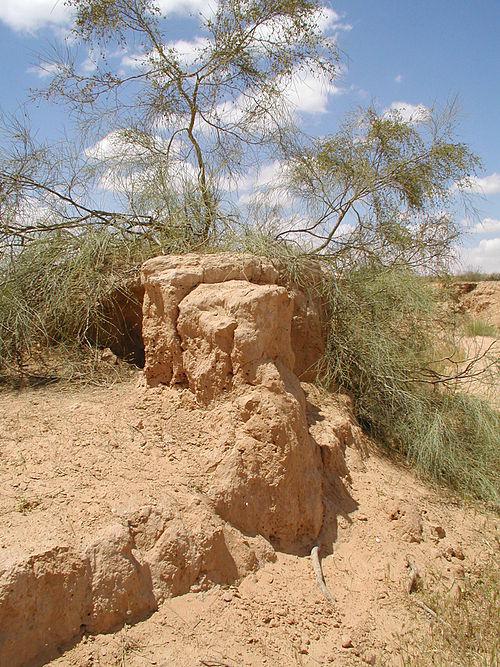
(א) וַיִּטַּע כָּרֶם. זֶה אֶחָד מֵאַרְבָּעָה שֶׁהִתְחִילוּ בְּאַרְבָּעָה דְבָרִים. נֹחַ הִתְחִיל בִּנְטִיעָה, דִּכְתִיב: וַיִּטַּע כָּרֶם. וּבַאֲרִירָה, אָרוּר כְּנָעַן. וּבְעַבְדוּת, עֶבֶד עֲבָדִים יִהְיֶה לְאֶחָיו. וּבְשִׁכְרוּת, וַיֵשְׁתְּ מִן הַיַּיִן וַיִּשְׁכָּר.
(ב) וְאַבְרָהָם הִתְחִיל בְּזִקְנָה, וּבְיִסּוּרִין, וּבְפֻנְדָּק, וּבְלִיגְטָא. הִתְחִיל בְּזִקְנָה, שֶׁהָיוּ הָאָב וְהַבֵּן נִכְנָסִים לָעִיר וְלֹא הָיוּ מַכִּירִים הַזָּקֵן לְכַבְּדוֹ, וְהָיָה אַבְרָהָם מִצְטַעֵר. אָמַר לְפָנָיו, רִבּוֹנוֹ שֶׁל עוֹלָם, מַה הֶפְרֵשׁ בֵּין אָב לְבֵן? אָמַר לוֹ הַקָּדוֹשׁ בָּרוּךְ הוּא, חַיֶּיךָ, אֲנִי מַתְחִיל בְּךָ, שֶׁנֶּאֱמַר: וְאַבְרָהָם זָקֵן (בראשית כד, א).
(ג) וּבְיִסּוּרִים, אָמַר אַבְרָהָם לִפְנֵי הַקָּדוֹשׁ בָּרוּךְ הוּא, רִבּוֹנוֹ שֶׁל עוֹלָם, אִלּוּלֵי נָתַתָּ שַׁלְוָה לְדוֹר הַמַּבּוּל, לֹא הָיוּ מַכְעִיסִין וּמוֹרְדִין וְאוֹמְרִים סוּר מִמֶּנּוּ (איוב כא, יג). אָמַר לוֹ: מִמְּךָ אֲנִי מַתְחִיל. לְפִיכָךְ נִתְיַסֵּר בִּבְנוֹ, שֶׁנֶּאֱמַר: וַיִּגְדַּל הַיֶּלֶד וַיִּגָּמַל (בראשית כא, ח).
(ד) רַבִּי אוֹשַׁעְיָא וְרַבִּי אָבִין. חַד אָמַר, שֶׁנִּגְמַל מִיֵּצֶר הַטּוֹב. וְחַד אָמַר, שֶׁנִּגְמַל מִיֵּצֶר הָרָע.
(ה) בְּפֻנְדָּק, שֶׁנֶּאֱמַר: וַיִּטַּע אֵשֶׁל (בראשית כא, לג). רַבִּי נְחֶמְיָה אוֹמֵר, אִילָן שְׁאַל הֵן הָאוֹתִיּוֹת, שֶׁהָיָה אָדָם נִכְנָס אֶצְלוֹ וְהוּא אוֹמֵר לוֹ: מָה אַתָּה מְבַקֵּשׁ, שְׁאַל וַאֲנִי נוֹתֵן לָךְ. וְעָשָׂה פֻנְדָּק בְּפָרָשַׁת דְּרָכִים.
(ו) בְּלִיגְטָא, שֶׁנֶּאֱמַר: וְלִבְנֵי הַפִּילַגְשִׁים אֲשֶׁר לְאַבְרָהָם נָתַן אַבְרָהָם מַתָּנֹת וְגוֹ' (בראשית כה, ו).
(ז) מֹשֶׁה הִתְחִיל בַּכְּהֻנָּה, וּבַדּוּכָן, וּבַקָּרְבָּנוֹת, וּבַתּוֹרָה. בַּכְּהֻנָּה, שֶׁשִּׁמֵּשׁ בִּכְהֻנָּה גְדוֹלָה בְּשִׁבְעַת יְמֵי הַמִּלּוּאִים. וּבַדּוּכָן, שֶׁהֶעֱמִיד אֶלְעָזָר בֶּן אַהֲרֹן עַל הַדּוּכָן, שֶׁנֶּאֱמַר: וּנְשִׂיא נְשִׂיאֵי הַלֵּוִי אֶלְעָזָר וְגוֹ' (במדבר ג, לב). בַּקָּרְבָּנוֹת, שֶׁנֶּאֱמַר: וַיַּקְטֵר מֹשֶׁה אֶת הָרֹאשׁ וְגוֹ' (ויקרא ח, כ). בַּתּוֹרָה, שֶׁנֶּאֱמַר: וְאֶתְּנָה לְךָ אֶת לֻחֹת הָאֶבֶן וְהַתּוֹרָה וְהַמִּצְוָה (שמות כד, יב). בִּלְעָם, הִתְחִיל בַּקֻבְּיָא, בַּבְּלוֹרִית, בַּקְּסָמִים, וּבַזְּנוּת. הֱוֵי, נֹחַ אֶחָד מֵאַרְבָּעָה שֶׁהִתְחִילוּ בְּאַרְבָּעָה דְּבָרִים אֵלּוּ.
(1)And he planted a vineyard (Gen. 9:20). Noah was one of four men who introduced four things. Noah introduced planting, as it is written: And he planted a vineyard; cursing when he said: Cursed be Canaan (Gen. 9:25); slavery when he said: He shall be slave unto his brothers (ibid.); and drunkenness when he drank of the wine, and was drunken (ibid., v. 21).
(2) Abraham introduced old age, trials, hospitality, and legacies. He introduced old age, for whenever he and his son entered a city, the inhabitants were unable to determine which of them was the elder of the two (and therefore the one) to be honored. Abraham was disturbed by this, and so he said: Master of the Universe, how shall one distinguish between father and son? The Holy One, blessed be He, replied: Be assured, I will begin with you (to distinguish between father and son), as it is said: Abraham was old (Gen. 24:1).
(3) Trials. Abraham said to the Holy One, blessed be He: Master of the Universe, if You had made the generation of the flood feel secure, they would not have angered You or rebelled against You by saying: Depart from us (Job 21:14). Thereupon, the Holy One, blessed be He, said to him: I shall begin with you (to try men). And He tried him through his son (who was to be offered as a sacrifice), as it is written: And the child grew, and was weaned, etc. (Gen. 21:8).
(4) R. Oshaya and R. Abin differed over the meaning of this verse. One said: He was weaned from his good inclination; while the other insisted: He was weaned from his evil inclination.
(5) Hospitality. For it is said: And he planted a tamarisk tree (ibid., v. 33). R. Nehemiah stated: “Tamarisk tree” (alef-shin-lamed) contains the same letters as the word “ask” (shin-alef-lamed). Whenever a man approached him, Abraham would say: “Ask what you desire, and I will give it to you.” And he built an inn at the crossroads.
(6) Legacies. As it is said: Unto the sons of his concubines Abraham gave gifts (Gen. 25:6).
(7) Moses introduced priestcraft, priesthood, sacrifice, and the law. He introduced priestcraft when he officiated as priest for seven days during the inauguration (of the priesthood); priesthood when He appointed Elazar the son of Aaron to the office of priest in the Temple, as it is said: And the chief over the princes of the Levites was Elazar the son of Aaron the priest (Num. 3:32); sacrifice, for it is said: And Moses made the whole head ram smoke upon the altar; it was a burnt offering (Lev. 8:20); and law, for it is written: And I will give to thee the tablets of stone and the law and the commandments (Exod. 24:12). Balaam instituted gambling, plaiting the hair, sorcery, and unchastity. Hence, Noah was one of four men who introduced four things.
(ו) וַיִּשְׁמַ֣ע שָׁא֔וּל כִּ֚י נוֹדַ֣ע דָּוִ֔ד וַאֲנָשִׁ֖ים אֲשֶׁ֣ר אִתּ֑וֹ וְשָׁאוּל֩ יוֹשֵׁ֨ב בַּגִּבְעָ֜ה תַּֽחַת־הָאֶ֤שֶׁל בָּֽרָמָה֙ וַחֲנִית֣וֹ בְיָד֔וֹ וְכׇל־עֲבָדָ֖יו נִצָּבִ֥ים עָלָֽיו׃ (ז) וַיֹּ֣אמֶר שָׁא֗וּל לַֽעֲבָדָיו֙ הַנִּצָּבִ֣ים עָלָ֔יו שִׁמְעוּ־נָ֖א בְּנֵ֣י יְמִינִ֑י גַּם־לְכֻלְּכֶ֗ם יִתֵּ֤ן בֶּן־יִשַׁי֙ שָׂד֣וֹת וּכְרָמִ֔ים לְכֻלְּכֶ֣ם יָשִׂ֔ים שָׂרֵ֥י אֲלָפִ֖ים וְשָׂרֵ֥י מֵאֽוֹת׃ (ח) כִּי֩ קְשַׁרְתֶּ֨ם כֻּלְּכֶ֜ם עָלַ֗י וְאֵין־גֹּלֶ֤ה אֶת־אׇזְנִי֙ בִּכְרׇת־בְּנִ֣י עִם־בֶּן־יִשַׁ֔י וְאֵין־חֹלֶ֥ה מִכֶּ֛ם עָלַ֖י וְגֹלֶ֣ה אֶת־אׇזְנִ֑י כִּ֣י הֵקִים֩ בְּנִ֨י אֶת־עַבְדִּ֥י עָלַ֛י לְאֹרֵ֖ב כַּיּ֥וֹם הַזֶּֽה׃ {ס}
(6) When Saul heard that David and the men with him had been located—Saul was then in Gibeah, sitting under the tamarisk tree on the height, spear in hand, with all his courtiers in attendance upon him— (7) Saul said to the courtiers standing about him, “Listen, men of Benjamin! Will the son of Jesse give fields and vineyards to every one of you? And will he make all of you captains of thousands or captains of hundreds? (8) Is that why all of you have conspired against me? For no one informs me when my own son makes a pact with the son of Jesse; no one is concerned for me and no one informs me when my own son has set my servant in ambush against me, as is now the case.”
(לג) וַיִּטַּ֥ע אֶ֖שֶׁל בִּבְאֵ֣ר שָׁ֑בַע וַיִּ֨קְרָא־שָׁ֔ם בְּשֵׁ֥ם יקוק אֵ֥ל עוֹלָֽם׃ (לד) וַיָּ֧גׇר אַבְרָהָ֛ם בְּאֶ֥רֶץ פְּלִשְׁתִּ֖ים יָמִ֥ים רַבִּֽים׃ {פ}
(33) [Abraham] planted a tamarisk at Beer-sheba, and invoked there the name of יקוק, the Everlasting God. (34) And Abraham resided in the land of the Philistines a long time.