(א) הַסֵּפֶר הַזֶּה הוּא תּוֹרַת כֹּהֲנִים וְהַלְוִיִּם, יְבָאֵר בּוֹ עִנְיְנֵי הַקָּרְבָּנוֹת כֻּלָּן וּמִשְׁמֶרֶת הַמִּשְׁכָּן, כִּי כַּאֲשֶׁר הָיָה סֵפֶר אֶחָד בְּעִנְיַן הַגָּלוּת וְהַגְּאֻלָּה מִמֶּנּוּ, וְהִשְׁלִימוֹ בְּעִנְיַן אֹהֶל מוֹעֵד וּכְבוֹד הַשֵּׁם אֲשֶׁר מָלֵא אֶת הַמִּשְׁכָּן, צִוָּהוּ בַּקָּרְבָּנוֹת וּבִשְׁמִירַת הַמִּשְׁכָּן, שֶׁיִּהְיוּ הַקָּרְבָּנוֹת כַּפָּרָה לָהֶן וְלֹא יִגְרְמוּ הָעֲוֹנוֹת לְסִלּוּק הַשְּׁכִינָה. וְצִוָּה בַּכֹּהֲנִים הַנִּגָּשִׁים אֶל ה׳ שֶׁיִּתְקַדְּשׁוּ, שֶׁהִזְהִיר עַל טֻמְאַת מִקְדָּשׁ וְקָדָשָׁיו, וְגַם שֶׁלֹּא יֶהֶרְסוּ לַעֲלֹת אֶל ה׳, כְּמוֹ שֶׁאָמַר "דַּבֵּר אֶל אַהֲרֹן אָחִיךָ וְאַל יָבֹא בְכָל עֵת אֶל הַקֹּדֶשׁ מִבֵּית לַפָּרֹכֶת אֶל פְּנֵי הַכַּפֹּרֶת אֲשֶׁר עַל הָאָרֹן וְלֹא יָמוּת כִּי בֶּעָנָן אֵרָאֶה עַל הַכַּפֹּרֶת", כְּאַזְהָרַת "פֶּן יֶהֶרְסוּ אֶל ה׳ לִרְאוֹת וְנָפַל מִמֶּנּוּ רָב". ואח"כ יַגְבִּיל הַמִּשְׁכָּן כְּהַגְבָּלַת הַר סִינַי בְּעֵת הֱיוֹת שָׁם כְּבוֹד אֱלֹקֵי יִשְׂרָאֵל. (ב) וְהִנֵּה רֹב הַסֵּפֶר הַזֶּה בַּקָּרְבָּנוֹת, בְּתוֹרַת הַקָּרְבָּן וְהַמַּקְרִיבִין וּבַמָּקוֹם שֶׁיִּתְקָרֵב בּוֹ, וְיָבוֹאוּ בּוֹ קְצָת מִצְוֹת נִגְרָרוֹת עִם אֵלֶּה. כִּי מִתְּחִלָּה צִוָּה בְּקָרְבְּנוֹת הַנְּדָבָה, וְאָסַר הַחֵלֶב וְהַדָּם בַּעֲבוּרָם, וְאַחֲרֵי כֵן בְּקָרְבְּנוֹת הַחֵטְא, וְנִגְרָר אַחַר זֶה לְהַזְכִּיר הַמַּאֲכָלִים הָאֲסוּרִים, בַּעֲבוּר שֶׁהֵם מְטַמְּאִים וְהָאוֹכֵל אוֹ הַנּוֹגֵעַ בָּהֶן בְּכָל קֹדֶשׁ לֹא יִגָּע וְאֶל הַמִּקְדָּשׁ לֹא יָבֹא, וְאִם נִכְנַס שָׁם בְּטֻמְאָה יִהְיֶה חַיָּב קָרְבָּן עוֹלֶה וְיוֹרֵד שֶׁהִזְכִּירוֹ כְּבָר. וְהֻצְרַךְ לְהַזְכִּיר תּוֹרַת הַמְּצֹרָע וּמִשְׁפְּטֵי הַיּוֹלֶדֶת וְהַזָּב וְהַזָּבָה לְחַיֵּיב אוֹתָם בְּקָרְבָּן וּלְהַזְהִיר עוֹד מִטֻּמְאָתָם, כַּאֲשֶׁר אָמַר בְּסוֹפָם "וְהִזַּרְתֶּם אֶת בְּנֵי יִשְׂרָאֵל מִטֻּמְאָתָם וְלֹא יָמֻתוּ בְּטֻמְאָתָם בְּטַמְּאָם אֶת מִשְׁכָּנִי אֲשֶׁר בְּתוֹכָם". וְנִגְרָר אַחַר זֶה שֶׁיַּזְהִיר עַל הָעֲרָיוֹת, כִּי מִשְׁכָּבָם מְטַמֵּא וַעֲוֹנָם יִקָּרֵא טֻמְאָה, גּוֹרֶמֶת לְסִלּוּק הַשְּׁכִינָה וּלְגָלוּת. וְעוֹד כִּי הַשּׁוֹגֵג בָּהֶן מְחֻיָּב הַחַטָּאת שֶׁהִזְכִּיר כְּבָר בּוֹ "אִם נֶפֶשׁ אַחַת תֶּחֱטָא בִשְׁגָגָה". וְאַחֲרֵי כֵן הִזְכִּיר מִצְוַת הַשַּׁבָּת וּמוֹעֲדֵי ה׳, בַּעֲבוּר הַקָּרְבָּן, כְּמוֹ שֶׁאָמַר "אֵלֶּה מוֹעֲדֵי ה׳ אֲשֶׁר תִּקְרְאוּ אֹתָם מִקְרָאֵי קֹדֶשׁ לְהַקְרִיב אִשֶּׁה לַה׳ עֹלָה וּמִנְחָה זֶבַח וּנְסָכִים דְּבַר יוֹם בְּיוֹמוֹ". וְרֹב פָּרָשִׁיּוֹת הַסֵּפֶר הַזֶּה יְדַבֵּר בָּהֶן עִם הַכֹּהֲנִים, "דַּבֵּר אֶל אַהֲרֹן וְאֶל בָּנָיו" "צַו אֶת אַהֲרֹן וְאֶת בָּנָיו". וּבְפָרָשַׁת קְדוֹשִׁים תִּהְיוּ קְצָת מִצְוֹת לִבְנֵי יִשְׂרָאֵל, רֻבָּן נִגְרָרוֹת עִם עִנְיְנֵי הַקָּרְבָּנוֹת אוֹ בְּדוֹמִים לָהֶם, וּבִמְקוֹמָם אֲפָרֵשׁ בְּעֶזְרָתוֹ שֶׁל הב"ה.
(1) ‘VAYIKRA’ (AND HE CALLED). This book is the law of the priests and the Levites. In it G-d explains matters concerned with all the offerings and watching over the Tabernacle [that it should not become defiled]. This is because one book [i.e., the second book of the Torah] was dedicated to the Egyptian exile and the redemption therefrom, and He completed it with an account of the building of the Tent of Meeting and the Glory of G-d which filled the Tabernacle, therefore He now commanded Moses about the offerings and about watching over the Tabernacle, in order that the offerings effect atonement for [the children of] Israel, and that their sins should not bring about the removal of the Divine Glory. Thus He commanded the priests that come near unto the Eternal that they sanctify themselves, warning them against defilement of the Sanctuary and its hallowed offerings, and also that they are not to break through to come up unto the Eternal, just as He said, Speak unto Aaron thy brother, that he come not at all times into the holy place within the veil, before the ark-cover which is upon the ark, that he die not; for I appear in the cloud upon the ark-cover, which is similar to the warning [given at the Revelation] lest they break through unto the Eternal to gaze, and many of them perish. After that He set limits to the Tabernacle, even as He had marked off Mount Sinai when the Glory of the G-d of Israel was there. (2) Thus the greatest part of this book deals with the offerings, the laws of the offering itself and of those who perform its rite and of the place where it is to be brought; some commandments are also mentioned incidentally to those dealing with the offerings. Thus at first He commanded concerning the freewill offerings, and prohibited the eating of fat and blood on account of [mentioning] them. Following that He commanded concerning the offerings that are to be brought upon committing a sin, and incidentally to these He mentioned the laws of forbidden foods; for they defile the person, and he who eats them or touches them must not touch any hallowed thing, nor come into the Sanctuary, and if he does go in there [or eat of the hallowed things] while in a state of uncleanness, he has to bring the offering of higher or lower value which He had already mentioned. After that it was necessary to mention the law of the leper and the ordinances of the woman in childbirth and of the zav and zavah, in order to tell that they must bring an offering [at the end of the period of their uncleanness], and to warn them further concerning their uncleanness — as He said at the end [of these laws], Thus shall ye separate the children of Israel from their uncleanness; that they die not in their uncleanness, when they defile My Tabernacle that is in the midst of them. As a result of mentioning these laws, He warned afterwards about those persons with whom it is forbidden to have sexual relations, since association with them defiles, and their sin is called “defilement” and brings about the removal of the Divine Glory, and exile. Besides, he who commits any of these sins [of forbidden sexual relations] unwillfully, must bring the sin-offering which He mentioned already in the verse, And if anyone sin through error. Following that He mentioned the commandment of the Sabbath and the appointed seasons of the Eternal on account of the offerings [which are brought on those days], just as He said, These are the appointed seasons of the Eternal etc. to bring an offering made by fire unto the Eternal. In most of the sections of this book He speaks with reference to the priests: Speak unto Aaron, and to his sons; Command Aaron and his sons. In the section of Kedoshim however, there are some commandments addressed to the children of Israel, but most of them are mentioned because of some connection with the offerings or matters similar to them. I will explain them in their place with the help of the Holy One, blessed be He.
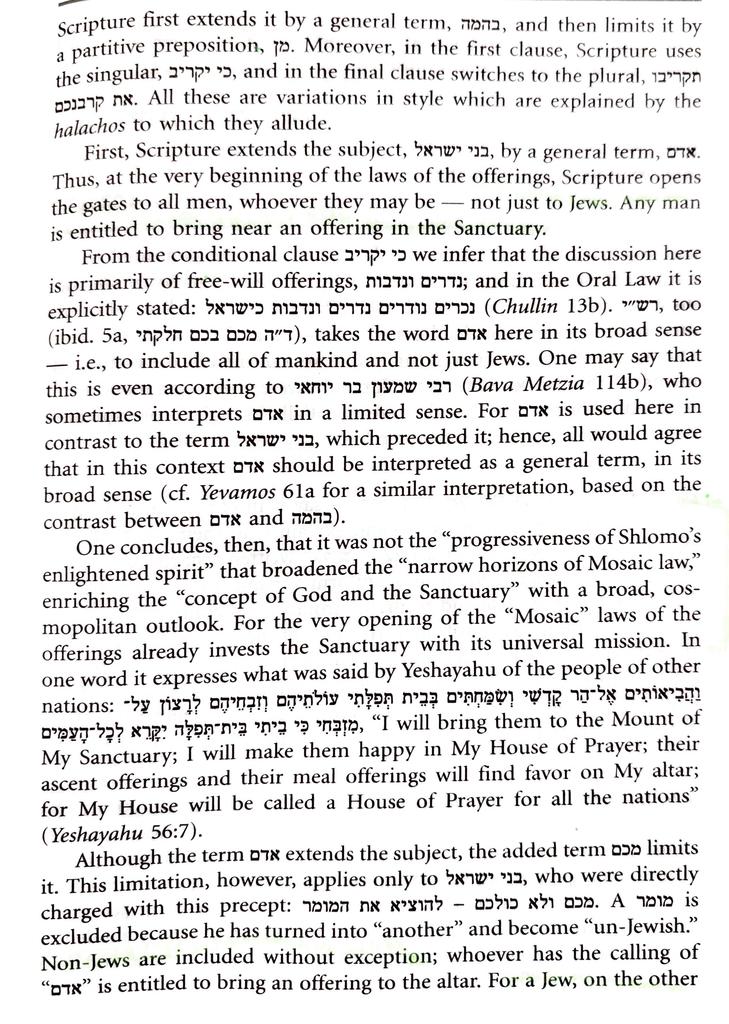
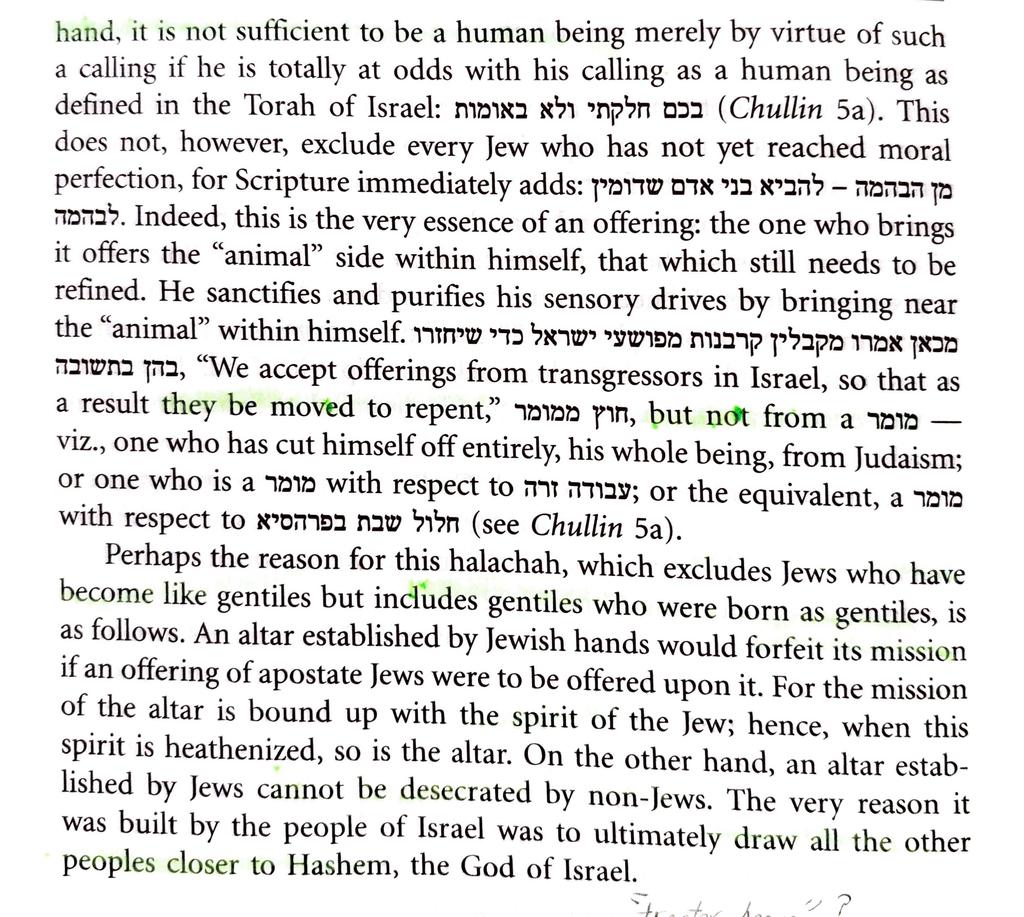
(ב) דַּבֵּ֞ר אֶל־בְּנֵ֤י יִשְׂרָאֵל֙ וְאָמַרְתָּ֣ אֲלֵהֶ֔ם אָדָ֗ם כִּֽי־יַקְרִ֥יב מִכֶּ֛ם קׇרְבָּ֖ן לַֽיהֹוָ֑ה מִן־הַבְּהֵמָ֗ה מִן־הַבָּקָר֙ וּמִן־הַצֹּ֔אן תַּקְרִ֖יבוּ אֶת־קׇרְבַּנְכֶֽם׃
(2) Speak to the Israelite people, and say to them: When any of you presents an offering of cattle to יהוה: You shall choose your offering from the herd or from the flock.
Rav Samson Raphael Hirsch

(יא) וְשָׁחַ֨ט אֹת֜וֹ עַ֣ל יֶ֧רֶךְ הַמִּזְבֵּ֛חַ צָפֹ֖נָה לִפְנֵ֣י יהוה וְזָרְק֡וּ בְּנֵי֩ אַהֲרֹ֨ן הַכֹּהֲנִ֧ים אֶת־דָּמ֛וֹ עַל־הַמִּזְבֵּ֖חַ סָבִֽיב׃
(11) It shall be slaughtered before יהוה on the north side of the altar, and Aaron’s sons, the priests, shall dash its blood against all sides of the altar.
ואם מן הצאן קרבנו כו' ושחט אותו על ירך המזבח צפונה כו'. הנה כתב צפון בצאן ולא בבן בקר אע"ג דבכל מקום כתיב במקום העולה, אלמא דשם עולה הוא נשחט בצפון, ובכל זה נזהרה התורה להזכיר צפון רק בצאן ולא בבקר, ומש"ה בפר משיח ובפר העלם דבר לא נזכר במקום העולה, ועיין תו"כ וריש פרק איזהו מקומן, אמרו במדרש לפי שצפון מורה על עקדתו של יצחק שצפון אפרו לזכרון לפני ד' תמיד. והכוונה, שאמרו שרוח צפונית פתוחה ומורה על הבחירה החפשית שעשה אברהם אבינו שיהיה מסור נפשו של הישראלי להשם וכמעט ששלל הבחירה מבניו אחריו, וכמעט הוקבע טבע קיים בנפש הישראלי למסור עצמו על אהבת השי"ת, לכן לא כתיב רק בבן צאן זכר לאילו של יצחק הבא תמורת יצחק, ולכן לא נזכר בבן בקר בהדיא, דגם אלה תשכחנה זה מעשה העגל אשר עשו שור אוכל עשב ואינו צפון לפניו.
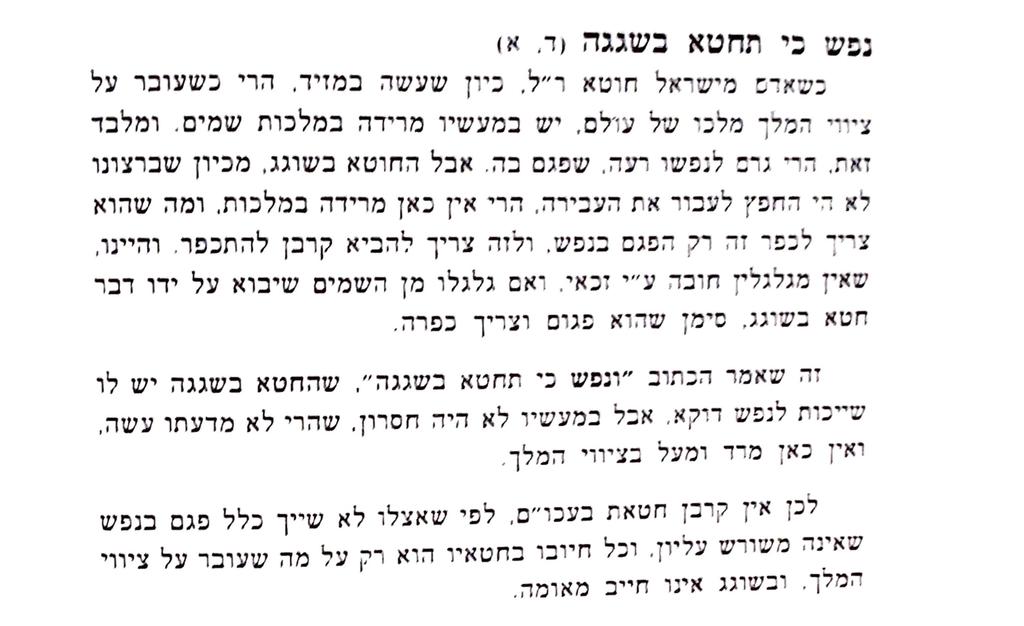
(א) וַיְדַבֵּ֥ר ה׳ אֶל־מֹשֶׁ֥ה לֵּאמֹֽר׃ (ב) דַּבֵּ֞ר אֶל־בְּנֵ֣י יִשְׂרָאֵל֮ לֵאמֹר֒ נֶ֗פֶשׁ כִּֽי־תֶחֱטָ֤א בִשְׁגָגָה֙ מִכֹּל֙ מִצְוֺ֣ת ה׳ אֲשֶׁ֖ר לֹ֣א תֵעָשֶׂ֑ינָה וְעָשָׂ֕ה מֵאַחַ֖ת מֵהֵֽנָּה׃
(1) ה׳ spoke to Moses, saying: (2) Speak to the Israelite people thus: When a person unwittingly incurs guilt in regard to any of ה׳’s commandments about things not to be done, and does one of them—