


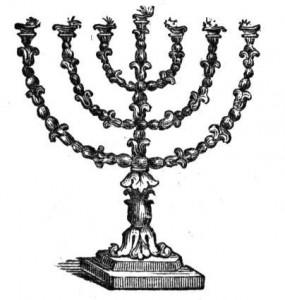
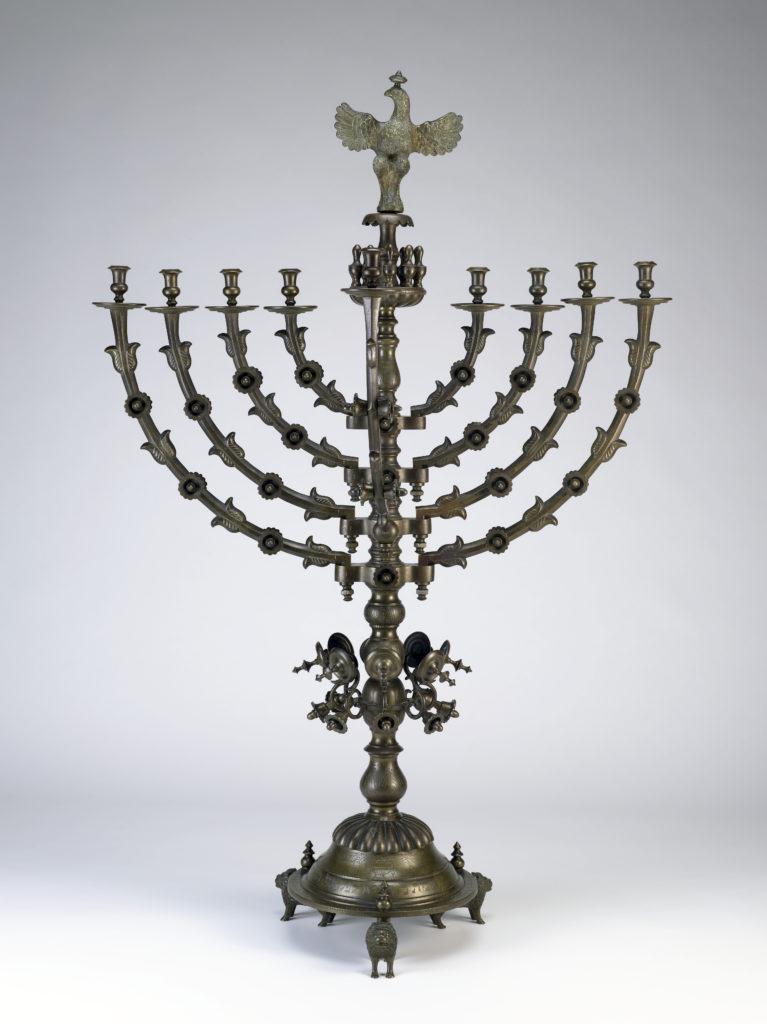
תנא דבי רבי ישמעאל שלשה דברים היו קשין לו למשה עד שהראה לו הקב"ה באצבעו ואלו הן מנורה וראש חדש ושרצים מנורה דכתיב (במדבר ח, ד) וזה מעשה המנורה ראש חודש דכתיב (שמות יב, ב) החודש הזה לכם ראש חדשים שרצים דכתיב (ויקרא יא, כט) וזה לכם הטמא ויש אומרים אף הלכות שחיטה שנאמר (שמות כט, לח) וזה אשר תעשה על המזבח:
The school of Rabbi Yishmael taught: Three matters were difficult for Moses to comprehend precisely, until the Holy One, Blessed be He, showed them to him with His finger, and these are the three matters: The form of the Candelabrum, and the exact size of the new moon, and the impure creeping animals. The Candelabrum was shown to him, as it is written: “And this is the work of the Candelabrum” (Numbers 8:4). The new moon was shown to him, as it is written: “This month shall be for you the beginning of months” (Exodus 12:2). The creeping animals were shown to him, as it is written: “And these are they which are unclean for you among the swarming things” (Leviticus 11:29). [Note: there is commentary that instead of the creeping animals, God showed him the Machatzit Hashekel, the half shekel.] And there are those who say that God also showed Moses the halakhot of slaughtering, as it is stated: “Now this is that which you shall sacrifice upon the altar” (Exodus 29:38), and slaughtering is the first ritual of sacrifice.
(ד) וְזֶ֨ה מַעֲשֵׂ֤ה הַמְּנֹרָה֙ מִקְשָׁ֣ה זָהָ֔ב עַד־יְרֵכָ֥הּ עַד־פִּרְחָ֖הּ מִקְשָׁ֣ה הִ֑וא כַּמַּרְאֶ֗ה אֲשֶׁ֨ר הֶרְאָ֤ה יהוה אֶת־מֹשֶׁ֔ה כֵּ֥ן עָשָׂ֖ה אֶת־הַמְּנֹרָֽה׃ {פ}
(ב) הַחֹ֧דֶשׁ הַזֶּ֛ה לָכֶ֖ם רֹ֣אשׁ חֳדָשִׁ֑ים רִאשׁ֥וֹן הוּא֙ לָכֶ֔ם לְחׇדְשֵׁ֖י הַשָּׁנָֽה׃
(יג) זֶ֣ה ׀ יִתְּנ֗וּ כׇּל־הָעֹבֵר֙ עַל־הַפְּקֻדִ֔ים מַחֲצִ֥ית הַשֶּׁ֖קֶל בְּשֶׁ֣קֶל הַקֹּ֑דֶשׁ עֶשְׂרִ֤ים גֵּרָה֙ הַשֶּׁ֔קֶל מַחֲצִ֣ית הַשֶּׁ֔קֶל תְּרוּמָ֖ה לַֽיהוה׃
Q: what is the common feature of the text that ties these three verses together to form this Talmudic teaching?
(יז) וַיַּ֥עַשׂ אֶת־הַמְּנֹרָ֖ה זָהָ֣ב טָה֑וֹר מִקְשָׁ֞ה עָשָׂ֤ה אֶת־הַמְּנֹרָה֙ יְרֵכָ֣הּ וְקָנָ֔הּ גְּבִיעֶ֛יהָ כַּפְתֹּרֶ֥יהָ וּפְרָחֶ֖יהָ מִמֶּ֥נָּה הָיֽוּ׃ (יח) וְשִׁשָּׁ֣ה קָנִ֔ים יֹצְאִ֖ים מִצִּדֶּ֑יהָ שְׁלֹשָׁ֣ה ׀ קְנֵ֣י מְנֹרָ֗ה מִצִּדָּהּ֙ הָֽאֶחָ֔ד וּשְׁלֹשָׁה֙ קְנֵ֣י מְנֹרָ֔ה מִצִּדָּ֖הּ הַשֵּׁנִֽי׃ (יט) שְׁלֹשָׁ֣ה גְ֠בִעִ֠ים מְֽשֻׁקָּדִ֞ים בַּקָּנֶ֣ה הָאֶחָד֮ כַּפְתֹּ֣ר וָפֶ֒רַח֒ וּשְׁלֹשָׁ֣ה גְבִעִ֗ים מְשֻׁקָּדִ֛ים בְּקָנֶ֥ה אֶחָ֖ד כַּפְתֹּ֣ר וָפָ֑רַח כֵּ֚ן לְשֵׁ֣שֶׁת הַקָּנִ֔ים הַיֹּצְאִ֖ים מִן־הַמְּנֹרָֽה׃ (כ) וּבַמְּנֹרָ֖ה אַרְבָּעָ֣ה גְבִעִ֑ים מְשֻׁ֨קָּדִ֔ים כַּפְתֹּרֶ֖יהָ וּפְרָחֶֽיהָ׃ (כא) וְכַפְתֹּ֡ר תַּ֩חַת֩ שְׁנֵ֨י הַקָּנִ֜ים מִמֶּ֗נָּה וְכַפְתֹּר֙ תַּ֣חַת שְׁנֵ֤י הַקָּנִים֙ מִמֶּ֔נָּה וְכַפְתֹּ֕ר תַּֽחַת־שְׁנֵ֥י הַקָּנִ֖ים מִמֶּ֑נָּה לְשֵׁ֙שֶׁת֙ הַקָּנִ֔ים הַיֹּצְאִ֖ים מִמֶּֽנָּה׃ (כב) כַּפְתֹּרֵיהֶ֥ם וּקְנֹתָ֖ם מִמֶּ֣נָּה הָי֑וּ כֻּלָּ֛הּ מִקְשָׁ֥ה אַחַ֖ת זָהָ֥ב טָהֽוֹר׃ (כג) וַיַּ֥עַשׂ אֶת־נֵרֹתֶ֖יהָ שִׁבְעָ֑ה וּמַלְקָחֶ֥יהָ וּמַחְתֹּתֶ֖יהָ זָהָ֥ב טָהֽוֹר׃ (כד) כִּכָּ֛ר זָהָ֥ב טָה֖וֹר עָשָׂ֣ה אֹתָ֑הּ וְאֵ֖ת כׇּל־כֵּלֶֽיהָ׃ {פ}
(17) He made the lampstand of pure gold. He made the lampstand—its base and its shaft—of hammered work; its cups, calyxes, and petals were of one piece with it. (18) Six branches issued from its sides: three branches from one side of the lampstand, and three branches from the other side of the lampstand. (19) There were three cups shaped like almond-blossoms, each with calyx and petals, on one branch; and there were three cups shaped like almond-blossoms, each with calyx and petals, on the next branch; so for all six branches issuing from the lampstand. (20) On the lampstand itself there were four cups shaped like almond-blossoms, each with calyx and petals: (21) a calyx, of one piece with it, under a pair of branches; and a calyx, of one piece with it, under the second pair of branches; and a calyx, of one piece with it, under the last pair of branches; so for all six branches issuing from it. (22) Their calyxes and their stems were of one piece with it, the whole of it a single hammered piece of pure gold. (23) He made its seven lamps, its tongs, and its fire pans of pure gold. (24) He made it and all its furnishings out of a talent of pure gold.
Q: Why did God need to point out the Menorah with God's finger?

(כב) וּבְצַלְאֵ֛ל בֶּן־אוּרִ֥י בֶן־ח֖וּר לְמַטֵּ֣ה יְהוּדָ֑ה עָשָׂ֕ה אֵ֛ת כׇּל־אֲשֶׁר־צִוָּ֥ה יְהֹוָ֖ה אֶת־מֹשֶֽׁה׃
(22) Now Bezalel, son of Uri son of Hur, of the tribe of Judah, had made all that יהוה had commanded Moses;
(א) ובצלאל בן אורי וגו' עשה את כל אשר צוה יהוה את משה. . אָמַר לוֹ כָּךְ שָׁמַעְתִּי מִפִּי הקב"ה. אָמַר לוֹ מֹשֶׁה בְּצֵל אֵל הָיִיתָ, כִּי בְּוַדַּאי כָּךְ צִוָּה לִי הקב"ה,
(1) ובצלאל בן אורי וגו׳ עשה את כל אשר צוה יהוה את משה AND BEZALEEL THE SON OF URI etc. MADE ALL THAT THE LORD COMMANDED MOSES — Moses further said to him: (בצלאל), you must have been sitting in the shadow of God (בצל אל), for certainly did thus God command me!” (cf. Berakhot 55a).
(א) וְעוֹד אָמְרוּ (ברכות נה.) יוֹדֵעַ הָיָה בְּצַלְאֵל לְצָרֵף אוֹתִיּוֹת שֶׁנִּבְרְאוּ בָּהֶן שָׁמַיִם וָאָרֶץ. וְהָעִנְיָן, כִּי הַמִּשְׁכָּן יִרְמֹז בְּאֵלּוּ, וְהוּא הַיּוֹדֵעַ וּמֵבִין סוֹדוֹ:
The Rabbis have also said: “Bezalel knew how to combine the letters with which heaven and earth were created.” The purport of this saying is that the Tabernacle alludes to these matters [heaven and earth], and he knew and understood its secret.
(ב) הַחֹ֧דֶשׁ הַזֶּ֛ה לָכֶ֖ם רֹ֣אשׁ חֳדָשִׁ֑ים רִאשׁ֥וֹן הוּא֙ לָכֶ֔ם לְחׇדְשֵׁ֖י הַשָּׁנָֽה׃
(2) This month shall mark for you the beginning of the months; it shall be the first of the months of the year for you.
(ב) הזה. נִתְקַשָּׁה מֹשֶׁה עַל מוֹלַד הַלְּבָנָה, בְּאֵיזוֹ שִׁעוּר תֵּרָאֶה וְתִהְיֶה רְאוּיָה לְקַדֵּשׁ, וְהֶרְאָה לוֹ בְּאֶצְבַּע אֶת הַלְּבָנָה בָּרָקִיעַ וְאָמַר לוֹ כָּזֶה רְאֵה וְקַדֵּשׁ (שם). וְכֵיצַד הֶרְאָהוּ? וַהֲלֹא לֹא הָיָה נִדְבָּר עִמּוֹ אֶלָּא בַּיּוֹם? שֶׁנֶּ' "וַיְהִי בְּיוֹם דִּבֶּר יהוה" (שמות ו'), "בְּיוֹם צַוֹּתוֹ" (ויקרא ז'), "מִן הַיּוֹם אֲשֶׁר צִוָּה יהוה וָהָלְאָה" (במדבר ט"ו)? אֶלָּא סָמוּךְ לִשְׁקִיעַת הַחַמָּה נֶאֶמְרָה לוֹ פָרָשָׁה זוֹ וְהֶרְאָהוּ עִם חֲשֵׁכָה:
(2) הזה THIS [STAGE OF RENEWAL] — Moses was in perplexity regarding the Molad of (the exact moment when begins) the new moon — how much of it must be visible before it is proper to consecrate it as new moon: He therefore pointed it out to him in the sky with the finger and said to him, “Behold it like this, and consecrate it” (i. e., when you see the moon in a stage of renewal similar to this which you now behold you may proclaim that a new month has begun). (Mekhilta).
Q: Why did God need to point out the new moon with God's finger?
Q: What is the lesson we derive? The conceptual needs to be balanced with the real.
(יב) כִּ֣י תִשָּׂ֞א אֶת־רֹ֥אשׁ בְּנֵֽי־יִשְׂרָאֵל֮ לִפְקֻדֵיהֶם֒ וְנָ֨תְנ֜וּ אִ֣ישׁ כֹּ֧פֶר נַפְשׁ֛וֹ לַיהוה בִּפְקֹ֣ד אֹתָ֑ם וְלֹא־יִהְיֶ֥ה בָהֶ֛ם נֶ֖גֶף בִּפְקֹ֥ד אֹתָֽם׃ (יג) זֶ֣ה ׀ יִתְּנ֗וּ כׇּל־הָעֹבֵר֙ עַל־הַפְּקֻדִ֔ים מַחֲצִ֥ית הַשֶּׁ֖קֶל בְּשֶׁ֣קֶל הַקֹּ֑דֶשׁ עֶשְׂרִ֤ים גֵּרָה֙ הַשֶּׁ֔קֶל מַחֲצִ֣ית הַשֶּׁ֔קֶל תְּרוּמָ֖ה לַֽיהוה׃
(12) When you take a census of the Israelite men according to their army enrollment, each shall pay יהוה a ransom for himself on being enrolled, that no plague may come upon them through their being enrolled. (13) This is what everyone who is entered in the records shall pay: a half-shekel by the sanctuary weight—twenty gerahs to the shekel—a half-shekel as an offering to יהוה.
(א) זה יתנו. הֶרְאָה לוֹ כְּמִין מַטְבֵּעַ שֶׁל אֵשׁ וּמִשְׁקָלָהּ מַחֲצִית הַשֶּׁקֶל וְאוֹמֵר לוֹ כָּזֶה יִתְּנוּ (תלמוד ירושלמי שק' א'):
(1) זה יתנו THIS SHALL THEY GIVE — He (God) showed him (Moses) a kind of fiery coin the weight of which was half a shekel and said to him, “Like this shall they give” (Midrash Tanchuma, Ki Tisa 9).
(1) SEE, I HAVE CALLED BY NAME BEZALEL THE SON OF URI, THE SON OF HUR. The Rabbis have also said: Berachoth 55a. “Bezalel knew how to combine the letters with which heaven and earth were created.” The purport of this saying is that the Tabernacle alludes to these matters [heaven and earth], and he knew and understood its secret.
אֱלִיָּהוּ זָכוּר לַטּוֹב שָׁאַל לְרִבִּי נְהוֹרַיי מִפְּנֵי מַה בָּרָא הַקָּדוֹשׁ בָּרוּךְ הוּא שְׁקָצִים וּרְמָשִׂים בְּעוֹלָמוֹ. אָמַר לוֹ לְצוֹרֶךְ נִבְרְאוּ בְּשָׁעָה שֶׁהַבִּרְיוֹת חוֹטְאִין הוּא מַבִּיט בָּהֶן וְאוֹמֵר מַה אֵלוּ שֶׁאֵין בָּהֶן צוֹרֶךְ הֲרֵי אֲנִי מְקַייְמָן אֵלוּ שֶׁיֵּשׁ בָּהֶן צוֹרֶךְ לֹא כָּל שֶׁכֵּן. אָמַר לֵיהּ עוֹד יֵשׁ בָּהֶן צוֹרֶךְ זְבוּב לְצִרְעָה. פִּשְׁפֵּשׁ לָעֲלוּקָה. שַׁבְּלוֹן לְחַזִּיּוֹן. סְמָמִית לְעַקְרָב.
Elijah, may he be well remembered, asked Rebbi Nehorai: Why did the Holy One, praise to Him, create abominable and crawling animals in His world? He said to him, they fill a need because, when men sin, He gazes at those and says, if I am keeping those who have no utility, certainly I shall keep these who might have utility. He said to him, still they have utility104A similar statement is found in Babli Šabbat 77b, by Rav Yehudah in the name of Rav.: a fly for wasps105Rashi in Babli Šabbat 77b explains that as antidote for the poison of the sting of a wasp, one grinds up some flies and puts them as ointment on the sting. He explains the same for the use of semamit for the sting of a scorpion, but the Babli (loc. cit.) notes that the scorpion is afraid of the semamit. Hence, it seems more likely that flies carry diseases into wasp’s nests and therefore curb their numbers, and semamiot eat scorpions., bedbugs for a leech, snail for skin rash106The last two must certainly be explained as medical uses., semamit107Arukh gives two Italian explanations of this word, the first ragnatello“spider” is also given by Rashi (araignée) in Babli Šabbat, the second lucertola “lizard” is more probable, in particular the gecko, Arabic סַאם אַבּרַצ, which is known to eat scorpions. Arabic סַאמָּה “poisonous animal”, but cf. Accadic summatu “pidgeon”, simmatu “poisoning”. for the scorpion.
Rabbi Yosef Tropper - In Baltimore Jewish Life
https://baltimorejewishlife.com/news/news-detail.php?
SECTION_ID=45&ARTICLE_ID=112708
[Tropper is commenting on the Talmud passage.] Says the Gra (the Vilna Gaon) that the name Moshe is actually roshei teivos menorah, shekalim (or sheratzim) and hachodesh. That’s Moshe’s name. And, not only that, it’s also sofei teivos. The last letters of menorah, shekalim (or sheratzim), and hachodesh also spell Moshe. And, that’s the remez to his name in these three things he struggled with.
Now, the question is what does that mean? What I believe is that we call Moshe Rabbeinu, our leader, our teacher. But, Moshe was anav m’kol adam, and these three things that embody his name, they show from beginning ‘till end, roshei teivos and sofei teivos, that Moshe was willing to say: I know when I didn’t know, and then he could say to the Rebono Shel Olam: I don’t understand the menorah. I don’t understand the shekallim, or the sheratzim. I don’t understand hachodesh. And, Hashem would teach it to him. And, we should never be afraid to say: I don’t understand because that is the way we are going to learn. And, we think we know it all, and then we know nothing. But, the anav is always running towards Hashem and saying: Please, teach it to me.