


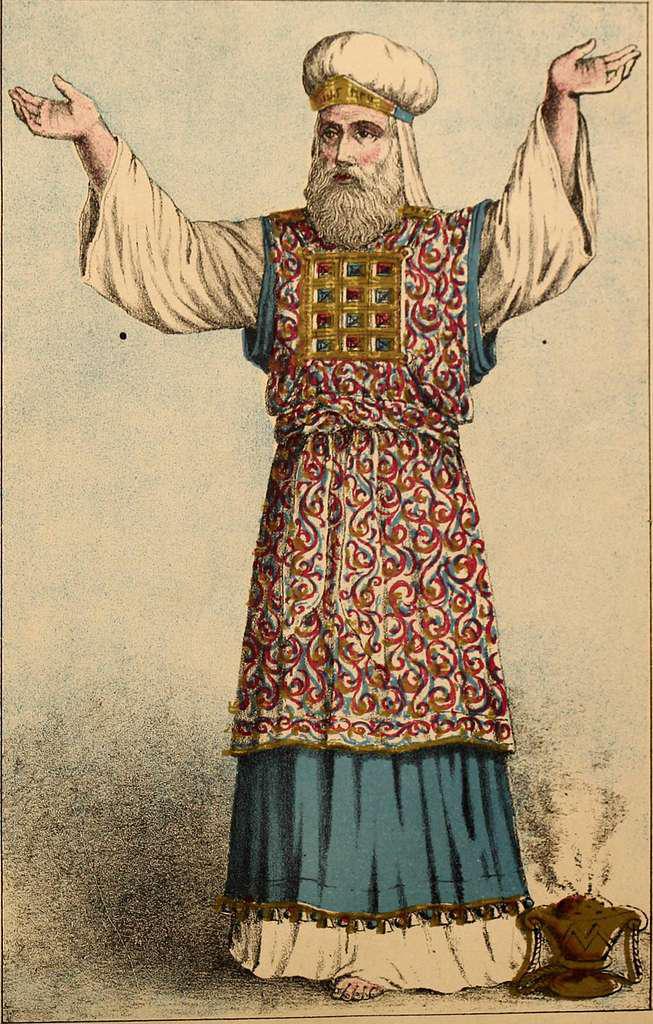
(ב) וְעָשִׂ֥יתָ בִגְדֵי־קֹ֖דֶשׁ לְאַהֲרֹ֣ן אָחִ֑יךָ לְכָב֖וֹד וּלְתִפְאָֽרֶת׃
(2) Make holy garments for your brother Aaron, for honor and splendor.
(א)לכבוד ולתפארת. באשר נדרש הענין שיהא אהרן מקדש עצמו ומתנהג בחסידות ובפרישות נבדל מכלל ישראל. וזה א״א אלא באופן שיהא נכבד בעיני הבריות שידעו ויבינו כי הוא במעלה עליונה מהם. ולא יחשבו זאת לרמות רוחא. מש״ה היו הבגדים לתועלת שהיה בעיני ישראל לכבוד ולתפארת. והבינו מזה כי חפץ ה׳ ביקרו. וראוי להיות מרכבה לשכינה. וכן הוא בכל כה״ג. משא״כ בגדי כהונה דכה״ד לא היה לכבוד ולתפארת אלא המגבעות שעל ראשם כמש״כ להלן מקרא מ׳. אבל כה״ג היה ראוי להיות משונה בכל הליכותיו:
(1)For honor and splendor. This is only said about the garments of the high priest. Aharon was required to act with special piety and to set himself apart from the people, which was liable to bring upon him an accusation of haughtiness. Therefore it was necessary that he be distinguished in his dress so that all would know that God had chosen him to be the “Throne” of the Shechinah. Likewise is with all high priests. Whereas with the garments of the ordinary priests, only the turbans were for honor and glory, as I have written further on verse 40. However the high priest was fit to be differentiated in all of his ways.
"IN 1970 William J. Bank, president of the Blue Jeans Corporation, predicted that there would be a man on Mars before the production of apparel was automated. Almost half a century later, he has not yet been proved wrong. Viewed through the lens of history, this is astonishing. Spinning was one of the first processes to succumb to industrialisation. Weaving followed shortly afterwards. Cutting the resultant cloth into pieces from which an item is then assembled is easy now that patterns can be reduced to software. But, though effective sewing machines have been around since the 1840s, their activities still have to be guided by hand. The idea of putting a bolt of fabric into one end of an automated production line and getting completed garments out of the other thus remains as impossible as it was in Bank’s day. Two American companies, however, think that they have cracked the problem, and that a system which can turn cloth into clothing without the need for tailors is just around the corner.
...The problem both firms are trying to overcome is that cloth is floppy and behaves unpredictably when pushed around. It is thus hard to align two pieces of it in a way that allows them to be sewn together accurately."
"Stitches in time: Garment-making." Global Business Review, 2017. ProQuest, https://www.proquest.com/trade-journals/stitches-time/docview/2543852024/se-2.
(ד) וְאֵ֨לֶּה הַבְּגָדִ֜ים אֲשֶׁ֣ר יַעֲשׂ֗וּ חֹ֤שֶׁן וְאֵפוֹד֙ וּמְעִ֔יל וּכְתֹ֥נֶת תַּשְׁבֵּ֖ץ מִצְנֶ֣פֶת וְאַבְנֵ֑ט וְעָשׂ֨וּ בִגְדֵי־קֹ֜דֶשׁ לְאַהֲרֹ֥ן אָחִ֛יךָ וּלְבָנָ֖יו לְכַהֲנוֹ־לִֽי׃ (ה) וְהֵם֙ יִקְח֣וּ אֶת־הַזָּהָ֔ב וְאֶת־הַתְּכֵ֖לֶת וְאֶת־הָֽאַרְגָּמָ֑ן וְאֶת־תּוֹלַ֥עַת הַשָּׁנִ֖י וְאֶת־הַשֵּֽׁשׁ׃ {פ} (ו) וְעָשׂ֖וּ אֶת־הָאֵפֹ֑ד זָ֠הָ֠ב תְּכֵ֨לֶת וְאַרְגָּמָ֜ן תּוֹלַ֧עַת שָׁנִ֛י וְשֵׁ֥שׁ מׇשְׁזָ֖ר מַעֲשֵׂ֥ה חֹשֵֽׁב׃ (ז) שְׁתֵּ֧י כְתֵפֹ֣ת חֹֽבְרֹ֗ת יִֽהְיֶה־לּ֛וֹ אֶל־שְׁנֵ֥י קְצוֹתָ֖יו וְחֻבָּֽר׃ (ח) וְחֵ֤שֶׁב אֲפֻדָּתוֹ֙ אֲשֶׁ֣ר עָלָ֔יו כְּמַעֲשֵׂ֖הוּ מִמֶּ֣נּוּ יִהְיֶ֑ה זָהָ֗ב תְּכֵ֧לֶת וְאַרְגָּמָ֛ן וְתוֹלַ֥עַת שָׁנִ֖י וְשֵׁ֥שׁ מׇשְׁזָֽר׃ (ט) וְלָ֣קַחְתָּ֔ אֶת־שְׁתֵּ֖י אַבְנֵי־שֹׁ֑הַם וּפִתַּחְתָּ֣ עֲלֵיהֶ֔ם שְׁמ֖וֹת בְּנֵ֥י יִשְׂרָאֵֽל׃
(4) These are the vestments they are to make: a breastpiece, an ephod, a robe, a fringed*fringed Others “checkered.” tunic, a headdress, and a sash. They shall make those sacral vestments for your brother Aaron and his sons, for priestly service to Me; (5) they, therefore, shall receive the gold, the blue, purple, and crimson yarns, and the fine linen. (6) They shall make the ephod of gold, of blue, purple, and crimson yarns, and of fine twisted linen, worked into designs. (7) It shall have two shoulder-pieces attached; they shall be attached at its two ends. (8) And the decorated band that is upon it shall be made like it, of one piece with it: of gold, of blue, purple, and crimson yarns, and of fine twisted linen. (9) Then take two lazuli stones and engrave on them the names of the sons of Israel:
(לא) וְעָשִׂ֛יתָ אֶת־מְעִ֥יל הָאֵפ֖וֹד כְּלִ֥יל תְּכֵֽלֶת׃ (לב) וְהָיָ֥ה פִֽי־רֹאשׁ֖וֹ בְּתוֹכ֑וֹ שָׂפָ֡ה יִֽהְיֶה֩ לְפִ֨יו סָבִ֜יב מַעֲשֵׂ֣ה אֹרֵ֗ג כְּפִ֥י תַחְרָ֛א יִֽהְיֶה־לּ֖וֹ לֹ֥א יִקָּרֵֽעַ׃ (לג) וְעָשִׂ֣יתָ עַל־שׁוּלָ֗יו רִמֹּנֵי֙ תְּכֵ֤לֶת וְאַרְגָּמָן֙ וְתוֹלַ֣עַת שָׁנִ֔י עַל־שׁוּלָ֖יו סָבִ֑יב וּפַעֲמֹנֵ֥י זָהָ֛ב בְּתוֹכָ֖ם סָבִֽיב׃ (לד) פַּעֲמֹ֤ן זָהָב֙ וְרִמּ֔וֹן פַּֽעֲמֹ֥ן זָהָ֖ב וְרִמּ֑וֹן עַל־שׁוּלֵ֥י הַמְּעִ֖יל סָבִֽיב׃
(31) You shall make the robe of the ephod of pure blue.*of pure blue Others “all of blue.”(32) The opening for the head shall be in the middle of it; the opening shall have a binding of woven work round about—it shall be like the opening of a coat of mail—so that it does not tear. (33) On its hem make pomegranates of blue, purple, and crimson yarns, all around the hem, with bells of gold between them all around: (34) a golden bell and a pomegranate, a golden bell and a pomegranate, all around the hem of the robe.
(ב)תכלת. צֶבַע יָרֹק שֶׁל חִלָּזוֹן:
(2) תכלת BLUE PURPLE — It is the blue dye of (obtained from) the blood of the Chilazon (a kind of shell-fish).
The first shade of purple produced was Tyrian purple, created from Bolinus brandaris sea snails. Dye makers harvested mucus from the shell and heated it in an alkaline solution. The dipped yarn in this solution and exposed it to sunlight, turning it purple. About 250,000 snails were required to make an ounce of purple dye. Tyrian purple was rare and expensive, making purple clothing costly. A pound of purple wool cost more than a year’s salary.
Today, purple dye is made from cochineal insects. They contain carminic acid, a crimson shade, which turns purple when alkaline substances increase the mixture’s pH level.
“The Color Purple - History, Meaning and Facts.” Hunter Lab, 27 Nov. 2023, www.hunterlab.com/blog/the-color-purple-history-meaning-and-facts/#:~:text=Today%2C%20purple%20dye%20is%20made,increase%20the%20mixture’s%20pH%20level.
(א)אפוד. מלבוש ממתני אדם ולמטה, ושפתו העליון עשוי כמין אזור מלאכת מחשבת, ובו יחגור הלובש את האפוד על המעיל, כאמרו ויחגור אותו בחשב האפוד, ויאפד לו בו:
(1) אפוד, a garment that covers a person from the waist down. Its upper rim is constructed like a sash or belt, artistic work. This sash is used when the wearer ties the ephod above his tunic. This is the meaning of Leviticus 8,7ויחגור אותו בחשב האפוד, ויאפוד לו בו, “he girdled him with the belt of the ephod and thus adorned him with it.”
(ב)זהב תכלת וארגמן תולעת שני ושש משזר. חֲמֵשֶׁת מִינִים הַלָּלוּ שְׁזוּרִין בְּכָל חוּט וָחוּט; הָיוּ מְרַדְּדִין אֶת הַזָּהָב כְּמִין טַסִּין דַּקִּין וְקוֹצְצִין פְּתִילִים מֵהֶם, וְטוֹוִין אוֹתוֹ חוּט שֶׁל זָהָב עִם שִׁשָּׁה חוּטִין שֶׁל תְּכֵלֶת, וְחוּט שֶׁל זָהָב עִם שִׁשָּׁה חוּטִין שֶׁל אַרְגָּמָן, וְכֵן בְּתוֹלַעַת שָׁנִי וְכֵן בַּשֵּׁשׁ – שֶׁכָּל הַמִּינִין חוּטָן כָּפוּל שִׁשָּׁה וְחוּט שֶׁל זָהָב עִם כָּל אֶחָד וְאֶחָד – וְאַחַר כָּךְ שׁוֹזֵר אֶת כֻּלָּם כְּאֶחָד, נִמְצָא חוּטָן כָּפוּל כ"ח, וְכֵן מְפֹרָשׁ בְּמַסֶּכֶת יוֹמָא, וְלָמֵד מִן הַמִּקְרָא הַזֶּה וַיְרַקְּעוּ אֶת פַּחֵי הַזָּהָב וְקִצֵּץ פְּתִילִם לַעֲשׂוֹת – אֶת פְּתִילֵי הַזָּהָב – בְּתוֹךְ הַתְּכֵלֶת וּבְתוֹךְ הָאַרְגָּמָן וְגוֹ', לָמַדְנוּ שֶׁחוּט שֶׁל זָהָב שָׁזוּר עִם כָּל מִין וָמִין:
(2) זהב תכלת וארגמן תולעת שני ושש משזר OF GOLD, OF BLUE PURPLE, AND OF RED PURPLE, OF CRIMSON AND FINE TWISTED LINEN — The five materials were intertwined in every strand: they beat out the gold into the form of thin plates and from them they cut threads, and they wove that gold thread together with six threads of blue purple and a gold thread with six threads of red purple, and similarly with the crimson and similarly with the fine linen; because all the materials had their threads sixfold and there was a gold thread with each of them. Then they intertwined them all into one thread; it followed, therefore, that their thread was 28-fold. This is how it is explained in Treatise Yoma 72a and it is derived from the following verse: (Exodus 39:3) “And they beat out the gold into thin plates and cut it into threads to work the threads of gold in the blue purple and in the red purple, etc.” — this tells us that a gold thread was intertwined with each material.
(3)worked into designs. Like the fabrics of the Tabernacle (26:31, 36; 27:16), the ephod is to have embroidered work.
(ג)בתוכם סביב. בֵּינֵיהֶם סָבִיב – בֵּין שְׁנֵי רִמּוֹנִים פַּעֲמוֹן אֶחָד דָּבוּק וְתָלוּי בְּשׁוּלֵי הַמְּעִיל:
(3) בתוכם סביב IN THE MIDST OF THEM ROUND ABOUT — i. e. between them (the pomegranates) all the way round the hem: between every two pomegranates there was one bell attached hanging from the hem of the Robe (cf. Zevachim 88b).
Location for source 1. https://prod.sefaria.org.il/topics/priestly-garments?sort=Relevance&tab=notable-sources