


(א) אַרְבָּעָה רָאשֵׁי שָׁנִים הֵם.
בְּאֶחָד בְּנִיסָן רֹאשׁ הַשָּׁנָה לַמְּלָכִים וְלָרְגָלִים.
בְּאֶחָד בֶּאֱלוּל רֹאשׁ הַשָּׁנָה לְמַעְשַׂר בְּהֵמָה....
בְּאֶחָד בְּתִשְׁרֵי רֹאשׁ הַשָּׁנָה לַשָּׁנִים וְלַשְּׁמִטִּין וְלַיּוֹבְלוֹת, לַנְּטִיעָה וְלַיְרָקוֹת.
בְּאֶחָד בִּשְׁבָט, רֹאשׁ הַשָּׁנָה לָאִילָן, כְּדִבְרֵי בֵית שַׁמַּאי. בֵּית הִלֵּל אוֹמְרִים, בַּחֲמִשָּׁה עָשָׂר בּוֹ:
(1) They are four days in the year that serve as the New Year, each for a different purpose: On the first of Nisan is the New Year for kings;
And the first of Nisan is also the New Year for the order of the Festivals, as it determines which is considered the first Festival of the year and which the last.
On the first of Elul is the New Year for animal tithes; ...
On the first of Tishrei is the New Year for counting years, as will be explained in the Gemara; for calculating Sabbatical Years and Jubilee Years, i.e., from the first of Tishrei there is a biblical prohibition to work the land during these years; for planting, for determining the years of orla, the three-year period from when a tree has been planted during which time its fruit is forbidden; and for tithing vegetables, as vegetables picked prior to that date cannot be tithed together with vegetables picked after that date.
On the first of Shevat is the New Year for the tree; the fruit of a tree that was formed prior to that date belong to the previous tithe year and cannot be tithed together with fruit that was formed after that date; this ruling is in accordance with the statement of Beit Shammai. But Beit Hillel say: The New Year for trees is on the fifteenth of Shevat.
(ז) כִּ֚י ה׳ אֱלֹקֶ֔יךָ מְבִֽיאֲךָ֖ אֶל־אֶ֣רֶץ טוֹבָ֑ה אֶ֚רֶץ נַ֣חֲלֵי מָ֔יִם עֲיָנֹת֙ וּתְהֹמֹ֔ת יֹצְאִ֥ים בַּבִּקְעָ֖ה וּבָהָֽר׃ (ח) אֶ֤רֶץ חִטָּה֙ וּשְׂעֹרָ֔ה וְגֶ֥פֶן וּתְאֵנָ֖ה וְרִמּ֑וֹן אֶֽרֶץ־זֵ֥ית שֶׁ֖מֶן וּדְבָֽשׁ׃
(7) For your God ה׳ is bringing you into a good land, a land with streams and springs and fountains issuing from plain and hill; (8) a land of wheat and barley, of vines [=grapes], figs, and pomegranates, a land of olive trees and honey [= date honey];
(יט) כִּֽי־תָצ֣וּר אֶל־עִיר֩ יָמִ֨ים רַבִּ֜ים לְֽהִלָּחֵ֧ם עָלֶ֣יהָ לְתׇפְשָׂ֗הּ לֹֽא־תַשְׁחִ֤ית אֶת־עֵצָהּ֙ לִנְדֹּ֤חַ עָלָיו֙ גַּרְזֶ֔ן כִּ֚י מִמֶּ֣נּוּ תֹאכֵ֔ל וְאֹת֖וֹ לֹ֣א תִכְרֹ֑ת כִּ֤י הָֽאָדָם֙ עֵ֣ץ הַשָּׂדֶ֔ה לָבֹ֥א מִפָּנֶ֖יךָ בַּמָּצֽוֹר׃ (כ) רַ֞ק עֵ֣ץ אֲשֶׁר־תֵּדַ֗ע כִּֽי־לֹא־עֵ֤ץ מַאֲכָל֙ ה֔וּא אֹת֥וֹ תַשְׁחִ֖ית וְכָרָ֑תָּ וּבָנִ֣יתָ מָצ֗וֹר עַל־הָעִיר֙ אֲשֶׁר־הִ֨וא עֹשָׂ֧ה עִמְּךָ֛ מִלְחָמָ֖ה עַ֥ד רִדְתָּֽהּ׃ {פ}
(19) When in your war against a city you have to besiege it a long time in order to capture it, you must not destroy its trees, wielding the ax against them. You may eat of them, but you must not cut them down. Are trees of the field human to withdraw before you into the besieged city? (20) Only trees that you know do not yield food may be destroyed; you may cut them down for constructing siegeworks against the city that is waging war on you, until it has been reduced.
(יז) רַבִּי אֶלְעָזָר בֶּן עֲזַרְיָה...הָיָה אוֹמֵר, כָּל שֶׁחָכְמָתוֹ מְרֻבָּה מִמַּעֲשָׂיו, לְמַה הוּא דוֹמֶה, לְאִילָן שֶׁעֲנָפָיו מְרֻבִּין וְשָׁרָשָׁיו מֻעָטִין, וְהָרוּחַ בָּאָה וְעוֹקַרְתּוֹ וְהוֹפַכְתּוֹ עַל פָּנָיו, שֶׁנֶּאֱמַר (ירמיה יז) וְהָיָה כְּעַרְעָר בָּעֲרָבָה וְלֹא יִרְאֶה כִּי יָבוֹא טוֹב וְשָׁכַן חֲרֵרִים בַּמִּדְבָּר אֶרֶץ מְלֵחָה וְלֹא תֵשֵׁב. אֲבָל כָּל שֶׁמַּעֲשָׂיו מְרֻבִּין מֵחָכְמָתוֹ, לְמַה הוּא דוֹמֶה, לְאִילָן שֶׁעֲנָפָיו מֻעָטִין וְשָׁרָשָׁיו מְרֻבִּין, שֶׁאֲפִלּוּ כָל הָרוּחוֹת שֶׁבָּעוֹלָם בָּאוֹת וְנוֹשְׁבוֹת בּוֹ אֵין מְזִיזִין אוֹתוֹ מִמְּקוֹמוֹ, שֶׁנֶּאֱמַר (שם) וְהָיָה כְּעֵץ שָׁתוּל עַל מַיִם וְעַל יוּבַל יְשַׁלַּח שָׁרָשָׁיו וְלֹא יִרְאֶה כִּי יָבֹא חֹם, וְהָיָה עָלֵהוּ רַעֲנָן, וּבִשְׁנַת בַּצֹּרֶת לֹא יִדְאָג, וְלֹא יָמִישׁ מֵעֲשׂוֹת פֶּרִי:
(17) Rabbi Elazar ben Azariah ...
used to say: one whose wisdom exceeds his deeds, to what may he be compared? To a tree whose branches are numerous but whose roots are few, so that when the wind comes, it uproots it and overturns it, as it is said, “He shall be like a bush in the desert, which does not sense the coming of good. It is set in the scorched places of the wilderness, in a barren land without inhabitant” (Jeremiah 17:6). But one whose deeds exceed his wisdom, to what may he be compared? To a tree whose branches are few but roots are many, so that even if all the winds in the world come and blow upon it, they cannot move it out of its place, as it is said, “He shall be like a tree planted by waters, sending forth its roots by a stream. It does not sense the coming of heat, its leaves are ever fresh. It has no care in a year of drought; it does not cease to yield fruit” (ibid, 17:8).
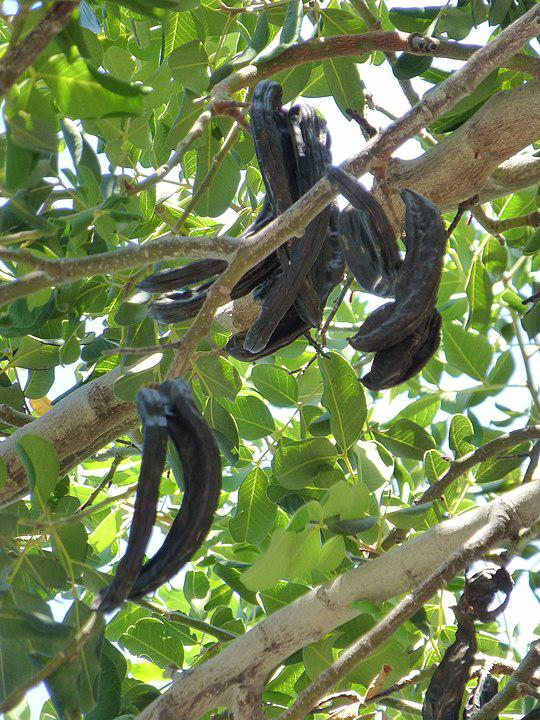
A Carob Tree - By © Nevit Dilmen, CC BY-SA 3.0, https://commons.wikimedia.org/w/index.php?curid=28044890
יוֹמָא חַד הֲוָה [חוני המעגל] אָזֵל בְּאוֹרְחָא, חַזְיֵיהּ לְהָהוּא גַּבְרָא דַּהֲוָה נָטַע חָרוּבָא, אֲמַר לֵיהּ: הַאי, עַד כַּמָּה שְׁנִין טָעֵין? אֲמַר לֵיהּ: עַד שִׁבְעִין שְׁנִין. אֲמַר לֵיהּ: פְּשִׁיטָא לָךְ דְּחָיֵית שִׁבְעִין שְׁנִין? אֲמַר לֵיהּ הַאי גַּבְרָא: עָלְמָא בְּחָרוּבָא אַשְׁכַּחְתֵּיהּ. כִּי הֵיכִי דִּשְׁתַלוּ לִי אֲבָהָתִי — שְׁתַלִי נָמֵי לִבְרָאִי. יָתֵיב, קָא כָּרֵיךְ רִיפְתָּא, אֲתַאי לֵיהּ שִׁינְתָּא, נִים. אַהְדַּרָא לֵיהּ מְשּׁוּנִּיתָא, אִיכַּסִּי מֵעֵינָא, וְנִים שִׁבְעִין שְׁנִין. כִּי קָם, חַזְיֵיהּ לְהָהוּא גַּבְרָא דְּהוּא קָא מְלַקֵּט מִינַּיְיהוּ, אָמַר לֵיהּ: אַתְּ הוּא דִּשְׁתַלְתֵּיהּ? אֲמַר לֵיהּ: בַּר בְּרֵיהּ אֲנָא. אֲמַר לֵיהּ: שְׁמַע מִינַּהּ דִּנְיַימִי שִׁבְעִין שְׁנִין. חֲזָא לַחֲמָרְ[תֵּ]יהּ דְּאִתְיְילִידָא לַיהּ רַמְכֵי רַמְכֵי.
One day, he [=Honi the Circle maker] was walking along the road when he saw a certain man planting a carob tree. Ḥoni said to him: This tree, after how many years will it bear fruit? The man said to him: It will not produce fruit until seventy years have passed. Ḥoni said to him: Is it obvious to you that you will live seventy years, that you expect to benefit from this tree? He said to him: That man himself found a world full of carob trees. Just as my ancestors planted for me, I too am planting for my descendants. Ḥoni sat and ate bread. Sleep overcame him and he slept. A cliff formed around him, and he disappeared from sight and slept for seventy years. When he awoke, he saw a certain man gathering carobs from that tree. Ḥoni said to him: Are you the one who planted this tree? The man said to him: I am his son’s son. Ḥoni said to him: I can learn from this that I have slept for seventy years, and indeed he saw that his donkey had sired several herds during those many years.