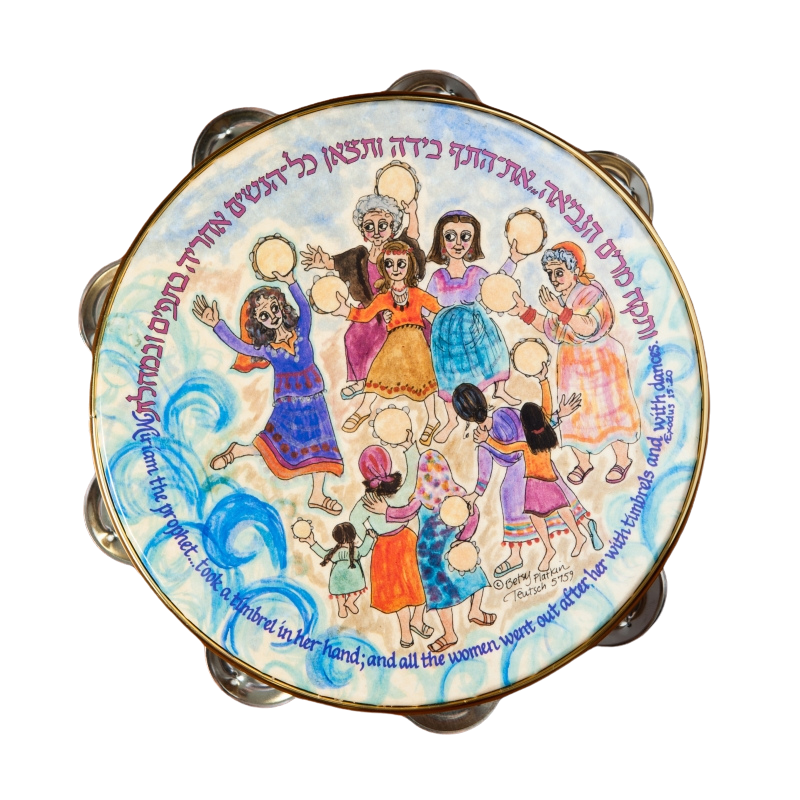
Shirat Hayam, The Song of the Sea, found in Exodus 15:1–18, is a song that the Israelites sang upon witnessing the miracle of the parting of the Red Sea and their crossing from slavery in Egypt. Shirat Hayam thanks God for the redemption from slavery and celebrates the fall of their Egyptian oppressors. This text serves as a celebration of the Israelites’ faith in God, especially lifted up by Miriam the Prophetess leading the Israelite women in song and dance.
Ozi V’zimrat Yah - Cantor Becky Mann
Maker of all we feel,
Maker of songs that heal,
Maker of hope in this heart
That I know that this world cannot steal.
Maker of those who rise,
Who get to work despite all that they’re feeling inside,
Who remind us of blessings
Still to be found.
Maker of stars that light up the night,
That keep shining despite all the odds.
Maker of eyes that still look to the hills,
That find hope in the moments of God.
Ozi v’zimrat Yah v’yahi li lishuah
Maker of changing tides,
Maker of every wave we ride
Oh we ebb and we flow,
But we grow through the highs and the lows.
Maker of friends who smile,
Who walk with you beyond all of the miles
Of hurt and of suffering, who say,
“I am staying right here.”
Maker of stars that light up the night,
That remind us we’re never alone.
My strength and my song come from You
Who makes this spirit whole.
Ozi v’zimrat Yah v’yahi li lishuah
(א) אָ֣ז יָשִֽׁיר־מֹשֶׁה֩ וּבְנֵ֨י יִשְׂרָאֵ֜ל אֶת־הַשִּׁירָ֤ה הַזֹּאת֙ לַֽיהוה וַיֹּאמְר֖וּ לֵאמֹ֑ר אָשִׁ֤ירָה לַֽיהוה כִּֽי־גָאֹ֣ה גָּאָ֔ה ס֥וּס וְרֹכְב֖וֹ רָמָ֥ה בַיָּֽם׃ (ב) עׇזִּ֤י וְזִמְרָת֙ יָ֔הּ וַֽיְהִי־לִ֖י לִֽישׁוּעָ֑ה זֶ֤ה אֵלִי֙ וְאַנְוֵ֔הוּ אֱלֹהֵ֥י אָבִ֖י וַאֲרֹמְמֶֽנְהוּ׃ (ג) יהוה אִ֣ישׁ מִלְחָמָ֑ה יהוה שְׁמֽוֹ׃ (ד) מַרְכְּבֹ֥ת פַּרְעֹ֛ה וְחֵיל֖וֹ יָרָ֣ה בַיָּ֑ם וּמִבְחַ֥ר שָֽׁלִשָׁ֖יו טֻבְּע֥וּ בְיַם־סֽוּף׃ (ה) תְּהֹמֹ֖ת יְכַסְיֻ֑מוּ יָרְד֥וּ בִמְצוֹלֹ֖ת כְּמוֹ־אָֽבֶן׃
(1) Then Moses and the Israelites sang this song to יהוה. They said: I will sing to יהוה, for He has triumphed gloriously; Horse and driver He has hurled into the sea. (2) יהוה is my strength and might; He is become my deliverance. This is my God and I will enshrine Him; The God of my father’s [house], and I will exalt Him. (3) יהוה, the Warrior— יהוה is His name! (4) Pharaoh’s chariots and his army He has cast into the sea; And the pick of his officers Are drowned in the Sea of Reeds. (5) The deeps covered them; They went down into the depths like a stone. [JPS]
(1) Then did Moses sing, and all the Israelites with him, this song to the LORD, and they said, saying: "Let me sing unto the LORD for He surged, O surged –horse and its rider He hurled into the sea. (2) My strength and my power is Yah, and He became my deliverance. This is my God–I extol Him, God of my fathers–I exalt Him. (3) The LORD is a man of war, the LORD is His name. (4) Pharaoh's chariots and his force, He pitched into the sea and the pick of his captains were drowned in the Reed Sea. (5) The depths did cover them over, down they went in the deep like a stone.
[Robert Alter]
(1) Then Moses and the Israelites sang this song to יהוה. They said: I will sing to יהוה, for He has triumphed gloriously; Horse and drive He has hurled into the sea. (2) יהוה is my strength and might; He is become my deliverance. This is my God and I will enshrine Him; The God of my ancestors, and I will exalt Him. (3) יהוה, the Warrior–יהוה is His name! (4) Pharaoh's chariots and his army He has cast into the sea; And the pick of his officers Are drowned in the Sea of Reeds. (5) The deeps covered them; they went down into the depths like a stone. [The Torah: A Women's Commentary]
for He surged, O surged - The poem begins with a vivid pun. The Hebrew verb ga'ah means something like "to triumph," "to be exalted," "to be proud," but it is also the verb used for the rising tide of the sea, a concrete image that is especially apt for representing God's overwhelming the Egyptians with the waters of the Sea of Reeds. [Robert Alter]
מִיּוֹם שֶׁבָּרָא הַקָּדוֹשׁ בָּרוּךְ הוּא אֶת הָעוֹלָם וְעַד שֶׁעָמְדוּ יִשְׂרָאֵל עַל הַיָּם לֹא מָצִינוּ אָדָם שֶׁאָמַר שִׁירָה לְהַקָּדוֹשׁ בָּרוּךְ הוּא אֶלָּא יִשְׂרָאֵל, בָּרָא אָדָם הָרִאשׁוֹן וְלֹא אָמַר שִׁירָה, הִצִּיל אַבְרָהָם מִכִּבְשַׁן הָאֵשׁ וּמִן הַמְּלָכִים וְלֹא אָמַר שִׁירָה, וְכֵן יִצְחָק מִן הַמַּאֲכֶלֶת וְלֹא אָמַר שִׁירָה, וְכֵן יַעֲקֹב מִן הַמַּלְאָךְ וּמִן עֵשָׂו וּמִן אַנְשֵׁי שְׁכֶם וְלֹא אָמַר שִׁירָה, כֵּיוָן שֶׁבָּאוּ יִשְׂרָאֵל לַיָּם וְנִקְרַע לָהֶם, מִיָּד אָמְרוּ שִׁירָה לִפְנֵי הַקָּדוֹשׁ בָּרוּךְ הוּא, שֶׁנֶּאֱמַר: אָז יָשִׁיר משֶׁה וּבְנֵי יִשְׂרָאֵל, הֱוֵי:
From the day that God created the world until Israel stood by the sea, there was not a single person who said a song to God except for Israel. God created the first man and he didn't say a song. God saved Abraham from the fiery furnace and from the kings and he did not say a song. And also Isaac [was saved] from the knife and he didn't say a song and Jacob [was saved] from the angel and from Esau and from the men of Shechem and he didn't say a song. When Israel came to the sea and it parted for them, they immediately said a song before God, as its says Then Moses and the people of Israel sang.
(א) אז ישיר משה. אָז כְּשֶׁרָאָה הַנֵּס עָלָה בְלִבּוֹ שֶׁיָּשִׁיר שִׁירָה... כָּאן יָשִׁיר אָמַר לוֹ לִבּוֹ שֶׁיָּשִׁיר וְכֵן עָשָׂה – וַיֹּאמְרוּ לֵאמֹר אָשִׁירָה לַיהוה.
(1) Az yashir Moshe, THEN SANG MOSES — with regard to the usage of the future yashir, the meaning is: THEN — i. e. when he saw the miracle it entered his mind that HE WOULD SING a song... Yashir here signifies: his heart told him that he should sing, and thus did he actually do, as it states, “and they (Moses and Israel) spoke as follows, ‘I will sing unto the Lord’”.
(כ) וַתִּקַּח֩ מִרְיָ֨ם הַנְּבִיאָ֜ה אֲח֧וֹת אַהֲרֹ֛ן אֶת־הַתֹּ֖ף בְּיָדָ֑הּ וַתֵּצֶ֤אןָ כׇֽל־הַנָּשִׁים֙ אַחֲרֶ֔יהָ בְּתֻפִּ֖ים וּבִמְחֹלֹֽת׃ (כא) וַתַּ֥עַן לָהֶ֖ם מִרְיָ֑ם שִׁ֤ירוּ לַֽיהוה כִּֽי־גָאֹ֣ה גָּאָ֔ה ס֥וּס וְרֹכְב֖וֹ רָמָ֥ה בַיָּֽם׃ {ס}
(20) Then Miriam the prophet, Aaron’s sister, picked up a hand-drum, and all the women went out after her in dance with hand-drums. (21) And Miriam chanted for them: Sing to יהוה, for He has triumphed gloriously; Horse and driver He has hurled into the sea. [JPS and The Torah: A Women's Commentary]
(20) And Miriam the prophetess, Aaron's sister, took the timbrel in her hand, and all the women went out after her with timbrels and dances. (21) And Miriam sang out to them: "Sing to the LORD for He has surged, O surged, Horse and its ride He hurled into the sea!" [Robert Alter]
Why, if Miriam "plays such a critical role in the Exodus from Egypt, [does] she remain nameless until this parashah?
Miriam answers: My name is an amalgam of two Hebrew words—mar, meaning "bitter," and yam, meaning "sea." My life was indeed bitter, like the waters we encountered after crossing the Sea of Reeds, as it is written: "They could not drink the water of Marah because it was bitter; that is why it was called Marah." (15:23)...My name, like me, arose out of Egypt. Miriam is derived from the Egyptian word mer, meaning "beloved." Indeed, the people loved me, especially on account of the miraculous well, which sustained them during their forty years in the wilderness.
[The Five Books of Miriam: A Woman's Commentary on the Torah, by Ellen Frankel]
And Miriam the prophetess, Aaron's sister, took the timbrel in her hand. One surmises that she is called "prophetess" (nevi'ah) because the singing and dancing are an ecstatic activity, and one of the established meanings of the Hebrew term for "prophet" is an ecstatic who typically employed dance and musical instruments to induce the prophetic frenzy. Miriam is designated as Aaron's sister in accordance with a practice of identifying a woman in relation to her oldest brother. The custom of women's going out in song and dance to celebrate a military victory was common in ancient Israel and the surrounding peoples and figures significantly in the David story. The women here sing out the opening lines of the song we have just heard as a kind of antiphonal refrain. Everett Fox notes that Miriam is a witness by the water both at the beginning of the Moses story and now. [Robert Alter]
But why the singing and dancing, and where in the world did the women get timbrels ready-made for the occasion? As Rishe Groner wrote for Alma in “The Badass Biblical Women of Passover,” it’s safe to assume “nobody spends the hours of drum-crafting — slowly threading sinew across skin and wood frame — without an intention to use the magical instrument. Miriam and her posse had a plan, and that plan involved redemption.” It seems that Miriam and her fellow Israelite women specifically planned for the post-escape dance party, even making sure, while leaving their homes in such a hurry they couldn’t wait for bread to rise, that they had their hand drums with them. This is a pretty incredible act of faith — as Melissa Scholten-Gutierrez writes for the Jewish Women’s Archive, “The women knew (or maybe just hoped) that Moses was right, and there was a higher power who would safely lead them out of Egypt, that the slavery was ending for good, and there would be a reason to celebrate again. They knew that whenever these coalesced, they would be ready for the much anticipated celebration.” [Molly Tolsky, https://www.heyalma.com/why-is-debbie-friedmans-miriams-song-such-a-banger/]
Miriam's Song - Debbie Friedman
And Miriam was a weaver of unique variety
The tapestry she wove was one which sang our history
With every strand and every thread she crafted her delight
A woman touched with spirit, she dances toward the light
When Miriam stood upon the shores and gazed across the sea
The wonder of this miracle she soon came to believe
Whoever thought the sea would part with an outstretched hand
And we would pass to freedom and march to the promised land
And Miriam the prophet took her timbrel in her hand
And all the women followed her just as she had planned
And Miriam raised her voice in song
She sang with praise and might
We've just lived through a miracle
We're going to dance tonight
And the women dancing with their timbrels
Followed Miriam as she sang her song
Sing a song to the One whom we've exalted
Miriam and the women danced and danced the whole night long