


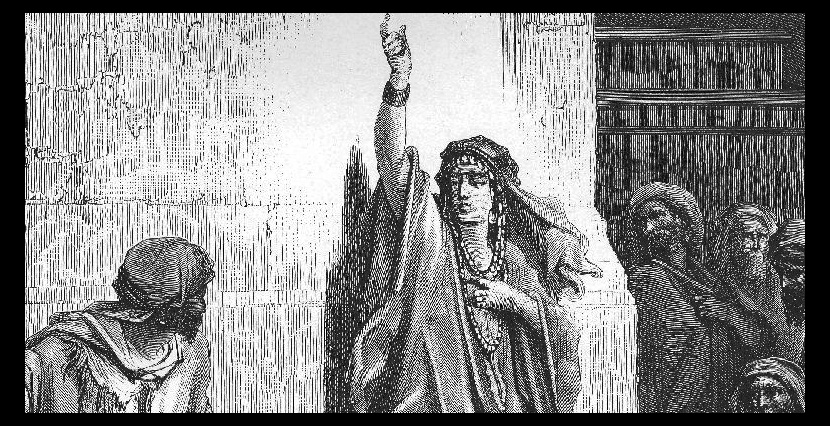
(ד) וּדְבוֹרָה֙ אִשָּׁ֣ה נְבִיאָ֔ה אֵ֖שֶׁת לַפִּיד֑וֹת הִ֛יא שֹׁפְטָ֥ה אֶת־יִשְׂרָאֵ֖ל בָּעֵ֥ת הַהִֽיא׃ (ה) וְ֠הִ֠יא יוֹשֶׁ֨בֶת תַּחַת־תֹּ֜מֶר דְּבוֹרָ֗ה בֵּ֧ין הָרָמָ֛ה וּבֵ֥ין בֵּֽית־אֵ֖ל בְּהַ֣ר אֶפְרָ֑יִם וַיַּעֲל֥וּ אֵלֶ֛יהָ בְּנֵ֥י יִשְׂרָאֵ֖ל לַמִּשְׁפָּֽט׃
(4) Deborah, wife of Lappidoth, was a prophet; she led Israel at that time. (5) She used to sit under the Palm of Deborah, between Ramah and Bethel in the hill country of Ephraim, and the Israelites would come to her for decisions.
(י) אֵֽשֶׁת־חַ֭יִל מִ֣י יִמְצָ֑א וְרָחֹ֖ק מִפְּנִינִ֣ים מִכְרָֽהּ׃
(10) What a rare find is a capable wife / woman of strengh! Her worth is far beyond that of rubies.
Megillah 14a:16-17
“Devorah,” as it is written, “Now Devorah a prophetess, a woman of flames” (Judges 4:4). What is meant by a woman of flames? Because she used to make wicks for the Temple. “And she sat under a palm tree” (v. 5). Why under a palm tree? — R. Shimon b. Avishalom said: [To avoid] seclusion. Another explanation is: Just as a palm tree has only one heart, so Israel in that generation had only one heart devoted to their Father in heaven.
Expanded: Tanna Debei Eliyahu Rabba, Chapter 9
Devorah's husband was unlearned (am ha'aretz). She said to him, "Let me make you wicks and you'll take them to the Tabernacle in Shilo; your portion will be among righteous people there and you'll merit the World to Come. He made thick wicks to increase their light, and that's why his name was Lapidot ("torches"). And God said to Devorah, "You both intended to light up the Tabernacle; I, too, will make your light shine in Israel and Judah.
Of the sixteen shoftim (judges) that served in pre-monarchic Israel, the only woman among their ranks was Deborah. She was also one of seven female prophets recorded in Tanakh who communicated directly with God. As with most of the other shoftim, little is known about her personal life: the only information the text gives us is that she was “eshet lapidot,” the wife of Lapidot (Judges 4:4). Most commentators hold that this simply means that Lapidot was the name of Deborah’s husband. Some go on to explain that he is called Lapidot, which literally means torches, because Deborah encouraged him to deliver wicks to light the Menorah in the Mishkan (Temple).
However...the term “eshet lapidot” can also mean that Deborah had a deep connection – was “wedded” to – torches. I believe that this relationship is derived from the fact that torches are made up of several wicks tied together. Beginning with our matriarch Sarah, the Jewish women of each generation dedicated a wick – a wick of knowledge, strength, experience, religious fervor – to the torch. Deborah was able to seize the torch that was passed down to her and use it to illuminate her generation with Torah.
Which translation seems more plausible to you?
If the text means "woman of torches," what else might that imply about Deborah?
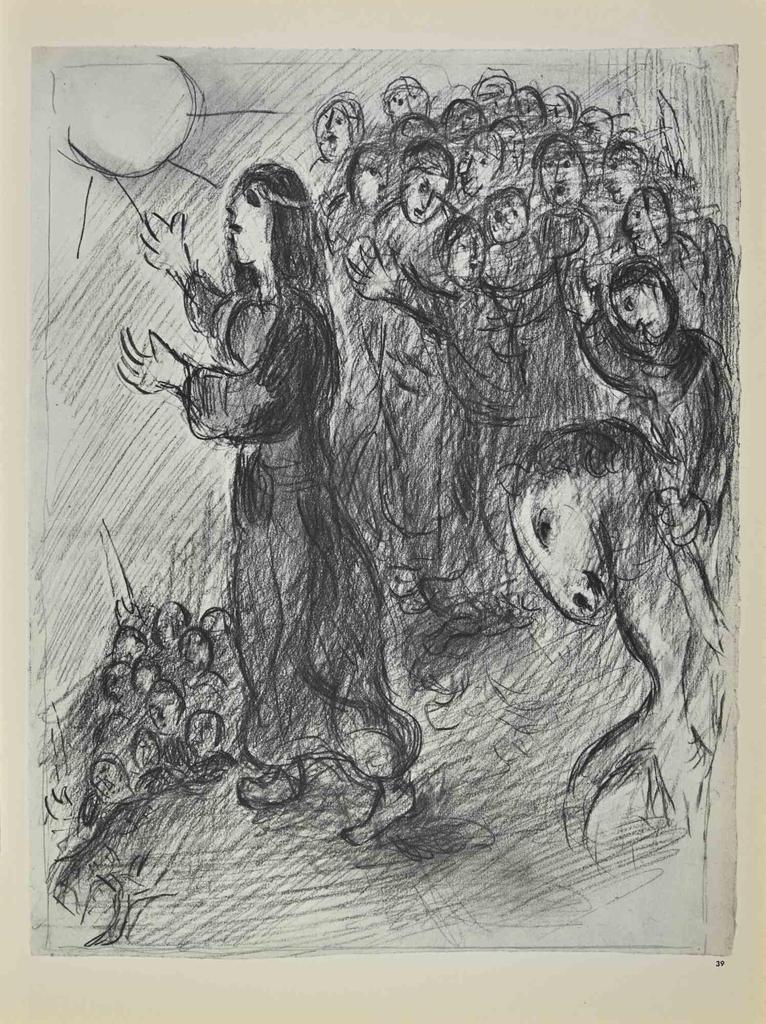
(נט) וַֽיְשַׁלְּח֛וּ אֶת־רִבְקָ֥ה אֲחֹתָ֖ם וְאֶת־מֵנִקְתָּ֑הּ וְאֶת־עֶ֥בֶד אַבְרָהָ֖ם וְאֶת־אֲנָשָֽׁיו׃
(59) So they sent off their sister Rebekah and her nurse along with Abraham’s servant and his men.
(ח) וַתָּ֤מָת דְּבֹרָה֙ מֵינֶ֣קֶת רִבְקָ֔ה וַתִּקָּבֵ֛ר מִתַּ֥חַת לְבֵֽית־אֵ֖ל תַּ֣חַת הָֽאַלּ֑וֹן וַיִּקְרָ֥א שְׁמ֖וֹ אַלּ֥וֹן בָּכֽוּת׃ (פ)
(8) Deborah, Rebekah’s nurse, died, and was buried under the oak below Bethel; so it was named Allon-bacuth.
(1) ותמת דבורה, Deborah, Rivkah’s nursemaid died (near there) the reason why we are told about this at this point may be on account of the prophetess Deborah sitting and holding court near this tree, by the grave of Deborah (Judges, 4.5.)
What significance might there be between Deborah the nurse and Deborah the prophetess? In what ways are those positions similar?
(6) She summoned Barak son of Abinoam, of Kedesh in Naphtali, and said to him, “The ETERNAL, the God of Israel, has commanded: Go, march up to Mount Tabor, and take with you ten thousand men of Naphtali and Zebulun. (7) And I will draw Sisera, Jabin’s army commander, with his chariots and his troops, toward you up to the Wadi Kishon; and I will deliver him into your hands.” (8) But Barak said to her, “If you will go with me, I will go; if not, I will not go.”
Rav Naḥman said: Haughtiness is not befitting a woman. And a proof to this is that there were two haughty women, whose names were identical to the names of loathsome creatures. One, Deborah, was called a hornet, as her Hebrew name, Devorah, means bee; and one, Huldah, was called a marten, as her name is the Hebrew term for that creature. From where is it known that they were haughty? With regard to Deborah, the bee, it is written: “And she sent and called Barak” (Judges 4:6), but she herself did not go to him. And with regard to Huldah, the marten, it is written: “Say to the man that sent you to me” (II Kings 22:15), but she did not say: Say to the king.
Do you agree that Deborah is being "haughty"? Why or why not?
How might we be informed by Barak's response: “If you will go with me, I will go; if not, I will not go”?
(14) Then Deborah said to Barak, “Up! This is the day on which GOD will deliver Sisera into your hands: GOD is marching before you.” Barak charged down Mount Tabor, followed by the ten thousand men, (15) and GOD threw Sisera and all his chariots and army into a panic before the onslaught of Barak. Sisera leaped from his chariot and fled on foot (16) as Barak pursued the chariots and the soldiers as far as Harosheth-goiim. All of Sisera’s soldiers fell by the sword; not one was left.
(יז) וְסִֽיסְרָא֙ נָ֣ס בְּרַגְלָ֔יו אֶל־אֹ֣הֶל יָעֵ֔ל אֵ֖שֶׁת חֶ֣בֶר הַקֵּינִ֑י כִּ֣י שָׁל֗וֹם בֵּ֚ין יָבִ֣ין מֶלֶךְ־חָצ֔וֹר וּבֵ֕ין בֵּ֖ית חֶ֥בֶר הַקֵּינִֽי׃ (יח) וַתֵּצֵ֣א יָעֵל֮ לִקְרַ֣את סִֽיסְרָא֒ וַתֹּ֣אמֶר אֵלָ֗יו סוּרָ֧ה אֲדֹנִ֛י סוּרָ֥ה אֵלַ֖י אַל־תִּירָ֑א וַיָּ֤סַר אֵלֶ֙יהָ֙ הָאֹ֔הֱלָה וַתְּכַסֵּ֖הוּ בַּשְּׂמִיכָֽה׃ (יט) וַיֹּ֧אמֶר אֵלֶ֛יהָ הַשְׁקִינִי־נָ֥א מְעַט־מַ֖יִם כִּ֣י צָמֵ֑אתִי וַתִּפְתַּ֞ח אֶת־נֹ֧אוד הֶחָלָ֛ב וַתַּשְׁקֵ֖הוּ וַתְּכַסֵּֽהוּ׃ (כ) וַיֹּ֣אמֶר אֵלֶ֔יהָ עֲמֹ֖ד פֶּ֣תַח הָאֹ֑הֶל וְהָיָה֩ אִם־אִ֨ישׁ יָבֹ֜א וּשְׁאֵלֵ֗ךְ וְאָמַ֛ר הֲיֵֽשׁ־פֹּ֥ה אִ֖ישׁ וְאָמַ֥רְתְּ אָֽיִן׃ (כא) וַתִּקַּ֣ח יָעֵ֣ל אֵֽשֶׁת־חֶ֠בֶר אֶת־יְתַ֨ד הָאֹ֜הֶל וַתָּ֧שֶׂם אֶת־הַמַּקֶּ֣בֶת בְּיָדָ֗הּ וַתָּב֤וֹא אֵלָיו֙ בַּלָּ֔אט וַתִּתְקַ֤ע אֶת־הַיָּתֵד֙ בְּרַקָּת֔וֹ וַתִּצְנַ֖ח בָּאָ֑רֶץ וְהֽוּא־נִרְדָּ֥ם וַיָּ֖עַף וַיָּמֹֽת׃ (כב) וְהִנֵּ֣ה בָרָק֮ רֹדֵ֣ף אֶת־סִֽיסְרָא֒ וַתֵּצֵ֤א יָעֵל֙ לִקְרָאת֔וֹ וַתֹּ֣אמֶר ל֔וֹ לֵ֣ךְ וְאַרְאֶ֔ךָּ אֶת־הָאִ֖ישׁ אֲשֶׁר־אַתָּ֣ה מְבַקֵּ֑שׁ וַיָּבֹ֣א אֵלֶ֔יהָ וְהִנֵּ֤ה סִֽיסְרָא֙ נֹפֵ֣ל מֵ֔ת וְהַיָּתֵ֖ד בְּרַקָּתֽוֹ׃
(17) Sisera, meanwhile, had fled on foot to the tent of Jael, wife of Heber the Kenite; for there was friendship between King Jabin of Hazor and the family of Heber the Kenite. (18) Jael came out to greet Sisera and said to him, “Come in, my lord, come in here, do not be afraid.” So he entered her tent, and she covered him with a blanket. (19) He said to her, “Please let me have some water; I am thirsty.” She opened a skin of milk and gave him some to drink; and she covered him again. (20) He said to her, “Stand at the entrance of the tent. If anybody comes and asks you if there is anybody here, say ‘No.’” (21) Then Jael wife of Heber took a tent pin and grasped the mallet. When he was fast asleep from exhaustion, she approached him stealthily and drove the pin through his temple till it went down to the ground. Thus he died. (22) Now Barak appeared in pursuit of Sisera. Jael went out to greet him and said, “Come, I will show you the man you are looking for.” He went inside with her, and there Sisera was lying dead, with the pin in his temple.
What do you make of Yael's actions here?
Note that Yael is not an Israelite, she is a Kenite. Does that change your opinions of her actions?
Is there another Biblical woman who mirrors Yael's cunning and violent strategy to win a war?
R. Nechemiah says: If one takes upon himself a single mitzvah in (true) faith, he is worthy of having the Holy Spirit repose upon him. And thus do we find with Moses, David, and Devorah that (in the fulness of their faith) they chanted song and the Holy Spirit reposed upon them. ...
(20) Then Miriam the prophet, Aaron’s sister, picked up a hand-drum,* and all the women went out after her in dance with hand-drums.
*hand-drum Trad. “timbrel,” which is often construed anachronistically as a tambourine. (As drummers, Israelite women set the tempo at public celebrations.)
(7) Deliverance ceased,
Ceased in Israel,
Till you arose, O Deborah,
Arose, O mother, in Israel!
What does it mean to define Devorah as a mother?
How might this be connected with her name, which means "bee" in Hebrew?
Rav Yehuda said that Rav said: Anyone who acts haughtily, if he is a Torah scholar, his wisdom departs from him; and if he is a prophet, his prophecy departs from him. The Gemara explains: [this] is learned from Hillel, for the Master said in this baraita: That if he is a prophet his prophecy departs from him is learned from Deborah, as it is written: “The villagers ceased, they ceased in Israel, until I, Deborah, arose, I arose a mother in Israel” (Judges 5:7). For these words of self-glorification, Deborah was punished with a loss of her prophetic spirit, as it is written later that it was necessary to say to her: “Awake, awake, Deborah; awake, awake, utter a song” (Judges 5:12), because her prophecy had left her.
Awake, awake, strike up the chant!
Arise, O Barak;
Take your captives, O son of Abinoam!
Wife of Heber the Kenite,
Most blessed of women in tents.