


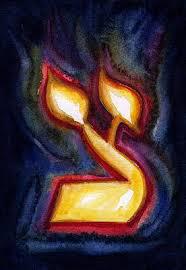
המליך אות צ' לעיטה
וקשר לו כתר
וצר בו דלי בעולם
ושבט בשנה
וקיבה [ורגל ימין] בנפש
זכר ונקבה.
[God] caused the letter צ tzaddi to reign over the domain of Taste,
attached to it a crown,
and formed its correspondences, aligning it with
Aquarius [the pitcher] in the world,
Shevat in the year,
and the gullet [or: right leg] in the human, male and female.
† I. צוּד vb. hunt (NH id. (rare), מְצוּדָה = BH Assyrian ṣâdu, hunt, so Arabic (صيد), صَادَ, Aramaic צוּד, צִיד, ((ܨܘܕ) ܨܳܕ) Old Aramaic צידא hunting);—
† I. צַ֫יִד n.m. hunting, game; implements for hunting
II. צוד (√ of foll.; relation to I. צוד dub.; cf. Assyrian ṣîdîtu, Arabic زَادٌ (و), Aramaic זְוָדָה, ܙܘܳܕܳܐ, Palm. זוד, all provisions (especially for journey); in Thes = I. צוד; on game as early food of nomads.
† II. [צַ֫יִד] n.[m.] provision, food;—abs. צָ֑יִד provision taken on journey Jos 9:14, לֶחֶם צֵידָם; more gen. (late), food, food-supply
(א) וַֽיְהִי֙ כִּֽי־זָקֵ֣ן יִצְחָ֔ק וַתִּכְהֶ֥יןָ עֵינָ֖יו מֵרְאֹ֑ת וַיִּקְרָ֞א אֶת־עֵשָׂ֣ו ׀ בְּנ֣וֹ הַגָּדֹ֗ל וַיֹּ֤אמֶר אֵלָיו֙ בְּנִ֔י וַיֹּ֥אמֶר אֵלָ֖יו הִנֵּֽנִי׃ (ב) וַיֹּ֕אמֶר הִנֵּה־נָ֖א זָקַ֑נְתִּי לֹ֥א יָדַ֖עְתִּי י֥וֹם מוֹתִֽי׃ (ג) וְעַתָּה֙ שָׂא־נָ֣א כֵלֶ֔יךָ תֶּלְיְךָ֖ וְקַשְׁתֶּ֑ךָ וְצֵא֙ הַשָּׂדֶ֔ה וְצ֥וּדָה לִּ֖י (צידה) [צָֽיִד]׃ (ד) וַעֲשֵׂה־לִ֨י מַטְעַמִּ֜ים כַּאֲשֶׁ֥ר אָהַ֛בְתִּי וְהָבִ֥יאָה לִּ֖י וְאֹכֵ֑לָה בַּעֲב֛וּר תְּבָרֶכְךָ֥ נַפְשִׁ֖י בְּטֶ֥רֶם אָמֽוּת׃
(1) When Isaac was old and his eyes were too dim to see, he called his older son Esau and said to him, “My son.” He answered, “Here I am.” (2) And he said, “I am old now, and I do not know how soon I may die. (3) Take your gear, your quiver and bow, and go out into the open and hunt me some game. (4) Then prepare a dish for me such as I like, and bring it to me to eat, so that I may give you my innermost blessing before I die.”
(א) אַרְבָּעָה רָאשֵׁי שָׁנִים הֵם.
בְּאֶחָד בְּנִיסָן רֹאשׁ הַשָּׁנָה לַמְּלָכִים וְלָרְגָלִים.
בְּאֶחָד בֶּאֱלוּל רֹאשׁ הַשָּׁנָה לְמַעְשַׂר בְּהֵמָה. רַבִּי אֶלְעָזָר וְרַבִּי שִׁמְעוֹן אוֹמְרִים, בְּאֶחָד בְּתִשְׁרֵי.
בְּאֶחָד בְּתִשְׁרֵי רֹאשׁ הַשָּׁנָה לַשָּׁנִים וְלַשְּׁמִטִּין וְלַיּוֹבְלוֹת, לַנְּטִיעָה וְלַיְרָקוֹת.
בְּאֶחָד בִּשְׁבָט, רֹאשׁ הַשָּׁנָה לָאִילָן, כְּדִבְרֵי בֵית שַׁמַּאי. בֵּית הִלֵּל אוֹמְרִים, בַּחֲמִשָּׁה עָשָׂר בּוֹ:
(1) They are four days in the year that serve as the New Year, each for a different purpose:
On the first of Nisan is the New Year for kings; it is from this date that the years of a king’s rule are counted. And the first of Nisan is also the New Year for the order of the Festivals, as it determines which is considered the first Festival of the year and which the last.
On the first of Elul is the New Year for animal tithes; all the animals born prior to that date belong to the previous tithe year, whereas those born after that date belong to the next tithe year. Rabbi Elazar and Rabbi Shimon say: The New Year for animal tithes is on the first of Tishrei.
On the first of Tishrei is the New Year for counting years, as will be explained in the Gemara; for calculating Sabbatical Years and Jubilee Years, i.e., from the first of Tishrei there is a biblical prohibition to work the land during these years; for planting, for determining the years of orla, the three-year period from when a tree has been planted during which time its fruit is forbidden; and for tithing vegetables, as vegetables picked prior to that date cannot be tithed together with vegetables picked after that date.
On the first of Shevat is the New Year for the tree; the fruit of a tree that was formed prior to that date belong to the previous tithe year and cannot be tithed together with fruit that was formed after that date; this ruling is in accordance with the statement of Beit Shammai. But Beit Hillel say: The New Year for trees is on the fifteenth of Shevat.
† [לָעַט] vb. swallow (greedily) (NH id., Hiph. stuff cattle with food; Syriac ܠܘܽܥܳܛܳܐ jaw; cf. Arabic لَغَطَ speak confusedly, utter indistinct sounds);—only
Hiph. Imv. ms. sf. causat. הַלְעִיטֵנִי Gn 25:30 (J) let me swallow, sq. מִן rei.
and ῾Esav said to Ya῾aqov, Give me to swallow, I pray thee, of that red red pottage; for I am faint: therefore was his name called Edom (red).
The hassidim were not interested in spiritual service [like that of the earlier kabbalists] which saw things like eating and drinking, sleep, sex and laughter only as means to make human beings fit for some other spiritual end, some “real thing” that would come later. Rather, they wanted eating itself to be sacred service, not just a preparation that enables us to later perform some sacred act. …
From the hassidic perspective, the sense of spiritual practice can be felt at the time of performing an act of physicality itself. Eating, for instance, is thus not only preparation [giving us energy] for learning Torah, but is rather a means in and of itself for connecting with divinity. Tasting is transformed from being a [more abstract or metaphorical] type of connection between us and the divine reality which “nourishes” goodness and life, happiness and health, to being a type of immediate connection between the human being who is enjoying it and the divine, enabling them to receive that goodness in real time.
What helps you make eating a practice that “releases the sparks”?
What threatens to pull you out of this alignment?
Let Shvat stir you awake. The spell Shvat casts is about stepping forward (associated with the right foot) as a seeker of truth and justice (associated with the zodiac sign Aquarius) into a world that celebrates trees (associated with the holiday of Tu bi’Shvat) by tasting and experiencing an awakening of the senses (associated with the latter tzadi) and by greeting the beloved with an open loving embrace (associated with the netivah of the lover/ohevet) with the deep recognition of self as a bright shining star amidst a constellation of other stars (associated with the Star Tarot card), holding each other up in the flow of the cosmos.

The Star: Aquarius
From Tarot.com
Similar to water-bearing Aquarius, The Star card features a woman that is pouring water into a body of water and into the earth, providing nourishment and restoring hope for the future. She has one foot in the water, symbolizing intuition, and one on land, symbolizing stability. This echoes the same duality in Aquarius, which is the only zodiac sign represented by two astrological elements -- water for her emotional side and air for her intellectual side.
From Melinda Ribner: Living in Divine Flow - Monthly Spiritual Gifts and Blessings
Aquarius is an air sign that has the capacity to be both objective and expanded, reflecting the expansive nature of the energy of this month. Uranus [the modern ruler of Aquarius] is also known in astrology as the planet of the higher mind.
In astrology, Uranus is associated with new directions, inventions, independence, and sudden change. Under the influence of Uranus, one suddenly sees things in a new way, and new possibilities and vistas are available. One also sees the larger picture. There is a waking up to greater consciousness, along with the desire to translate this inner vision into action during this month.
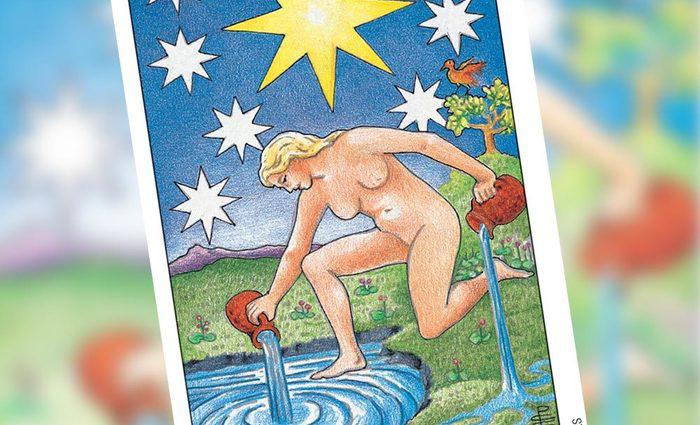
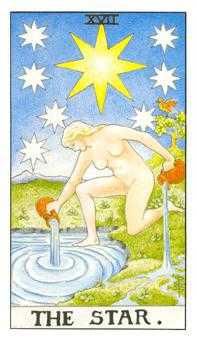
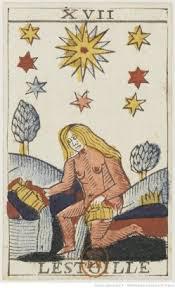
Check out TorahTarot.com for some fascinating insights into the Noblet tarot. The Noblet preceded the “classic modern” Rider-Waite/Coleman-Smith deck pictured above by a couple hundred years. As Stav Appel argues in The Torah in the Tarot (second edition forthcoming this year), this older deck was a covert tool for teaching core Jewish concepts - including the aleph bet, key holidays, important biblical figures and central Jewish body practices - during the period of the Inquisition.
What imagery can you see in this older Star card (from the Noblet Tarot) that hints at Jewish holidays, characters, practices or Hebrew letters?
(ג) וַֽיְהִי֙ בְּאַרְבָּעִ֣ים שָׁנָ֔ה בְּעַשְׁתֵּֽי־עָשָׂ֥ר חֹ֖דֶשׁ בְּאֶחָ֣ד לַחֹ֑דֶשׁ דִּבֶּ֤ר מֹשֶׁה֙ אֶל־בְּנֵ֣י יִשְׂרָאֵ֔ל כְּ֠כֹ֠ל אֲשֶׁ֨ר צִוָּ֧ה ה׳ אֹת֖וֹ אֲלֵהֶֽם׃
(3) It was in the fortieth year, on the first day of the eleventh month, that Moses addressed the Israelites in accordance with the instructions that God had given him for them…