


But as always, every word in Torah offers us endless depth and wisdom, but if it doesn't come across on the surface, that just means we have to dig deeper!
With that introduction, take a look at a few key Pessukim in the Perek:
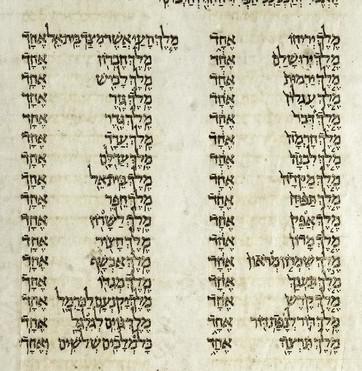
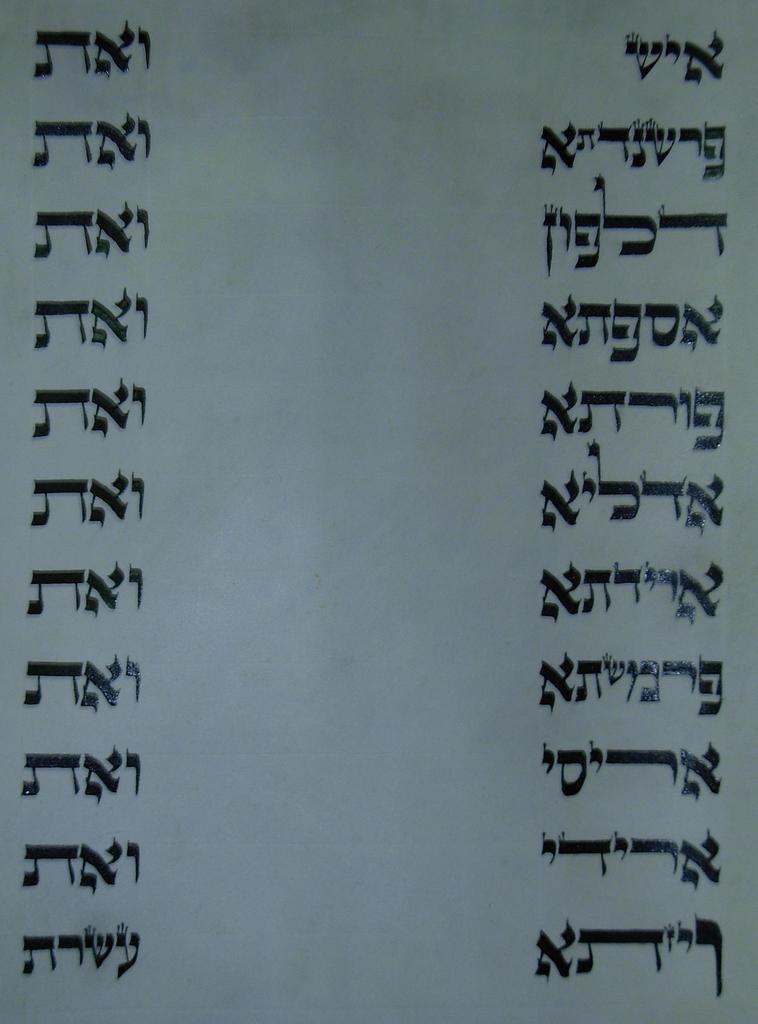
But why? Didn't we see the downfall of many of our enemies?
What is the deeper connection between the 10 sons of Haman and the 31 Kings that Yehoshua conquered?
The following idea is based upon the writings of Rav Moshe Shapira in Afikei Mayim.
Let's start off by looking at a famous Passuk in the Song by the Sea with the comment of the Gemara in Brachos:
Through the might of Your arm they are still as stone—
Till Your people cross over, יהוה,
Till Your people cross whom You have ransomed.
1) The Song of the Sea really included praise for the first entry to Eretz Yisrael in the times of Yehoshua and links that to the second entry in the times of Ezra.
2) The Gemara points out that the second entry was incomplete of miracles, perhaps alluded to in the follow Gemara in Yoma:
And therefore, the Song of the Sea was in a certain sense, incomplete.
This idea is reflected in the Targum on Shir Hashirim where he describes that the complete song of the Jewish people is still awaiting the final redemption:
עֲסַרְתֵּי שִׁירָתָא אִתְאֲמַרוּ בְּעָלְמָא הָדֵין שִׁירָא דֵין מְשׁוּבַּח מִן כּוּלְּהוֹן...
...שִׁירְתָא תִּנְיֵיתָא אֲמַר מֹשֶׁה עִם בְּנוֹי דְּיִשְׂרָאֵל בִּזְמָן דְּבַזַּע לְהוֹן מָרֵי עָלְמָא יָת יַמָּא דְּסוּף פְּתַחוּ כּוּלְּהוֹן כַּחְדָּא וַאֲמַרוּ שִׁירְתָא דְּהַכְּדֵין כַּתִיב בְּכֵן שַׁבַּח מֹשֶׁה וּבְנֵי יִשְׂרָאֵל.
וְשִׁירְתָא עֲשִׂרֵיתָא עֲתִידִין לְמֵימַר יָתַהּ בְּנֵי גָלְוָתָא בְּעִדָּן דְּיִפְּקוּן מִן גָּלוּתָא...
... Ten songs were spoken in this world, this song being the best of them all.
...The second song Moses said with the children of Israel at the time the Master of the World divided the Reed Sea for them. All of them opened their mouths together and spoke the song, as it is written: “Then sang Moses and the Israelites” (Exodus 15:1).
...And the tenth song the children of the Exile are destined to say at the time they are redeemed from Exile...
Take a look at the following Passuk in Megillas Esther with the comment of Rashi:
(א) עֲשֶׂרֶת בְּנֵי הָמָן. רָאִיתִי בְסֵדֶר עוֹלָם אֵלּוּ י' שֶׁכָּתְבוּ שִׂטְנָה עַל יְהוּדָה וִירוּשָׁלָיִם כְּמוֹ שֶׁכָּתוּב בְּסֵפֶר עֶזְרָא "וּבְמַלְכוּת אֲחַשְׁוֵרוֹשׁ בִּתְחִלַּת מַלְכוּתוֹ כָּתְבוּ שִׂטְנָה עַל ישְׁבֵי יְהוּדָה וִירוּשָׁלָיִם". וּמָה הִיא הַשִׂטְנָה? לְבַטֵּל הָעוֹלִים מִן הַגּוֹלָה בִּימֵי כוֹרֶשׁ, שֶׁהִתְחִילוּ לִבְנוֹת אֶת הַבַּיִת וְהִלְשִׁינוּ עֲלֵיהֶם הַכּוּתִים וְהֶחֱדִילוּם וּכְשֶׁמֵּת כּוֹרֶשׁ וּמָלַךְ אֲחַשְׁוֵרוֹשׁ וְהִתְנַשֵׂא הָמָן, דָּאַג שֶׁלֹּא יַעַסְקוּ אוֹתָן שֶׁבִּירוּשָׁלַיִם בַּבִּנְיָן וְשָׁלְחוּ בְשֵׁם אֲחַשְׁוֵרוֹשׁ לְשָׂרֵי עֵבֶר הַנָּהָר לְבַטְּלָן:
(1) The ten sons of Haman. I saw in Seder Olam: These are the ten who wrote a [false] accusation against Yehudah and Yerusholayim, as it is written in the Book of Ezra: “And during the reign of Achashveirosh, at the beginning of his reign, they wrote an accusation against the dwellers of Yehudah and Yerusholayim.” And what was the [purpose of the] accusation? To stop those who were coming up from the exile during the days of Koresh, who had started to build the Beis Hamikdosh, and the Cutheans slandered them and stopped them. But when Koresh died, and Achashveirosh reigned, and Haman was promoted, he [Haman] saw to it that those in Yerusholayim would not engage in the construction, so they [Haman’s ten sons] sent in the name of Achashveirosh to the princes of the other side of the river to stop them [from building].
The 31 Kings of Canaan were the spiritual force blocking the Jewish people from entering Eretz Yisrael the first time. And with their demise and downfall, the first stage of the song was able to come to fruition.
And who was blocking the Jews from coming back the second time?
The 10 sons of Haman!
Downfall complete... except their was one problem:
The Jewish people.
We had failed to come back. We had become too comfortable in exile and while the bricks of the Persian monarchy had fallen and been rebuilt in our favor, we weren't quite ready to pick up the pieces and usher the final song in ourselves...
But the story is not quite over. Take a look at a fascinating Mishnah in Uktzin with the comment of the Tosafos Yom Tov:
(יב) אָמַר רַבִּי יְהוֹשֻׁעַ בֶּן לֵוִי, עָתִיד הַקָּדוֹשׁ בָּרוּךְ הוּא לְהַנְחִיל לְכָל צַדִּיק וְצַדִּיק שְׁלשׁ מֵאוֹת וַעֲשָׂרָה עוֹלָמוֹת, שֶׁנֶּאֱמַר (משלי ח), לְהַנְחִיל אֹהֲבַי יֵשׁ וְאֹצְרֹתֵיהֶם אֲמַלֵּא. אָמַר רַבִּי שִׁמְעוֹן בֶּן חֲלַפְתָּא, לֹא מָצָא הַקָּדוֹשׁ בָּרוּךְ הוּא כְּלִי מַחֲזִיק בְּרָכָה לְיִשְׂרָאֵל אֶלָּא הַשָּׁלוֹם, שֶׁנֶּאֱמַר (תהלים כט), ה' עֹז לְעַמּוֹ יִתֵּן ה' יְבָרֵךְ אֶת עַמּוֹ בַשָּׁלוֹם:
(12) Rabbi Yehoshua ben Levi said: In the world to come the Holy One, Blessed be He, will make each righteous person inherit three hundred and ten worlds, for it is written: "That I may cause those that love me to inherit yesh (numerical value of; and that I may fill their treasuries" (Proverbs 8:21. Rabbi Shimon ben Halafta said: the Holy One, Blessed be He, found no vessel that could contain blessing for Israel save that of peace, as it is written: "The Lord will give strength unto his people; the Lord will bless his people with peace" (Psalms 29:11).
... ויש לי לומר טעם למספר הזה. ע"ד מדרשם ז"ל בנקבה תסובב גבר. שישראל בזמן הזה. כנקבה היורשת עישור נכסים בלבד. שהאומות ע' הם. וירשו רק ז'. אבל לעתיד ירשו כולם. ולעומת זה יאמר בכאן ג"כ מספר יש. שהרי כשנחלו הארץ כבשו ל"א מלכים. ואם לעתיד יכבשו במספר י' פעמים ל"א. יהיו במספר יש...
(22) How long will you waver, O rebellious daughter? For GOD has created something new on earth: A woman courts a man.
What are these mysterious 310 worlds and what does this have to do with the complete conquering of Eretz Yisrael?
What is the allusion to Jeremiah 31:22 and what does it mean that the woman will run after the man? Is this an ancient allusion to modern feminism?
Take a look at the final comments of the Radak and Rav Nachman of Breslov which hopefully will wrap everything together...
(ג) כי ברא ה' חדשה בארץ. עתיד לברוא חדשה אחר שתשבי בגלות ימים רבים ומה היא החדשה כי נקבה תסובב גבר שדרך העולם שהאיש מחזר ומסובב אחר האשה וכן אמרו רז"ל בעל אבדה מחזר על אבדתו ואז הנקבה תסובב אחר אישה כלומר שישובו בני ישראל אל ה' אלהיהם ויגאלם...
...There will be a new creation after you live in exile for many days. And what is the new? A female will surround a man, which is the way of the world, where a man seeks after a woman, and so the wise men said, "A man who has lost his wife seeks after his loss." Then the female will surround a woman, meaning that the children of Israel will return to the Lord their God and He will redeem them...
(י) וּכְשֶׁיִּשְׂרָאֵל מִתְפַּלְּלִין לְפָנָיו וּמְמַלְּאִין תַּאֲוָתוֹ, אֲזַי נַעֲשֶׂה, כִּבְיָכוֹל, בִּבְחִינַת אִשָּׁה, שֶׁהוּא מְקַבֵּל תַּעֲנוּג מֵעִמָּנוּ, כְּמוֹ שֶׁכָּתוּב (במדבר כ״ח:כ״ד): אִשֶּׁה רֵיחַ נִיחֹחַ לַה' – עַל־יְדֵי הָרֵיחַ נִיחוֹחַ שֶׁמְּקַבֵּל נַעֲשֶׂה בִּבְחִינַת אִשָּׁה, וּ"נְקֵבָה תְּסוֹבֵב גָּבֶר" (ירמיהו ל״א:כ״ב), שֶׁהַקָּדוֹשׁ־בָּרוּךְ־הוּא נַעֲשֶׂה בִּבְחִינַת מַלְבּוּשׁ נִגְלֶה, הַיְנוּ מִבְּחִינַת שֶׁהָיָה מִתְּחִלָּה בְּנִסְתָּר, עַכְשָׁו נִתְגַּלֶּה עַל־יְדֵי הַתְּפִלָּה, וְקֻדְשָׁא־בְּרִיךְ־הוּא וְאוֹרַיְתָא כֹּלָּא חַד, וְאָז עַל־יְדֵי הַתְּפִלָּה נִתְגַּלֶּה אוֹרַיְתָא, הַיְנוּ סִתְרֵי אוֹרַיְתָא.
(10) And, when the Jews pray before Him and satisfy His desire, then [God], as it were, takes on the aspect of IShaH (the feminine). This is because He receives pleasure from us, as is written (Numbers 28:8), “It is an ISheH (fire offering), an appeasing fragrance to God.” Through the appeasing fragrance that He receives, He takes on the feminine aspect. And, [because] “The female shall court the male” (Jeremiah 31:21), the Holy One takes on the aspect of a “revealed garment.” In other words, that aspect which was originally hidden is now revealed through prayer. And, God and the Torah are one (Zohar III, 73a). Thus, through prayer, Torah is revealed—i.e., the hidden mysteries of the Torah.
He brought the downfall of the 31 Kings and the 10 sons.
31 x 10 = 310
He is ready to give us the 310 worlds of his Divine Inheritance flowing down through Eretz Yisrael.
He did His part, but the song is not complete. He is waiting for us to do ours!
Living in Eretz Yisrael is not always easy, but it is worth it.
And in this unique opportunity in history, perhaps time for all of the bricks to come together and Klal Yisrael to sing the Final Song of Redemption. And He is waiting for us with open arms! Are we ready to come home?
With blessing and peace,
Doron Lazarus
Ramat Bet Shemesh