


(ב)רַבָּן גַּמְלִיאֵל בְּנוֹ שֶׁל רַבִּי יְהוּדָה הַנָּשִׂיא אוֹמֵר, יָפֶה תַלְמוּד תּוֹרָה עִם דֶּרֶךְ אֶרֶץ, שֶׁיְּגִיעַת שְׁנֵיהֶם מְשַׁכַּחַת עָוֹן. וְכָל תּוֹרָה שֶׁאֵין עִמָּהּ מְלָאכָה, סוֹפָהּ בְּטֵלָה וְגוֹרֶרֶת עָוֹן.
Rabban Gamaliel the son of Rabbi Judah Hanasi said: excellent is the study of the Torah when combined with a worldly occupation, for toil in them both keeps sin out of one’s mind; But [study of the] Torah which is not combined with a worldly occupation, in the end comes to be neglected and becomes the cause of sin. And all who labor with the community, should labor with them for the sake of Heaven, for the merit of their forefathers sustains them (the community), and their (the forefather’s) righteousness endures for ever; And as for you, [God in such case says] I credit you with a rich reward, as if you [yourselves] had [actually] accomplished [it all].
שֶׁיְּגִיעַת שְׁנֵיהֶם מְשַׁכַּחַת עָוֹן. שֶׁהַתּוֹרָה מַתֶּשֶׁת כֹּחוֹ שֶׁל אָדָם, וְהַמְּלָאכָה מְפָרֶכֶת וּמְשַׁבֶּרֶת אֶת הַגּוּף, וּמִתּוֹךְ כָּךְ יֵצֶר הָרַע בָּטֵל מִמֶּנּוּ:
"For the exertion [expended] in both of them causes sin to be forgotten": As Torah [study] dulls the strength of a man and work pulls apart and breaks the body, and as a result of this the evil impulse is rendered idle for him.
וְכָל תּוֹרָה שֶׁאֵין עִמָּהּ מְלָאכָה. וְאִם תֹּאמַר יְהֵא עָמֵל בַּתּוֹרָה תָּמִיד וִיגִיעָתָהּ תְּהֵא מְשַׁכַּחַת עָוֹן, וּמַה צֹּרֶךְ לַמְּלָאכָה, לְכָךְ הֻזְקַק לוֹמַר וְכָל תּוֹרָה שֶׁאֵין עִמָּהּ מְלָאכָה סוֹפָהּ בְּטֵלָה, לְפִי שֶׁאִי אֶפְשָׁר לוֹ בְּלֹא מְזוֹנוֹת, וּמְלַסְטֵם אֶת הַבְּרִיּוֹת וּמְשַׁכֵּחַ תַּלְמוּדוֹ:
"And all [study of the] Torah in the absence of a worldly occupation": And if one might ask, let him work in Torah [study] and its exertion will cause sin to be forgotten, therefore it is required to say, "all [study of the] Torah in the absence of a worldly occupation comes to nothing in the end." As it is impossible for him without food, and [so] he will rob the creatures and forget his study.
כָּל הַמֵּשִׂים עַל לִבּוֹ שֶׁיַּעֲסֹק בַּתּוֹרָה וְלֹא יַעֲשֶׂה מְלָאכָה וְיִתְפַּרְנֵס מִן הַצְּדָקָה הֲרֵי זֶה חִלֵּל אֶת הַשֵּׁם וּבִזָּה אֶת הַתּוֹרָה וְכִבָּה מֵאוֹר הַדָּת וְגָרַם רָעָה לְעַצְמוֹ וְנָטַל חַיָּיו מִן הָעוֹלָם הַבָּא. לְפִי שֶׁאָסוּר לֵהָנוֹת מִדִּבְרֵי תּוֹרָה בָּעוֹלָם הַזֶּה. אָמְרוּ חֲכָמִים(משנה אבות ד ה) "כָּל הַנֶּהֱנֶה מִדִּבְרֵי תּוֹרָה נָטַל חַיָּיו מִן הָעוֹלָם". וְעוֹד צִוּוּ וְאָמְרוּ(משנה אבות ד ה) "אַל תַּעֲשֵׂם עֲטָרָה לְהִתְגַּדֵּל בָּהֶן וְלֹא קַרְדֹּם לַחְפֹּר בָּהֶן". וְעוֹד צִוּוּ וְאָמְרוּ(משנה אבות א י) "אֱהֹב אֶת הַמְּלָאכָה וּשְׂנָא אֶת הָרַבָּנוּת", (משנה אבות ב ב) "וְכָל תּוֹרָה שֶׁאֵין עִמָּהּ מְלָאכָה סוֹפָהּ בְּטֵלָה וְגוֹרֶרֶת עָוֹן". וְסוֹף אָדָם זֶה שֶׁיְּהֵא מְלַסְטֵם אֶת הַבְּרִיּוֹת:
Anyone who comes to the conclusion that he should involve himself in Torah study without doing work and derive his livelihood from charity, desecrates [God's] name, dishonors the Torah, extinguishes the light of faith, brings evil upon himself, and forfeits the life of the world to come, for it is forbidden to derive benefit from the words of Torah in this world.Our Sages declared: "Whoever benefits from the words of Torah forfeits his life in the world." Also, they commanded and declared: "Do not make them a crown to magnify oneself, nor an axe to chop with." Also, they commanded and declared: "Love work and despise Rabbinic positions." All Torah that is not accompanied by work will eventually be negated and lead to sin. Ultimately, such a person will steal from others.
יפה תלמוד תורה עם דרך ארץ ר"ל לימוד התורה הוא יפה רק כשיש עמה מוסר וענווה:
סופה בטלה וגוררת עון - כתבו הספרים שזהו נאמר לכלל העולם שאין כולם יכולים לזכות לעלות למדרגה רמה זו להיות עסקם רק בתורה לבדה אבל אנשים יחידים יוכל להמצא בכל עת באופן זה [וזהו שאמרו בברכות ל"ו ע"ב "הרבה עשו כרשב"י ולא עלתה בידן" ר"ל דוקא הרבה] והקב"ה בודאי ימציא להם פרנסתם וכעין זה כתב הרמב"ם פי"ג מהלכות שמיטין ויובלות "ולא שבט לוי בלבד וכו'" עי"ש ובפרט אם כבר נמצאו אנשים שרוצים להספיק לו צרכיו כדי שיעסוק בתורה בודאי לא שייך זה ויששכר וזבלון יוכיח:
וְלֹא שֵׁבֶט לֵוִי בִּלְבַד אֶלָּא כָּל אִישׁ וְאִישׁ מִכָּל בָּאֵי הָעוֹלָם אֲשֶׁר נָדְבָה רוּחוֹ אוֹתוֹ וֶהֱבִינוֹ מַדָּעוֹ לְהִבָּדֵל לַעֲמֹד לִפְנֵי ה׳ לְשָׁרְתוֹ וּלְעָבְדוֹ לְדֵעָה אֶת ה׳ וְהָלַךְ יָשָׁר כְּמוֹ שֶׁעֲשָׂהוּ הָאֱלֹקִים וּפָרַק מֵעַל צַוָּארוֹ עֹל הַחֶשְׁבּוֹנוֹת הָרַבִּים אֲשֶׁר בִּקְּשׁוּ בְּנֵי הָאָדָם הֲרֵי זֶה נִתְקַדֵּשׁ קֹדֶשׁ קָדָשִׁים וְיִהְיֶה ה׳ חֶלְקוֹ וְנַחֲלָתוֹ לְעוֹלָם וּלְעוֹלְמֵי עוֹלָמִים וְיִזְכֶּה לוֹ בָּעוֹלָם הַזֶּה דָּבָר הַמַּסְפִּיק לוֹ כְּמוֹ שֶׁזָּכָה לַכֹּהֲנִים לַלְוִיִּם. הֲרֵי דָּוִד עָלָיו הַשָּׁלוֹם אוֹמֵר (תהילים טז ה) "ה׳ מְנָת חֶלְקִי וְכוֹסִי אַתָּה תּוֹמִיךְ גּוֹרָלִי":
Not only the tribe of Levi, but any one of the inhabitants of the world whose spirit generously motivates him and he understands with his wisdom to set himself aside and stand before God to serve Him and minister to Him and to know God, proceeding justly as God made him, removing from his neck the yoke of the many reckonings which people seek, he is sanctified as holy of holies. God will be His portion and heritage forever and will provide what is sufficient for him in this world like He provides for the priests and the Levites. And thus David declared [Psalms 16:5]: "God is the lot of my portion; You are my cup, You support my lot."Blessed be the Merciful One who provides assistance.
ואמרו שם הרבה עשו כר״י ועלתה בידם. והרבה עשו כרש״בי ולא עלתה בידם. היינו רבים דוקא. כי ודאי שלכלל ההמון כמעט בלתי אפשר שיתמידו כל ימיהם רק בעסק התורה שלא לפנות אף שעה מועטת לשום עסק פרנסת מזונות כלל. ועז״א באבות כל תורה שאין עמה מלאכה וכו'. אבל יחיד לעצמו שאפשר לו להיות אך עסוק כל ימיו בתורתו ועבודתו ית״ש. ודאי שחובה מוטלת עליו שלא לפרוש אף זמן מועט מתורה ועבודה לעסק פרנסה חס ושלום. וכדעת ר' שמעון ב״י *:
And there it is stated that many did per Rabbee Yishmael’s directions and they succeeded, and many did per Rabbee Shim’on Bar Yo-khai’s words and they did not succeed. It says specifically “many” because definitely, for most of the masses it’s nearly impossible that they could dedicate all of their time only to involvement with Torah, to not turn away from it even a brief time for the sake of earning a living sustenance. And about this the sages stated in Avot: “that all Torah that is not accompanied by labor...”. But an individual, if it’s possible for him to only be involved his entire lifetime with his Torah and his service to the One (blessed be His name), the obligation is definitely upon him to not separate even a brief time from Torah and service to earn a living (heaven forefend), in accordance with Rabbee Shim’on Bar Yo-khai’s opinion [*].
תָּנוּ רַבָּנַן: ״וְאָסַפְתָּ דְגָנֶךָ״ מָה תַּלְמוּד לוֹמַר? — לְפִי שֶׁנֶּאֱמַר: ״לֹא יָמוּשׁ סֵפֶר הַתּוֹרָה הַזֶּה מִפִּיךָ״ — יָכוֹל דְּבָרִים כִּכְתָבָן, תַּלְמוּד לוֹמַר: ״וְאָסַפְתָּ דְגָנֶךָ״ — הַנְהֵג בָּהֶן מִנְהַג דֶּרֶךְ אֶרֶץ, דִּבְרֵי רַבִּי יִשְׁמָעֵאל.
רַבִּי שִׁמְעוֹן בֶּן יוֹחַאי אוֹמֵר: אֶפְשָׁר אָדָם חוֹרֵשׁ בִּשְׁעַת חֲרִישָׁה, וְזוֹרֵעַ בִּשְׁעַת זְרִיעָה, וְקוֹצֵר בִּשְׁעַת קְצִירָה, וְדָשׁ בִּשְׁעַת דִּישָׁה, וְזוֹרֶה בִּשְׁעַת הָרוּחַ, תּוֹרָה מַה תְּהֵא עָלֶיהָ? אֶלָּא בִּזְמַן שֶׁיִּשְׂרָאֵל עוֹשִׂין רְצוֹנוֹ שֶׁל מָקוֹם — מְלַאכְתָּן נַעֲשֵׂית עַל יְדֵי אֲחֵרִים, שֶׁנֶּאֱמַר: ״וְעָמְדוּ זָרִים וְרָעוּ צֹאנְכֶם וְגוֹ׳״, וּבִזְמַן שֶׁאֵין יִשְׂרָאֵל עוֹשִׂין רְצוֹנוֹ שֶׁל מָקוֹם — מְלַאכְתָּן נַעֲשֵׂית עַל יְדֵי עַצְמָן, שֶׁנֶּאֱמַר: ״וְאָסַפְתָּ דְגָנֶךָ״. וְלֹא עוֹד אֶלָּא שֶׁמְּלֶאכֶת אֲחֵרִים נַעֲשֵׂית עַל יָדָן, שֶׁנֶּאֱמַר: ״וְעָבַדְתָּ אֶת אוֹיְבֶךָ וְגוֹ׳״.
אָמַר אַבָּיֵי: הַרְבֵּה עָשׂוּ כְּרַבִּי יִשְׁמָעֵאל, וְעָלְתָה בְּיָדָן. כְּרַבִּי שִׁמְעוֹן בֶּן יוֹחַי, וְלֹא עָלְתָה בְּיָדָן.
אֲמַר לְהוּ רָבָא לְרַבָּנַן: בְּמָטוּתָא מִינַּיְיכוּ, בְּיוֹמֵי נִיסָן וּבְיוֹמֵי תִּשְׁרֵי לָא תִּתְחֲזוֹ קַמַּאי, כִּי הֵיכִי דְּלָא תִּטַּרְדוּ בִּמְזוֹנַיְיכוּ כּוּלָּא שַׁתָּא.
The Sages taught: What is the meaning of that which the verse states: “And you shall gather your grain”? Because it is stated: “This Torah shall not depart from your mouths, and you shall contemplate in it day and night” (Joshua 1:8), I might have thought that these matters are to be understood as they are written; one is to literally spend his days immersed exclusively in Torah study. Therefore, the verse states: “And you shall gather your grain, your wine and your oil,” assume in their regard, the way of the world; set aside time not only for Torah, but also for work. This is the statement of Rabbi Yishmael.Rabbi Shimon ben Yoḥai says: Is it possible that a person plows in the plowing season and sows in the sowing season and harvests in the harvest season and threshes in the threshing season and winnows in the windy season, as grain is separated from the chaff by means of the wind, and is constantly busy; what will become of Torah? Rather, one must dedicate himself exclusively to Torah at the expense of other endeavors; as when Israel performs God’s will, their work is performed by others, as it is stated: “And strangers will stand and feed your flocks, and foreigners will be your plowmen and your vinedressers” (Isaiah 61:5). When Israel does not perform God’s will, their work is performed by them themselves, as it is stated: “And you shall gather your grain.” Moreover, if Israel fails to perform God’s will, others’ work will be performed by them, as it is stated: “You shall serve your enemy whom God shall send against you, in hunger, in thirst, in nakedness and in want of all things” (Deuteronomy 28:48). Summing up this dispute, Abaye said: Although there is room for both opinions, many have acted in accordance with the opinion of Rabbi Yishmael, and combined working for a living and learning Torah, and although they engaged in activities other than the study of Torah, were successful in their Torah study. Many have acted in accordance with the opinion of Rabbi Shimon ben Yoḥai and were not successful in their Torah study. They were ultimately forced to abandon their Torah study altogether. Similarly, Rava said to the Sages who would attend his study hall: I implore you; during the months of Nisan and Tishrei, the crucial agricultural periods, do not appear before me. Engage in your agricultural work then so that you will not be preoccupied with your sustenance all year.
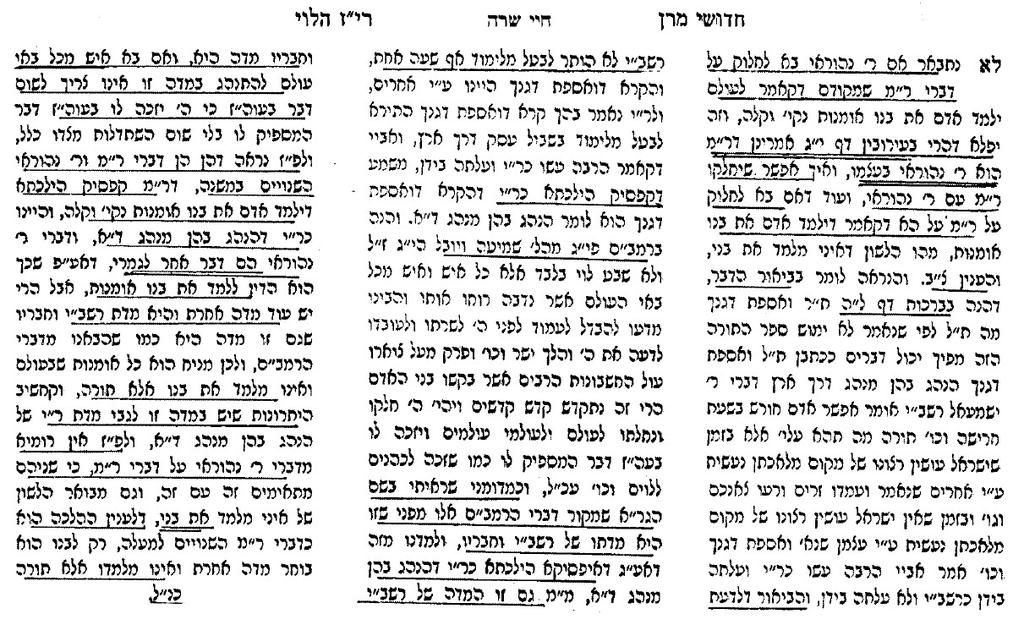
והנה כתב הרמב”ם פי”ג משמיטה ויובל הי”ג ‘ולא שבט לוי בלבד, אלא כל איש ואיש מכל באי העולם אשר נדבה רוחו אותו והבינו מדעו להבדל לעמוד לפני ה’ לשרתו ולעובדו לדעה את ה’, והלך ישר כמו שעשהו האלוקים, ופרק מעל צוארו עול החשבונות הרבים אשר בקשו בני האדם, הרי זה נתקדש קדש קדשים ויהיה ה’חלקו ונחלתו לעולם ולעולמי עולמים ויזכה לו בעוה”ז דבר המספיק לו כמו שזכה לכהנים ללוים, הרי דוד ע”ה אומר ה’ מנת חלקי וכוסי אתה תומיך גורלי עכ”ל.
ולפי”ז כתב שבאמת ר”מ ור’ נהוראי השנויים במשנה בקידושין לא פליגי כלל ולפיכך שני הדברים נפסקו להלכה, שנפסק שילמד אדם את בנו אומנות נקי’ וקלה, והיינו כר”י שהנהג בהן מנהג ד”א, אך דברי ר’ נהוראי הם ענין אחר לגמרי, שאע”פ שכך הוא הדין ללמד את בנו אומנות, אבל יש עוד מידה והיא מידת רשב”י, ולזהמבאר את היתרונות שיש במידה זו שאדם אוכל משכרה בעולם הזה והקרן קיימת לו לעולם הבא וכו’, ואין זה סתירה שבוודאי לכל אדם ההלכה היא שהנהג בהם מידת ד”א, ולכן אמר ר”מ שלעולם ילמד לבנו אומנות קלה ונקיה, אך מאידך אמר רבי נהוראי שהוא ר”מ עצמו, ‘מניח אני כל אומנות שבעולם ואיני מלמד את בני אלא תורה’, היינו שהוא עצמו בוחר לבנו מדה אחרת, מידתו של רשב”י וחביריו וכמו שכתוב ברמב”ם בהל’ שמטה ויובל הנ”ל.
רַבִּי מֵאִיר אוֹמֵר, לְעוֹלָם יְלַמֵּד אָדָם אֶת בְּנוֹ אֻמָּנוּת נְקִיָּה וְקַלָּה, וְיִתְפַּלֵּל לְמִי שֶׁהָעשֶׁר וְהַנְּכָסִים שֶׁלּוֹ, שֶׁאֵין אֻמָּנוּת שֶׁאֵין בָּהּ עֲנִיּוּת וַעֲשִׁירוּת, שֶׁלֹּא עֲנִיּוּת מִן הָאֻמָּנוּת וְלֹא עֲשִׁירוּת מִן הָאֻמָּנוּת, אֶלָּא הַכֹּל לְפִי זְכוּתוֹ...
רַבִּי נְהוֹרַאי אוֹמֵר, מַנִּיחַ אֲנִי כָּל אֻמָּנוּת שֶׁבָּעוֹלָם וְאֵינִי מְלַמֵּד אֶת בְּנִי אֶלָּא תוֹרָה, שֶׁאָדָם אוֹכֵל מִשְּׂכָרָהּ בָּעוֹלָם הַזֶּה וְקֶרֶן קַיֶּמֶת לָעוֹלָם הַבָּא. וּשְׁאָר כָּל אֻמָּנוּת אֵינָן כֵּן. כְּשֶׁאָדָם בָּא לִידֵי חֹלִי אוֹ לִידֵי זִקְנָה אוֹ לִידֵי יִסּוּרִין וְאֵינוֹ יָכוֹל לַעֲסֹק בִּמְלַאכְתּוֹ, הֲרֵי הוּא מֵת בְּרָעָב. אֲבָל הַתּוֹרָה אֵינָהּ כֵּן, אֶלָּא מְשַׁמַּרְתּוֹ מִכָּל רָע בְּנַעֲרוּתוֹ וְנוֹתֶנֶת לוֹ אַחֲרִית וְתִקְוָה בְזִקְנוּתוֹ...
מָצִינוּ שֶׁעָשָׂה אַבְרָהָם אָבִינוּ אֶת כָּל הַתּוֹרָה כֻּלָּהּ עַד שֶׁלֹּא נִתְּנָה, שֶׁנֶּאֱמַר, (שם כו) עֵקֶב אֲשֶׁר שָׁמַע אַבְרָהָם בְּקֹלִי וַיִּשְׁמֹר מִשְׁמַרְתִּי מִצְוֹתַי חֻקּוֹתַי וְתוֹרֹתָי:
Rabbi Yehudah says, "An unmarried man should not herd animals, and two unmarried men should not sleep in the same garment." And the Sages permit it. Whoever's business is with women should not be alone with women. And one should not teach his son a profession [that would cause him to be] among women. Rabbi Meir says, "A person should always teach his son a clean and easy profession, and he should pray to the One to whom wealth and possessions belong, as there is no profession which does not have in it poverty and wealth. For poverty is not due to one's profession, and wealth is not due to one's profession, rather, it is all according to one's merit." Rabbi Shimon ben Elazar says, "Have you seen in all your days a beast or fowl that has a profession? [Yet] they sustain themselves without trouble. And weren't they created solely to serve me, and I was created to serve my Master. Isn't it logical, then, that I should be able to sustain myself without trouble? However, I my actions were bad, and I deprived myself of my sustenance." Abba Garin, a man of Tzaydin says in the name of Abba Guria, "A person should not teach his son [to be] a donkey-driver, a camel-driver, a barber, a sailor, a shepherd, or a shopkeeper, for their professions are the professions of thieves." Rabbi Yehudah says in his name, "Most donkey-drivers are wicked, and most camel-drivers are honorable. Most sailors are pious. The best physicians [are destined] for hell, and the most honorable among the butchers is the partner of Amalek." Rabbi Nehorai says, "I leave [aside] all professions in the world and I do not teach my son anything other than Torah, for a person enjoys its reward in this world and the principle remains into the world to come." And this is not the case for the rest of the professions. When a person encounters sickness, or old age, or suffering and is not able to engage in his profession, he will surely die of hunger. But the Torah is not like this; rather, it protects him from all evil in his youth and grants him an end and hope in his old age. Regarding his youth, what does it say? "Those who wait for the Lord will have their strength renewed" (Isaiah 40:31). Regarding his old age what does it say? "They shall still bear fruit in old age" (Psalms 92:15). And so it says with regard to Abraham, our father, peace be upon him, "And Abraham was old...and the Lord blessed Abraham with everything" (Genesis 24:1). We find that Abraham our father performed the entire Torah [even] before it was given, as it says "Because Abraham listened to My voice, and he observed My statutes, commandments, laws, and teachings" (Genesis 26:5).
תָּנָא: לֹא רַבִּי מֵאִיר שְׁמוֹ אֶלָּא רַבִּי נְהוֹרַאי שְׁמוֹ, וְלָמָּה נִקְרָא שְׁמוֹ רַבִּי מֵאִיר? שֶׁהוּא מֵאִיר עֵינֵי חֲכָמִים בַּהֲלָכָה.
It was taught in a baraita: Rabbi Meir was not his name; rather, Rabbi Nehorai was his name. And why was he called by the name Rabbi Meir? It was because he illuminates [meir] the eyes of the Sages in matters of the halakha. And Rabbi Nehorai was not the name of the tanna known by that name; rather, Rabbi Neḥemya was his name, and some say: Rabbi Elazar ben Arakh was his name. And why was he called by the name Rabbi Nehorai? It is because he enlightens [manhir] the eyes of the Sages in matters of the halakha.