


חשיבות של עצם התרגום:
וַיֹּאמֶר בָּרוּךְ ה׳ אֱלֹקֵי שֵׁם (בראשית ט, כו), אָמַר רֵישׁ לָקִישׁ אַף מִיֶּפֶת עָמְדוּ בְּאָהֳלֵי שֵׁם. וַיֹּאמֶר בָּרוּךְ ה׳ אֱלֹקֵי שֵׁם וִיהִי כְנַעַן, יַפְתְּ אֱלֹקִים לְיֶפֶת, זֶה כֹּרֶשׁ שֶׁהוּא גּוֹזֵר שֶׁיִּבָּנֶה בֵּית הַמִּקְדָּשׁ, אַף עַל פִּי כֵן וְיִשְׁכֹּן בְּאָהֳלֵי שֵׁם, אֵין שְׁכִינָה שׁוֹרָה אֶלָּא בְּאָהֳלֵי שֵׁם. בַּר קַפָּרָא אָמַר יִהְיוּ דִּבְרֵי תוֹרָה נֶאֱמָרִים בִּלְשׁוֹנוֹ שֶׁל יֶפֶת בְּתוֹךְ אָהֳלֵי שֵׁם. רַבִּי יוּדָן אָמַר מִכָּאן לְתַרְגּוּם מִן הַתּוֹרָה, הֲדָא הוּא דִכְתִיב (נחמיה ח, ח): וַיִּקְרְאוּ בַסֵּפֶר בְּתוֹרַת הָאֱלֹקִים, זֶה הַמִּקְרָא. מְפֹרָשׁ, זֶה תַּרְגּוּם. וְשׂוֹם שֶׂכֶל, אֵלּוּ הַטְּעָמִים. וַיָּבִינוּ בַּמִּקְרָא, אֵלּוּ רָאשֵׁי הַפְּסוּקִים...
“He said: Blessed be the Lord, God of Shem, and Canaan shall be their servant” (Genesis 9:26). “May God expand Yefet, and he shall dwell in the tents of Shem, and Canaan shall be their servant” (Genesis 9:27). “He said: Blessed be the Lord, God of Shem […May God expand Yefet, and he shall dwell in the tents of Shem]” – Reish Lakish said: From Yefet, as well, there were those [descendants] who stood in the tents of Shem. “He said: Blessed be the Lord, God of Shem, and Canaan shall be…may God expand Yefet” – this refers to Cyrus [the king of Persia and Madai] who decreed that the [second] Temple should be built. Nevertheless, “He shall dwell in the tents of Shem” – the Divine Presence rested only in the tents of Shem. Bar Kappara said: The words of the Torah will be said in the Greek language in the tents of Shem. Rabbi Yudan said: From here there is a source from the Torah for translations [of the Torah]. That is what is written: “They read in the scroll of the Torah of God, [explicated, providing insight, and they elucidated the reading]” (Nehemiah 8:8). “They read in the scroll of the Torah of God” – this is the biblical text itself; “explicated” – this refers to translation; “providing insight” – this refers to the cantillation notes; “and they elucidated the reading” – this refers to [the demarcation of the] beginnings of the verses. Rabbi Huna ben Luleyani says: This refers to the delineation [of verses] and proofs. The Rabbis of Caesarea said: From here, the [concept of the] Masoret is derived. Rabbi Ze’ira and Rabbi Ḥananel in the name of Rabbi: Even if one is as familiar with the Torah as Ezra, he should not recite it orally while writing [a Torah scroll]. But is it not taught that there was once an incident involving Rabbi Meir in Asia Minor; there was no Scroll of Esther there, and he recited it orally and wrote it down [for use on Purim]? Over there they say: He wrote two scrolls; he put the first one aside and certified the second [for use].
תַּנִּי לֹא יְהוּ שְׁנַיִם קוֹרִין בַּתּוֹרָה וְאֶחָד מְתַרְגֵּם. אָמַר רִבִּי זְעִירָא מִפְּנֵי הַבְּרָכָה. וְהָתַנִּי לֹא יְהוּ שְׁנַיִם מְתַרְגְּמִין וְאֶחָד קוֹרֵא אִית לָךְ מֵימַר מִפְּנֵי הַבְּרָכָה אֶלָּא מִשּׁוּם שְׁאֵין שְׁנֵי קוֹלוֹת נִכְנָסִין לְתוֹךְ אוֹזֶן אַחַת.
It has been stated: Two should not read the Torah and one translate. Rebbi Zeïra said, because of the benedictions. But has it not been stated: Two should not translate and one read; could you say that is because of the benedictions? But it is because two voices do not enter into one ear.
אָמַר רַב הוּנָא בַּר יְהוּדָה, אָמַר רַבִּי אַמֵּי: לְעוֹלָם יַשְׁלִים אָדָם פָּרָשִׁיּוֹתָיו עִם הַצִּבּוּר. שְׁנַיִם מִקְרָא וְאֶחָד תַּרְגּוּם.
Rav Huna bar Yehuda said that Rabbi Ami said: A person should always complete his Torah portions with the congregation. The congregation reads a particular Torah portion every Shabbat, and during the week prior to each Shabbat, one is required to read the Bible text of the weekly portion twice and the translation once.
קושי על עצם התרגום:
אין כותבין עברית ולא מדית ולא עילמת ולא יונית שבעים זקנים כתבו התורה לתלמי המלך כתיבה יונית והיה אותו היום קשה לישראל כיום שעשו את העגל שלא היתה תורה יכולה להתרגם כל צרכה:
[Sacred texts] may not be written in [obsolete] Hebrew characters or in the Median, Elamitic or Greek languages. Seventy Elders wrote the Torah for king Ptolemy in Greek, and that day was as ominous for Israel as the day on which the Golden Calf was made, since the Torah could not be adequately translated.
כִּי עַל־יְדֵי תּוֹרָה וּתְפִלָּה אִי אֶפְשָׁר לְקַשְּׁרָם אֶל שָׁרְשָׁם, מֵחֲמַת שֶׁהֵם רְחוֹקִים מִן הָאֱמֶת. כִּדְאִיתָא בְּתַלְמַי הַמֶּלֶךְ (מגילה ט): כְּשֶׁהוֹשִׁיב ע"ב זְקֵנִים לִכְתֹּב לוֹ סֵפֶר תּוֹרָה, וְכָתְבוּ כֻּלָּם אֱלֹקִים בָּרָא בְּרֵאשִׁית וְכוּ'. כִּי הוּא רָחוֹק מִן הָאֱמֶת, וְהֻצְרְכוּ לַהֲפֹךְ אֶת הַצֵּרוּפִים.
By means of Torah and prayer it is not possible to bind them to their Source, since [most people] are far from the truth. We find this in regard to King Ptolemy. When he assembled seventy-two elders and had them write out the Torah, they all wrote “God created the beginning” (Megillah 9a). For [Ptolemy] was far from the truth, and so it was necessary for them to rearrange the word order.
תרגום השבעים עצמו
(א)ימים שמתענים בהם. ובו ג סעיפים:אלו הימים שאירעו בהם צרו' לאבותינו וראוי להתענו' בהם ואע"פ שמקצתם בראש חודש יש מי שאומר שיתענו בו (וטוב שלא להשלים בראש חודש):
...בשמונה בטבת נכתבה התורה יונית בימי תלמי המלך והיה חושך בעולם שלשה ימים בט' בו לא נודע איזה היא הצרה שאירע בו...
...בשמונה בטבת נכתבה התורה יונית בימי תלמי המלך והיה חושך בעולם שלשה ימים בט' בו לא נודע איזה היא הצרה שאירע בו...
(1) 1. The Days on Which We Fast, 3 Seifim:These are the days when troubles occurred for our forefathers, and it is worthy to fast on them. And even though some fall at the beginning of the month, there are those who say that we fast on them (and it is good not to complete a fast at the beginning of a month).
(2) 2. On the first on Nisan, the sons of Aaron died. On the tenth of it Miriam died and her well disappeared. On the twenty-sixth of it Joshua ben Nun died. On the twentieth of Iyyar, Eli the priest and two of his sons and the ark of God was captured. On the twenty sixth of it Samuel the prophet died. On the twenty-third of Sivan the offering of the first fruits in Jeruslem was cancelled during the days of Jereboam ben Nebat. On the twenty-fifth of it Rabban Shimon ben Gamliel and Rabbi Yishmael and Rabbi Hanina Deputy High Priest were killed. On the twenty-seventh of it Rabbi Hanina ben Teradion was burned to death and a Torah scroll with him. On the first of Av, Aaron the priest died. On the eighteenth of it, the eastern light was extinguished during the days of Ahaz. On the seventeenth of Elul those who slandered the land died. On the fifth of Tishri, twenty men of Israel were killed and Rabbi Akiba was imprisoned. On the seventh of it a decree was decreed against our ancestors that died by sword, hunger and plague because of the incident of the golden calf. On the seventh of Mar-Cheshvan, they blinded the eyes of Zedekiah and slaughtered his sons before his eyes. On the twenty-eighth of Kislev Jehoiakim burned the scroll that Baruch wrote dictated by Jeremiah. On the eighth of Tevet the Torah was written in Greek during the days of King Ptolemy and darkness was in the world for three days. On the ninth of it, it was not known who caused the trouble that happened on it. On the fifth of Shevat the elders who were in the days of Joshua died. On the twenty-third of it all of Israel gathered against the tribe of Benjamin on account of the concubine in Gibeah. On the seventh of Adar Moses, our Teacher, may peace be upon him, died. On the ninth of it Beit Hillel and Beit Shammai divided.
(2) 2. On the first on Nisan, the sons of Aaron died. On the tenth of it Miriam died and her well disappeared. On the twenty-sixth of it Joshua ben Nun died. On the twentieth of Iyyar, Eli the priest and two of his sons and the ark of God was captured. On the twenty sixth of it Samuel the prophet died. On the twenty-third of Sivan the offering of the first fruits in Jeruslem was cancelled during the days of Jereboam ben Nebat. On the twenty-fifth of it Rabban Shimon ben Gamliel and Rabbi Yishmael and Rabbi Hanina Deputy High Priest were killed. On the twenty-seventh of it Rabbi Hanina ben Teradion was burned to death and a Torah scroll with him. On the first of Av, Aaron the priest died. On the eighteenth of it, the eastern light was extinguished during the days of Ahaz. On the seventeenth of Elul those who slandered the land died. On the fifth of Tishri, twenty men of Israel were killed and Rabbi Akiba was imprisoned. On the seventh of it a decree was decreed against our ancestors that died by sword, hunger and plague because of the incident of the golden calf. On the seventh of Mar-Cheshvan, they blinded the eyes of Zedekiah and slaughtered his sons before his eyes. On the twenty-eighth of Kislev Jehoiakim burned the scroll that Baruch wrote dictated by Jeremiah. On the eighth of Tevet the Torah was written in Greek during the days of King Ptolemy and darkness was in the world for three days. On the ninth of it, it was not known who caused the trouble that happened on it. On the fifth of Shevat the elders who were in the days of Joshua died. On the twenty-third of it all of Israel gathered against the tribe of Benjamin on account of the concubine in Gibeah. On the seventh of Adar Moses, our Teacher, may peace be upon him, died. On the ninth of it Beit Hillel and Beit Shammai divided.
מקורות מתקופת בניין הבית ולפני הנצרות (אלו מקורות ספק חז"ליים) מספרים על התרגום באור חיובי:
(*מקורות אלו נכתבו בין 400 ל-200 שנה לפי חתימת המשנה)
(*מקורות אלו נכתבו בין 400 ל-200 שנה לפי חתימת המשנה)
(כח) אחרי אשר נעשו הדברים האלה פקד על דְמיטְרִיוֹס להגיש זיכּרון על העתקת ספרי היהודים: כי המלכים ההם היו מכלכלים כל עניין על פי פקודות ובמתינות מרובה ודבר לא [נעשה] ברפיון ידיים או במקרה: לכן רשמתי את ההעתקות גם של הזיכרון גם של האגרות ומניין החפצים שנשלחו ומעשה כל אחד כי כל אחד מהם היה מצוין בגדלות ובנאמנות: וזאת העתקת הזיכרון:
(כט) למלך הגדול מאת דְמיטְרִיוֹס:אחרי אשר אתה המלך פקדת למלא את הספרים החסרים באוצר ולתקן כראוי את הנפרדים ואחרי אשר עמלתי בזה בחריצות הנני אודיעך:
(ל) בתוך יתר המעטים החסרים אין ספרי התורה שליהודים: הם ערוכים באותיות עבריות ובלשון העברית ולדברי היודעים [ערוכים הם] בידיים רפות ולא כראוי יען לא הייתה עליהם השגחת מלך:
(לא) יש צורך כי גם אלה יהיו נמצאים תחת ידך מוגהים יפה כי ספר חוקים זה בהיותו אלוקי מלא הוא חכמה וטהרה: ועל־כן היו הסופרים והמשוררים והמון ההיסטוריונים רחוקים מהזכיר את הספרים ההם ואת האנשים שנהגו ונוהגים על פיהם: כי העיון בהם הוא טהור וקדוש כמו שאמר היקטיוס איש אבדירה:
(לב) ואם על המלך טוב ייכתב אל הכהן הגדול אשר בירושלים לשלוח אנשים הנוהגים בחייהם [במידה ה]יפה ביותר והזקנים ביותר הבקיאים בתורתם שישה לשבט למען יבואו להסכם ברוב דעות ויבואו לתַרגום מדויק כראוי גם לפי העניינים גם לפי כוונתך ונשימהו במקום נכבדהֱיֵה מאושר תמיד:
....(מו) ובמעמד כולם בחרנו אנשים זקנים יפים וטובים שישה לכל שבט ושלחנום עם התורה: וטוב תעשה מלך צדיק אם תצווה כי אחרי היעשות תרגום הספרים ישובו האנשים אלינו בשלום: הֱיֵה בריא:
(מז) ואלה הם:
מן השבט הראשון יוסף חזקיה זכריה יוחנן חזקיה אלישע:
מן השני יהודה שמעון שמואל עדיה מתתיה אשכלמיה:
מן מן השלישי נחמיה יוסף תאודוסיוס בסי ארניה דקי:
(מח) מן הרביעי יונתן אברי אלישע חנניה חבר:
מן החמישי יצחק יעקב יהושע שבתי שמעון לוי:
מן השישי יהודה יוסף שמעון זכריה שמואל שלמיה:
(מט) מן השביעי שבתי צדקיה יעקב יצחק ישי נתי:
מן השמיני תאודוסיוס יסון ישוע תאודוטוס יוחנן יונתן:
מן התשיעי תאופילוס אברהם ארשם ישוע אנדמי דניאל:
(נ) מן העשירי ירמיה אליעזר זכריה בני אלישע דתָי:
מן האחד עשר שמואל יוסף יהודה יונתן כבון דוסיתאוס:
מן השנים עשר ישאל יוחנן מתניה ארשם אביטס יחזקאל:כולם שבעים ושניים:
(כט) למלך הגדול מאת דְמיטְרִיוֹס:אחרי אשר אתה המלך פקדת למלא את הספרים החסרים באוצר ולתקן כראוי את הנפרדים ואחרי אשר עמלתי בזה בחריצות הנני אודיעך:
(ל) בתוך יתר המעטים החסרים אין ספרי התורה שליהודים: הם ערוכים באותיות עבריות ובלשון העברית ולדברי היודעים [ערוכים הם] בידיים רפות ולא כראוי יען לא הייתה עליהם השגחת מלך:
(לא) יש צורך כי גם אלה יהיו נמצאים תחת ידך מוגהים יפה כי ספר חוקים זה בהיותו אלוקי מלא הוא חכמה וטהרה: ועל־כן היו הסופרים והמשוררים והמון ההיסטוריונים רחוקים מהזכיר את הספרים ההם ואת האנשים שנהגו ונוהגים על פיהם: כי העיון בהם הוא טהור וקדוש כמו שאמר היקטיוס איש אבדירה:
(לב) ואם על המלך טוב ייכתב אל הכהן הגדול אשר בירושלים לשלוח אנשים הנוהגים בחייהם [במידה ה]יפה ביותר והזקנים ביותר הבקיאים בתורתם שישה לשבט למען יבואו להסכם ברוב דעות ויבואו לתַרגום מדויק כראוי גם לפי העניינים גם לפי כוונתך ונשימהו במקום נכבדהֱיֵה מאושר תמיד:
....(מו) ובמעמד כולם בחרנו אנשים זקנים יפים וטובים שישה לכל שבט ושלחנום עם התורה: וטוב תעשה מלך צדיק אם תצווה כי אחרי היעשות תרגום הספרים ישובו האנשים אלינו בשלום: הֱיֵה בריא:
(מז) ואלה הם:
מן השבט הראשון יוסף חזקיה זכריה יוחנן חזקיה אלישע:
מן השני יהודה שמעון שמואל עדיה מתתיה אשכלמיה:
מן מן השלישי נחמיה יוסף תאודוסיוס בסי ארניה דקי:
(מח) מן הרביעי יונתן אברי אלישע חנניה חבר:
מן החמישי יצחק יעקב יהושע שבתי שמעון לוי:
מן השישי יהודה יוסף שמעון זכריה שמואל שלמיה:
(מט) מן השביעי שבתי צדקיה יעקב יצחק ישי נתי:
מן השמיני תאודוסיוס יסון ישוע תאודוטוס יוחנן יונתן:
מן התשיעי תאופילוס אברהם ארשם ישוע אנדמי דניאל:
(נ) מן העשירי ירמיה אליעזר זכריה בני אלישע דתָי:
מן האחד עשר שמואל יוסף יהודה יונתן כבון דוסיתאוס:
מן השנים עשר ישאל יוחנן מתניה ארשם אביטס יחזקאל:כולם שבעים ושניים:
(28) When this had been done, he ordered Demetrius to draw up a memorial with regard to the transcription of the Jewish books. For all affairs of state used to be carried out by means of decrees and with the most painstaking accuracy by these Egyptian kings, and nothing was done in a slipshod or haphazard fashion. And so I have inserted copies of the memorial and the letters, the number of the presents sent and the nature of each, since every one of them excelled in magnificence and technical skill. The following is a copy of the memorial.
(29) The Memorial of Demetrius to the great king. 'Since you have given me instructions, O king, that the books which are needed to complete your library should be collected together, and that those which are defective should be repaired, I have devoted myself with the utmost care to the fulfilment of your wishes, and I now have the following proposal to lay before you.
(30) The books of the law of the Jews (with some few others) are absent from the library. They are written in the Hebrew characters and language and have been carelessly interpreted, and do not represent the original text as I am informed by those who know; for they have never had a king's care to protect them.
(31) It is necessary that these should be made accurate for your library since the law which they contain, in as much as it is of divine origin, is full of wisdom and free from all blemish. For this reason literary men and poets and the mass of historical writers have held aloof from referring to these books and the men who have lived and are living in accordance with them, because their conception of life is so sacred and religious, as Hecataeus of Abdera says.
(32) If it please you, O king, a letter shall be written to the High Priest in Jerusalem, asking him to send six elders out of every tribe - men who have lived the noblest life and are most skilled in their law - that we may find out the points in which the majority of them are in agreement, and so having obtained an accurate translation may place it in a conspicuous place in a manner worthy of the work itself and your purpose. May continual prosperity be yours!'
(33) When this memorial had been presented, the king ordered a letter to be written to Eleazar on the matter, giving also an account of the emancipation of the Jewish captives. And he gave fifty talents weight of gold and seventy talents of silver and a large quantity of precious stones to make bowls and vials and a table and libation cups. He also gave orders to those who had the custody of his coffers to allow the artificers to make a selection of any materials they might require for the purpose, and that a hundred talents in money should be sent to provide sacrifices for the temple and for other needs.
(34) I shall give you a full account of the workmanship after I have set before you copies of the letters. The letter of the king ran as follows:
(35) King Ptolemy sends greeting and salutation to the High Priest Eleazar. Since there are many Jews settled in our realm who were carried off from Jerusalem by the Persians at the time of their power
(36) and many more who came with my father into Egypt as captives - large numbers of these he placed in the army and paid them higher wages than usual, and when he had proved the loyalty of their leaders he built fortresses and placed them in their charge that the native Egyptians might be intimidated by them. And I, when I ascended the throne, adopted a kindly attitude towards all my subjects, and more particularly to those who were citizens of yours
(37) I have set at liberty more than a hundred thousand captives, paying their owners the appropriate market price for them, and if ever evil has been done to your people through the passions of the mob, I have made them reparation. The motive which prompted my action has been the desire to act piously and render unto the supreme God a thank offering for maintaining my kingdom in peace and great glory in all the world. Moreover those of your people who were in the prime of life I have drafted into my army, and those who were fit to be attached to my person and worthy of the confidence of the court, I have established in official positions.
(38) Now since I am anxious to show my gratitude to these men and to the Jews throughout the world and to the generations yet to come, I have determined that your law shall be translated from the Hebrew tongue which is in use amongst you into the Greek language, that these books may be added to the other royal books in my library.
(39) It will be a kindness on your part and a regard for my zeal if you will select six elders from each of your tribes, men of noble life and skilled in your law and able to interpret it, that in questions of dispute we may be able to discover the verdict in which the majority agree, for the investigation is of the highest possible importance. I hope to win great renown by the accomplishment of this work.
(40) I have sent Andreas, the chief of my bodyguard, and Aristeas - men whom I hold in high esteem - to lay the matter before you and present you with a hundred talents of silver, the first fruits of my offering for the temple and the sacrifices and other religious rites. If you will write to me concerning your wishes in these matters, you will confer a great favour upon me and afford me a new pledge of friendship, for all your wishes shall be carried out as speedily as possible. Farewell.'
(41) To this letter Eleazar replied appropriately as follows:'Eleazar the High priest sends greetings to King Ptolemy his true friend. My highest wishes are for your welfare and the welfare of Queen Arsinoe your sister and your children. I also am well.
(42) I have received your letter and am greatly rejoiced by your purpose and your noble counsel. I summoned together the whole people and read it to them that they might know of your devotion to our God. I showed them too the cups which you sent, twenty of gold and thirty of silver, the five bowls and the table of dedication, and the hundred talents of silver for the offering of the sacrifices and providing the things of which the temple stands in need.
(43) These gifts were brought to me by Andreas, one of your most honoured servants, and by Aristeas, both good men and true, distinguished by their learning, and worthy in every way to be the representatives of your high principles and righteous purposes. These men imparted to me your message and received from me an answer in agreement with your letter.
(44) I will consent to everything which is advantageous to you even though your request is very unusual. For you have bestowed upon our citizens great and never to be forgotten benefits in many (ways).
(45) Immediately therefore I offered sacrifices on behalf of you, your sister, your children, and your friends, and all the people prayed that your plans might prosper continually, and that Almighty God might preserve your kingdom in peace with honour, and that the translation of the holy law might prove advantageous to you and be carried out successfully.
(46) In the presence of all the people I selected six elders from each tribe, good men and true, and I have sent them to you with a copy of our law. It will be a kindness, O righteous king, if you will give instruction that as soon as the translation of the law is completed, the men shall be restored again to us in safety. Farewell.'
(47) The following are the names of the elders: Of the first tribe, Joseph, Ezekiah, Zachariah, John, Ezekiah, Elisha. Of the second tribe, Judas, Simon, Samuel, Adaeus, Mattathias, Eschlemias. Of the third tribe, Nehemiah, Joseph, Theodosius, Baseas, Ornias, Dakis.
(48) Of the fourth tribe, Jonathan, Abraeus, Elisha, Ananias, Chabrias.... Of the fifth tribe, Isaac, Jacob, Jesus, Sabbataeus, Simon, Levi. Of the sixth tribe, Judas, Joseph, Simon, Zacharias, Samuel, Selemias.
(49) Of the seventh tribe, Sabbataeus, Zedekiah, Jacob, Isaac, Jesias, Natthaeus. Of the eighth tribe Theodosius, Jason, Jesus, Theodotus, John, Jonathan. Of the ninth tribe, Theophilus, Abraham Arsamos, Jason, Endemias, Daniel.
(50) Of the tenth tribe, Jeremiah, Eleazar, Zachariah, Baneas, Elisha, Dathaeus. Of the eleventh tribe, Samuel, Joseph, Judas, Jonathes, Chabu, Dositheus. Of the twelfth tribe, Isaelus, John, Theodosius, Arsamos, Abietes, Ezekiel. They were seventy-two in all.
(29) The Memorial of Demetrius to the great king. 'Since you have given me instructions, O king, that the books which are needed to complete your library should be collected together, and that those which are defective should be repaired, I have devoted myself with the utmost care to the fulfilment of your wishes, and I now have the following proposal to lay before you.
(30) The books of the law of the Jews (with some few others) are absent from the library. They are written in the Hebrew characters and language and have been carelessly interpreted, and do not represent the original text as I am informed by those who know; for they have never had a king's care to protect them.
(31) It is necessary that these should be made accurate for your library since the law which they contain, in as much as it is of divine origin, is full of wisdom and free from all blemish. For this reason literary men and poets and the mass of historical writers have held aloof from referring to these books and the men who have lived and are living in accordance with them, because their conception of life is so sacred and religious, as Hecataeus of Abdera says.
(32) If it please you, O king, a letter shall be written to the High Priest in Jerusalem, asking him to send six elders out of every tribe - men who have lived the noblest life and are most skilled in their law - that we may find out the points in which the majority of them are in agreement, and so having obtained an accurate translation may place it in a conspicuous place in a manner worthy of the work itself and your purpose. May continual prosperity be yours!'
(33) When this memorial had been presented, the king ordered a letter to be written to Eleazar on the matter, giving also an account of the emancipation of the Jewish captives. And he gave fifty talents weight of gold and seventy talents of silver and a large quantity of precious stones to make bowls and vials and a table and libation cups. He also gave orders to those who had the custody of his coffers to allow the artificers to make a selection of any materials they might require for the purpose, and that a hundred talents in money should be sent to provide sacrifices for the temple and for other needs.
(34) I shall give you a full account of the workmanship after I have set before you copies of the letters. The letter of the king ran as follows:
(35) King Ptolemy sends greeting and salutation to the High Priest Eleazar. Since there are many Jews settled in our realm who were carried off from Jerusalem by the Persians at the time of their power
(36) and many more who came with my father into Egypt as captives - large numbers of these he placed in the army and paid them higher wages than usual, and when he had proved the loyalty of their leaders he built fortresses and placed them in their charge that the native Egyptians might be intimidated by them. And I, when I ascended the throne, adopted a kindly attitude towards all my subjects, and more particularly to those who were citizens of yours
(37) I have set at liberty more than a hundred thousand captives, paying their owners the appropriate market price for them, and if ever evil has been done to your people through the passions of the mob, I have made them reparation. The motive which prompted my action has been the desire to act piously and render unto the supreme God a thank offering for maintaining my kingdom in peace and great glory in all the world. Moreover those of your people who were in the prime of life I have drafted into my army, and those who were fit to be attached to my person and worthy of the confidence of the court, I have established in official positions.
(38) Now since I am anxious to show my gratitude to these men and to the Jews throughout the world and to the generations yet to come, I have determined that your law shall be translated from the Hebrew tongue which is in use amongst you into the Greek language, that these books may be added to the other royal books in my library.
(39) It will be a kindness on your part and a regard for my zeal if you will select six elders from each of your tribes, men of noble life and skilled in your law and able to interpret it, that in questions of dispute we may be able to discover the verdict in which the majority agree, for the investigation is of the highest possible importance. I hope to win great renown by the accomplishment of this work.
(40) I have sent Andreas, the chief of my bodyguard, and Aristeas - men whom I hold in high esteem - to lay the matter before you and present you with a hundred talents of silver, the first fruits of my offering for the temple and the sacrifices and other religious rites. If you will write to me concerning your wishes in these matters, you will confer a great favour upon me and afford me a new pledge of friendship, for all your wishes shall be carried out as speedily as possible. Farewell.'
(41) To this letter Eleazar replied appropriately as follows:'Eleazar the High priest sends greetings to King Ptolemy his true friend. My highest wishes are for your welfare and the welfare of Queen Arsinoe your sister and your children. I also am well.
(42) I have received your letter and am greatly rejoiced by your purpose and your noble counsel. I summoned together the whole people and read it to them that they might know of your devotion to our God. I showed them too the cups which you sent, twenty of gold and thirty of silver, the five bowls and the table of dedication, and the hundred talents of silver for the offering of the sacrifices and providing the things of which the temple stands in need.
(43) These gifts were brought to me by Andreas, one of your most honoured servants, and by Aristeas, both good men and true, distinguished by their learning, and worthy in every way to be the representatives of your high principles and righteous purposes. These men imparted to me your message and received from me an answer in agreement with your letter.
(44) I will consent to everything which is advantageous to you even though your request is very unusual. For you have bestowed upon our citizens great and never to be forgotten benefits in many (ways).
(45) Immediately therefore I offered sacrifices on behalf of you, your sister, your children, and your friends, and all the people prayed that your plans might prosper continually, and that Almighty God might preserve your kingdom in peace with honour, and that the translation of the holy law might prove advantageous to you and be carried out successfully.
(46) In the presence of all the people I selected six elders from each tribe, good men and true, and I have sent them to you with a copy of our law. It will be a kindness, O righteous king, if you will give instruction that as soon as the translation of the law is completed, the men shall be restored again to us in safety. Farewell.'
(47) The following are the names of the elders: Of the first tribe, Joseph, Ezekiah, Zachariah, John, Ezekiah, Elisha. Of the second tribe, Judas, Simon, Samuel, Adaeus, Mattathias, Eschlemias. Of the third tribe, Nehemiah, Joseph, Theodosius, Baseas, Ornias, Dakis.
(48) Of the fourth tribe, Jonathan, Abraeus, Elisha, Ananias, Chabrias.... Of the fifth tribe, Isaac, Jacob, Jesus, Sabbataeus, Simon, Levi. Of the sixth tribe, Judas, Joseph, Simon, Zacharias, Samuel, Selemias.
(49) Of the seventh tribe, Sabbataeus, Zedekiah, Jacob, Isaac, Jesias, Natthaeus. Of the eighth tribe Theodosius, Jason, Jesus, Theodotus, John, Jonathan. Of the ninth tribe, Theophilus, Abraham Arsamos, Jason, Endemias, Daniel.
(50) Of the tenth tribe, Jeremiah, Eleazar, Zachariah, Baneas, Elisha, Dathaeus. Of the eleventh tribe, Samuel, Joseph, Judas, Jonathes, Chabu, Dositheus. Of the twelfth tribe, Isaelus, John, Theodosius, Arsamos, Abietes, Ezekiel. They were seventy-two in all.
ומקץ שלושה ימים לקחם דְמיטְרִיוֹס ועבר דרך שבעת האסטיונות לאורך סכר הים אל האי וכעברו את הנשר בא אל החלק הנשקף צפונה: ובאספו את כולם אל בית בנוי על שפת מושב נהדר ברוב שקט קרא אל האנשים לעשות את התרגום כי כל הדרוש לעבודתם הוכן יפה: ואז התחילו לעשותן מתוך הסכמה בהשוותם כל דבר: והנעשה מתוך הסכמה נכתב כראוי על ידי דְמיטְרִיוֹס: וישיבות האספה היו עד השעה התשיעית: ואחרי־כן היו נפנים אל רפואת הגוף והיו נותנים להם בשפע כל אשר שאלו: ... ככה כאשר אמרנו היו מתאספים יום יום אל המקום ההוא הנעים בשקט ובשפע האור ועושים את אשר הוטל עליהם: וכן היה כי בשנים ושבעים יום נשלם מכתב התרגום כאילו נעשה דבר זה לפי מערכה קודמת: כאשר בא לידי גמר אסף דְמיטְרִיוֹס אל קהל היהודים אל המקום אשר שם נגמר התרגום וקרא לפני כולם ובפני המתרגמים אשר היו להם שבחים גדולים מאת הקהל בגלל הטוב הרב אשר עשו: כמו כן שבחו את דְמיטְרִיוֹס וביקשו ממנו למסור לראשיהם העתקת כל התורה:
Three days later Demetrius took the men and passing along the sea-wall, seven stadia long, to the island, crossed the bridge and made for the northern districts of Pharos. There he assembled them in a house, which had been built upon the sea-shore, of great beauty and in a secluded situation, and invited them to carry out the work of translation, since everything that they needed for the purpose was placed at their disposal. So they set to work comparing their several results and making them agree, and whatever they agreed upon was suitably copied out under the direction of Demetrius. And the session lasted until the ninth hour; after this they were set free to minister to their physical needs. Everything they wanted was furnished for them on a lavish scale. In addition to this Dorotheus made the same preparations for them daily as were made for the king himself - for thus he had been commanded by the king. In the early morning they appeared daily at the Court, and after saluting the king went back to their own place. And as is the custom of all the Jews, they washed their hands in the sea and prayed to God and then devoted themselves to reading and translating the particular passage upon which they were engaged, and I put the question to them, Why it was that they washed their hands before they prayed? And they explained that it was a token that they had done no evil (for every form of activity is wrought by means of the hands) since in their noble and holy way they regard everything as a symbol of righteousness and truth. As I have already said, they met together daily in the place which was delightful for its quiet and its brightness and applied themselves to their task. And it so chanced that the work of translation was completed in seventy-two days, just as if this had been arranged of set purpose. When the work was completed, Demetrius collected together the Jewish population in the place where the translation had been made, and read it over to all, in the presence of the translators, who met with a great reception also from the people, because of the great benefits which they ha conferred upon them. They bestowed warm praise upon Demetrius, too, and urged him to have the whole law transcribed and present a copy to their leaders.
ציטוט מ"חיי משה" - סיפרו של פילון אלכסנדרוני:
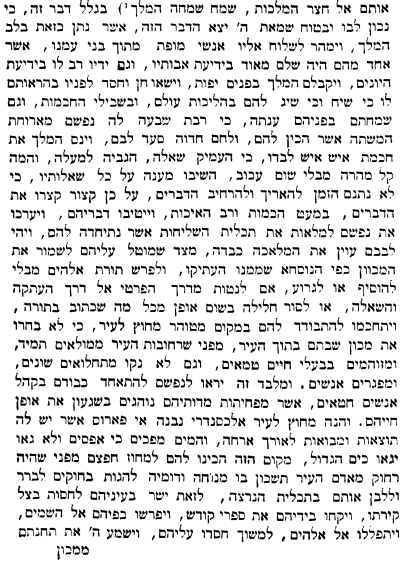
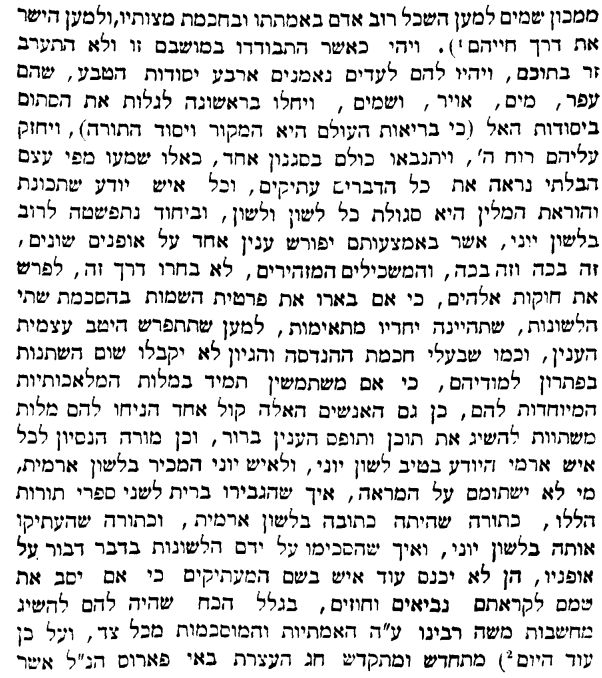
המדרש ומשניות שנכתבו מאות שנים לאחר התרגום ומעט לאחר עליית הנצרות הסתכלו על התרגום באופן יותר מורכב
פרשה ב׳. —עשרה מלכים נתגיירו, ואלו הן: חירם המלך, עבד המלך, אנטיגנוס המלך, תלמי המלך, מונבז המלך, טובאי המלך, בולן המלך, בתיה המלכה, הילני המלכה, וברוריא המלכה.
שוב מעשה בתלמי המלך שכנס ע"ב זקנים והושיבם בשבעים ושנים בתים ולא גלה להם על מה כנסם נכנס לכל אחד ואחד מהם אמר להם כתבו לי תורת משה רבכם. נתן המקום עצה בלב כל אחד ואחד והסכימה דעתן לדעת אחת וכתבו לו תורה בפני עצמה: וי"ג דבר שינו בה. ואלו הן אלקים ברא בראשית (בראשית א׳:כ״ו) ויאמר אלקים אעשה אדם בצלם ובדמות (שם) ויכל בששי וישבות בשביעי (שם ב) זכר ונקבה בראו (שם ה) הבה ארדה ואבלה שם (שם יא) ותשחק בקרוביה לאמר (שם יח) כי באפם הרגו איש וברצונם עקרו אבוס (שם מט) ויקח משה את אישתו ואת בניו וירכיבם על נושאי אדם (שמות ד׳:כ׳) ומושב בני ישראל אשר ישבו בארץ מצרים ובארץ כנען שלשים שנה וארבע מאות שנה (שם יב) ואל זאטוטי בני ישראל לא שלח ידו (שם כד) לא חמד אחד מהם נשאתי (במדבר ט״ז:ט״ו) את צעירת הרגלים (ויקרא י״א:ו' דברים י״ד:ז') אשר חלק ה׳ אלקיך אתם להאיר לכל העמים תחת כל השמים (דברים ד׳:י״ט) אשר לא צויתי לעבדם (שם י"ז:ג'):
It also happened that King Ptolemy assembled seventy-two elders and placed them in seventy-two [separate] rooms without telling them the reason for which he had assembled them. He then went to each one of them and said to him, ‘Write for me [a translation of] the Torah of Moses your master’. The Omnipresent inspired them and the mind of all of them was identical, so that each on his own wrote the [same translation of the] Torah, introducing [the same] thirteen alterations as follows: ‘God created in the beginning’. ‘And God said I shall make a man in image and likeness.’ ‘And He finished on the sixth [day] and rested on the seventh [day].’ ‘Male and female He created him.’ ‘Come let Me go down and there confound their language.’ ‘And Sarah laughed among her relatives, saying.’ ‘For in their anger they slew oxen and in their self-will they digged up a stall.’ ‘And Moses took his wife and his children and set them upon a carrier of men.’ ‘Now the time that the children of Israel dwelt in Egypt and in the land of Canaan and in other lands was four hundred and thirty years.’ ‘And he sent the elect of the children of Israel.’ ‘And upon the elect of the children of Israel He laid not His hand.’ ‘I have not taken one desirable thing from them.’ ‘The [beast] with small legs.’ ‘Which the Lord thy God hath allotted to give light unto all the peoples under the whole heaven.’ ‘Which I commanded should not be served.’
אֵין בֵּין סְפָרִים לִתְפִלִּין וּמְזוּזוֹת אֶלָּא שֶׁהַסְּפָרִים נִכְתָּבִין בְּכָל לָשׁוֹן, וּתְפִלִּין וּמְזוּזוֹת אֵינָן נִכְתָּבוֹת אֶלָּא אַשּׁוּרִית. רַבָּן שִׁמְעוֹן בֶּן גַּמְלִיאֵל אוֹמֵר, אַף בַּסְּפָרִים לֹא הִתִּירוּ שֶׁיִּכָּתְבוּ אֶלָּא יְוָנִית:
The difference between Torah scrolls, and phylacteries and mezuzot, in terms of the manner in which they are written, is only that Torah scrolls are written in any language, whereas phylacteries and mezuzot are written only in Ashurit, i.e., in Hebrew and using the Hebrew script. Rabban Shimon ben Gamliel says: Even with regard to Torah scrolls, the Sages permitted them to be written only in Greek. Torah scrolls written in any other language do not have the sanctity of a Torah scroll.
וּמִשּׁוּם מַעֲשֶׂה דְּתַלְמַי הַמֶּלֶךְ. דְּתַנְיָא: מַעֲשֶׂה בְּתַלְמַי הַמֶּלֶךְ שֶׁכִּינֵּס שִׁבְעִים וּשְׁנַיִם זְקֵנִים וְהִכְנִיסָן בְּשִׁבְעִים וּשְׁנַיִם בָּתִּים וְלֹא גִּילָּה לָהֶם עַל מָה כִּינְסָן. וְנִכְנַס אֵצֶל כׇּל אֶחָד וְאֶחָד, וְאָמַר לָהֶם: כִּתְבוּ לִי תּוֹרַת מֹשֶׁה רַבְּכֶם. נָתַן הַקָּדוֹשׁ בָּרוּךְ הוּא בְּלֵב כׇּל אֶחָד וְאֶחָד עֵצָה וְהִסְכִּימוּ כּוּלָּן לְדַעַת אַחַת.
The Gemara continues: And this was due to the incident of King Ptolemy, as it is taught in a baraita: There was an incident involving King Ptolemy of Egypt, who assembled seventy-two Elders from the Sages of Israel, and put them into seventy-two separate rooms, and did not reveal to them for what purpose he assembled them, so that they would not coordinate their responses. He entered and approached each and every one, and said to each of them: Write for me a translation of the Torah of Moses your teacher. The Holy One, Blessed be He, placed wisdom in the heart of each and every one, and they all agreed to one common understanding. Not only did they all translate the text correctly, they all introduced the same changes into the translated text.
תַּנֵּי. רַבָּן שִׁמְעוֹן בֶּן גַּמְלִיאֵל אוֹמֵר. אַף בִּסְפָרִים לֹא הִתִּירוּ שֶׁיִּכָּֽתְבוּ אֶלָּא יְווָנִית. בָּֽדְקוּ וּמָֽצְאוּ שֶׁאֵין הַתּוֹרָה יְכוֹלָה לָהִיתַּרְגֵּם כָּל־צוֹרְכָהּ אֶלָּא יְווָנִית. בּוּרְגָּנִי אֶחָד בִּידָה לָהֶם אֲרָמִית מִתּוֹךְ יְווָנִית. רִבִּי יִרְמְיָה בְשֵׁם רִבִּי חִייָה בַּר בָּא. תִּירְגֵּם עֲקִילַס הַגֵּר הַתּוֹרָה לִפְנֵי רִבִּי אֱלִיעֶזֶר וְלִפְנֵי רִבִּי יְהוֹשֻׁעַ וִקִילְּסוּ אוֹתוֹ [וְאָֽמְרוּ לוֹ]. יָפְיָפִ֡יתָ מִבְּנֵ֬י אָדָ֗ם.
It was stated: Rabban Simeon ben Gamliel says, even Torah scrolls they only permitted to be written in Greek. They investigated and found that the Torah may be correctly translated only into Greek. A villager invented for them Aramaic from the Greek. Rebbi Jeremiah in the name of Rebbi Ḥiyya bar Abba: Akylas the proselyte translated the Torah before Rebbi Eliezer and Rebbi Joshua; they praised him [and said to him], you are a superhuman beauty. Rebbi Jehudah bar Pazy said, Rebbi Joshua ben Levi asked, why do we not say there is a rule valid for Torah scrolls which does not apply to Tefillin and Mezuzot, in that Torah scrolls may be written on two sheets, but Tefillin and Mezuzot may only be written on single sheets. Rebbi Isaac the son of Rebbi Ḥiyya the scribe asked, a stronger question, in that Torah scrolls may be written on two hides, but Tefillin and Mezuzot may only be written on single hides. The colleagues said before Rebbi Mana, or should we say, one column of two different hides? Is that not stronger? He said to them, because even scrolls are not written in this way. One suspends in scrolls; one suspends neither in Tefillin nor in Mezuzot. One does not suspend in scrolls which were written as Tefillin and Mezuzot; one suspends in Tefillin and Mezuzot written as scrolls. Rebbi Ze`ira in the name of Rebbi Immi: If he was writing אלא עם, if the paragraph was made in this way it is qualified, otherwise disqualified. Rebbi Ze`ira in the name of Rebbi Immi bar Ḥinena: The script of scrolls is used as script of Tefillin and Mezuzot.
הראשונים והאחורנים שניסו לישב את הדברים:
(ז) ונמצא כתוב בספר החשמונים שבאו לידינו כי בימי תלמי מלך מצרים צוה לעבדיו ללכת לקבץ כל ספרי הדתות וכל ספרי דברי הימים שימצאו בעולם כדי להתחכם מהם ולבחון ולחקור מהם ענייני העולם ולחבר מהם ספר בכל משפטי הדברים ודת ודין על כל צרכי העולם לעשות משפט על בוריו. והלכו וקבצו לו תשע מאות וחמשה וששים ספרים והביאום לו ואמר להם עוד שילכו לבקש להשלים אלף ספרים וכן עשו אחר כך עמדו לפניו מפריצי ישראל ואמרו אדוננו המלך מה לך לטרוח בכל זה שלח לירושלם אל יהודים והם יביאו לו ספר תורתם שנכתבה להם על פי ה׳ ביד נביאיהם וממנה תוכל להתחכם ולשפוט ממנה כל דין וכל דבר ברצונך וישמע המלך לדבריהם ושלח אל היהודים על זאת ושלחו לו הספר הזה כי לא יוכלו לתת לו ספר ה׳ כי אמרו לא נוכל לתת ספר תורת ה׳ לאיש נכרי. (ח) ובשבא הספר הזה ליד תלמי קרא בו ויישר בעיניו מאד וחקר בו בחכמתו ובחן ומצא בו מבוקשו ועזב מעליו כל הספרים שקבצו לו ובירך למי שיעץ עליו הדבר הזה. לאחר ימים הרגישו בזה פריצי ישראל כי לא שלחו ישראל ספר התורה למלך ובאו ואמרו לו אדונינו המלך לעגו עליך ישראל בי לא שלחו אליך את ספר התורה שאמרנו לך כי ספר אחר שהיה בידם שלחו לך אבל שלח להם וישלחו ספר תורתם בי ממנה תמצא מבוקשך יותר ויותר מהספר אשר שלחו לך וכששמע המלך את דבריהם קצף כקצף גדול מאד בישראל וחמתו בערה בו. עד ששלח להם פעם אחרת לשלוח לו ספר התורה. ונתיירא שמא ילעיגו עליו עוד ונתחכם עליהם ושלח לשבעים זקנים שבהם שיבואו לו והושיבם בשבעים בתים לכתוב כל אחד ואחד ספר תורה לבלתי ימצא שינוי ושרתה עליהם רוח הקדש וכתבו לו שבעים ספרים והשבעים זקנים וכלם נוסחא אחת בלי תוספת ובלי מגרעת ואז שמח המלך בזה שמחה גדולה וכבד את הזקנים ואת כל היהודים ושלח מנחות ומתנות לירושלם ככתוב שם. ובמותו נתחכמו ישראל על בנו ולקחו את ספר התורה מאוצרותיו אך הספר הזה עזבו שם ולא לקחוהו בעבור יכיר כל מלך ומלך המולך תחתיו את נפלאות השם יתברך וכי בחר ישראל מכל האומות וכי אין אלוק זולתו יתברך. על כן הספר הזה עודנו במצרים עד היום הזה. ומהעת ההוא נתפשט בכל הארץ עד הגיעו אל ידינו אנחנו בגלותינו בגירושנו היום אל עיר נאפולי אשר תחת יד מלך ספרד....
And in the books of the Asmoneans, which are extant in our hands, we find it written that in the days of Ptolemy, king of Egypt, the king ordered his servants to go and collect all the books of law and all the books of history that were to be found in the world, in order that he might become wise by their instruction, and to inquire and investigate the manners of the world. And of all these books he desired to compile one book embracing all the laws, rules and regulations of the world, as they are needed in the social relations of mankind throughout the world, so that justice might be dispensed in due form. And they had gathered together nine hundred and sixty-five books, and bringing them to the king he ordered them to go and collect some more to the number of one thousand books, and so they did. And soon after some of the persecutors of Israel came before the king saying: Oh, our king and Lord, what for dost thou put thyself to so much pain in that matter? Send some of the princes to Jerusalem, unto the Jews, that they should procure for thee the book of their laws which was written for their use according to the words of God through their prophets, and in reading that book thou wilt be enlightened concerning law and judgment as thou desirest. And the king listened unto their words, and he sent his messengers unto the Jews and they sent him this book instead of their book of the law, for they said: we are not permitted to surrender the book of the Lord our God into the hands of the Gentiles. And when this book came into the possession of king Ptolemy, he read it carefully and he was greatly pleased therewith, and he examined it in his great wisdom, and searching assiduously he found therein all that he desired to know. And the king abandoned all the books collected for him, and gave praises unto them that had advised him to procure the book of the Jewish law. And after some time the enemies of the exiled Jews discovered that the Israelites had not forwarded to the king the right book of their laws and coming before the king they said: May it please thee oh king our Lord, but the Jews have taken advantage over thee, for they have not given thee the book of their law of which we have spoken unto thee, but another book that was in their possession. And now oh king send word unto them in Jerusalem that they forward unto thee, the genuine book of the law, for from it thou wilt learn by far more wise lessons than those thou hast obtained from this book. And when the king heard their words he was exceedingly wroth at the Israelites and his anger kindled within him. And soon he again sent messengers to Jerusalem to bring him the real book of the law from the Jews. But the king was afraid lest the Jews might deceive him again, therefore he concluded to get the advantage over them this time by cunning. And the king summoned into his presence the seventy elders of Jerusalem and placing them into seventy different houses, he ordered everyone of them to write separately a copy of their law, but so that there be in it not the least change or alteration from the original. And the spirit of God came over the seventy elders, and they wrote each his copy so that the seventy books were precisely one like the other, without the least addition or reduction. At that result the king rejoiced exceedingly, and he bestowed great honors upon the elders and upon all the Jews, and he forwarded rich offerings and presents to Jerusalem as it is written. And when the king died the wise men of Israel got cunningly around his son, and abstracted from his treasury all the seventy books of the law, leaving there only this “Book Jashar” and “The Book Jashar” they took not, for the reason that they wanted every succeeding king to know the wonders of Jehovah, whose name be exalted, and to learn that the Lord had chosen , the children of Israel from all the worshipers of stars and planets, and that there is no God besides him whose name be glorified in praise. Thus it cometh that this book is to be found among the Egyptians to this very day. And from that time on, “The Book Jashar” has circulated through the world until it hath reached us in our exile and dispersion, even in the city of Neapoly which is under the power of the king of Spain.
(ב) ...
היל' ז': אין כותבין לא עברית ולא ארמיית ולא יוונית. בכל הכתובים לא יקרא בו עד שתהא כתובה אשורית: היל' ח': מעשה בחמשה זקנים שכתבו לתלמי המלך את התורה יוונית והיתה אותו היום קשה לישר' כיום שנעשה בו את העגל שלא היתה התורה יכולה להתרגם כל צורכה: היל' ט': שוב מעשה בתלמי המלך שכינס שבעים ושנים זקינים והושיבם בשבעים ושנים בתים. ולא גילה להם על מה כינסם. ונכנס אצל כל אחד ואחד. אמ' להם כתבו תורת משה רבכם. נתן הק' עיצה בלב כל אחד והסכימו כולם לדעת אחד וכתבו לו תורה בפני עצמה ושלשה עשר דברים שינו בה: אלקים ברא בראשית. ויאמר אלקים אעשה אדם בצלם ובדמות. ויכל בשישי. וישבת ביום השביעי. זכר ונקוביו בראו. הבה ארדה ואבלה. ותצחק שרה בקרוביה. כי באפם הרגו שור וברצונם עקרו אבוס. ויקח משה את אשתו ואת בניו וירכיבם על נושאי אדם. ומושב בני ישראל אשר ישבו בארץ מצרים ובארץ כנען ובשאר ארצות שלשים שנה וארבע מאות שנה. ואל זאטוטי בני ישר' לא שלח ידו. לא חמד אחד מהם נשאתי. ואת צעירת הרגלים. אשר חלק י"י אלקיך אתם להאיר לכל העמים. ולשמש או לירח או לכל צבא השמים אשר לא צויתי לעבדם: היל' י': אין כותבין בזהב מעשה בתורתו של אלכסנדריים שהיו כל אזכרותיה כתובין בזהב. ובא מעשה לפני חכמים ואמרו תיגנז: היל' י"א: כל התורה כולה עברית היא. אלא יש בה דברים של תרגום אל יהפכם עברית. כגון יגר סהדותא. גלעד וחבירו. ויש אומ' לא דברו אלא על עד סהדותא ועל גל יגר. שהן שתי לשונות עברית ותרגום. עברית שכותבו תרגום ותרגום שכתבו עברית אל יקרא בו. ואיזהו תרגום כגון יגר סהדותא וחבירו. וגלעד וחבירו. והאזינו שעשאו שירה ושירה שעשאו האזינו. רצוף שעשאו מסורג. מסורג שעשאו רצוף. או שעשה את המסורג שלא כהילכתו אל יקרא בו:
היל' ז': אין כותבין לא עברית ולא ארמיית ולא יוונית. בכל הכתובים לא יקרא בו עד שתהא כתובה אשורית: היל' ח': מעשה בחמשה זקנים שכתבו לתלמי המלך את התורה יוונית והיתה אותו היום קשה לישר' כיום שנעשה בו את העגל שלא היתה התורה יכולה להתרגם כל צורכה: היל' ט': שוב מעשה בתלמי המלך שכינס שבעים ושנים זקינים והושיבם בשבעים ושנים בתים. ולא גילה להם על מה כינסם. ונכנס אצל כל אחד ואחד. אמ' להם כתבו תורת משה רבכם. נתן הק' עיצה בלב כל אחד והסכימו כולם לדעת אחד וכתבו לו תורה בפני עצמה ושלשה עשר דברים שינו בה: אלקים ברא בראשית. ויאמר אלקים אעשה אדם בצלם ובדמות. ויכל בשישי. וישבת ביום השביעי. זכר ונקוביו בראו. הבה ארדה ואבלה. ותצחק שרה בקרוביה. כי באפם הרגו שור וברצונם עקרו אבוס. ויקח משה את אשתו ואת בניו וירכיבם על נושאי אדם. ומושב בני ישראל אשר ישבו בארץ מצרים ובארץ כנען ובשאר ארצות שלשים שנה וארבע מאות שנה. ואל זאטוטי בני ישר' לא שלח ידו. לא חמד אחד מהם נשאתי. ואת צעירת הרגלים. אשר חלק י"י אלקיך אתם להאיר לכל העמים. ולשמש או לירח או לכל צבא השמים אשר לא צויתי לעבדם: היל' י': אין כותבין בזהב מעשה בתורתו של אלכסנדריים שהיו כל אזכרותיה כתובין בזהב. ובא מעשה לפני חכמים ואמרו תיגנז: היל' י"א: כל התורה כולה עברית היא. אלא יש בה דברים של תרגום אל יהפכם עברית. כגון יגר סהדותא. גלעד וחבירו. ויש אומ' לא דברו אלא על עד סהדותא ועל גל יגר. שהן שתי לשונות עברית ותרגום. עברית שכותבו תרגום ותרגום שכתבו עברית אל יקרא בו. ואיזהו תרגום כגון יגר סהדותא וחבירו. וגלעד וחבירו. והאזינו שעשאו שירה ושירה שעשאו האזינו. רצוף שעשאו מסורג. מסורג שעשאו רצוף. או שעשה את המסורג שלא כהילכתו אל יקרא בו:
ענין הנס דחנוכה. כי בנקל הי' שיהי' נשאר פך שמן על כל הימים ולמה הוצרך השי"ת לעשות נס. רק בנ"י אז היו צריכים להארת הנס שהיו כ"כ משועבדים ת"י מלכות יון הרשעה והי' צריך לרומם את נפשותיהם. והרי צריכין להבין איך הי' בכח הרשעים להשכיח את בני ישראל התורה. רק ע"י שיש קצת אחיזה ליון שהתירה התורה לכתוב יונית כדרש יפת אלקים ליפת כו'. ומצד זה השייכות שהי' להם היו רוצים להשכיחם תורתך כי אם היו רוצין להכניע ת"י בנ"י הי' להם חלק בקדושה. וכל זה עדות כי התורה שייכה רק לבנ"י. ומה"ט עשה כן הבורא ית' שלא לתת להם פתחון פה כו' כמ"ש חז"ל גבי בלעם הרשע. ובזה מיושב מה דקשה לפי מה דאיתא שהי' צער גדול לחכמים מה שהוצרכו לכתוב התורה יונית בגזירת תלמי המלך. א"כ אחר ביטול מלכות יון הו"ל לחזור ולאסור לכתוב התורה יונית. ובאמת נשאר היתר זה לעולם. אכן באמת כל הצער שלהם הי' על ידי שהבינו כי מחשבותם לרע כדי שעי"ז יהי' להם כח להשכיחם תורתך כו'. ולכן היו צריכין שיעשה להם הקב"ה נסים ונתרוממו מהטבע וממילא בטל אותו כח ושייכות שהי' להיונים. והי' להם מפלה. ושוב אחר מפלתם אין חשש במה שנכתבה יונית. ואדרבה הי' הכל סיבה כדי לדחותם שלא יהי' להם חלק בקדושה. ואפשר זה הרמז נר חנוכה בשמאל כמ"ש למיימינים בה סמא דחיי ולמשמאילים סמא דמותא. וכן הי' שהתורה שנותנת חיים לעושי'. ולרשעים הללו הי' סמא דמותא ע"י שהי' מחשבותם לרע כנ"ל: