Save "  Hanukkah / Miketz 5785  Two Haftarot   God's ruach within us  "
Hanukkah / Miketz 5785 Two Haftarot God's ruach within us
"Not by might nor by power, but by My spirit"
"Divine wisdom was within him"
There are a number of Haftarah readings for the one or two Shabbatot that can occur during Hanukkah (depending on which day of the week is the first day of Hanukkah).
Parashat Miketz can occur during Hanukkah, also depending on which day Hanukkah starts.

Without going into the liturgical complexities of the numerous variations on "which Torah portion / which Haftarah", this week, as week enter Hanukkah and approach Parashat Miketz (which we'll read next week), I will weave together parts of two verses, one from each of two Haftarot that are read during Hanukkah and / or Miketz, with the intention of exploring how we can rededicate ourselves to our most deeply help values, in the context the realities of this moment in the world in which we are all living. (Recall that the meaning of "Hanukkah" is "rededication".)
One of the verses is from 1 Kings 3:14-4:1[Haftarah for Shabbat Miketz] (the story of King Solomon's wise judgment in the matter of the two women, each of whom claim to be the mother of one infant); the other, from Zechariah 2:12-4:7 [Haftarah for Shabbat Hanukkah] (which includes a prophetic vision that Zechariah has of the menorah in the Temple).
Here are the two verses we will be comparing; I have highlighted the phrases of interest:

(כח) וַיִּשְׁמְע֣וּ כׇל־יִשְׂרָאֵ֗ל אֶת־הַמִּשְׁפָּט֙ אֲשֶׁ֣ר שָׁפַ֣ט הַמֶּ֔לֶךְ וַיִּֽרְא֖וּ מִפְּנֵ֣י הַמֶּ֑לֶךְ כִּ֣י רָא֔וּ כִּֽי־חׇכְמַ֧ת אֱלֹקִ֛ים בְּקִרְבּ֖וֹ לַעֲשׂ֥וֹת מִשְׁפָּֽט׃ {ס}

(28) When all Israel heard the decision that the king had rendered, they stood in awe of the king; for they saw that divine wisdom was within him, to carry out justice.

(ו) וַיַּ֜עַן וַיֹּ֤אמֶר אֵלַי֙ לֵאמֹ֔ר זֶ֚ה דְּבַר־ה׳ אֶל־זְרֻבָּבֶ֖ל לֵאמֹ֑ר לֹ֤א בְחַ֙יִל֙ וְלֹ֣א בְכֹ֔חַ כִּ֣י אִם־בְּרוּחִ֔י אָמַ֖ר ה׳ צְבָאֽוֹת׃

(6) Then he explained to me as follows “This is the word of God to Zerubbabel: Not by might, nor by power, but by My spirit said the God of Hosts.

At this critical moment in history, in the history of the Levant, in the history of ethics and morality, in the history of cruelties and wars and violence and enmity and genocides:
At this critical moment - on this day - היום - I invite you to reflect with me on what the meaning(s) can be of "Divine spirit" rather than power or might (Zechariah) and also to reflect on how the capacity to do justice is within us, inside of us (verse from 1 Kings).
Our Christian sisters and brothers have engaged much more deeply with the verse from Zechariah than have Jews down through the millennia. I suggest that it's timely for Jews to do so - and to productively pair it with the verse from 1 Kings.
Not by power nor by might, but by my spirit...
What does it mean when God says"my spirit"? How do we understand this?
And - once understood - how can we cultivate it so that it lives inside each of us - בְּקִרְבּ֖וֹ - as the verse from 1 Kings says that the capacity to do justice lived inside of Solomon.
What can this mean for us today?
If this is our lens, what can we make of "Not by power nor by might, but by my spirit"?
Lest we make assumptions or take anything for granted about this evocative verse, let's study the three important component words in this verse: power -חַ֙יִל֙; might - כֹ֔חַ; and "my spirit" -רוּחִ֔י.
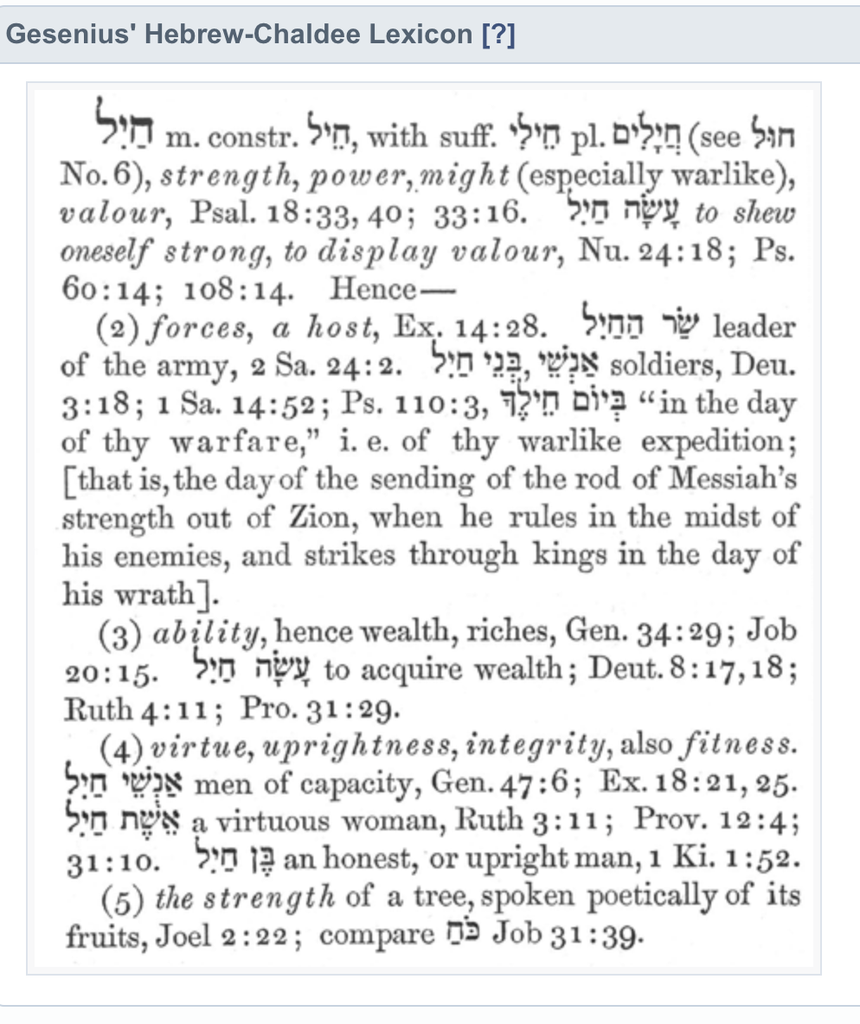
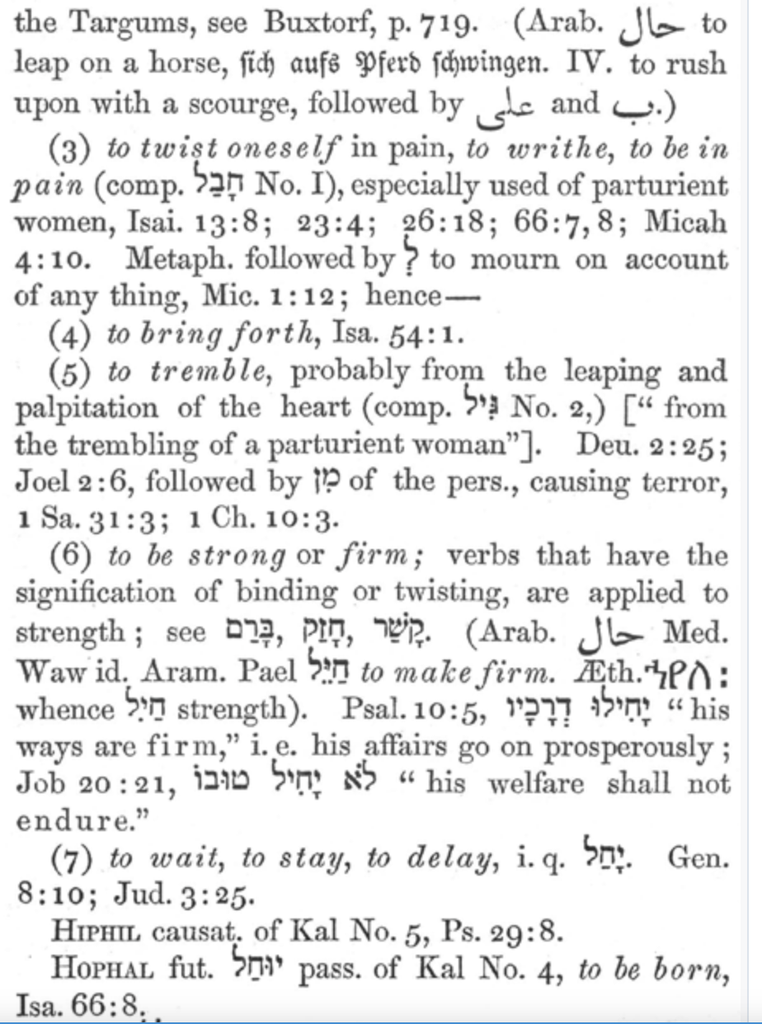
Not by power -חַ֙יִל֙ : not by strength, wealth, armies, violence. The verbal root √חול - has meanings of turning, twisting, causing to writhe or twist in pain.
Not by might - כֹ֔חַ - a close synonym to חַ֙יִל: strength, might, ability, power, violence.
Finally, but "by my spirit" בְּרוּחִ֔י: note that here, we not only have a noun, but there is a possessive suffix: my spirit - which I suggest draws our attention to something that is particular, specific, about this spirit; it is God's spirit.
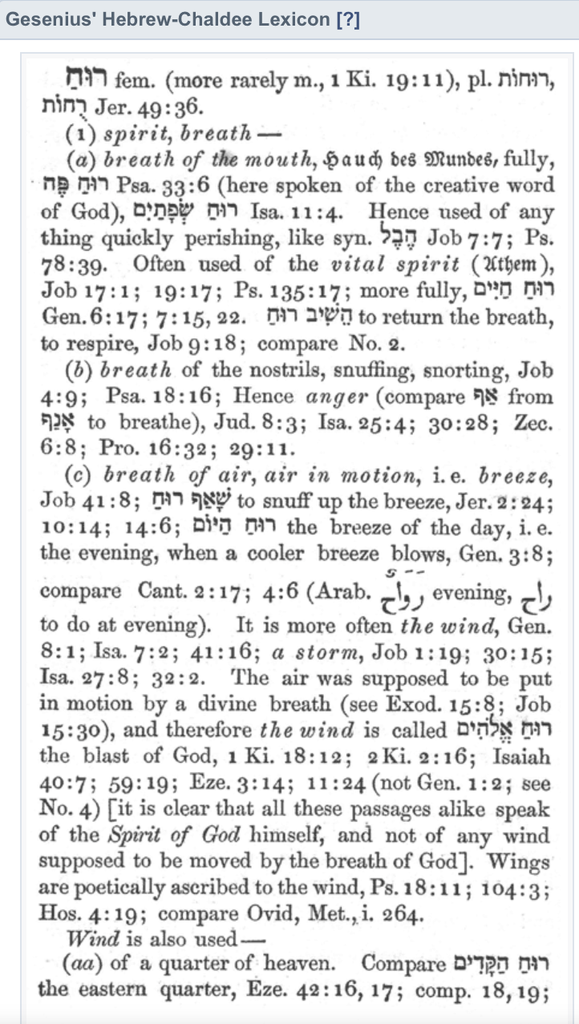
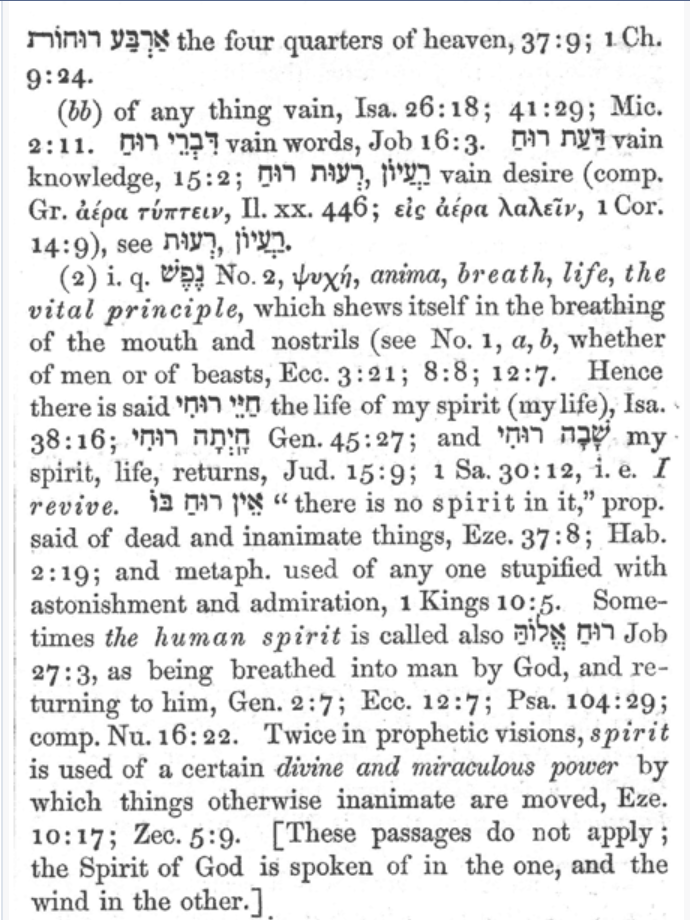
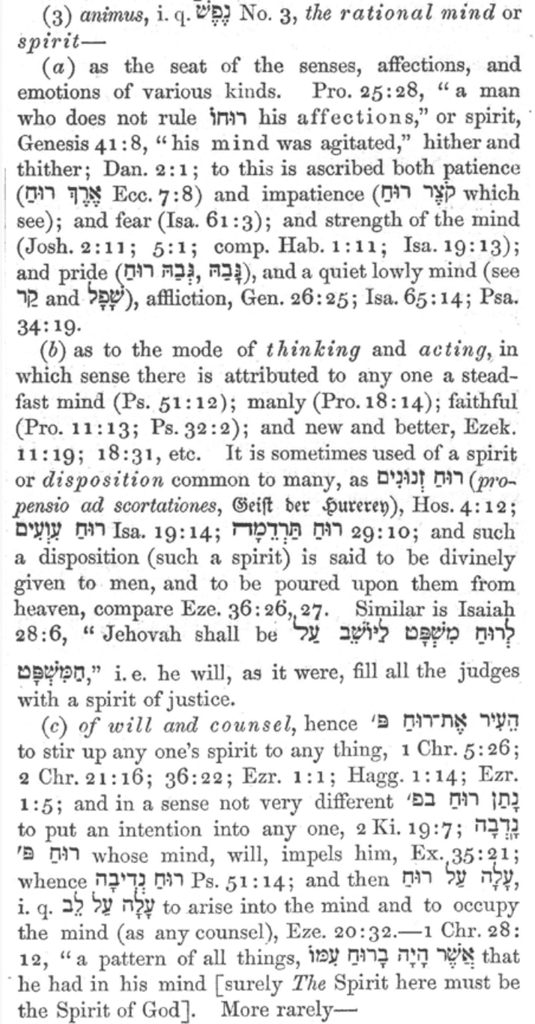
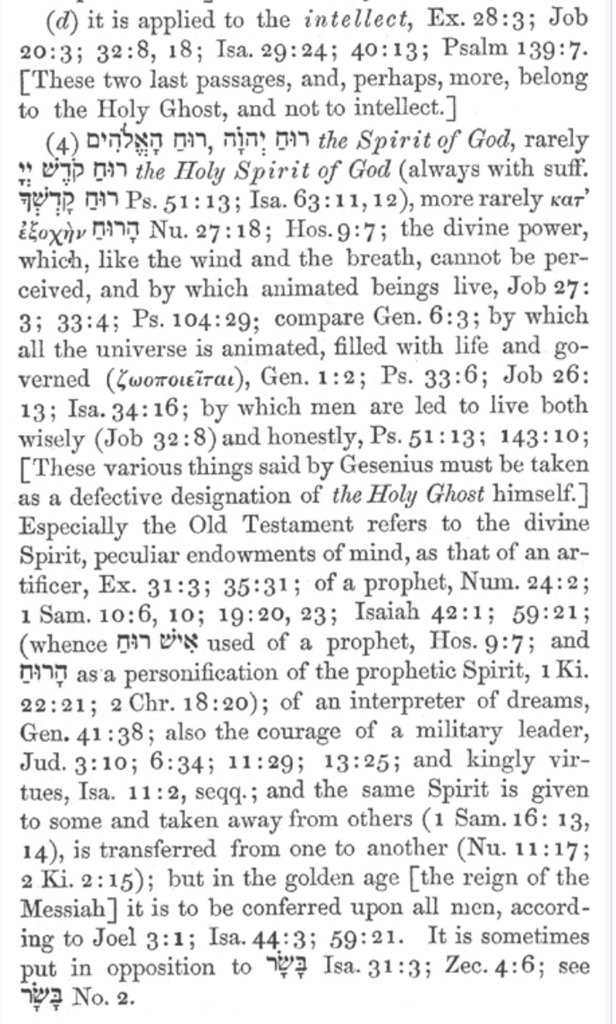
רוּחַ - wind, breath, mind, spirit; something animating; courage.
We see this noun - this phenomenon - in connection with God from the very start of the Torah until close to the very end of Tanakh. Most frequently, when we read "the spirit of God" in Tanakh, it is about creation, courage, prophecy:

(א) בְּרֵאשִׁ֖ית בָּרָ֣א אֱלֹקִ֑ים אֵ֥ת הַשָּׁמַ֖יִם וְאֵ֥ת הָאָֽרֶץ׃(ב) וְהָאָ֗רֶץ הָיְתָ֥ה תֹ֙הוּ֙ וָבֹ֔הוּ וְחֹ֖שֶׁךְ עַל־פְּנֵ֣י תְה֑וֹם וְר֣וּחַ אֱלֹקִים מְרַחֶ֖פֶת עַל־פְּנֵ֥י הַמָּֽיִם׃

(1) When God began to create heaven and earth—(2) the earth being unformed and void, with darkness over the surface of the deep and the spirit of God sweeping over the water—

(כ)וְר֣וּחַ אֱלֹקִים לָֽבְשָׁה֙ אֶת־זְכַרְיָה֙ בֶּן־יְהוֹיָדָ֣ע הַכֹּהֵ֔ן וַֽיַּעֲמֹ֖ד מֵעַ֣ל לָעָ֑ם וַיֹּ֨אמֶר לָהֶ֜ם כֹּ֣ה ׀ אָמַ֣ר הָאֱלֹקִ֗ים לָמָה֩ אַתֶּ֨ם עֹבְרִ֜ים אֶת־מִצְוֺ֤ת ה׳ וְלֹ֣א תַצְלִ֔יחוּ כִּֽי־עֲזַבְתֶּ֥ם אֶת־ה׳ וַיַּעֲזֹ֥ב אֶתְכֶֽם׃

(20) Then the spirit of God enveloped Zechariah son of Jehoiada the priest; he stood above the people and said to them, “Thus God said: Why do you transgress the commandments of the LORD when you cannot succeed? Since you have forsaken the LORD, He has forsaken you.”

The close study of the word ר֣וּחַ (ruach) in Tanakh would fill volumes; this word appears 378 times in Tanakh!
For now, I invite you to consider what "the spirit of God" - as compared to power / armies / violence / strength - could mean for you, at this moment.
And with this in mind: now, let's connect these ideas from one of the Miketz Haftarot to the other: what would it mean for you to experience these attributes of the spirit of God within you (as we read about Solomon):
... divine wisdom was within him, to carry out justice. חׇכְמַ֧ת אֱלֹקִ֛ים בְּקִרְבּ֖וֹ לַעֲשׂ֥וֹת מִשְׁפָּֽט
Let's linger on this word בְּקִרְבּ֖וֹ - within him, within me - to explore what this word could mean.
First, we have the segholate noun קֶרֶב (kerev) from the verbal root √קרב (karav)
Let's look at this noun, קֶרֶב (kerev):
midst, among, inner part, middle
  1. inward part
  2. as faculty of thought and emotion
  3. as seat of thought and emotion
  4. physical sense
  5. in the midst, among, from among (of a number of persons)
Now, to the verbal root √קרב:
to come near, approach, enter into, draw near
  1. (Hiphil) to bring near, bring, present
  2. (Piel) to cause to approach, bring near, cause to draw near
  3. (Niphal) to be brought near
  4. (Qal) to approach, draw near
We see that there is something here about presence, centeredness, interiority: what is בְּקִרְבּ֖יִ (b'kirbi) is what is deeply inside of me, in my innermost self (whether it be physical, mental, spiritual).
This is how Divine wisdom lived inside of King Solomon, we learn in one of our Haftarot.
A question for myself, and perhaps for you: how can I cultivate the spirit of God - ruach elohim - deep within myself, so that I can rededicate myself to my deepest values - justice, welcoming the stranger, the preservation of life?
Not by might, nor by power, but by My spirit (Zechariah 4:6) ... [shall] divine wisdom be within me, so that I may carry out justice (1 Kings 3:4).
May the sense of justice within each of us illuminate our world, as the lights of our Hanukkiot illuminate the darkness.
[For those interested in diving more deeply into the grammar and etymology of the words from Zechariah 4:6:]
power -חַ֙יִל֙ - from the verbal root √חול
  1. strength, might, efficiency, wealth, army
  2. force, army
  3. wealth
  4. ability, efficiency
  5. strength
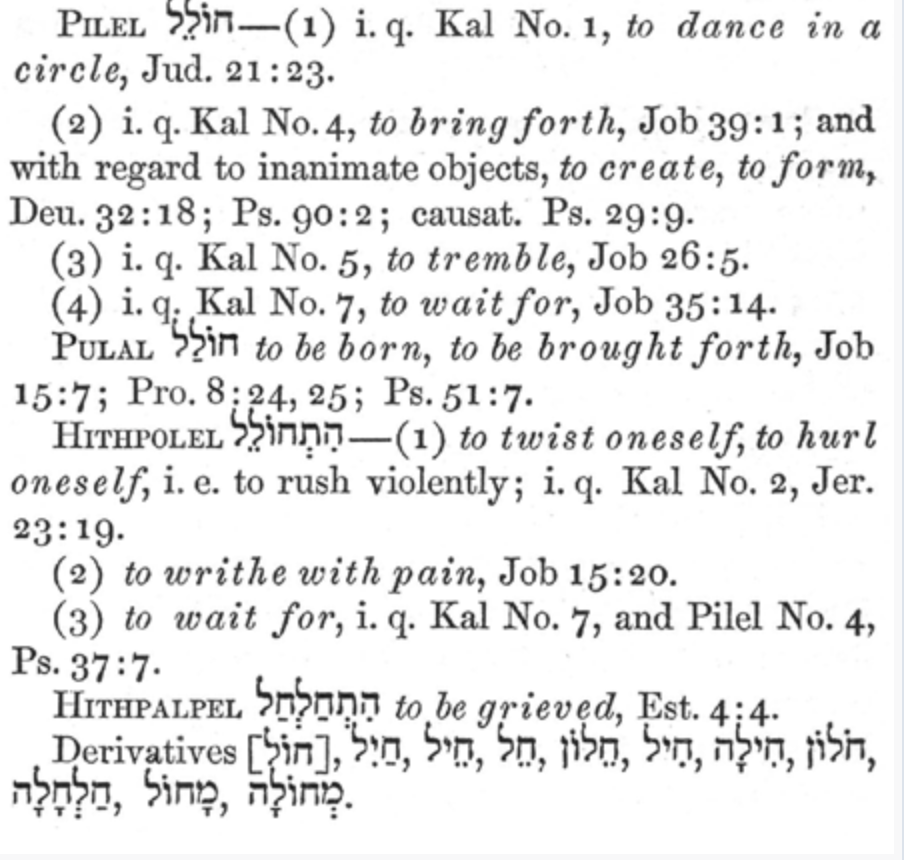
from the verbal root √חול
  1. to twist, whirl, dance, writhe, fear, tremble, travail, be in anguish, be pained
  2. (Hithpalpel) to be distressed
  3. to wait longingly
  4. writhing, suffering torture (participle)
  5. whirling (participle)
  6. (Hithpolel)
  7. (Hophal) to be born
  8. to be brought forth
  9. to be made to writhe, be made to bear
  10. (Pulal)
  11. to wait anxiously
  12. to writhe (in travail with), bear, bring forth
  13. to dance
  14. (Polel)
  15. to whirl, whirl about
  16. to twist, writhe
  17. to dance
  18. (Qal)
might - כֹ֔חַ "to be firm"
  1. strength, power, might
  2. strength, produce, wealth (of soil)
  3. strength (of animals)
  4. power (of God)
  5. strength (of angels)
  6. human strength
רוּחַ
wind, breath, mind, spirit
  1. breath
  2. wind
  3. vain, empty thing
  4. air, gas
  5. breath of air
  6. quarter (of wind), side
  7. of heaven
  8. spirit (as that which breathes quickly in animation or agitation)
  9. prophetic spirit
  10. disposition (of various kinds), unaccountable or uncontrollable impulse
  11. spirit, disposition (as troubled, bitter, discontented)
  12. impatience, patience
  13. temper, anger
  14. courage
  15. spirit, animation, vivacity, vigour
  16. spirit (of the living, breathing being in man and animals)
  17. as gift, preserved by God, God's spirit, departing at death, disembodied being
  18. spirit (as seat of emotion)
  19. sorrow, trouble
  20. desire
  21. spirit
  22. as seat especially of moral character
  23. rarely of the will
  24. as seat or organ of mental acts