


The Oregon Ducks were playing for their first national championship against the Georgia Bulldogs in Atlanta. Although the game was close for the first three quarters, the Ducks built a commanding lead in the fourth quarter and were pulling away with a victory. With five minutes left in the game, the disappointed Bulldogs fans began heading for the exits, hoping to beat Atlanta's infamous traffic they know all too well. The Ducks fans who traveled for the game, on the other hand, wanted to stay and soak it all in. Some ducks fans even moved down to seats closer to the field which had been vacated by Bulldogs fans who left early. However, some of the Bulldogs fans who stayed angrily yelled at the Ducks fans moving down, "Hey! You didn't pay for those seats!" The Ducks fans decide to call their Rabbi back in Oregon to ask whether they are allowed to take the seats. What should their Rabbi tell them?
The first source we will see comes from the Gemara in Bava Kamma. Below is an image of the page from the Talmud, as well as timeline marked for when the discussion occurred:

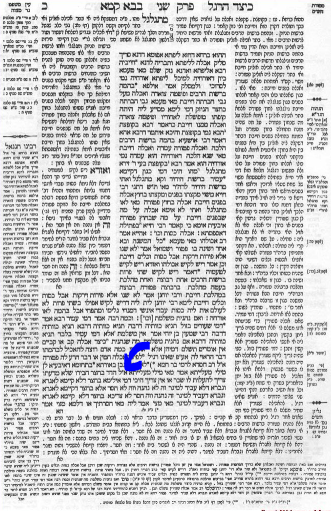
With regard to one who resides in another’s courtyard without his knowledge or permission, must he pay him rent for living there or does he not need to pay him rent?.. The Gemara explains the circumstances of the question: It is only necessary to raise the question in the case of a courtyard that does not stand to be rented out, but the man squatting there would have rented other living quarters had he not squatted in this property. What is the halakha in this case? Is the squatter legally able to say to the owner of the courtyard: What loss have I caused you, as you would not have rented it out anyway? Or perhaps the owner of the courtyard is legally able to say to the squatter: You have derived benefit from my property, as by living there you saved the money you otherwise would have had to pay in order to rent out a different courtyard, and therefore you must pay me for the benefit you derived.
After a page and a half of attempted proofs and refutations, the Gemara eventually concludes that the "squatter" would not be required to pay rent.
We will need to see a few seemingly unrelated sources before circling back to our topic. The first is a verse from the Torah discussing the laws of a firstborn's inheritance:

(יז) כִּי֩ אֶת־הַבְּכֹ֨ר בֶּן־הַשְּׂנוּאָ֜ה יַכִּ֗יר לָ֤תֶת לוֹ֙ פִּ֣י שְׁנַ֔יִם בְּכֹ֥ל אֲשֶׁר־יִמָּצֵ֖א ל֑וֹ כִּי־הוּא֙ רֵאשִׁ֣ית אֹנ֔וֹ ל֖וֹ מִשְׁפַּ֥ט הַבְּכֹרָֽה׃ {ס}
(17) ...He (the father) must allot to him (the firstborn) a double portion of all he possesses; since he is the first fruit of his vigor, the birthright is his due.
The Gemara comments on the above verse:
The phrase "double portion" teaches a halakha, requiring the brothers to give the firstborn both of his portions on one border, i.e., adjoining, and not in separate locations.
With this halacha in mind, that the firstborn is entitled to a double portion that shares one border, we will look at a related case in a different section of the Gemara (writing in middle of page on image below):


It is reported that a certain person bought land along the boundary of his father’s property. After some time the father died. When they came to divide the estate, this person said to his brothers: Give me my portion of the estate along my boundary. Rabba said: In a case such as this, we restrain him from acting like people of Sodom. The court forces a person to waive his legal rights in order to prevent him from acting in a manner characteristic of the wicked city of Sodom. Since it makes no difference to the brothers which portion they receive since the parcels of land must be of equal value, whereas it matters to this brother that the area he receives should be adjacent to the land he already bought, the court forces the others to give this brother his portion along his boundary.
Tosafos (on side of page in image above) is bothered by the above Gemara in light of the verse we saw in Dueteronomy:

כגון זה כופין על מדת סדום. תימה לר"י לרבה אמאי איצטריך קרא בבכור דיהבינן ליה אחד מצרא... הא דכופין על מדת סדום בזה נהנה וזה לא חסר היינו בשכבר דר בחצר חבירו שאינו מעלה לו שכר אבל הא פשיטא שיכול למחות בו שלא יכנס לדור בביתו אפי' בחצר דלא קיימא לאגרא וגברא דלא עביד למיגר דהוה זה נהנה וזה לא חסר... והשתא אין להקשות כלל אמאי איצטריך קרא בבכור:
The Ri is puzzled why, according to Rabba, the verse from Deuteronomy was necessary. (Wouldn't we know that the firstborn receives his two portions together from the concept of "restraining from acting like people of Sodom"?)
The Ritzba answers: When we "restrain from acting like people of Sodom"... that is only when someone has already lived in another's property that he is not obligated to pay. But it is obvious that someone may prevent another from coming to live in their house, even if their house is not normally rented and the would-be squatter would not normally pay... Now there is no difficulty why a verse was needed for a firstborn.
How did Tosfos resolve his question? What are the ramifications for the Ducks fans?
The next source is a Mordechai, a different medieval commentator on the Talmud. Does he agree or disagree with Tosafos? What does that mean for the Ducks fans?


Translation: There are those who explain that we only restrain (the owner from acting like Sodom, and preventing a squatter onto his property) in a case where even if the owner wanted to profit, he would not be able to. In that case we restrain him since he loses nothing. However, in a case where the owner could profit if he wanted to, even though now is choosing not to profit, we do not restrain him (from preventing a squatter).
After seeing the Talmud and medieval commentaries, we will move into later sources who organized the above discussions into legal code. The next source is the Rama's comments on the Shulchan Aruch (top arrow in image below). Does the Rama follow the opinion of Tosafos or the Mordechai?


(ו) הגה ודוקא שכבר דר בו אבל לא יוכל לכופו לכתחילה שיניחנו לדור בו אע"פ דכופין על מדת סדום במקום שזה נהנה וזה אינו חסר ה"מ בדבר דאי בעי ליהנות לא יוכל ליהנות אבל בכי האי גוונא דאי בעי בעל החצר ליהנות ולהרויח להשכיר חצירו היה יכול אלא שאינו רוצה אין כופין אותו לעשות בחנם (מרדכי ונ"י פרק הנ"ל)
Rama: The squatter is exempt from paying after he has already used it, but he is not permitted to use it in the first place, even though we restrain the owner from acting like Sodom where the owner does not lose anything, that is only where it would not be possible for him to profit if he wanted to. But in this case where he could rent out his property if he chose to, even if he chooses not to, we do not compel him allow someone else to use it for free.
The Vilna Gaon briefly points that the Rama is following the opinion of Tosafos out in his comments on the Rama (middle arrow in image above).
The final source is the Pischei Teshuva, a halachic decider who commented on the Shulchan Aruch and Rama (bottom arrow in image above).

(ג) דאי בעי ליהנות כו' משמע שדבר שאינו יכול להרויח בו יכול זה לכופו אף לכתחלה וע' מ"ש לעיל סי' קע ס"א בד"ה כולם בשם תשו' נו"ב תניינא סי' נד שכתב דפשוט שזה רק להרמב"ם בר"ס קע"ד אבל לדעת הרא"ש כו' ע"ש. גם בתשו' בית אפרים חח"מ סי' מט כתב וז"ל וצ"ע על הרמ"א בסי' שסג שכ' טעמא כיון דהוי מצי לארווחי אלא דלא בעי והוא מדברי המרדכי אבל מדברי הפוסקים לא משמע כן (אלא דאפילו היכא דלא שייך האי טעמא לא מצי לכופו לכתחלה) ע' בנ"י ב"ק בשם הרא"ה וכן מוכח להדיא מדברי התוס' ב"ב דף יב ע"ב בשם הריצב"א והר"ר ישעיה הובא בש"מ ב"ק דף כ' שתירצו דהא דאיצטריך קרא בבכור דפלגינן ליה אמצריו משום דבעלמא אין כופין על מדת סדום אם הוא מוחה ומונע ע"ש עכ"ל וע' ביאור הגר"א ז"ל:
The Rama implies that for something which cannot be profited from, an owner would be forced to allow someone to use their property... this comes from the words of the Mordechai, but it does not agree with other Poskim. Rather, even if the owner could not profit, we do not force him to prevent someone from using his property. This is explicit from the Ritzba quoted by Tosafos in Bava Batra 12b...