• מאת דניאל יעקב גלאטשטיין •
Rabbi Daniel Glatstein delivers a shiur on Parshas Noach, focusing on the concept of Perek Shira and its various interpretations. He begins by discussing why God destroyed the animal kingdom during the flood and the necessity of preserving different species. The rabbi then delves into the meaning and purpose of Perek Shira, a work that ascribes specific verses to different elements of creation.
He presents four main approaches to understanding Perek Shira:
- 1. The Ritva's approach: If creatures could talk, this is what they would say.
- 2. The Mabit and Aruch HaKodesh's approach: Animals actually do talk and say these verses.
- 3. The Arizal and Nefesh HaChaim's approach: The verses refer to the angels representing each creature.
- 4. The Sefer HaIkarim's approach: Humans should learn moral lessons from observing creation.
Rabbi Glatstein emphasizes the importance of singing on Shabbat and how it elevates creation. He concludes by explaining how humans can transform physical entities into spiritual ones by recognizing the lessons and greatness of the Creator in every aspect of creation.
Introduction and sponsorship acknowledgments
Rabbi Daniel Glatstein begins the shiur by welcoming everyone and acknowledging the sponsors of the event. He mentions Dr. Zakheim's dedication of the shiur and announces the availability of new sefarim.
00:02:40 The destruction of the animal kingdom in the flood
Rabbi Glatstein discusses why God destroyed the animal kingdom during the flood and questions the necessity of preserving different species. He ponders the role and function of the vast diversity in creation.
00:04:31 Introduction to Perek Shira
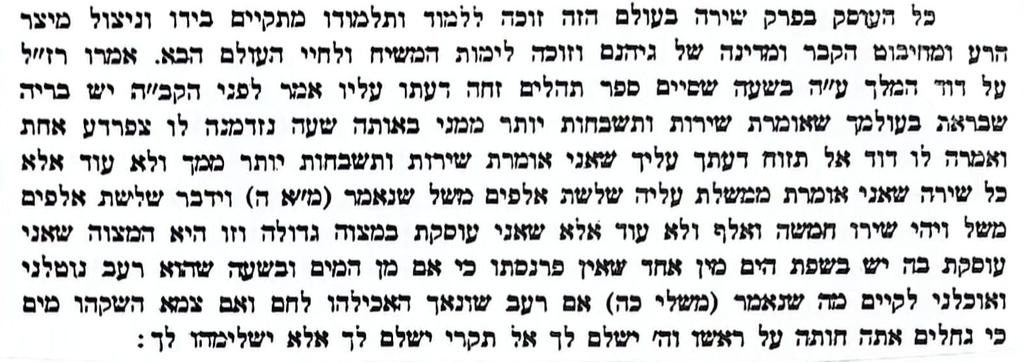
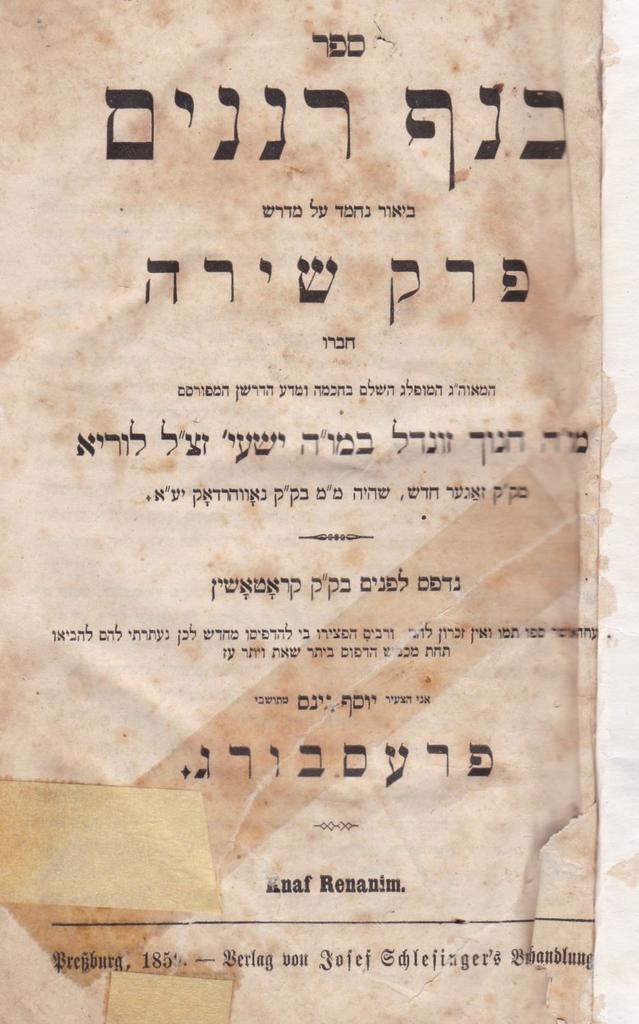
The rabbi introduces Perek Shira, a work that lists various aspects of creation and ascribes specific verses to each element. He questions the literal interpretation of animals and objects reciting verses.
00:09:58 The Ritva's approach to Perek Shira
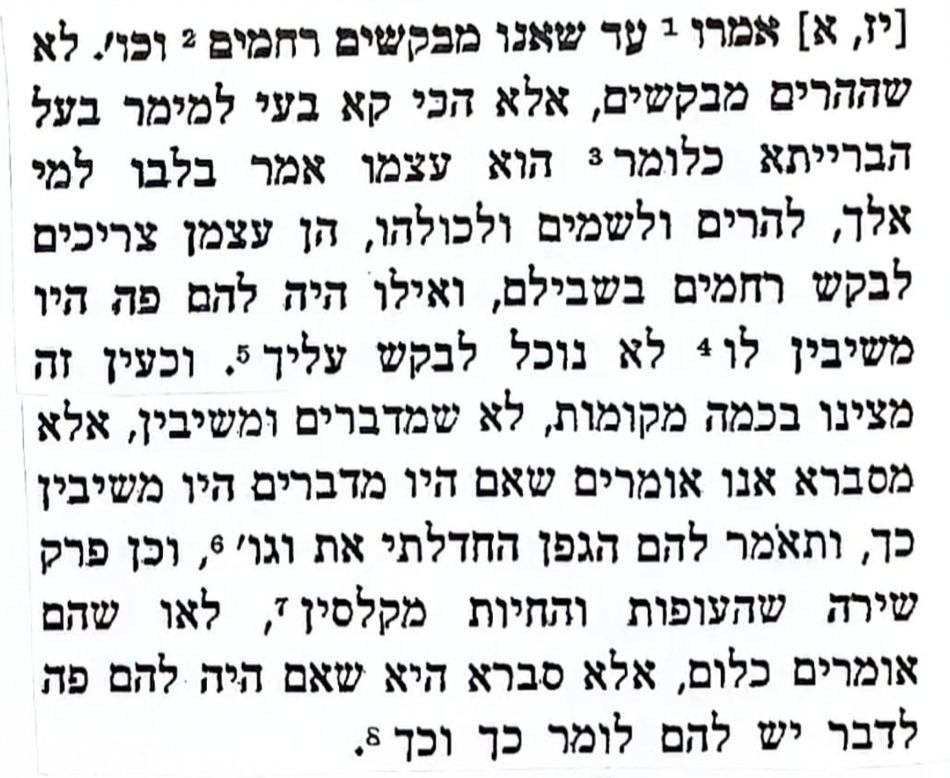
Rabbi Glatstein presents the Ritva's interpretation that Perek Shira is not literal. Instead, it represents what creatures would say if they could talk.
00:13:36 The Mabit and Aruch HaKodesh's approach
The rabbi discusses the view that animals can actually talk and recite verses, citing examples from Tanakh where animals spoke or sang.
00:21:44 The Arizal and Nefesh HaChaim's approach
Rabbi Glatstein explains the kabbalistic interpretation that Perek Shira refers to the angels representing each creature, and how human recitation activates these angels.
00:34:24 The Sefer HaIkarim's approach
The rabbi presents the view that Perek Shira is meant to teach humans moral lessons by observing creation. He emphasizes the importance of learning good qualities from animals and nature.
00:49:26 The importance of singing on Shabbat
Rabbi Glatstein discusses the special importance of singing on Shabbat and how it elevates creation. He explains that human song on Shabbat compensates for the angels' inability to sing on this day.
00:51:07 Conclusion: Elevating creation through recognition
The rabbi concludes by explaining how humans can transform physical entities into spiritual ones by recognizing the lessons and greatness of the Creator in every aspect of creation.
Action Items:
- 00:01:26 Rabbi Daniel Glatstein mentioned the need to sign up for the upcoming trip to South Africa, joining the Shabbos Project from November 12th through the 19th.
- 00:01:45 Rabbi Daniel Glatstein encouraged participation in the daily Mishneh Berurah and Daf Hashevua learning sessions, Monday through Friday at 9 a.m.
- 00:02:21 Rabbi Daniel Glatstein invited people to get involved in upcoming sefarim projects, including Ben LaAshrei, Derech Hashem in English, and Sippurei Chassidim.
- 00:50:06 Rabbi Daniel Glatstein emphasized the importance of singing on Shabbat, encouraging people to sing zemirot at the Shabbat table and in shul.
- 00:51:29 Rabbi Daniel Glatstein urged listeners to look for lessons and the greatness of the Creator in every aspect of creation, transforming physical entities into spiritual ones.


(1) ויחמנה, the word has a similar construction as Samuel I 6,12 וישרנה הפרות, “the cows went straight ahead,” where a feminine mode and a masculine mode is combined. [the letter י at the beginning of the word signaling a masculine mode, and the letters נה at the end signaling a feminine mode. Ed.] Similar unusual constructions are found in Daniel 8,22 ארבע מלכיות מגוי יעמדנה, or Ezekiel 37,7 ותקרבו העצמות עצם אל עצמו. In all of these examples the verb is in a partially masculine and partially feminine mode.


(ו) בַּר סִירָא אָמַר, אֱלוֹהַּ הֶעֱלָה סַמִּים מִן הָאָרֶץ, בָּהֶם הָרוֹפֵא מְרַפֵּא אֶת הַמַּכָּה, וּבָהֶם הָרוֹקֵחַ מְרַקֵּחַ אֶת הַמִּרְקַחַת. אָמַר רַבִּי סִימוֹן אֵין לְךָ כָּל עֵשֶׂב וְעֵשֶׂב, שֶׁאֵין לוֹ מַזָּל בָּרָקִיעַ שֶׁמַּכֶּה אוֹתוֹ, וְאוֹמֵר לוֹ גְּדַל, הֲדָא הוּא דִּכְתִיב (איוב לח, לג): הֲיָדַעְתָּ חֻקּוֹת שָׁמָיִם אִם תָּשִׂים מִשְׁטָרוֹ בָאָרֶץ וגו', לָשׁוֹן שׁוֹטֵר (איוב לח, לא): הַתְקַשֵּׁר מַעֲדַנּוֹת כִּימָה אוֹ משְׁכוֹת כְּסִיל תְּפַתֵּחַ, רַבִּי חֲנִינָא בַּר פָּפָּא וְרַבִּי סִימוֹן אָמַר, כִּימָה מְעַדֶּנֶת אֶת הַפֵּרוֹת, וּכְסִיל מוֹשֵׁךְ בֵּין קֶשֶׁר לְקֶשֶׁר. הֲדָא הוּא דִכְתִיב (איוב לח, לב): הֲתֹצִיא מַזָּרוֹת בְּעִתּוֹ וְעַיִּשׁ עַל בָּנֶיהָ תַנְחֵם, רַבִּי תַּנְחוּם בַּר חִיָּא וְרַבִּי סִימוֹן אָמְרוּ, מַזָּל הוּא שֶׁהוּא מְמַזֵּר אֶת הַפֵּרוֹת.
(6) Bar Sira said: God produced drugs from the earth with which the physician heals the wound, and with which the pharmacist mixes his compounds.12The Wisdom of Ben Sira 38:4. Rabbi Simon said: There is not a single blade of grass that does not have a constellation in the firmament13A heavenly force or an angel that is in charge of it. that strikes it and says to it: ‘Grow.’ That is what is written: “Do you know the rules of the heavens? Will you establish its dominion [mishtaro] on earth?” (Job 38:33). It is an expression of being in charge [shoter]. “Will you tie the chains of the Pleiades, or untie the reins of Orion?” (Job 38:31) – Rabbi Ḥanina bar Pappa and Rabbi Simon said: Pleiades renders fruits delicate and Orion draws it out from knot to knot.14It causes the fruits to grow to full size. That is what is written: “Will you bring out the Mazarot in its season and guide Ursa with its sons?” (Job 38:32). Rabbi Tanḥuma said: It [Mazarot] is a constellation that softens [memazer] the produce.




(ד) טוב מעט תחנונים בכוונה מהרבות בלא כוונה:
(4) Better few supplications with concentration than much without concentration.