


(א) וַיְהִ֥י כׇל־הָאָ֖רֶץ שָׂפָ֣ה אֶחָ֑ת וּדְבָרִ֖ים אֲחָדִֽים׃(ב) וַיְהִ֖י בְּנׇסְעָ֣ם מִקֶּ֑דֶם וַֽיִּמְצְא֥וּ בִקְעָ֛ה בְּאֶ֥רֶץ שִׁנְעָ֖ר וַיֵּ֥שְׁבוּ שָֽׁם׃(ג) וַיֹּאמְר֞וּ אִ֣ישׁ אֶל־רֵעֵ֗הוּ הָ֚בָה נִלְבְּנָ֣ה לְבֵנִ֔ים וְנִשְׂרְפָ֖ה לִשְׂרֵפָ֑ה וַתְּהִ֨י לָהֶ֤ם הַלְּבֵנָה֙ לְאָ֔בֶן וְהַ֣חֵמָ֔ר הָיָ֥ה לָהֶ֖ם לַחֹֽמֶר׃(ד) וַיֹּאמְר֞וּ הָ֣בָה ׀ נִבְנֶה־לָּ֣נוּ עִ֗יר וּמִגְדָּל֙ וְרֹאשׁ֣וֹ בַשָּׁמַ֔יִם וְנַֽעֲשֶׂה־לָּ֖נוּ שֵׁ֑ם פֶּן־נָפ֖וּץ עַל־פְּנֵ֥י כׇל־הָאָֽרֶץ׃(ה) וַיֵּ֣רֶד ה׳ לִרְאֹ֥ת אֶת־הָעִ֖יר וְאֶת־הַמִּגְדָּ֑ל אֲשֶׁ֥ר בָּנ֖וּ בְּנֵ֥י הָאָדָֽם׃(ו) וַיֹּ֣אמֶר ה׳ הֵ֣ן עַ֤ם אֶחָד֙ וְשָׂפָ֤ה אַחַת֙ לְכֻלָּ֔ם וְזֶ֖ה הַחִלָּ֣ם לַעֲשׂ֑וֹת וְעַתָּה֙ לֹֽא־יִבָּצֵ֣ר מֵהֶ֔ם כֹּ֛ל אֲשֶׁ֥ר יָזְמ֖וּ לַֽעֲשֽׂוֹת׃(ז) הָ֚בָה נֵֽרְדָ֔ה וְנָבְלָ֥ה שָׁ֖ם שְׂפָתָ֑ם אֲשֶׁר֙ לֹ֣א יִשְׁמְע֔וּ אִ֖ישׁ שְׂפַ֥ת רֵעֵֽהוּ׃(ח) וַיָּ֨פֶץ ה׳ אֹתָ֛ם מִשָּׁ֖ם עַל־פְּנֵ֣י כׇל־הָאָ֑רֶץ וַֽיַּחְדְּל֖וּ לִבְנֹ֥ת הָעִֽיר׃(ט) עַל־כֵּ֞ן קָרָ֤א שְׁמָהּ֙ בָּבֶ֔ל כִּי־שָׁ֛ם בָּלַ֥ל ה׳ שְׂפַ֣ת כׇּל־הָאָ֑רֶץ וּמִשָּׁם֙ הֱפִיצָ֣ם ה׳ עַל־פְּנֵ֖י כׇּל־הָאָֽרֶץ׃ {פ}
(1) Everyone on earth had the same language and the same words.(2) And as they migrated from the east, they came upon a valley in the land of Shinar and settled there.(3) They said to one another, “Come, let us make bricks and burn them hard.”—Brick served them as stone, and bitumen served them as mortar.—(4) And they said, “Come, let us build us a city, and a tower with its top in the sky, to make a name for ourselves; else we shall be scattered all over the world.”(5) ה׳ came down to look at the city and tower that humanity had built,(6) and ה׳ said, “If, as one people with one language for all, this is how they have begun to act, then nothing that they may propose to do will be out of their reach.(7) Let us, then, go down and confound their speech there, so that they shall not understand one another’s speech.”(8) Thus ה׳ scattered them from there over the face of the whole earth; and they stopped building the city.(9) That is why it was called Babel, [= “Babylon”] because there ה׳ confounded [c Heb. balal “confound,” play on “Babel.”] the speech of the whole earth; and from there ה׳ scattered them over the face of the whole earth.
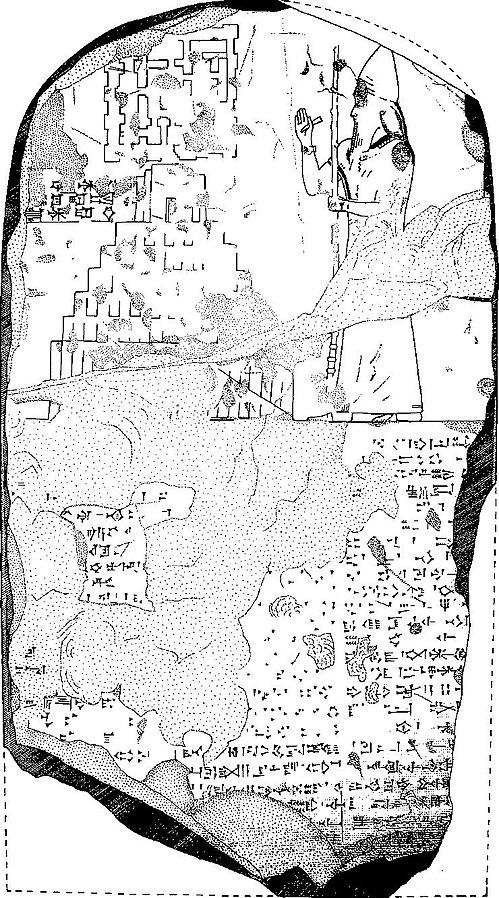
Nabopolassar (reigned in Babylon 626-6-5 BCE)
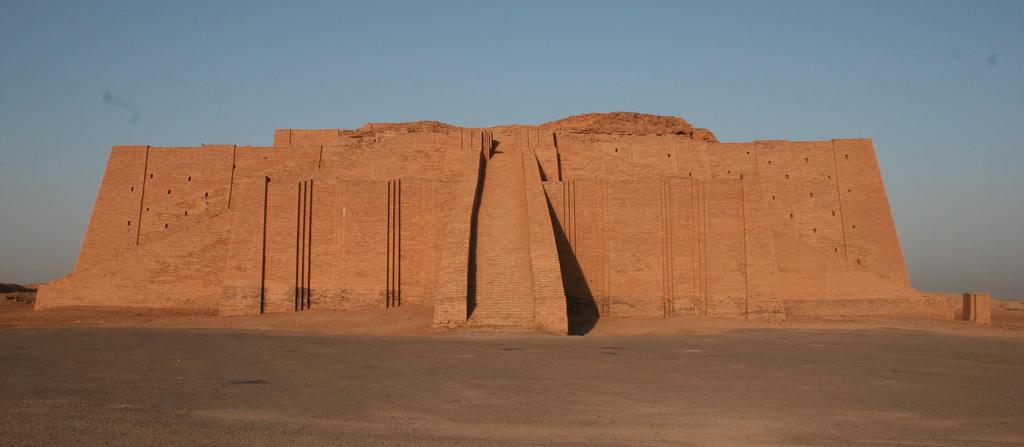
At that time my lord Marduk told me in regard to E-temen-anki, the ziqqurrat of Babylon, which before my day was (already) very weak and badly buckled, to ground its bottom on the breast of the netherworld, to make its top vie with the heavens.
(https://en.wikipedia.org/wiki/Etemenanki#cite_note-arg-3, quoting George, Andrew(2007) "The Tower of Babel: Archaeology, history and cuneiform texts" Archiv für Orientforschung, 51 (2005/2006). pp. 75–95. )
The rebuilding project was completed by Nabopolissar's son, Nebuchadnezzar II, who said that, in order to complete it, he "mobilized all countries everywhere, each and every ruler who had been raised to prominence over all the people of the world." (https://www.schoyencollection.com/history-collection-introduction/babylonian-history-collection/tower-babel-stele-ms-2063)
from: "Babylonian Idolatry in the Prophets As a False Socio-Economic System" by John D. Watts, in Israel's Apostasy and Restoration: Essays in Honor of Roland K. Harrison, edited by Avraham Gileadi (Baker Book House, 1988)
As no other city in the pre-Roman world, Babylon was looked upon as the city of destiny. Perhaps this came from her reputation for antiquity and mystique. Her history is remarkable. Babylon is mentioned in tablets dated to 2,500 B.C. She was recognized as a provincial capital in the Third Dynasty of Ur. By the following period she had apparently become the capital of a small independent kingdom. This kingdom grew, under Hammurabi, to control most of southern Mesopotamia. The rulers changed many times during the following millennium, but the religious mystique, symbolized by her gods and temples, represented power and rule. Babylon was known as the old, original empire.
Bel (also known as Marduk) and Nebo were this city's symbols. They represented the political, social, military, and economic system that produced successful empires from the days of Hammurabi on. They were symbols of imperial privilege, power, and wealth gained by violent seizure. They were also symbols of arrogance, pride, and unbridled ambition. Thus, the Assyrians represented themselves as heirs to Babylon's place in the service of Marduk. Cyrus and succeeding Persians did the same. The cult of Bel/Marduk, in sixth-century Babylon, represented a claim to the right of empire. It represented a social system of oppression and exploitation, a theory of the exercise of raw power that was incompatible with the worship of YHWH on any level.
Hegemony is the political, economic, and military predominance of one state over other states, either regional or global.
...
In theories of imperialism, the hegemonic order dictates the internal politics and the societal character of the subordinate states that constitute the hegemonic sphere of influence, either by an internal, sponsored government or by an external, installed government.
...
In the early 20th century, the Italian Marxist philosopher Antonio Gramsci used the idea of hegemony to talk about politics within a given society. He developed the theory of cultural hegemony, an analysis of economic class (including social class) and how the ruling class uses consent as well as force to maintain its power. Hence, the philosophic and sociologic theory of cultural hegemony analysed the social norms that established the social structures to impose their Weltanschauung (world view)—justifying the social, political, and economic status quo—as natural, inevitable, and beneficial to every social class, rather than as artificial social constructs beneficial solely to the ruling class.
…
The story mocks the very idea. To reach God there is no need to ascend to heaven. Twice the narrative stresses that God easily descends from on high. Not construction but contrition is what unites the human and divine;our inner state rather than a vast sacred precinct is what bridges the chasm.
הוה ליה למידק כדרבי יצחק דאמר רבי יצחק סיגנון אחד עולה לכמה נביאים ואין שני נביאים מתנבאין בסיגנון אחדעובדיה אמר (עובדיה א, ג) זדון לבך השיאך ירמיה אמר (ירמיהו מט, טז) תפלצתך השיא אותך זדון לבך והני מדקאמרי כולהו כהדדי שמע מינה לא כלום קאמרי
Rabbi Yitzḥak says: one subject matter [sigenon] may appear to several prophets, but two prophets do not prophesy employing one style of expression [sigenon].Obadiah said: “The pride of your heart has beguiled you” (Obadiah 1:3), and Jeremiah said: “Your terribleness has deceived you, even the pride of your heart” (Jeremiah 49:16). And these [false prophets the Gemara had been speaking of], from the fact that they are all saying the same thing as one another, conclude from it that what they are saying amounts to nothing.