


(ב) וַיֹּאמַ֗ר יהוה מִסִּינַ֥י בָּא֙ וְזָרַ֤ח מִשֵּׂעִיר֙ לָ֔מוֹ הוֹפִ֙יעַ֙ מֵהַ֣ר פָּארָ֔ן וְאָתָ֖ה מֵרִבְבֹ֣ת קֹ֑דֶשׁ מִימִינ֕וֹ (אשדת) [אֵ֥שׁ דָּ֖ת] לָֽמוֹ׃
(2) He said: YHVH came from Sinai, and shone upon them from Seir; appeared from Mount Paran, and approached from Ribeboth-kodesh. Lightning flashing at them from Their right.
רִבִּי פִינְחָס בְשֵׁם רִבִּי שִׁמְעוֹן בֶּן לָקִישׁ. הַתּוֹרָה שֶׁנָּתַן לוֹ הַקָּדוֹשׁ בָּרוךְ הוּא לְמֹשֶׁה נְתָנָהּ לוֹ אֵשׁ לְבָנָה חָרוּתָה בְאֵשׁ שְׁחוֹרָה. הִיא אֵשׁ מוּבְלֶלֶת בְאֵשׁ חֲצוּבָה מֵאֵשׁ וּנְתוּנָה מֵאֵשׁ. הָדָא הוּא דִכְתִיב מִֽימִינ֕וֹ אֵ֥שְׁ דָּ֖ת לָֽמוֹ.
Rebbi Phineas in the name of Rebbi Simeon ben Laqish: The Torah which He gave to Moses was white fire engraved in black fire; it is of fire quarried from fire, born from fire, given into the right hand of the Holy One, praise to Him, at it is said, From His right hand, the fiery law to them. The Torah which the Holy One, Praise to Him, gave to Moses, was white fire engraved in black fire. It was fire mixed with fire; hewn from fire, given from fire: That is what is written Deut33:2.: From His right hand, the fiery law to them.
(ז)אש דת. שֶׁהָיְתָה כְתוּבָה מֵאָז לְפָנָיו בְּאֵשׁ שְׁחֹרָה עַל גַּב אֵשׁ לְבָנָה, נָתַן לָהֶם בַּלּוּחוֹת כְּתָב יַד יְמִינוֹ (עי' תנחומא בראשית א');
אשדת (lit., “fire, Law”, or “fire of Law”) — i.e. the Law which had been written before Him from olden times in black fire upon white fire (Midrash Tanchuma, Bereshit 1).
...הנה לכאורה יש להפליא מ"ש תורה חדשה מאתי תצא, הלא הוא אחד מי"ג עיקרים שזאת התורה לא תהא מחולפת ולא תהא תורה אחרת. אמנם הענין הוא כך, כי הנה ידוע שאותיות התורה הם בחינת אורות פנימית אשר בא בהתגלות בסדר השתלשלות העולמות וגבול הלבן המקיף להאותיות הם בחינת אורות מקיפים אשר אינם באים בהתגלות רק בהעלם בבחינת אורות מקיפים. ומזה מובן שגם הגבולים הלבינים הם גם כן בחינת אותיות, אך הם אותיות נעלמים למעלה מאותיות נגלים. ומזה הטעם נגיעה אסור בספר תורה, כי על ידי הנגיעה הוא מבטל ומסתיר בחינת לבנונית שהוא אותיות הנעלמים...
...At first, it is amazing what is written: "A [new] Torah will go out from me" (Isaiah 51:4): Isn't it one of the thirteen principles that this Torah will never be exchanged nor will there be another Torah?
The matter is like this: We know that the letters of the Torah are like inner lights which come into visibility through a sequence of descent through the worlds. The white borders which surround the letters are like circumscribing light which isn't visible but rather hidden, like a circumscribing light.
From this it is understandable that even the white borders are also like letters, but they are hidden letters, higher (deeper) than the revealed letters.
And this is the reason why it is forbidden for the letters of a Torah scroll to touch each other, because by touching one obliterates and hides the quality of the white matter which is the hidden letters.... (Translation: Reb Zalman Schachter-Shalomi)
Perception has to do with focus; for if we focus on the figure of the two faces, then the white cup is merely the ground, and vice versa. Only recently have we gotten into the idea of the figure-ground reversal, but that is still perception, a choice of focus. Ground over figure, feminine understanding over masculine will yield much new understanding, but it will still be a choice of focus. The goal in the end must tend toward apperception; the awareness of the choice of focus and the possibility of seeing both at the same time!
... The description of the “brick-work,” the white light surrounding the black letters, can be compared in sexual terms to “the woman surrounding the man,” nekeivah tesovev gever, (Jer. 31:22)48 which makes it abundantly clear that these white spaces are a feminine container.
White Light Consciousness is described in the Zohar with a panoply of images.The Zohar employs such imagery to evoke the experience of being filled with the divine bounty without condition or limit—an experience of infinite security and love... For example, the Idrot invite the reader to come and see a continuum of grand mythical images, which remain unexplained and which do not stand in any systematic order, and whose sole common denominator is precisely this experience.At first the Zohar draws an image of a skull being filled with crystal dew that trickles unceasingly from a white skull.Afterward, the Zohar describes gazing into a face that has one eye constantly open, from which flows a white light, which in turn bathes the eyes of the one gazing. Then the image of fish in the depths of the sea, whose eyebrow-less eyes are always open.And then yet another image of the unceasing flow of milk from the mother’s breast.
(כא) לֹֽא־תִטַּ֥ע לְךָ֛ אֲשֵׁרָ֖ה כׇּל־עֵ֑ץ אֵ֗צֶל מִזְבַּ֛ח יהוה אֱלֹהֶ֖יךָ אֲשֶׁ֥ר תַּעֲשֶׂה־לָּֽךְ׃
(21) You shall not set up a sacred post—any kind of pole beside the altar of your God יהוה that you may make—
(ז) וַיַּעֲשׂ֨וּ בְנֵֽי־יִשְׂרָאֵ֤ל אֶת־הָרַע֙ בְּעֵינֵ֣י יהוה וַֽיִּשְׁכְּח֖וּ אֶת־יהוה אֱלֹהֵיהֶ֑ם וַיַּעַבְד֥וּ אֶת־הַבְּעָלִ֖ים וְאֶת־הָאֲשֵׁרֽוֹת׃
(7) The Israelites did what was offensive to YHVH; they ignored the YHVH their God and worshiped the Baalim and the Asheroth.
(א) וַיֹּ֤אמֶר יהוה אֶל־אַבְרָ֔ם לֶךְ־לְךָ֛ מֵאַרְצְךָ֥ וּמִמּֽוֹלַדְתְּךָ֖ וּמִבֵּ֣ית אָבִ֑יךָ אֶל־הָאָ֖רֶץ אֲשֶׁ֥ר אַרְאֶֽךָּ׃
(1) YHVH said to Abram, “Go forth from your native land and from your father’s house to the land that I will show you.
(ג) וָאֵרָ֗א אֶל־אַבְרָהָ֛ם אֶל־יִצְחָ֥ק וְאֶֽל־יַעֲקֹ֖ב בְּאֵ֣ל שַׁדָּ֑י וּשְׁמִ֣י יהוה לֹ֥א נוֹדַ֖עְתִּי לָהֶֽם׃
(3) I appeared to Abraham, Isaac, and Jacob as El Shaddai, but I did not make Myself known to them by My name YHVH.
(כג) וַיִּקְשְׁר֥וּ עַבְדֵי־אָמ֖וֹן עָלָ֑יו וַיָּמִ֥יתוּ אֶת־הַמֶּ֖לֶךְ בְּבֵיתֽוֹ׃ (כד) וַיַּךְ֙ עַם־הָאָ֔רֶץ אֵ֥ת כׇּל־הַקֹּשְׁרִ֖ים עַל־הַמֶּ֣לֶךְ אָמ֑וֹן וַיַּמְלִ֧יכוּ עַם־הָאָ֛רֶץ אֶת־יֹאשִׁיָּ֥הוּ בְנ֖וֹ תַּחְתָּֽיו׃
(23) Amon’s servants conspired against him; and they killed the king in his palace. (24) But the people of the land put to death all who had conspired against King Amon, and the people of the land made his son Josiah king in his stead.
(ח) וַ֠יֹּ֠אמֶר חִלְקִיָּ֜הוּ הַכֹּהֵ֤ן הַגָּדוֹל֙ עַל־שָׁפָ֣ן הַסֹּפֵ֔ר סֵ֧פֶר הַתּוֹרָ֛ה מָצָ֖אתִי בְּבֵ֣ית יהוה וַיִּתֵּ֨ן חִלְקִיָּ֧ה אֶת־הַסֵּ֛פֶר אֶל־שָׁפָ֖ן וַיִּקְרָאֵֽהוּ׃ (ט) וַיָּבֹ֞א שָׁפָ֤ן הַסֹּפֵר֙ אֶל־הַמֶּ֔לֶךְ וַיָּ֥שֶׁב אֶת־הַמֶּ֖לֶךְ דָּבָ֑ר וַיֹּ֗אמֶר הִתִּ֤יכוּ עֲבָדֶ֙יךָ֙ אֶת־הַכֶּ֙סֶף֙ הַנִּמְצָ֣א בַבַּ֔יִת וַֽיִּתְּנֻ֗הוּ עַל־יַד֙ עֹשֵׂ֣י הַמְּלָאכָ֔ה הַמֻּפְקָדִ֖ים בֵּ֥ית יהוה׃ (י) וַיַּגֵּ֞ד שָׁפָ֤ן הַסֹּפֵר֙ לַמֶּ֣לֶךְ לֵאמֹ֔ר סֵ֚פֶר נָ֣תַן לִ֔י חִלְקִיָּ֖ה הַכֹּהֵ֑ן וַיִּקְרָאֵ֥הוּ שָׁפָ֖ן לִפְנֵ֥י הַמֶּֽלֶךְ׃ (יא) וַֽיְהִי֙ כִּשְׁמֹ֣עַ הַמֶּ֔לֶךְ אֶת־דִּבְרֵ֖י סֵ֣פֶר הַתּוֹרָ֑ה וַיִּקְרַ֖ע אֶת־בְּגָדָֽיו׃
(8) Then the high priest Hilkiah said to the scribe Shaphan, “I have found a scroll of the Teaching in the House of YHVH.” And Hilkiah gave the scroll to Shaphan, who read it. (9) The scribe Shaphan then went to the king and reported to the king: “Your servants have melted down the silver that was deposited in the House, and they have delivered it to the overseers of the work who are in charge at the House of YHVH.” (10) The scribe Shaphan also told the king, “The high priest Hilkiah has given me a scroll”; and Shaphan read it to the king. (11) When the king heard the words of the scroll of the Teaching, he tore his clothes.
(יג) לְכוּ֩ דִרְשׁ֨וּ אֶת־יהוה בַּעֲדִ֣י וּבְעַד־הָעָ֗ם וּבְעַד֙ כׇּל־יְהוּדָ֔ה עַל־דִּבְרֵ֛י הַסֵּ֥פֶר הַנִּמְצָ֖א הַזֶּ֑ה כִּֽי־גְדוֹלָ֞ה חֲמַ֣ת יהוה אֲשֶׁר־הִיא֙ נִצְּתָ֣ה בָ֔נוּ עַל֩ אֲשֶׁ֨ר לֹֽא־שָׁמְע֜וּ אֲבֹתֵ֗ינוּ עַל־דִּבְרֵי֙ הַסֵּ֣פֶר הַזֶּ֔ה לַעֲשׂ֖וֹת כְּכׇל־הַכָּת֥וּב עָלֵֽינוּ׃
(13) “Go, inquire of YHVH on my behalf, and on behalf of the people, and on behalf of all Judah, concerning the words of this scroll that has been found. For great indeed must be the YHVH's wrath that has been kindled against us, because our ancestors did not obey the words of this scroll to do all that has been prescribed for us.”
(טו) וַתֹּ֣אמֶר אֲלֵיהֶ֔ם כֹּה־אָמַ֥ר יהוה אֱלֹהֵ֣י יִשְׂרָאֵ֑ל אִמְר֣וּ לָאִ֔ישׁ אֲשֶׁר־שָׁלַ֥ח אֶתְכֶ֖ם אֵלָֽי׃ (טז) כֹּ֚ה אָמַ֣ר יהוה הִנְנִ֨י מֵבִ֥יא רָעָ֛ה אֶל־הַמָּק֥וֹם הַזֶּ֖ה וְעַל־יֹֽשְׁבָ֑יו אֵ֚ת כׇּל־דִּבְרֵ֣י הַסֵּ֔פֶר אֲשֶׁ֥ר קָרָ֖א מֶ֥לֶךְ יְהוּדָֽה׃ (יז) תַּ֣חַת ׀ אֲשֶׁ֣ר עֲזָב֗וּנִי וַֽיְקַטְּרוּ֙ לֵאלֹהִ֣ים אֲחֵרִ֔ים לְמַ֙עַן֙ הַכְעִיסֵ֔נִי בְּכֹ֖ל מַעֲשֵׂ֣ה יְדֵיהֶ֑ם וְנִצְּתָ֧ה חֲמָתִ֛י בַּמָּק֥וֹם הַזֶּ֖ה וְלֹ֥א תִכְבֶּֽה׃ (יח) וְאֶל־מֶ֣לֶךְ יְהוּדָ֗ה הַשֹּׁלֵ֤חַ אֶתְכֶם֙ לִדְרֹ֣שׁ אֶת־יהוה כֹּ֥ה תֹאמְר֖וּ אֵלָ֑יו כֹּֽה־אָמַ֤ר יהוה אֱלֹהֵ֣י יִשְׂרָאֵ֔ל הַדְּבָרִ֖ים אֲשֶׁ֥ר שָׁמָֽעְתָּ׃ (יט) יַ֠עַן רַךְ־לְבָ֨בְךָ֜ וַתִּכָּנַ֣ע ׀ מִפְּנֵ֣י יהוה בְּֽשׇׁמְעֲךָ֡ אֲשֶׁ֣ר דִּבַּ֩רְתִּי֩ עַל־הַמָּק֨וֹם הַזֶּ֜ה וְעַל־יֹשְׁבָ֗יו לִֽהְי֤וֹת לְשַׁמָּה֙ וְלִקְלָלָ֔ה וַתִּקְרַע֙ אֶת־בְּגָדֶ֔יךָ וַתִּבְכֶּ֖ה לְפָנָ֑י וְגַ֧ם אָנֹכִ֛י שָׁמַ֖עְתִּי נְאֻם־יהוה׃ (כ) לָכֵן֩ הִנְנִ֨י אֹסִפְךָ֜ עַל־אֲבֹתֶ֗יךָ וְנֶאֱסַפְתָּ֣ אֶל־קִבְרֹתֶ֘יךָ֮ בְּשָׁלוֹם֒ וְלֹא־תִרְאֶ֣ינָה עֵינֶ֔יךָ בְּכֹל֙ הָרָעָ֔ה אֲשֶׁר־אֲנִ֥י מֵבִ֖יא עַל־הַמָּק֣וֹם הַזֶּ֑ה וַיָּשִׁ֥בוּ אֶת־הַמֶּ֖לֶךְ דָּבָֽר׃
(15) She responded: “Thus said the YHVH, the God of Israel: Say to the one who sent you to me: (16) Thus said the YHVH: I am going to bring disaster upon this place and its inhabitants, in accordance with all the words of the scroll that the king of Judah has read. (17) Because they have forsaken Me and have made offerings to other gods and provoked My anger with all their deeds, My wrath is kindled against this place and it shall not be quenched. (18) But say this to the king of Judah, who sent you to inquire of the YHVH: Thus said the YHVH, the God of Israel: As for the words that you have heard— (19) because your heart was softened and you humbled yourself before YHVH when you heard what I decreed against this place and its inhabitants—that it will become a desolation and a curse—and because you rent your clothes and wept before Me, I for My part have listened—declares YHVH. (20) Assuredly, I will gather you to your ancestors and you will be laid in your tomb in peace. Your eyes shall not see all the disaster that I will bring upon this place.” So they brought back the reply to the king.
(ד) וַיְצַ֣ו הַמֶּ֡לֶךְ אֶת־חִלְקִיָּ֩הוּ֩ הַכֹּהֵ֨ן הַגָּד֜וֹל וְאֶת־כֹּהֲנֵ֣י הַמִּשְׁנֶה֮ וְאֶת־שֹׁמְרֵ֣י הַסַּף֒ לְהוֹצִיא֙ מֵהֵיכַ֣ל יהוה אֵ֣ת כׇּל־הַכֵּלִ֗ים הָֽעֲשׂוּיִם֙ לַבַּ֣עַל וְלָאֲשֵׁרָ֔ה וּלְכֹ֖ל צְבָ֣א הַשָּׁמָ֑יִם וַֽיִּשְׂרְפֵ֞ם מִח֤וּץ לִירוּשָׁלַ֙͏ִם֙ בְּשַׁדְמ֣וֹת קִדְר֔וֹן וְנָשָׂ֥א אֶת־עֲפָרָ֖ם בֵּֽית־אֵֽל׃ (ה) וְהִשְׁבִּ֣ית אֶת־הַכְּמָרִ֗ים אֲשֶׁ֤ר נָֽתְנוּ֙ מַלְכֵ֣י יְהוּדָ֔ה וַיְקַטֵּ֤ר בַּבָּמוֹת֙ בְּעָרֵ֣י יְהוּדָ֔ה וּמְסִבֵּ֖י יְרֽוּשָׁלָ֑͏ִם וְאֶת־הַֽמְקַטְּרִ֣ים לַבַּ֗עַל לַשֶּׁ֤מֶשׁ וְלַיָּרֵ֙חַ֙ וְלַמַּזָּל֔וֹת וּלְכֹ֖ל צְבָ֥א הַשָּׁמָֽיִם׃ (ו) וַיֹּצֵ֣א אֶת־הָאֲשֵׁרָה֩ מִבֵּ֨ית יהוה מִח֤וּץ לִירֽוּשָׁלַ֙͏ִם֙ אֶל־נַ֣חַל קִדְר֔וֹן וַיִּשְׂרֹ֥ף אֹתָ֛הּ בְּנַ֥חַל קִדְר֖וֹן וַיָּ֣דֶק לְעָפָ֑ר וַיַּשְׁלֵךְ֙ אֶת־עֲפָרָ֔הּ עַל־קֶ֖בֶר בְּנֵ֥י הָעָֽם׃ (ז) וַיִּתֹּץ֙ אֶת־בָּתֵּ֣י הַקְּדֵשִׁ֔ים אֲשֶׁ֖ר בְּבֵ֣ית יהוה אֲשֶׁ֣ר הַנָּשִׁ֗ים אֹרְג֥וֹת שָׁ֛ם בָּתִּ֖ים לָאֲשֵׁרָֽה׃
(4) Then the king ordered the high priest Hilkiah, the priests of the second rank, and the guards of the threshold to bring out of the Temple of YHVH all the objects made for Baal and Asherah and all the host of heaven. He burned them outside Jerusalem in the fields of Kidron, and he removed the ashes to Bethel. (5) He suppressed the idolatrous priests whom the kings of Judah had appointed to make offerings at the shrines in the towns of Judah and in the suburbs of Jerusalem, and those who made offerings to Baal, to the sun and moon and constellations—all the host of heaven. (6) He brought out the Asherah from the House of YHVH to the Kidron Valley outside Jerusalem, and burned it in the Kidron Valley; he beat it to dust and scattered its dust over the burial ground of the common people. (7) He tore down the cubicles of the sacred sex workersin the House of YHVH, at the place where the women wove coverings for Asherah.
(יד) וְשִׁבַּר֙ אֶת־הַמַּצֵּב֔וֹת וַיִּכְרֹ֖ת אֶת־הָאֲשֵׁרִ֑ים וַיְמַלֵּ֥א אֶת־מְקוֹמָ֖ם עַצְמ֥וֹת אָדָֽם׃
(14) He shattered their pillars and cut down their Asherim and covered their sites with human bones.
(כ) וַ֠יִּזְבַּ֠ח אֶת־כׇּל־כֹּהֲנֵ֨י הַבָּמ֤וֹת אֲשֶׁר־שָׁם֙ עַל־הַֽמִּזְבְּח֔וֹת וַיִּשְׂרֹ֛ף אֶת־עַצְמ֥וֹת אָדָ֖ם עֲלֵיהֶ֑ם וַיָּ֖שׇׁב יְרוּשָׁלָֽ͏ִם׃
(20) He slaughtered on the altars all the priests of the shrines who were there, and he burned human bones on them. Then he returned to Jerusalem.
(כד) וְגַ֣ם אֶת־הָאֹב֣וֹת וְאֶת־הַ֠יִּדְּעֹנִ֠ים וְאֶת־הַתְּרָפִ֨ים וְאֶת־הַגִּלֻּלִ֜ים וְאֵ֣ת כׇּל־הַשִּׁקֻּצִ֗ים אֲשֶׁ֤ר נִרְאוּ֙ בְּאֶ֤רֶץ יְהוּדָה֙ וּבִיר֣וּשָׁלַ֔͏ִם בִּעֵ֖ר יֹֽאשִׁיָּ֑הוּ לְ֠מַ֠עַן הָקִ֞ים אֶת־דִּבְרֵ֤י הַתּוֹרָה֙ הַכְּתֻבִ֣ים עַל־הַסֵּ֔פֶר אֲשֶׁ֥ר מָצָ֛א חִלְקִיָּ֥הוּ הַכֹּהֵ֖ן בֵּ֥ית יהוה׃
(24) Josiah also did away with the ghosts and the mediums, the teraphim/female sacred objects and the idols—all the detestable things that were to be seen in the land of Judah and Jerusalem. Thus he fulfilled the terms of the Teaching recorded in the scroll that the priest Hilkiah had found in the House of YHVH.
(טו) וַיַּעֲנ֣וּ אֶֽת־יִרְמְיָ֗הוּ כׇּל־הָאֲנָשִׁ֤ים הַיֹּֽדְעִים֙ כִּֽי־מְקַטְּר֤וֹת נְשֵׁיהֶם֙ לֵאלֹהִ֣ים אֲחֵרִ֔ים וְכׇל־הַנָּשִׁ֥ים הָעֹמְד֖וֹת קָהָ֣ל גָּד֑וֹל וְכׇל־הָעָ֛ם הַיֹּשְׁבִ֥ים בְּאֶרֶץ־מִצְרַ֖יִם בְּפַתְר֥וֹס לֵאמֹֽר׃ (טז) הַדָּבָ֛ר אֲשֶׁר־דִּבַּ֥רְתָּ אֵלֵ֖ינוּ בְּשֵׁ֣ם יהוה אֵינֶ֥נּוּ שֹׁמְעִ֖ים אֵלֶֽיךָ׃ (יז) כִּי֩ עָשֹׂ֨ה נַעֲשֶׂ֜ה אֶֽת־כׇּל־הַדָּבָ֣ר ׀ אֲשֶׁר־יָצָ֣א מִפִּ֗ינוּ לְקַטֵּ֞ר לִמְלֶ֣כֶת הַשָּׁמַ֘יִם֮ וְהַסֵּֽיךְ־לָ֣הּ נְסָכִים֒ כַּאֲשֶׁ֨ר עָשִׂ֜ינוּ אֲנַ֤חְנוּ וַאֲבֹתֵ֙ינוּ֙ מְלָכֵ֣ינוּ וְשָׂרֵ֔ינוּ בְּעָרֵ֣י יְהוּדָ֔ה וּבְחֻצ֖וֹת יְרוּשָׁלָ֑͏ִם וַנִּֽשְׂבַּֽע־לֶ֙חֶם֙ וַנִּהְיֶ֣ה טוֹבִ֔ים וְרָעָ֖ה לֹ֥א רָאִֽינוּ׃ (יח) וּמִן־אָ֡ז חָדַ֜לְנוּ לְקַטֵּ֨ר לִמְלֶ֧כֶת הַשָּׁמַ֛יִם וְהַסֵּֽךְ־לָ֥הּ נְסָכִ֖ים חָסַ֣רְנוּ כֹ֑ל וּבַחֶ֥רֶב וּבָרָעָ֖ב תָּֽמְנוּ׃ (יט) וְכִֽי־אֲנַ֤חְנוּ מְקַטְּרִים֙ לִמְלֶ֣כֶת הַשָּׁמַ֔יִם וּלְהַסֵּ֥ךְ לָ֖הּ נְסָכִ֑ים הֲמִֽבַּלְעֲדֵ֣י אֲנָשֵׁ֗ינוּ עָשִׂ֨ינוּ לָ֤הּ כַּוָּנִים֙ לְהַ֣עֲצִבָ֔הֿ וְהַסֵּ֥ךְ לָ֖הּ נְסָכִֽים׃ {ס}
(15) Thereupon they answered Jeremiah—all the men who knew that their wives made offerings to other gods; all the women present, a large gathering; and all the people who lived in Pathros in the land of Egypt: (16) “We will not listen to you in the matter about which you spoke to us in the name of YHVH. (17) On the contrary, we will do everything that we have vowedeto make offerings to the Queen of Heaven and to pour libations to her, as we used to do, we and our ancestors, our kings and our officials, in the towns of Judah and the streets of Jerusalem. For then we had plenty to eat, we were well-off, and suffered no misfortune. (18) But ever since we stopped making offerings to the Queen of Heaven and pouring libations to her, we have lacked everything, and we have been consumed by the sword and by famine. (19) And when we make offerings to the Queen of Heaven and pour libations to her, is it without our husbands’ approval that we have made kavanim/cakes in her likenes and poured libations to her?”
p.153
...[T]he complex of altar, tree, hill, and megalith that characterized this worship ["on every lofty hill and under every green tree"] was an ancient and integral part of Israel's religious life, and the "reforms" of Hezekiaah and Josiah that destroyed this complex were a radical innovation rather than a return to some pristine purity.
p. 155
The asherah was a cultic installation that appeared at Israel's shrines (bamot) together with a cultic stele (masseba) and an altar. The asherah (asera) standing next to the altar was not a statue. The verbs used for its erection show us that it was made out of wood, that it was a stylized tree-image, a pole, or an actual tree. These asherahs (along with the stele and altars) were parat of the local worship that was found in Israel "on every lofty hill and under every leafy tree." These local altars and their cult paraphernalia were part of Israel's own native tradition of worship until the eighth century....David's son King Rehoboam planted an asherah in Jerusalem, where it remained until the eighth-century Hezekian reform, when the local shrines were also abolished. Hezekiah got rid of much of the ancient tradtion along with the local altars, reoving both the bronze serpent and the asherah. The local altars and the asherah reappear under King Manasseh, who brought the asherah into the temple. By the time of Deuteronomy in the seventh century, the local altars and steles had been labeled "Canaanite" and destroyed... The asherah was finally eradicated during the reform of Josiah."
"The diminution of the role of the goddess in cultural affairs is one aspect of a progressively intensifying process in which the goddesses became ever more marginalized. But throughout these changes one factor remained constant. Culture continued to be ascribed to male and female powers, even as the balance became every more skewed towards the male. The diminishing role of the goddess thereby, in itself, served as a paradigm for the recession of women. And since this paradigm of male monopolizing was projected on the divine sphere, it both modeled and provided sacred warrant for the ongoing cultural displacement of women."
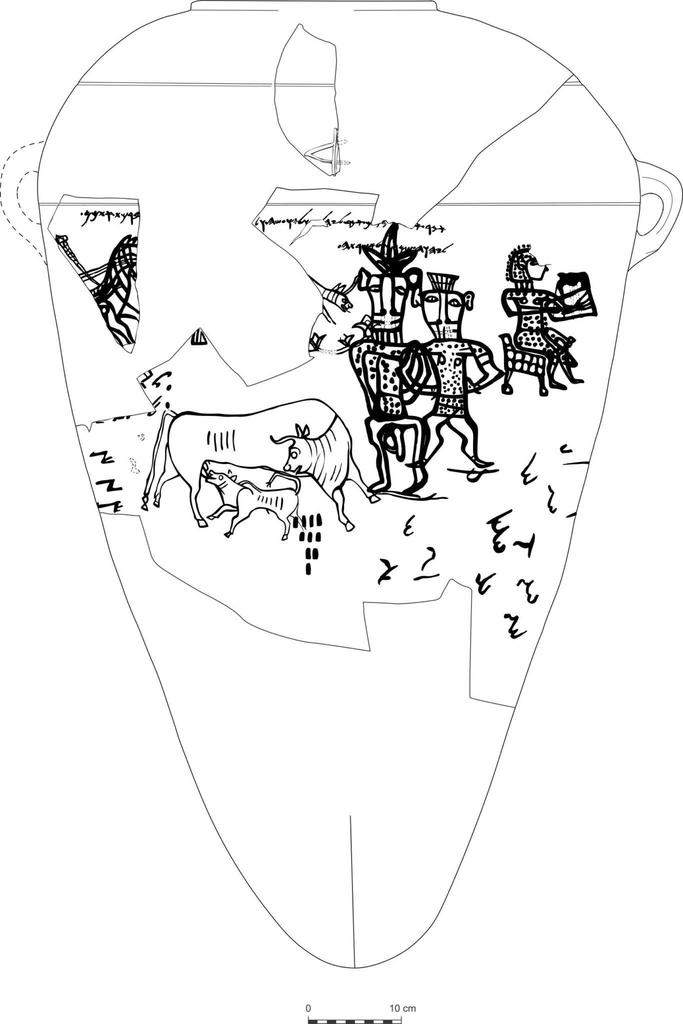

"Uriyahu the honourable has written this
Blessed is/be Uriyahu by Yahweh
And [because?] from his oppressors by his asherah he has saved him
[written] by Oniyahu"
"...by his Asherah
...and his Asherah
(ו) וַתֵּ֣רֶא הָֽאִשָּׁ֡ה כִּ֣י טוֹב֩ הָעֵ֨ץ לְמַאֲכָ֜ל וְכִ֧י תַֽאֲוָה־ה֣וּא לָעֵינַ֗יִם וְנֶחְמָ֤ד הָעֵץ֙ לְהַשְׂכִּ֔יל וַתִּקַּ֥ח מִפִּרְי֖וֹ וַתֹּאכַ֑ל וַתִּתֵּ֧ן גַּם־לְאִישָׁ֛הּ עִמָּ֖הּ וַיֹּאכַֽל׃
(6) When the woman saw that the tree was good for eating and a delight to the eyes, and that the tree was desirable as a source of wisdom, she took of its fruit and ate. She also gave some to her husband, and he ate.
The way back to Eden is to illuminate our lives with a truer parable.
(ו) וַיַּעֲבֹ֤ר אַבְרָם֙ בָּאָ֔רֶץ עַ֚ד מְק֣וֹם שְׁכֶ֔ם עַ֖ד אֵל֣וֹן מוֹרֶ֑ה וְהַֽכְּנַעֲנִ֖י אָ֥ז בָּאָֽרֶץ׃ (ז) וַיֵּרָ֤א יהוה אֶל־אַבְרָ֔ם וַיֹּ֕אמֶר לְזַ֨רְעֲךָ֔ אֶתֵּ֖ן אֶת־הָאָ֣רֶץ הַזֹּ֑את וַיִּ֤בֶן שָׁם֙ מִזְבֵּ֔חַ לַיהוה הַנִּרְאֶ֥ה אֵלָֽיו׃
(6) Abram passed through the land as far as the site of Shechem, at the terebinth tree of Moreh. The Canaanites were then in the land. (7) YHVH appeared to Abram and said, “I will assign this land to your offspring.” And he built an altar there to YHVH who had appeared to him.
(יח) וַיֶּאֱהַ֣ל אַבְרָ֗ם וַיָּבֹ֛א וַיֵּ֛שֶׁב בְּאֵלֹנֵ֥י מַמְרֵ֖א אֲשֶׁ֣ר בְּחֶבְר֑וֹן וַיִּֽבֶן־שָׁ֥ם מִזְבֵּ֖חַ לַֽיהוה׃ {פ}
(18) And Abram moved his tent, and came to dwell at the terebinth trees of Mamre, which are in Hebron; and he built an altar there to YHVH.
(א) וַיֵּרָ֤א אֵלָיו֙ יהוה בְּאֵלֹנֵ֖י מַמְרֵ֑א וְה֛וּא יֹשֵׁ֥ב פֶּֽתַח־הָאֹ֖הֶל כְּחֹ֥ם הַיּֽוֹם׃
(1) YHVH appeared to [Abraham] by the terebinth treess of Mamre; he was sitting at the entrance of the tent as the day grew hot.
(לג) וַיִּטַּ֥ע אֶ֖שֶׁל בִּבְאֵ֣ר שָׁ֑בַע וַיִּ֨קְרָא־שָׁ֔ם בְּשֵׁ֥ם יהוה אֵ֥ל עוֹלָֽם׃
(33) [Abraham] planted a tamarisk tree at Beer-sheba, and invoked there the name of YHVH, the Everlasting God.
(ג) וַיַּשְׁכֵּ֨ם אַבְרָהָ֜ם בַּבֹּ֗קֶר וַֽיַּחֲבֹשׁ֙ אֶת־חֲמֹר֔וֹ וַיִּקַּ֞ח אֶת־שְׁנֵ֤י נְעָרָיו֙ אִתּ֔וֹ וְאֵ֖ת יִצְחָ֣ק בְּנ֑וֹ וַיְבַקַּע֙ עֲצֵ֣י עֹלָ֔ה וַיָּ֣קׇם וַיֵּ֔לֶךְ אֶל־הַמָּק֖וֹם אֲשֶׁר־אָֽמַר־ל֥וֹ הָאֱלֹהִֽים׃
(3) So early next morning, Abraham saddled his ass and took with him two of his servants and his son Isaac. He cut up the tree for the burnt offering, and he set out for the place of which God had told him.
(ח) וַתָּ֤מׇת דְּבֹרָה֙ מֵינֶ֣קֶת רִבְקָ֔ה וַתִּקָּבֵ֛ר מִתַּ֥חַת לְבֵֽית־אֵ֖ל תַּ֣חַת הָֽאַלּ֑וֹן וַיִּקְרָ֥א שְׁמ֖וֹ אַלּ֥וֹן בָּכֽוּת׃ {פ}
(8) Deborah, Rebekah’s nurse, died, and was buried under the oak below Bethel; so it was named the Oak Tree of Weeping.
(ד) וּדְבוֹרָה֙ אִשָּׁ֣ה נְבִיאָ֔ה אֵ֖שֶׁת לַפִּיד֑וֹת הִ֛יא שֹׁפְטָ֥ה אֶת־יִשְׂרָאֵ֖ל בָּעֵ֥ת הַהִֽיא׃ (ה) וְ֠הִ֠יא יוֹשֶׁ֨בֶת תַּחַת־תֹּ֜מֶר דְּבוֹרָ֗ה בֵּ֧ין הָרָמָ֛ה וּבֵ֥ין בֵּֽית־אֵ֖ל בְּהַ֣ר אֶפְרָ֑יִם וַיַּעֲל֥וּ אֵלֶ֛יהָ בְּנֵ֥י יִשְׂרָאֵ֖ל לַמִּשְׁפָּֽט׃
(4) Deborah, a fiery woman, was a prophet; she led Israel at that time. (5) She used to sit under the Palm of Deborah, between Ramah and Bethel in the hill country of Ephraim, and the Israelites would come to her for decisions.
(כג) וַיְהִ֣י מִֽמׇּחֳרָ֗ת וַיָּבֹ֤א מֹשֶׁה֙ אֶל־אֹ֣הֶל הָעֵד֔וּת וְהִנֵּ֛ה פָּרַ֥ח מַטֵּֽה־אַהֲרֹ֖ן לְבֵ֣ית לֵוִ֑י וַיֹּ֤צֵֽא פֶ֙רַח֙ וַיָּ֣צֵֽץ צִ֔יץ וַיִּגְמֹ֖ל שְׁקֵדִֽים׃
(23) The next day Moses entered the Tent of the Pact, and there the staff of Aaron of the house of Levi had sprouted: it had brought forth sprouts, produced blossoms, and borne almonds.
Aaron’s Flowering Staff: A Priestly Asherah?As observed by a number of scholars, the culmination of the narrative in the permanent placement of the staff in the sanctuary indicates that the narrative is etiological: it provides an origin story for an object that was familiar to its original audience, presumably an object that resembled a flowering staff and was located in the sanctuary. I believe that from archaeology and other biblical texts we can identify the object in question as another familiar stylized tree, the asherah.....Unlike Deuteronomy, the priestly literature—both P and H—expresses no hostility to asherim. Priestly literature has its own conception of what constitutes heterodox worship and condemns it.... it never mentions asherim....The Priestly account of Aaron’s flowering staff interprets the asherah in the temple of Yhwh as the age-old staff of Aaron put there at Yhwh’s command in order to serve as a warning against usurpation of the Aaronic office. By means of this interpretation, the account at once gave qualified approval for the asherah and appropriated its popularly conceived function, namely facilitating the grant of Yhwh’s blessing, to the Aaronides.
(טז) וַיַּ֣עַשׂ אֱלֹהִ֔ים אֶת־שְׁנֵ֥י הַמְּאֹרֹ֖ת הַגְּדֹלִ֑ים אֶת־הַמָּא֤וֹר הַגָּדֹל֙ לְמֶמְשֶׁ֣לֶת הַיּ֔וֹם וְאֶת־הַמָּא֤וֹר הַקָּטֹן֙ לְמֶמְשֶׁ֣לֶת הַלַּ֔יְלָה וְאֵ֖ת הַכּוֹכָבִֽים׃
(16) God made the two great lights, the greater light to rule the day and the lesser light to rule the night, and the stars.
(יט) וּפֶן־תִּשָּׂ֨א עֵינֶ֜יךָ הַשָּׁמַ֗יְמָה וְֽ֠רָאִ֠יתָ אֶת־הַשֶּׁ֨מֶשׁ וְאֶת־הַיָּרֵ֜חַ וְאֶת־הַכּֽוֹכָבִ֗ים כֹּ֚ל צְבָ֣א הַשָּׁמַ֔יִם וְנִדַּחְתָּ֛ וְהִשְׁתַּחֲוִ֥יתָ לָהֶ֖ם וַעֲבַדְתָּ֑ם אֲשֶׁ֨ר חָלַ֜ק יהוה אֱלֹהֶ֙יךָ֙ אֹתָ֔ם לְכֹל֙ הָֽעַמִּ֔ים תַּ֖חַת כׇּל־הַשָּׁמָֽיִם׃
(19) And when you look up to the sky and behold the sun and the moon and the stars, the whole heavenly host, you must not be lured into bowing down to them or serving them. These your God YHVH allotted to other peoples everywhere under heaven;
(ג) וַיֵּ֗לֶךְ וַֽיַּעֲבֹד֙ אֱלֹהִ֣ים אֲחֵרִ֔ים וַיִּשְׁתַּ֖חוּ לָהֶ֑ם וְלַשֶּׁ֣מֶשׁ ׀ א֣וֹ לַיָּרֵ֗חַ א֛וֹ לְכׇל־צְבָ֥א הַשָּׁמַ֖יִם אֲשֶׁ֥ר לֹא־צִוִּֽיתִי׃
(3) turning to the worship of other gods and bowing down to them, to the sun or the moon or any of the heavenly host, something I never commanded—
(כא) וְהָיָה֙ בַּיּ֣וֹם הַה֔וּא יִפְקֹ֧ד יהוה עַל־צְבָ֥א הַמָּר֖וֹם בַּמָּר֑וֹם וְעַל־מַלְכֵ֥י הָאֲדָמָ֖ה עַל־הָאֲדָמָֽה׃ (כב) וְאֻסְּפ֨וּ אֲסֵפָ֤ה אַסִּיר֙ עַל־בּ֔וֹר וְסֻגְּר֖וּ עַל־מַסְגֵּ֑ר וּמֵרֹ֥ב יָמִ֖ים יִפָּקֵֽדוּ׃ (כג) וְחָֽפְרָה֙ הַלְּבָנָ֔ה וּבוֹשָׁ֖ה הַחַמָּ֑ה כִּֽי־מָלַ֞ךְ יהוה צְבָא֗וֹת בְּהַ֤ר צִיּוֹן֙ וּבִיר֣וּשָׁלַ֔͏ִם וְנֶ֥גֶד זְקֵנָ֖יו כָּבֽוֹד׃ {פ}
(21) In that day, YHVH will punish the multitudes of heaven in heaven and the kings of the earth on earth. (22) They shall be gathered in a dungeon as captives are gathered; and shall be locked up in a prison. But after many days they shall be remembered. (23) Then the moon shall be ashamed, and the sun shall be abashed. For YHVH of Multitudes will reign on Mount Zion and in Jerusalem, and the Presence will be revealed to God’s elders.
(ב) הַחֹ֧דֶשׁ הַזֶּ֛ה לָכֶ֖ם רֹ֣אשׁ חֳדָשִׁ֑ים רִאשׁ֥וֹן הוּא֙ לָכֶ֔ם לְחׇדְשֵׁ֖י הַשָּׁנָֽה׃
(2) This month shall mark for you the beginning of the months; it shall be the first of the months of the year for you.
(ד) תִּקְע֣וּ בַחֹ֣דֶשׁ שׁוֹפָ֑ר בַּ֝כֵּ֗סֶה לְי֣וֹם חַגֵּֽנוּ׃
(4) Blow the horn on the new moon,on the full moon for our feast day.
(א)הלכות ראש חודש ... וה"נ איתא בירושלמי הני נשי דנהיגי דלא למיעבד עבידתא בריש ירחא מנהגא ואיתא בפרק מ"ד מפרקי דר' אליעזר לפי שלא רצו נשים ליתן נזמיהן לבעליהן במעשה העגל לכך נתן להן הקב"ה שכרן שיהו משמרות ר"ח יותר מהאנשים ושמעתי מאחי הר"י טעם לדבר לפי שהמועדים נתקנו כנגד אבות פסח כנגד אברהם דכתיב (בראשית יח) לושי ועשי עוגות ופסח היה שבועות כנגד יצחק שתקיעת שופר של מתן תורה היה בשופר מאילו של יצחק סוכות כנגד יעקב דכתיב (בראשית לד) ולמקנהו עשה סוכות וי"ב ראשי חדשי השנה שגם הם נקראים מועדים כנגד י"ב שבטים וכשחטאו בעגל ניטלו מהם וניתנו לנשותיהם לזכר שלא היו באותו חטא:
...
It is also mentioned in the Jerusalem Talmud that women have a custom not to perform work at the beginning of the month. In the chapter 44 from the teachings of Rabbi Eliezer, it is noted that women did not want to give their earrings to their husbands for the sin of the Golden Calf. Therefore, God rewarded them by allowing them to observe Rosh Chodesh more than men.
I heard from my brother, Rabbi Yitzhak, a reason for this practice: the festivals were established in connection to the patriarchs. Pesach corresponds to Abraham, as it is written (Genesis 18), "Prepare and make cakes." Shavuot corresponds to Isaac because the sounding of the shofar at the giving of the Torah was with the ram's horn of Isaac. Sukkot corresponds to Jacob, as it is written (Genesis 34), "And for his livestock, he made booths." The twelve heads of the months of the year are also called festivals, corresponding to the twelve tribes. When they sinned with the calf, these festivals were taken from them and given to their wives as a reminder that they were not part of that sin...
.