


How can we, as Jewish Witches, understand and engage with the biblical prohibition on divination?
לֹ֥א תֹאכְל֖וּ עַל־הַדָּ֑ם לֹ֥א תְנַחֲשׁ֖וּ וְלֹ֥א תְעוֹנֵֽנוּ׃
You shall not eat anything with its blood. You shall not practice divination or soothsaying.
Rav Kohenet Jill Hammer, in a personal communication with Rav Jericho Vincent, says:
"Magic is a political term, used for non-authorized spiritual practitioners usually working with individuals under the radar. Other than that, witches might not be doing things that are different from authorized spiritual practitioners."
In this space, we honor and uplift the wisdom and practices of Jewish witches, who were often both relied upon and marginalized/oppressed.
In the Kohenet lineage, the Ba'alat Ov is one Priestess archetype that practices divination: "One who mediates between the spirit world and the human community. She is a channel to the ancestors and the forces of nature. She is a diviner and an interpreter of signs. She is a healer and a spirit voyager. She knows the ways of the universe: how it unfolds, how it speaks." (Rabbi Jill Hammer, The Hebrew Priestess, p. 91 "Witch-Priestesses)
(י) לֹֽא־יִמָּצֵ֣א בְךָ֔ מַעֲבִ֥יר בְּנֽוֹ־וּבִתּ֖וֹ בָּאֵ֑שׁ קֹסֵ֣ם קְסָמִ֔ים מְעוֹנֵ֥ן וּמְנַחֵ֖שׁ וּמְכַשֵּֽׁף׃ (יא) וְחֹבֵ֖ר חָ֑בֶר וְשֹׁאֵ֥ל אוֹב֙ וְיִדְּעֹנִ֔י וְדֹרֵ֖שׁ אֶל־הַמֵּתִֽים׃ (יב) כִּֽי־תוֹעֲבַ֥ת יהוה כׇּל־עֹ֣שֵׂה אֵ֑לֶּה וּבִגְלַל֙ הַתּוֹעֵבֹ֣ת הָאֵ֔לֶּה יהוה אֱלֹהֶ֔יךָ מוֹרִ֥ישׁ אוֹתָ֖ם מִפָּנֶֽיךָ׃ (יג) תָּמִ֣ים תִּֽהְיֶ֔ה עִ֖ם יהוה אֱלֹהֶֽיךָ׃
(10) Let no one be found among you who consigns a son or daughter to the fire, or who is an augur, a soothsayer, a diviner, a sorcerer, (11) one who casts spells, or one who consults ghosts or familiar spirits, or one who inquires of the dead. (12) For anyone who does such things is abhorrent to יהוה, and it is because of these abhorrent things that your God יהוה is dispossessing them before you. (13) You must be wholehearted with your God יהוה.
What does it mean to be wholehearted (tamim) with the Divine?
(א) וטעם תמים תהיה עם יהוה אלהיך שנייחד לבבנו אליו לבדו ונאמין שהוא לבדו עושה כל והוא היודע אמתת כל עתיד וממנו לבדו נדרוש העתידות מנביאיו או מאנשי חסידיו רצונו לומר אורים ותומים ולא נדרוש מהוברי שמים ולא מזולתם ולא נבטח שיבואו דבריהם על כל פנים אבל אם נשמע דבר מהם נאמר הכל בידי שמים כי הוא אלהי האלהים עליון על הכל היכול בכל משנה מערכות הכוכבים והמזלות כרצונו מפר אותות בדים וקוסמים יהולל ונאמין שכל הבאות תהיינה כפי התקרב האדם לעבודתו ולפיכך אחר אזהרת שאלת העתידות מקוסם ודורש בעד החיים אל המתים אמר שתהיה תמים עם השם בכל אלה ולא תירא ממגיד עתיד אבל מנביאו תדרוש ואליו תשמע וזה דעת אונקלוס (תרגום אונקלוס על דברים י״ח:י״ג) שלים תהא בדחלתא דה' אלהך שלא תהיה חסר ביראתו כי תמים הוא השלם בדבר כמו שה תמים (שמות יב ה) שאין בו מום ושום חסרון וזו מצות עשה וכבר הזכרתי זה בפסוק והיה תמים (בראשית יז א):
The meaning is that we are to direct our hearts to God only, and believe that God alone does everything. It is God Who knows the truth about all future events, and from God's prophets, or from God's pious ones, in other words the Urim and Thummim — are we to inquire about future events.
We are not to inquire of the astrologers or from anyone else, or by any means to trust that their words will be fulfilled. Instead, if we hear any prediction [of the diviners] we should say, “Everything is in the hands of Heaven, for Hashem is the G-d of gods Who is supreme above all, the Omnipotent One over everything, Who changes the set order of the stars and constellations at Their Will, Who frustrates the tokens of the imposters, and maketh diviners mad,” and we are to believe that future events will occur according to humanity's drawing closer to God's service. Therefore after the warning against inquiring about future events from diviners, and of seeking on behalf of the living to the dead, he stated that you are to be whole-hearted with G-d in all these matters and not be afraid of those who tell of things to come. Rather, you should inquire of God's prophet and to him shall you hearken.
Rabbi Harold Kushner
(How Good Do We Have to Be? p. 180)
That, I believe, was what God asked of Abraham. Not "Be perfect," not "Don’t ever make a mistake," but "Be whole." To be whole before God means to stand before Him with all our faults as well as our virtues and to hear the message of our acceptability...Know what is good and what is evil, and when you do wrong, realize that that was not the essential you. It was because the challenge of being human is so great that no one gets it right every time. God asks no more of us than that.”
Brene Brown:
In her book, The Gifts of Imperfection, Brown defines wholeheartedness as "the capacity to engage in our lives from a place of worthiness; cultivating courage, compassion, and connection; and thinking: ‘Yes, I am imperfect and vulnerable and sometimes afraid, but that doesn’t change the truth that I am also brave and worthy of love and belonging.”
Questions for reflection:
- What does being “wholehearted” (tamim) mean to you?
- What might it mean to be wholehearted WITH the Divine?
- How can you cultivate wholeheartedness in your spiritual practice?
- What can we learn from these passages if we seek a divination reading? If we offer them?
Some ancestral sources on divination:
וְנָתַתָּ֞ אֶל־חֹ֣שֶׁן הַמִּשְׁפָּ֗ט אֶת־הָאוּרִים֙ וְאֶת־הַתֻּמִּ֔ים וְהָיוּ֙ עַל־לֵ֣ב אַהֲרֹ֔ן בְּבֹא֖וֹ לִפְנֵ֣י יהוה וְנָשָׂ֣א אַ֠הֲרֹ֠ן אֶת־מִשְׁפַּ֨ט בְּנֵי־יִשְׂרָאֵ֧ל עַל־לִבּ֛וֹ לִפְנֵ֥י יהוה תָּמִֽיד׃ {ס}
Inside the breastpiece of decision you shall place the Urim and Thummim, so that they are over Aaron’s heart when he comes before יהוה. Thus Aaron shall carry the instrument of decision for the Israelites over his heart before יהוה at all times.
A few reflections:
- Notice the connection between thummim and tamim: both share the Hebrew root ת.מ.ם
- Heart connection, with the breastpiece worn over the heart
- "Urim" = light, "Thumimm/tamim" = wholeness; Perhaps divination is about enlightening & returning you to your wholeness (From personal conversation between author & Rav Jericho Vincent)
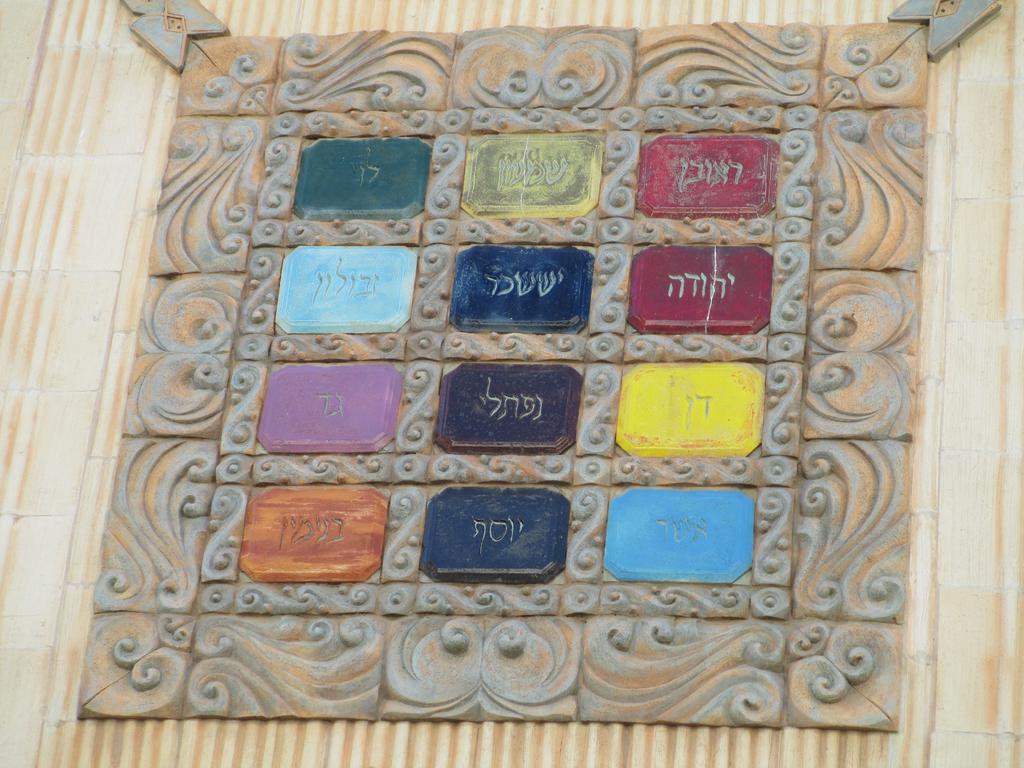
Ceramic replica of Priestly breastplace, image by Dr. Avishai Teicher Pikiwiki Israel, https://commons.wikimedia.org/w/index.php?curid=31148605
(טו) וְעָשִׂ֜יתָ חֹ֤שֶׁן מִשְׁפָּט֙ מַעֲשֵׂ֣ה חֹשֵׁ֔ב כְּמַעֲשֵׂ֥ה אֵפֹ֖ד תַּעֲשֶׂ֑נּוּ זָ֠הָ֠ב תְּכֵ֨לֶת וְאַרְגָּמָ֜ן וְתוֹלַ֧עַת שָׁנִ֛י וְשֵׁ֥שׁ מׇשְׁזָ֖ר תַּעֲשֶׂ֥ה אֹתֽוֹ׃ (טז) רָב֥וּעַ יִֽהְיֶ֖ה כָּפ֑וּל זֶ֥רֶת אׇרְכּ֖וֹ וְזֶ֥רֶת רׇחְבּֽוֹ׃ (יז) וּמִלֵּאתָ֥ בוֹ֙ מִלֻּ֣אַת אֶ֔בֶן אַרְבָּעָ֖ה טוּרִ֣ים אָ֑בֶן ט֗וּר אֹ֤דֶם פִּטְדָה֙ וּבָרֶ֔קֶת הַטּ֖וּר הָאֶחָֽד׃ (יח) וְהַטּ֖וּר הַשֵּׁנִ֑י נֹ֥פֶךְ סַפִּ֖יר וְיָהֲלֹֽם׃ (יט) וְהַטּ֖וּר הַשְּׁלִישִׁ֑י לֶ֥שֶׁם שְׁב֖וֹ וְאַחְלָֽמָה׃ (כ) וְהַטּוּר֙ הָרְבִיעִ֔י תַּרְשִׁ֥ישׁ וְשֹׁ֖הַם וְיָשְׁפֵ֑ה מְשֻׁבָּצִ֥ים זָהָ֛ב יִהְי֖וּ בְּמִלּוּאֹתָֽם׃ (כא) וְ֠הָאֲבָנִ֠ים תִּֽהְיֶ֜יןָ עַל־שְׁמֹ֧ת בְּנֵֽי־יִשְׂרָאֵ֛ל שְׁתֵּ֥ים עֶשְׂרֵ֖ה עַל־שְׁמֹתָ֑ם פִּתּוּחֵ֤י חוֹתָם֙ אִ֣ישׁ עַל־שְׁמ֔וֹ תִּֽהְיֶ֕יןָ לִשְׁנֵ֥י עָשָׂ֖ר שָֽׁבֶט׃
(15) You shall make a breastpiece of decision, worked into a design; make it in the style of the ephod: make it of gold, of blue, purple, and crimson yarns, and of fine twisted linen. (16) It shall be square and doubled, a span in length and a span in width. (17) Set in it mounted stones, in four rows of stones. The first row shall be a row of carnelian, chrysolite, and emerald; (18) the second row: a turquoise, a sapphire, and an amethyst; (19) the third row: a jacinth, an agate, and a crystal; (20) and the fourth row: a beryl, a lapis lazuli, and a jasper. They shall be framed with gold in their mountings. (21) The stones shall correspond [in number] to the names of the sons of Israel: twelve, corresponding to their names. They shall be engraved like seals, each with its name, for the twelve tribes.

(Rug from 1930s Iran depicting Aaron wearing the priestely breastplate, from the collection of the Jewish Museum in New York: https://thejewishmuseum.org/collection/8497-rug)
(יד) וַיָּבֹ֨א יְהוּדָ֤ה וְאֶחָיו֙ בֵּ֣יתָה יוֹסֵ֔ף וְה֖וּא עוֹדֶ֣נּוּ שָׁ֑ם וַיִּפְּל֥וּ לְפָנָ֖יו אָֽרְצָה׃ (טו) וַיֹּ֤אמֶר לָהֶם֙ יוֹסֵ֔ף מָֽה־הַמַּעֲשֶׂ֥ה הַזֶּ֖ה אֲשֶׁ֣ר עֲשִׂיתֶ֑ם הֲל֣וֹא יְדַעְתֶּ֔ם כִּֽי־נַחֵ֧שׁ יְנַחֵ֛שׁ אִ֖ישׁ אֲשֶׁ֥ר כָּמֹֽנִי׃
(14) When Judah and his brothers reentered the house of Joseph, who was still there, they threw themselves on the ground before him. (15) Joseph said to them, “What is this deed that you have done? Do you not know that a man like me practices divination?”
(י) וַיֵּצֵ֥א יַעֲקֹ֖ב מִבְּאֵ֣ר שָׁ֑בַע וַיֵּ֖לֶךְ חָרָֽנָה׃ (יא) וַיִּפְגַּ֨ע בַּמָּק֜וֹם וַיָּ֤לֶן שָׁם֙ כִּי־בָ֣א הַשֶּׁ֔מֶשׁ וַיִּקַּח֙ מֵאַבְנֵ֣י הַמָּק֔וֹם וַיָּ֖שֶׂם מְרַֽאֲשֹׁתָ֑יו וַיִּשְׁכַּ֖ב בַּמָּק֥וֹם הַהֽוּא׃ (יב) וַֽיַּחֲלֹ֗ם וְהִנֵּ֤ה סֻלָּם֙ מֻצָּ֣ב אַ֔רְצָה וְרֹאשׁ֖וֹ מַגִּ֣יעַ הַשָּׁמָ֑יְמָה וְהִנֵּה֙ מַלְאֲכֵ֣י אֱלֹהִ֔ים עֹלִ֥ים וְיֹרְדִ֖ים בּֽוֹ׃
(10) Jacob left Beer-sheba, and set out for Haran. (11) He came upon a certain place and stopped there for the night, for the sun had set. Taking one of the stones of that place, he put it under his head and lay down in that place. (12) He had a dream; a stairway was set on the ground and its top reached to the sky, and messengers of God were going up and down on it.
(Both Urim and Thummim and the story of Jacob involve stones as part of divination - perhaps, a reminder of the connection to Earth.)
Let's dive into one divination practice, Bibliomancy (divination using a sacred book):
From Rav Jericho's Sourcesheet "SICHA Witchcraft 1: Witches in Tanach/Divination":
I found in a manuscript pamphlet written by Rabbi Elijah ha-Kohen, of blessed memory (the author of Shevet Musar, etc.), as follows: “I have a tradition from my teachers that when they wanted to do something but were unsure whether or not to follow through on it, they would take a printed Pentateuch or Bible and open it, looking to the verse at the top of the page and acting in accordance with it. It would thus turn out that they would consult the Torah about what to do in all matters. This is hinted to in the rabbinic statement that one should ‘find counsel in the Torah’… (Rabbi Hayyim Joseph David Azulai (1724-1806), Birkei Yosef
https://www.tabletmag.com/sections/arts-letters/articles/bibliomancy-lottery-vilna-gaon)
Ever since the 3rd of Tammuz, 5754 (June 12, 1994), we do not see the [Lubavitch] Rebbe anymore and we now communicate with the Rebbe primarily through his books, specifically the books of letters. This process is an age old process practiced in Soviet Russia when letters to the Rebbe was often nearly impossible. The process is simple and can even be done online. Click on the link below to submit a request or message to the Rebbe. Once it is submitted, read the pages of the book that show up. Often the letters that appear are directly connected to your letter. (https://www.chabadyq.com/request-a-blessing)
Ritual Practice: Bibliomancy
1) Prepare: Gather the sacred book you will use for this practice. Get grounded/centered, connect to the Divine, connect to your heart.
2) Set your intention: what is a question that is on your heart? Reflect or write it down.
3) Bibliomancy practice:
Option a) Close your eyes, flip to a page, point your finger and see what line it lands on
Option b) Choose numbers for the page / line / word (see how many pages are in the book)
4) Journal/reflect/discuss: stay curious & open, explore possible meanings and connections:
a) What is your first impression upon seeing the word/phrase you landed on? What associations do you have with this word/phrase? Write down all you can think of. Circle/highlight any words that stand out from what you have written.
b) What are some possible meanings/connections between the words from your book and your question? If the Divine had some guidance for you through this passage, what would it be?
c) Reminding yourself of your agency and the power of interpretation, what do you want to take away from this reading?
5) Gratitude & close your sacred space
Additional Sources:
- Rav Jericho Vincent, Sefaria Sourcesheet "SICHA Witchcraft 1: Witches in Tanach/Divination" (Oct 31, 2023)
- The Hebrew Priestess by Rabbi Jill Hammer & Taya Shere (2015). Chapter 6: Witch-Priestesses.
- Jewitches Podcast: Jewish Divination - An Introductory Primer (Jan 7, 2022): https://podcasts.apple.com/ca/podcast/jewitches/id1575431234?i=1000547250008
- Encyclopedia of Magic, Myth, and Mysticism by Rabbi Geoffrey Dennis (2007). Excerpt here: https://www.myjewishlearning.com/article/divination/
- Jewish Magic and Superstition, by Joshua Trachtenberg, [1939], at sacred-texts.com (https://sacred-texts.com/jud/jms/jms16.htm)
- Jewish Magic Before the Rise of Kabbalah (Raphael Patai Series in Jewish Folklore and Anthropology) by Yuval Harari (2021)
- https://www.jewishencyclopedia.com/articles/14609-urim-and-thummim
- https://www.jewishencyclopedia.com/articles/3273-bibliomancy
- https://devotaj.substack.com/p/mkashefa-witch?utm_source=publication-search