
Sefer Yechezkel - Perek 24 Based on Dr. Tova Ganzel's book Ezekiel: From Destruction to Restoration September 29, 2024
(א) וַיְהִי֩ דְבַר־יְהֹוָ֨ה אֵלַ֜י בַּשָּׁנָ֤ה הַתְּשִׁיעִית֙ בַּחֹ֣דֶשׁ הָעֲשִׂירִ֔י בֶּעָשׂ֥וֹר לַחֹ֖דֶשׁ לֵאמֹֽר׃ (ב) בֶּן־אָדָ֗ם (כתוב) [כְּתׇב־]לְךָ֙ אֶת־שֵׁ֣ם הַיּ֔וֹם אֶת־עֶ֖צֶם הַיּ֣וֹם הַזֶּ֑ה סָמַ֤ךְ מֶֽלֶךְ־בָּבֶל֙ אֶל־יְר֣וּשָׁלַ֔͏ִם בְּעֶ֖צֶם הַיּ֥וֹם הַזֶּֽה׃
(1) In the ninth year, on the tenth day of the tenth month, the word of GOD came to me: (2) O mortal, record this date, this exact day; for this very day the king of Babylon has laid siege to Jerusalem.
Nevukhadnetzar once again laid siege to Jerusalem, starting on the 10th of Tevet in the 9th year of Tzidkiyahu - 587 BCE. The siege lasted until the 9th of Av in the 11th year of his reign - 586 BCE.
(א) וַיְהִי֩ בִשְׁנַ֨ת הַתְּשִׁיעִ֜ית לְמׇלְכ֗וֹ בַּחֹ֣דֶשׁ הָעֲשִׂירִי֮ בֶּעָשׂ֣וֹר לַחֹ֒דֶשׁ֒ בָּ֠א נְבֻכַדְנֶאצַּ֨ר מֶלֶךְ־בָּבֶ֜ל ה֧וּא וְכׇל־חֵיל֛וֹ עַל־יְרוּשָׁלַ֖͏ִם וַיִּ֣חַן עָלֶ֑יהָ וַיִּבְנ֥וּ עָלֶ֛יהָ דָּיֵ֖ק סָבִֽיב׃ (ב) וַתָּבֹ֥א הָעִ֖יר בַּמָּצ֑וֹר עַ֚ד עַשְׁתֵּ֣י עֶשְׂרֵ֣ה שָׁנָ֔ה לַמֶּ֖לֶךְ צִדְקִיָּֽהוּ׃ (ג) בְּתִשְׁעָ֣ה לַחֹ֔דֶשׁ וַיֶּחֱזַ֥ק הָֽרָעָ֖ב בָּעִ֑יר וְלֹא־הָ֥יָה לֶ֖חֶם לְעַ֥ם הָאָֽרֶץ׃ (ד) וַתִּבָּקַ֣ע הָעִ֗יר וְכׇל־אַנְשֵׁ֨י הַמִּלְחָמָ֤ה ׀ הַלַּ֙יְלָה֙ דֶּ֜רֶךְ שַׁ֣עַר ׀ בֵּ֣ין הַחֹמֹתַ֗יִם אֲשֶׁר֙ עַל־גַּ֣ן הַמֶּ֔לֶךְ וְכַשְׂדִּ֥ים עַל־הָעִ֖יר סָבִ֑יב וַיֵּ֖לֶךְ דֶּ֥רֶךְ הָעֲרָבָֽה׃
(1) And in the ninth year of hisahis I.e., Zedekiah’s. reign, on the tenth day of the tenth month, Nebuchadnezzar moved against Jerusalem with his whole army. He besieged it; and they built towers against it all around. (2) The city continued in a state of siege until the eleventh year of King Zedekiah. (3) By the ninth day [of the fourth month]b[of the fourth month] Cf. Jer. 52.6. the famine had become acute in the city; there was no food left for the common people. (4) Then [the wall of] the city was breached. All the soldiers [left the city] by night through the gate between the double walls, which is near the king’s garden—the Chaldeans were all around the city; and [the king] set out for the Arabah.cArabah Hoping to escape across the Jordan.
(ג) וּמְשֹׁ֤ל אֶל־בֵּית־הַמֶּ֙רִי֙ מָשָׁ֔ל וְאָמַרְתָּ֣ אֲלֵיהֶ֔ם כֹּ֥ה אָמַ֖ר אֲדֹנָ֣י יֱהֹוִ֑ה שְׁפֹ֤ת הַסִּיר֙ שְׁפֹ֔ת וְגַם־יְצֹ֥ק בּ֖וֹ מָֽיִם׃
(3) Further, speak in an allegory to the rebellious breed and say to them: Thus said the Sovereign GOD:
Put the cauldron [on the fire], put it on,
And then pour water into it.
שפות הסיר. ע"פ הכירה במקום מושבה היא קרויה שפיתה בלשון המשנה שאמרו רבותינו מקום שפיתת שתי קדירות ועוד שנינו אחד שופת את הקדירה ואחד נותן לתוכה מים ואחד נותן לתוכה תבלין למדנו שהשפיתה היא הושבתה על פי הכירה עד שלא יתנו לתוכה כלום והדוגמא זו על ירושלים שאמרתם (לעיל) עליה היא הסיר עתה בא העת שתהיה לסיר ואתם בתוכה לבשר יבא נבוכדנצר ויתננה על האור, ומנחם פירש לשון שימה:
Set the pot [Heb. שְׂפֹת, set.] On the mouth of the stove on the place where it is set. That is called שְׂפִיתָה in Mishnaic Hebrew, for our Rabbis said (Shab. 38b): “[A stove has] a place for the setting of ] שְׂפִיתַת[two pots.” We learned also (Beizah 34a): “If one sets the pot, one puts in water, and one puts in the condiments...” We learn that is the placing it on the mouth of the stove before they put anything into it. This figure represents Jerusalem, about which you said, “It is the pot.” Now the time has come for it to become a pot, and you will become the meat inside it, and Nebuchadnezzar is coming and will put in on the fire. Menachem (p. 179) explained it as an expression of placing.
וגם יצוק בו מים. הם צרכי המצור, יצוק כמו שפוך:
and also pour water into it These [represent] the accessories for the siege. יִצֹק is like שְׁפֹךְ, pour.
שפות הסיר שפות. זה יעשה האדם בסיר בתחילה שופת אותה והוא שישים אותה על השפתים ואחר כן יוצק בו מים ואחר כן ישים הבשר בתוכה וירתיח האש תחתיה עד שיבשל הבשר ושפיתת הסיר על השפתים הוא משל לסמיכת מלך בבל על ירושלם כי זה היה תחילת מעשהו בה ויציקת המים בה הוא משל שלא תאחוז בה האור מהרה כי המים מאחרים הבשר מלהתבשל מהרה כי כשהיא בלא מים יאחוז בו האור והבשר נצלה מהרה אבל כשיהיה בה מים יתבשל הבשר מעט מעט כן ארכו ימי המצור משנה התשיעית לצדקיהו עד שנת י"א כדי שיכלו מעט מעט בירושלם ברעב בדבר ובחרב:

This is what a person does with a pot: first he puts it on the stove, then he pours water into it, and then he puts the meat in it and the fire boils under it until the meat is cooked. The placing of pot the on the stove symbolizes the proximity of the king of Babylon to Jerusalem, because that was the first thing he did there. The pouring of the water foretells that the fire will not burn too quickly because the water delays the meat from cooking quickly because when it is without water the light will catch it and the meat will roast quickly but when there is water in it the meat will cook little by little. Likewise, the siege lasted from the ninth year of Zedekiah until the eleventh year with the inhabitants of Jerusalem slowly dying off rom hunger, the plague and the sword.

(ד) אֱסֹ֤ף נְתָחֶ֙יהָ֙ אֵלֶ֔יהָ כׇּל־נֵ֥תַח ט֖וֹב יָרֵ֣ךְ וְכָתֵ֑ף מִבְחַ֥ר עֲצָמִ֖ים מַלֵּֽא׃ (ה) מִבְחַ֤ר הַצֹּאן֙ לָק֔וֹחַ וְגַ֛ם דּ֥וּר הָעֲצָמִ֖ים תַּחְתֶּ֑יהָ רַתַּ֣ח רְתָחֶ֔יהָ גַּם־בָּשְׁל֥וּ עֲצָמֶ֖יהָ בְּתוֹכָֽהּ׃ {ס} (ו) לָכֵ֞ן כֹּה־אָמַ֣ר ׀ אֲדֹנָ֣י יֱהֹוִ֗ה אוֹי֮ עִ֣יר הַדָּמִים֒ סִ֚יר אֲשֶׁ֣ר חֶלְאָתָ֣הֿ בָ֔הּ וְחֶ֨לְאָתָ֔הּ לֹ֥א יָצְאָ֖ה מִמֶּ֑נָּה לִנְתָחֶ֤יהָ לִנְתָחֶ֙יהָ֙ הֽוֹצִיאָ֔הּ לֹא־נָפַ֥ל עָלֶ֖יהָ גּוֹרָֽל׃

(4) Collect in it the pieces [of meat].
Every choice piece, thigh and shoulder;
Fill it with the best cutsacuts Lit. “limbs.”
(5) Take the best of the flock.
Also pile the cutsbcuts Emendation yields “wood”; cf. v. 10. under it;
Get it boiling briskly,
And cook the cuts in it.
(6) Assuredly, thus said the Sovereign GOD:
Woe to the city of blood—
A cauldron whose scumcscum Or “rust.” is in it,
Whose scum has not been cleaned out!
Empty it piece by piece;
No lot has fallen upon it.dNo lot has fallen upon it Meaning of Heb. uncertain.

The navi emphasizes that "no lot has fallen out" - meaning, that there was no lot separating the fate of those killed from those that will be saved - no one will survive.
(ז) כִּ֤י דָמָהּ֙ בְּתוֹכָ֣הּ הָיָ֔ה עַל־צְחִ֥יחַ סֶ֖לַע שָׂמָ֑תְהוּ לֹ֤א שְׁפָכַ֙תְהוּ֙ עַל־הָאָ֔רֶץ לְכַסּ֥וֹת עָלָ֖יו עָפָֽר׃ (ח) לְהַעֲל֤וֹת חֵמָה֙ לִנְקֹ֣ם נָקָ֔ם נָתַ֥תִּי אֶת־דָּמָ֖הּ עַל־צְחִ֣יחַ סָ֑לַע לְבִלְתִּ֖י הִכָּסֽוֹת׃ {פ}
(7) For the blood she shed is still in her;
She set it upon a bare rock;
She did not pour it out on the ground
To cover it with earth.
(8) SheeShe Heb. “I.” set her blood upon the bare rock,
So that it was not covered,
So that it may stir up [My] fury
To take vengeance.
The blood has been poured on the rock and has not been covered. This recalls the covering of blood after slaughter; a basic requirement for kosher schechitah. The blood - symbolizing the bloodshed committed by the people openly and shamelessly represents the expression of the fate of this "city of blood" upon which Hashem will pour His fury.
(ט) לָכֵ֗ן כֹּ֤ה אָמַר֙ אֲדֹנָ֣י יֱהֹוִ֔ה א֖וֹי עִ֣יר הַדָּמִ֑ים גַּם־אֲנִ֖י אַגְדִּ֥יל הַמְּדוּרָֽה׃ (י) הַרְבֵּ֤ה הָעֵצִים֙ הַדְלֵ֣ק הָאֵ֔שׁ הָתֵ֖ם הַבָּשָׂ֑ר וְהַרְקַח֙ הַמֶּרְקָחָ֔ה וְהָעֲצָמ֖וֹת יֵחָֽרוּ׃ (יא) וְהַעֲמִידֶ֥הָ עַל־גֶּחָלֶ֖יהָ רֵקָ֑ה לְמַ֨עַן תֵּחַ֜ם וְחָ֣רָה נְחֻשְׁתָּ֗הּ וְנִתְּכָ֤ה בְתוֹכָהּ֙ טֻמְאָתָ֔הּ תִּתֻּ֖ם חֶלְאָתָֽהּ׃ (יב) תְּאֻנִ֖ים הֶלְאָ֑ת וְלֹֽא־תֵצֵ֤א מִמֶּ֙נָּה֙ רַבַּ֣ת חֶלְאָתָ֔הּ בְּאֵ֖שׁ חֶלְאָתָֽהּ׃ (יג) בְּטֻמְאָתֵ֖ךְ זִמָּ֑ה יַ֤עַן טִֽהַרְתִּיךְ֙ וְלֹ֣א טָהַ֔רְתְּ מִטֻּמְאָתֵךְ֙ לֹ֣א תִטְהֲרִי־ע֔וֹד עַד־הֲנִיחִ֥י אֶת־חֲמָתִ֖י בָּֽךְ׃ (יד) אֲנִ֨י יְהֹוָ֤ה דִּבַּ֙רְתִּי֙ בָּאָ֣ה וְעָשִׂ֔יתִי לֹא־אֶפְרַ֥ע וְלֹא־אָח֖וּס וְלֹ֣א אֶנָּחֵ֑ם כִּדְרָכַ֤יִךְ וְכַעֲלִילוֹתַ֙יִךְ֙ שְׁפָט֔וּךְ נְאֻ֖ם אֲדֹנָ֥י יֱהֹוִֽה׃ {פ}
(9) Assuredly, thus said the Sovereign GOD:
Woe to the city of blood!
I in turn will make a great blaze.
(10) Pile on the logs,
Kindle the fire,
Cook the meat through
And stew it completely,fstew it completely Emendation yields “Pour out the broth.”
And let the bones be charred.
(11) Let it stand empty on the coals,
Until it becomes so hot
That the copper glows.
Then its impurity shall melt away in it,
And its rust be consumed.
(12) gMeaning of verse uncertain. It has frustrated all effort,
Its thick scum will not leave it—
Into the fire with its scum!
(13) For your vile defilement—because I sought to purify you of your defilement, but you would not be purified—you shall never be pure again until I have satisfied My fury upon you. (14) I, GOD, have spoken: It shall come to pass and I will do it. I will not refrain or spare or relent. You shall be punished according to your ways and your deeds—declares the Sovereign GOD.
In Ezekiel 24:9-14, the prophet vividly describes the impending destruction of Jerusalem using the metaphor of a boiling cauldron filled with pieces of meat. Here are some interesting insights you could explore based on archaeology, geography, and Jewish commentators:
1. Archaeological Context:
  • The Siege of Jerusalem: Ezekiel is speaking during the Babylonian siege of Jerusalem (around 587 BCE). Archaeological excavations in Jerusalem have uncovered remnants of this period, including evidence of destruction, charred remains, and siege fortifications. This offers a tangible backdrop to Ezekiel’s prophecies of destruction.
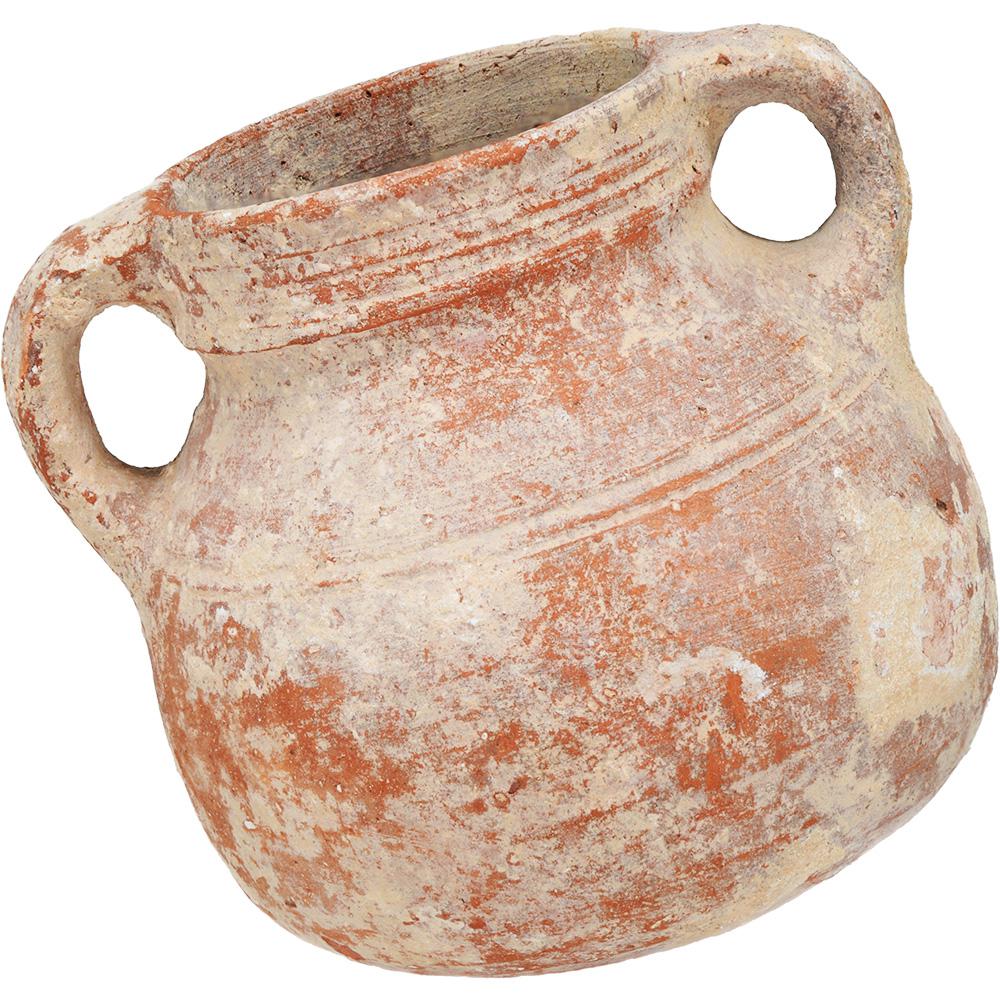
  • The Cooking Pot Metaphor: Cooking pots have been found in archaeological digs, such as in the City of David, from around this period. These finds make Ezekiel’s metaphor more vivid, as the imagery would have been drawn from everyday items that people used and could relate to.
2. Geographical Insights:
  • Jerusalem’s Topography: Jerusalem, sitting on its hills, could be seen metaphorically as the “cauldron” that contains its inhabitants, like meat cooking within it. Its elevated geography may have influenced this image of a cooking pot that retains heat, symbolizing the city's sin and its inescapable fate.
  • Geographical Separation from Babylon: Ezekiel was in Babylon at the time of his prophecy, far from Jerusalem. This separation is crucial to the prophecy, as it reinforces the spiritual and physical distance between the exiled prophet and the doomed city.
3. Jewish Commentaries:
  • Rashi explains that the metaphor of the boiling pot refers to the sins of the people "bubbling up," making the judgment inescapable. The image of not removing the scum represents the unresolved iniquity of Jerusalem.
  • Radak (Rabbi David Kimchi) elaborates that the pot, which symbolizes Jerusalem, is rusted from within, meaning that the corruption is deeply embedded, and no matter how much it is heated, the rust (the sins) cannot be cleansed.
  • Malbim interprets the imagery of the pot as symbolizing the long process of suffering that the people must endure, comparing it to the time it takes for meat to cook. The extended period of "cooking" reflects the long buildup of iniquities that finally leads to Jerusalem’s destruction.
4. The Divine Aspect of Justice:
  • Verse 14: “I, the Lord, have spoken: it shall come to pass.” The certainty of divine justice is emphasized here. Jewish commentators often highlight that while divine patience is great, once the point of no return is reached, the decrees are absolute and irrevocable. This could be tied to discussions on the balance between mercy and justice in divine judgment.
By integrating archaeological discoveries with the metaphors Ezekiel uses, as well as the deep interpretations from Jewish commentators, you can enrich your shiur with a multidimensional understanding of this intense prophecy.

(טו) וַיְהִ֥י דְבַר־יְהֹוָ֖ה אֵלַ֥י לֵאמֹֽר׃ (טז) בֶּן־אָדָ֕ם הִנְנִ֨י לֹקֵ֧חַ מִמְּךָ֛ אֶת־מַחְמַ֥ד עֵינֶ֖יךָ בְּמַגֵּפָ֑ה וְלֹ֤א תִסְפֹּד֙ וְלֹ֣א תִבְכֶּ֔ה וְל֥וֹא תָב֖וֹא דִּמְעָתֶֽךָ׃ (יז) הֵאָנֵ֣ק ׀ דֹּ֗ם מֵתִים֙ אֵ֣בֶל לֹא־תַֽעֲשֶׂ֔ה פְּאֵֽרְךָ֙ חֲב֣וֹשׁ עָלֶ֔יךָ וּנְעָלֶ֖יךָ תָּשִׂ֣ים בְּרַגְלֶ֑יךָ וְלֹ֤א תַעְטֶה֙ עַל־שָׂפָ֔ם וְלֶ֥חֶם אֲנָשִׁ֖ים לֹ֥א תֹאכֵֽל׃ (יח) וָאֲדַבֵּ֤ר אֶל־הָעָם֙ בַּבֹּ֔קֶר וַתָּ֥מׇת אִשְׁתִּ֖י בָּעָ֑רֶב וָאַ֥עַשׂ בַּבֹּ֖קֶר כַּאֲשֶׁ֥ר צֻוֵּֽיתִי׃ (יט) וַיֹּאמְר֥וּ אֵלַ֖י הָעָ֑ם הֲלֹֽא־תַגִּ֥יד לָ֙נוּ֙ מָה־אֵ֣לֶּה לָּ֔נוּ כִּ֥י אַתָּ֖ה עֹשֶֽׂה׃ (כ) וָאֹמַ֖ר אֲלֵיהֶ֑ם דְּבַ֨ר־יְהֹוָ֔ה הָיָ֥ה אֵלַ֖י לֵאמֹֽר׃ (כא) אֱמֹ֣ר ׀ לְבֵ֣ית יִשְׂרָאֵ֗ל כֹּה־אָמַר֮ אֲדֹנָ֣י יֱהֹוִה֒ הִנְנִ֨י מְחַלֵּ֤ל אֶת־מִקְדָּשִׁי֙ גְּא֣וֹן עֻזְּכֶ֔ם מַחְמַ֥ד עֵינֵיכֶ֖ם וּמַחְמַ֣ל נַפְשְׁכֶ֑ם וּבְנֵיכֶ֧ם וּבְנוֹתֵיכֶ֛ם אֲשֶׁ֥ר עֲזַבְתֶּ֖ם בַּחֶ֥רֶב יִפֹּֽלוּ׃

(15) The word of GOD came to me: (16) “O mortal, I am about to take away the delight of your eyes from you through pestilence; but you shall not lament or weep or let your tears flow. (17) Moan softly; observe no mourning for the dead: Put on your turban and put your sandals on your feet; do not cover over your upper lip, and do not eat the bread of comforters.”hcomforters Lit. “participants.” (18) In the evening my wife died, and in the morning I did as I had been commanded. And when I spoke to the people that morning, (19) the people asked me, “Will you not tell us what these things portend for us, that you are acting so?” (20) I answered them, “The word of GOD has come to me: (21) Tell the House of Israel: Thus said the Sovereign GOD: ‘I am going to desecrate My Sanctuary, your pride and glory, the delight of your eyes and the desire of your heart; and the sons and daughters you have left behind shall fall by the sword.
מחמד עיניך. אשתך כמו שהענין מוכיח בסופו:
the desire of your eyes Your wife, as the context proves at the end [of the episode].
Chapter 24 contains 2 accounts of loss: the death of the navi's wife and the loss of the Beit Hamikdash. The connections between Yechezkel's personal loss and the nation's communal loss are echoed in the Gemara:
וא"ר יוחנן כל אדם שמתה אשתו ראשונה כאילו חרב בהמ"ק בימיו שנאמר (יחזקאל כד, טז) בן אדם הנני לוקח ממך את מחמד עיניך במגפה לא תספד ולא תבכה ולא תבוא דמעתך וכתיב (יחזקאל כד, יח) ואדבר אל העם בבקר ותמת אשתי בערב וכתיב (יחזקאל כד, כא) הנני מחלל את מקדשי גאון עוזכם מחמד עיניכם
And Rabbi Yoḥanan says: For any man whose first wife dies, it is as if the Temple were destroyed in his days, as it is stated: “Son of man, behold, I take away from you the desire of your eyes with a stroke; yet neither shall you make lamentation nor weep, neither shall your tears run down” (Ezekiel 24:16). And it is written: “So I spoke to the people in the morning and in the evening my wife died” (Ezekiel 24:18). And it is written in the continuation of the same passage: “Behold I will profane My Sanctuary, the pride of your power, the desire of your eyes” (Ezekiel 24:21), illustrating that a man’s wife is as precious to him as the Temple is for the entire Jewish nation.
There is a difference between the two losses. The navi's wife is taken (לֹקֵ֧חַ) while the Beit Hamikdash is profaned (מְחַלֵּ֤ל). What is taken, can be given back. But, once profaned .... the 2nd temple (and 3rd) will be a new creation, not a recreation.
As an aside, לֹקֵ֧חַ is used in the sense of "being taken by death" only in relation to righteous people:
(כד) וַיִּתְהַלֵּ֥ךְ חֲנ֖וֹךְ אֶת־הָֽאֱלֹהִ֑ים וְאֵינֶ֕נּוּ כִּֽי־לָקַ֥ח אֹת֖וֹ אֱלֹהִֽים׃ {ס}
(24) Enoch walked with God; then he was no more, for God took him.
(ג) וַיֵּצְא֨וּ בְנֵי־הַנְּבִיאִ֥ים אֲשֶׁר־בֵּֽית־אֵל֮ אֶל־אֱלִישָׁע֒ וַיֹּאמְר֣וּ אֵלָ֔יו הֲיָדַ֕עְתָּ כִּ֣י הַיּ֗וֹם יְהֹוָ֛ה לֹקֵ֥חַ אֶת־אֲדֹנֶ֖יךָ מֵעַ֣ל רֹאשֶׁ֑ךָ וַיֹּ֛אמֶר גַּם־אֲנִ֥י יָדַ֖עְתִּי הֶחֱשֽׁוּ׃
(3) Disciples of the prophets at Bethel came out to Elisha and said to him, “Do you know that GOD will take your master away from youaaway from you Lit. “from upon your head.” today?” He replied, “I know it, too; be silent.”
(כא) וַיֹּ֩אמֶר֩ עָרֹ֨ם יָצָ֜תִי מִבֶּ֣טֶן אִמִּ֗י וְעָרֹם֙ אָשׁ֣וּב שָׁ֔מָּה יְהֹוָ֣ה נָתַ֔ן וַֽיהֹוָ֖ה לָקָ֑ח יְהִ֛י שֵׁ֥ם יְהֹוָ֖ה מְבֹרָֽךְ׃
(21) He said, “Naked came I out of my mother’s womb, and naked shall I return there; the LORD has given, and the LORD has taken away; blessed be the name of the LORD.”
Yechezkel is commanded not to mourn for his wife, just like Aharon was commanded not to mourn his sons. In both cases, the psukim speak of death, not impurity.
(ו) וַיֹּ֣אמֶר מֹשֶׁ֣ה אֶֽל־אַהֲרֹ֡ן וּלְאֶלְעָזָר֩ וּלְאִֽיתָמָ֨ר ׀ בָּנָ֜יו רָֽאשֵׁיכֶ֥ם אַל־תִּפְרָ֣עוּ ׀ וּבִגְדֵיכֶ֤ם לֹֽא־תִפְרֹ֙מוּ֙ וְלֹ֣א תָמֻ֔תוּ וְעַ֥ל כׇּל־הָעֵדָ֖ה יִקְצֹ֑ף וַאֲחֵיכֶם֙ כׇּל־בֵּ֣ית יִשְׂרָאֵ֔ל יִבְכּוּ֙ אֶת־הַשְּׂרֵפָ֔ה אֲשֶׁ֖ר שָׂרַ֥ף יְהֹוָֽה׃ (ז) וּמִפֶּ֩תַח֩ אֹ֨הֶל מוֹעֵ֜ד לֹ֤א תֵֽצְאוּ֙ פֶּן־תָּמֻ֔תוּ כִּי־שֶׁ֛מֶן מִשְׁחַ֥ת יְהֹוָ֖ה עֲלֵיכֶ֑ם וַֽיַּעֲשׂ֖וּ כִּדְבַ֥ר מֹשֶֽׁה׃ {פ}
(6) And Moses said to Aaron and to his sons Eleazar and Ithamar, “Do not bare your heads*bare your heads Or “dishevel your hair”; cf. Num. 5.18. and do not rend your clothes, lest you die and anger strike the whole community. But your kin,*kin Heb. aḥim, lit. “brothers”; NJPS “kinsmen.” It goes without saying that women are in view, because they were the face of public mourning in ancient Israel (Exod. 33.4; Jer. 9.16–17, 19; 2 Chron. 35.25). all the house of Israel, shall bewail the burning that יהוה has wrought. (7) And so do not go outside the entrance of the Tent of Meeting, lest you die, for יהוה’s anointing oil is upon you.” And they did as Moses had bidden.
Both Yechezkel and Aharon were prohibited from mourning due to his public position. (See 24:24-27 below.)
(כב) וַעֲשִׂיתֶ֖ם כַּאֲשֶׁ֣ר עָשִׂ֑יתִי עַל־שָׂפָם֙ לֹ֣א תַעְט֔וּ וְלֶ֥חֶם אֲנָשִׁ֖ים לֹ֥א תֹאכֵֽלוּ׃ (כג) וּפְאֵרֵכֶ֣ם עַל־רָאשֵׁיכֶ֗ם וְנַֽעֲלֵיכֶם֙ בְּרַגְלֵיכֶ֔ם לֹ֥א תִסְפְּד֖וּ וְלֹ֣א תִבְכּ֑וּ וּנְמַקֹּתֶם֙ בַּעֲוֺנֹ֣תֵיכֶ֔ם וּנְהַמְתֶּ֖ם אִ֥ישׁ אֶל־אָחִֽיו׃
(22) (Accordingly, you shall do as IiI I.e., Ezekiel. have done: you shall not cover over your upper lips or eat the bread of comforters;jcomforters See note at v. 17. (23) and your turbans shall remain on your heads, and your sandals upon your feet. You shall not lament or weep, but you shall be heartsick because of your iniquities and shall moan to one another.)
Why is the nation of Israel commanded not to mourn over the Beit Hamikdash? Perhaps because it is so difficult to bear the thought that the party directly responsible for the catastrophe will mourn over it when it happens. But the withholding of mourning may also represent a sort of divine punishment - or an acceptance of Hashem's will. Rashi offers a different interpretation:
(א) ועשיתם כאשר עשיתי. לא תנהגו אבילות כי אין מנחמין לכם שאין בכם אחד שלא יהיה אבל ואין אבילות אלא במקום מנחמים, ד"א שתהיו יראים לבכות לפני הכשדים שאתם בתוכם: (ב) שפם. גרינו"ן בלע"ז:
(1) And you shall do as I have done You shall not observe mourning because you have no consolers, for no one among you is not a mourner, and there is no mourning except where there are consolers. Another explanation: For you will be afraid to weep before the Chaldeans in whose midst you are. (2) upper lip [Heb. שָּׁפָם,] grenon in Old French, moustache.
The message is that giving comfort is itself the essence of mourning. The mourning customs exist to highlight that state as one that is different and exceptional, which thereby draws comforters. In a large-scale catastrophe, there is no room for mourning, since there is no one who can offer comfort. (This rings all too true since October 7.)
(כד) וְהָיָ֨ה יְחֶזְקֵ֤אל לָכֶם֙ לְמוֹפֵ֔ת כְּכֹ֥ל אֲשֶׁר־עָשָׂ֖ה תַּעֲשׂ֑וּ בְּבוֹאָ֕הּ וִידַעְתֶּ֕ם כִּ֥י אֲנִ֖י אֲדֹנָ֥י יֱהֹוִֽה׃ {ס} (כה) וְאַתָּ֣ה בֶן־אָדָ֔ם הֲל֗וֹא בְּי֨וֹם קַחְתִּ֤י מֵהֶם֙ אֶת־מָ֣עוּזָּ֔ם מְשׂ֖וֹשׂ תִּפְאַרְתָּ֑ם אֶת־מַחְמַ֤ד עֵינֵיהֶם֙ וְאֶת־מַשָּׂ֣א נַפְשָׁ֔ם בְּנֵיהֶ֖ם וּבְנוֹתֵיהֶֽם׃ (כו) בַּיּ֣וֹם הַה֔וּא יָב֥וֹא הַפָּלִ֖יט אֵלֶ֑יךָ לְהַשְׁמָע֖וּת אׇזְנָֽיִם׃ (כז) בַּיּ֣וֹם הַה֗וּא יִפָּ֤תַח פִּ֙יךָ֙ אֶת־הַפָּלִ֔יט וּתְדַבֵּ֕ר וְלֹ֥א תֵאָלֵ֖ם ע֑וֹד וְהָיִ֤יתָ לָהֶם֙ לְמוֹפֵ֔ת וְיָדְע֖וּ כִּי־אֲנִ֥י יְהֹוָֽה׃ {פ}
(24) kThis verse would read well before v. 22. And Ezekiel shall become a portent for you: you shall do just as he has done, when the predicted punishmentlthe predicted punishment Heb. “it”; cf. v. 14. happens; and you shall know that I am the Sovereign GOD.’” (25) You, O mortal, take note: On the day that I take their stronghold from them, their pride and joy, the delight of their eyes and the longing of their hearts—their sons and daughters— (26) on that day a fugitive will come to you, to let you hear it with your own ears. (27) On that day your mouth shall be opened to the fugitive, and you shall speak and no longer be dumb. So you shall be a portent for them, and they shall know that I am GOD.
This prophecy concludes Yechezkel's prophecies of rebuke uttered before the churban habayit, bringing to the sefer's first section to an end. And with that, opens a gateway to Yechezkel's prophecies after the churban. Through his prophecies, Yechezkel now binds the past with the future. His role as "a portent for them" with the death of his wife is bound up with the destruction of Yerushalayim, but also, in his words, with the prophecies of restoration.