


- Who holds which position?
- If it's d'oraita, which part(s) of it?
- Is there a difference between a derivation and מכאן סמכו?
§ It was stated: Rav Naḥman said that Shmuel said in the name of Rabbi Shimon ben Elazar: The Sages instituted the marriage contract for Jewish women: For a virgin two hundred dinars and for a widow one hundred dinars. And they deemed the groom credible in that if he says with regard to his virgin bride: I encountered an unobstructed orifice and she is not a virgin, he is deemed credible, causing her to lose her marriage contract. The Gemara asks: If so, and the Sages deemed him credible, what did the Sages accomplish in their ordinance that the marriage contract of a virgin is two hundred dinars, if his claim that she is not a virgin is effective? Rava said: The ordinance is effective due to the presumption that a person does not exert himself to prepare a wedding feast and then cause it to be lost. Investing in the wedding preparations clearly indicates that the groom’s intention is to marry the bride and rejoice with her. If, nevertheless, he claims that she is not a virgin, apparently he is telling the truth.
§ A Sage taught in a baraita: Since payment of the marriage contract is a penalty instituted by the Sages, she may collect only from the husband’s land of the most inferior quality. The Gemara asks: A penalty? What penalty is there in a marriage contract? Rather, emend the baraita and say: Since it is a rabbinic ordinance and not a Torah obligation, she may collect only from the husband’s land of the most inferior quality. Rabban Shimon ben Gamliel says: The marriage contract of a woman is an obligation by Torah law. The Gemara asks: And did Rabban Shimon ben Gamliel say that? But isn’t it taught in a baraita that it is written with regard to a seducer: “He shall pay money according to the dowry of virgins” (Exodus 22:16)? The Torah establishes that this fine will be like the dowry of a virgin, and that the dowry of a virgin will be like this fine, i.e., fifty silver sela, or two hundred dinars. From here the Sages based their determination that a woman’s marriage contract is an obligation by Torah law. Rabban Shimon ben Gamliel says: The marriage contract of a woman is not an obligation by Torah law, but is by rabbinic law. The Gemara resolves the contradiction between the statements of Rabban Shimon ben Gamliel: Reverse the attribution of opinions in this baraita. The Gemara asks: And what did you see that led you to reverse the attribution of opinions in the latter baraita? Reverse the attribution of opinions in the former, in the baraita, and say that Rabban Shimon ben Gamliel is the one who holds that the marriage contract is a rabbinic ordinance. The Gemara answers: The reason is that we learned that it is Rabban Shimon ben Gamliel who said elsewhere that the marriage contract of a woman is an obligation by Torah law, as we learned in a mishna (110b) that Rabban Shimon ben Gamliel says that if a man marries a woman in Cappadocia, where the currency is more valuable, and he divorces her in Eretz Yisrael, he gives her payment for the marriage contract from the money of Cappadocia. From the fact that he is obligated to pay the marriage contract in the currency of the place where he undertook the obligation, apparently the marriage contract of a woman is an obligation by Torah law. And if you wish, say instead that the entire latter baraita is in accordance with the opinion of Rabban Shimon ben Gamliel, but the baraita is incomplete and it is teaching the following: From here, the Sages based their determination that a woman’s marriage contract in the case of a virgin is an obligation by Torah law. However, the marriage contract of a widow is not an obligation by Torah law but is an ordinance by rabbinic law, as Rabban Shimon ben Gamliel says: The marriage contract of a widow is not an obligation by Torah law but is an ordinance by rabbinic law.
According to the [some views], the words “the bride-price of virgins,” that is, the fifty silver shekels that the husband paid to the father of the bride (Deuteronomy 22:29) in normal circumstances, not just following rape or seduction, imply the establishment of the ketubah. But the ketubah is not a bride-price. On the contrary, the differences between the two are so great that it is at first hard to understand how anyone could see those words as the scriptural basis for the ketubah. The bride-price of virgins is paid to the father by the husband at the time of marriage, whereas the ketubah is paid to the woman herself, upon the dissolution of the marriage by death or divorce. That is, it is paid at the end, not at the beginning; it is paid to her, not to her father. Therefore, one can only argue that the ketubah is Torah mandated in the broad sense of a marriage payment.
- What's the role of the written document if the sums are also automatically in force as a condition of the beit din?
- What does this imply about the original nature of ketubah?
- What are the obligations covered by the ketubah besides the sum paid upon death or divorce?
מַתְנִי׳ בְּתוּלָה — כְּתוּבָּתָהּ מָאתַיִם, וְאַלְמָנָה — מָנֶה. בְּתוּלָה, אַלְמָנָה, גְּרוּשָׁה וַחֲלוּצָה מִן הָאֵירוּסִין — כְּתוּבָּתָן מָאתַיִם, וְיֵשׁ לָהֶן טַעֲנַת בְּתוּלִים.
MISHNA: With regard to a virgin, her marriage contract is two hundred dinars, and with regard to a widow, her marriage contract is one hundred dinars. With regard to a virgin who is a widow, a divorcée, or a ḥalutza who achieved that status from a state of betrothal, before marriage and before consummation of the marriage, for all of these their marriage contract is two hundred dinars, and they are subject to a claim concerning their virginity, as their presumptive status of virginity is intact.
מַתְנִי׳ לֹא כָּתַב לָהּ כְּתוּבָּה — בְּתוּלָה גּוֹבָה מָאתַיִם, וְאַלְמָנָה מָנֶה, מִפְּנֵי שֶׁהוּא תְּנַאי בֵּית דִּין. כָּתַב לָהּ שָׂדֶה שָׁוֶה מָנֶה תַּחַת מָאתַיִם זוּז, וְלֹא כָּתַב לָהּ ״כֹּל נְכָסִים דְּאִית לִי אַחְרָאִין לִכְתוּבְּתִיךְ״ — חַיָּיב, שֶׁהוּא תְּנַאי בֵּית דִּין. לֹא כָּתַב לָהּ: ״אִם תִּשְׁתְּבַאי, אֶפְרְקִינִּךְ וְאוֹתְבִינִּךְ לִי לְאִינְתּוּ״, וּבְכֹהֶנֶת: ״אַהְדְּרִינִּךְ לִמְדִינְתִּךָ״ — חַיָּיב, שֶׁהוּא תְּנַאי בֵּית דִּין.
If a husband did not write a marriage contract for his wife, a virgin collects two hundred dinars and a widow one hundred dinars upon divorce or the husband’s death, because it is a stipulation of the court that a wife is entitled to these amounts. If he wrote in her marriage contract that she is entitled to a field worth one hundred dinars instead of the two hundred dinars to which she is actually entitled, and he did not additionally write for her: All property I have shall serve as a guarantee for the payment of your marriage contract, he is nevertheless obligated to pay the full two hundred dinars; and he cannot say that she should take only a mortgaged field for payment of her marriage contract, as it is a stipulation of the court that all his property is held as surety for the entire sum.
Similarly, if he did not write for her in the marriage contract: If you are taken captive I will redeem you and restore you to me as a wife, and in the case of a priestess, i.e., the wife of a priest, who is prohibited to return to her husband if she has intercourse with another man even if she is raped, if he did not write: I will return you to your native province, he is nevertheless obligated to do so, as it is a stipulation of the court.
אַף עַל פִּי שֶׁאָמְרוּ בְּתוּלָה גּוֹבָה מָאתַיִם וְאַלְמָנָה מָנֶה, אִם רָצָה לְהוֹסִיף אֲפִילּוּ מֵאָה מָנֶה — יוֹסִיף. נִתְאַרְמְלָה אוֹ נִתְגָּרְשָׁה, בֵּין מִן הָאֵרוּסִין בֵּין מִן הַנִּשּׂוּאִין — גּוֹבָה אֶת הַכֹּל. רַבִּי אֶלְעָזָר בֶּן עֲזַרְיָה אוֹמֵר: מִן הַנִּשּׂוּאִין — גּוֹבָה אֶת הַכֹּל, מִן הָאֵירוּסִין — בְּתוּלָה גּוֹבָה מָאתַיִם וְאַלְמָנָה מָנֶה, שֶׁלֹּא כָּתַב לָהּ אֶלָּא עַל מְנָת לְכוֹנְסָהּ. רַבִּי יְהוּדָה אוֹמֵר: אִם רָצָה כּוֹתֵב לִבְתוּלָה שְׁטָר שֶׁל מָאתַיִם, וְהִיא כּוֹתֶבֶת ״הִתְקַבַּלְתִּי מִמְּךָ מָנֶה״, וּלְאַלְמָנָה מָנֶה וְהִיא כּוֹתֶבֶת ״הִתְקַבַּלְתִּי מִמְּךָ חֲמִשִּׁים זוּז״. רַבִּי מֵאִיר אוֹמֵר: כׇּל הַפּוֹחֵת לִבְתוּלָה מִמָּאתַיִם וּלְאַלְמָנָה מִמָּנֶה — הֲרֵי זוֹ בְּעִילַת זְנוּת.
MISHNA: Although they said as a principle that a virgin collects two hundred dinars as payment for her marriage contract and that a widow collects one hundred dinars, if the husband wishes to add even an additional ten thousand dinars, he may add it. If she is then widowed or divorced, whether from betrothal or whether from marriage, she collects the entire amount, including the additional sum. Rabbi Elazar ben Azarya says: If she is widowed or divorced from marriage, she collects the total amount, but if she is widowed or divorced from betrothal, a virgin collects two hundred dinars and a widow one hundred dinars. This is because he wrote the additional amount for her in the marriage contract only in order to marry her. Rabbi Yehuda says a related halakha with regard to the marriage contract: If he wishes, he may write for a virgin a document for two hundred dinars as is fitting for her, and she may then write a receipt stating: I received one hundred dinars from you. And similarly, for a widow he may write one hundred dinars in the contract and she may write a receipt stating: I received from you fifty dinars. However, Rabbi Meir says: It is prohibited to do this, as anyone who reduces the amount of the marriage contract to less than than two hundred dinars for a virgin or one hundred dinars for a widow, this marital relationship amounts to licentious sexual relations because it is as if he did not write any marriage contract at all.
(ז) וְצָרִיךְ לִכְתֹּב כְּתֻבָּה קֹדֶם כְּנִיסָה לַחֻפָּה וְאַחַר כָּךְ יִהְיֶה מֻתָּר בְּאִשְׁתּוֹ וְהֶחָתָן נוֹתֵן שְׂכַר הַסּוֹפֵר. וְכַמָּה הוּא כּוֹתֵב לָהּ. אִם הָיְתָה בְּתוּלָה אֵין כּוֹתְבִין לָהּ פָּחוֹת מִמָּאתַיִם דִּינָרִים וְאִם בְּעוּלָה אֵין כּוֹתְבִין לָהּ פָּחוֹת מִמֵּאָה דִּינָרִים [ד.] וְזֶה הוּא הַנִּקְרָא עִקַּר כְּתֻבָּה. וְאִם רָצָה לְהוֹסִיף לָהּ אֲפִלּוּ כִּכַּר זָהָב מוֹסִיף. וְדִין הַתּוֹסֶפֶת וְדִין הָעִקָּר אֶחָד הוּא לְרֹב הַדְּבָרִים. לְפִיכָךְ כָּל מָקוֹם שֶׁנֶּאֱמַר בּוֹ כְּתֻבָּה סְתָם הוּא הָעִקָּר וְהַתּוֹסֶפֶת כְּאֶחָד...
(7) [A man] must write a marriage contract (a ketubah) [for his wife] before their entry into the chuppah; only afterwards is he permitted to live with his wife. The groom pays the scribe's fee.
How much does [the marriage contract require him to promise to have paid to her in the event of his death or his divorcing her]? If the bride is a virgin, no less than 200 dinarim. If she is not a virgin, no less than 100 dinarim. This amount is called the fundamental requirement of the ketubah.
If the groom desires to add to this amount he may, [promising any sum,] even a talent of gold. The laws pertaining to this addition and to the fundamental requirement of the ketubah are the same with regard to most matters. Therefore, every time the term ketubah is used without any additional explanation, it should be understood to include the fundamental requirement of the ketubah together with the additional amount [promised by the groom]...
(ב) וְהָעֲשָׂרָה שְׁלֹשָׁה מֵהֶן מִן הַתּוֹרָה וְאֵלּוּ הֵן. (שמות כא י) "שְׁאֵרָהּ. כְּסוּתָהּ. וְעוֹנָתָהּ". שְׁאֵרָהּ אֵלּוּ מְזוֹנוֹתֶיהָ. כְּסוּתָהּ כְּמַשְׁמָעוֹ. עוֹנָתָהּ לָבֹא עָלֶיהָ כְּדֶרֶךְ כָּל הָאָרֶץ. וְהַשִּׁבְעָה מִדִּבְרֵי סוֹפְרִים וְכֻלָּן תְּנַאי בֵּית דִּין הֵם. הָאֶחָד מֵהֶם עִקַּר כְּתֻבָּה. וְהַשְּׁאָר הֵם הַנִּקְרָאִין תְּנָאֵי כְּתֻבָּה וְאֵלּוּ הֵן. לְרַפֹּאתָהּ אִם חָלְתָה. וְלִפְדּוֹתָהּ אִם נִשְׁבֵּית. לְקָבְרָהּ אִם מֵתָה. וְלִהְיוֹת נִזּוֹנֶת מִן נְכָסָיו. וְיוֹשֶׁבֶת בְּבֵיתוֹ אַחַר מוֹתוֹ כָּל זְמַן אַלְמְנוּתָהּ. וְלִהְיוֹת בְּנוֹתֶיהָ מִמֶּנּוּ נִזּוֹנוֹת מִנְּכָסָיו אַחֲרֵי מוֹתוֹ עַד שֶׁתִּתְאָרֵסְנָה. וְלִהְיוֹת בָּנֶיהָ הַזְּכָרִים מִמֶּנּוּ יוֹרְשִׁין כְּתֻבָּתָהּ יוֹתֵר עַל חֶלְקָם בַּיְרֻשָּׁה שֶׁעִם אֲחֵיהֶם:
(2) With regard to his ten responsibilities: three stem from the Torah. They include sha'arah, kesutah v'onatah. Sha'arah means providing her with subsistence. Kesutah means supplying her with garments, and onatah refers to conjugal rights.
The seven responsibilities ordained by the Rabbis are all conditions [of the marriage contract] established by the court. The first is the fundamental requirement of the marriage contract. The others are referred to as t'na'ei ketubah, the conditions of the marriage contract. They are:
a) to provide medical treatment if she becomes sick;
b) to redeem her if she is held captive:
c) to bury her if she dies;
d) to provide for her from his possessions;
e) the right for her to continue living in his home after his death as long as she remains a widow;
f) the right for her daughters to receive their subsistence from his estate after his death until they become consecrated;
g) the right for her sons to inherit her ketubah in addition to their share in her husband's estate together with their brothers [borne by other wives, if she dies before her husband does].
(ז) ...וַחֲכָמִים הֵם שֶׁתִּקְּנוּ כְּתֻבָּה לָאִשָּׁה כְּדֵי שֶׁלֹּא תִּהְיֶה קַלָּה בְּעֵינָיו לְהוֹצִיאָהּ:
It was our Sages who ordained the requirement of [writing] a ketubah for a woman. [They instituted this obligation] so that it would not be a casual matter for [her husband] to divorce her.
אמר רב נחמן אמר שמואל חכמים תיקנו כו' - משמע דכתובה דרבנן וכן בהאשה רבה (יבמות פט. ושם) גבי אין לה כתובה קאמר מאי טעמא תקינו לה רבנן כתובה שלא תהא קלה בעיניו להוציאה כו' אלמא סתמא דהש"ס סבר דכתובה דרבנן וקשה דנהגו לכתוב בכתובה כסף זוזי מאתן דחזו ליכי מדאורייתא ואור"ת דסמכינן ארשב"ג דמתני' דפרק בתרא (דף קי:) דמייתי לה נמי בסמוך דאמר נותן לה ממעות קפוטקיא דקסבר כתובה דאורייתא וקי"ל כרשב"ג במשנתנו... והא דאמרינן בהאשה רבה (יבמות פט. ושם) מ"ט תקינו רבנן כתובה ה"פ מ"ט תקינו רבנן כתובה היכא דתקינו כגון באלמנה שלא תהא קלה בעיניו להוציאה ה"נ תקינו שלא יהא לה כדי שתהא קלה בעיניו להוציאה:
Rav Naḥman said that Shmuel said...The Sages instituted -- This implies that the ketubah is of rabbinic origin. And similar in "HaIsha Rabbah" with regard to a woman who doesn't have a ketubah (because her presumed dead husband returned from overseas after she remarried), the gemara says, "For what reason did the rabbis institute for her a ketubah? So that it not be easy in his eyes to divorce her." Seemingly, the stam of the gemara reasons that the ketubah is rabbinic.
And this is difficult, as it's our practice to write in the ketubah "The two hundred zuzim that are due to you according to the Torah!" Rabbeinu Tam says that we rely on Rabbi Shimon ben Gamliel of our mishna in the final chapter, which is also brought here, that he said one gives her the money of Cappadocia, as he reasons that the ketubah is Torah-level, and we generally hold like Rabbi Shimon ben Gamliel in the mishneh...And that which it says in HaIsha Rabbah "For what reason did the rabbis institute the ketubah," this is its explanation: What's the reason the rabbis instituted the ketubah in the cases where they instituted it, like with a widow? So that it not be easy for him to divorce her. Here too, they instituted that she not have one, so that it might be easy for him to divorce her.
מדקאמר חכמים תקנו לבנות ישראל מאתים משמע דכתובה דרבנן דקי"ל כרב נחמן בדיני וכן משמע ביבמות פרק האשה רבה (יבמות דף פט.) דקאמר האשה שהלך בעלה למדה"י ואמרו לה מת בעליך ונשאת ואח"כ בא בעלה דאין לה כתובה מזה ומזה ומפרש התם טעמא מאי תקינו רבנן כתובה שלא תהא קלה בעיניו להוציאה וכו' אלמא דסתמא דהש"ס קסבר דכתובה דרבנן וכן סתם מתני' לקמן פרק נערה (כתובות דף נא.) לא כתב לה כתובה בתולה גובה מאתים ואלמנה מנה מפני שהוא תנאי ב"ד וגם מדגביא מן הזיבורית אלמא מדרבנן היא ותימה על מה שנהגו לכתוב בכתובות באשכנז ובצרפת כסף זוזי מאתן דחזי ליכי מדאורייתא. אומר ר"ת ז"ל דסמכינן אדרשב"ג דאמר בפרק בתרא דמכילתין (דף קי:) נשא אשה בקפוטקיא וגירשה בא"י נותן לה מעות קפוטקיא ומפרש בגמ' משום דקסבר כתובה דאורייתא היא וקי"ל כ"מ ששנה רשב"ג במשנתנו הלכה כמותו... ור"ח ז"ל פירש דקי"ל כרב נחמן דאמר כתובת אשה דרבנן ואע"ג דאמרו כ"מ ששנה רשב"ג במשנתנו הלכה כמותו הכא לית הילכתא כוותיה דאמרינן בפ' בתרא (דף קי.) לאפוקי מדרשב"ג ולאו ראיה היא דטובא אשכחן בהש"ס לאפיקי וקי"ל הילכתא הכי...כל הגאונים הסכימו דכתובת אשה מדרבנן וגובין לה חמשין כסף סלע מדינה שמינית של סלע צורי וראיתי מפרשים דאפילו הרגילו לכתוב דחזו ליכי מדאורייתא מודו דכתובת אשה דרבנן וחכמים תקנו חמשים כסף מדאורייתא פירוש משקלים האמורים בתורה משום שלא תהא קלה בעיניו להוציאה ואסמכוה אקרא דכמוהר הבתולות מ"ה נהיגי למיכתב דחזו ליכי מדאורייתא שלא יטעה אדם לומר כיון דמדרבנן היא לא תגבה אלא נ' סלע מדינה ודברים של טעם הם והכותב כסף זוזי מאתן דחזי ליכי לא הפסיד:
From the fact that it says "The rabbis instituted for the women of Israel two hundred [zuz]," it implies that the ketubah is of rabbinic level, as we hold like Rav Nachman in monetary/civil cases. And so too it's implied in HaIsha Rabbah with regard to the woman whose husband went overseas and they told her he'd died and she remarried, and then afterwards he returned, that in this case she does not have a ketubah from either party, and it explains the rationale there: "For what reason did the rabbis institute the ketubah? So that it not be easy for him to divorce her" etc., which implies that the stam of the gemara thinks ketubah is d'rabanan. And similarly the stam of our mishna later on in Perek Na'arah, "If he didn't write her a ketubah, a virgin collects two hundred and a widow collects one hundred because it's a condition of the beit din." And also from the fact that she collects poor quality land, it seems this is a rabbinic institution.
And there is difficulty with the minhag to write in Ashkenaz and France, "The two hundred zuzim that are due to you from the Torah." Rabbeinu Tam says that we hold like Rabbi Shimon ben Gamliel [who says ketubah is a Torah-level institution]...And Rabbeinu Chananel explains that we hold like Rav Nachman who said ketubah is d'rabanan, and even though we've said that everywhere Rashbag teaches in our mishna, the halakha is like him, here the halakha is not like him, and we see multiple places in the shas where this happens...All the geonim agreed that a woman's ketubah is d'rabanan...and I've seen some explain that even though we're accustomed to write "as is due to you from the Torah," they agree that the ketubah is d'rabanan, and the rabbis established fifty silver pieces on a "torah level" i.e. from the shekalim that are spoken of in the Torah, so that it not be easy for hiim to divorce her...because of this it's custom to write "as is due to you from the Torah," so that a person not err and think that since ketubah is d'rabanan she should only collect 50 silver pieces of the local currency...and one who writes simply "the two hundred zuzim that are due to you" will not lose out.
וכן פסק הרמב"ם ז"ל והגאונים כולם ז"ל הלכך ראוי לכתוב בנוסח הכתובה דחזו ליכי מדרבנן א"נ דחזו ליכי בלחוד ואי כתוב דחזי ליכי מדאורייתא אפשר לומר דלית לה כתובה מדאורייתא ואסור להשהותה. והחכם ר' פנחס הלוי ז"ל כתב כי מסתמא לא נתכוון להשהותה בלא כתובה אלא ליפות את כחה קאמר שתגבה ממנו כסף (צורי) זוזי מאתן דחזו לה מדאורייתא כדין אונס ומפתה דהיינו מאתים זוז ומן העידית:
And so too paskened the Rambam and the Geonim, all of them [that ketubah is d'rabanan], therefore it's fitting to write in the language of the ketubah "that is due to you from the rabbis," or simply "that is due to you," and if one wrote "that is due to you from the Torah" it's possible that on a Torah level she isn't considered to have any ketubah and it's forbidden to remain married to her [without a new ketubah]. And the sage Rav Pinchas HaLevi wrote that certainly this man didn't intend to remain married to her without a ketubah, and instead wrote this language only to increase her power, i.e. that she collect the zuzim as stipulated in the Torah like the laws of the raped and seduced girl, which is 200 zuzim from the best quality land.
- How does the gemara explain the origin of our ketubah and the obligations it places on a husband's property?
- The Rema cites Rabbeinu Gershom's takanah which forbids men from divorcing wives against their will. How does this change the purpose of the ketubah, and what a divorce looks like financially?
אָמַר רַב יְהוּדָה: בָּרִאשׁוֹנָה הָיוּ כּוֹתְבִין לִבְתוּלָה מָאתַיִם וּלְאַלְמָנָה מָנֶה, וְהָיוּ מַזְקִינִין וְלֹא הָיוּ נוֹשְׂאִין נָשִׁים, עַד שֶׁבָּא שִׁמְעוֹן בֶּן שָׁטַח וְתִיקֵּן, כׇּל נְכָסָיו אַחְרָאִין לִכְתוּבָּתָהּ. תַּנְיָא נָמֵי הָכִי: בָּרִאשׁוֹנָה הָיוּ כּוֹתְבִין לִבְתוּלָה מָאתַיִם וּלְאַלְמָנָה מָנֶה, וְהָיוּ מַזְקִינִין וְלֹא הָיוּ נוֹשְׂאִין נָשִׁים. הִתְקִינוּ שֶׁיִּהְיוּ מַנִּיחִין אוֹתָהּ בְּבֵית אָבִיהָ. וַעֲדַיִין: כְּשֶׁהוּא כּוֹעֵס עָלֶיהָ, אוֹמֵר לָהּ: ״לְכִי אֵצֶל כְּתוּבָּתִיךְ״, הִתְקִינוּ שֶׁיִּהְיוּ מַנִּיחִין אוֹתָהּ בְּבֵית חָמִיהָ. עֲשִׁירוֹת עוֹשׂוֹת אוֹתָהּ קְלָתוֹת שֶׁל כֶּסֶף וְשֶׁל זָהָב, עֲנִיּוֹת הָיוּ עוֹשׂוֹת אוֹתָהּ עָבִיט שֶׁל מֵימֵי רַגְלַיִם. וַעֲדַיִין, כְּשֶׁכּוֹעֵס עָלֶיהָ אוֹמֵר לָהּ: ״טְלִי כְּתוּבָּתִיךְ וָצֵאִי״. עַד שֶׁבָּא שִׁמְעוֹן בֶּן שָׁטַח וְתִיקֵּן, שֶׁיְּהֵא כּוֹתֵב לָהּ: כׇּל נְכָסַי אַחְרָאִין לִכְתוּבָּתָהּ.
הֲדַרַן עֲלָךְ הָאִשָּׁה
Rav Yehuda said: At first they would write for a virgin two hundred dinars and for a widow one hundred dinars. They would then demand that this amount be available in cash, and then the men would grow old and would not marry women, as they did not all possess such large sums of money, until Shimon ben Shataḥ came and instituted an ordinance that a man need not place the money aside in practice. Rather, all of his property is guaranteed for her marriage contract. The Gemara comments: That opinion is also taught in a baraita: At first they would write for a virgin two hundred and for a widow one hundred dinars, and they would grow old and would not marry women, since the women were concerned that their marriage contract money would be wasted or lost, and they had no guarantee that it would be collected. The Sages therefore instituted an ordinance that they should place it, the sum of the marriage contract, in her father’s house, thereby ensuring its safekeeping. And still problems arose, as when he was angry at his wife, he would say to her: Go to your marriage contract, as it was too easy for them to divorce. Therefore, the Sages instituted an ordinance that they would place it in her father-in-law’s house, i.e., in her husband’s house. And wealthy women would craft their marriage contract money into baskets of silver and of gold, while poor ones would craft it into a large vessel for the collection of urine, as their marriage contract was large enough only for a small vessel. And still, when he was angry at her he would say to her: Take your marriage contract and leave, until Shimon ben Shataḥ came and instituted an ordinance that he does not actually give her the money for her marriage contract. Rather, he should write to her: All my property is guaranteed for her marriage contract, and it is not localized to a particular place or object.
אם כתב לה כתובה ונאבדה או שמחלה לו (ודוקא) שכתבה לו התקבלתי כתובתי צריך לכתוב אחרת בעיקר הכתובה שאסור לאדם לשהות עם אשתו שעה אחת בלא כתובה: הגה ...וע' לקמן סי' קע"ז דבמקום שאין מגרשין רק מרצון האשה א"צ לכתוב כתובה א"כ בזמן הזה במדינות אלו שאין מגרשין בעל כרחה של אשה משום חרם ר"ג וכמו שיתבאר לקמן סי' קי"ט היה אפשר להקל בכתיבת הכתובה אבל אין המנהג כן ואין לשנות (כל זה ד"ע):
If a husband wrote his wife a ketubah and it was lost or she forgave him the value, having written "I've received my ketubah," he needs to write another basic ketubah, as it's forbidden to remain with one's wife even an hour without a ketubah. Rema: ...and we see later on in Siman 177 that in a case where one can only divorce at the will of the woman (like in the case of the rapist), one does not need to write a ketubah. If so, inour time, in these lands where we don't divorce a woman against her will because of the cherem of Rabbeinu Gershom...it would be possible to be lenient on the writing of a ketubah, but this is not the practice, and there is no need to change itl
It would be possible to be lenient. One can easily differentiate between a case where it's forbidden on a Torah level to divorce the woman (like in the case of a rapist) and a case where it's only on account of the takanah of Rabbeinu Gershom. (And therefore a ketubah is still required in normal cases.)
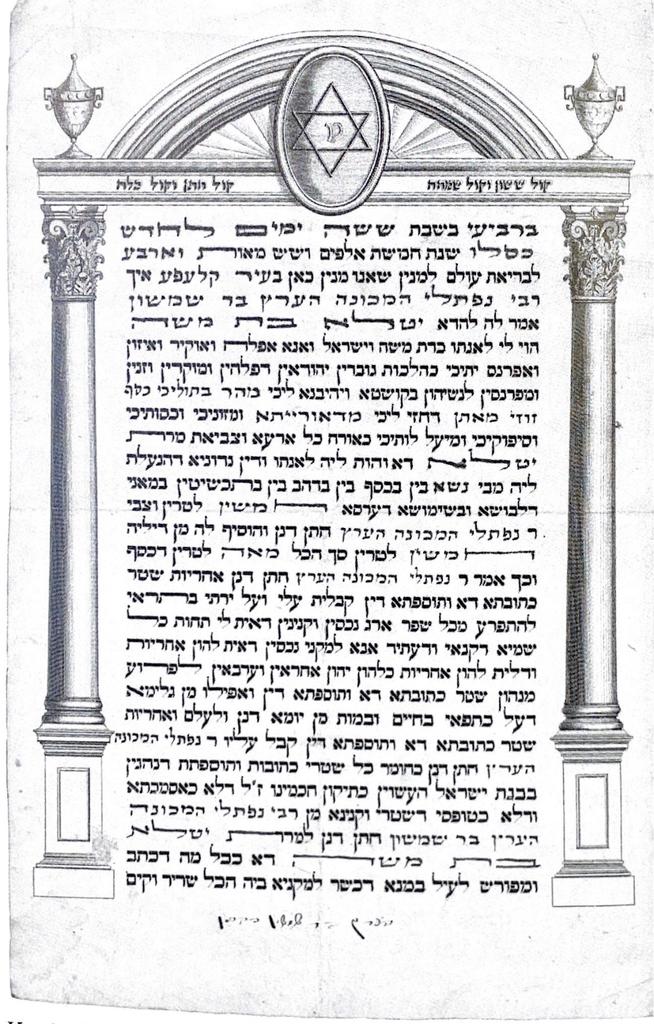
(א) Rabbinical Council of America Ketubah Text
(ב) ב ______ בשבת ______ לחדש ______ שנת חמשת אלפים ושבע מאות ______ לבריאת העולם למנין שאנו מנין כאן ______ איך החתן ______ בר ______ אמר לה להדא ______ בת ______ הוי לי לאנתו כדת משה וישראל ואנא אפלח ואוקיר ואיזון ואפרנס יתיכי ליכי כהלכות גוברין יהודאין דפלחין ומוקרין וזנין ומפרנסין לנשיהון בקושטא ויהיבנא ליכי מהר ______ כסף זוזי ______ דחזי ליכי מדאוריתא ומזוניכי וכסותיכי וסיפוקיכי ומיעל לותיכי כאורח כל ארעא וצביאת מרת ______ דא והות ליה לאנתו ודן נדוניא דהנעלת ליה מבי ______ בין בכסף בין בדהב בין בתכשיטין במאני דלבושא בשימושי דירה ובשימושא דערסא הכל קבל עליו ______ חתן דנן ______ זקוקים כסף צרוף וצבי ______ חתן דנן והוסיף לה מן דיליה עוד ______ זקוקים כסף צרוף אחרים כנגדן סך הכל ______ זקוקים כסף צרוף וכך אמר ______ חתן דנן אחריות שטר כתובתא דא נדוניא דן ותוספתא דא קבלית עלי ועל ירתי בתראי להתפרע מכל שפר ארג נכסין וקנינין דאית לי תחות כל שמיא דקנאי ודעתיד אנא למקנא נכסין דאית להון אחריות ודלית להון אחריות כלהון יהון אחראין וערבאין לפרוע מנהון שטר כתובתא דא נדוניא דן ותוספתא דא מנאי ואפילו מן גלימא דעל כתפאי בחיי ובתר חיי מן יומא דנן ולעלם ואחריות שטר כתובתא דא נדוניא דן ותוספתא דא קבל עליו ______ חתן דנן כחומר כל שטרי כתובות ותוספתות דנהגין בבנות ישראל העשויין כתקון חכמינו זכרונם לברכה דלא כאסמכתא ודלא כטופסי דשטרי וקנינא מן ______ בר ______ חתן דנן למרת ______ בת ______ דא על כל מה דכתוב ומפורש לעיל במנא דכשר למקניא ביה והכל שריר וקים
(ג) Traditional Aramaic Ketubah Text
(ד) ... בשבת ... לחדש ... שנת חמשת אלפים ושבע מאות ... לבריאת עולם למנין שאנו מנין כאן ... איך ... בן ... אמר לה להדא ... בת ... הוי לי לאנתו כדת משה וישראל ואנא אפלח ואוקיר ואיזון ואפרנס יתיכי ליכי כהלכות גוברין יהודאין דפלחין ומוקרין וזנין ומפרנסין לנשיהון בקושטא ויהיבנא ליכי ... כסף זוזי ... דחזי ליכי ... ומזוניכי וכסותיכי וסיפוקיכי ומיעל לותיכי כאורח כל ארעא וצביאת מרת ... דא והות ליה לאנתו ודן נדוניא דהנעלת ליה מבי ... בין בכסף בין בזהב בין בתכשיטין במאני דלבושא בשמושי דירה ובשמושא דערסא הכל קבל עליו ... חתן דנן ב... זקוקים כסף צרוף וצבי ... חתן דנן והוסיף לה מן דיליה עוד ... זקוקים כסף צרוף אחרים כנגדן סך הכל ... זקוקים כסף צרוף וכך אמר ... חתן דנן אחריות שטר כתובתא דא נדוניא דן ותוספתא דא קבלית עלי ועל ירתי בתראי להתפרע מכל שפר ארג נכסין וקנינין דאית לי תחות כל שמיא דקנאי ודעתיד אנא למקני נכסין דאית להון אחריות ודלית להון אחריות כלהון יהון אחראין וערבאין לפרוע מנהון שטר כתובתא דא נדוניא דן ותוספתא דא מנאי ואפילו מן גלימא דעל כתפאי בחיי ובתר חיי מן יומא דנן ולעלם ואחריות וחומר שטר כתובתא דא נדוניא דן ותוספתא דא קבל עליו ... חתן דנן כחומר כל שטרי כתובות ותוספתות דנהגין בבנת ישראל העשויין כתיקון חכמינו ז"ל דלא כאסמכתא ודלא כטופסי דשטרי וקנינא מן ... בן ... חתן דנן למרת ... בת ... דא על כל מה דכתוב ומפורש לעיל במנא דכשר למקניא ביה הכל שריר וקים
(ה) USCJ Ketubah Text with Lieberman Clause
(ו) ב ______ בשבת ב ______ לחדש ______ שנת חמשת אלפים ושבע מאות ושבעים ו ______לבריאת עולם למנין שאנו מונין כאן ב______ איך החתן ______ אמר לה להדא ______ הואי לי לאנתו כדת משה וישראל ואנא אפלח ואוקיר ואיזון ואפרנס יתיכי ליכי כהלכות גוברין יהודאין דפלחין ומוקרין וזנין ומפרנסין לנשיהון בקושטא ויהיבנא ליכי מוהר בתוליכי כסף זוזי מאתן דחזי ליכי מדאורייתא ומזוניכי וכסותיכי וסיפוקיכי ומיעל לותיכי כאורח כל ארעא וצביאת מרת ______ דא והות ליה לאנתו ודין נדוניא דהנעלת ליה מבי ______ בין בכסף בין בדהב בין בתכשיטין במאני דלבושא בשימושי דירה ובשימושי דערסא הכל קבל עליו ______ חתן דנן ______ זקוקים כסף צרוף וצבי ______ חתן דנן והוסיף לה מן דיליה עוד ______ זקוקים כסף צרוף אחרים כנגדן סך הכל ______ זקוקים כסף צרוף וכך אמר ______ חתן דנן אחריות שטר כתובתא דא נדוניא דין ותוספתא דא קבלית עלי ועל ירתי בתראי להתפרע מן כל שפר ארג נכסין וקנינין דאית לי תחות כל שמיא דקנאי ודעתיד אנא למקנא נכסין דאית להון אחריות ודלית להון אחריות כלהון יהון אחראין וערבאין לפרוע מנהון שטר כתובתא דא נדוניא דין ותוספתא דא מנאי ואפילו מן גלימא דעל כתפאי בחיי ובמותי מן יומא דנן ולעולם ואחריות וחומר שטר כתובתא דא נדוניא דין ותוספתא דא קבל עליו ______ חתן דנן כחומר כל שטרי כתובת ותוספתות דנהגין בבנות ישראל העשויין כתקון חכמינו זכרונם לברכה. וצביאו מר ______ חתן דנן ומרת ______ דא למשבק דין לדא ודא לדין למנהג כל ימי חייהון באורחה דאורייתא כהלכות גוברין יהודאין. וצביאו ברעות נפשיהון ואסכימו לקבלא על נפשיהון בית דינא דכינשתא דרבנן ודבית מדרשה דרבנן דארעתא דקיימא, או מאן דאתי מן חילה, היך רשו יחידאה לאלפא יתהון למיזל באורחא דאורייתא ולמרחם ולאוקרא דין לדא ודא לדין כל ימי מיגד נישואיהון. וקבילו על נפשיהון כל חד מנהון לארשאה לחבריה לזמנא יתה לבי דינא דאידכר מן עילא, אן יתרמא תגרא ביניהון, בדיל דיכול למיחי כל חד דירעי מנהון בדיני דאורייתא כל ימי חיוהי. וארשיאו לבי דינא דאידכר למרמא פצויין על כל חד מנהון. אן לא יצבי למיזל קדמוהי בדינא או אן לא יצבי לצייתא לפסקא דדיניה. דלא כאסמכתא ודלא כטופסי דשטרי. וקנינא מן ______ חתן דנן למרת ______ דא ומן מרת ______ דא למר ______ חתן דנן על כל מה דכתוב ומפורש לעיל במנא דכשר ולמקנא ביה והכל שריר וקים.
(4) On the... [day] in the week, in the... month, the year, 57... from the creation of the world, according to the count that we are counting here... , ... the son of... said to this... the daughter of..., "Be my wife, according to the law of Moses and Israel. And I will work to honor , feed, and support you, according to the laws of Jewish men, who faithfully work to honor, feed and support their wives. And I will give you... silver zuz... , which is due to you...; and your food, clothing and needs and to live with you in the manner of the whole world." And Miss ... here agreed and became his wife. And this dowry that she brought in to him from the house of... - whether in silver, in gold, in jewelry, in clothing apparel, in houseware or in bedclothes - our groom has assumed upon himself for... pieces of refined silver. And our groom... agreed and added another... pieces of refined silver from his own corresponding to them - all in all... pieces of refined silver. And our groom... said as follows, "I accept responsibility upon myself and upon my inheritors after me for this marriage contract, for this dowry and for this addition (to the dowry), to be paid from all the best of my properties and possessions under all the skies, that I have acquired or that I will acquire in the future. Whether they are properties that are liened or are not liened, they are all liable and guarantee payment of this marriage contract, this dowry and this addition from me - and even from the cloak on my shoulder. [This holds] during my lifetime and after my lifetime, from today and forever." And our groom... has accepted responsibility and the stringencies of this marriage contract, this dowry and this addition, in accordance with the stringencies of all marriage contracts, dowries and additions customary with regards to the daughters of Israel that are made according to the ordinance of our Sages, may their memory be blessed. This is not like a conjectural agreement nor like a contract template. And it has been validated by our groom... the son of... towards... the daughter of... here about everything that is written and specified above with an object fit to make such a validation (kinyan). It is all binding and established.