


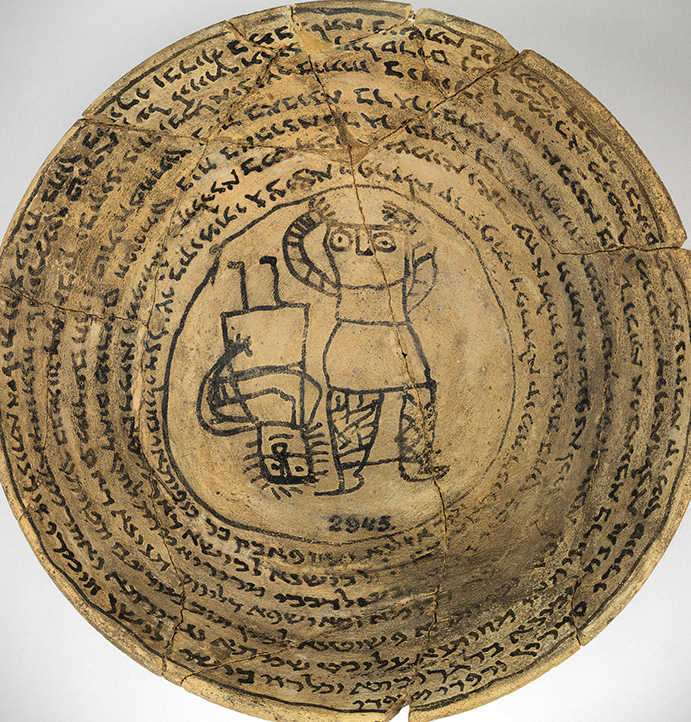
The magical acts that are enshrined in Jewish history and culture (and often used by our Rabbis) are and were done using powers that G-d granted through prophecy. This type of magic is extremely complicated, but is permitted to learn. Magical acts that are done through other religions, to other deities, or with a power not given by G-d are considered idolatry and therefore banned.
“The primary principle of medieval Jewish magic was an implicit reliance upon the Powers of Good, which were invoked by calling upon their names, the holy Names of G-d and His angels."
- Prescribing certain herbs for healing
- Placing mezuzot in houses
- Circling a groom seven times and breaking a glass
- Saying the Sh’ma at night
- Creating engraved amulets (segulot) for a newborn
So why is this not common practice today? Quick answer: antisemitism.
“Consequently every innocent Jewish act which by its strangeness laid itself open to suspicion was considered a diabolical device for working magic against Christians.”
Religious Meaning:
- Commemorate the destruction of the two Temples
- You and your soulmate’s souls were split before birth
- Our task is to elevate the Earth, so we remind ourselves that the world isn‘t perfect yet
- Joyous occasions are popular moments for demons or the evil eye to attack
- Loud noises can scare negative influences away
- Doing something negative will appease the evil spirits’ mission
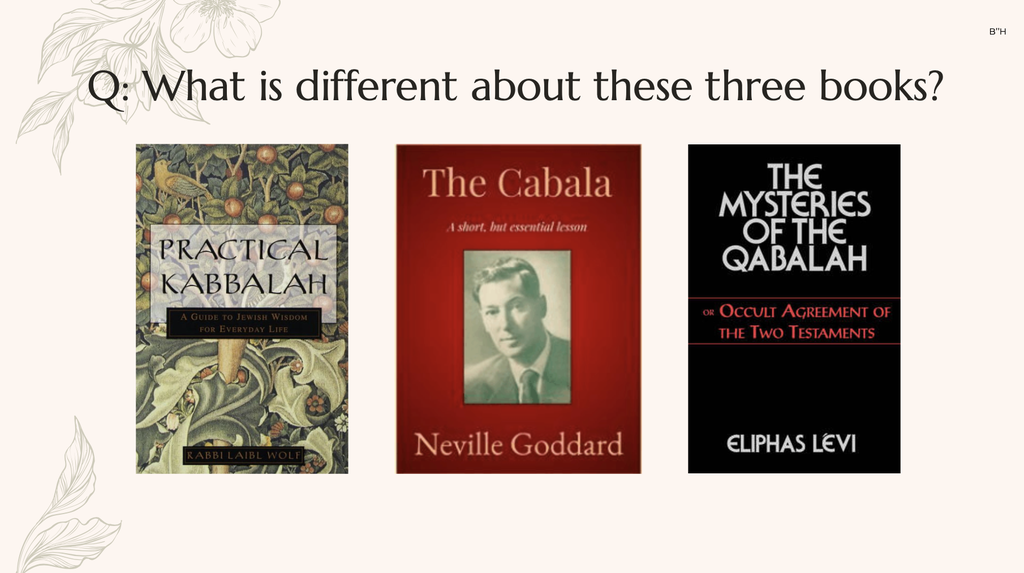
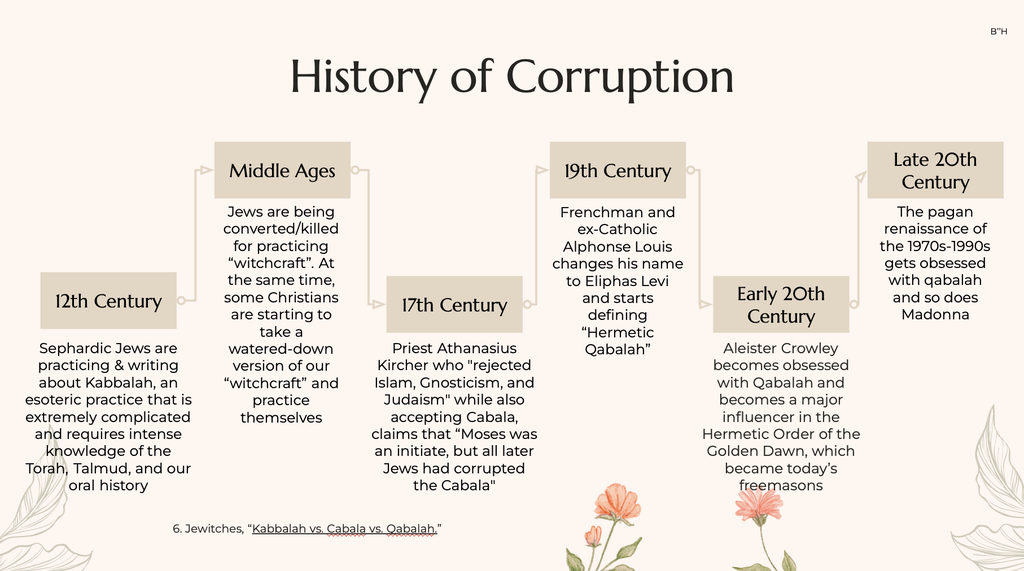
Cabala(h): “A Christianized form of Kabbalah that seeks to reimagine it through an entirely Christian lens. The spelling is on a decline, as is the practice, and is also commonly referred to as ‘Christian Kabbalah’.”
Qabalah: “a blend of Jewish Kabbalah, Western astrology, Alchemy, Pagan religions, Gnosticism, the Enochian system of angelic magic of John Dee and Edward Kelley, hermeticism, tantra and the symbolism of the tarot.”
- Amulet to avoid any sickness
- Control a demon to do your chores
- Kefitzat haderech (teleportation)
- Create food out of thin air
- Astral project to heaven
- See/talk to dead people
- Maggid (spirit guide) gives you advice
- Rabbi’s ghost does your homework
- Golem fights anyone you want
“Most cultures have some idea about words having supernatural constructive powers, but nowhere is this belief stronger than in Judaism.”
(ב) עשרים ושתים אותיות חקקן חצבן שקלן והמירן צרפן וצר בהם נפש כל כל היצור ונפש כל העתיד לצור:
(2) Twenty-two letters: He engraves them, carves them, weighs and transmutes them, combines them and forms with them the soul of all—of all created, and soul of all He has yet to form.
- There is special power inherent in the names of G-d
- There is special power in the words and phrases G-d speaks
- The Hebrew alphabet itself is supernatural in origin, which means that using Hebrew letters in certain combinations is a source of special power even when it has no semantic value
לְכִיפָּה, לֵימָא הָכִי: ״חֶרֶב שְׁלוּפָה וְקֶלַע נְטוּשָׁה לָא שְׁמֵיהּ יוֹכַב חוֹלִין מַכְאוֹבִין״. לְשֵׁידָא, לֵימָא הָכִי: ״הֲוֵית דִּפְקִיק, דִּפְקִיק הֲוֵית, לִיט תְּבִיר וּמְשׁוּמָּת בַּר טִיט בַּר טָמֵא בַּר טִינָא, כְּשַׁמְגַּז מְרִיגַז וְאִיסְטְמַאי״. לְשֵׁידָא דְּבֵית הַכִּסֵּא, לֵימָא הָכִי: ״אַקַּרְקָפֵי דַאֲרִי וְאַאוֹסֵי דְגוּרַיְיתָא אַשְׁכַּחְתּוּן לְשֵׁידַאי בַּר שְׁרִיקָא פַּנְדָּא, בְּמֵישָׁרָא דְכַרָּתֵי חֲבַטְתֵּיהּ, בְּלוֹעָא דַחֲמָרָא חֲטַרְתֵּיהּ״.
For healing a wound, let him recite as follows: A drawn sword and a readied sling, its name shall not be ache, sickness, and pains.To be saved from a demon, let him recite as follows: You were stopped up, stopped up you were. Cursed, broken, and excommunicated be the demon called bar Tit bar Tamei bar Tina as Shamgaz, Merigaz, and Istemai.To be saved from the demon of the bathroom, let him recite as follows: On the head of a lion and on the nose of a lioness we found the demon named bar Shirika Panda. With a bed of leeks I felled him, and with the jaw of the donkey I struck him.
- Write your own incantations using Hebrew or English words
- Learn about the 72 names of G-d and their meditation possibilities
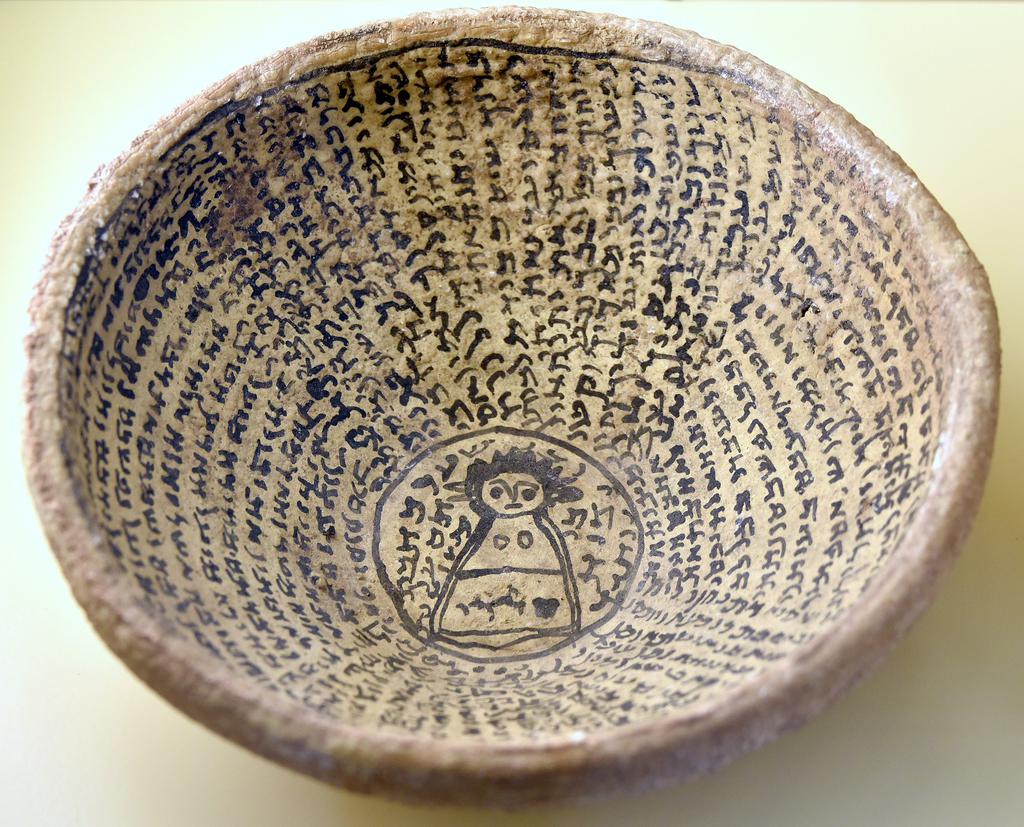
- Create your own incantation bowl for use in ritual, washing, or self-care
- Learn blessings (brachot) - for eating food, seeing a rainbow, hearing thunder, etc.
- Create a sigil using one word / shapes you feel called to
- Clear your home’s space through sound or smell and invoke the blessing over homes (birkat habayit)
For example, if you had a member of the family who was seriously ill, you may have visited a Baal shem to receive an amulet that had an incantation for healing, and that amulet might be placed like a necklace around the sick person or on their bed.
The most famous Jewish amulet that still exists today is the mezuzah! The mezuzah with a kosher scroll (klaf) is placed on the door to the house to protect the house from evil spirits. It contains the Shema, which was historically used as a protective prayer to keep away demons.
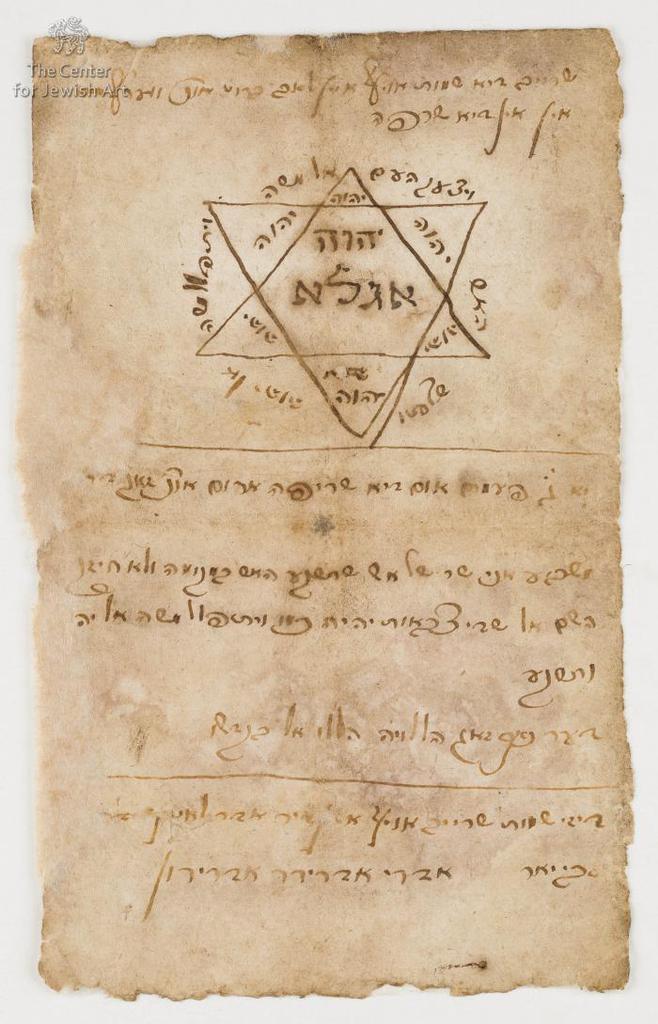
Amulets often included the magen David, shield of David, which was associated with the holy name AGLA (ata gibor l'olam Adonai). This symbol is protective and especially used to fend off fire.
אַבָּיֵי וְרָבָא דְּאָמְרִי תַּרְוַיְיהוּ: כׇּל דָּבָר שֶׁיֵּשׁ בּוֹ מִשּׁוּם רְפוּאָה אֵין בּוֹ מִשּׁוּם דַּרְכֵי הָאֱמוֹרִי.
With regard to the halakha in the mishna, the Gemara cites Abaye and Rava, who both said: Anything that contains an element of healing and seems to be effective does not contain an element of the prohibition against following the ways of the Amorite. There is no cause for suspicion of one who engages in their practice, gentile or Jew.
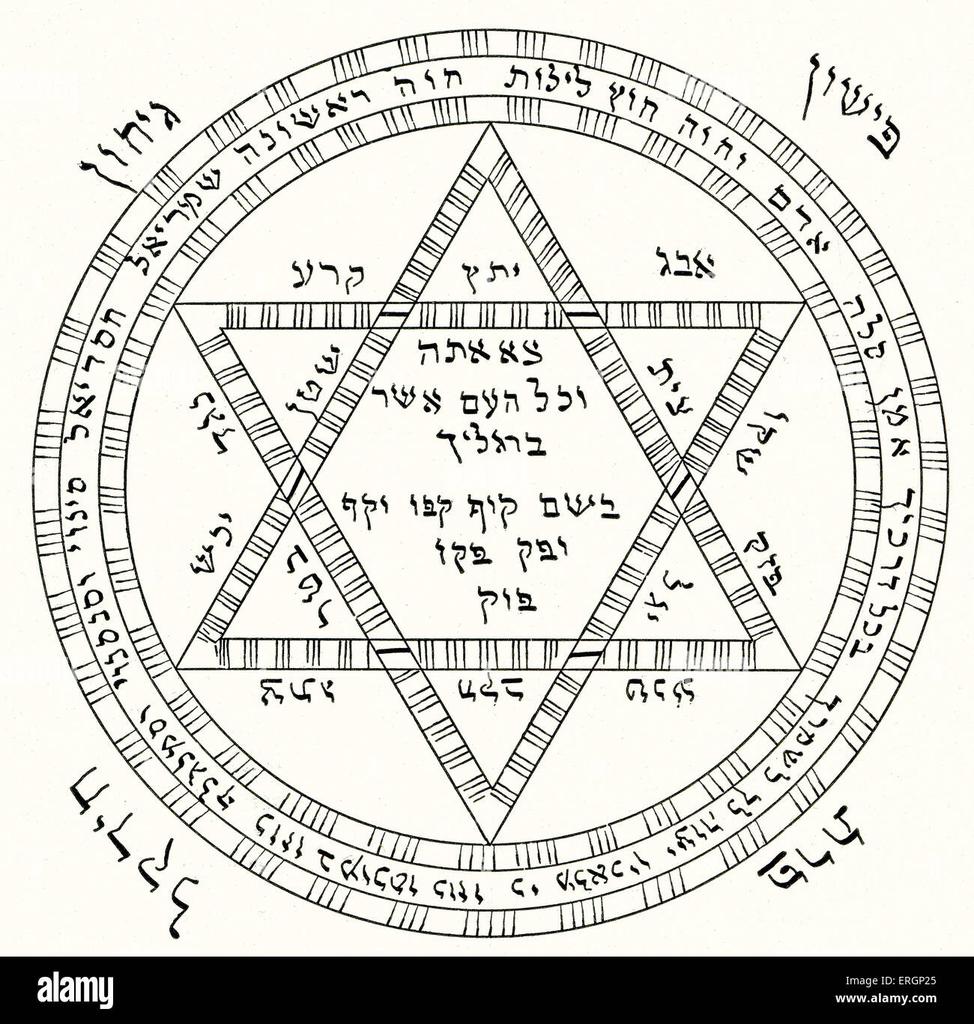
- Create art to hang on your wall that incorporates your favorite Jewish images, phrases, letters, or symbols of power
- Make your own mezuzah case out of quick-dry clay or resin
- If you're not kosher: design your own version of tefillin - make one or two decorated small boxes and your material of choice for the wrap
- Make your own necklace or bracelet with blue beads and an evil eye charm to keep yourself protected
- Decorate a kiddush cup for use in your Shabbat practice, and make sure to dedicate it to your practice with a ritual and wine/grape juice
The Jewish version of numerology, mystical insights from numbers, Gematria is a magical practice for the mathematics lovers. Each Hebrew letter has a corresponding number, and words have a total from adding the value of each letter.
- First words of Exodus 35:1 → 39 types of work forbidden on Shabbat
- Wine (yayin) & secret (sod) both = 70
- When wine goes in, all your secrets come out!
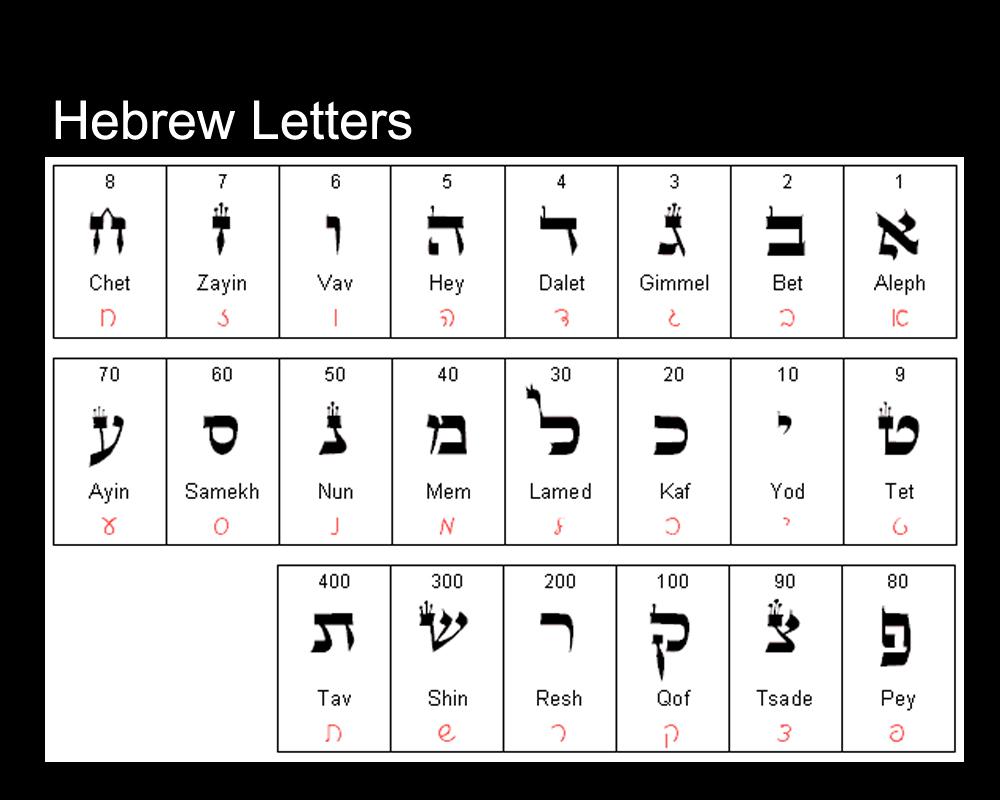
- Look up kabbalistic word associations and meditate on them
- Dream about something? Calculate its gematrical value and find other words with the same
- Find other words with the same value as your name
- Find new ways to enjoy Jewish rituals using word sisters
- Meditate on the letters themselves and their values
- Each parsha has a gematrical value too!
- Inscribe a candle with the number value of a word special to you or relevant to your goal and light it to bring power to that concept
A bygone Jewish meditative practice of heavenly ascent included body or soul projection to Heaven to gain insight, inspired by the mystical chariot of Ezekiel. A group of mystics called the Hechalot/Ma’asei Merkavah in the Greco-Roman period used this practice to democratize the Holy of Holies, previously only known to the Kohanim.
Techniques for ascent include ritual purification, immersion, fasting, study of sacred texts, sleep deprivation, word recitation, self-isolation, self-mortification, sex, probably drugs, and specula.
This practice is no longer done because it is considered hazardous to the extreme and the knowledge to do it safely has been lost. In order to ascend without death, one must know incantations, seals, & angelic names to get past the celestial guards.
תָּנוּ רַבָּנַן: אַרְבָּעָה נִכְנְסוּ בַּפַּרְדֵּס, וְאֵלּוּ הֵן: בֶּן עַזַּאי, וּבֶן זוֹמָא, אַחֵר, וְרַבִּי עֲקִיבָא. אֲמַר לָהֶם רַבִּי עֲקִיבָא: כְּשֶׁאַתֶּם מַגִּיעִין אֵצֶל אַבְנֵי שַׁיִשׁ טָהוֹר, אַל תֹּאמְרוּ ״מַיִם מַיִם״, מִשּׁוּם שֶׁנֶּאֱמַר: ״דּוֹבֵר שְׁקָרִים לֹא יִכּוֹן לְנֶגֶד עֵינָי״. בֶּן עַזַּאי הֵצִיץ וָמֵת, עָלָיו הַכָּתוּב אוֹמֵר: ״יָקָר בְּעֵינֵי יהוה הַמָּוְתָה לַחֲסִידָיו״. בֶּן זוֹמָא הֵצִיץ וְנִפְגַּע, וְעָלָיו הַכָּתוּב אוֹמֵר: ״דְּבַשׁ מָצָאתָ אֱכוֹל דַּיֶּיךָּ פֶּן תִּשְׂבָּעֶנּוּ וַהֲקֵאתוֹ״. אַחֵר קִיצֵּץ בִּנְטִיעוֹת. רַבִּי עֲקִיבָא יָצָא בְּשָׁלוֹם.
§ The Sages taught: Four entered the orchard [pardes], i.e., dealt with the loftiest secrets of Torah, and they are as follows: Ben Azzai; and ben Zoma; Aḥer, the other, a name for Elisha ben Avuya; and Rabbi Akiva. Rabbi Akiva, the senior among them, said to them: When, upon your arrival in the upper worlds, you reach pure marble stones, do not say: Water, water, although they appear to be water, because it is stated: “He who speaks falsehood shall not be established before My eyes” (Psalms 101:7). The Gemara proceeds to relate what happened to each of them: Ben Azzai glimpsed at the Divine Presence and died. And with regard to him the verse states: “Precious in the eyes of the Lord is the death of His pious ones” (Psalms 116:15). Ben Zoma glimpsed at the Divine Presence and was harmed, i.e., he lost his mind. And with regard to him the verse states: “Have you found honey? Eat as much as is sufficient for you, lest you become full from it and vomit it” (Proverbs 25:16). Aḥer chopped down the shoots of saplings. In other words, he became a heretic. Rabbi Akiva came out safely.
Popular amongst Rabbis and lay people, Jewish herbalism was split in two forms - herbal medicine & magico-religious medicine - but these were often intertwined. Herbs could be ingested in a syrup, applied to the skin in a poultice or plaster, put in a bath, or included in a bag/amulet to be kept near the sick person.
Our teachings abound with herbal practice, going as far back as the days of the Temple:
(ד) וְצִוָּה֙ הַכֹּהֵ֔ן וְלָקַ֧ח לַמִּטַּהֵ֛ר שְׁתֵּֽי־צִפֳּרִ֥ים חַיּ֖וֹת טְהֹר֑וֹת וְעֵ֣ץ אֶ֔רֶז וּשְׁנִ֥י תוֹלַ֖עַת וְאֵזֹֽב׃
(4) the priest shall order two live pure birds, cedar wood, crimson stuff, and hyssop to be brought for the one to be purified.
לְאִשָּׁתָא תִּילְתָּא — לַיְיתֵי שִׁבְעָה סִילְוֵי מִשִּׁבְעָה דִּיקְלֵי, וְשִׁבְעָה צִיבֵי מִשִּׁבְעָה כְּשׁוּרֵי, וְשִׁבְעָה סִיכֵּי מִשִּׁבְעָה גְּשׁוּרֵי, וְשִׁבְעָה קִיטְמֵי מִשִּׁבְעָה תַּנּוּרֵי, וְשִׁבְעָה עַפְרֵי מִשִּׁבְעָה סֻנְרֵי, וְשִׁבְעָה כּוּפְרֵי מִשִּׁבְעָה אַרְבֵי, וְשִׁבְעָה בּוּנֵי כַּמּוֹנֵי, וְשִׁבְעָה בִּינֵי מִדִּיקְנָא דְכַלְבָּא סָבָא, וְלִצְיְירִינְהוּ בַּחֲלָלָא דְבֵי צַוְּארָא בְּנִירָא בַּרְקָא.
For tertian fever, which afflicts one every three days, let one bring seven thorns from seven palm trees, and seven slivers from seven beams, and seven pegs from seven bridges, and seven types of ashes from seven ovens, and seven types of dust from seven door sockets, the hole in which the hinge of the door revolves, and seven types of tar from seven boats, and seven cumin seeds, and seven hairs from the beard of an old dog, and let him bind it to the opening of the neckline of his garment with a thread made of hair.
- Rosemary, rue/ruda, garlic, salt, fennel - protection
- Cloves, cinnamon, cardamom, star anise - Havdalah besamim / spiritual awakening
- Hyssop, cedar, frankincense - purification
- Sage, honey, mandrake - love
- Create your own mix of besamim with your favorite herbal scents
- Create a decorated herb bag and hang it by your bed or keep it in your purse
- Leave garlic in warm water over night and wipe on the doorpost to protect your home
- Burn cedar or frankincense incense to cleanse your space
- Make tea or hot chocolate with cloves, cinnamon, & cardamom as a healing “potion”
אֵיזֶהוּ חָכָם – הָרוֹאֶה אֶת הַנּוֹלָד.
Who is the wise person? The one who sees and anticipates the consequences of his behavior.
- Lots - Drawn to decide between multiple options, like a lottery. Mentioned a number of times in the Torah as divine organization.
(נה) אַךְ־בְּגוֹרָ֕ל יֵחָלֵ֖ק אֶת־הָאָ֑רֶץ לִשְׁמ֥וֹת מַטּוֹת־אֲבֹתָ֖ם יִנְחָֽלוּ׃
(55) The land, moreover, is to be apportioned by lot; and the allotment shall be made according to the listings of their ancestral tribes.
- Tarot - The standardized deck is unfortunately antisemitic in nature. It was created out of Christian Cabala and includes the full name of G-d, which we consider blasphemy to write down. However there are many decks you can find that are not, including this Jewish one or an Oracle deck like this one.
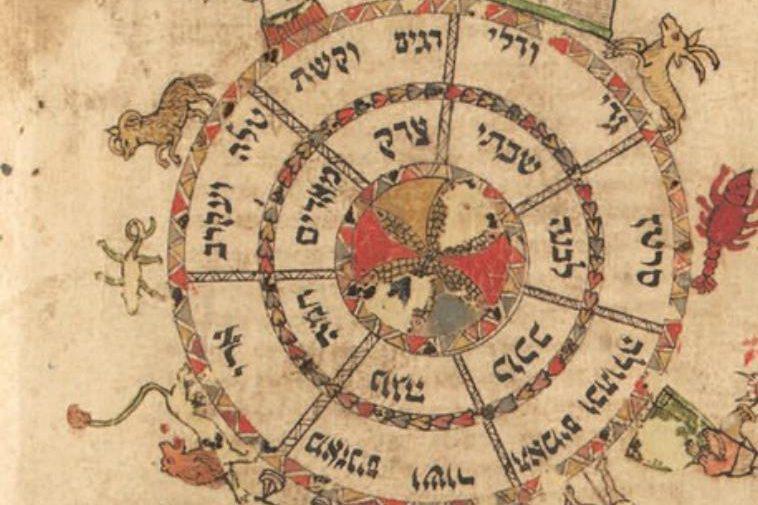
- Astrology - Ancient Jews adopted the zodiac of the Greeks but gave them Hebrew names. Astrology itself is viewed with varied opinions by the Sages, some who use it and some who call it heresy. However, there are a number of mystical books that claim that certain days or months have different meanings based on the stars. A practice of astrology that has continued to today is the congratulatory greeting "Mazal tov" which literally translates to "good star/fate"
רַבִּי אֶלְעָזָר הַמּוֹדָעִי אוֹמֵר: אִיצְטַגְנִינוּת הָיְתָה בְּלִבּוֹ שֶׁל אַבְרָהָם אָבִינוּ, שֶׁכׇּל מַלְכֵי מִזְרָח וּמַעֲרָב מַשְׁכִּימִין לְפִתְחוֹ.
Rabbi Elazar HaModa’i says: Abraham our forefather was so knowledgeable in astrology [itztagninut] that all the kings of the East and the West would come early to his door due to his wisdom.
אִיתְּמַר, רַבִּי חֲנִינָא אוֹמֵר: מַזָּל מַחְכִּים, מַזָּל מַעֲשִׁיר, וְיֵשׁ מַזָּל לְיִשְׂרָאֵל. רַבִּי יוֹחָנָן אָמַר: אֵין מַזָּל לְיִשְׂרָאֵל. וְאַזְדָּא רַבִּי יוֹחָנָן לְטַעְמֵיהּ, דְּאָמַר רַבִּי יוֹחָנָן: מִנַּיִין שֶׁאֵין מַזָּל לְיִשְׂרָאֵל? שֶׁנֶּאֱמַר: ״כֹּה אָמַר יהוה אֶל דֶּרֶךְ הַגּוֹיִם אַל תִּלְמָדוּ וּמֵאוֹתוֹת הַשָּׁמַיִם אַל תֵּחָתּוּ כִּי יֵחַתּוּ הַגּוֹיִם מֵהֵמָּה״ — הֵם יֵחַתּוּ, וְלֹא יִשְׂרָאֵל.
It was stated that Rabbi Ḥanina says: A constellation makes one wise and a constellation makes one wealthy, and there is a constellation for the Jewish people that influences them. Rabbi Yoḥanan said: There is no constellation for the Jewish people that influences them. The Jewish people are not subject to the influence of astrology. And Rabbi Yoḥanan follows his own reasoning, as Rabbi Yoḥanan said: From where is it derived that there is no constellation for the Jewish people? As it is stated: “Thus said the Lord: Learn not the way of the nations, and be not dismayed at the signs of heaven; for the nations are dismayed at them” (Jeremiah 10:2). The nations will be dismayed by them, but not the Jewish people.
- Dream interpretation - Dreams were of utmost importance to ancient Jews and we have multiple exams of dream prophecies in the Torah. For example, Joseph’s life was saved by his ability to interpret dreams, and likely to interpret the people having them. There are various texts on Jewish dream meanings, and the Talmud tells us that if we wake up after having had a bad dream, we should tell it to our friends and have them say out loud that it won't come true for our protection.
אָמַר רַב חִסְדָּא: כׇּל חֲלוֹם, וְלָא טְווֹת. וְאָמַר רַב חִסְדָּא: חֶלְמָא דְּלָא מְפַשַּׁר כְּאִגַּרְתָּא דְּלָא מִקַּרְיָא. וְאָמַר רַב חִסְדָּא: לָא חֶלְמָא טָבָא מִקַּיַּים כּוּלֵּיהּ וְלָא חֶלְמָא בִּישָׁא מִקַּיַּים כּוּלֵּיהּ. וְאָמַר רַב חִסְדָּא: חֶלְמָא בִּישָׁא עֲדִיף מֵחֶלְמָא טָבָא. וְאָמַר רַב חִסְדָּא: חֶלְמָא בִּישָׁא — עֲצִיבוּתֵיהּ מִסְתְּיֵיהּ, חֶלְמָא טָבָא — חֶדְוֵיהּ מִסְתְּיֵיהּ. אָמַר רַב יוֹסֵף: חֶלְמָא טָבָא, אֲפִילּוּ לְדִידִי, בְּדִיחוּתֵיהּ מְפַכְּחָא לֵיהּ. וְאָמַר רַב חִסְדָּא: חֶלְמָא בִּישָׁא קָשֶׁה מִנְּגָדָא, שֶׁנֶּאֱמַר: ״וְהָאֱלֹהִים עָשָׂה שֶׁיִּרְאוּ מִלְּפָנָיו״, וְאָמַר רַבָּה בַּר בַּר חָנָה אָמַר רַבִּי יוֹחָנָן: זֶה חֲלוֹם רַע.
Related to what was stated above, that one should pray for a good dream, the Gemara cites additional maxims concerning dreams and their interpretation. Rav Ḥisda said: One should see any dream, and not a fast. In other words, any dream is preferable to a dream during a fast. And Rav Ḥisda said: A dream not interpreted is like a letter not read. As long as it is not interpreted it cannot be fulfilled; the interpretation of a dream creates its meaning. And Rav Ḥisda said: A good dream is not entirely fulfilled and a bad dream is not entirely fulfilled. And Rav Ḥisda said: A bad dream is preferable to a good dream, as a bad dream causes one to feel remorse and to repent. And Rav Ḥisda said: A bad dream, his sadness is enough for him; a good dream, his joy is enough for him. This means that the sadness or joy engendered by the dream renders the actual fulfillment of the dream superfluous. Similarly, Rav Yosef said: Even for me, the joy of a good dream negates it. Even Rav Yosef, who was blind and ill, derived such pleasure from a good dream that it was never actually realized. And Rav Ḥisda said: A bad dream is worse than lashes, as it is stated: “God has so made it, that men should fear before Him” (Ecclesiastes 3:14), and Rabba bar bar Ḥana said that Rabbi Yoḥanan said: That is a bad dream that causes man to fear.
- Scrying fingernails - It is traditional during Havdalah to hold one's hands with palms up and fingernails towards oneself under the light of the candle. Scryers would look for omens in the fingernails from white spots in your nails to the length or shape of shadows. The act of gazing at the fingernails itself was also said to be a protective act.
- Bibliomancy - Divination through books or the written word also has its place in Jewish practice. For example, opening to a random page in a spiritual book and believing that the text there will have relevant lessons. This is especially common in Chasidic circles.
- Sleeping on graves - Students who wanted to improve their Torah memory or be inspired by the wisdom of the Sages started a practice of sleeping overnight on the graves of the Sages in an effort to squeeze off some of their wisdom overnight. Some especially important Rabbis would be granted maggidim, spirit guides, who would commandeer their bodies to write or speak the wisdom of G-d.
A number of manuals exist on how to make amulets to harness the power of angels, demons, or other supernatural creatures.
Angels & Demons
Angels & demons in Judaism are not at all like their Christian counterparts.
Angels, of which there are a few varied subclassifications, are either mighty warriors or machines who complete G-d’s will. They complete tasks like sharing messages from G-d, singing praises, and occasionally smiting the evil. There is an angel for each sefirot, month, planet, day, hour, second, etc. all the way to every individual blade of grass.
Some of the subclassifications of angels include: Irinim (watchers/high angels), Cherubim (mighty ones), Sarim (princes), Serafim (fiery ones), Chayyot (holy creatures), and Ofanim (wheels). Three angels in the Torah are given names: Michael, Gabriel, and Satan (though that may not be a name).
A good example of their narrow will is the Ashkenazi superstition that should a child become ill, you can change its name in order to trick the angel of death into passing it over. This brings to mind an angel drowning in bureaucratic paperwork who is looking for a specific name and, upon being unable to find that name, moves on. This is also a reason why Ashkenazim traditionally do not name their children after living relatives, in case when the relative is on their deathbed the angel of death may take the child instead.
Demons are, depending on who you ask, either a subclass of heavenly creatures or evil spirits similar to other cultures. The most common belief is that demons are creatures created by G-d who represent negative aspects of the world, but this belief also meshed with beliefs of evil spirits from other cultures, so the demons mentioned can also be malevolent or even deadly.
תָּנוּ רַבָּנַן, שִׁשָּׁה דְּבָרִים נֶאֶמְרוּ בַּשֵּׁדִים: שְׁלֹשָׁה כְּמַלְאֲכֵי הַשָּׁרֵת, וּשְׁלֹשָׁה כִּבְנֵי אָדָם. שְׁלֹשָׁה כְּמַלְאֲכֵי הַשָּׁרֵת — יֵשׁ לָהֶם כְּנָפַיִם כְּמַלְאֲכֵי הַשָּׁרֵת, וְטָסִין מִסּוֹף הָעוֹלָם וְעַד סוֹפוֹ כְּמַלְאֲכֵי הַשָּׁרֵת, וְיוֹדְעִין מַה שֶּׁעָתִיד לִהְיוֹת כְּמַלְאֲכֵי הַשָּׁרֵת. יוֹדְעִין סָלְקָא דַּעְתָּךְ?! אֶלָּא, שׁוֹמְעִין מֵאֲחוֹרֵי הַפַּרְגּוֹד, כְּמַלְאֲכֵי הַשָּׁרֵת. וּשְׁלֹשָׁה כִּבְנֵי אָדָם — אוֹכְלִין וְשׁוֹתִין כִּבְנֵי אָדָם, פָּרִין וְרָבִין כִּבְנֵי אָדָם, וּמֵתִים כִּבְנֵי אָדָם.
§ The Gemara returns to discussing the heavenly beings. The Sages taught: Six statements were said with regard to demons: In three ways they are like ministering angels, and in three ways they are like humans. The baraita specifies: In three ways they are like ministering angels: They have wings like ministering angels; and they fly from one end of the world to the other like ministering angels; and they know what will be in the future like ministering angels. The Gemara is puzzled by this last statement: Should it enter your mind that they know this? Not even the angels are privy to the future. Rather, they hear from behind the curtain when God reveals something of the future, like ministering angels.And in three ways they are similar to humans: They eat and drink like humans; they multiply like humans; and they die like humans.
אַבָּיֵי מְרַבְּיָא לֵיהּ אִמֵּיהּ אִמְּרָא לְמֵיעַל בַּהֲדֵיהּ לְבֵית הַכִּסֵּא. וּלְרַבֵּי לֵיהּ גַּדְיָא! שָׂעִיר בְּשָׂעִיר מִיחַלַּף.
Because fear of demons in bathrooms was pervasive, the Gemara relates: Abaye’s mother raised a lamb to accompany him to the bathroom. The Gemara objects: She should have raised a goat for him. The Gemara responds: A goat could be interchanged with a goat-demon. Since both the demon and the goat are called sa’ir, they were afraid to bring a goat to a place frequented by demons.
לְשֵׁידָא דְּבֵית הַכִּסֵּא, לֵימָא הָכִי: ״אַקַּרְקָפֵי דַאֲרִי וְאַאוֹסֵי דְגוּרַיְיתָא אַשְׁכַּחְתּוּן לְשֵׁידַאי בַּר שְׁרִיקָא פַּנְדָּא, בְּמֵישָׁרָא דְכַרָּתֵי חֲבַטְתֵּיהּ, בְּלוֹעָא דַחֲמָרָא חֲטַרְתֵּיהּ״.
To be saved from the demon of the bathroom, let him recite as follows: On the head of a lion and on the nose of a lioness we found the demon named bar Shirika Panda. With a bed of leeks I felled him, and with the jaw of the donkey I struck him.
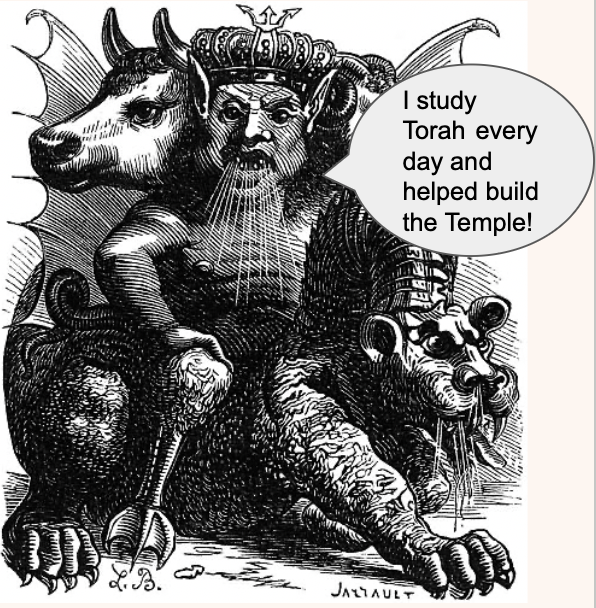
Made popular by the story of the Maharal and the Golem of Prague, a golem, coming from the word for raw, is an automaton, a creature made out of clay that acts upon the will of a Rabbi. The Golem of Prague was created to save the Jews from Middle Ages antisemitism.
- Studying the Sefer Yetzirah with a partner for three years
- Gathering fresh mountain soil
- Kneading the soil in running water
- Forming the soil into the shape of a Golem
- Reciting the 231 pairs of Hebrew letters with the five possible consonants (a, e, i, o, u) and names of God
What did [the Golem] look like? You would like a portrait. In your own mind, he looks like a monster. You imagine him excessively tall, strong, heavy, dragging his body like lead — some kind of human beast that nature put on earth to mock or frighten it. Well, let me tell you, you are mistaken... He was somewhat taller than the Maharal, who was very tall, and somewhat heavier... Strange, mysterious, he seemed to plow earth and heaven all at once... I should add that he was blessed with both intuition and intelligence... he radiated a force which overwhelmed you, moved you, flooded you with emotion... But even more striking was his shadow, which followed the Maharal's as if refusing to let go.
תָּא שְׁמַע: דִּזְעֵירִי הֲוָה מַפְקֵיד זוּזֵי גַּבֵּי אוּשְׁפִּיזְכָתֵיהּ. עַד דְּאָתֵי וְאָזֵיל לְבֵי רַב, שְׁכִיבָה. אֲזַל בָּתְרַהּ לַחֲצַר מָוֶת, אֲמַר לַהּ: זוּזֵי הֵיכָא? אֲמַרָה לֵיהּ: זִיל שַׁקְלִינְהוּ מִתּוּתֵי צִנּוֹרָא דְּדָשָׁא בְּדוּךְ פְּלָן, וְאֵימָא לַהּ לְאִימָּא, תְּשַׁדַּר לִי מַסְרְקַאי וְגוּבְתַּאי דְּכוּחְלָא בַּהֲדֵי פְּלָנִיתָא דְּאָתְיָא לִמְחַר. אַלְמָא יָדְעִי!
With regard to the deceased’s knowledge of what transpires, come and hear a proof, as it is told: Ze’iri would deposit his dinars with his innkeeper. While he was going and coming to and from the school of Rav, she died, and he did not know where she had put the money. So he went after her to her grave in the cemetery and said to her: Where are the dinars? She replied: Go and get them from beneath the hinge of the door in such and such a place, and tell my mother that she should send me my comb and a tube of eyeshadow with such and such a woman who will die and come here tomorrow. Apparently, the dead know what transpires in this world.