


(א)עָלֵֽינוּ לְשַׁבֵּֽחַ לַאֲדוֹן הַכֹּל... וַאֲנַֽחְנוּ כּוֹרְ֒עִים וּמִשְׁתַּחֲוִים וּמוֹדִים...
(1) It is our obligation to praise the Master of all... But we bow, prostrate ourselves, and offer thanks...
(ג) וְכֹ֣ל ׀ בְּנֵ֣י יִשְׂרָאֵ֗ל רֹאִים֙ בְּרֶ֣דֶת הָאֵ֔שׁ וּכְב֥וֹד ה׳ עַל־הַבָּ֑יִת וַיִּכְרְעוּ֩ אַפַּ֨יִם אַ֤רְצָה עַל־הָרִֽצְפָה֙ וַיִּֽשְׁתַּחֲו֔וּ וְהֹד֤וֹת לַֽה׳ כִּ֣י ט֔וֹב כִּ֥י לְעוֹלָ֖ם חַסְדּֽוֹ׃
(3) All the Israelites witnessed the descent of the fire and the glory of the LORD on the House; they knelt with their faces to the ground and prostrated themselves, praising the LORD, “For He is good, for His steadfast love is eternal.”
(נד) וַיְהִ֣י ׀ כְּכַלּ֣וֹת שְׁלֹמֹ֗ה לְהִתְפַּלֵּל֙ אֶל־ה׳ אֵ֛ת כׇּל־הַתְּפִלָּ֥ה וְהַתְּחִנָּ֖ה הַזֹּ֑את קָ֞ם מִלִּפְנֵ֨י מִזְבַּ֤ח ה׳ מִכְּרֹ֣עַ עַל־בִּרְכָּ֔יו וְכַפָּ֖יו פְּרֻשׂ֥וֹת הַשָּׁמָֽיִם׃
(54) When Solomon finished offering to GOD all this prayer and supplication, he rose from where he had been kneeling, in front of the altar of GOD, his hands spread out toward heaven.
(ה) וּבְמִנְחַ֣ת הָעֶ֗רֶב קַ֚מְתִּי מִתַּֽעֲנִיתִ֔י וּבְקׇרְעִ֥י בִגְדִ֖י וּמְעִילִ֑י וָֽאֶכְרְעָה֙ עַל־בִּרְכַּ֔י וָאֶפְרְשָׂ֥ה כַפַּ֖י אֶל־ה׳ אֱלֹקָֽי׃
(5) At the time of the evening offering I ended my self-affliction; still in my torn garment and robe, I got down on my knees and spread out my hands to the LORD my God,
(א) שְׁמוֹנָה דְּבָרִים צָרִיךְ הַמִּתְפַּלֵּל לְהִזָּהֵר בָּהֶן וְלַעֲשׂוֹתָן. וְאִם הָיָה דָּחוּק אוֹ נֶאֱנַס אוֹ שֶׁעָבַר וְלֹא עָשָׂה אוֹתָן אֵין מְעַכְּבִין. וְאֵלּוּ הֵן. עֲמִידָה. וְנֹכַח הַמִּקְדָּשׁ. וְתִקּוּן הַגּוּף. וְתִקּוּן הַמַּלְבּוּשִׁים. וְתִקּוּן הַמָּקוֹם. וְהַשְׁוָיַת הַקּוֹל. וְהַכְּרִיעָה. וְהִשְׁתַּחֲוָיָה:
(1) A person who prays must be careful to tend to [the following] eight matters. [However,] if he is pressured, confronted by circumstances beyond his control, or transgresses and does not attend to one them, they are not of absolute necessity. They are: 1) standing; 2) facing the Temple; 3) preparation of his body; 4) proper clothing; 5) proper place; 6) control of his voice; 7) bowing; and 8) prostration.
כְּרִיעָה כֵּיצַד. הַמִּתְפַּלֵּל כּוֹרֵעַ חָמֵשׁ כְּרִיעוֹת בְּכָל תְּפִלָּה וּתְפִלָּה. בִּבְרָכָה רִאשׁוֹנָה בַּתְּחִלָּה וּבַסּוֹף. וּבְהוֹדָיָה בַּתְּחִלָּה וּבַסּוֹף. וּכְשֶׁגּוֹמֵר הַתְּפִלָּה כּוֹרֵעַ וּפוֹסֵעַ שָׁלֹשׁ פְּסִיעוֹת לַאֲחוֹרָיו. וּכְשֶׁהוּא כּוֹרֵעַ נוֹתֵן שָׁלוֹם מִשְּׂמֹאל עַצְמוֹ וְאַחַר כָּךְ מִימִין עַצְמוֹ וְאַחַר כָּךְ מַגְבִּיהַּ רֹאשׁוֹ מִן הַכְּרִיעָה. וּכְשֶׁהוּא כּוֹרֵעַ בְּאַרְבַּע הַכְּרִיעוֹת כּוֹרֵעַ בְּבָרוּךְ וּכְשֶׁהוּא זוֹקֵף זוֹקֵף בַּשֵּׁם.
Bowing: What is implied?
One praying bows five times in each and every Amidah:
In the first blessing, at the beginning and at the end;
in the blessing of thanks, at the beginning and at the end; and
upon completing the Amidah, one bows and takes three steps backwards while bowing. He takes leave from his left and afterwards, from his right. Then, he lifts his head up from the bowed position.
When he bows the [other] four times, he does so at [the utterance of the word] "Blessed" and straightens up when [reciting] G‑d's name.
(יב) כָּל הַכְּרִיעוֹת הָאֵלּוּ צָרִיךְ שֶׁיִּכְרַע בָּהֶן עַד שֶׁיִּתְפַּקְּקוּ כָּל חֻלְיוֹת שֶׁבַּשִּׁדְרָה וְיַעֲשֶׂה עַצְמוֹ כְּקֶשֶׁת. וְאִם שָׁחָה מְעַט וְצִעֵר עַצְמוֹ וְנִרְאֶה כְּכוֹרֵעַ בְּכָל כֹּחוֹ אֵינוֹ חוֹשֵׁשׁ:
(12) All these bows require that one bow until the vertebrae in his spine protrude and he makes himself like a bow. However, if one bows slightly [to the extent that] it causes him pain and he appears to have bowed with all of his power, he need not worry.
כְּרִיעָה הָאֲמוּרָה בְּכָל מָקוֹם עַל בִּרְכַּיִם.
"Kneeling" always refers to [falling to] one's knees;
... וְעַל פִּי הַסּוֹד כְּשֶׁאוֹמֵר "בָּרוּךְ" — יִכְרַע בְּבִרְכָּיו, וּבְ"אַתָּה" — יִשְׁתַּחֲוֶה עַד שֶׁיִּתְפַּקְּקוּ כָּל הַחֻלְיוֹת:
According to the Kabbalah/Sod, one should bend his knees as he says Baruch, and when he says Atah he should bow until all his vertebrae are extended.
Composed: c.1891 – c.1905 CE
The BDB (Brown-Driver-Briggs Hebrew and English Lexicon) is a lexicon of biblical Hebrew published in 1906 by three scholars
† כָּרַע bow down (NH id.; Aramaic כְּרַע; Arabic كَرَعَput one’s mouth into water, or water-vessel; i.e. kneel to drink? denom. from foll.?);—Qal Pf. 3 m. כ׳Gn 49:6 + 6 times; 3 mpl. כָּֽרְעוּJu 7:6 + 4 times; Impf. יִכְרַעJu 7:5 + 3 times; 1 s. וָאֶכְרְעָהEzr 9:5; 3 mpl. יִכְרְעוּןJb 31:10; 2 mpl. תִּכְרָ֑עוּIs 65:12; 1 pl. וְנִכְרָ֑עָהψ 95:6 + 6 times Impf.; Inf. cstr. כְּרֹעַ1 K 8:54; Pt. כֹּרֵעַEst 3:5; pl. כֹּרְעִיםEst 3:2; f. כֹּרְעוֹתJb 4:4.—
1.bowעל ברכים to drink Ju 7:5, 6, in supplication to Elijah 2 K 1:13; in the worship of God 1 K 8:54; Ezr 9:5; c. ברכים subj. and ל of God 1 K 19:18; Is 45:23; without ברכים c. לִפְנֵיψ 22:30; 72:9; ‖ השׁתחוה2 Ch 7:3; 29:29ψ 95:6, worship of God, but Est 3:2(×2), 5 in obeisance to Haman. 2.bow down, of the couching lion Gn 49:9; Nu 24:9 (both poetry). 3. preg. c. על, bow down over (in order to lie with) a woman Jb 31:10. 4.bow down, of a woman in childbirth 1 S 4:19, so of animals Jb 39:3; idols, removed by enemies Is 46:1, 2; בִּרְכַּיִם כֹּרְעוֹתJb 4:4
(יט) וְכַלָּת֣וֹ אֵשֶׁת־פִּֽינְחָס֮ הָרָ֣ה לָלַת֒ וַתִּשְׁמַ֣ע אֶת־הַשְּׁמוּעָ֗ה אֶל־הִלָּקַח֙ אֲר֣וֹן הָאֱלֹקִ֔ים וּמֵ֥ת חָמִ֖יהָ וְאִישָׁ֑הּ וַתִּכְרַ֣ע וַתֵּ֔לֶד כִּֽי־נֶהֶפְכ֥וּ עָלֶ֖יהָ צִרֶֽיהָ׃
(19) His daughter-in-law, the wife of Phinehas, was with child, about to give birth. When she heard the report that the Ark of God was captured and that her father-in-law and her husband were dead, she was seized with labor pains, and she crouched down and gave birth.
(ב) וַיֹּ֤אמֶר ה׳ אֶל־גִּדְע֔וֹן רַ֗ב הָעָם֙ אֲשֶׁ֣ר אִתָּ֔ךְ מִתִּתִּ֥י אֶת־מִדְיָ֖ן בְּיָדָ֑ם פֶּן־יִתְפָּאֵ֨ר עָלַ֤י יִשְׂרָאֵל֙ לֵאמֹ֔ר יָדִ֖י הוֹשִׁ֥יעָה לִּֽי׃ (ג) וְעַתָּ֗ה קְרָ֨א נָ֜א בְּאׇזְנֵ֤י הָעָם֙ לֵאמֹ֔ר מִֽי־יָרֵ֣א וְחָרֵ֔ד יָשֹׁ֥ב וְיִצְפֹּ֖ר מֵהַ֣ר הַגִּלְעָ֑ד וַיָּ֣שׇׁב מִן־הָעָ֗ם עֶשְׂרִ֤ים וּשְׁנַ֙יִם֙ אֶ֔לֶף וַעֲשֶׂ֥רֶת אֲלָפִ֖ים נִשְׁאָֽרוּ׃ {ס}(ד) וַיֹּ֨אמֶר ה׳ אֶל־גִּדְע֗וֹן עוֹד֮ הָעָ֣ם רָב֒ הוֹרֵ֤ד אוֹתָם֙ אֶל־הַמַּ֔יִם וְאֶצְרְפֶ֥נּוּ לְךָ֖ שָׁ֑ם וְהָיָ֡ה אֲשֶׁר֩ אֹמַ֨ר אֵלֶ֜יךָ זֶ֣ה ׀ יֵלֵ֣ךְ אִתָּ֗ךְ ה֚וּא יֵלֵ֣ךְ אִתָּ֔ךְ וְכֹ֨ל אֲשֶׁר־אֹמַ֜ר אֵלֶ֗יךָ זֶ֚ה לֹא־יֵלֵ֣ךְ עִמָּ֔ךְ ה֖וּא לֹ֥א יֵלֵֽךְ׃ (ה) וַיּ֥וֹרֶד אֶת־הָעָ֖ם אֶל־הַמָּ֑יִם וַיֹּ֨אמֶר ה׳ אֶל־גִּדְע֗וֹן כֹּ֣ל אֲשֶׁר־יָלֹק֩ בִּלְשׁוֹנ֨וֹ מִן־הַמַּ֜יִם כַּאֲשֶׁ֧ר יָלֹ֣ק הַכֶּ֗לֶב תַּצִּ֤יג אוֹתוֹ֙ לְבָ֔ד וְכֹ֛ל אֲשֶׁר־יִכְרַ֥ע עַל־בִּרְכָּ֖יו לִשְׁתּֽוֹת׃ (ו) וַיְהִ֗י מִסְפַּ֞ר הַֽמְלַקְקִ֤ים בְּיָדָם֙ אֶל־פִּיהֶ֔ם שְׁלֹ֥שׁ מֵא֖וֹת אִ֑ישׁ וְכֹל֙ יֶ֣תֶר הָעָ֔ם כָּרְע֥וּ עַל־בִּרְכֵיהֶ֖ם לִשְׁתּ֥וֹת מָֽיִם׃ {ס}(ז) וַיֹּ֨אמֶר ה׳ אֶל־גִּדְע֗וֹן בִּשְׁלֹשׁ֩ מֵא֨וֹת הָאִ֤ישׁ הַֽמְלַקְקִים֙ אוֹשִׁ֣יעַ אֶתְכֶ֔ם וְנָתַתִּ֥י אֶת־מִדְיָ֖ן בְּיָדֶ֑ךָ וְכׇ֨ל־הָעָ֔ם יֵלְכ֖וּ אִ֥ישׁ לִמְקֹמֽוֹ׃
(2) GOD said to Gideon, “You have too many troops with you for Me to deliver Midian into their hands; Israel might claim for themselves the glory due to Me, thinking, ‘Our own hand has brought us victory.’ (3) Therefore, announce to the men, ‘Let anybody who is timid and fearful turn back, as a bird flies from Mount Gilead.’” Thereupon, 22,000 of the troops turned back and 10,000 remained. (4) “There are still too many troops,” GOD said to Gideon. “Take them down to the water and I will sift them for you there. Anyone of whom I tell you, ‘This one is to go with you,’ that one shall go with you; and anyone of whom I tell you, ‘This one is not to go with you,’ that one shall not go.” (5) So he took the troops down to the water. Then GOD said to Gideon, “Set apart all those who lap up the water with their tongues like dogs from all those who get down on their knees to drink.” (6) Now those who “lapped” the water into their mouths by hand numbered three hundred; all the rest of the troops got down on their knees to drink. (7) Then GOD said to Gideon, “I will deliver you and I will put Midian into your hands through the three hundred ‘lappers’; let the rest of the troops go home.”
בָּתֵּי כְּנֵסִיּוֹת וּבָתֵּי מִדְרָשׁוֹת נוֹהֲגִין בָּהֶן כָּבוֹד וּמְכַבְּדִים אוֹתָן וּמַרְבִּיצִין אוֹתָן. וְנוֹהֲגִין כָּל יִשְׂרָאֵל בִּסְפָרַד וּבַמַּעֲרָב בְּשִׁנְעָר וּבְאֶרֶץ הַצְּבִי לְהַדְלִיק עֲשָׁשִׁיּוֹת בְּבָתֵּי כְּנֵסִיּוֹת וּלְהַצִּיעַ בְּקַרְקָעָן מַחְצְלָאוֹת כְּדֵי לֵישֵׁב עֲלֵיהֶם. וּבְעָרֵי אֱדוֹם יוֹשְׁבִין בָּהּ עַל הַכִּסְאוֹת:
Synagogues and houses of study should be treated with respect. They should be swept clean and mopped.
All the Jews in Spain, the west, Babylonia, and Eretz Yisrael, are accustomed to light lamps in the synagogue and spread mats over the floor to sit on. In European communities, they sit on chairs.
הִשְׁתַּחֲוָיָה כֵּיצַד. אַחַר שֶׁמַּגְבִּיהַּ רֹאשׁוֹ מִכְּרִיעָה חֲמִישִׁית יֵשֵׁב לָאָרֶץ וְנוֹפֵל עַל פָּנָיו אַרְצָה וּמִתְחַנֵּן בְּכָל הַתַּחֲנוּנִים שֶׁיִּרְצֶה.. הִשְׁתַּחֲוָיָה זֶה פִּשּׁוּט יָדַיִם וְרַגְלַיִם עַד שֶׁנִּמְצָא מֻטָּל עַל פָּנָיו אַרְצָה:
Prostration, what is implied?
After one lifts his head from the fifth [Amidah] bow, he sits on the ground, falls with his face towards the earth, and utters all the supplications that he desires..
Prostration is stretching out on one's hands and feet until he is flat with his face on the ground.


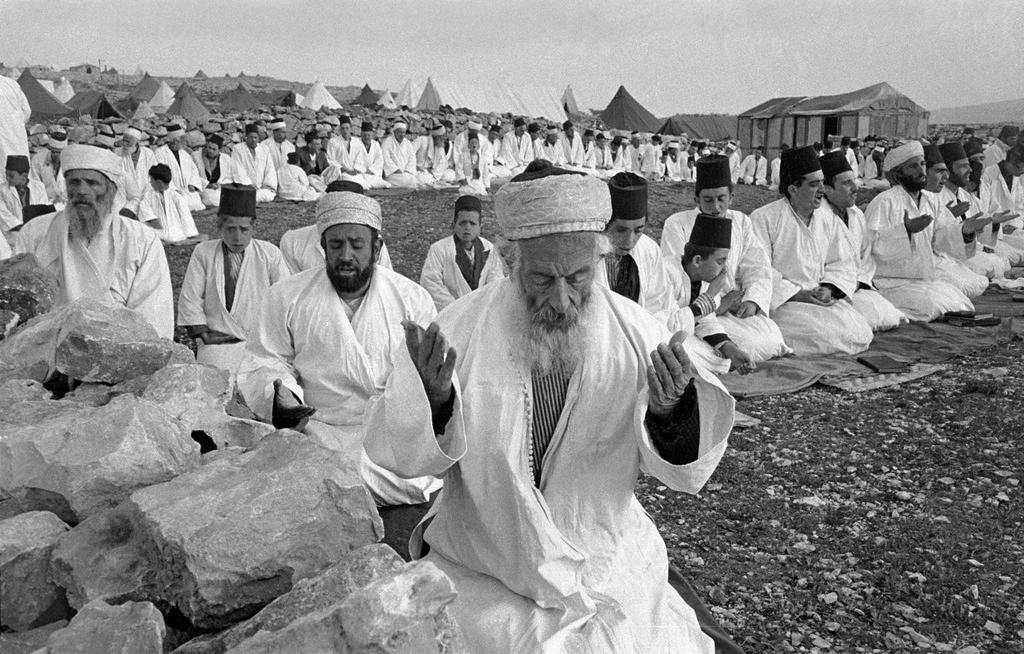

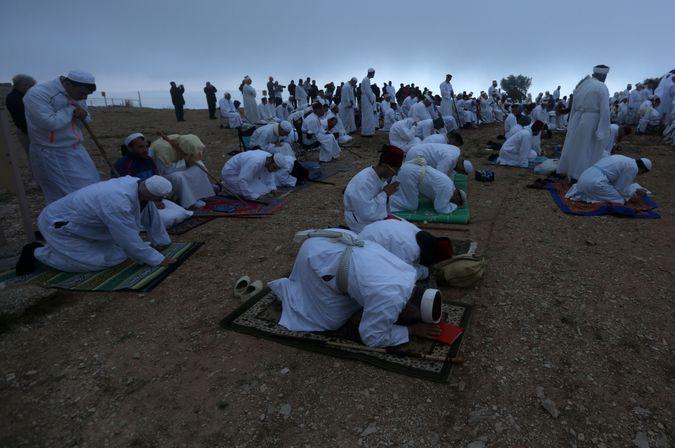
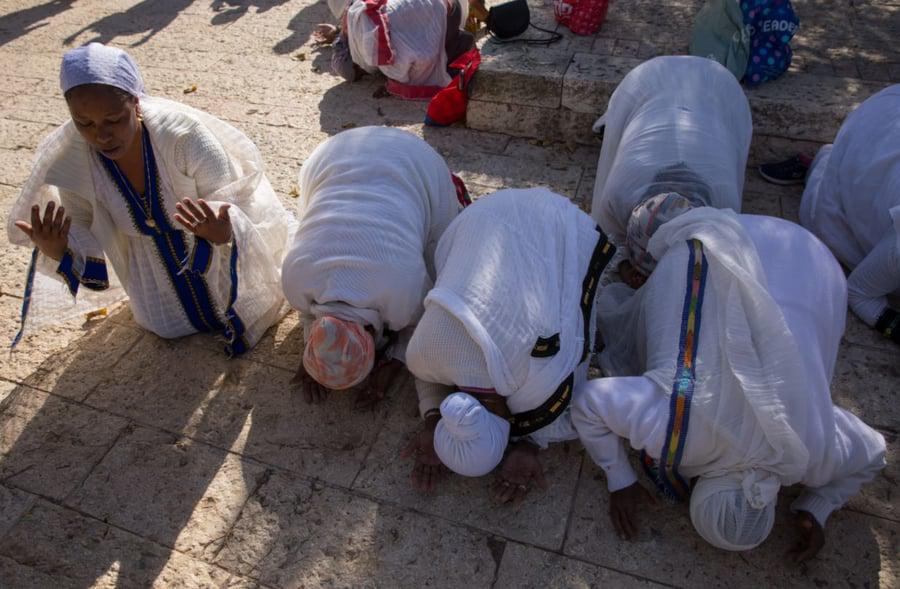
וְהָיָ֤ה לְאָדָם֙ לְבָעֵ֔ר וַיִּקַּ֤ח מֵהֶם֙ וַיָּ֔חׇם אַף־יַשִּׂ֖יק וְאָ֣פָה לָ֑חֶם אַף־יִפְעַל־אֵל֙ וַיִּשְׁתָּ֔חוּ עָשָׂ֥הוּ פֶ֖סֶל וַיִּסְגׇּד־לָֽמוֹ׃
All this [wood] serves a mortal for fuel: He takes some to warm himself, And he builds a fire and bakes bread. He also makes a god of it and worships it, Fashions an idol and bows down to it!
וְה֖וּא עָבַ֣ר לִפְנֵיהֶ֑ם וַיִּשְׁתַּ֤חוּ אַ֙רְצָה֙ שֶׁ֣בַע פְּעָמִ֔ים עַד־גִּשְׁתּ֖וֹ עַד־אָחִֽיו׃
And he [Jacob] passed over before them, and prostrated himself to the ground seven times, until he came near to his brother [Esau].
וְהוּא עֲבַר קֳדָמֵיהוֹן וּסְגִיד עַל אַרְעָא שְׁבַע זִמְנִין עַד מִקְרְבֵיהּ עַד (נ"א לְוַת) אֲחוּהִי:
He went ahead of them, and he prostrated himself to the earth seven times, until he approached his brother.
והו תקדמהם פסג̇ד עלי אלארץ̇ סבע מראת אלי אן דנא מן אכ̇יה
Composed: c.918 – c.942 CE
Translation and commentary on the Torah by Saadia Gaon. ("Tafsir" is an Arabic term meaning 'Biblical commentary').
† [סָגַד] vb. prostrate oneself in worship (only Is 44, 46) (perhaps Aramaic loan-word in Heb., cf. NöZMG xli (1887), 719; Aramaic סְגֵד, ܣܓܶܕ, so Old Aramaic סגד, ܣܓܕܐ (Sachau) Lzb328; Ethiopic ሰገደ all id.; Arabic سَجَدَbe lowly, submissive, prostrate oneself in prayer, etc., مَسْجِدٌmosque, Nab. מסגדאshrine(?) Lzb152.328, Syriac ܡܰܣܓܕܳܐ = Arabic; cf. WeSkizzen iii. 165; Heid. 141);—
Qal Impf. 3 ms. יִסְגּוֹד לוֹIs 44:17 Kt he prostrateth himself to it (an idol; Qr יִסְגָּד־לוֹ + יִשְׁתַּחוּ, יִתְפַּלֵּל); וַיִּסְגָּד־לָ֑מוֹ v 15 (‖וַיִּשְׁתָּ֑חוּ); 1 s. לְבוּל עֵץ אֶסְגּוֹד v 19; 3 mpl. יסְגְּדוּ אַף־יִשְׁתַּחֲווּ46:6 (abs.).—Cf. Biblical Aramaic סְגִד.
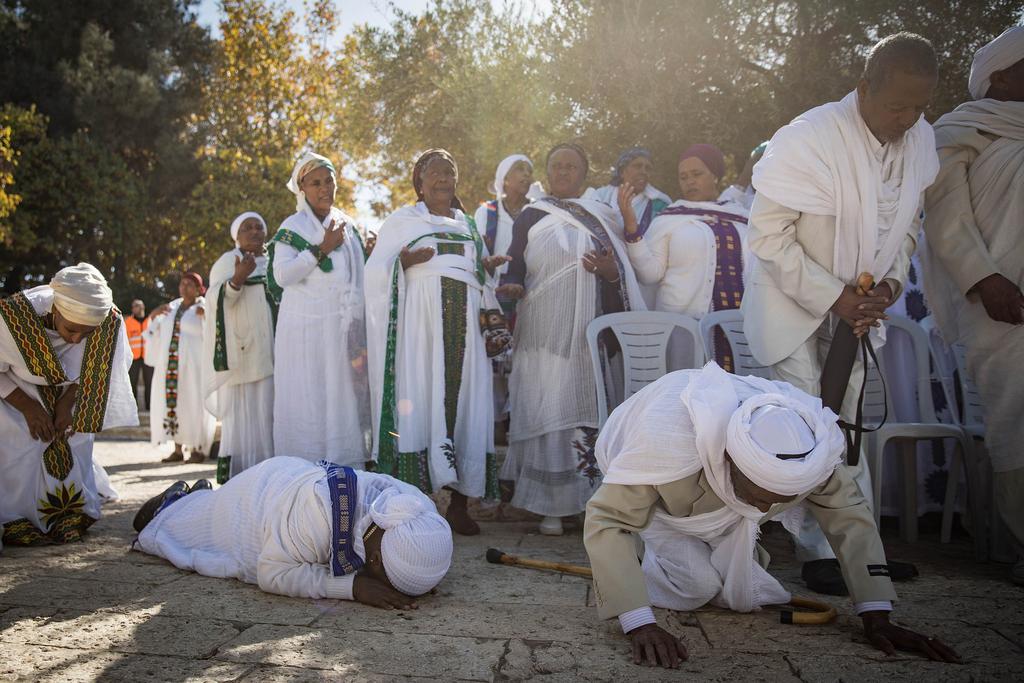
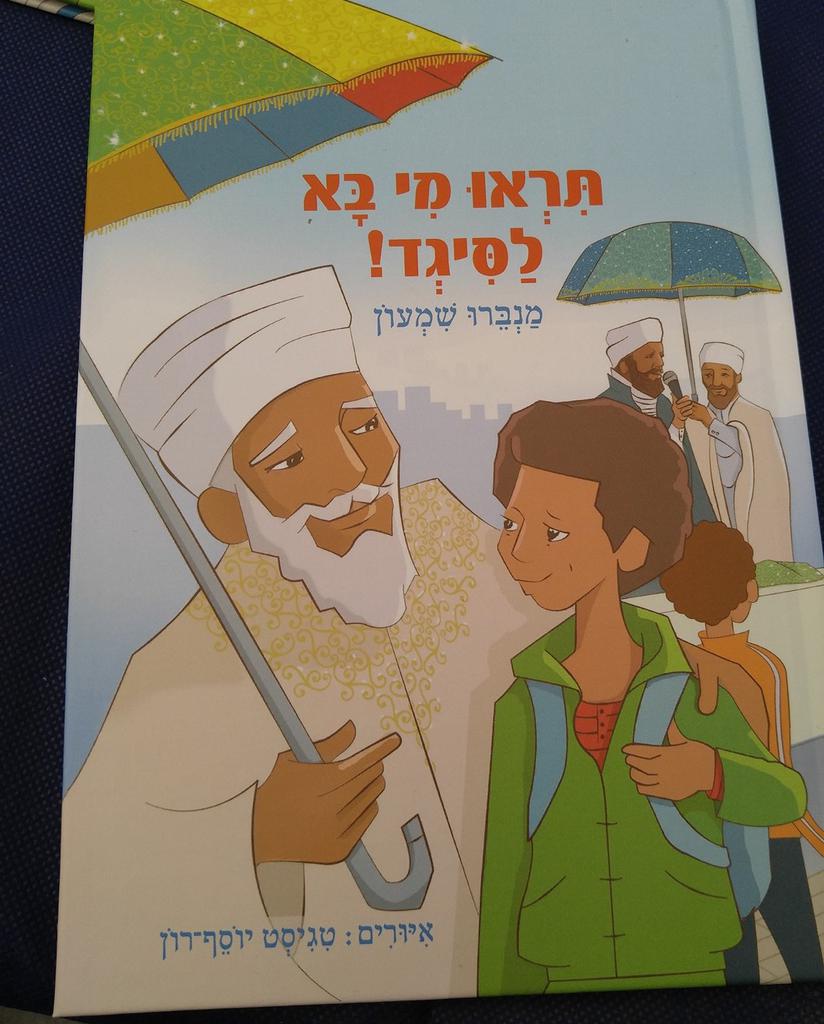
Sigd (ስግድ, 'Prostration', Hebrew: סיגד, also romanized Sig'd[1]), also Mehlella (Ge'ez: ምህላ, lit.'Supplication') or Amata Saww (ዐመተ ሰወ, 'Grouping Day'), is one of the unique holidays of the Beta Israel (Ethiopian Jewish) community, and is celebrated on the 29th of the Hebrew month of Marcheshvan. Since 2008, it has been an official Israeli state holiday.
Date
Previously, Sigd was celebrated on the 29th of Kislev, and after a calendar reform in the mid-19th century it was moved to its present day, 50 days after Yom Kippur.[2]
Etymology
The word Sigd itself is Ge'ez for "prostration" and is related to Imperial Aramaic: סְגֵדsgēd "to prostrate oneself (in worship)".[3][4] The Semitic root sgd is the same as in mesgid, one of the two Beta Israel Ge'ez terms for "synagogue" (etymologically related to Arabic: مَسْجِدmasjid "mosque", literally "place of prostration"), and from the same Semitic root we also have the Hebrew verb לסגוד lisgod, "to worship".
המספיק לעובדי השם
Written in Judaeo-Arabic and completed around the year 1230 by the illustrious son of Maimonides. Famed for his appointment as Rais al-Yahud, leader of the Jews, at the age of eighteen, Rabbeinu Avraham was the undisputed leader of the Jewish people of his time
The Guide to Serving God by Abraham Ben HaRambam
Any commandment of the Torah, or custom of the prophets, or tradition we have received, may not be stopped for the reason that the gentiles do it for their religion...By this, I refer to the lack of sincerity in prayer. People claim that the congregation is too weak for this imposition (of prostration [Hishtachavayah])... And though you might say that it would be better for me to prevent the community from sins and urge them to do good deeds...all of these are important. What I am suggesting [is that prostration] relates to the commandments of worship, awe, and love of God. We should first correct the foundation, upon which the structure stands.
(ג) וַיִּֽקָּהֲל֞וּ עַל־מֹשֶׁ֣ה וְעַֽל־אַהֲרֹ֗ן וַיֹּאמְר֣וּ אֲלֵהֶם֮ רַב־לָכֶם֒ כִּ֤י כׇל־הָֽעֵדָה֙ כֻּלָּ֣ם קְדֹשִׁ֔ים וּבְתוֹכָ֖ם ה׳ וּמַדּ֥וּעַ תִּֽתְנַשְּׂא֖וּ עַל־קְהַ֥ל ה׳׃ (ד) וַיִּשְׁמַ֣ע מֹשֶׁ֔ה וַיִּפֹּ֖ל עַל־פָּנָֽיו׃ (ה) וַיְדַבֵּ֨ר אֶל־קֹ֜רַח וְאֶֽל־כׇּל־עֲדָתוֹ֮ לֵאמֹר֒ בֹּ֠קֶר וְיֹדַ֨ע ה׳ אֶת־אֲשֶׁר־ל֛וֹ וְאֶת־הַקָּד֖וֹשׁ וְהִקְרִ֣יב אֵלָ֑יו וְאֵ֛ת אֲשֶׁ֥ר יִבְחַר־בּ֖וֹ יַקְרִ֥יב אֵלָֽיו׃
(3) They combined against Moses and Aaron and said to them, “You have gone too far! For all the community are holy, all of them, and ה׳ is in their midst. Why then do you raise yourselves above ה׳’s congregation?” (4) When Moses heard this, he fell on his face. (5) Then he spoke to Korah and all his company, saying, “Come morning, ה׳ will make known who is [God’s] and who is holy by granting direct access; the one whom [God] has chosen will be granted access.
מפני המחלוקת. וא"ת והא לעיל גבי מרגלים כתיב נמי ויפל משה ואהרן על פניהם. וי"ל דלעיל י"ל דנפלו על פניהם להתפלל, כיון דלא כתיב שם שדברו שום דבר י"ל שהתפללו, אבל הכא כתיב וידבר משה וגו' משמע שבשעת נפילתו דבר עמהם ולא התפלל, אם כן למה נפל, אלא מפני המחלוקת:
Because of the dispute. You might ask: Surely above regarding the incident of the spies it is also written “Moshe and Aharon fell upon their faces” (Bamidbar 14:5)? The answer is that above one can answer that they fell upon their faces to pray. Since it is not written there that they said anything, one may say that they prayed. However here it is written “Moshe spoke to Korach,” which implies that while he fell upon his face he spoke to them, rather than pray. If so why did he fall upon his face? [It must be] “Because of the dispute.”
וַיָּ֧קׇם אַבְרָהָ֛ם וַיִּשְׁתַּ֥חוּ לְעַם־הָאָ֖רֶץ לִבְנֵי־חֵֽת׃
And Avraham stood up, and bowed himself to the people of the land, to the children of Ḥet.
וְקָם אַבְרָהָם וּסְגִיד לְעַמָּא דְאַרְעָא לִבְנֵי חִתָּאָה:
Avraham rose and bowed to the people of the land, the sons of Cheis.
(ב) וְכׇל־עַבְדֵ֨י הַמֶּ֜לֶךְ אֲשֶׁר־בְּשַׁ֣עַר הַמֶּ֗לֶךְ כֹּרְעִ֤ים וּמִֽשְׁתַּחֲוִים֙ לְהָמָ֔ן כִּי־כֵ֖ן צִוָּה־ל֣וֹ הַמֶּ֑לֶךְ וּמׇ֨רְדֳּכַ֔י לֹ֥א יִכְרַ֖ע וְלֹ֥א יִֽשְׁתַּחֲוֶֽה׃
(2) All the king’s courtiers in the palace gate knelt and bowed low to Haman, for such was the king’s order concerning him; but Mordecai would not kneel or bow low.
אָמַר אַבָּיֵי: מְנָא אָמֵינָא לַהּ? דְּתַנְיָא: ״לֹא תִשְׁתַּחֲוֶה לָהֶם״ – לָהֶם אִי אַתָּה מִשְׁתַּחֲוֶה, אֲבָל אַתָּה מִשְׁתַּחֲוֶה לְאָדָם כְּמוֹתְךָ. יָכוֹל אֲפִילּוּ נֶעֱבָד כְּהָמָן? תַּלְמוּד לוֹמַר: ״וְלֹא תָעׇבְדֵם״. וְהָא הָמָן מִיִּרְאָה הֲוָה נֶעֱבָד!
Abaye attempts to cite another proof for his opinion. He said: From where do I say that one who worships idols due to love or fear is liable? As it is taught in a baraita with regard to the verse: “You shall not bow to them nor worship them” (Exodus 20:5): “To them,” to idols, you may not bow, but you may bow to a person like yourself; bowing to a person is merely the acceptance of authority. One might have thought that it is permitted to bow even to a person who is worshipped like a god, like Haman; therefore, the verse states: “Nor worship them,” i.e., any form of pagan worship is prohibited. Abaye concludes: And wasn’t Haman worshipped due to fear, and not because the people considered him a god? Evidently, one who engages in idol worship due to fear is liable.
גּוּפַהּ: רַב אִיקְּלַע לְבָבֶל בְּתַעֲנִית צִבּוּר, קָם קְרָא בְּסִפְרָא. פְּתַח בָּרֵיךְ, חֲתַם וְלָא בָּרֵיךְ. נְפוּל כּוּלֵּי עָלְמָא אַאַנְפַּיְיהוּ וְרַב לָא נְפַל עַל אַנְפֵּיהּ. מַאי טַעְמָא רַב לָא נְפַל עַל אַפֵּיהּ? רִצְפָּה שֶׁל אֲבָנִים הָיְתָה, וְתַנְיָא: ״וְאֶבֶן מַשְׂכִּית לֹא תִתְּנוּ בְּאַרְצְכֶם לְהִשְׁתַּחֲוֹת עָלֶיהָ״. ״עָלֶיהָ״ אִי אַתָּה מִשְׁתַּחֲוֶה בְּאַרְצְכֶם, אֲבָל אַתָּה מִשְׁתַּחֲוֶה עַל אֲבָנִים שֶׁל בֵּית הַמִּקְדָּשׁ. כִּדְעוּלָּא, דְּאָמַר עוּלָּא: לֹא אָסְרָה תּוֹרָה אֶלָּא רִצְפָּה שֶׁל אֲבָנִים בִּלְבָד.
The Gemara cited an incident involving Rav, and now it returns to examine the matter itself. Rav once happened to come to Babylonia on a public fast. He stood and read from a Torah scroll. When he began to read, he recited a blessing, but when he concluded, he did not recite a blessing. Everyone else fell on their faces, i.e., bowed down on the floor, during the taḥanun supplication, as was the custom, but Rav did not fall on his face. The Gemara asks: What is the reason that Rav did not fall on his face?The Gemara answers: It was a stone floor, and it was taught in a baraita with regard to the verse: “Nor shall you install any figured stone in your land, to bow down upon it” (Leviticus 26:1), that, upon it, i.e., any type of figured stone, you shall not bow down in your land, i.e., anywhere in your land other than in the Temple; but you shall bow down upon the stones of the Temple. This is in accordance with the opinion of Ulla, as Ulla said: The Torah prohibited bowing down only upon a stone floor.
אין אדם חשוב רשאי להעמיד עצמו כל כך כחסיד לפני הצבור שיפול על פניו לפניהם ויעשה עצמו ראש לתפלתם או שילביש עצמו שקים או יקרע את בגדיו וכיוצא בהם אא"כ יודע בעצמו שהוא ראוי ליענות ושאין לב הבריות מהרהר עליו שאין לך מדה חשובה מן הענוה ולא מגונה מן השררה על הצד שאינה ראויה לו ואם עשה זה ברשות כל הצבור רשאי ויפה לעשות כן ובמס' מגילה יתבאר ענין זה יותר: ונשלם הפרק תהלה לאל:
“A distinguished person is not permitted to present himself before the public as a pious man to such an extent that he falls upon his face before them, or makes himself the leader in their prayers, or clothes himself in sackcloth, or tears his garments, or does similar acts — unless he knows within himself that he is worthy to be answered, and that people’s hearts do not harbor suspicions about him. For there is no trait more noble than humility, and none more disgraceful than assuming authority that one does not deserve. But if he does this with the consent of the entire community, he is permitted, and it is good for him to do so. And in Tractate Megillah this matter will be explained further. And the chapter is concluded — praise be to God.”