


When fishes flew and forests walked
And figs grew upon thorn,
Some moment when the moon was blood
Then surely I was born.
G.K. Chesterton "The Donkey"
(כא) וַיָּ֤קׇם בִּלְעָם֙ בַּבֹּ֔קֶר וַֽיַּחֲבֹ֖שׁ אֶת־אֲתֹנ֑וֹ וַיֵּ֖לֶךְ עִם־שָׂרֵ֥י מוֹאָֽב׃ (כב) וַיִּֽחַר־אַ֣ף אֱלֹהִים֮ כִּֽי־הוֹלֵ֣ךְ הוּא֒ וַיִּתְיַצֵּ֞ב מַלְאַ֧ךְ יְהֹוָ֛ה בַּדֶּ֖רֶךְ לְשָׂטָ֣ן ל֑וֹ וְהוּא֙ רֹכֵ֣ב עַל־אֲתֹנ֔וֹ וּשְׁנֵ֥י נְעָרָ֖יו עִמּֽוֹ׃ (כג) וַתֵּ֣רֶא הָאָתוֹן֩ אֶת־מַלְאַ֨ךְ יְהֹוָ֜ה נִצָּ֣ב בַּדֶּ֗רֶךְ וְחַרְבּ֤וֹ שְׁלוּפָה֙ בְּיָד֔וֹ וַתֵּ֤ט הָֽאָתוֹן֙ מִן־הַדֶּ֔רֶךְ וַתֵּ֖לֶךְ בַּשָּׂדֶ֑ה וַיַּ֤ךְ בִּלְעָם֙ אֶת־הָ֣אָת֔וֹן לְהַטֹּתָ֖הּ הַדָּֽרֶךְ׃ (כד) וַֽיַּעֲמֹד֙ מַלְאַ֣ךְ יְהֹוָ֔ה בְּמִשְׁע֖וֹל הַכְּרָמִ֑ים גָּדֵ֥ר מִזֶּ֖ה וְגָדֵ֥ר מִזֶּֽה׃ (כה) וַתֵּ֨רֶא הָאָת֜וֹן אֶת־מַלְאַ֣ךְ יְהֹוָ֗ה וַתִּלָּחֵץ֙ אֶל־הַקִּ֔יר וַתִּלְחַ֛ץ אֶת־רֶ֥גֶל בִּלְעָ֖ם אֶל־הַקִּ֑יר וַיֹּ֖סֶף לְהַכֹּתָֽהּ׃ (כו) וַיּ֥וֹסֶף מַלְאַךְ־יְהֹוָ֖ה עֲב֑וֹר וַֽיַּעֲמֹד֙ בְּמָק֣וֹם צָ֔ר אֲשֶׁ֛ר אֵֽין־דֶּ֥רֶךְ לִנְט֖וֹת יָמִ֥ין וּשְׂמֹֽאול׃ (כז) וַתֵּ֤רֶא הָֽאָתוֹן֙ אֶת־מַלְאַ֣ךְ יְהֹוָ֔ה וַתִּרְבַּ֖ץ תַּ֣חַת בִּלְעָ֑ם וַיִּֽחַר־אַ֣ף בִּלְעָ֔ם וַיַּ֥ךְ אֶת־הָאָת֖וֹן בַּמַּקֵּֽל׃ (כח) וַיִּפְתַּ֥ח יְהֹוָ֖ה אֶת־פִּ֣י הָאָת֑וֹן וַתֹּ֤אמֶר לְבִלְעָם֙ מֶה־עָשִׂ֣יתִֽי לְךָ֔ כִּ֣י הִכִּיתַ֔נִי זֶ֖ה שָׁלֹ֥שׁ רְגָלִֽים׃ (כט) וַיֹּ֤אמֶר בִּלְעָם֙ לָֽאָת֔וֹן כִּ֥י הִתְעַלַּ֖לְתְּ בִּ֑י ל֤וּ יֶשׁ־חֶ֙רֶב֙ בְּיָדִ֔י כִּ֥י עַתָּ֖ה הֲרַגְתִּֽיךְ׃ (ל) וַתֹּ֨אמֶר הָאָת֜וֹן אֶל־בִּלְעָ֗ם הֲלוֹא֩ אָנֹכִ֨י אֲתֹֽנְךָ֜ אֲשֶׁר־רָכַ֣בְתָּ עָלַ֗י מֵעֽוֹדְךָ֙ עַד־הַיּ֣וֹם הַזֶּ֔ה הַֽהַסְכֵּ֣ן הִסְכַּ֔נְתִּי לַעֲשׂ֥וֹת לְךָ֖ כֹּ֑ה וַיֹּ֖אמֶר לֹֽא׃ (לא) וַיְגַ֣ל יְהֹוָה֮ אֶת־עֵינֵ֣י בִלְעָם֒ וַיַּ֞רְא אֶת־מַלְאַ֤ךְ יְהֹוָה֙ נִצָּ֣ב בַּדֶּ֔רֶךְ וְחַרְבּ֥וֹ שְׁלֻפָ֖ה בְּיָד֑וֹ וַיִּקֹּ֥ד וַיִּשְׁתַּ֖חוּ לְאַפָּֽיו׃ (לב) וַיֹּ֤אמֶר אֵלָיו֙ מַלְאַ֣ךְ יְהֹוָ֔ה עַל־מָ֗ה הִכִּ֙יתָ֙ אֶת־אֲתֹ֣נְךָ֔ זֶ֖ה שָׁל֣וֹשׁ רְגָלִ֑ים הִנֵּ֤ה אָנֹכִי֙ יָצָ֣אתִי לְשָׂטָ֔ן כִּֽי־יָרַ֥ט הַדֶּ֖רֶךְ לְנֶגְדִּֽי׃ (לג) וַתִּרְאַ֙נִי֙ הָֽאָת֔וֹן וַתֵּ֣ט לְפָנַ֔י זֶ֖ה שָׁלֹ֣שׁ רְגָלִ֑ים אוּלַי֙ נָטְתָ֣ה מִפָּנַ֔י כִּ֥י עַתָּ֛ה גַּם־אֹתְכָ֥ה הָרַ֖גְתִּי וְאוֹתָ֥הּ הֶחֱיֵֽיתִי׃ (לד) וַיֹּ֨אמֶר בִּלְעָ֜ם אֶל־מַלְאַ֤ךְ יְהֹוָה֙ חָטָ֔אתִי כִּ֚י לֹ֣א יָדַ֔עְתִּי כִּ֥י אַתָּ֛ה נִצָּ֥ב לִקְרָאתִ֖י בַּדָּ֑רֶךְ וְעַתָּ֛ה אִם־רַ֥ע בְּעֵינֶ֖יךָ אָשׁ֥וּבָה לִּֽי׃ (לה) וַיֹּ֩אמֶר֩ מַלְאַ֨ךְ יְהֹוָ֜ה אֶל־בִּלְעָ֗ם לֵ֚ךְ עִם־הָ֣אֲנָשִׁ֔ים וְאֶ֗פֶס אֶת־הַדָּבָ֛ר אֲשֶׁר־אֲדַבֵּ֥ר אֵלֶ֖יךָ אֹת֣וֹ תְדַבֵּ֑ר וַיֵּ֥לֶךְ בִּלְעָ֖ם עִם־שָׂרֵ֥י בָלָֽק׃
(21) When he arose in the morning, Balaam saddled his ass and departed with the Moabite dignitaries. (22) But God was incensed at his going; so a messenger of יהוה took a position in his way as an adversary. He was riding on his she-ass, with his two servants alongside, (23) when the ass caught sight of the messenger of יהוה standing in the way, with his drawn sword in his hand. The ass swerved from the road and went into the fields; and Balaam beat the ass to turn her back onto the road. (24) The messenger of יהוה then stationed himself in a lane between the vineyards, with a fence on either side. (25) The ass, seeing the messenger of יהוה, pressed herself against the wall and squeezed Balaam’s foot against the wall; so he beat her again. (26) Once more the messenger of יהוה moved forward and stationed himself on a spot so narrow that there was no room to swerve right or left. (27) When the ass now saw the messenger of יהוה, she lay down under Balaam; and Balaam was furious and beat the ass with his stick. (28) Then יהוה opened the ass’s mouth, and she said to Balaam, “What have I done to you that you have beaten me these three times?” (29) Balaam said to the ass, “You have made a mockery of me! If I had a sword with me, I’d kill you.” (30) The ass said to Balaam, “Look, I am the ass that you have been riding all along until this day! Have I been in the habit of doing thus to you?” And he answered, “No.” (31) Then יהוה uncovered Balaam’s eyes, and he saw the messenger of יהוה standing in the way, his drawn sword in his hand; thereupon he bowed right down to the ground.*right down to the ground Lit. “and prostrated himself to his nostrils.” (32) The messenger of יהוה said to him, “Why have you beaten your ass these three times? It is I who came out as an adversary, for the errand is obnoxious*obnoxious Precise meaning of Heb. yarat uncertain. to me. (33) And when the ass saw me, she shied away because of me those three times. If she had not shied away from me, you are the one I should have killed, while sparing her.” (34) Balaam said to the messenger of יהוה, “I erred because I did not know that you were standing in my way. If you still disapprove, I will turn back.” (35) But the messenger of יהוה said to Balaam, “Go with the men.*men (So NJPS.) See note to v. 9. But you must say nothing except what I tell you.” So Balaam went on with Balak’s dignitaries.
השאלה הי' באמרו ותרא האתון את מלאך י"י כי איך יתכן שהאתון תראה בעיניה את מלאך י"י הרוחני כי הנה בלעם איש ונביא לא ראה אותו ואיך תראהו האתון וכבר כתב המורה בפמ"ב ח"ב שהמלאכים אינם מושגי' אלא במראה הנבואה:
(י) ולא קם נביא עוד בישראל כמשה בישראל לא קם אבל באומות העולם קם ואיזה זה זה בלעם בן בעור
(Devarim, Ibid. 10) "And there shall not arise in Israel again a prophet such as Moses": But among the nations, there did arise. And who was he? Bilam the son of Beor.
השאלה הי"א אם היתה ראית מלאך י"י בדרך פלא כמו שהיה דבורה גם כן בפלא מה היה תכלית הפלא ההוא ותועלתו כי הנה הקב"ה לא יחדש מופת אלא על צד ההכרח ולא מצינו בזה תכלית אחר אלא שדבר המלאך אל בלעם וזה כבר היה אפשר שיאמר לו מבלי שתראה האתון את המלאך ולא שתדבר כלל:
And curse the one who curses you;
And all the families of the earth
Shall bless themselves by you.”
״ויותר יעקב לבדו וגו׳״ – וזהו ׳מלאכי אלהים׳ הנאמר עליהם תחילה ׳ויפגעו בו מלאכי אלהים׳; וזה ההתאבקות והדיבור כולו – ׳במראה הנבואה׳. וכן ענין בלעם כולו ׳בדרך׳ ודברי ה׳אתון׳ – הכל ׳במראה הנבואה׳ אחר שהתבאר באחרית הענין דיבור ׳מלאך יי׳ לו.
ויקם בלעם בבקר ויחבוש את אתונו. יש בזה הספור שאלות קשו' מאד הא' איך יתכן שתראה האתון את מלאך יי' והנה לא יראהו מי שאינו נביא...
...והנראה בעינינו לפי השרשים האמתיים הנראים מדברי הנביאים ומהעיון שזה הספור היה עניין שקרה לבלעם במראה הנבואה ...
...והנה נדמה לבלעם בחלומו של נבואה שכבר יה לילה כשבאהו דבר ה' ית' במה שאמר לו אם לקרא לך באו האנשים קום לך אתם ואחר זה נדמה לו בחלומו שהיה בקר ושהוא קם וחשב את אתונו והלך עם שרי מואב כי כן היה הסכמתו אם היה מקיץ לפי שאן מראין לו לאדם אלא מהרהורי לבו ולזה תמצא כי תכונת האדם בחלומו הם מתיחסות לתכונותיו בהקיץ והנה סבב השם יתעלה שיקרה לו בהליכתו מה שהורה לו שלא הסכימו מן השמים שילך שם לתכלית אשר הוא פונה אליו כי היה דעתו עכ"פ להשתדל להזיק לישראל לפי היכולת ולזה ספר שקרה לו זה המקרה כי האתון נטתה מן הדרך והלכה בשדה וכאשר הכה בלעם אותה להטותה הדרך נלחצה אל הקיר ולחצה רגל בלעם אל הקיר ושב להכותה ואחר זה רבצה תחתיו ושב להכותה ונדמה לו בחלומו כאלו פתח השם יתעלה פי האתון ודברה עמו שתי פעמים והוא השיב לה כדבר איש לאיש אחר ואחד נראה לו המלאך ונתבאר לו מדברי המלאך בחלומו שנטיית האתון מן הדרך היתה מפני ראותה מלאך יי' והנה אמר אם רע בעיניך אשובה לי לפי שהיה דומה לו שכבר החזיק בדרך ובא לו הצווי שנית שילך עם האנשים אך לא ידבר רק מה שידבר אליו השם יתעלה
וכן ענין בלעם בדרך ודברי האתון. ר"ל שלא היה ענין בלעם משליחות בלק אליו והליכתו וברכותיו בדרך נבואה, אבל ענין האתון בדרך ומה שזכר הכתוב שקרה לה שם זה כלו היה במראה לא שאר הספור.
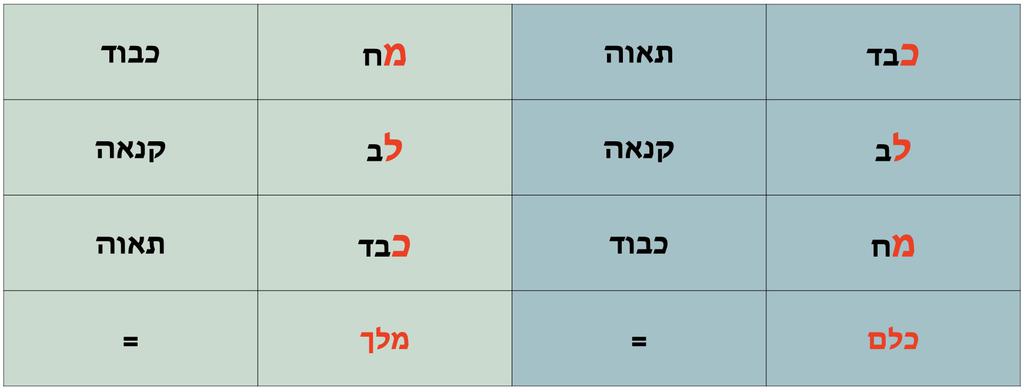
הקנאה. מן הנחש וקין וכיוצא:
והתאוה. מן בלעם:והכבוד. מן קרח וכלם היו בבלעם כמ״ש בפ״ה.
ותחלה יש לך לדעת ענין אברהם וענין בלעם; יש לך לדעת כי אברהם היה ראש לאומה הישראלית. וכשם שהיה אברהם ראש לאומה הישראלית, כך היה בלעם ראש לאומות העולם*, לפי שהיה נביא לאומות העולם. ומפני כי הראש והעליון יש לו התעלות ביותר, שהראש הוא מתעלה על הכל...
... וביאור דבר זה, כי מחמת שאברהם ראוי לו להתעלות, מצד שהוא ראש, ו"אב המון גוים" (בראשית יז, ה), כתיב אצלו והוא רוכב על החמור, כלומר שהוא מתעלה על המדריגה החמרית. וכן אצל בלעם כתיב (במדבר כב, כב) "והוא רוכב על אתונו"*.
אבל הפרש יש בין אברהם ובין בלעם; כי אצל אברהם כתיב "חמור", שהוא זכר, ודבר זה ראיה שאין לאברהם צירוף כלל אל המדריגה החמרית, רק רוכב עליו ומתעלה עליו ביותר כאשר ראוי לפי מדריגתו. לכך היה החמור זכר, כי אין לו שום חבור וצירוף אל זכר. וכך היה אברהם נבדל מן המדריגה החמרית, רק מתעלה עליו. אבל בלעם היה רוכב על אתונו, שהיא נקיבה, ואין ספק כי הזכר יש לו חבור מהשם יתברך* אל הנקיבה, וכך בלעם היה למדריגתו חבור אל החמרי. וזה אמרם (ע"ז ד:) בלעם בא על אתונו, שנאמר (במדבר כב, ל) "ההסכן הסכנתי לעשות לך", מלשון (מ"א א, ד) "ותהי למלך סוכנת". ורמזו ההבדל הגדול שהיה בין אברהם ובין בלעם, כי אברהם היה נבדל מן החמרי, אבל בלעם היה מתחבר אל החומר. ולפיכך אמרו שבא על אתונו, כאשר היה לבלעם חבור אל אתונו.
“dreams may be thus stated: They are concealed realizations of repressed desires.”
Sigmund Freud, Dream Psychology: Psychoanalysis for Beginners
דקאמר ליה בלעם לבלק (במדבר כג, ח) מה אקב לא קבה אל ומה אזעם לא זעם ה' וכמה זעמו רגע וכמה רגע אמר אמימר ואיתימא רבינא רגע כמימריה ומנלן דרגע הוה ריתחיה דכתיב (תהלים ל, ו) כי רגע באפו חיים ברצונ
And this is what Balaam said to Balak: Since God is not becoming angry, I can do nothing, as: “How shall I curse whom God has not cursed? And how shall I execrate whom the Lord has not execrated”? (Numbers 23:8). The Gemara further discusses this matter: And how long does His indignation last? It lasts a moment. And how long is a moment? Ameimar, and some say Ravina, said: It lasts as long as it takes to say the word moment [rega]. The Gemara asks: And from where do we derive that God’s anger lasts for only a moment? As it is written: “His anger is but for a moment; His favor, for a lifetime”
רגע כמימרא - וא"ת מה היה יכול לומר בשעה מועטת כזאת ויש לומר היה אומר כלם והקב"ה הפכו ואמר מלך כדכתיב (במדבר כ״ג:כ״א) ותרועת מלך בו
“The person born with a talent they are meant to use will find their greatest happiness in using it. ”
Johann Wolfgang von Goethe
כִּי הַמּוֹחַ שַׁלִּיט עַל הַלֵּב [כְּמוֹ שֶׁכָּתוּב בְּרַעְיָא מְהֵימְנָא פָּרָשַׁת פִּינְחָס] בְּתוֹלַדְתּוֹ וְטֶבַע יְצִירָתוֹ, שֶׁכָּךְ נוֹצַר הָאָדָם בְּתוֹלַדְתּוֹ, שֶׁכָּל אָדָם יָכוֹל בִּרְצוֹנוֹ שֶׁבְּמוֹחוֹ לְהִתְאַפֵּק וְלִמְשׁוֹל בְּרוּחַ תַּאֲוָתוֹ שֶׁבְּלִבּוֹ, שֶׁלֹּא לְמַלֹּאת מִשְׁאֲלוֹת לִבּוֹ בְּמַעֲשֶׂה דִּבּוּר וּמַחֲשָׁבָה, וּלְהַסִּיחַ דַּעְתּוֹ לְגַמְרֵי מִתַּאֲוֹת לִבּוֹ אֶל הַהֵפֶךְ לְגַמְרֵי, וּבִפְרָט אֶל צַד הַקְּדוּשָּׁה.
because the brain rules over the heart [as explained in Raaya Mehemna, Parashat Pinchas] by virtue of its innately created nature. For this is how man is created from birth, that each person may, with the willpower in his brain, restrain himself and control the drive of lust that is in his heart, preventing his heart’s desires from expressing themselves in action, word, or thought, and divert his attention altogether from the craving of his heart toward the completely opposite direction, particularly in the direction of holiness.