


Exodus ends by relating the erection of the Tabernacle on the first day of the first month of the year (later called Nisan); Numbers starts with a census taken a month later, just a little over a year after the people of Israel came out of Egypt.
The book covers the years of the people's wanderings in the wilderness. However, only the beginning and closing periods of the journey are described in some detail; the thirty-eight years in which a new generation matures receive no attention at all. Biblical memory accords no further place to those who were saved from Egypt but did not prove worthy of the gift of freedom and so were condemned to die in the wilderness.
-The Torah: A Modern Commentary, p. 885
(א) וַיְדַבֵּ֨ר יְהֹוָ֧ה אֶל־מֹשֶׁ֛ה בְּמִדְבַּ֥ר סִינַ֖י בְּאֹ֣הֶל מוֹעֵ֑ד בְּאֶחָד֩ לַחֹ֨דֶשׁ הַשֵּׁנִ֜י בַּשָּׁנָ֣ה הַשֵּׁנִ֗ית לְצֵאתָ֛ם מֵאֶ֥רֶץ מִצְרַ֖יִם לֵאמֹֽר׃
(1) On the first day of the second month, in the second year following the exodus from the land of Egypt, יהוה spoke to Moses in the wilderness of Sinai, in the Tent of Meeting, saying:
B'echad lachodesh hasheini bashanah hasheinit L'tzeitam mei'eretz mitzrayim leimor
It's not that hard to imagine a crowd of thousands excitedly talking amongst themselves now that the tabernacle has finally been completed and their journey toward the Promised Land will, at long last, resume. How can Moses compete with that noise? Perhaps he quiets them down the same way teachers today hush their classroom:
"Shh, shh, shh, shh; tz, tz, tz…"
The simple, pulsing series of sounds perks up the ears of the masses. Moses calls up the chief of each tribe, to ensure that everyone is properly accounted for before they head further into the wilderness. As we hear in Numbers 1:5-16, the cantillation of their names is short, sharp, and to the point. These verses are shorter than most, but richly resonant with the zakef gadol trope: they rise, crest, and leave us leaning in to hear what comes next.
As a cantor, I find myself attuned to the sounds of these names. I imagine each tribe breaking into applause after their chief gets his shout-out. ... Each name carries with it layers of meaning, some obvious, some hidden. When pronouncing them aloud with their trope, I'm aware of how alien these unique and mystical combinations of consonants and vowels feel in my mouth.
Cantor Josh Breitzer, Echoes of the Wilderness, Part I
(ה) וְאֵ֙לֶּה֙ שְׁמ֣וֹת הָֽאֲנָשִׁ֔ים אֲשֶׁ֥ר יַֽעַמְד֖וּ אִתְּכֶ֑ם
לִרְאוּבֵ֕ן אֱלִיצ֖וּר בֶּן־שְׁדֵיאֽוּר׃
(ו) לְשִׁמְע֕וֹן שְׁלֻמִיאֵ֖ל בֶּן־צוּרִֽישַׁדָּֽי׃
(ז) לִֽיהוּדָ֕ה נַחְשׁ֖וֹן בֶּן־עַמִּינָדָֽב׃
(ח) לְיִ֨שָּׂשכָ֔ר נְתַנְאֵ֖ל בֶּן־צוּעָֽר׃
(ט) לִזְבוּלֻ֕ן אֱלִיאָ֖ב בֶּן־חֵלֹֽן׃
(י) לִבְנֵ֣י יוֹסֵ֔ף לְאֶפְרַ֕יִם אֱלִישָׁמָ֖ע בֶּן־עַמִּיה֑וּד לִמְנַשֶּׁ֕ה גַּמְלִיאֵ֖ל בֶּן־פְּדָהצֽוּר׃ (יא) לְבִ֨נְיָמִ֔ן אֲבִידָ֖ן בֶּן־גִּדְעֹנִֽי׃
(יב) לְדָ֕ן אֲחִיעֶ֖זֶר בֶּן־עַמִּֽישַׁדָּֽי׃ (יג) לְאָשֵׁ֕ר פַּגְעִיאֵ֖ל בֶּן־עׇכְרָֽן׃
(יד) לְגָ֕ד אֶלְיָסָ֖ף בֶּן־דְּעוּאֵֽל׃
(טו) לְנַ֨פְתָּלִ֔י אֲחִירַ֖ע בֶּן־עֵינָֽן׃
(טז) אֵ֚לֶּה (קריאי) [קְרוּאֵ֣י] הָעֵדָ֔ה נְשִׂיאֵ֖י מַטּ֣וֹת אֲבוֹתָ֑ם רָאשֵׁ֛י אַלְפֵ֥י יִשְׂרָאֵ֖ל הֵֽם׃
(5) These are the names of the participants who shall assist you:
From Reuben, Elizur son of Shedeur.
(6) From Simeon, Shelumiel son of Zurishaddai.
(7) From Judah, Nahshon son of Amminadab.
(8) From Issachar, Nethanel son of Zuar.
(9) From Zebulun, Eliab son of Helon.
(10) From the sons of Joseph: from Ephraim, Elishama son of Ammihud; from Manasseh, Gamaliel son of Pedahzur.
(11) From Benjamin, Abidan son of Gideoni. (12) From Dan, Ahiezer son of Ammishaddai.
(13) From Asher, Pagiel son of Ochran.
(14) From Gad, Eliasaph son of Deuel.
(15) From Naphtali, Ahira son of Enan.
(16) Those are the elected of the assembly, the chieftains of their ancestral tribes: they are the heads of the contingents of Israel.
The book of Numbers, as its English name suggests, begins and ends with God telling Moses to count the Israelites by taking a census. The Rabbis liken this task to a merchant taking inventory of precious stones. If a merchant trades in glass beads, there is no need to count each item individually. They can just eyeball the amount and make an estimate for their records. But the Israelites, they say, are like fine pearls. We need to be counted, one by one, because each of us is precious and unique (Numbers Rabbah 4:2).
While this is a beautiful teaching, as modern readers, we can’t help but notice that it’s not quite true that every pearl is counted.
... the census excludes all women, most children, people with disabilities, as disabilities would preclude them from serving in the army or the Mishkan, and those in the “mixed multitude” mentioned in Exodus 12:38 who aren’t considered Israelites but are still along for the ride. Miriam—Moses and Aaron’s sister, leader, and a prophet in her own right—isn’t counted. Neither is Moses’ Midianite wife, Tzipporah, or her father, Yitro, who more than once serves as a source of wisdom to his son-in-law as Moses leads the Israelites forward.
How do these uncounted and sometimes unnamed people fit into our sacred story?
... we might consider the “counted” Israelites to be the “warp” of the woven cloth, and the uncounted Israelites to be the “weft.” One element provides structure, the other adds color and texture. If either were removed, the fabric would fall apart.
Drawing on these census numbers, 17th century Polish Kabbalist Rabbi Nathan Nota Spira suggests that each of the 600,000 Israelites at Sinai represents one letter in the Torah. Just as a Torah scroll is considered invalid even if one letter is missing, our covenant would not be complete if even one person had been missing at Mount Sinai (Megaleh Amukot, Yalkut Reuveni, Itturei Torah Genesis 1:1).
Rabbi Leah R. Berkowitz, Seeing Ourselves in the Sacred Story
QUESTIONS: What does it mean to you to be counted? How does the idea of being counted / not counted come into play today?
Written entirely in Biblical Hebrew, a Torah scroll contains 304,805 letters, all of which must be duplicated precisely by a trained scribe, or sofer, an effort which may take as long as approximately one and a half years.
-Wikipedia (and other sources agree!)
The opening of Numbers does not exactly make for scintillating reading. God commands Moses to take a census of adult males, which Moses proceeds to do. We are then presented with the results—in highly repetitious detail. It takes fully forty-six verses for the Torah to get to its final tally of 603,550 military-age Israelite men.
Why the slow, creeping pace?... a variety of Jewish interpreters suggest that though Numbers 1 may seem boring at first glance, it actually conveys one of the core truths of Jewish theology and ethics: individuals matter.
Jewish sources insist that God cherishes human beings not as faceless representatives of a privileged species but as individuals: God loves us in all our singularity and uniqueness. A mishnah teaches: "Adam was created singly... to proclaim the greatness of the Blessed Holy One, for a human being stamps many coins with one die and they are all alike one with the other, but the King of the kings of kings, the Blessed Holy One, has stamped all of humanity with the die of the first man, and yet not one of them is like his fellow" (Sanhedrin 4:5).
Rabbi Shai Held, Gems of Torah, Vol. 2, p. 93
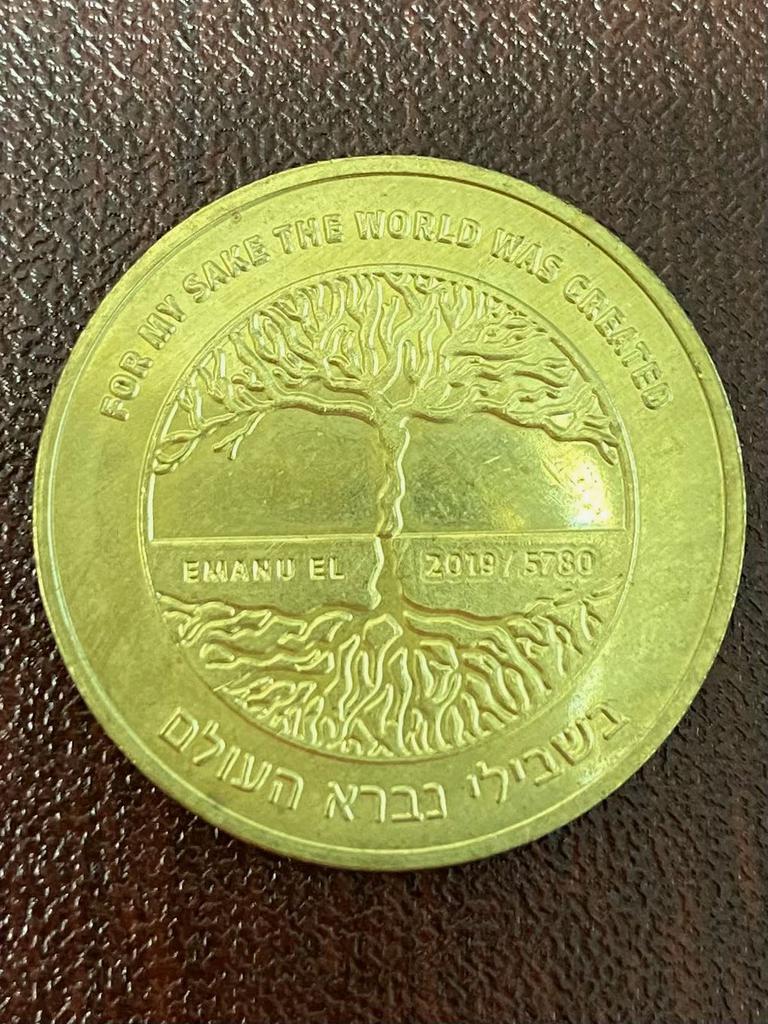

Rabbi Simcha of Bunim and the two pockets
(Bunim was a great Polish Hasidic master at the turn of the 19th century)
בִּשְבִילִי נִבְרָא הַעוֹלָם
bishvili nivra ha-olam
"The world was created for me."
(BT Sanhedrin 37B)
אָנֹכִי עָפָר וָאֵפֶר
anochi afar va-eifar
I am but dust and ashes
(Genesis 18:27)
The phrase, “The world was created for me,” comes from a passage in the Talmud about our uniqueness. The passage states that Adam was created alone to teach us that destroying a single human life is like destroying the entire world. And at the same time, saving a human life is like saving the entire universe. Similarly, the text goes on to say, God was worried about jealousy and competition among people. While coins are all minted from the same stamp, God created each person uniquely and therefore, we each must remind ourselves that, “the world was created for me.”
The phrase, “I am but dust and ashes” comes from a passage in the book of Genesis. God witnesses the evil doings of the people of Sodom and Gemorrah and decides to destroy them all, but upon sharing His plan with Abraham, Abraham feels that something isn’t quite right about the plan. His conscience makes him question God and so he confronts Him about the plan. In the midst of his conversation with God, in which he tries to negotiate the saving of the people, Abraham states, “I am but dust and ashes, but if there are fifty righteous people in the towns, will you spare them?” Abraham’s humility is highlighted and it is Bunim’s teaching to us that in moments of opportunity or significant challenge, sometimes it is our humility and our self-control that can bring about meaningful shifts in our lives and the lives of others. It can even change God’s mind!
The sacred space described in parashat B'midbar bridges the end of Exodus and the beginning of Numbers. Exodus concludes with a magisterial description of the Tabernacle and the priests...
כִּי֩ עֲנַ֨ן יְהֹוָ֤ה עַֽל־הַמִּשְׁכָּן֙ יוֹמָ֔ם וְאֵ֕שׁ תִּהְיֶ֥ה לַ֖יְלָה בּ֑וֹ לְעֵינֵ֥י כׇל־בֵּֽית־יִשְׂרָאֵ֖ל בְּכׇל־מַסְעֵיהֶֽם׃
For over the Tabernacle a cloud of יהוה rested by day, and fire would appear in it by night, in the view of all the house of Israel throughout their journeys.
Leviticus follows, with laws concerning how to negotiate this boundary between Divine and human. Numbers then returns to the topic with which Exodus ends. In Numbers the perspective is widened to include the formation in which Israel camps with the Tabernacle at its center. The Tabernacle complex, with its collapsible boundaries and open spaces, creates a sense of order in the unfamiliar chaos of the wilderness. The Tabernacle also helos orient the Israelites in the vast expanse of that wilderness, since they stay or go based on the ascent and descent of the cloud of God's Presence.
"Numbers," the English name of the book, alludes to the social organization of the Israelites and the twho censuses that frame the book; the Hebrew title, B'midbar (from the first distinctive word, meaning "in the wilderness [of]", highlights the transitory setting of the narrative. The contrast between these two titles reflects a tension between order and chaos, culture and nature, obedience and rebellion that characterizes the book and drives its plot.
Although the scrupulous detail of this parashah and other parts of the book may not immediately grip the reader, the underlying idea is that the ordering of the community—and by extension, one's life—creates the space for encounters with the Divine. The power of this book emerges from the image of the encampment's concentric rectangles radiating inward to a core of supreme holiness. In this geometry of moving from the periphery to the center, the tribes encamp around the Levites, who encircle the high priestly family, who surround the Tabernacles's curtained walls that enclose the court that buffers the Holy of Holies. This symmetry—constructed on the ground as well as in prose—is a collective act of ordering chaos that emulates the creation of the world in Genesis 1:1-2:4.
~Rachel Havrelock, The Torah: A Women's Commentary, p. 789-90
(מז) וְהַלְוִיִּ֖ם לְמַטֵּ֣ה אֲבֹתָ֑ם לֹ֥א הׇתְפָּקְד֖וּ בְּתוֹכָֽם׃ {פ} (מח) וַיְדַבֵּ֥ר יְהֹוָ֖ה אֶל־מֹשֶׁ֥ה לֵּאמֹֽר׃ (מט) אַ֣ךְ אֶת־מַטֵּ֤ה לֵוִי֙ לֹ֣א תִפְקֹ֔ד וְאֶת־רֹאשָׁ֖ם לֹ֣א תִשָּׂ֑א בְּת֖וֹךְ בְּנֵ֥י יִשְׂרָאֵֽל׃ (נ) וְאַתָּ֡ה הַפְקֵ֣ד אֶת־הַלְוִיִּם֩ עַל־מִשְׁכַּ֨ן הָעֵדֻ֜ת וְעַ֣ל כׇּל־כֵּלָיו֮ וְעַ֣ל כׇּל־אֲשֶׁר־לוֹ֒ הֵ֜מָּה יִשְׂא֤וּ אֶת־הַמִּשְׁכָּן֙ וְאֶת־כׇּל־כֵּלָ֔יו וְהֵ֖ם יְשָׁרְתֻ֑הוּ וְסָבִ֥יב לַמִּשְׁכָּ֖ן יַחֲנֽוּ׃
(47) The Levites, however, were not recorded among them by their ancestral tribe. (48) For יהוה had spoken to Moses, saying: (49) Do not on any account enroll the tribe of Levi or take a census of them with the Israelites. (50) You shall put the Levites in charge of the Tabernacle of the Pact, all its furnishings, and everything that pertains to it: they shall carry the Tabernacle and all its furnishings, and they shall tend it; and they shall camp around the Tabernacle.
QUESTIONS:
Have you experienced a sense of order out of chaos that has helped you connect with something bigger than yourself?
How is our prayer service making order out of chaos?