


(1) In the year that King Uzziah died, I beheld my Sovereign seated on a high and lofty throne; and the skirts of God’s robe filled the temple. (2) Seraphs stood in attendance, each with six wings—two covering the face, two covering the body, and two to fly with. (3) And one would call to the other: “Holy, holy, holy! Eternal One of Hosts— Whose presence fills all the earth!”
(10) Then [God] said to me: “Mortal, listen with your ears and receive into your mind all the words that I speak to you. (11) Go to your people, the exile community, and speak to them. Say to them: Thus says the Eternal God —whether they listen or not.” (12) Then a spirit carried me away, and behind me I heard a great roaring sound: “Blessed is the Presence of the Eternal in its place,” (13) with the sound of the wings of the creatures beating against one another, and the sound of the wheels beside them—a great roaring sound.
(ה) אַשְׁרֵ֗י שֶׁ֤אֵ֣ל יַעֲקֹ֣ב בְּעֶזְר֑וֹ שִׂ֝בְר֗וֹ עַל־ה' אֱלֹקָֽיו׃ (ו) עֹשֶׂ֤ה ׀ שָׁ֘מַ֤יִם וָאָ֗רֶץ אֶת־הַיָּ֥ם וְאֶת־כׇּל־אֲשֶׁר־בָּ֑ם הַשֹּׁמֵ֖ר אֱמֶ֣ת לְעוֹלָֽם׃ (ז) עֹשֶׂ֤ה מִשְׁפָּ֨ט ׀ לָעֲשׁוּקִ֗ים נֹתֵ֣ן לֶ֭חֶם לָרְעֵבִ֑ים ה' מַתִּ֥יר אֲסוּרִֽים׃ (ח) ה' ׀ פֹּ֘קֵ֤חַ עִוְרִ֗ים ה' זֹקֵ֣ף כְּפוּפִ֑ים ה' אֹהֵ֥ב צַדִּיקִֽים׃ (ט) ה' ׀ שֹׁ֘מֵ֤ר אֶת־גֵּרִ֗ים יָת֣וֹם וְאַלְמָנָ֣ה יְעוֹדֵ֑ד וְדֶ֖רֶךְ רְשָׁעִ֣ים יְעַוֵּֽת׃ (י) יִמְלֹ֤ךְ ה' ׀ לְעוֹלָ֗ם אֱלֹקַ֣יִךְ צִ֭יּוֹן לְדֹ֥ר וָדֹ֗ר הַֽלְלוּ־יָֽהּ׃ {פ}
((5) Happy is the one who has the God of Jacob for their help, whose hope is in the Eternal their God, (6) maker of heaven and earth, the sea and all that is in them; who keeps faith forever; (7) who secures justice for those who are wronged, gives food to the hungry. The Eternal sets prisoners free; (8) The Eternal restores sight to the blind; the Eternal makes those who are bent stand straight; the Eternal loves the righteous; (9) The Eternal watches over the stranger; God gives courage to the orphan and widow, but makes the path of the wicked tortuous. (10) The Eternal shall reign forever, your God, O Zion, for all generations. Hallelujah.
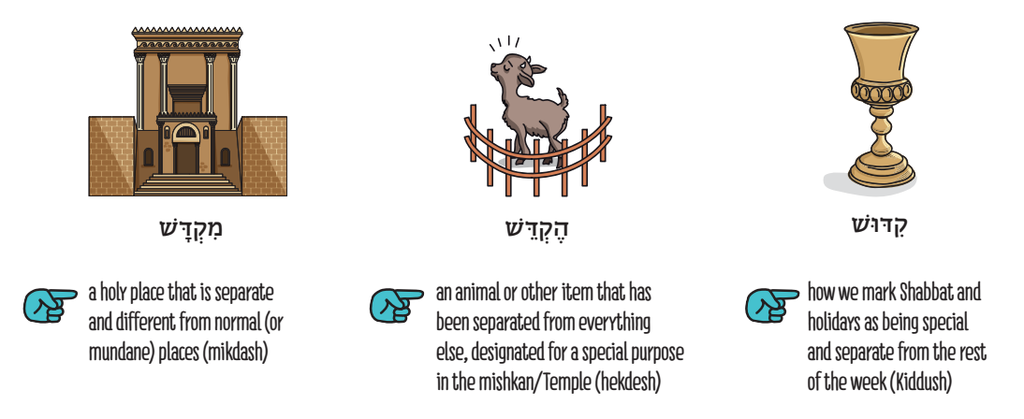
One of the most significant developments in late antique worship was the increasing importance of the liturgical use of the verses from Isaiah 6:3, "Holy, Holy, Holy, is the Lord of hosts/the whole earth is full of his glory," known as the Qedushah in Hebrew, the Trisagion in Greek, and the Sanctus in Latin. Over the centuries, Isaiah's vision of the seraphim praising God's holiness in the Temple had become the paradigm of prayer for Jews and Christians. The ritual of reciting these words set the stage for conceptualizing humanity in the image of the angels... When they recited "Holy, Holy, Holy," people were not only thinking about God but blurring the lines between themselves and angelic figures. (119-20)