


Otegha Uwagba, 2023
(א) הַמַּשָּׂא֙ אֲשֶׁ֣ר חָזָ֔ה חֲבַקּ֖וּק הַנָּבִֽיא׃ (ב) עַד־אָ֧נָה ה׳ שִׁוַּ֖עְתִּי וְלֹ֣א תִשְׁמָ֑ע אֶזְעַ֥ק אֵלֶ֛יךָ חָמָ֖ס וְלֹ֥א תוֹשִֽׁיעַ׃ (ג) לָ֣מָּה תַרְאֵ֤נִי אָ֙וֶן֙ וְעָמָ֣ל תַּבִּ֔יט וְשֹׁ֥ד וְחָמָ֖ס לְנֶגְדִּ֑י וַיְהִ֧י רִ֦יב וּמָד֖וֹן יִשָּֽׂא׃
(1) The pronouncement made by the prophet Habakkuk. (2) How long, O ETERNAL One, shall I cry out And You not listen, Shall I shout to You, “Violence!” And You not save? (3) Why do You make me see iniquity, upon wrong?— Raiding and violence are before me, Strife continues and contention goes on...
(א) לְכָה דוֹדִי לִקְרַאת כַּלָּה
(ב) פְּנֵי שַׁבָּת נְקַבְּלָה
(1) Come, my lover, to welcome the bride
(2) The face of Shabbat we will receive
(ט) לֹ֤א אֶֽעֱשֶׂה֙ חֲר֣וֹן אַפִּ֔י לֹ֥א אָשׁ֖וּב לְשַׁחֵ֣ת אֶפְרָ֑יִם כִּ֣י אֵ֤ל אָנֹכִי֙ וְלֹא־אִ֔ישׁ בְּקִרְבְּךָ֣ קָד֔וֹשׁ וְלֹ֥א אָב֖וֹא בְּעִֽיר׃
(9) I will not act on My wrath, Will not turn to destroy Ephraim. For I am God—not human— The Holy One in your midst: I will not come in fury.
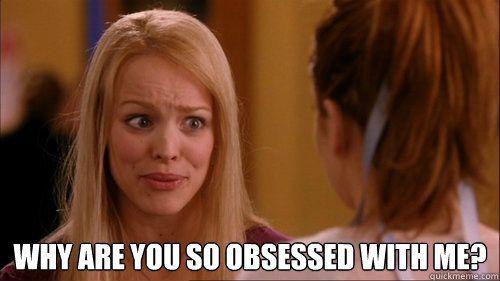
it is nondialectical,it is controlled by the performer;but it is susceptible of mutual development,even without 'perceivable' mutual development.I can't tell you how to have a relationship with G-d - that's deeply personal. It's like me telling you how you should love your grandmother. But are there ways that we can remedy the 'Parasocial Gap'.
(ז)וְהָיָה אִם־שָׁמֹֽעַ תִּשְׁמְ֒עוּ אֶל־מִצְוֹתַי אֲשֶׁר֯ אָ֯נֹכִי מְצַוֶּה אֶתְכֶם הַיּוֹם לְאַהֲבָה אֶת־ה׳ אֱלֹקֵיכֶם וּלְעָבְדוֹ בְּכָל֯־לְ֯בַבְכֶם וּבְכָל־נַפְשְׁ֒כֶם: וְנָתַתִּי מְטַר֯־אַ֯רְצְ֒כֶם בְּעִתּוֹ֯ י֯וֹרֶה וּמַלְקוֹשׁ וְאָסַפְתָּ דְגָנֶֽךָ וְתִירשְׁ֒ךָ וְיִצְהָרֶֽךָ:
(7) And it will be— if you vigilantly obey My commandments which I command you this day, to love Adonoy your God, and serve Him with your entire hearts and with your entire souls— that I will give rain for your land in its proper time,the early (autumn) rain and the late (spring) rain; and you will harvest your grain and your wine and your oil.
(ט) רַבִּי שָׁאֲלֵיהּ לְרַבִּי יִשְׁמָעֵאל בְּרַבִּי יוֹסֵי, אֲמַר לֵיהּ שָׁמַעְתָּ מֵאָבִיךָ מַהוּ וַיְכַל אֱלֹקִים בַּיּוֹם הַשְּׁבִיעִי, אֶתְמְהָא
גְּנִיבָא וְרַבָּנָן, גְּנִיבָא אָמַר מָשָׁל לְמֶלֶךְ שֶׁעָשָׂה לוֹ חֻפָּה, וְצִיְּירָהּ וְכִיְּירָהּ, וּמָה הָיְתָה חֲסֵרָה, כַּלָּה שֶׁתִּכָּנֵס לְתוֹכָהּ. כָּךְ מֶה הָיָה הָעוֹלָם חָסֵר, שַׁבָּת. רַבָּנָן אָמְרֵי מָשָׁל לְמֶלֶךְ שֶׁעָשׂוּ לוֹ טַבַּעַת, מֶה הָיְתָה חֲסֵרָה, חוֹתָם. כָּךְ מֶה הָיָה הָעוֹלָם חָסֵר, שַׁבָּת.
(9) Rabbi asked Rabbi Yishmael ben Rabbi Yosei, saying to him: ‘Did you hear from your father what is meant by: “God completed [vayechal] on the seventh day”? This is bewildering.’ Geniva and the Rabbis, Geniva said: This is analogous to a king who made himself a wedding canopy, painted it and embossed it. What was it lacking? A bride [kalla] to enter it. So, too, what was the world lacking? Shabbat. The Rabbis say: This is analogous to a king for whom they crafted a signet ring. What was lacking? The seal. So, too, what was the world lacking? Shabbat.
חושך ביער אין איש מלבדו איש מבוהל שאיבד את דרכו חושך ביער ערב שבת כאן יעשה את הלילה לבד
תפילה הייתה מועילה לו עכשיו אך ספר תפילות לא נמצא בידיו והוא לא זוכר אפילו משפט חושך ביער ערב שבת
הנה הן לפניך הנה כל האותיות אחת אחת מאלף עד תיו קח אותן בידיך ועשה מהן תפילות תפילות חדשות כאן ועכשיו
אלף בית גימל דלת הא וו זין חת טת לבדו ביער עומד וצועק יוד כף למד מם נון סמך עין פה צדיק קוף רש שין ותיו זה כל מה שיש
Chava Alberstein, Tefillot Chadashot
And in the forest there is no one but him A frightened man who has lost his way Darkness in the forest on Erev Shabbat Here he will spend the night alone
A prayer would do him good now But a prayer book was not found in his hands And he doesn't remember a single sentence Darkness in the forest on Saturday evening
...
Here they are in front of you Here are all the letters One by one from thousand to zero Take them in your hands and made them prayers New prayers here and now
Aleph, Beit, Gimel, Daled,
Heh, Vav, Zayin, Chet, Tet -
Alone in the forest stands and shouts Yud, Kaf, Lamed, Mem, Nun, Samech,
Ayin, Pey, Tzaddik, Kof, Resh,
Shin and Taf. That's all there is.