(יד) וְלֶ֩חֶם֩ וְקָלִ֨י וְכַרְמֶ֜ל לֹ֣א תֹֽאכְל֗וּ עַד־עֶ֙צֶם֙ הַיּ֣וֹם הַזֶּ֔ה עַ֚ד הֲבִ֣יאֲכֶ֔ם אֶת־קׇרְבַּ֖ן אֱלֹהֵיכֶ֑ם חֻקַּ֤ת עוֹלָם֙ לְדֹרֹ֣תֵיכֶ֔ם בְּכֹ֖ל מֹשְׁבֹֽתֵיכֶֽם׃ {ס} (טו) וּסְפַרְתֶּ֤ם לָכֶם֙ מִמׇּחֳרַ֣ת הַשַּׁבָּ֔ת מִיּוֹם֙ הֲבִ֣יאֲכֶ֔ם אֶת־עֹ֖מֶר הַתְּנוּפָ֑ה שֶׁ֥בַע שַׁבָּת֖וֹת תְּמִימֹ֥ת תִּהְיֶֽינָה׃ (טז) עַ֣ד מִֽמׇּחֳרַ֤ת הַשַּׁבָּת֙ הַשְּׁבִיעִ֔ת תִּסְפְּר֖וּ חֲמִשִּׁ֣ים י֑וֹם וְהִקְרַבְתֶּ֛ם מִנְחָ֥ה חֲדָשָׁ֖ה לַיהֹוָֽה׃
(14) Until that very day, until you have brought the offering of your God, you shall eat no bread or parched grain or fresh ears;*bread or parched grain or fresh ears That is, of the new crop. it is a law for all time throughout the ages in all your settlements. (15) And from the day on which you bring the sheaf of elevation offering—the day after the sabbath—you shall count off seven weeks. They must be complete: (16) you must count until the day after the seventh week—fifty days; then you shall bring an offering of new grain to יהוה.
(ח) שֵׁ֥שֶׁת יָמִ֖ים תֹּאכַ֣ל מַצּ֑וֹת וּבַיּ֣וֹם הַשְּׁבִיעִ֗י עֲצֶ֙רֶת֙ לַיהֹוָ֣ה אֱלֹהֶ֔יךָ לֹ֥א תַעֲשֶׂ֖ה מְלָאכָֽה׃ {ס} (ט) שִׁבְעָ֥ה שָׁבֻעֹ֖ת תִּסְפׇּר־לָ֑ךְ מֵהָחֵ֤ל חֶרְמֵשׁ֙ בַּקָּמָ֔ה תָּחֵ֣ל לִסְפֹּ֔ר שִׁבְעָ֖ה שָׁבֻעֽוֹת׃ (י) וְעָשִׂ֜יתָ חַ֤ג שָׁבֻעוֹת֙ לַיהֹוָ֣ה אֱלֹהֶ֔יךָ מִסַּ֛ת נִדְבַ֥ת יָדְךָ֖ אֲשֶׁ֣ר תִּתֵּ֑ן כַּאֲשֶׁ֥ר יְבָרֶכְךָ֖ יְהֹוָ֥ה אֱלֹהֶֽיךָ׃
(8) After eating unleavened bread six days, you shall hold a solemn gathering*solemn gathering Precise meaning of Heb. ‘aṣereth uncertain. Cf. Lev. 23.36; Num. 29.35. for your God יהוה on the seventh day: you shall do no work. (9) You shall count off seven weeks; start to count the seven weeks when the sickle is first put to the standing grain. (10) Then you*you See note at 12.7. shall observe the Feast of Weeks for your God יהוה, offering your freewill contribution according as your God יהוה has blessed you.
(א) דינים הנוהגים בימי העומר. ובו ד' סעיפים:
נוהגים שלא לישא אשה בין פסח לעצרת עד ל"ג בעומר מפני שבאותו זמן מתו תלמידי ר' עקיבא אבל לארס ולקדש שפיר דמי ונשואין נמי מי שקפץ וכנס אין עונשין אותו: הגה מיהו מל"ג בעומר ואילך הכל שרי (אבודרהם וב"י ומנהגים):
(1) It is customary not to get married between Pesach and Shavuot, until Lag BaOmer (the 33rd day), because during that time, the students of Rabbi Akiva died. However, to do "erusin" and "kiddushin" (engagement and betrothal) is OK. And even for "nisuin" (marriage), if someone did so, we do not punish him. Rema: however, from Lag Ba'Omer onwards, all this is permitted (Abudraham, Beit Yosef & Minhagim).
Shulchan Arukh, written by Joseph Caro (1488-1575)
מַתְנִיתִין דְּלָאו כְּרַבִּי יְהוֹשֻׁעַ, דְּתַנְיָא, רַבִּי יְהוֹשֻׁעַ אוֹמֵר: נָשָׂא אָדָם אִשָּׁה בְּיַלְדוּתוֹ — יִשָּׂא אִשָּׁה בְּזִקְנוּתוֹ. הָיוּ לוֹ בָּנִים בְּיַלְדוּתוֹ — יִהְיוּ לוֹ בָּנִים בְּזִקְנוּתוֹ, שֶׁנֶּאֱמַר: ״בַּבֹּקֶר זְרַע אֶת זַרְעֶךָ וְלָעֶרֶב אַל תַּנַּח יָדֶךָ כִּי אֵינְךָ יוֹדֵעַ אֵי זֶה יִכְשָׁר הֲזֶה אוֹ זֶה וְאִם שְׁנֵיהֶם כְּאֶחָד טוֹבִים״. רַבִּי עֲקִיבָא אוֹמֵר: לָמַד תּוֹרָה בְּיַלְדוּתוֹ — יִלְמוֹד תּוֹרָה בְּזִקְנוּתוֹ. הָיוּ לוֹ תַּלְמִידִים בְּיַלְדוּתוֹ — יִהְיוּ לוֹ תַּלְמִידִים בְּזִקְנוּתוֹ, שֶׁנֶּאֱמַר: ״בַּבֹּקֶר זְרַע אֶת זַרְעֶךָ וְגוֹ׳״. אָמְרוּ: שְׁנֵים עָשָׂר אָלֶף זוּגִים תַּלְמִידִים הָיוּ לוֹ לְרַבִּי עֲקִיבָא מִגְּבָת עַד אַנְטִיפְרַס, וְכוּלָּן מֵתוּ בְּפֶרֶק אֶחָד, מִפְּנֵי שֶׁלֹּא נָהֲגוּ כָּבוֹד זֶה לָזֶה. וְהָיָה הָעוֹלָם שָׁמֵם, עַד שֶׁבָּא רַבִּי עֲקִיבָא אֵצֶל רַבּוֹתֵינוּ שֶׁבַּדָּרוֹם וּשְׁנָאָהּ לָהֶם: רַבִּי מֵאִיר, וְרַבִּי יְהוּדָה, וְרַבִּי יוֹסֵי, וְרַבִּי שִׁמְעוֹן, וְרַבִּי אֶלְעָזָר בֶּן שַׁמּוּעַ, וְהֵם הֵם הֶעֱמִידוּ תּוֹרָה אוֹתָהּ שָׁעָה. תָּנָא, כּוּלָּם מֵתוּ מִפֶּסַח וְעַד עֲצֶרֶת. אָמַר רַב חָמָא בַּר אַבָּא וְאִיתֵּימָא רַבִּי חִיָּיא בַּר אָבִין: כּוּלָּם מֵתוּ מִיתָה רָעָה. מַאי הִיא? אָמַר רַב נַחְמָן: אַסְכָּרָה.
§ The Gemara comments: The mishna is not in accordance with the opinion of Rabbi Yehoshua. As it is taught in a baraita that Rabbi Yehoshua says: If a man married a woman in his youth, and she passed away, he should marry another woman in his old age. If he had children in his youth, he should have more children in his old age, as it is stated: “In the morning sow your seed, and in the evening do not withhold your hand; for you do not know which shall prosper, whether this or that, or whether they both alike shall be good” (Ecclesiastes 11:6). This verse indicates that a man should continue having children even after he has fulfilled the mitzva to be fruitful and multiply. Rabbi Akiva says that the verse should be understood as follows: If one studied Torah in his youth he should study more Torah in his old age; if he had students in his youth he should have additional students in his old age, as it is stated: “In the morning sow your seed, etc.” They said by way of example that Rabbi Akiva had twelve thousand pairs of students in an area of land that stretched from Gevat to Antipatris in Judea, and they all died in one period of time, because they did not treat each other with respect. And the world was desolate of Torah until Rabbi Akiva came to our Rabbis in the South and taught his Torah to them. This second group of disciples consisted of Rabbi Meir, Rabbi Yehuda, Rabbi Yosei, Rabbi Shimon, and Rabbi Elazar ben Shamua. And these are the very ones who upheld the study of Torah at that time. Although Rabbi Akiva’s earlier students did not survive, his later disciples were able to transmit the Torah to future generations. With regard to the twelve thousand pairs of Rabbi Akiva’s students, the Gemara adds: It is taught that all of them died in the period from Passover until Shavuot. Rav Ḥama bar Abba said, and some say it was Rabbi Ḥiyya bar Avin: They all died a bad death. The Gemara inquires: What is it that is called a bad death? Rav Naḥman said: Diphtheria.
(ה) וְאָ֣הַבְתָּ֔ אֵ֖ת יְהֹוָ֣ה אֱלֹהֶ֑יךָ בְּכׇל־לְבָבְךָ֥ וּבְכׇל־נַפְשְׁךָ֖ וּבְכׇל־מְאֹדֶֽךָ׃ (ו) וְהָי֞וּ הַדְּבָרִ֣ים הָאֵ֗לֶּה אֲשֶׁ֨ר אָנֹכִ֧י מְצַוְּךָ֛ הַיּ֖וֹם עַל־לְבָבֶֽךָ׃ (ז) וְשִׁנַּנְתָּ֣ם לְבָנֶ֔יךָ וְדִבַּרְתָּ֖ בָּ֑ם בְּשִׁבְתְּךָ֤ בְּבֵיתֶ֙ךָ֙ וּבְלֶכְתְּךָ֣ בַדֶּ֔רֶךְ וּֽבְשׇׁכְבְּךָ֖ וּבְקוּמֶֽךָ׃ (ח) וּקְשַׁרְתָּ֥ם לְא֖וֹת עַל־יָדֶ֑ךָ וְהָי֥וּ לְטֹטָפֹ֖ת בֵּ֥ין עֵינֶֽיךָ׃ (ט) וּכְתַבְתָּ֛ם עַל־מְזֻז֥וֹת בֵּיתֶ֖ךָ וּבִשְׁעָרֶֽיךָ׃ {ס}
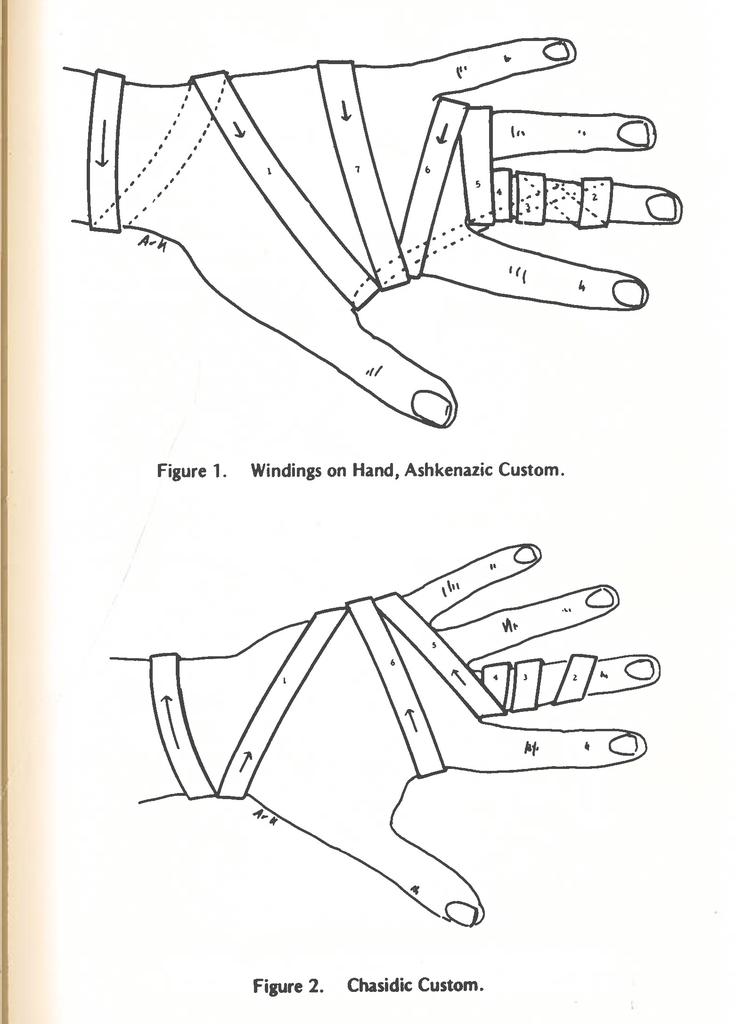
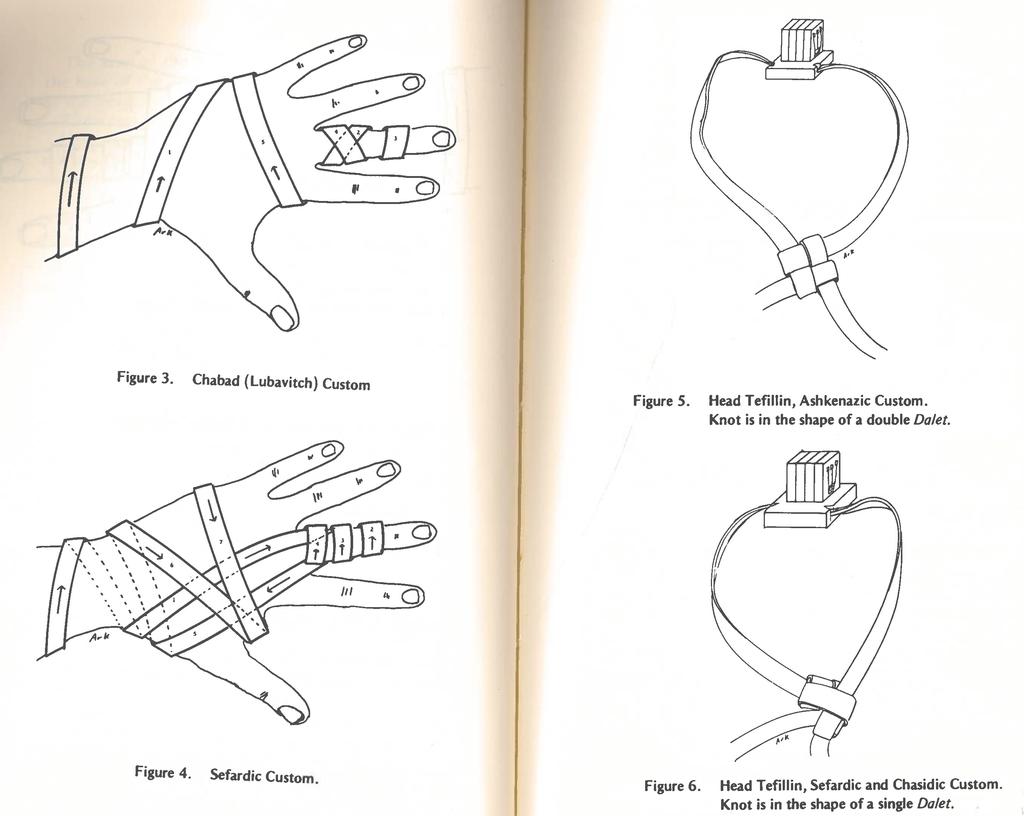
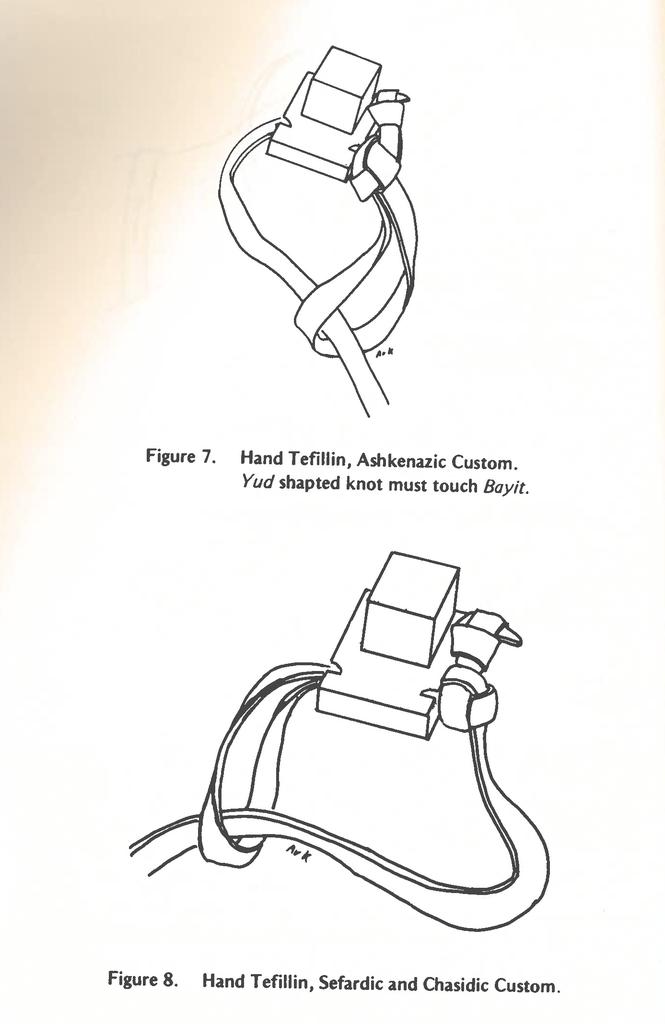
(5) You shall love your God יהוה with all your heart and with all your soul and with all your might. (6) Take to heart these instructions with which I charge you this day. (7) Impress them upon your children. Recite them when you stay at home and when you are away, when you lie down and when you get up. (8) Bind them as a sign on your hand and let them serve as a symbol*symbol Others “frontlet”; cf. Exod. 13.16. on your forehead;*on your forehead Lit. “between your eyes”; cf. Exod. 13.9. (9) inscribe them on the doorposts of your house and on your gates.
תַּנָּא דְבֵי מְנַשֶּׁה: ״עַל יָדְךָ״ — זוֹ קִיבּוֹרֶת, ״בֵּין עֵינֶיךָ״ — זוֹ קׇדְקֹד. הֵיכָא? אָמְרִי דְּבֵי רַבִּי יַנַּאי: מְקוֹם שֶׁמּוֹחוֹ שֶׁל תִּינוֹק רוֹפֵס.
The Gemara comments: The school of Menashe taught the following. The verse states: “And you shall bind them for a sign on your arm, and they shall be as frontlets between your eyes” (Deuteronomy 6:8). “On your arm,” this is the biceps muscle of the arm; “between your eyes,” this is the crown of the head. The Gemara asks: Where exactly on the crown of the head? The school of Rabbi Yannai say: Phylacteries are placed on the spot where a baby’s head is soft after birth.