



(1) It happened in the days of Ahasuerus—that Ahasuerus who reigned over a hundred and twenty-seven provinces from India to Nubia. (2) In those days, when King Ahasuerus occupied the royal throne in the fortressaI.e., the fortified city. Shushan, (3) in the third year of his reign, he gave a banquet for all the officials and courtiers—the administration of Persia and Media, the nobles and the governors of the provinces in his service. (4) For no fewer than a hundred and eighty days he displayed the vast riches of his kingdom and the splendid glory of his majesty. (5) At the end of this period, the king gave a banquet for seven days in the court of the king’s palace garden for all the people who lived in the fortress Shushan, high and low alike. (6) bMeaning of part of this verse uncertain.[There were hangings of] white cotton and blue wool, caught up by cords of fine linen and purple wool to silver rods and alabaster columns; and there were couches of gold and silver on a pavement of marble, alabaster, mother-of-pearl, and mosaics. (7) Royal wine was served in abundance, as befits a king, in golden beakers, beakers of varied design. (8) And the rule for the drinking was, “No restrictions!” For the king had given orders to every palace steward to comply with each man’s wishes.
(טז) וַיֹּ֣אמֶר (מומכן) [מְמוּכָ֗ן] לִפְנֵ֤י הַמֶּ֙לֶךְ֙ וְהַשָּׂרִ֔ים לֹ֤א עַל־הַמֶּ֙לֶךְ֙ לְבַדּ֔וֹ עָוְתָ֖ה וַשְׁתִּ֣י הַמַּלְכָּ֑ה כִּ֤י עַל־כׇּל־הַשָּׂרִים֙ וְעַל־כׇּל־הָ֣עַמִּ֔ים אֲשֶׁ֕ר בְּכׇל־מְדִינ֖וֹת הַמֶּ֥לֶךְ אֲחַשְׁוֵרֽוֹשׁ׃ (יז) כִּֽי־יֵצֵ֤א דְבַר־הַמַּלְכָּה֙ עַל־כׇּל־הַנָּשִׁ֔ים לְהַבְז֥וֹת בַּעְלֵיהֶ֖ן בְּעֵינֵיהֶ֑ן בְּאׇמְרָ֗ם הַמֶּ֣לֶךְ אֲחַשְׁוֵר֡וֹשׁ אָמַ֞ר לְהָבִ֨יא אֶת־וַשְׁתִּ֧י הַמַּלְכָּ֛ה לְפָנָ֖יו וְלֹא־בָֽאָה׃ (יח) וְֽהַיּ֨וֹם הַזֶּ֜ה תֹּאמַ֣רְנָה ׀ שָׂר֣וֹת פָּֽרַס־וּמָדַ֗י אֲשֶׁ֤ר שָֽׁמְעוּ֙ אֶת־דְּבַ֣ר הַמַּלְכָּ֔ה לְכֹ֖ל שָׂרֵ֣י הַמֶּ֑לֶךְ וּכְדַ֖י בִּזָּי֥וֹן וָקָֽצֶף׃ (יט) אִם־עַל־הַמֶּ֣לֶךְ ט֗וֹב יֵצֵ֤א דְבַר־מַלְכוּת֙ מִלְּפָנָ֔יו וְיִכָּתֵ֛ב בְּדָתֵ֥י פָֽרַס־וּמָדַ֖י וְלֹ֣א יַעֲב֑וֹר אֲשֶׁ֨ר לֹֽא־תָב֜וֹא וַשְׁתִּ֗י לִפְנֵי֙ הַמֶּ֣לֶךְ אֲחַשְׁוֵר֔וֹשׁ וּמַלְכוּתָהּ֙ יִתֵּ֣ן הַמֶּ֔לֶךְ לִרְעוּתָ֖הּ הַטּוֹבָ֥ה מִמֶּֽנָּה׃ (כ) וְנִשְׁמַע֩ פִּתְגָ֨ם הַמֶּ֤לֶךְ אֲשֶֽׁר־יַעֲשֶׂה֙ בְּכׇל־מַלְכוּת֔וֹ כִּ֥י רַבָּ֖ה הִ֑יא וְכׇל־הַנָּשִׁ֗ים יִתְּנ֤וּ יְקָר֙ לְבַעְלֵיהֶ֔ן לְמִגָּד֖וֹל וְעַד־קָטָֽן׃ (כא) וַיִּיטַב֙ הַדָּבָ֔ר בְּעֵינֵ֥י הַמֶּ֖לֶךְ וְהַשָּׂרִ֑ים וַיַּ֥עַשׂ הַמֶּ֖לֶךְ כִּדְבַ֥ר מְמוּכָֽן׃ (כב) וַיִּשְׁלַ֤ח סְפָרִים֙ אֶל־כׇּל־מְדִינ֣וֹת הַמֶּ֔לֶךְ אֶל־מְדִינָ֤ה וּמְדִינָה֙ כִּכְתָבָ֔הּ וְאֶל־עַ֥ם וָעָ֖ם כִּלְשׁוֹנ֑וֹ לִהְי֤וֹת כׇּל־אִישׁ֙ שֹׂרֵ֣ר בְּבֵית֔וֹ וּמְדַבֵּ֖ר כִּלְשׁ֥וֹן עַמּֽוֹ׃ {פ}
(9) In addition, Queen Vashti gave a banquet for women, in the royal palace of King Ahasuerus. (10) On the seventh day, when the king was merry with wine, he ordered Mehuman, Bizzetha, Harbona, Bigtha, Abagtha, Zethar, and Carcas, the seven eunuchs in attendance on King Ahasuerus, (11) to bring Queen Vashti before the king wearing a royal diadem, to display her beauty to the peoples and the officials; for she was a beautiful woman. (12) But Queen Vashti refused to come at the king’s command conveyed by the eunuchs. The king was greatly incensed, and his fury burned within him. (13) Then the king consulted the sages learned in procedure.(For it was the royal practice [to turn] to all who were versed in law and precedent. (14) His closest advisers were Carshena, Shethar, Admatha, Tarshish, Meres, Marsena, and Memucan, the seven ministers of Persia and Media who had access to the royal presence and occupied the first place in the kingdom.) (15) “What,” [he asked,] “shall be done, according to law, to Queen Vashti for failing to obey the command of King Ahasuerus conveyed by the eunuchs?” (16) Thereupon Memucan declared in the presence of the king and the ministers: “Queen Vashti has committed an offense not only against Your Majesty but also against all the officials and against all the peoples in all the provinces of King Ahasuerus. (17) For the queen’s behavior will make all wives despise their husbands, as they reflect that King Ahasuerus himself ordered Queen Vashti to be brought before him, but she would not come. (18) This very day the ladies of Persia and Media, who have heard of the queen’s behavior, will cite it to all Your Majesty’s officials, and there will be no end of scorn and provocation! (19) “If it please Your Majesty, let a royal edict be issued by you, and let it be written into the laws of Persia and Media, so that it cannot be abrogated, that Vashti shall never enter the presence of King Ahasuerus. And let Your Majesty bestow her royal state upon another who is more worthy than she. (20) Then will the judgment executed by Your Majesty resound throughout your realm, vast though it is; and all wives will treat their husbands with respect, high and low alike.” (21) The proposal was approved by the king and the ministers, and the king did as Memucan proposed. (22) Dispatches were sent to all the provinces of the king, to every province in its own script and to every nation in its own language, that every man should wield authority in his home and speak the language of his own people.
(יג) לְהָבִיא אֶת וַשְׁתִּי הַמַּלְכָּה לִפְנֵי הַמֶּלֶךְ בְּכֶתֶר מַלְכוּת (אסתר א, יא), אָמַר רַבִּי אַיְּבוּ כַּפָּרָתָן שֶׁל יִשְׂרָאֵל, כְּשֶׁיִּשְׂרָאֵל אוֹכְלִין וְשׁוֹתִין וּשְׂמֵחִין, הֵן מְבָרְכִין וּמְשַׁבְּחִין וּמְקַלְּסִין לְהַקָּדוֹשׁ בָּרוּךְ הוּא, וּכְשֶׁאֻמּוֹת הָעוֹלָם אוֹכְלִין וְשׁוֹתִין, מִתְעַסְּקִין הֵן בְּדִבְרֵי תִּפְלוּת, זֶה אוֹמֵר מָדִיּוֹת נָאוֹת, וְזֶה אוֹמֵר פַּרְסִיּוֹת נָאוֹת. אָמַר לָהֶם אוֹתוֹ טִפֵּשׁ, כְּלִי שֶׁאוֹתוֹ הָאִישׁ מִשְׁתַּמֵּשׁ בּוֹ אֵינוֹ לֹא מָדִית וְלֹא פַּרְסִית אֶלָּא כַּשְׂדִּית, מְבַקְּשִׁים אַתֶּם לִרְאוֹתוֹ, אָמְרוּ לוֹ הֵן וּבִלְבָד שֶׁתְּהֵא עֲרֻמָּה, אָמַר לְהוֹן הֵן וַעֲרֻמָּה. רַבִּי פִּנְחָס וְרַבִּי חָמָא בַּר גּוּרְיָא בְּשֵׁם רַב אָמַר בִּקְּשָׁה לִכָּנֵס אֲפִלּוּ בְּצִלְצוּל כְּזוֹנָה וְלֹא הִנִּיחוּ אוֹתָהּ, אֲמַר לוֹן וַעֲרֻמָּה, אָמְרָה אֶכָּנֵס בְּלֹא כֶתֶר הֵן אוֹמְרִים שִׁפְחָה הִיא זוֹ, תִּלְבַּשׁ בִּגְדֵי מַלְכוּת וְתִכָּנֵס, אָמַר רַב הוּנָא אֵין הֶדְיוֹט מִשְׁתַּמֵּשׁ בְּבִגְדֵי מַלְכוּת.
(13) “To bring Queen Vashti before the king with a royal crown, to display her beauty to the peoples and the princes, for she was of fair appearance” (Esther 1:11).
Rabbi Aivu said: The atonement of Israel is that when Israel eats, drinks, and rejoices, they bless, and praise, and acclaim The Holy One blessed be He. But when the nations of the world eat and drink, they engage in matters of lewdness. This one says: Medians are most beautiful; that one says: Persians are most beautiful. That foolish one [Aḥashverosh] said to them: ‘The vessel that this man uses [i.e., that I use] is neither Median nor Persian, but rather Chaldean.21TDo you wish to see it?’ They said to him: ‘Yes, provided that she be naked.’ He said to them: ‘Yes, and naked.’ Rabbi Pinḥas and Rabbi Ḥama bar Gurya say in the name of Rav: She sought to enter with only a sash, like a prostitute, and they would not let her. He [Aḥashverosh] said to us [her attendants]: ‘And naked.’ She said: ‘I will enter without a crown.’22 ‘They will say that this is a maidservant.’ Even if she wears royal garments and enters [they will say she is a maidservant]. Rav Huna said: A commoner may not utilize royal garments.
(ה) אִ֣ישׁ יְהוּדִ֔י הָיָ֖ה בְּשׁוּשַׁ֣ן הַבִּירָ֑ה וּשְׁמ֣וֹ מׇרְדֳּכַ֗י בֶּ֣ן יָאִ֧יר בֶּן־שִׁמְעִ֛י בֶּן־קִ֖ישׁ אִ֥ישׁ יְמִינִֽי׃ (ו) אֲשֶׁ֤ר הׇגְלָה֙ מִיר֣וּשָׁלַ֔יִם עִם־הַגֹּלָה֙ אֲשֶׁ֣ר הׇגְלְתָ֔ה עִ֖ם יְכׇנְיָ֣ה מֶֽלֶךְ־יְהוּדָ֑ה אֲשֶׁ֣ר הֶגְלָ֔ה נְבוּכַדְנֶצַּ֖ר מֶ֥לֶךְ בָּבֶֽל׃ (ז) וַיְהִ֨י אֹמֵ֜ן אֶת־הֲדַסָּ֗ה הִ֤יא אֶסְתֵּר֙ בַּת־דֹּד֔וֹ כִּ֛י אֵ֥ין לָ֖הּ אָ֣ב וָאֵ֑ם וְהַנַּעֲרָ֤ה יְפַת־תֹּ֙אַר֙ וְטוֹבַ֣ת מַרְאֶ֔ה וּבְמ֤וֹת אָבִ֙יהָ֙ וְאִמָּ֔הּ לְקָחָ֧הּ מׇרְדֳּכַ֛י ל֖וֹ לְבַֽת׃ (ח) וַיְהִ֗י בְּהִשָּׁמַ֤ע דְּבַר־הַמֶּ֙לֶךְ֙ וְדָת֔וֹ וּֽבְהִקָּבֵ֞ץ נְעָר֥וֹת רַבּ֛וֹת אֶל־שׁוּשַׁ֥ן הַבִּירָ֖ה אֶל־יַ֣ד הֵגָ֑י וַתִּלָּקַ֤ח אֶסְתֵּר֙ אֶל־בֵּ֣ית הַמֶּ֔לֶךְ אֶל־יַ֥ד הֵגַ֖י שֹׁמֵ֥ר הַנָּשִֽׁים׃ (ט) וַתִּיטַ֨ב הַנַּעֲרָ֣ה בְעֵינָיו֮ וַתִּשָּׂ֣א חֶ֣סֶד לְפָנָיו֒ וַ֠יְבַהֵ֠ל אֶת־תַּמְרוּקֶ֤יהָ וְאֶת־מָנוֹתֶ֙הָ֙ לָתֵ֣ת לָ֔הּ וְאֵת֙ שֶׁ֣בַע הַנְּעָר֔וֹת הָרְאֻי֥וֹת לָֽתֶת־לָ֖הּ מִבֵּ֣ית הַמֶּ֑לֶךְ וַיְשַׁנֶּ֧הָ וְאֶת־נַעֲרוֹתֶ֛יהָ לְט֖וֹב בֵּ֥ית הַנָּשִֽׁים׃ (י) לֹא־הִגִּ֣ידָה אֶסְתֵּ֔ר אֶת־עַמָּ֖הּ וְאֶת־מֽוֹלַדְתָּ֑הּ כִּ֧י מׇרְדֳּכַ֛י צִוָּ֥ה עָלֶ֖יהָ אֲשֶׁ֥ר לֹא־תַגִּֽיד׃ {ס} (יא) וּבְכׇל־י֣וֹם וָי֔וֹם מׇרְדֳּכַי֙ מִתְהַלֵּ֔ךְ לִפְנֵ֖י חֲצַ֣ר בֵּית־הַנָּשִׁ֑ים לָדַ֙עַת֙ אֶת־שְׁל֣וֹם אֶסְתֵּ֔ר וּמַה־יֵּעָשֶׂ֖ה בָּֽהּ׃ (יב) וּבְהַגִּ֡יעַ תֹּר֩ נַעֲרָ֨ה וְנַעֲרָ֜ה לָב֣וֹא ׀ אֶל־הַמֶּ֣לֶךְ אֲחַשְׁוֵר֗וֹשׁ מִקֵּץ֩ הֱי֨וֹת לָ֜הּ כְּדָ֤ת הַנָּשִׁים֙ שְׁנֵ֣ים עָשָׂ֣ר חֹ֔דֶשׁ כִּ֛י כֵּ֥ן יִמְלְא֖וּ יְמֵ֣י מְרוּקֵיהֶ֑ן שִׁשָּׁ֤ה חֳדָשִׁים֙ בְּשֶׁ֣מֶן הַמֹּ֔ר וְשִׁשָּׁ֤ה חֳדָשִׁים֙ בַּבְּשָׂמִ֔ים וּבְתַמְרוּקֵ֖י הַנָּשִֽׁים׃ (יג) וּבָזֶ֕ה הַֽנַּעֲרָ֖ה בָּאָ֣ה אֶל־הַמֶּ֑לֶךְ אֵת֩ כׇּל־אֲשֶׁ֨ר תֹּאמַ֜ר יִנָּ֤תֵֽן לָהּ֙ לָב֣וֹא עִמָּ֔הּ מִבֵּ֥ית הַנָּשִׁ֖ים עַד־בֵּ֥ית הַמֶּֽלֶךְ׃ (יד) בָּעֶ֣רֶב ׀ הִ֣יא בָאָ֗ה וּ֠בַבֹּ֠קֶר הִ֣יא שָׁבָ֞ה אֶל־בֵּ֤ית הַנָּשִׁים֙ שֵׁנִ֔י אֶל־יַ֧ד שַֽׁעַשְׁגַ֛ז סְרִ֥יס הַמֶּ֖לֶךְ שֹׁמֵ֣ר הַפִּֽילַגְשִׁ֑ים לֹא־תָב֥וֹא עוֹד֙ אֶל־הַמֶּ֔לֶךְ כִּ֣י אִם־חָפֵ֥ץ בָּ֛הּ הַמֶּ֖לֶךְ וְנִקְרְאָ֥ה בְשֵֽׁם׃ (טו) וּבְהַגִּ֣יעַ תֹּר־אֶסְתֵּ֣ר בַּת־אֲבִיחַ֣יִל דֹּ֣ד מׇרְדֳּכַ֡י אֲשֶׁר֩ לָקַֽח־ל֨וֹ לְבַ֜ת לָב֣וֹא אֶל־הַמֶּ֗לֶךְ לֹ֤א בִקְשָׁה֙ דָּבָ֔ר כִּ֠י אִ֣ם אֶת־אֲשֶׁ֥ר יֹאמַ֛ר הֵגַ֥י סְרִיס־הַמֶּ֖לֶךְ שֹׁמֵ֣ר הַנָּשִׁ֑ים וַתְּהִ֤י אֶסְתֵּר֙ נֹשֵׂ֣את חֵ֔ן בְּעֵינֵ֖י כׇּל־רֹאֶֽיהָ׃ (טז) וַתִּלָּקַ֨ח אֶסְתֵּ֜ר אֶל־הַמֶּ֤לֶךְ אֲחַשְׁוֵרוֹשׁ֙ אֶל־בֵּ֣ית מַלְכוּת֔וֹ בַּחֹ֥דֶשׁ הָעֲשִׂירִ֖י הוּא־חֹ֣דֶשׁ טֵבֵ֑ת בִּשְׁנַת־שֶׁ֖בַע לְמַלְכוּתֽוֹ׃ (יז) וַיֶּאֱהַ֨ב הַמֶּ֤לֶךְ אֶת־אֶסְתֵּר֙ מִכׇּל־הַנָּשִׁ֔ים וַתִּשָּׂא־חֵ֥ן וָחֶ֛סֶד לְפָנָ֖יו מִכׇּל־הַבְּתוּל֑וֹת וַיָּ֤שֶׂם כֶּֽתֶר־מַלְכוּת֙ בְּרֹאשָׁ֔הּ וַיַּמְלִיכֶ֖הָ תַּ֥חַת וַשְׁתִּֽי׃
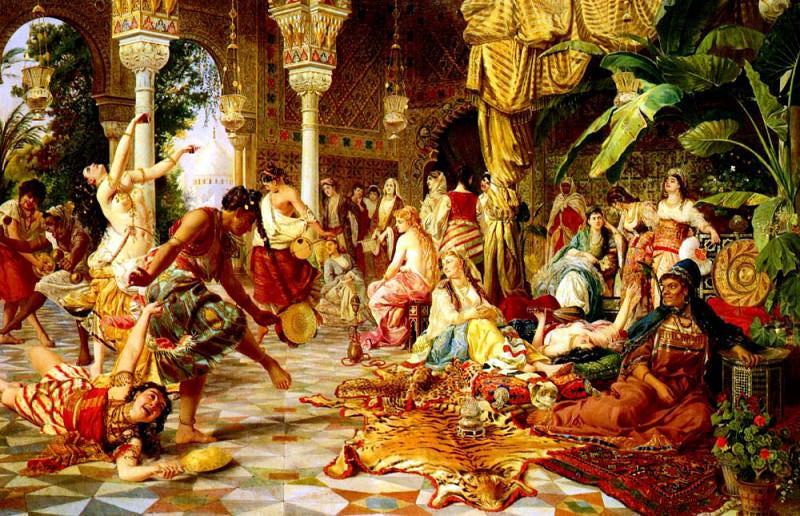
(1) Some time afterward, when the anger of King Ahasuerus subsided, he thought of Vashti and what she had done and what had been decreed against her. (2) The king’s servants who attended him said, “Let beautiful young virgins be sought out for Your Majesty. (3) Let Your Majesty appoint officers in every province of your realm to assemble all the beautiful young virgins at the fortress Shushan, in the harem under the supervision of Hege, the king’s eunuch, guardian of the women. Let them be provided with their cosmetics. (4) And let the maiden who pleases Your Majesty be queen instead of Vashti.” The proposal pleased the king, and he acted upon it. (5) In the fortress Shushan lived a Jew by the name of Mordecai, son of Jair son of Shimei son of Kish, a Benjaminite. (6) [Kish] had been exiled from Jerusalem in the group that was carried into exile along with King Jeconiah of Judah, which had been driven into exile by King Nebuchadnezzar of Babylon. (7) He was foster father to Hadassah—that is, Esther—his uncle’s daughter, for she had neither father nor mother. The maiden was shapely and beautiful; and when her father and mother died, Mordecai adopted her as his own daughter. (8) When the king’s order and edict was proclaimed, and when many girls were assembled in the fortress Shushan under the supervision of Hegai. Esther too was taken into the king’s palace under the supervision of Hegai, guardian of the women. (9) The girl pleased him and won his favor, and he hastened to furnish her with her cosmetics and her rations, as well as with the seven maids who were her due from the king’s palace; and he treated her and her maids with special kindness in the harem. (10) Esther did not reveal her people or her kindred, for Mordecai had told her not to reveal it. (11) Every single day Mordecai would walk about in front of the court of the harem, to learn how Esther was faring and what was happening to her. (12) When each girl’s turn came to go to King Ahasuerus at the end of the twelve months’ treatment prescribed for women (for that was the period spent on beautifying them: six months with oil of myrrh and six months with perfumes and women’s cosmetics, (13) and it was after that that the girl would go to the king), whatever she asked for would be given her to take with her from the harem to the king’s palace. (14) She would go in the evening and leave in the morning for a second harem in charge of Shaashgaz, the king’s eunuch, guardian of the concubines. She would not go again to the king unless the king wanted her, when she would be summoned by name. (15) When the turn came for Esther daughter of Abihail—the uncle of Mordecai, who had adopted her as his own daughter—to go to the king, she did not ask for anything but what Hegai, the king’s eunuch, guardian of the women, advised. Yet Esther won the admiration of all who saw her. (16) Esther was taken to King Ahasuerus, in his royal palace, in the tenth month, which is the month of Tebeth, in the seventh year of his reign. (17) The king loved Esther more than all the other women, and she won his grace and favor more than all the virgins. So he set a royal diadem on her head and made her queen instead of Vashti.
(ב) אַחַר הַדְּבָרִים הָאֵלֶּה כְּשֹׁךְ חֲמַת הַמֶּלֶךְ אֲחַשְׁוֵרוֹשׁ (אסתר ב, א), אָמַר רַבִּי אַיְּבוּ בְּשֵׁם רַבִּי יוֹסֵי בֶּן זִמְרָא כָּל מָקוֹם שֶׁנֶּאֱמַר אַחַר סָמוּךְ, אַחֲרֵי מוּפְלָג. וְרַבָּנָן מִשּׁוּם רַבִּי יוֹסֵי בֶּן זִמְרָא כָּל מָקוֹם שֶׁנֶּאֱמַר אַחֲרֵי סָמוּךְ, אַחַר מוּפְלָג. כְּשׁךְ חֲמַת הַמֶּלֶךְ אֲחַשְׁוֵרוֹשׁ, בְּשֹׁךְ אֵין כְּתִיב כָּאן אֶלָּא כְּשֹׁךְ, שְׁכִיכָה שֶׁאֵינָהּ שְׁכִיכָה. זָכַר אֶת וַשְׁתִּי, גְּזֵרָה זֹאת שֶׁגָּזַר עָלֶיהָ שֶׁתִּכָּנֵס לְפָנָיו עֲרֻמָּה וְלֹא נִכְנְסָה וְקָצַף עָלֶיהָ וַהֲרָגָהּ, מִן דְּקָטְלָה שָׁרֵי תָּהֵי בֵיהּ [חוזר בו], לָמָּה, שֶׁעָשְׂתָה כְּהֹגֶן. וְאֵת אֲשֶׁר נִגְזַר עָלֶיהָ, שֶׁא כְּהֹגֶן. וְלָמָּה עָלְתָה לָהּ כָּךְ, לְפִי שֶׁלֹא הָיְתָה מַנַּחַת לַאֲחַשְׁוֵרוֹשׁ לִתֵּן רְשׁוּת לִבְנוֹת בֵּית הַמִּקְדָּשׁ, וְאוֹמֶרֶת לוֹ, מַה שֶּׁהֶחֱרִיבוּ אֲבוֹתַי אַתָּה מְבַקֵּשׁ לִבְנוֹת, וַיֹּאמְרוּ נַעֲרֵי הַמֶּלֶךְ מְשָׁרְתָיו וגו'.
(2) “After these matters, when the fury of king Aḥashverosh had abated, he remembered Vashti and what she had done, and what was decreed against her” (Esther 2:1).
“After [aḥar] these matters, when the fury of King Aḥashverosh had abated” – Rabbi Aivu said in the name of Rabbi Yosei ben Zimra: Everywhere that aḥar is stated, it means just after; aḥarei – significantly after. The Rabbis in the name of Rabbi Yosei ben Zimra: Everywhere that aḥarei is stated, it means just after; aḥar – significantly after. “When [keshokh] the fury of King Aḥashverosh had abated,” beshokh is not written here, but rather keshokh,11abatement that is not abatement. “He remembered Vashti” – that decree that he had decreed for her to enter naked before him and she did not enter he became angry and killed her. Once he had killed her, he began regretting it. Why? Because she had behaved correctly.12“And what was decreed against her,” unjustly. Why did this befall her? Because she would not allow Aḥashverosh to grant permission to build the Temple, saying to him: You are seeking to build what my ancestors destroyed? “The king's lads, his attendants, said...” 13
(יג) וַיֹּ֥אמֶר מׇרְדֳּכַ֖י לְהָשִׁ֣יב אֶל־אֶסְתֵּ֑ר אַל־תְּדַמִּ֣י בְנַפְשֵׁ֔ךְ לְהִמָּלֵ֥ט בֵּית־הַמֶּ֖לֶךְ מִכׇּל־הַיְּהוּדִֽים׃ (יד) כִּ֣י אִם־הַחֲרֵ֣שׁ תַּחֲרִ֘ישִׁי֮ בָּעֵ֣ת הַזֹּאת֒ רֶ֣וַח וְהַצָּלָ֞ה יַעֲמ֤וֹד לַיְּהוּדִים֙ מִמָּק֣וֹם אַחֵ֔ר וְאַ֥תְּ וּבֵית־אָבִ֖יךְ תֹּאבֵ֑דוּ וּמִ֣י יוֹדֵ֔עַ אִם־לְעֵ֣ת כָּזֹ֔את הִגַּ֖עַתְּ לַמַּלְכֽוּת׃
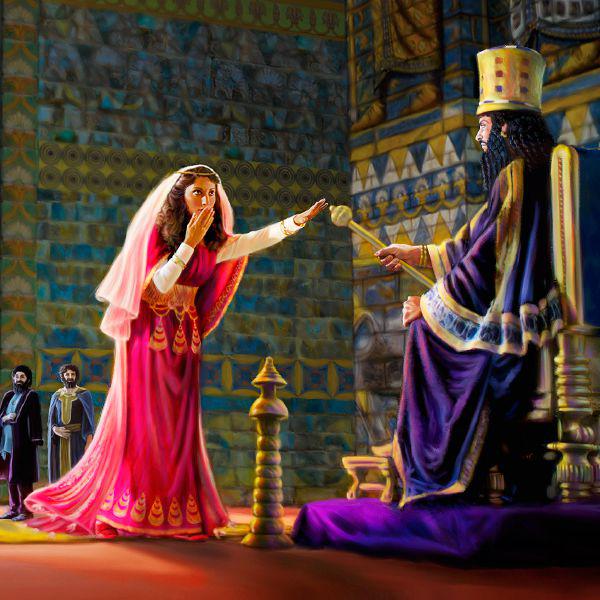
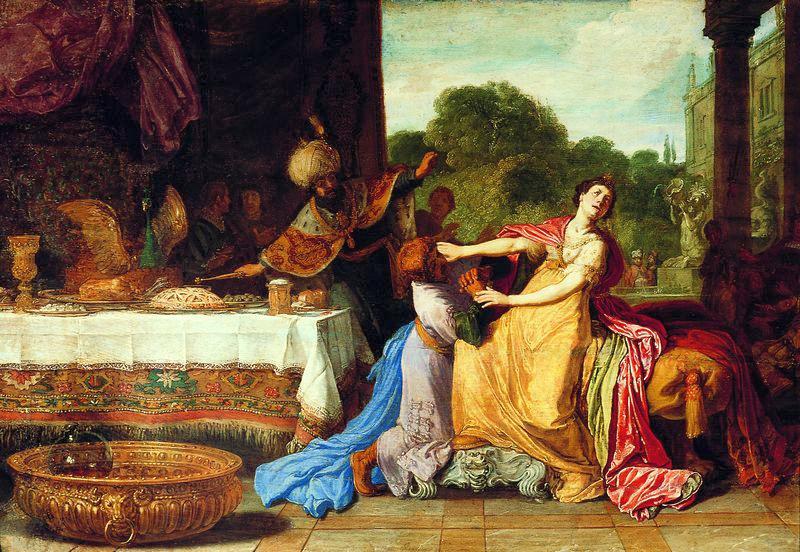
(6) “The adversary and enemy,” replied Esther, “is this evil Haman!” And Haman cringed in terror before the king and the queen. (7) The king, in his fury, left the wine feast for the palace garden, while Haman remained to plead with Queen Esther for his life; for he saw that the king had resolved to destroy him. (8) When the king returned from the palace garden to the banquet room, Haman was lying prostrate on the couch on which Esther reclined. “Does he mean,” cried the king, “to ravish the queen in my own palace?” No sooner did these words leave the king’s lips than Haman’s face was covered.