


Part One: The Medinah Shel Chesed
Franklin Foer, The Golden Age of American Jewry is Ending, (The Atlantic, March 2024)- Excerpt
In the hatred that I witnessed in the Bay Area, and that has been evident on college campuses and in progressive activist circles nationwide, I’ve come to see left-wing anti-Semitism as characterized by many of the same violent delusions as the right-wing strain. This is not an accident of history. Though right- and left-wing anti-Semitism may have emerged in different ways, for different reasons, both are essentially attacks on an ideal that once dominated American politics, an ideal that American Jews championed and, in an important sense, co-authored. Over the course of the 20th century, Jews invested their faith in a distinct strain of liberalism that combined robust civil liberties, the protection of minority rights, and an ethos of cultural pluralism. They embraced this brand of liberalism because it was good for America—and good for the Jews. It was their fervent hope that liberalism would inoculate America against the world’s oldest hatred.
For several generations, it worked. Liberalism helped unleash a Golden Age of American Jewry, an unprecedented period of safety, prosperity, and political influence. Jews, who had once been excluded from the American establishment, became full-fledged members of it. And remarkably, they achieved power by and large without having to abandon their identity. In faculty lounges and television writers’ rooms, in small magazines and big publishing houses, they infused the wider culture with that identity. Their anxieties became American anxieties. Their dreams became American dreams.
But that era is drawing to a close. America’s ascendant political movements—MAGA on one side, the illiberal left on the other—would demolish the last pillars of the consensus that Jews helped establish. They regard concepts such as tolerance, fairness, meritocracy, and cosmopolitanism as pernicious shams. The Golden Age of American Jewry has given way to a golden age of conspiracy, reckless hyperbole, and political violence, all tendencies inimical to the democratic temperament. Extremist thought and mob behavior have never been good for Jews. And what’s bad for Jews, it can be argued, is bad for America.
The First Fruit Declaration- Basis of the Maggid
(ה) וְעָנִ֨יתָ וְאָמַרְתָּ֜ לִפְנֵ֣י ׀ יקוק אֱלֹקֶ֗יךָ אֲרַמִּי֙ אֹבֵ֣ד אָבִ֔י וַיֵּ֣רֶד מִצְרַ֔יְמָה וַיָּ֥גׇר שָׁ֖ם בִּמְתֵ֣י מְעָ֑ט וַֽיְהִי־שָׁ֕ם לְג֥וֹי גָּד֖וֹל עָצ֥וּם וָרָֽב׃
(5) You shall then recite as follows before your God יקוק: “My father was a fugitive Aramean. He went down to Egypt with meager numbers and sojourned there; but there he became a great and very populous nation. [Note: the Haggadah translates the opening words as an Aramean, i.e. Laban, tried to destroy my father, i.e. Jacob. ]
צֵא וּלְמַד מַה בִּקֵּשׁ לָבָן הָאֲרַמִּי לַעֲשׂוֹת לְיַעֲקֹב אָבִינוּ: שֶׁפַּרְעֹה לֹא גָזַר אֶלָּא עַל הַזְּכָרִים, וְלָבָן בִּקֵּשׁ לַעֲקֹר אֶת־הַכֹּל. שֶׁנֶּאֱמַר: אֲרַמִּי אֹבֵד אָבִי, וַיֵּרֶד מִצְרַיְמָה וַיָּגָר שָׁם בִּמְתֵי מְעָט, וַיְהִי שָׁם לְגוֹי גָּדוֹל, עָצוּם וָרָב.
Go out and learn what Lavan the Aramean sought to do to Ya'akov, our father; since Pharaoh only decreed [the death sentence] on the males but Lavan sought to uproot the whole [people]. As it is stated (Deuteronomy 26:5), "An Aramean was destroying my father and he went down to Egypt, and he resided there with a small number and he became there a nation, great, powerful and numerous."
(י) וַיֹּ֘אמֶר֮ יַעֲקֹב֒ אֱלֹקֵי֙ אָבִ֣י אַבְרָהָ֔ם וֵאלֹקֵ֖י אָבִ֣י יִצְחָ֑ק יקוק הָאֹמֵ֣ר אֵלַ֗י שׁ֧וּב לְאַרְצְךָ֛ וּלְמוֹלַדְתְּךָ֖ וְאֵיטִ֥יבָה עִמָּֽךְ׃ (יא) קָטֹ֜נְתִּי מִכֹּ֤ל הַחֲסָדִים֙ וּמִכׇּל־הָ֣אֱמֶ֔ת אֲשֶׁ֥ר עָשִׂ֖יתָ אֶת־עַבְדֶּ֑ךָ כִּ֣י בְמַקְלִ֗י עָבַ֙רְתִּי֙ אֶת־הַיַּרְדֵּ֣ן הַזֶּ֔ה וְעַתָּ֥ה הָיִ֖יתִי לִשְׁנֵ֥י מַחֲנֽוֹת׃ (יב) הַצִּילֵ֥נִי נָ֛א מִיַּ֥ד אָחִ֖י מִיַּ֣ד עֵשָׂ֑ו כִּֽי־יָרֵ֤א אָנֹכִי֙ אֹת֔וֹ פֶּן־יָב֣וֹא וְהִכַּ֔נִי אֵ֖ם עַל־בָּנִֽים׃ (יג) וְאַתָּ֣ה אָמַ֔רְתָּ הֵיטֵ֥ב אֵיטִ֖יב עִמָּ֑ךְ וְשַׂמְתִּ֤י אֶֽת־זַרְעֲךָ֙ כְּח֣וֹל הַיָּ֔ם אֲשֶׁ֥ר לֹא־יִסָּפֵ֖ר מֵרֹֽב׃
(10) Then Jacob said, “O God of my father Abraham’s [house] and God of my father Isaac’s [house], O יקוק, who said to me, ‘Return to your native land and I will deal bountifully with you’! (11) I am unworthy of all the kindness that You have so steadfastly shown Your servant: with my staff alone I crossed this Jordan, and now I have become two camps. (12) Deliver me, I pray, from the hand of my brother, from the hand of Esau; else, I fear, he may come and strike me down, mothers and children alike. (13) Yet You have said, ‘I will deal bountifully with you and make your offspring as the sands of the sea, which are too numerous to count.’”
עוד אמר "צא ולמד מה ביקש לבן הארמי", רצה לומר צא מענין מצרים שאתה עוסק בו ולמד מסיפורי יעקב ולבן, מה ביקש לבן הארמי לעשות ליעקב אבינו? כלומר עם היות שלבן לא עשה עמו רעה בפועל, צא ולמד מדבריו מה היתה כוונתו ומחשבתו לעשות ליעקב אבינו, ודבר זה תלמד מתוך דבריו ולא ממעשיו, לפי שהוא עצמו הודה ואמר יש לאל ידי לעשות עמכם רע ואלקי אביכם אמש אמר אלי לאמור השמר לך מדבר עם יעקב מטוב ועד רע" (בראשית ל"א, כ"ט).
וזה מורה שמחשבתו היתה להרע עמו. והנה מה שאמר שפרעה לא גזר אלא על הזכרים מובן זה בעוד שהיו ישראל במצרים, כי שם באמת לא גזר אלא על הזכרים כמו שנאמר "כל הבן הילוד" וגו', אמנם אחרי יציאתם משם כשרדף אחריהם אמר "ארדוף אשיג אחלק שלל" וגו', רצה לומר שהיה בדעתו לרדוף אחרי בני ישראל ולהשיגם, ומזכיר ברדיפתו תכליות מחלפות, שיקח את כל אשר להם ויחלק השלל ההוא לבעליהם אשר השאילום והשאר לאנשי המלחמה, ועל זה אמר "אחלק שלל, עוד יאמר שיקח הבחורים והנערות להיותם לו לעבדים כרצונו ואות נפשו, וזהו שאמר "תמלאמו נפשי", כלומר תמיד הייתי חפץ בהם שיעבדוני ועתה תמלא תאוות נפשי מהם לשעבדם בכל אופן.
(Abarvanel) This teaches that Laban's motivations was for evil. The author of the Haggadah asks us to leave our focus from Egypt for a moment to focus upon Laban. What did Laban want to do to Jacob our Father? That is to say, he did not actually do it, but had wanted to do it. We know from his later statement what his intentions were. "I have it in my power to do you harm; but the God of your father’s [house] said to me last night, ‘Beware of attempting anything with Jacob, good or bad' (Gen 32:29) This proves that his thoughts were evil.
The statement that Pharaoh “Only made a decree against the male children,” should be understood as applying only when the Israelites were in Egypt, as Scripture states, “Every son who is born you shall throw into the river…” (Ex. 1:22) After they left Egypt, when the Egyptians pursued them, it says, “The enemy said, I will pursue; I will overtake; I will divide their plunder; My lust shall be satisfied upon them; I will draw my sword, my hand shall destroy them.” (Ex. 15:9) This means that when Pharaoh pursued the Israelites and brought them back to Egypt, he had different goals. First, he would capture them and divide up their plunder, returning to its owners that which they ‘borrowed’ from them (before leaving Egypt). He would then give the rest to his soldiers. Regarding this he said, “I will divide their plunder.” Then, he would take the young women captive to serve as slaves at his pleasure. Regarding this, he said, “My lust shall be satisfied upon them.” That is, I have always desired that they serve me and now my desire shall be fulfilled by subjugating them. (Adapted translation Fred Klein)
וַיֵּרֶד מִצְרַיְמָה – אָנוּס עַל פִּי הַדִּבּוּר. וַיָּגָר שָׁם. מְלַמֵּד שֶׁלֹא יָרַד יַעֲקֹב אָבִינוּ לְהִשְׁתַּקֵּעַ בְּמִצְרַיִם אֶלָּא לָגוּר שָׁם, שֶׁנֶּאֱמַר: וַיֹּאמְרוּ אֶל־פַּרְעֹה, לָגוּר בָּאָרֶץ בָּאנוּ, כִּי אֵין מִרְעֶה לַצֹּאן אֲשֶׁר לַעֲבָדֶיךָ, כִּי כָבֵד הָרָעָב בְּאֶרֶץ כְּנָעַן. וְעַתָּה יֵשְׁבוּ־נָא עֲבָדֶיךָ בְּאֶרֶץ גֹּשֶן.
"And he went down to Egypt" - helpless on account of the word [in which God told Avraham that his descendants would have to go into exile]. "And he resided there" - [this] teaches that Ya'akov, our father, didn't go down to settle in Egypt, but rather [only] to reside there, as it is stated (Genesis 47:4), "And they said to Pharaoh, 'To reside in the land have we come, since there is not enough pasture for your servant's flocks, since the famine is heavy in the land of Canaan, and now please grant that your servants should dwell in the Land of Goshen.'"
Part Two: Where are we in History?
(ח) וַיָּ֥קׇם מֶֽלֶךְ־חָדָ֖שׁ עַל־מִצְרָ֑יִם אֲשֶׁ֥ר לֹֽא־יָדַ֖ע אֶת־יוֹסֵֽף׃ (ט) וַיֹּ֖אמֶר אֶל־עַמּ֑וֹ הִנֵּ֗ה עַ֚ם בְּנֵ֣י יִשְׂרָאֵ֔ל רַ֥ב וְעָצ֖וּם מִמֶּֽנּוּ׃ (י) הָ֥בָה נִֽתְחַכְּמָ֖ה ל֑וֹ פֶּן־יִרְבֶּ֗ה וְהָיָ֞ה כִּֽי־תִקְרֶ֤אנָה מִלְחָמָה֙ וְנוֹסַ֤ף גַּם־הוּא֙ עַל־שֹׂ֣נְאֵ֔ינוּ וְנִלְחַם־בָּ֖נוּ וְעָלָ֥ה מִן־הָאָֽרֶץ׃ (יא) וַיָּשִׂ֤ימוּ עָלָיו֙ שָׂרֵ֣י מִסִּ֔ים לְמַ֥עַן עַנֹּת֖וֹ בְּסִבְלֹתָ֑ם וַיִּ֜בֶן עָרֵ֤י מִסְכְּנוֹת֙ לְפַרְעֹ֔ה אֶת־פִּתֹ֖ם וְאֶת־רַעַמְסֵֽס׃ (יב) וְכַאֲשֶׁר֙ יְעַנּ֣וּ אֹת֔וֹ כֵּ֥ן יִרְבֶּ֖ה וְכֵ֣ן יִפְרֹ֑ץ וַיָּקֻ֕צוּ מִפְּנֵ֖י בְּנֵ֥י יִשְׂרָאֵֽל׃
(8) A new king arose over Egypt who did not know Joseph. (9) And he said to his people, “Look, the Israelite people are much too numerous for us. (10) Let us deal shrewdly with them, so that they may not increase; otherwise in the event of war they may join our enemies in fighting against us and rise from the ground.” (11) So they set taskmasters over them to oppress them with forced labor; and they built garrison cities for Pharaoh: Pithom and Raamses. (12) But the more they were oppressed, the more they increased and spread out, so that the [Egyptians] came to dread the Israelites.
Yoram Hazony, The Dawn: Political Teachings of the Book of Esther, pp.110-11
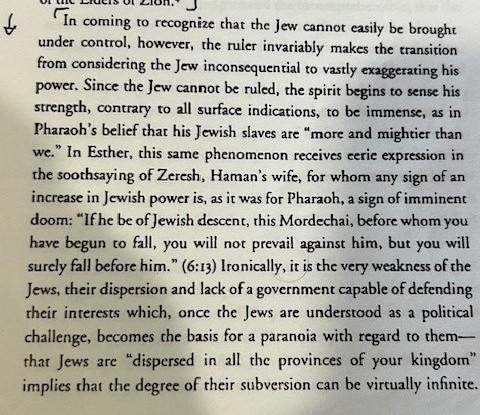
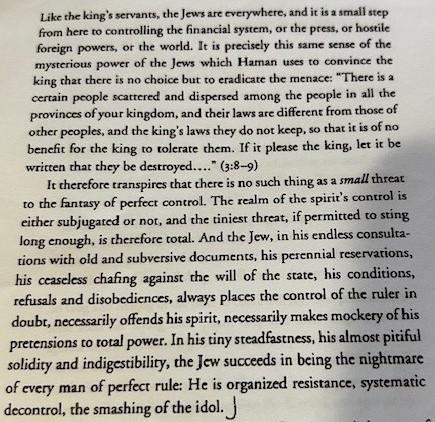
Letter of Moshe Feinstein encouraging the Ultra-Orthodox Community to Vote, 1984. (Quoted in Elana Stein Hain, "American Orthodox Responses to Living in a Malkhut shel Chesed," in Emet le-Yaakov, Facing the Truths of History: Essays in Honor of Jacob J. Schacter (2023))


וְהִיא שֶׁעָמְדָה לַאֲבוֹתֵינוּ וְלָנוּ. שֶׁלֹּא אֶחָד בִּלְבָד עָמַד עָלֵינוּ לְכַלּוֹתֵנוּ, אֶלָּא שֶׁבְּכָל דּוֹר וָדוֹר עוֹמְדִים עָלֵינוּ לְכַלוֹתֵנוּ, וְהַקָּדוֹשׁ בָּרוּךְ הוּא מַצִּילֵנוּ מִיָּדָם.
And it is this that has stood for our ancestors and for us; since it is not [only] one [person or nation] that has stood [against] us to destroy us, but rather in each generation, they stand [against] us to destroy us, but the Holy One, blessed be He, rescues us from their hand.
Part Three: The Seductions of Egypt
(ג) דַּבֵּ֨ר וְאָמַרְתָּ֜ כֹּה־אָמַ֣ר ׀ אדושם יקוק הִנְנִ֤י עָלֶ֙יךָ֙ פַּרְעֹ֣ה מֶלֶךְ־מִצְרַ֔יִם הַתַּנִּים֙ הַגָּד֔וֹל הָרֹבֵ֖ץ בְּת֣וֹךְ יְאֹרָ֑יו אֲשֶׁ֥ר אָמַ֛ר לִ֥י יְאֹרִ֖י וַאֲנִ֥י עֲשִׂיתִֽנִי׃
(3) Speak these words:Thus said the Sovereign GOD: I am going to deal with you, O Pharaoh king of Egypt, Mighty monster, sprawling in your channels, Who said, My Nile is my own; I made it for myself.
(א) השכם בבקר והיצב וגו'. לפי שאותו הרשע משתבח ואומר שאינו יוצא לנקביו שהוא אלוק, לכך אמר הנה יוצא המימה בהשכמה והוצרך לגדולים, מיד משה הלך ואחזו, אמר לו הנח לי שאעשה צרכי, ואחר כך אדבר עמך, אמר לו וכי יש אלוק שהוא צריך לנקביו, אמר לו וכי אני אלוק, אמר לו אם אין [אתה] אלוק ולמה תשבח עצמך בזה, אמר לו ולפני [מי] משבח עצמי, אמר לו לפני המצרים, אמר לו אותם שוטים הם ואינם בחשבון בני אדם, כי אם בחשבון חמורים, שנאמר אשר בשר חמורים בשרם (יחזקאל כ"ג כ'):
Rise up in the morning and stand before Pharaoh [at the Nile] - The wicked one (Pharaoh) would praise himself saying he did not need to attend to personal matters as he was a God. Therefore, he went early in the morning to attend to these matters. Immediately Moses approached him and grabbed him. Pharaoh replied, "Let go of me until I attend to my personal matters and then I will speak with you!" [Moses] replied, "Is there such a god that must relieve himself?!" Pharaoh replied, "Am I a God?" Moses replied, "If you are not a God then why to you praise yourself in this way?" "To whom to I compare myself to a God!" "To the Egyptians!" [Pharaoh replied], "They are idiots and not really in the category of human beings, but rather the category of asses, as the verse states, their flesh is like the flesh of asses" (Exek 23:20) (My transation)
(א) וַיֹּ֤אמֶר יקוק אֶל־מֹשֶׁ֔ה רְאֵ֛ה נְתַתִּ֥יךָ אֱלֹקִ֖ים לְפַרְעֹ֑ה וְאַהֲרֹ֥ן אָחִ֖יךָ יִהְיֶ֥ה נְבִיאֶֽךָ׃ (ב) אַתָּ֣ה תְדַבֵּ֔ר אֵ֖ת כׇּל־אֲשֶׁ֣ר אֲצַוֶּ֑ךָּ וְאַהֲרֹ֤ן אָחִ֙יךָ֙ יְדַבֵּ֣ר אֶל־פַּרְעֹ֔ה וְשִׁלַּ֥ח אֶת־בְּנֵֽי־יִשְׂרָאֵ֖ל מֵאַרְצֽוֹ׃
(1) יקוק God replied to Moses, “See, I place you in the role of God to Pharaoh, with your brother Aaron as your prophet. (2) You shall repeat all that I command you, and your brother Aaron shall speak to Pharaoh to let the Israelites depart from his land.
(טו) וְדִבַּרְתָּ֣ אֵלָ֔יו וְשַׂמְתָּ֥ אֶת־הַדְּבָרִ֖ים בְּפִ֑יו וְאָנֹכִ֗י אֶֽהְיֶ֤ה עִם־פִּ֙יךָ֙ וְעִם־פִּ֔יהוּ וְהוֹרֵיתִ֣י אֶתְכֶ֔ם אֵ֖ת אֲשֶׁ֥ר תַּעֲשֽׂוּן׃ (טז) וְדִבֶּר־ה֥וּא לְךָ֖ אֶל־הָעָ֑ם וְהָ֤יָה הוּא֙ יִֽהְיֶה־לְּךָ֣ לְפֶ֔ה וְאַתָּ֖ה תִּֽהְיֶה־לּ֥וֹ לֵֽאלֹקִֽים׃
(15) You shall speak to him and put the words in his mouth—I will be with you and with him as you speak, and tell both of you what to do— (16) and he shall speak for you to the people. Thus he shall serve as your spokesman, with you playing the role of God to him.
(לא) וַיִּקְרָא֩ לְמֹשֶׁ֨ה וּֽלְאַהֲרֹ֜ן לַ֗יְלָה וַיֹּ֙אמֶר֙ ק֤וּמוּ צְּאוּ֙ מִתּ֣וֹךְ עַמִּ֔י גַּם־אַתֶּ֖ם גַּם־בְּנֵ֣י יִשְׂרָאֵ֑ל וּלְכ֛וּ עִבְד֥וּ אֶת־יקוק כְּדַבֶּרְכֶֽם׃ (לב) גַּם־צֹאנְכֶ֨ם גַּם־בְּקַרְכֶ֥ם קְח֛וּ כַּאֲשֶׁ֥ר דִּבַּרְתֶּ֖ם וָלֵ֑כוּ וּבֵֽרַכְתֶּ֖ם גַּם־אֹתִֽי׃
(31) He summoned Moses and Aaron in the night and said, “Up, depart from among my people, you and the Israelites with you! Go, worship יקוק as you said! (32) Take also your flocks and your herds, as you said, and begone! And may you bring a blessing upon me also!”
וַיְדַבֵּר אֱלֹקִים אֶל משֶׁה וַיֹּאמֶר אֵלָיו אֲנִי יקוק, לָמָּה צָרִיךְ כָּאן לוֹמַר אֲנִי יקוק, אֶלָּא אָמַר הַקָּדוֹשׁ בָּרוּךְ הוּא לְמשֶׁה, אַף עַל פִּי שֶׁעֲשִׂיתִיךָ אֱלוֹקוֹ שֶׁל פַּרְעֹה, כְּמָה דְּתֵימָא (שמות ז, א): רְאֵה נְתַתִּיךָ אֱלֹקִים לְפַרְעֹה, הִזָּהֵר לִהְיוֹת אֱלָהוּתִי עָלֶיךָ, שֶׁלֹא עֲשִׂיתִיךָ אֱלוֹקַּ כִּי אִם לְפַרְעֹה לְבַדּוֹ, הֱוֵי: אֲנִי פִּי מֶלֶךְ שְׁמֹר, הָאֲנִי שֶׁיֹּאמַר לְךָ פִּי הַמֶּלֶךְ, שֶׁתְּהֵא אֵימָתוֹ עָלֶיךָ, שְׁמֹר שֶׁלֹא תִּמְרֹד עַל צִוּוּיוֹ, יָכוֹל אֲפִלּוּ יֹאמַר לְךָ לַעֲבֹר עַל דִּבְרֵי הַמָּקוֹם, תַּלְמוּד לוֹמַר (קהלת ח, ב): וְעַל דִּבְרַת שְׁבוּעַת אֱלֹקִים, בָּא הַכָּתוּב לְהוֹדִיעֲךָ שֶׁדִּבְרַת שְׁבוּעַת אֱלֹקִים יִהְיֶה עֶלְיוֹן עַל צִוּוּי בָּשָׂר וָדָם, שֶׁתְּבַטֵל רְצוֹן בָּשָׂר וָדָם מִפְּנֵי רָצוֹן אֱלֹקִים וּתְקַיֵּם כָּל הַדִּבְּרוֹת שֶׁבַּתּוֹרָה, שֶׁנִּכְנַסְתָּ בִּשְׁבוּעָה עֲלֵיהֶם לְקַיְּמָן, כְּמָא דְתֵימָא (דברים כט, יא): לְעָבְרְךָ בִּבְרִית יקוק אֱלֹקֶיךָ וּבְאָלָתוֹ וגו', וְאוֹמֵר (דברים כז, כו): אֲשֶׁר לֹא יָקִים אֶת דִּבְרֵי הַתּוֹרָה הַזֹּאת לַעֲשׂוֹת אֹתָם וְאָמַר כָּל הָעָם אָמֵן.
And God spoke to Moses saying, “I am the Lord (YHVH).” Why does God need to emphasize this? Because he told Moses ‘behold I have made you a god to Pharaoh’, be careful to ensure that my Godliness is upon you. I have only made you a god only vis-à-vis Pharoah… Remember that the oaths made to God override the commands of mortals (i.e. you made an oath to preserve the Torah), and that human will must submit ultimately to the will of the Divine. [ paraphrase of the idea]
(נט) וְהִפְלָ֤א יקוק אֶת־מַכֹּ֣תְךָ֔ וְאֵ֖ת מַכּ֣וֹת זַרְעֶ֑ךָ מַכּ֤וֹת גְּדֹלֹת֙ וְנֶ֣אֱמָנ֔וֹת וׇחֳלָיִ֖ם רָעִ֥ים וְנֶאֱמָנִֽים׃ (ס) וְהֵשִׁ֣יב בְּךָ֗ אֵ֚ת כׇּל־מַדְוֵ֣ה מִצְרַ֔יִם אֲשֶׁ֥ר יָגֹ֖רְתָּ מִפְּנֵיהֶ֑ם וְדָבְק֖וּ בָּֽךְ׃
Micah Goodman, Moses' Final Oration (Kinneret, 2014)
The history of political philosophy is the history of the theories of power. Human curiosity in this phenomenon has created many questions. What is the source of those who claim power? How does one amass power? What is the proper way to divide it? What is the mechanism of its use? The book of Deuteronomy considers the impact of power on those who assume it. When people become powerful, they change. In the famous adage of Lord Akton: power corrupts. Absolute power corrupts absolutely. In other words, there is a direct relation between the amount of power amassed to a person to the level of moral rot that spreads in his soul. As a person becomes more powerful, they become less moral. Or, as Moses hints, power has the potential to transform even those who came out of Egypt, into Egypt! [My translation]