(א) וַיְהִ֖י בִּימֵ֣י אֲחַשְׁוֵר֑וֹשׁ ה֣וּא אֲחַשְׁוֵר֗וֹשׁ הַמֹּלֵךְ֙ מֵהֹ֣דּוּ וְעַד־כּ֔וּשׁ שֶׁ֛בַע וְעֶשְׂרִ֥ים וּמֵאָ֖ה מְדִינָֽה׃
(1) It happened in the days of Ahasuerus—that Ahasuerus who reigned over a hundred and twenty-seven provinces from India to Nubia.
(ג) בִּשְׁנַ֤ת שָׁלוֹשׁ֙ לְמׇלְכ֔וֹ עָשָׂ֣ה מִשְׁתֶּ֔ה לְכׇל־שָׂרָ֖יו וַעֲבָדָ֑יו חֵ֣יל ׀ פָּרַ֣ס וּמָדַ֗י הַֽפַּרְתְּמִ֛ים וְשָׂרֵ֥י הַמְּדִינ֖וֹת לְפָנָֽיו׃(ד) בְּהַרְאֹת֗וֹ אֶת־עֹ֙שֶׁר֙ כְּב֣וֹד מַלְכוּת֔וֹ וְאֶ֨ת־יְקָ֔ר תִּפְאֶ֖רֶת גְּדוּלָּת֑וֹ יָמִ֣ים רַבִּ֔ים שְׁמוֹנִ֥ים וּמְאַ֖ת יֽוֹם׃(ה) וּבִמְל֣וֹאת ׀ הַיָּמִ֣ים הָאֵ֗לֶּה עָשָׂ֣ה הַמֶּ֡לֶךְ לְכׇל־הָעָ֣ם הַנִּמְצְאִים֩ בְּשׁוּשַׁ֨ן הַבִּירָ֜ה לְמִגָּד֧וֹל וְעַד־קָטָ֛ן מִשְׁתֶּ֖ה שִׁבְעַ֣ת יָמִ֑ים בַּחֲצַ֕ר גִּנַּ֥ת בִּיתַ֖ן הַמֶּֽלֶךְ׃
(3) in the third year of his reign, he gave a banquet for all the officials and courtiers—the administration of Persia and Media, the nobles and the governors of the provinces in his service.(4) For no fewer than a hundred and eighty days he displayed the vast riches of his kingdom and the splendid glory of his majesty.(5) At the end of this period, the king gave a banquet for seven days in the court of the king’s palace garden for all the people who lived in the fortress Shushan, high and low alike.
(ט) גַּ֚ם וַשְׁתִּ֣י הַמַּלְכָּ֔ה עָשְׂתָ֖ה מִשְׁתֵּ֣ה נָשִׁ֑ים בֵּ֚ית הַמַּלְכ֔וּת אֲשֶׁ֖ר לַמֶּ֥לֶךְ אֲחַשְׁוֵרֽוֹשׁ׃ {ס}
(9) In addition, Queen Vashti gave a banquet for women, in the royal palace of King Ahasuerus.
דָּבָר אַחֵר, גַּם וַשְׁתִּי הַמַּלְכָּה עָשְׂתָה מִשְׁתֵּה נָשִׁים. מָה רָאָה הַכָּתוּב לְפַרְסֵם סְעוּדָתָהּ שֶׁל וַשְׁתִּי, רַבִּי יְהוֹשֻׁעַ בֶּן קָרְחָה אָמַר כָּל כָּךְ לָמָּה, לְהוֹדִיעֲךָ לְאֵיזוֹ שַׁלְוָה אֶסְתֵּר נִכְנֶסֶת. אָמַר רַבִּי מֵאִיר, אִם כָּךְ לְמַכְעִיסָיו, קַל וָחֹמֶר לְעוֹשֵׂי רְצוֹנוֹ. דָּבָר אַחֵר, גַּם וַשְׁתִּי הַמַּלְכָּה. אֵין גַּם אֶלָּא רִבּוּי, מַה זֶּה בְּשִׁשָּׁה נִסִּין, אַף זוֹ בְּשִׁשָּׁה נִסִּין. מַה זֶּה בְּמִינֵי יְצִיאוֹת, אַף זוֹ בְּמִינֵי יְצִיאוֹת. מַה זֶּה בִּסְעוּדַת אֶרֶץ יִשְׂרָאֵל, אַף זוֹ בִּסְעוּדַת אֶרֶץ יִשְׂרָאֵל. מַה זֶּה בְּבִגְדֵי כְּהֻנָּה גְדוֹלָה, אַף זוֹ בְּבִגְדֵי כְּהֻנָּה גְדוֹלָה. רַבִּי בֶּרֶכְיָה אָמַר כַּהֲדָא צַרְצְרָא דְּמִתְגַּלְגְּלָא בְּדִילָהּ וּדְלָא דִילָהּ. דָּבָר אַחֵר, גַּם וַשְׁתִּי הַמַּלְכָּה, גַּם, וְגַם. הִגִּיעַ מַשְׁתּוֹתָא שֶׁל וַשְׁתִּי, הִגִּיעַ זְמַנָּהּ שֶׁל וַשְׁתִּי לִגָּמֵם, הִגִּיעַ זְמַנָּהּ שֶׁל וַשְׁתִּי לִבָּצֵר. הִגִּיעַ זְמַנָּהּ שֶׁל וַשְׁתִּי לִדָּרֵךְ. רַבִּי הוּנָא אָמַר הִגִּיעַ עֵת זְמַנָּהּ לִמְמָת, הָאֵיךְ מָה דְאַתְּ אָמַר (בראשית ג, ו): וַתִּקַּח מִפִּרְיוֹ וַתֹּאכַל וַתִּתֵּן גַּם לְאִישָׁהּ וגו'.
Another interpretation: “Also, Vashti the queen made a women’s banquet.” Why did Scripture see fit to publicize the banquet of Vashti? Rabbi Yehoshua ben Korḥa said: Why to that extent? It is to inform you of the [degree] of luxury to which Esther was entering. Rabbi Meir said: If it is so for those who anger Him, all the more so for those who perform His will.
Alternatively, “Also [gam], Vashti the queen” – also [gam] is nothing but an amplification. Just as that one [Aḥashverosh’s banquet] was with six treasures, so was this one [Vashti’s banquet] with six treasures. Just as that one was with a great variety of expenditures, so was this one with a great variety of expenditures. Just as that one was a feast of the Land of Israel, so was this one a feast of the Land of Israel. Just as that one was with the vestments of the High Priest, so was this one with the vestments of the High Priest. Rabbi Berekhya said: Like that raven that flaunts both what is its own and what is not its own.
Another interpretation: “Also, Vashti the queen.” “Also” [gam] – also the time had arrived for the foundation [mashtota] of Vashti [to be overturned]. The time had come for Vashti to be cut down [ligamem]. The time had come for Vashti to be harvested. The time had come for Vashti to be trampled [like a grape]. Rabbi Huna said: Her time had arrived to die; that is what you say: “She took of its fruit and ate and she also [gam] gave to her husband…” (Genesis 3:6).
Alternatively, “Also [gam], Vashti the queen” – also [gam] is nothing but an amplification. Just as that one [Aḥashverosh’s banquet] was with six treasures, so was this one [Vashti’s banquet] with six treasures. Just as that one was with a great variety of expenditures, so was this one with a great variety of expenditures. Just as that one was a feast of the Land of Israel, so was this one a feast of the Land of Israel. Just as that one was with the vestments of the High Priest, so was this one with the vestments of the High Priest. Rabbi Berekhya said: Like that raven that flaunts both what is its own and what is not its own.
Another interpretation: “Also, Vashti the queen.” “Also” [gam] – also the time had arrived for the foundation [mashtota] of Vashti [to be overturned]. The time had come for Vashti to be cut down [ligamem]. The time had come for Vashti to be harvested. The time had come for Vashti to be trampled [like a grape]. Rabbi Huna said: Her time had arrived to die; that is what you say: “She took of its fruit and ate and she also [gam] gave to her husband…” (Genesis 3:6).
(י) בַּיּוֹם֙ הַשְּׁבִיעִ֔י כְּט֥וֹב לֵב־הַמֶּ֖לֶךְ בַּיָּ֑יִן אָמַ֡ר לִ֠מְהוּמָ֠ן בִּזְּתָ֨א חַרְבוֹנָ֜א בִּגְתָ֤א וַאֲבַגְתָא֙ זֵתַ֣ר וְכַרְכַּ֔ס שִׁבְעַת֙ הַסָּ֣רִיסִ֔ים הַמְשָׁ֣רְתִ֔ים אֶת־פְּנֵ֖י הַמֶּ֥לֶךְ אֲחַשְׁוֵרֽוֹשׁ׃(יא) לְ֠הָבִ֠יא אֶת־וַשְׁתִּ֧י הַמַּלְכָּ֛ה לִפְנֵ֥י הַמֶּ֖לֶךְ בְּכֶ֣תֶר מַלְכ֑וּת לְהַרְא֨וֹת הָֽעַמִּ֤ים וְהַשָּׂרִים֙ אֶת־יׇפְיָ֔הּ כִּֽי־טוֹבַ֥ת מַרְאֶ֖ה הִֽיא׃
(10) On the seventh day, when the king was merry with wine, he ordered Mehuman, Bizzetha, Harbona, Bigtha, Abagtha, Zethar, and Carcas, the seven eunuchs in attendance on King Ahasuerus,(11) to bring Queen Vashti before the king wearing a royal diadem, to display her beauty to the peoples and the officials; for she was a beautiful woman.
(יב) וַתְּמָאֵ֞ן הַמַּלְכָּ֣ה וַשְׁתִּ֗י לָבוֹא֙ בִּדְבַ֣ר הַמֶּ֔לֶךְ אֲשֶׁ֖ר בְּיַ֣ד הַסָּרִיסִ֑ים וַיִּקְצֹ֤ף הַמֶּ֙לֶךְ֙ מְאֹ֔ד וַחֲמָת֖וֹ בָּעֲרָ֥ה בֽוֹ׃
(12) But Queen Vashti refused to come at the king’s command conveyed by the eunuchs. The king was greatly incensed, and his fury burned within him.
"The Women in Esther" by Prof Rabbi Michael V Fox (https://www.thetorah.com/article/the-women-in-esther)
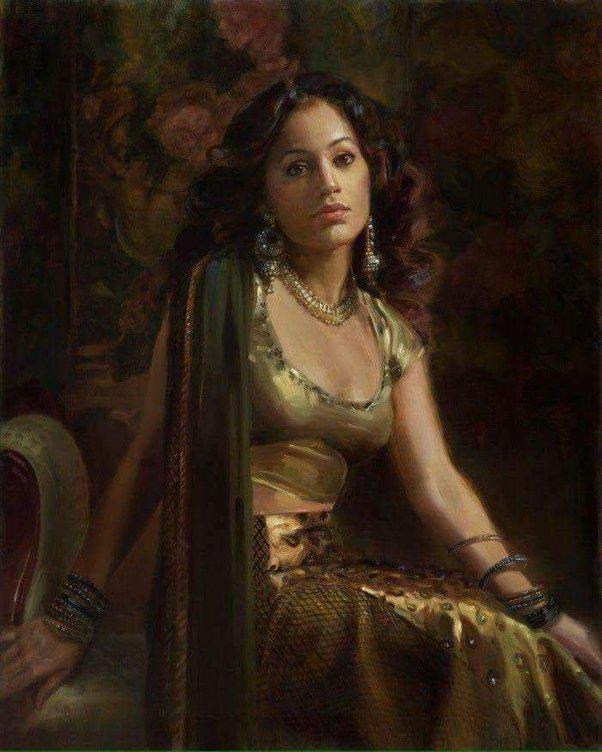
Most likely the ancient readers would have understood Vashti’s refusal as motivated by a sense of rank. She is, after all, the queen, not a mere concubine to be toyed with.[5] At Belshazzar’s banquet in Daniel, only harem women and concubines are present (5:2), until the queen comes in especially to see the writing on the wall (5:10). Ahasuerus’s celebratory banquet was explicitly segregated by gender. If Vashti had appeared before the males, including commoners—especially when the king himself “was lightheaded with wine”—she would be behaving like a mere concubine. Therefore, she stands on her dignity and refuses to come. This dignity was motivated by ancient standards (of rank) rather than ones promoted by contemporary Western society (and its ideas of a woman’s role).
Renita Weems, 1988, Just a Sister Away:
Surrounded by scores of women from throughout the land – the wives of noblemen and the wives of peasants, many of whom had never witness such luxury and wealth and looked to the queen for their cues as how to conduct themselves amidst splendor – no doubt Queen Vashti’s every gesture and comment was being observed by the women in the room. (p. 101)
. . . the king’s honor and ego were at stake. . . In the minds of the men who convened to judge her, Queen Vashti’s “disobedience” had social, political and economic ramifications. Indeed, her behavior posed a threat to the created order, not to mention national security. . .in the end, she lost her crown and was, presumably, banished from Susa. The story of Vashti’s reign stands as a valuable lesson about the enormous pressures, demands, and responsibilities upon women who live public lives. It is a memorial to the price often extracted of public women when they step outside of their prescribed roles. (pp. 102, 103)
LaVerne McCain Gill, Vashti’s Victory: and Other biblical Women Resisting Injustice:
Some have speculated that perhaps her (Vashti’s) meeting with the women of the province gave her a strength that she had never had before, out of which she received enough self-respect to act boldly. . . Vashti gives an example of what it means to be able to say “no” to oppression and to have faith enough to accept the consequences.” (pp. 12, 13.) She calls it “the Vashti Paradigm” – “The Vashti Paradigm is a model for women to begin to say “no” to the human bias in the writing (of the scriptures) and “yes” to God’s intention for them to be a part of God’s unfolding story of salvation, through their everyday acts of resistance against injustice.” (p. 14.)
וַיִּקְצֹף הַמֶּלֶךְ מְאֹד וַחֲמָתוֹ בָּעֲרָה בוֹ, אָמַר רַבִּי יוֹחָנָן בְּאוֹתָהּ שָׁעָה אָמַר הַקָּדוֹשׁ בָּרוּךְ הוּא לַמַּלְאָךְ הַמְמֻנֶּה עַל הַחֵמָה חוּת פַּח זִיקָא בְּכָרְסְיֵהּ, וּנְפַח בְּקִיטְמֵיהּ, וּזְרֹק גּוּפְרִיתָא בְּאַתּוּנֵיהּ. אָמַר רַבִּי יוֹחָנָן כָּל אוֹתָן הַשָּׁנִים מִשָּׁעָה שֶׁנֶּהֶרְגָה וַשְׁתִּי עַד שֶׁנִּכְנְסָה אֶסְתֵּר, לֹא שָׁכְכָה חֲמָתוֹ שֶׁל אֲחַשְׁוֵרוֹשׁ. אֲתִיבוּן, וְהָכְתִיב כְּשֹׁךְ חֲמַת הַמֶּלֶךְ אֲחַשְׁוֵרוֹשׁ, אָמַר לָהֶם בְּשֹׁךְ חֲמַת הַמֶּלֶךְ אֵין כְּתִיב כָּאן, אֶלָּא כְּשֹׁךְ חֲמַת הַמֶּלֶךְ, שְׁכִיכָה שֶׁאֵינָהּ שְׁכִיכָה, אֵימָתַי שָׁכְכָה חֲמָתוֹ, כְּשֶׁנִּצְלַב הָמָן, הֲדָא הוּא דִכְתִיב: וַיִּתְלוּ אֶת הָמָן עַל הָעֵץ אֲשֶׁר הֵכִין לְמָרְדֳּכָי וַחֲמַת הַמֶּלֶךְ שָׁכָכָה, חֲמָתוֹ שֶׁל מֶלֶךְ מַלְכֵי הַמְלָכִים הַקָּדוֹשׁ בָּרוּךְ הוּא.
“The king was very angry and his fury burned within him.” Rabbi Yoḥanan said: At that moment, The Holy One blessed be He said to the angel appointed over fury: Descend and blow wind into his belly, and fan his embers, and cast sulfur into his furnace. Rabbi Yoḥanan said: All those years, from the moment that Vashti was killed until Esther entered, the fury of Aḥashverosh did not abate. They raised an objection – but isn’t it written: “When the fury of King Aḥashverosh had abated [keshokh]” (Esther 2:1)? He said to them: With the abating of [beshokh] the fury of the king is not written here, but rather, like the abating [keshokh]the fury of the king; abating that is not abating. When did his fury abate? When Haman was impaled; that is what is written: “They hanged Haman on the gallows that he had prepared for Mordekhai, and the king's fury abated” (Esther 7:10) – the fury of the King of kings, the Holy One blessed be He, abated.
(טז) וַיֹּ֣אמֶר (מומכן) [מְמוּכָ֗ן] לִפְנֵ֤י הַמֶּ֙לֶךְ֙ וְהַשָּׂרִ֔ים לֹ֤א עַל־הַמֶּ֙לֶךְ֙ לְבַדּ֔וֹ עָוְתָ֖ה וַשְׁתִּ֣י הַמַּלְכָּ֑ה כִּ֤י עַל־כׇּל־הַשָּׂרִים֙ וְעַל־כׇּל־הָ֣עַמִּ֔ים אֲשֶׁ֕ר בְּכׇל־מְדִינ֖וֹת הַמֶּ֥לֶךְ אֲחַשְׁוֵרֽוֹשׁ׃(יז) כִּֽי־יֵצֵ֤א דְבַר־הַמַּלְכָּה֙ עַל־כׇּל־הַנָּשִׁ֔ים לְהַבְז֥וֹת בַּעְלֵיהֶ֖ן בְּעֵינֵיהֶ֑ן בְּאׇמְרָ֗ם הַמֶּ֣לֶךְ אֲחַשְׁוֵר֡וֹשׁ אָמַ֞ר לְהָבִ֨יא אֶת־וַשְׁתִּ֧י הַמַּלְכָּ֛ה לְפָנָ֖יו וְלֹא־בָֽאָה׃
(16) Thereupon Memucan declared in the presence of the king and the ministers: “Queen Vashti has committed an offense not only against Your Majesty but also against all the officials and against all the peoples in all the provinces of King Ahasuerus.(17) For the queen’s behavior will make all wives despise their husbands, as they reflect that King Ahasuerus himself ordered Queen Vashti to be brought before him, but she would not come.
(יט) אִם־עַל־הַמֶּ֣לֶךְ ט֗וֹב יֵצֵ֤א דְבַר־מַלְכוּת֙ מִלְּפָנָ֔יו וְיִכָּתֵ֛ב בְּדָתֵ֥י פָֽרַס־וּמָדַ֖י וְלֹ֣א יַעֲב֑וֹר אֲשֶׁ֨ר לֹֽא־תָב֜וֹא וַשְׁתִּ֗י לִפְנֵי֙ הַמֶּ֣לֶךְ אֲחַשְׁוֵר֔וֹשׁ וּמַלְכוּתָהּ֙ יִתֵּ֣ן הַמֶּ֔לֶךְ לִרְעוּתָ֖הּ הַטּוֹבָ֥ה מִמֶּֽנָּה׃(כ) וְנִשְׁמַע֩ פִּתְגָ֨ם הַמֶּ֤לֶךְ אֲשֶֽׁר־יַעֲשֶׂה֙ בְּכׇל־מַלְכוּת֔וֹ כִּ֥י רַבָּ֖ה הִ֑יא וְכׇל־הַנָּשִׁ֗ים יִתְּנ֤וּ יְקָר֙ לְבַעְלֵיהֶ֔ן לְמִגָּד֖וֹל וְעַד־קָטָֽן׃
(19) “If it please Your Majesty, let a royal edict be issued by you, and let it be written into the laws of Persia and Media, so that it cannot be abrogated, that Vashti shall never enter the presence of King Ahasuerus. And let Your Majesty bestow her royal state upon another who is more worthy than she.(20) Then will the judgment executed by Your Majesty resound throughout your realm, vast though it is; and all wives will treat their husbands with respect, high and low alike.”
a modern midrash by R Rachel Bearman and R Paul Kipnes (https://jwa.org/blog/vashtis-story-midrash)
The moment the door closed behind them, I began weeping, feeling devastated and afraid. My companions gathered tightly around me. They were like a phalanx of soldiers, protecting me while I was vulnerable, holding me, their wounded sister, at their center. Even as they grappled with their own fears, these remarkable women moved to shelter me.
When I saw their strength, their loyalty, I forced myself to stand, wiping my cheeks and smoothing my hair. I needed to answer my husband’s summons, and as I stood surrounded by my sisters, I knew what I would say to him: “No. I refuse to let you make me anything less than the queen that these women deserve.” I knew that delivering this response to my husband would be dangerous, and so I prepared to shoulder the responsibility myself.