


מצות עשה על כל איש מישראל לכתוב לו ספר תורה ואפילו הניחו לו אבותיו ספר תורה מצוה לכתוב משלו ואינו רשאי למכרו אפי' יש לו הרבה ספרי תורה (...)
[There is] a positive commandment on every Jewish man to copy a Torah scroll for himself. Even if his ancestors bequeathed one to him, he is still commanded to write his own one. He is not permitted to sell it, even if he owns many Torah scrolls.
Nowadays the commandment is to copy the five books of the Torah, the Mishna, and the Talmud with its commentaries. [These books] can only be sold [to gather funds] to study Torah or to marry a woman.
... אבל האידנא שכותבין ס"ת ומניחין אותו בבתי כנסיות לקרות בו ברבים מצות עשה היא על כל איש מישראל אשר ידו משגת לכתוב חומשי התורה ומשנה וגמרא ופירושי' להגות בהן הוא ובניו. כי מצות כתיבת התורה היא ללמוד בה כדכתיב ולמדה את בני ישראל שימה בפיהם.
... But now that we write Torah scrolls and put them in synagogues for public reading, there is a positive commandment on every Jewish person who can do so to write the five books of the Torah, the Mishna and the Talmud with its commentaries for him and his sons to study. Because the commandment to write the Torah is [in order] to study it, as it is written "and teach it to the people of Israel; put it in their mouths."
מצות עשה על כל ישראל אשר ידו משגת לכתוב חומשי תורה כו' נראה דה"ק שהמ"ע נאמר דוקא באלו ולא בת"ת דדוקא בימיהם שהיו לומדים תורה שבע"פ שלא מן הכתב כ"א ע"פ היו צריכין ללמוד מס"ת ... אבל בזמנינו שנתמעטו הלבבות ואמרו עת לעשות לה' הפרו תורתיך וכתבי התלמוד בספר וגם בימיהם היה איסור בדבר שלא לכתוב ה' חומשי תורה כ"א בדרך שנכתבה ס"ת בגלילה וא"כ כל ספריהם היו דומים לס"ת משא"כ בזמנינו שנעשה לנו כהיתר לכתוב ספרים דפין דפין כל אחד בפני עצמו א"כ למה לנו לזלזל בכבוד ס"ת לחנם ללמוד מתוכו...
There is a positive commandment on every Jewish person who can do so to write the five books of the Torah etc. It seems that this means that the positive commandment refers specifically to those books and not to a Torah scroll because, in earlier days, Jews wouldn't study the oral Torah completely orally, not from a text, so textual study was solely from a Torah scroll ... But in our times, since our hearts have shrunk, and they said "It is a time to act for GOD, for they have violated Your teaching" (Psalms 119), the Talmud was written down. Also in their times, it was forbidden to write the Torah in any other way except on a scroll. Therefore, all their books were like Torah scrolls. This is not the case today: Writing sefarim, individually, in codex form has become permitted. Therefore, why should we dishonour a Torah scroll by learning from it when there is no need to do so...
האידנא מצוה כו'. וכ"כ הטור בשם הרא"ש ופירש ב"י דלא בא לפטור אותנו מכתיבת ס"ת דאדרבה יש גם לנו לכתוב וללמוד בה אלא בא לומר שיש מצוה גם בכתיבת ספרי' אלו ... ואף שלפי משמעו' הלשון של הרא"ש משמע יותר כדברי הדרישה מ"מ נכונים דברי ב"י דהיאך נבטל מצות עשה של ועתה כתבו לכם בחילוף הדורות:
-------------------------------------
Nowadays, the commandment is etc. This is how the Tur (Yaakov ben Asher) wrote in the name of his father, Asher ben Yechiel (Rosh). And the Beit Yosef explains that this does not exempt us from writing Torah scrolls since we also need to write those and learn from them. However, the Tur emphasises that there is also a mitzvah to write other books. ... And even though the wording of the Rosh seems to be more in line with the words of the Derisha (R. Joshua Falk, author of Perisha), in any case, it is correct to follow the words of the Beit Yosef since how could the positive mitzvah "And now, write for yourselves" be cancelled over the course of generations?!
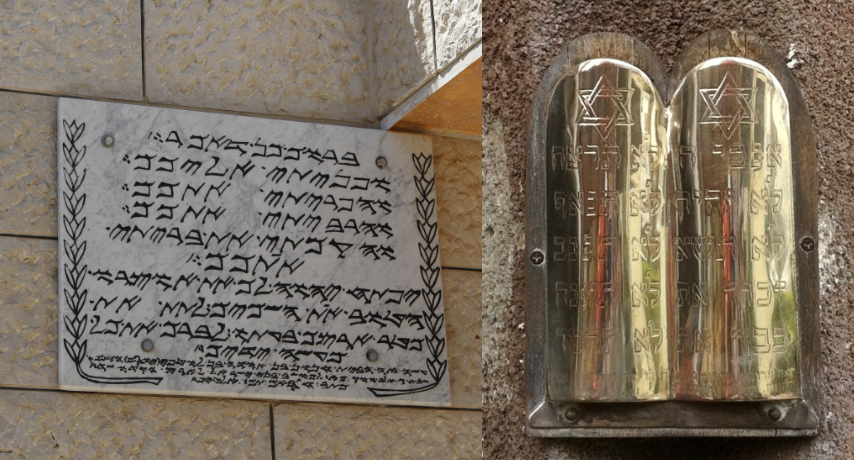
אם כן מה אלו ההלכות היחידות שנאמר בהם הלכה למשה מסיני. וזה עיקר יש לך לעמוד על סודו. והוא שהפירושים המקובלים מפי משה אין מחלוקת בהם בשום פנים...
If so, what are these specific laws that are called 'laws of Moshe from Sinai?' And you must understand the secret of this fundamental principle. And that is that the explanations transmitted from the mouth of Moshe have no disagreement about them in any way.
שלא כסדרן
writing letters out of order
בְּאַרְבָּעָה מְקוֹמוֹת מַזְכִּיר פָּרָשַׁת תְּפִלִּין: "קַדֶּשׁ לִי", "וְהָיָה כִּי יְבִאֲךָ", "שְׁמַע", "וְהָיָה אִם שָׁמֹעַ". כּוֹתְבָן כְּסִדְרָן, וְאִם כְּתָבָן שֶׁלֹּא כְסִדְרָן, הֲרֵי אֵלּוּ יִגָּנֵזוּ.
In four places, the mitzvah of tefillin is mentioned: "Sanctify unto Me," "And it shall be, when the L-rd brings you," "Shema," "And it will be if you hearken." If they were not written in this order, they must be put in a Geniza.
אם מצא שחסר אות אחת אין לו תקנה שאם כן היו כתובין שלא כסדרן ופסולין משום דכתיב והיו בהווייתן יהו...
If it's found to be missing one letter, there is no way to fix it, because if so (that it's fixed) it will be considered written out of order and it is invalid since it's written [in the Torah] "And it should be" - in the way they are, that's how they should be.
וכתב הר"י אסכנדרני ז"ל ... ואחר שישלים הפרשה יקראנה כולה בדקדוק היטב ואח"כ יכתוב פרשה שניה וכן בשניה יבדוק בין כל שם ושם וכשישלימנה יחזור על כולה קודם שיתחיל שלישית וכן ברביעית ולמה יחזור לדקדק ולהגיה כל פרשה אחר שישלימה מפני שאם ימצא טעות בשום פרשה לא היא לבדה נפסלת אלא כל מה שאחריה ג"כ נפסל על ידה משום דא"כ היה שלא כסדרן ופסולות משום דכתיב והיו בהוייתן יהו...
Ri Askandrani wrote: After he finishes writing one paragraph, he should read it all out carefully and afterwards he should write the second paragraph, and then check the second one, word by word, and once he has finished checking, before he starts writing the third and fourth paragraph, he should go back and diligently check each paragraph because if he finds a mistake in any paragraph, not only this one will become invalid, but also everything that is written afterwards. This is because these texts were not written in order (shell kesidran) and are invalid because it says "and they shall be," the shall be where they shall be.
שו"ת רדב"ז חלק א סימן שי
ואם תשאל למה בס"ת דאית ביה קדושה טפי לא בעינן כסדרן ומכשרינן ביה התלייה. י"ל דאל"כ לא תמצא ס"ת כשר לעולם אבל תפילין ומזוזה איידי דזוטר כותב אחריני...
ShuT Radvaz, Part 1, Responsum 310
And if you ask: Why doesn't a Torah scroll, which has a higher holiness, fall under the rule of shelo kesidran? Why is adding missing letters allowed? Would that be the case (that shelo kesidran applies to Torah scrolls), there would never be a single kosher Torah scroll. But Tefillin and Mezuzot are smaller and writing them sequentially is feasible.
... ולפע"ד תמוה. בשלמא אי הך מילתא דכסדרן בתו"מ היה רק מדרבנן אז היה מקום לחלק ולומר דבס"ת כיון דאם נצטרך לדקדק שיהי' נכתב דוקא כסדרו לא תמצא ס"ת כשר כ"א בדרך רחוק. לכן אף דקדושתו גדולה מ"מ הקילו בו רבנן. אבל מאחר דבתו"מ ילפי' לכסדרן מקרא דוהיו. ואית לן למילוף בק"ו לס"ת (כמו שאנו למדין ס"ת בק"ו מתו"מ לענין דבעינין שהכותבו יהי' בר קשירה וכמ"ש בסי' א' סק"ו בשם הר"ן) וק"ו דאורייתא הוא. אמאי לא נימא דגם ס"ת בעי כסדרן. ואף שהוא דבר קשה לכתבו כסדרן דוקא הרי עכ"פ אפשרי הוא:
---------------------------------
Keset HaSofer, Lishkat HaSofer 9:1
And in my humble opinion, this is surprising. Perhaps you could argue that the concept of kesidran regarding Tefillin and Mezuzot is only rabbinic. Then one could argue that if we need to make sure that a Torah scroll is written kesidran, it is unlikely you would find a kosher one. Therefore, despite its greater holiness, the rabbis were lenient. However, since we learn the rule of shelo kesidran for Tefillin and Mezuzot from the biblical phrase "vehayu" (and they shall be), this should extend, through a kal vechomer, to Torah scrolls (just like we learn about Torah scrolls through a kal vechomer regarding who is obligated to write a Torah scroll, namely one who is obligated in donning Tefillin). And the application of kal vechomer is a biblically ordained concept! Why shouldn't we say, then, that Torah scrolls also require shelo kesidran? Even though it is difficult to write a Torah scroll kesidran, it is certainly possible!
27) The Jews undertook and irrevocably obligated themselves and their descendants, and all who might join them, to observe these two days in the manner prescribed and at the proper time each year. 28) Consequently, these days are recalled and observed in every generation: by every family, every province, and every city. And these days of Purim shall never cease among the Jews, and the memory of them shall never perish among their descendants. 29) Then Queen Esther, daughter of Abihail, and Mordecai the Jew, wrote with full authority to confirm this second letter of Purim.

... הָיְתָה כְּתוּבָה בְּסַם, וּבְסִקְרָא, וּבְקוֹמוֹס וּבְקַנְקַנְתּוֹם, עַל הַנְּיָר וְעַל הַדִּפְתְּרָא, לֹא יָצָא, עַד שֶׁתְּהֵא כְּתוּבָה אַשּׁוּרִית, עַל הַסֵּפֶר וּבִדְיוֹ:
... If he read from a Megilla that was written with sam or with sikra or with komos or with kankantom, or on neyar or on diftera, he has not fulfilled his obligation until he reads from a Megilla that is written in Ashurit, upon parchment and with ink.
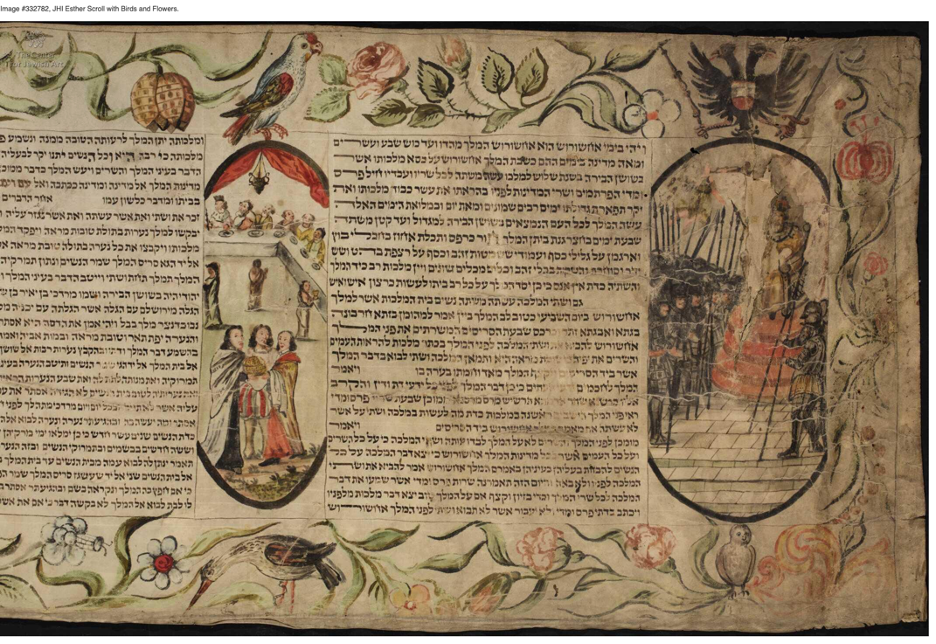
https://cja.huji.ac.il/esther/browser.php?mode=alone&id=332782, 18th century, Austria.
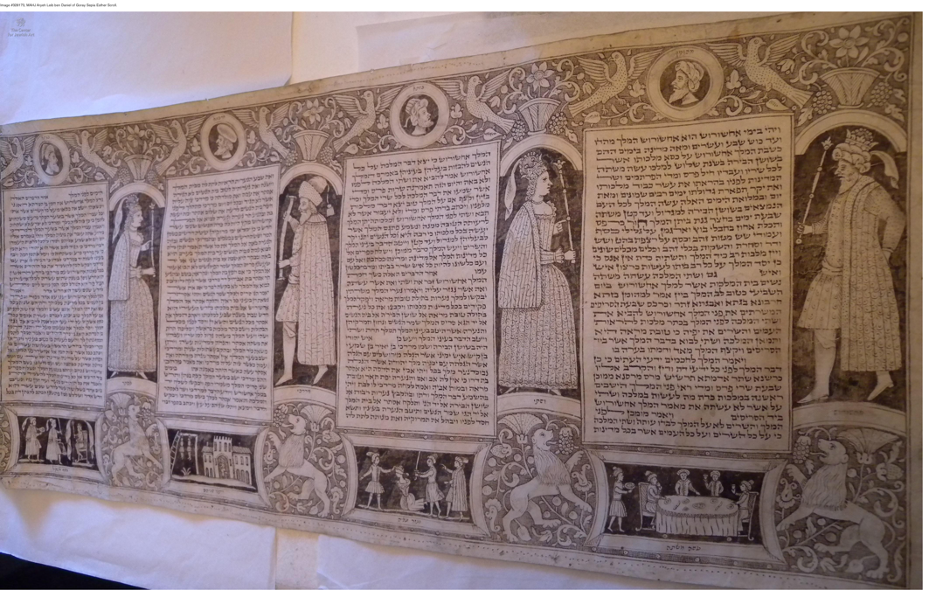
https://cja.huji.ac.il/esther/browser.php?mode=alone&id=328173, 1740s, Poland, by Aryeh Leib ben Daniel.
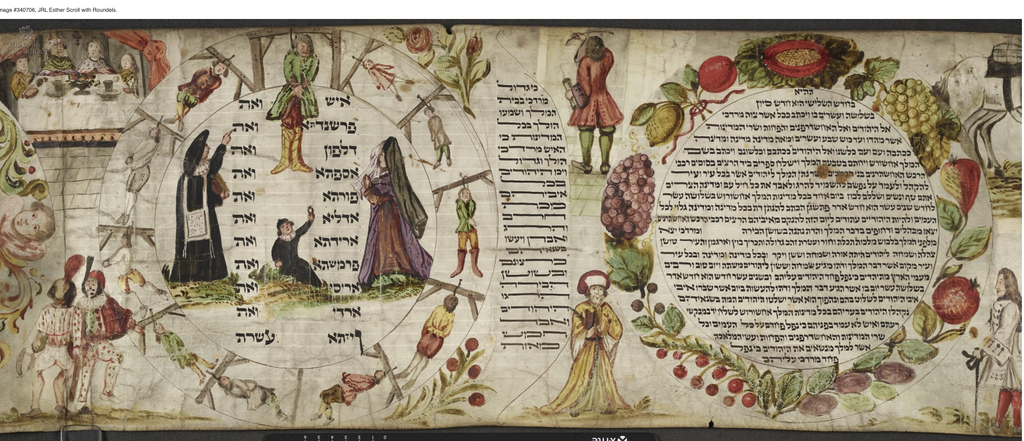
https://cja.huji.ac.il/esther/browser.php?mode=alone&id=340706, mid-18th century, Austria.