
הסדרה בהלכה - בראשית כה - איך קוראים את מעשה ראובן ובלהה?

(י) מַעֲשֵׂה רְאוּבֵן (בראשית לה), נִקְרָא וְלֹא מִתַּרְגֵּם. מַעֲשֵׂה תָמָר (בראשית לח), נִקְרָא וּמִתַּרְגֵּם. מַעֲשֵׂה עֵגֶל הָרִאשׁוֹן (שמות לב), נִקְרָא וּמִתַּרְגֵּם. וְהַשֵּׁנִי (שם), נִקְרָא וְלֹא מִתַּרְגֵּם. בִּרְכַּת כֹּהֲנִים (במדבר ו), מַעֲשֵׂה דָּוִד (שמואל ב י״א:כ״ז) וְאַמְנוֹן (שמואל ב יג), לֹא נִקְרָאִין וְלֹא מִתַּרְגְּמִין. אֵין מַפְטִירִין בַּמֶּרְכָּבָה (יחזקאל א), וְרַבִּי יְהוּדָה מַתִּיר. רַבִּי אֱלִיעֶזֶר אוֹמֵר, אֵין מַפְטִירִין בְּהוֹדַע אֶת יְרוּשָׁלַיִם (יחזקאל ט״ז:ב׳):

(10) The incident of Reuben, about which it says: “And Reuben went and lay with Bilhah, his father’s concubine” (Genesis 35:22), is read from the Torah in public but not translated, so that the uneducated not come to denigrate Reuben. The incident of Tamar (Genesis, chapter 38) is read in public and also translated. The first report of the incident of the Golden Calf, i.e., the Torah’s account of the incident itself (Exodus 32:1–20), is read and translated, but the second narrative, i.e., Aaron’s report to Moses of what had taken place (Exodus 32:21–24) is read but not translated. The verses constituting the Priestly Benediction (Numbers 6:24–26) and the incident of David and Amnon (II Samuel, chapter 13) are neither read nor translated. One may not conclude the Torah reading with by reading from the Prophets the account of the Divine Chariot (Ezekiel, chapter 1), so as not to publicize that which was meant to remain hidden. And Rabbi Yehuda permits it. Rabbi Eliezer says: One may not conclude with section from the Prophets beginning with: “Make known to Jerusalem her abominations” (Ezekiel 16:2), because it speaks derogatively of the Jewish people.

וְאֵלּוּ נִקְרִין וְלֹא מִתַּרְגְּמִין, (רעבד״‎ן סִימָן) מַעֲשֵׂה רְאוּבֵן נִקְרָא וְלֹא מִתַּרְגֵּם. וּמַעֲשֶׂה בְּרַבִּי חֲנִינָא בֶּן גַּמְלִיאֵל שֶׁהָלַךְ לְכָבוּל, וְהָיָה קוֹרֵא חַזַּן הַכְּנֶסֶת ״וַיְהִי בִּשְׁכּוֹן יִשְׂרָאֵל״, וְאָמַר לוֹ לַמְּתוּרְגְּמָן: (הַפְסֵק) אַל תְּתַרְגֵּם אֶלָּא אַחֲרוֹן, וְשִׁיבְּחוּהוּ חֲכָמִים.
The Tosefta also states: And these sections are read but are not translated. The acrostic composed of the letters reish, ayin, bet, dalet, nun is a mnemonic for the sections included in this category, as the Gemara will explain. The Tosefta states that the incident of Reuben is read but not translated. The name Reuben begins with a reish, the first letter of the mnemonic. And there was an incident involving Rabbi Ḥanina ben Gamliel, who went to the village of Kavul, and the sexton of the synagogue was reading: “And it came to pass, while Israel dwelt in that land, that Reuben went and lay with Bilhah, his father’s concubine; and Israel heard of it” (Genesis 35:22). Rabbi Ḥanina said to the translator: Stop, translate only the end of the verse. And the Sages praised him for this.

מעשה ראובן נקרא ולא מתרגם ומעשה ברבי [חנניה] בן גמליאל שהיה [קורא בעכו] (בראשית כ״ה:ט״ז) וילך ראובן וישכב את בלהה וגו' ויהיו בני יעקב שנים עשר ואמר למתרגם אל תתרגם אלא אחרון.
There are [scriptural passages] that are [publicly] read and translated [orally into Aramaic during the public reading], [others] that are read but are not translated, [and others] that are neither read nor translated. The account of creation (Gen. 1), we read and translate. The account of Lot and his two daughters (Gen. 19) is read and translated. The account of Judah and Tamar (Gen. 38) is read and translated. The first account of the [Golden] Calf is read and translated. The curses that are in the Torah are read and translated, but we may not permit one [reader] to start and another [reader] to finish; rather, the one who starts is the one who finishes. The warnings and punishments that are in the Torah are read and translated. The account of Amnon and and Tamar (2 Sam. 13) is read and translated. The account of Absalom and his father's concubines (2 Sam. 15:16-16:22) is read and translated. The account of the concubine of Gibeah (Judges 19-21) is read and translated. [The passage commencing with] "Proclaim to Jerusalem [her abominations (to'avoteha)]" (Ezek. 16:2) is read and translated. And it so happened that someone was reading before Rabbi Eliezer "Proclaim to Jerusalem [etc.]," and he translated it. [Rabbi Eliezer] said to him, "Go and proclaim the abominations (to'avoteha) of your mother!" The Divine Chariot (Ezek. 1), we read it to the masses. The incident of Reuben [and Bilhah] is read but not translated. And it so happened with Rabbi Chananiah ben Gamaliel that he was reading in Akko, "And Reuben went and he lay with Bilhah, etc., and the sons of Jacob were twelve" (Gen. 35:22), and he told the translator, do not translate this except for the end. The second account of the [Golden] Calf, from "And Moses said to Aaron, What did this people do to you?" until "And Moses saw that the people had become unrestrained" (Ex. 32:21-25), and also what is written after, "And God plagued the people, etc." (Ex. 32:35): from this, said Rabbi Shimon ben Elazar, a person should not recount a disgraceful event, is it was due to Aaron's recounting to Moses that the apostates rebelled. The account of David and Bathsheba is neither read nor translated. But the [Bible] teacher teaches [these passages] in his usual way.
אל תתרגם אלא אחרון - ויהיו בני יעקב שנים עשר והפסוק הזה נפסק בהפסק פרשה לכך קורהו אחרון כאילו הוא פסוק לעצמו:
בָּעֵי רַב יוֹסֵף: ״וְהִתְגַּלָּח״, מֵהַאי גִּיסָא אוֹ מֵהַאי גִּיסָא? אֲמַר לֵיהּ אַבָּיֵי: פְּסוּקֵי מִיהָא לַיְתוֹ לִימְנִינְהוּ! בִּפְסוּקֵי נָמֵי לָא בְּקִיאִינַן, דְּכִי אֲתָא רַב אַחָא בַּר אַדָּא, אָמַר: בְּמַעְרְבָא פָּסְקִי לֵיהּ לְהַאי קְרָא לִתְלָתָא פְּסוּקֵי: ״וַיֹּאמֶר ה׳ אֶל מֹשֶׁה הִנֵּה אָנֹכִי בָּא אֵלֶיךָ בְּעַב הֶעָנָן״.
Similarly, Rav Yosef raises a dilemma: Does the midpoint of the verses in the Torah, which is “then he shall be shaven,” belong to this side or to this side? Abaye said to him: Even if we cannot count the letters, we can at least bring a Torah scroll to count the verses. Rav Yosef explained: We are not experts about verses either, as when Rav Aḥa bar Adda came from Eretz Yisrael to Babylonia he said: In the West, i.e., Eretz Yisrael, they divide this following verse into three separate verses: “And the Lord said to Moses, behold I come to you in a thick cloud, that the people may hear when I speak with you, and may also believe you forever; And Moses told the words of the people to the Lord” (Exodus 19:9). Perhaps there are other verses that we do not know how to divide properly.
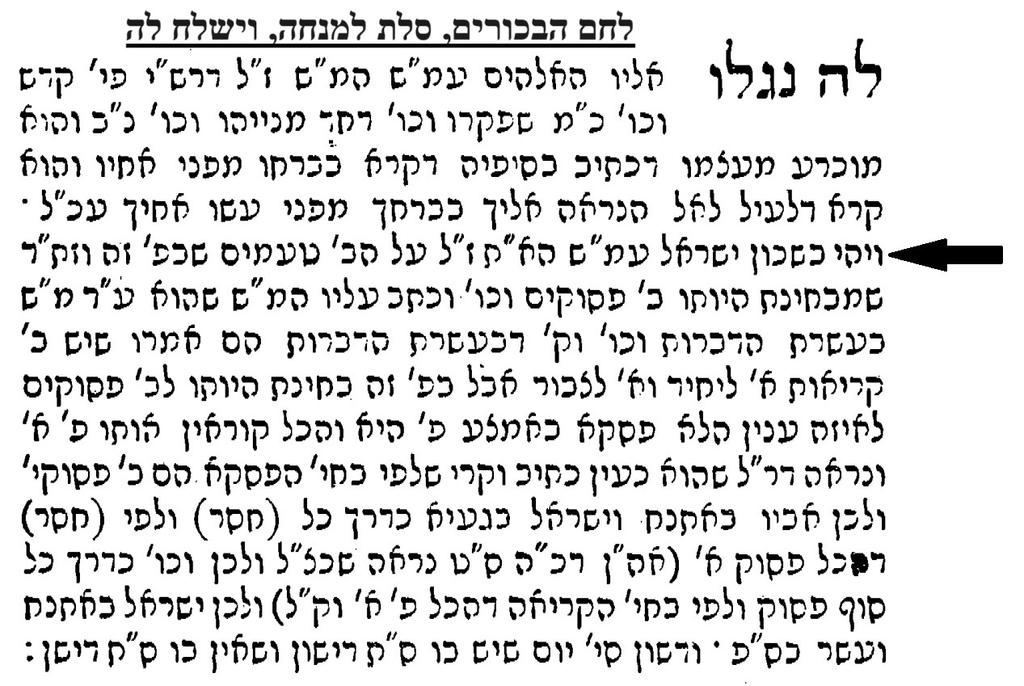
ויהי בשכן. א"ת כתב לפי שפסוק זה בבחינה אחת הוא פסוק אחד ובבחינה האחרת הוא ב' פסוקים לכן במקצת מלותיו ב' טעמים. בבחינת היותו פסוק א' ראובן ברביע. וישכב בפשט. בלהה בפשט. אביו בזקף קטן. ישראל באתנח. ובבחינת היותו ב' פסוקים ראובן בזקף קטן. וישכב בזקף גדול. בלהה בטפחא. אביו באתנח. ישראל סוף פסוק. ובגליון א' מס"ס המוגהים ישראל קדמאה בזרקא ופשט. ההוא בזקף קטון וסגולתא עכ"ל. וזהו על הדרך שכתבנו בעשרת הדברות: