


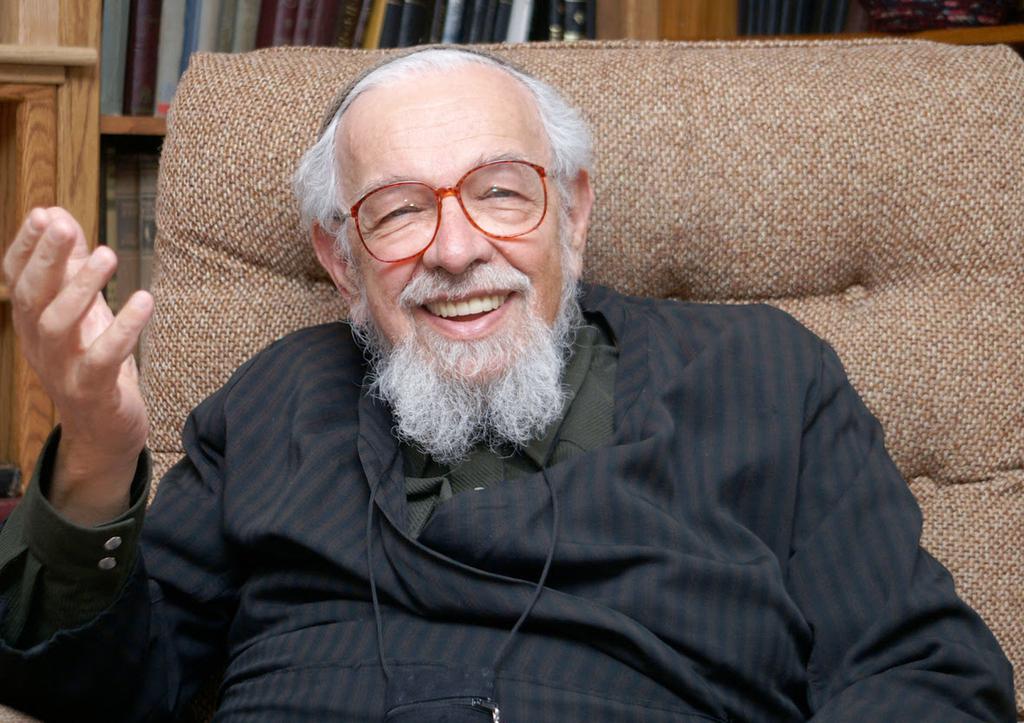
The G-d You Don’t Believe In: Video: Reb Zalman at the Dalai Lama Roundtable on Educating the Heart (April 20, 2004) Vancouver, B.C. The G-d You Don’t Believe In https://www.youtube.com/watch?v=4IRVHtHfYNo Minute 19:14 – 19:50
Rabbi Zalman Schachter-Shalomi: The Word “God” — Jewish With Feeling, 6-8
Which handful of letters in the history of the world has accumulated more baggage than these? Martin Buber (1878-1965), in his book Eclipse of God, tells the story of a philosopher, Buber’s host in a university town to which he had been invited, who protested passionately at Buber’s use of the word. “How can you bring yourself to say ‘God’?” the old man demands. “What word of human speech is so misused, so defiled, so desecrated as this?”
On the one hand, as the old saying goes, “Our extremity is God’s opportunity.” When tragedy strikes, or great joy befalls us, or even when we’re at the peak of sexual ecstasy—whenever an experience has shattered the usual language we use to describe such things—we have dialed that hotline to the center of the universe and said, in innumerable languages: “God! Oh, God!”
Too often, though, as soon as we catch ourselves at it, we hang up, quick. “Did you say ‘God’?” Our internal prosecuting attorney jumps up with a list of objections as long as your arm. “That angry old man in the sky, that far-off ‘Other’ who commands and keeps score and rewards and punishes? That God who stands by while innocents suffer, while children die of hunger every day? The God that the rabbis were always invoking: God commands this, God forbade that?” Most of us are still angry with the patriarchal, punitive God of our Hebrew schools and synagogues, prayer books and Bibles. We have so little stomach for this God business that we are barred from everything it brings in its wake.
Our internal prosecutor presses the case: “How do we even know this God exists? What shred of evidence do we have that this God is anything more than a projection of human thought, an illusion woven together from all the prayers… that our people have murmured and shouted and sung and recited over the centuries? How can I take this God seriously? How can I take seriously anything this ‘God’ is supposed to have ‘said’? What meaning does prayer have—prayer to what? to whom?”
These are all great questions, and Jews have been wrestling with them for centuries. Theologians have devoted their lives to constructing answers and systems we can live with.
But… Theology is the afterthought of spiritual experience, not the other way around. We are not trying to construct some top-down authoritative system, but to nourish the seeds of our own personal spiritual experience. We start with wonder, or with thankfulness, or yearning, or even rage, and we ask ourselves: Wonder or rage at what? Thankfulness toward what? Yearning for what? It was simple, searching questions like these that started our ancestors thinking in terms of “God.” Torah, Talmud, Hebrew school—all that came later.
Has the word God gotten so tainted that we have to throw it away, and all the sacred technology that comes with it? Some have, and many more have tried. I myself would like to suggest that a term like God can still be very useful to us in nurturing spiritual experience in our lives. For God carries not only all the centuries of trouble and objections. It also, in its very plainness and starkness and mystery, can allow us to move forward and transcend all the arguments; to say, in effect, “We’re aware of the problems and acknowledge them, but we don’t want to let them stand in the way of our experience.”
Judaism has a lot of very valuable spiritual tools built around the “God” concept… finding a way to live with a thought named “God,” to make it meaningful to us—not by signing any belief statements, but by trying to imagine the entity that could be our partner in our “something out there” experiences—will give us much better access to those tools. We can then begin to explore them to see which might be helpful to us in our search for deeper and more meaningful lives.
The Gates of Prayer: Pt. 6: "Blue Jeans Spirituality" with Reb Zalman (January 3, 2010)
https://www.youtube.com/watch?v=jcPkVjXDKvM&list=TLPQMTAxMTIwMjKVgMiTLLFd6A&index=2
50:01 – 54:38: Who is the G-d you come before?
Our Root Metaphors & Masks for G-d: G-d as friend, in the passenger seat when I’m driving, being transparent, romance with G-d
“What image will allow for you the most heartful exchange with G-d?”
(ד) שְׁמַ֖ע יִשְׂרָאֵ֑ל יְהֹוָ֥ה אֱלֹהֵ֖ינוּ יְהֹוָ֥ה ׀ אֶחָֽד׃ (ה) וְאָ֣הַבְתָּ֔ אֵ֖ת יְהֹוָ֣ה אֱלֹהֶ֑יךָ בְּכׇל־לְבָבְךָ֥ וּבְכׇל־נַפְשְׁךָ֖ וּבְכׇל־מְאֹדֶֽךָ׃
(4) Hear, O Israel! יהוה is our God, יהוה is one.
(5) You shall love your God יהוה with all your heart and with all your soul and with all your might.
(יג) וַיֹּ֨אמֶר מֹשֶׁ֜ה אֶל־הָֽאֱלֹהִ֗ים הִנֵּ֨ה אָנֹכִ֣י בָא֮ אֶל־בְּנֵ֣י יִשְׂרָאֵל֒ וְאָמַרְתִּ֣י לָהֶ֔ם אֱלֹהֵ֥י אֲבוֹתֵיכֶ֖ם שְׁלָחַ֣נִי אֲלֵיכֶ֑ם וְאָֽמְרוּ־לִ֣י מַה־שְּׁמ֔וֹ מָ֥ה אֹמַ֖ר אֲלֵהֶֽם׃ (יד) וַיֹּ֤אמֶר אֱלֹהִים֙ אֶל־מֹשֶׁ֔ה אֶֽהְיֶ֖ה אֲשֶׁ֣ר אֶֽהְיֶ֑ה וַיֹּ֗אמֶר כֹּ֤ה תֹאמַר֙ לִבְנֵ֣י יִשְׂרָאֵ֔ל אֶֽהְיֶ֖ה שְׁלָחַ֥נִי אֲלֵיכֶֽם׃ (טו) וַיֹּ֩אמֶר֩ ע֨וֹד אֱלֹהִ֜ים אֶל־מֹשֶׁ֗ה כֹּֽה־תֹאמַר֮ אֶל־בְּנֵ֣י יִשְׂרָאֵל֒ יְהֹוָ֞ה אֱלֹהֵ֣י אֲבֹתֵיכֶ֗ם אֱלֹהֵ֨י אַבְרָהָ֜ם אֱלֹהֵ֥י יִצְחָ֛ק וֵאלֹהֵ֥י יַעֲקֹ֖ב שְׁלָחַ֣נִי אֲלֵיכֶ֑ם זֶה־שְּׁמִ֣י לְעֹלָ֔ם וְזֶ֥ה זִכְרִ֖י לְדֹ֥ר דֹּֽר׃
(13) Moses said to God, “When I come to the Israelites and say to them, ‘The God of your fathers’ [house] has sent me to you,’ and they ask me, ‘What is [God’s] name?’ what shall I say to them?” (14) And God said to Moses, “Ehyeh-Asher-Ehyeh. Thus shall you say to the Israelites, ‘Ehyeh sent me to you.’” (15) And God said further to Moses, “Thus shall you speak to the Israelites: יהוה This name (y-h-w-h; traditionally read Adonai “the Lord”) is here associated with the verb hayah “to be.” the God of your fathers’ [house]—the God of Abraham, the God of Isaac, and the God of Jacob—has sent me to you...
(א) שִׁ֗יר לַֽמַּ֫עֲל֥וֹת אֶשָּׂ֣א עֵ֭ינַי אֶל־הֶהָרִ֑ים מֵ֝אַ֗יִן יָבֹ֥א עֶזְרִֽי׃ (ב) עֶ֭זְרִי מֵעִ֣ם יְהֹוָ֑ה עֹ֝שֵׂ֗ה שָׁמַ֥יִם וָאָֽרֶץ׃
(1) A song for ascents.
I lift my eyes up to the mountains; from where does my help come? (2) My help comes from HaShem maker of heaven and earth.
(ח) וְעָ֥שׂוּ לִ֖י מִקְדָּ֑שׁ וְשָׁכַנְתִּ֖י בְּתוֹכָֽם׃
(8) Make Me a sanctuary/a holy place so that I may dwell in them/within you.
The Gates of Prayer: Pt. 1: "Introduction to Davvenology" with Reb Zalman (September 8, 2009)
https://www.youtube.com/watch?v=3uqoxphcWEM
06:26 - 8:28 How to Carve out inner space for God and Create a sanctuary for God
ב וְצָרִיךְ לָדַעַת, שֶׁמְּלֹא כָל הָאָרֶץ כְּבוֹדוֹ, וְלֵית אֲתַר פָּנוּי מִנֵּהּ, וְאִיהוּ מְמַלֵּא כָּל עָלְמִין וְסוֹבֵב כָּל עָלְמִין.
Reb Nachman of Bratslav,
God Encompasses All
[(1772 –1810) Founder of the Breslov Chasidic movement; great grandson of the Baal Shem Tov]
2. Memale Kol Almin V’Sovev Kol Almin
One ought to know that God fills all worlds and surrounds all worlds (Isaiah 6:3). There is no place empty of God.
(Tikkuney Zohar #57, p.91b), (Zohar III, 225a).
Rabbi Menachem Mendel Morgensztern of Kotzk, Make Room for God
[(1787–1859) A Chasidic rabbi and leader in Poland, better known as the Kotzker Rebbe]
Where is God to be found? In the place where God is given entry.
[Raz, S., and Levin, E. The Sayings of Menahem Mendel of Kotsk. Northvale: Jason Aronson, 1995, p. 10]
Rabbi Art Green, YH-W-H
For me God is not an intellectual proposition but rather the ground of life itself. It is the name I give to the reality I encounter in the kind of moment I have been describing, one that feels more authentic and deeply perceptive of truth than any other. I believe with complete faith that every human being is capable of such experience, and that these moments place us in contact with the elusive inner essence of being that I call "God." It is out of such moments that religion is born, our human response to the dizzying depths of an encounter we cannot - and yet need to - name...
While I do not await a God who will intervene in history to save the planet from us, God may be present in another way as we face the crucial challenge of our age. Religion, a more powerful human force in our day than anyone would have imagined, will have a major role to play in this needed transformation. In something we call God dwells within our sacred traditions (Psalms 22:4), we people of faith may indeed find a way to bring forth a ray of what we might call divine salvation...
My theological position is that of a mystical panentheist, one who believes that God is present throughout all of existence, that Being of Y-H-W-H underlies and unifies all that is. At the same time (and this is panentheism as distinct from pantheism), this whole is mysteriously and infinitely greater than the sum of its parts, and cannot be fully known or reduces to its constituent beings. "Transcendence" in the context of such a faith does not refer to a God "out there" or "over there" somewhere beyond the universe, since I do not know the existence of such a "there." Transcendence means rather that God - or Being - is so fully present in the here and now of each moment that we could not possibly grasp the depth of that presence. Transcendence thus dwells within immanence. There is no ultimate duality here, no "God and world," no "God, world, and self," only one Being and its many faces. Those who seek consciousness of it come to know that is indeed eyn sof, without end.
Rabbi Harold Kushner,When Bad Things Happen to Good People
God is limited in what He can do by laws of nature and the evolution of human nature and human moral freedom. I no longer hold God responsible for illnesses, accidents, and natural disaster because I realize that I gain little and I lose so much when I blame God for those things. I can worship a God who hates suffering but cannot eliminate it more easily than I can worship a God who chooses to make children suffer and die.
God does not cause our misfortunes. Some are caused by bad luck, some are caused by bad people, and some are simply an inevitable consequence of our being human and being mortal, living in a world of inflexible natural laws.
The painful things that happen to us are not punishment for our misbehavior, nor are they in any way part of some grand design on God’s part. Because the tragedy is not God’s will, we need not feel hurt or betrayed by God when tragedy strikes. We can turn to HIM for help in overcoming it, precisely because we can tell ourselves that God is as outraged by it as we are.
Rabbi Laura Geller, Acts of God? A Jewish Perspective on Natural Disasters
There's a famous joke that purports to describe the difference between religions. I'll clean it up a little so this can be published:
TAOISM: Bad things happen.
BUDDHISM: If bad things happen, it isn't really bad.
HINDUISM: This bad thing happened before.
ISLAM: If bad things happen, it is the will of Allah.
PROTESTANTISM: Let bad things happen to someone else.
CATHOLICISM: If bad things happen, you deserved it.
JUDAISM: Why do bad things always happen to us?
ATHEISM: Bad things happen, therefore, there is no God.
What all religious tradition traditions seem to have in common is the truth that things happen that many people experience as bad. And, as the atheist position in the joke proclaims, some people blame God. In fact, the term "act of God" is used in a legal context for "an event which is caused by the effect of nature or natural causes and without any interference by humans whatsoever." Was the tragedy in Japan unleashed by the earthquake and tsunami, as well as the damage to the nuclear power plants, an act of God?
Of course, it depends on what kind of God you believe in. If you believe in the literal word of the Bible, that God really can split the sea or that God is responsible for a flood that wipes out the whole earth, then you might believe that God is responsible for the earthquake. But that is not the God I believe in. I don't think it is the God of Jewish tradition either.
Jews don't read the Bible literally. We read it through the lens of generations of interpretations and acknowledge the evolution of human understanding of God. The Talmudic image of God is vastly different from the image of God presented in the Bible. The God described in Talmud is not responsible for what we call "acts of God."
Two classic Talmudic texts make this point very clearly: "Suppose a person stole a measure of wheat and went and sowed it in the ground; it is right that it should not grow, yet the world pursues its natural course, and as for those who transgress, they will have to render an account. Another illustration: Suppose a man had intercourse with his neighbor's wife; it is right that she should not conceive, yet the world pursues its natural course."
The tradition is claiming that God doesn't interfere with the natural course of the world. Earthquakes happen. Things that don't seem fair from the perspective of morality happen because of laws of nature. People suffer as a result, but not because God has willed this specific tragedy to occur.
A second text is even more powerful. It plays off the two biblical commands, which carry the reward of living a long life: honoring your parents and shooing away a mother bird before you take her eggs, presumable to spare her feelings.
"The boy's father said to him: 'Ascend to the loft and bring me the eggs in the nest...' If the boy ascends, dismisses the mother bird and takes the young, and on his return falls and dies, how can it be explained?" (After all, the boy was fulfilling the two commandments that come with the reward of long life -- he was honoring his father and he was shooing away the mother bird.) After offering possible explanations for why this bad thing might have happened, Rabbi Eleazar says: "It was a rickety ladder, so injury was likely. Where injury is likely one cannot rely on a miracle."
Earthquakes happen. We can't depend on miracles. But we are responsible for the rickety ladders in our lives. The earthquake, the tsunami -- that is the world pursuing its natural course. But building a nuclear plant so close to a fault line? That is the rickety ladder. We are responsible for that.
Bad things will happen. People will get sick and die. Hurricanes will devastate a city. Tornadoes, earthquakes, drought -- this is the world pursuing its natural course. But we are responsible for the rickety ladders, the extent to which global warming is created by human beings, the dangers posed by depending on energy sources that are dangerous, and the connection between our consumption and the planet's inability to sustain all of us. We can't depend on miracles, only on our resolve to take responsibility for what we can change to make the world safer.
So was God in the earthquake? Not in the way fundamentalists use the term. But perhaps in a different way, captured by the classic story:
"A young man once came to Menachem Mendel of Kotzk, 'Rebbe, I can no longer believe in God. I can't believe in God because the world is so filled with pain, suffering, ugliness and evil. How could there be a God in such a world?!' 'Why do you care?' asked the Rebbe. 'What do you mean, why do I care? How could I not care? Innocent people suffer; the world is ruled by cruel people. Why does God allow it?'
Again, the Rebbe inquired, 'But why do you care?'
The young man screamed out: 'Someone has to care! Someone has to see the pain of the world and cry out! If not, all the suffering is meaningless. I care because I want a better world, not only for my children but for all children!'
The Rebbe responded, 'If you care that much, then God exists. You see, God exists in your caring.'"