
Terumah - תְּרוּמָ֑ה ​​​​​​​Shemot ~ Exodus 25:1 – 27:19 Chevrat Torah ~ Shir Ami
Highlights
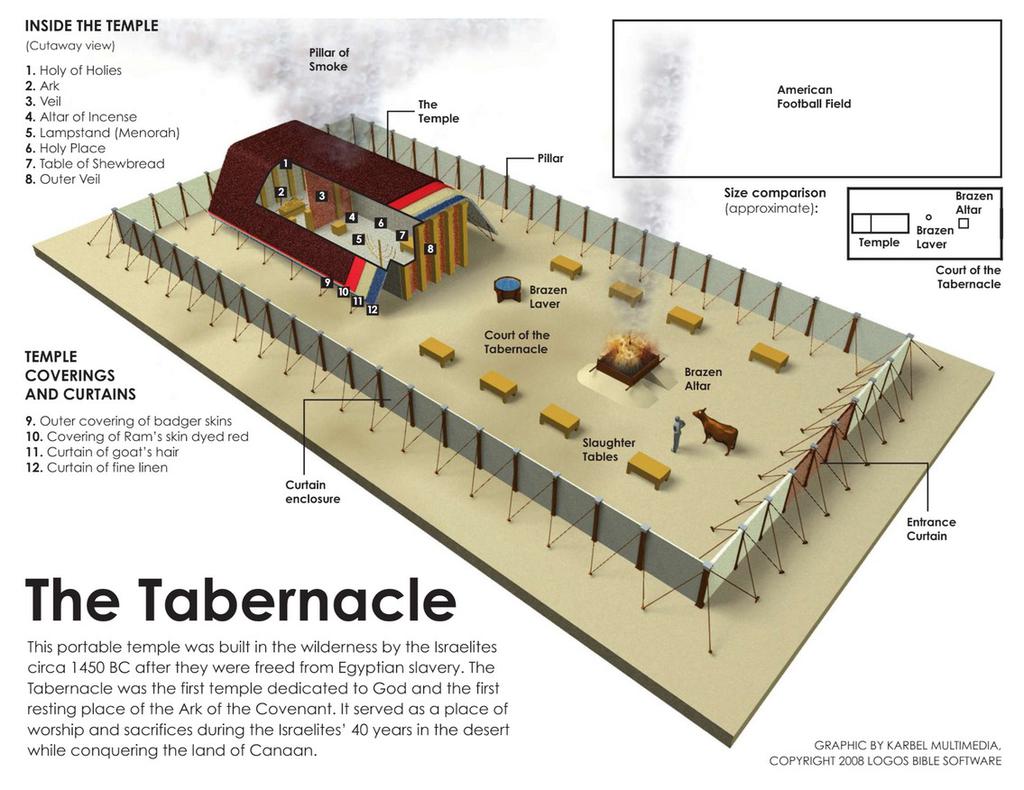
Israel / B'nai Yisrael are asked to contribute items to the building of the Mishkan /
Portable Sanctuary / Tabernacle.
These are to be entirely voluntary donations for the Mishkan, different from the half-shekel commanded in the previous portion of Mishpatim {also Exodus 30:13}.
Moses is given detailed instructions by God for the construction of this dwelling including which specific materials to use.
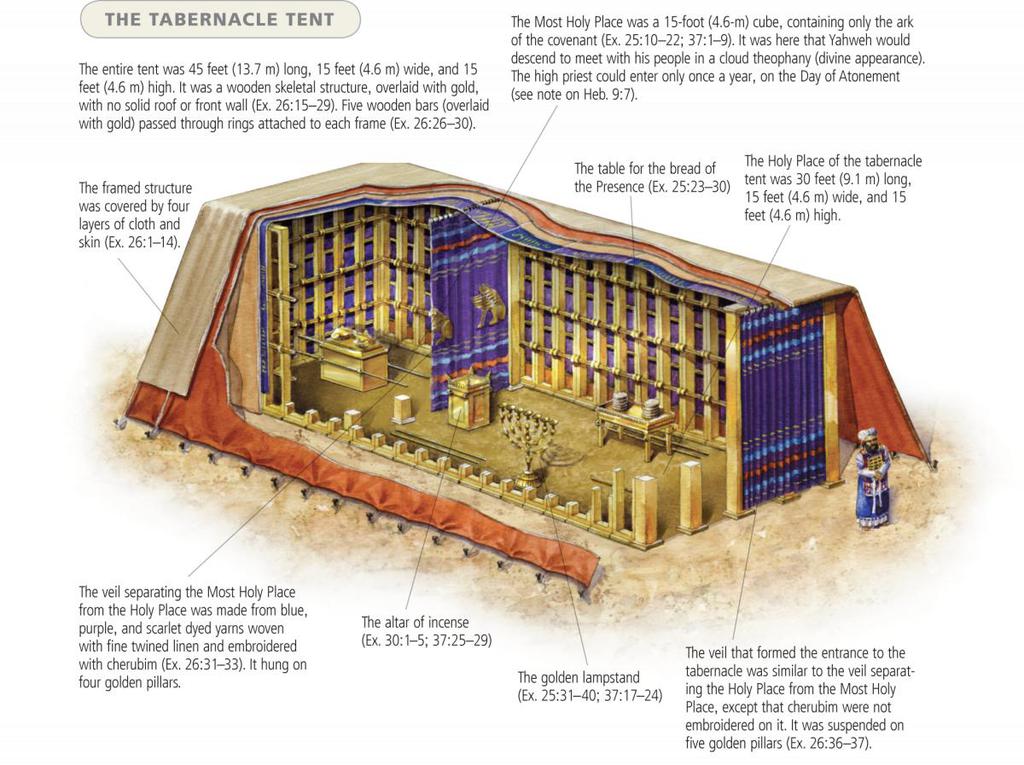
The ark of Testimony was in the Mishkan’s inner chamber, containing the Aseret Hadibrot (Ten Commandments).
Instructions were detailed for the ark and for the figures on top [the cherubim /keruvim].
The outer chamber contained the 7-branched menorah and the ‘show-bread’ table.
The walls of the Mishkan were wooden boards, the holding sockets, silver, while the roof was made of more permeable material.
In front of the Mishkan was the copper-plated altar.
The Exodus from Egypt was a three-stepped process: physical redemption from slavery, receiving our Divine mission at Sinai, and building a Tabernacle to serve as a constant reminder of Sinai. The first two stages of redemption were primarily acts of G-d. The Jewish people were completely passive until the days before the Exodus, and their role at Sinai was none other than agreeing to accept an unknown Torah. According to the Talmud (Shabbat 88a), they had little choice in the matter as G-d held a mountain over their heads, threatening to drop it on them if they refused to do so[1]. Yet the third and final act of redemption was to be carried out by the Jewish people themselves--on a volunteer basis. One cannot be forced to worship G-d, nor can one make someone feel the presence of G-d. We must have a "motivated heart". ~Ramban, Introduction to Shemot.
This parsha is about offerings/Terumah to God and specific instructions for building the portable sanctuary/ Mishkan. The offerings were a tangible symbol of the Israelites' devotion and commitment to their faith. It was not just a matter of giving money or materials, but a generosity of spirit reflecting their devotion to God.

וַיְדַבֵּ֥ר יְהֹוָ֖ה אֶל־מֹשֶׁ֥ה לֵּאמֹֽר׃ דַּבֵּר֙ אֶל־בְּנֵ֣י יִשְׂרָאֵ֔ל וְיִקְחוּ־לִ֖י תְּרוּמָ֑ה מֵאֵ֤ת כׇּל־אִישׁ֙ אֲשֶׁ֣ר יִדְּבֶ֣נּוּ לִבּ֔וֹ תִּקְח֖וּ אֶת־תְּרוּמָתִֽי׃

The LORD spoke to Moses, saying: Tell the Israelite people to bring Me gifts; you shall accept gifts for Me from every person whose heart so moves him.

The traditional translation narrows our understanding of what is occurring here in several ways. First, the Hebrew "vayikhu-li" means to "take to me" not "bring to me". Is there a difference between "take to me" and "bring me"?
Next, the translation of Terumah/תְּרוּמָ֑ה as "gifts" is not exact. The Hebrew word "Terumah" תְּרוּמָ֑ה connotes "uplifting" and "elevation". רם = height, altitude. תְּרוּמָה (n-f) contribution, offering. What is the difference between "taking an offering to me" and "taking me gifts"?
How might we relate the aspect of giving to today? When we donate money and / or our time, do we feel similarly spiritually uplifted? What helps or doesn't help us feel that way?

Lastly, what does it mean that each person was asked to "take" offerings if one's heart was willing (was moved). What can we derive from this?
With this information, can appreciate Everett Fox's translation of this verse: "Speak to the Children of Israel, that they may take me a raised-contribution; from every man whose heart makes-him-willing, you are to take my contribution."
מלת ויקחו לי. כגזרת סור' אלי. שיסור הנקרא ממקומו ויקרב אליו. וככה שיקח מאתו ויתן לי. וככ' קחי נא לי מעט מים:

[THAT THEY TAKE FOR ME.] The words ve-yikchu li (that they take for Me) is similar to the form surah elai (turn in to me) (Jud. 4:18). Surah elai means turn from your place and come to me. Ve-yikchu li has a similar connotation.

“They shall take Me a gift” – Rabbi Berekhya HaKohen ben Rabbi said: ...The way of the world is that when a person acquires an object he exerts himself to protect it, but the Torah protects its owners, as it is stated: “When you walk it will guide you; [when you lie down, it will protect you]” (Proverbs 6:22). The way of the world is that when a person acquires an object from the marketplace, can he perhaps acquire its owner? But the Holy One blessed be He gave the Torah to Israel and says to them, as it were: It is I that you are acquiring. That is, “they shall take Me a gift.” ~ Exodus Rabbah 33
The centrality of obligation [in the previous parsha Mishpatim] is immediately followed by one highlighting the great role of the volunteer. "Speak to the children of Israel and take for me a portion from everyone whose heart motivates him" ~Rabbi Shimshon Raphael Hirsch on Shemot 25:2
מאת כל איש. צוה שלא יגבו בזרוע כענין שממשכנים על הצדקה, אבל יגבו מן המתנדבים בלבד:

מאת כל איש, G’d commanded that the procedure should not be like the imposition of every man’s contribution for the public charity fund which was treated as a tax. Contributions were to be accepted only from volunteers.

Today, we often think of our donations in terms of a value proposition: what are the benefits I will receive. So, if we’re members of an organization---we ask "what will my membership give me?" This is very much opposite to the meaning of Terumah. What are your thoughts on this?
Two different words are used in Terumah: Mikdash and Mishkan (also, Tent of Meeting, Ohel Moed).
Or HaChaim [25:8] explains that the מקדש Mikdash is the general description for a dwelling of God that is a commandment for all generations, while משכן Mishkan is the specific dwelling for God to be built in the מדבר wilderness.
(ג) וְזֹאת֙ הַתְּרוּמָ֔ה אֲשֶׁ֥ר תִּקְח֖וּ מֵאִתָּ֑ם זָהָ֥ב וָכֶ֖סֶף וּנְחֹֽשֶׁת׃ (ד) וּתְכֵ֧לֶת וְאַרְגָּמָ֛ן וְתוֹלַ֥עַת שָׁנִ֖י וְשֵׁ֥שׁ וְעִזִּֽים׃ (ה) וְעֹרֹ֨ת אֵילִ֧ם מְאׇדָּמִ֛ים וְעֹרֹ֥ת תְּחָשִׁ֖ים וַעֲצֵ֥י שִׁטִּֽים׃ (ו) שֶׁ֖מֶן לַמָּאֹ֑ר בְּשָׂמִים֙ לְשֶׁ֣מֶן הַמִּשְׁחָ֔ה וְלִקְטֹ֖רֶת הַסַּמִּֽים׃ (ז) אַבְנֵי־שֹׁ֕הַם וְאַבְנֵ֖י מִלֻּאִ֑ים לָאֵפֹ֖ד וְלַחֹֽשֶׁן׃

(3) And these are the gifts that you shall accept from them: gold, silver, and copper; (4) blue, purple, and crimson yarns, fine linen, goats’ hair; (5) tanned ram skins, dolphin skins, and acacia wood; (6) oil for lighting, spices for the anointing oil and for the aromatic incense; (7) lapis lazuli and other stones for setting, for the ephod and for the breastpiece.

ויקחו לי תרומה מאת כל איש אשר ידבנו לבו תקחו את תרומתי וזאת התרומה אשר תקחו מאתם זהב וכסף ונחושת (שמות כ, הב-ג). דהנה כל האדם מחויב לעבוד את הבורא ברוך הוא במעשה ובמחשבה שעל ידי הכוונה והמחשבה קדושה אזי בזה מקים לשכינתא מעפרא והמעשה הוא בכדי שיתרומם האדם ולהטיב לעצמו. ובזה מיושב הכתוב כל איש אשר ידבנו לבו, דהוא מרומז על המחשבה על ידי זה תקחו את תרומתי, רצה לומר שבזה יתרומם השכינה כביכו"ל. וזאת התרומה אשר תקחו מאתם, רצה לומר זה התרוממות אשר האדם לוקח לעצמו זה הוא בא על ידי המעשה דהוא זהב וכסף ונחושת, רצה לומר על ידי העובדא ודו"ק:

Exodus 25,2. “and they shall take for Me a contribution, ‎each person according to how his heart moves him. And these ‎are the contributions you are to accept from them: gold, ‎silver and copper.” As we explained earlier, every person ‎serving the Lord, must do so also by something tangible in ‎addition to the lofty thoughts that he entertains while doing so. ‎Allegorically speaking, the performance of a tangible ‎מצוה‎, ‎commandment, is considered as if man helps the Presence of the ‎Lord to arise from the dust on earth [where it appears to ‎have been buried. Ed.]. When keeping this in mind we ‎can answer the enigma posed by the words ‎כל איש אשר ידבנו לבו‎, ‎‎“each person according to how his heart moves him.” These ‎words form the link between the generous thought and the ‎generous deed. By making a voluntary contribution, the Presence of G’d on earth will ‎become so much more manifest.

וְנֹעַם הָעֶלְיוֹן שׁוֹפֵעַ תָּמִיד, אֲבָל צְרִיכִין כְּלִי לְקַבֵּל עַל־יָדוֹ שֶׁפַע נֹעַם הָעֶלְיוֹן. וְדַע, שֶׁעַל־יְדֵי צְדָקָה נַעֲשֶׂה הַכְּלִי לְקַבֵּל עַל־יָדָהּ מִנֹּעַם הָעֶלְיוֹן שַׁלְהוֹבִין דִּרְחִימוּתָא, כִּי צְדָקָה הִיא נְדִיבוּת לֵב, כְּמוֹ שֶׁכָּתוּב (שמות כ״ה:ב׳): מֵאֵת כָּל אִישׁ אֲשֶׁר יִדְּבֶנוּ לִבּוֹ תִּקְחוּ אֶת תְּרוּמָתִי; וּנְדִיבוּת לֵב, הַיְנוּ שֶׁנִּפְתָּח וְנִתְנַדֵּב הַלֵּב, וְעַל־יְדֵי־זֶה נִפְתָּחִין שְׁבִילִין דְּלִבָּא, וְנַעֲשִׂין כְּלִי לְקַבֵּל שַׁלְהוֹבִין דִּרְחִימוּתָא, שֶׁנִּמְשָׁכִין מִנֹּעַם הָעֶלְיוֹן כַּנַּ"ל.

7. Now, Supernal Pleasantness flows continuously. Nevertheless, one must have a vessel with which to receive the influx of Supernal Pleasantness. And know! the vessel with which to receive flames of love from Supernal Pleasantness is forged through charity. For charity is the generosity of the heart, as it is written (Exodus 25:2), “from every person, as his heart urges him, you shall take My donation.” Generosity is that the heart is open and benevolent. As a result, the pathways of the heart open and become a vessel for receiving the flames of love drawn from Supernal Pleasantness, as mentioned above.

וְעָ֥שׂוּ לִ֖י מִקְדָּ֑שׁ וְשָׁכַנְתִּ֖י בְּתוֹכָֽם׃

And let them make Me a sanctuary that I may dwell among them.
וְעָ֥שׂוּ לִ֖י מִקְדָּ֑שׁ וְשָׁכַנְתִּ֖י בְּתוֹכָֽם׃
והנה ידוע מה שכתב האלשיך, על פסוק (שמות כה, ח) ועשו לי מקדש ושכנתי בתוכם, שלא יהיו ישראל סבורים שהשם יתברך ישכון בבית המקדש לבד, רק שהעיקר שהשכינה תשרה בישראל. וזה אמר ועשו לי מקדש ושכנתי בתוכם, כלומר ושכנתי בישראל אשכון ולא בבית המקדש לבד. והנה אמרו רבותינו ז"ל כל האומר ושחט אותו על ירך המזבח כו', אפילו שהוא עכו"ם כו'. ונבוא לבאר מאמר חכמינו ז"ל, כי הנה ידוע כי מהראוי היה שישראל יקרבו עצמם לה' לכפר עליהם אך שהשם יתברך ברוב רחמיו ציוה להקריב בהמה חלף האדם עצמו ולכן כשהאדם אומר ושחט אותו יחשוב בדעתו כמו שאמרו חכמינו ז"ל ושחט אותו, דהיינו אותו עצמו הוא רוצה לשחוט בשביל אהבת הבורא וזהו ושחט אותו. ואזי כשחושב כך אז אפילו הוא עכו"םכו', כי זה הוא דבר גדול לחשוב להקריב את עצמו. והנה משום הכי צוה הקדוש ברוך הוא לטעון ביקור לקרבן, כי כשהקריבו קרבן הצריכו לחשוב שהקרבן יהיה חלף עצמו וכאילו הוא עצמו הקריב עצמו. והנה יש ד' יסודות בבהמה, ולכן בכל יום ויום היה הביקור להוציא אותו מיסוד הבהמה עד שיצא מיסוד הבהמה כדי שיהיה חשוב כאדם עצמו. והנה הכא ביום השמיני דמלואים לא הצריכו ביקור, כי הקרבן לא היה פועל באותו הזמן, כי לא הצריכו לקרבנות בשביל לכפר עליהם, כי אז היה להם הזדככות והיו מטוהרים מכל חטא ועון רק הקרבנות היו לשמוח לפני ה' ולכן היה השראת השכינה במשכן בשביל אהבת הבורא לישראל דוקא שהיה עת רצון מחמת שהיו ישראל אז במדריגה גדולה ובמעלה עליונה ולא בשביל הקרבנות, כי לא הצרוכו הקרבנות אז לכפר כו', ומזה הטעם לא היה טעון ביקור:

Rabbi Moshe Alshich’s commentary on Exodus 25,8 in which ‎G’d instructs the Jewish people through their leader Moses to ‎build for Him a Tabernacle, (residence) on earth in their midst, ‎was not intended to imply that this signaled G’d’s move from the ‎celestial regions to earth, is well known. The purpose of the ‎Tabernacle is to signal that the principal Presence of G’d was to be ‎on earth, i.e. amongst the Jewish people, as is clear from the ‎words: ‎ושכנתי בתוכם‎, “I shall take up residence amongst them;” ‎the operative word in that line is the word ‎בתוכם‎, which ought to ‎be translated as “within them,” within the hearts and minds of ‎the Israelites, as opposed to G’d’s presence being confined to a ‎Temple.‎

Where is the dwelling of God?", Rabbi Mendl Kotzk asked his students. They laughed: "What a thing to ask! Is not the whole world full of God's glory?" Then Rabbi Kotzk answered his own question: "God dwells wherever we let God in."
The Aron is singled out as the only item in the mishkan that was commanded in the plural: ועשו .This is indicative of the nature of Torah. The entity of Torah cannot exist without the entirety of Klal Yisrael involved. He points out further that the details of its building are in the singular. Torah can be honed and developed by individuals, but Torah as a concept belongs to Klal Yisrael ~NCSY Parsha Terumah Sheet
Why then did God command the people to make a sanctuary at all? The answer given by most commentators, and hinted at by the Torah itself, is that God gave the command specifically after the sin of the golden calf. ~Rabbi Lord Jonathan Sacks, z"l
וכן תעשו. אתם כדי שאשכון בתוככם, לדבר עמך ולקבל תפלת ועבודת ישראל, לא כמו שהיה הענין קודם העגל כאמרו בכל המקום כו' אבא אליך:

And so should you make [it]. Hashem’s presence would dwell among them only by means of the Tabernacle. This was a step down from what He had promised them before the sin of the Calf, “In every place that I permit My Name to be mentioned I will come to you and bless you” (20:21).

People tend to place a higher value on things they build or create themselves...and while our parsha demonstrated this thousands of years ago, in 2011 this concept was expanded upon in a book called The Ikea Effect: When Labor Leads to Love [Michael I. Norton, Daniel Mochon, and Dan Ariely, Harvard University Press).
When life is a given, you acknowledge this by giving back. But if life is not a given because there is no Giver, if the universe came into existence only because of a random fluctuation in the quantum field, if there is nothing in the universe that knows we exist, if there is nothing to the human body but a string of letters in the genetic code, and to the human mind but electrical impulses in the brain, if our moral convictions are self-serving means of selfpreservation, and our spiritual aspirations mere delusions, then it is difcult to feel gratitude for the gift of life. There is no gift if there is no giver. There is only a series of meaningless accidents, and it is difcult to feel gratitude for an accident. ~Rabbi Lord Jonathan Sacks, z"l
Every created entity has a spark of G-dliness within it, a pinpoint of divinity that constitutes its "soul", its spiritual function and design. When we utilize something to serve the Creator, we penetrate its shell of mundanity, revealing and realizing its divine essence. Thus we elevate these "sparks", reuniting them with their Source. ~ The Chassidic Masters
This is what man is all about; this is the purpose of his creation and of the creation of all the worlds, higher and lower--that there be made for G-d a dwelling in the lower realms. ~Rabbi Schneur Zalman of Liadi
ה. יֵשׁ כּחַ בְּיַד הַיָּחִיד לִפְרק על שָׁמַיִם, וְאֵין בְּיַד הָרַבִּים לִפְרק על שָׁמַיִם.
An individual has the ability to throw off the yoke of Heaven; a community does not.
~Sefer HaMiddot, Fear of God, Yirah Part II:5
(ט) כְּכֹ֗ל אֲשֶׁ֤ר אֲנִי֙ מַרְאֶ֣ה אוֹתְךָ֔ אֵ֚ת תַּבְנִ֣ית הַמִּשְׁכָּ֔ן וְאֵ֖ת תַּבְנִ֣ית כׇּל־כֵּלָ֑יו וְכֵ֖ן תַּעֲשֽׂוּ׃ {ס} (י) וְעָשׂ֥וּ אֲר֖וֹן עֲצֵ֣י שִׁטִּ֑ים אַמָּתַ֨יִם וָחֵ֜צִי אׇרְכּ֗וֹ וְאַמָּ֤ה וָחֵ֙צִי֙ רׇחְבּ֔וֹ וְאַמָּ֥ה וָחֵ֖צִי קֹמָתֽוֹ׃ (יא) וְצִפִּיתָ֤ אֹתוֹ֙ זָהָ֣ב טָה֔וֹר מִבַּ֥יִת וּמִח֖וּץ תְּצַפֶּ֑נּוּ וְעָשִׂ֧יתָ עָלָ֛יו זֵ֥ר זָהָ֖ב סָבִֽיב׃ (יב) וְיָצַ֣קְתָּ לּ֗וֹ אַרְבַּע֙ טַבְּעֹ֣ת זָהָ֔ב וְנָ֣תַתָּ֔ה עַ֖ל אַרְבַּ֣ע פַּעֲמֹתָ֑יו וּשְׁתֵּ֣י טַבָּעֹ֗ת עַל־צַלְעוֹ֙ הָֽאֶחָ֔ת וּשְׁתֵּי֙ טַבָּעֹ֔ת עַל־צַלְע֖וֹ הַשֵּׁנִֽית׃ (יג) וְעָשִׂ֥יתָ בַדֵּ֖י עֲצֵ֣י שִׁטִּ֑ים וְצִפִּיתָ֥ אֹתָ֖ם זָהָֽב׃ (יד) וְהֵֽבֵאתָ֤ אֶת־הַבַּדִּים֙ בַּטַּבָּעֹ֔ת עַ֖ל צַלְעֹ֣ת הָאָרֹ֑ן לָשֵׂ֥את אֶת־הָאָרֹ֖ן בָּהֶֽם׃ (טו) בְּטַבְּעֹת֙ הָאָרֹ֔ן יִהְי֖וּ הַבַּדִּ֑ים לֹ֥א יָסֻ֖רוּ מִמֶּֽנּוּ׃ (טז) וְנָתַתָּ֖ אֶל־הָאָרֹ֑ן אֵ֚ת הָעֵדֻ֔ת אֲשֶׁ֥ר אֶתֵּ֖ן אֵלֶֽיךָ׃ (יז) וְעָשִׂ֥יתָ כַפֹּ֖רֶת זָהָ֣ב טָה֑וֹר אַמָּתַ֤יִם וָחֵ֙צִי֙ אׇרְכָּ֔הּ וְאַמָּ֥ה וָחֵ֖צִי רׇחְבָּֽהּ׃

(9) Exactly as I show you—the pattern of the Tabernacle and the pattern of all its furnishings—so shall you make it. (10) They shall make an ark of acacia wood, two and a half cubits long, a cubit and a half wide, and a cubit and a half high. (11) Overlay it with pure gold—overlay it inside and out—and make upon it a gold molding round about. (12) Cast four gold rings for it, to be attached to its four feet, two rings on one of its side walls and two on the other. (13) Make poles of acacia wood and overlay them with gold; (14) then insert the poles into the rings on the side walls of the ark, for carrying the ark. (15) The poles shall remain in the rings of the ark: they shall not be removed from it. (16) And deposit in the Ark [the tablets of] the Pact which I will give you. (17) You shall make a cover of pure gold, two and a half cubits long and a cubit and a half wide.

Acacia wood is durable, long-lasting, dense...rot and insect-resistant. It does resist moisture, but it is not waterproof. It is sustainable. Acacia trees are fast-growing and can be harvested in a way that is sustainable. Acacia has a gorgeous color from yellow to deep mahogany. The varied grain and knots are beloved by many for its rustic quality. Acacia wood is easy to maintain over time. https://www.homedit.com/acacia-wood/
The materials donated for the Mishkan correspond to the components of the human being. "Gold" is the soul; "silver," the body; "copper," the voice; "blue," the veins; "purple," the flesh; "red," the blood; "flax," the intestines; "goat hair," the hair; "ram skins dyed red," the skin of the face; "tachash skins," the scalp; "shittim wood," the bones; "oil for lighting," the eyes; "spices for the anointing oil and for the sweet incense," the nose, mouth and palate; "shoham stones and gemstones for setting," the kidneys and the heart. ~Midrash HaGadol
Wood represents growth, while stone represents permanence. The Torah was given on tablets of stone to indicate the unwavering nature of Torah. But then, why does the Aron contain wood? It cannot be symbolic of the Torah, rather, it is symbolic of the Jew, who through learning and internalizing Torah can grow into a more elevated person.
~NCSY Terumah Parsha Sheet
וְעָשִׂ֛יתָ שְׁנַ֥יִם כְּרֻבִ֖ים זָהָ֑ב מִקְשָׁה֙ תַּעֲשֶׂ֣ה אֹתָ֔ם מִשְּׁנֵ֖י קְצ֥וֹת הַכַּפֹּֽרֶת׃ וַ֠עֲשֵׂ֠ה כְּר֨וּב אֶחָ֤ד מִקָּצָה֙ מִזֶּ֔ה וּכְרוּב־אֶחָ֥ד מִקָּצָ֖ה מִזֶּ֑ה מִן־הַכַּפֹּ֛רֶת תַּעֲשׂ֥וּ אֶת־הַכְּרֻבִ֖ים עַל־שְׁנֵ֥י קְצוֹתָֽיו׃ וְהָי֣וּ הַכְּרֻבִים֩ פֹּרְשֵׂ֨י כְנָפַ֜יִם לְמַ֗עְלָה סֹכְכִ֤ים בְּכַנְפֵיהֶם֙ עַל־הַכַּפֹּ֔רֶת וּפְנֵיהֶ֖ם אִ֣ישׁ אֶל־אָחִ֑יו אֶ֨ל־הַכַּפֹּ֔רֶת יִהְי֖וּ פְּנֵ֥י הַכְּרֻבִֽים׃
Make two cherubim of gold—make them of hammered work—at the two ends of the cover. Make one cherub at one end and the other cherub at the other end; of one piece with the cover shall you make the cherubim at its two ends. The cherubim shall have their wings spread out above, shielding the cover with their wings. They shall confront each other, the faces of the cherubim being turned toward the cover.
Every created entity has a spark of G-dliness within it, a pinpoint of divinity that constitutes its "soul", its spiritual function and design. When we utilize something to serve the Creator, we penetrate its shell of mundanity, revealing and realizing its divine essence. Thus we elevate these "sparks", reuniting them with their Source. ~ from the Chassidic Masters
Our instructions were to make an impermanent dwelling in the wilderness, that needed dismantling and setting up in every single location. What are the implications of that process?
The materials donated for the Mishkan correspond to the components of the human being. "Gold" is the soul; "silver," the body; "copper," the voice; "blue," the veins; "purple," the flesh; "red," the blood; "flax," the intestines; "goat hair," the hair; "ram skins dyed red," the skin of the face; "tachash skins," the scalp; "shittim wood," the bones; "oil for lighting," the eyes; "spices for the anointing oil and for the sweet incense," the nose, mouth and palate; "shoham stones and gemstones for setting," the kidneys and the heart.
Rabbi Shmuel said: The materials donated for the Mishkan correspond to the heavens. "Gold" is the sun; "silver," the moon; "copper," the western horizon at sunset; "blue," the sky; "purple," the clouds; "red," the rainbow; "flax," the seraphim; "goat," the constellation of capricorn; "ram skins dyed red," thunder; "tachash skins," lightening; "shittim wood," shooting stars; "oil for lighting," the seven planets; "spices for the anointing oil and for the incense," dew and rain; "shoham stones and gemstones for setting"--hail and snow. Said G-d: "My dwelling is in the heavens; if you make Me a Sanctuary on earth, I shall dwell in it." ~Midrash HaGadol

וְנוֹעַדְתִּ֣י לְךָ֮ שָׁם֒ וְדִבַּרְתִּ֨י אִתְּךָ֜ מֵעַ֣ל הַכַּפֹּ֗רֶת מִבֵּין֙ שְׁנֵ֣י הַכְּרֻבִ֔ים אֲשֶׁ֖ר עַל־אֲר֣וֹן הָעֵדֻ֑ת אֵ֣ת כׇּל־אֲשֶׁ֧ר אֲצַוֶּ֛ה אוֹתְךָ֖ אֶל־בְּנֵ֥י יִשְׂרָאֵֽל׃ {פ}

There I will meet with you, and I will impart to you—from above the cover, from between the two cherubim that are on top of the Ark of the Pact—all that I will command you concerning the Israelite people.

There is something to be discovered in this human-divine relationship, it seems, beyond words and beyond discrete commandments. The revelation from between the keruvim would be one of content, no doubt. But it would also be a revelation of an ineffable, inexpressible presence. This divine communication would represent that most vulnerable and intimate of all communications: the raw, unmediated exposure of one self to another. Inside the embrace of the angel-humans, God would quietly make Godself known. V’noaditi lecha sham
Rabbi Dr. Erin Leib Smokler, comment on Terumah.
ושכנתי בתוכם. ככל אשר אני מראה אותך וכו'. אשכון ביניהם לקבל תפלתם ועבודתם באותו האופן שאני מראה אותך שכינתי בהר על הכפרת בין שני הכרובים עם תבנית המשכן ועם תבנית כל כליו. כי אמנם תבנית המשכן תורה על כרובים, שהם שרפים עומדים ממעל לו הנראים לנביאים, ומהם בקדש, ומהם בקדש הקדשים, בשני מחברות מחוברות בקרסים להיות לאחדים לעבודת בוראם. וכן ראוי שיהיו בישראל כל קדושיו מחוברים אל ההמון להבין ולהורות. ובקדש הקדשים נתן התורה תוך גוף מצופה זהב מבית ומחוץ כאמרם ז"ל בזה (יומא פרק בא לו) כל תלמיד חכם שאין תוכו כברו אינו תלמיד חכם. ועל אותו הגוף שהוא הארון נתן כפורת כלו זהב, מורה על צלם אלהים בלתי מחובר עמו כלל. וכן כרובים פניהם איש אל אחיו מורים על פעולת המצאת המושכל וקבלתו, וזה בהביט אל התורה, כאמרו אל הכפרת יהיו פני הכרובים ובזה הם פורשים כנפים למעלה, כאמרו ארח חיים למעלה למשכיל ובזה יתעשת האלהים לנו כאמרו ואל זה אביט:

'ושכנתי בתוכם ככל אשר אני מראה אותך וגו, “I will dwell among them permanently in order to receive their prayers and their sacrificial offerings in a manner similar to the way I displayed My presence at the mountain.” Henceforth My presence will be manifest between the two cherubs on the lid of the Holy Ark as part of the overall structure called the Tabernacle."

Sforno perceives different degrees of holiness, just as the kabbalists perceive holiness in the The Torah itself, for which the Holy Ark served as repository, was in an ark constructed of wood but overlaid with gold on the inside and on the outside, to reflect the saying of our sages in Yuma 72 that every Torah scholar whose external appearance did not reflect his internal stature is not a Torah scholar at all.

וכל עבירות שבתורה מכל העולם לא והכתיב (ויקרא כו, לז) וכשלו איש באחיו איש בעון אחיו מלמד שכל ישראל ערבים זה בזה

The Gemara asks: And with regard to all of the other transgressions in the Torah, is punishment not exacted from the entire world? But isn’t it written: “And they shall stumble one upon another” (Leviticus 26:37)? This verse is homiletically interpreted to mean that they shall stumble spiritually, one due to the iniquity of another, which teaches that the entire Jewish people are considered guarantors for one another. Apparently, any transgression makes the entire world liable to be punished.