


Evil also comes from a Divine source & according to Yoram Jacobson:
"The Evil Urge...possesses very great vitality, even greater than that of the Good urge...man must harness it to religious service by turning it about and restoring it to its source...If on the other hand, man rejects evil and banishes it from his heart, he also turns his back upon divine vitally, which approaches him seeking redemption."
Yoram Jacobson Hasidic Thought p. 176, Tel Aviv, MOD Press, 1998.
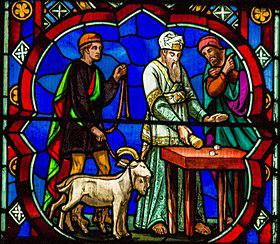
(ז) וְלָקַ֖ח אֶת־שְׁנֵ֣י הַשְּׂעִירִ֑ם וְהֶעֱמִ֤יד אֹתָם֙ לִפְנֵ֣י יהוה פֶּ֖תַח אֹ֥הֶל מוֹעֵֽד׃ (ח) וְנָתַ֧ן אַהֲרֹ֛ן עַל־שְׁנֵ֥י הַשְּׂעִירִ֖ם גֹּרָל֑וֹת גּוֹרָ֤ל אֶחָד֙ לַיהוה וְגוֹרָ֥ל אֶחָ֖ד לַעֲזָאזֵֽל׃ (ט) וְהִקְרִ֤יב אַהֲרֹן֙ אֶת־הַשָּׂעִ֔יר אֲשֶׁ֨ר עָלָ֥ה עָלָ֛יו הַגּוֹרָ֖ל לַיהוה וְעָשָׂ֖הוּ חַטָּֽאת׃ (י) וְהַשָּׂעִ֗יר אֲשֶׁר֩ עָלָ֨ה עָלָ֤יו הַגּוֹרָל֙ לַעֲזָאזֵ֔ל יׇֽעֳמַד־חַ֛י לִפְנֵ֥י יהוה לְכַפֵּ֣ר עָלָ֑יו לְשַׁלַּ֥ח אֹת֛וֹ לַעֲזָאזֵ֖ל הַמִּדְבָּֽרָה׃
(7) Aaron shall take the two he-goats and let them stand before God at the entrance of the Tent of Meeting; (8) and he shall place lots upon the two goats, one marked for God and the other marked for Azazel. (9) Aaron shall bring forward the goat designated by lot for God, which he is to offer as a sin offering; (10) while the goat designated by lot for Azazel shall be left standing alive before God, to make atonement with it and to send it off to the wilderness for Azazel.
In the Hebrew Bible, the name Azazel represents a desolate place where a scapegoat bearing the sins of the Jews was sent during Yom Kippur. During the late Second Temple period, Azazel came to be viewed as a fallen angel responsible for introducing humans to forbidden knowledge, as described in the Book of Enoch. His role as a fallen angel partly remains in Christian and Islamic traditions.
וְלֹא־יִזְבְּח֥וּ עוֹד֙ אֶת־זִבְחֵיהֶ֔ם לַשְּׂעִירִ֕ם אֲשֶׁ֛ר הֵ֥ם זֹנִ֖ים אַחֲרֵיהֶ֑ם חֻקַּ֥ת עוֹלָ֛ם תִּֽהְיֶה־זֹּ֥את לָהֶ֖ם לְדֹרֹתָֽם׃
and that they may offer their sacrifices no more to the goat-demons after whom they stray. This shall be to them a law for all time, throughout the ages.
Questions for Reflection
Here we see what could be the possible appropriation of the Canaanite god "Mot," who was the enemy of Ba'al in the Ugaritic creation myth. There are also other examples of Ancient Near Eastern gods making their way into Israelite literature, including Reshef, Lillith, Azalzel, Dever, and possibly even an ancient version of the vampire, the Alukah (Proverbs 30:15).
1. How does the inclusion of these entities complicate Jewish theology?
2. Why do you think they made it into the text?
3. How else can we interpret these malevolent influences?
Here we see what could be the possible appropriation of the Canaanite god "Mot," who was the enemy of Ba'al in the Ugaritic creation myth. There are also other examples of Ancient Near Eastern gods making their way into Israelite literature, including Reshef, Lillith, Azalzel, Dever, and possibly even an ancient version of the vampire, the Alukah (Proverbs 30:15).
1. How does the inclusion of these entities complicate Jewish theology?
2. Why do you think they made it into the text?
3. How else can we interpret these malevolent influences?
(ו) אִם־יִתָּקַ֤ע שׁוֹפָר֙ בְּעִ֔יר וְעָ֖ם לֹ֣א יֶחֱרָ֑דוּ אִם־תִּהְיֶ֤ה רָעָה֙ בְּעִ֔יר וַה' לֹ֥א עָשָֽׂה׃
(6) When a ram’s horn is sounded in a town, Do the people not take alarm? Can misfortune come to a town If the LORD has not caused it?
תַּנְיָא, אַבָּא בִּנְיָמִין אוֹמֵר: אִלְמָלֵי נִתְּנָה רְשׁוּת לָעַיִן לִרְאוֹת — אֵין כׇּל בְּרִיָּה יְכוֹלָה לַעֲמוֹד מִפְּנֵי הַמַּזִּיקִין. אָמַר אַבָּיֵי: אִינְהוּ נְפִישִׁי מִינַּן, וְקָיְימִי עֲלַן כִּי כִּסְלָא לְאוּגְיָא. אָמַר רַב הוּנָא: כֹּל חַד וְחַד מִינַּן, אַלְפָא מִשְּׂמָאלֵיהּ וּרְבַבְתָּא מִיַּמִּינֵיהּ. אָמַר רָבָא: הַאי דּוּחְקָא דְּהָוֵי בְּכַלָּה — מִנַּיְיהוּ הָוֵי. הָנֵי בִּרְכֵי דְּשָׁלְהִי — מִנַּיְיהוּ. הָנֵי מָאנֵי דְרַבָּנַן דְּבָלוּ — מֵחוּפְיָא דִידְהוּ. הָנֵי כַּרְעֵי דְּמִנַּקְפָן — מִנַּיְיהוּ. הַאי מַאן דְּבָעֵי לְמִידַּע לְהוּ לַיְיתֵי קִיטְמָא נְהִילָא, וְנַהְדַּר אַפּוּרְיֵיהּ, וּבְצַפְרָא חָזֵי כִּי כַּרְעֵי דְתַרְנְגוֹלָא. הַאי מַאן דְּבָעֵי לְמֶחֱזִינְהוּ, לַיְתֵי שִׁלְיְיתָא דְּשׁוּנָּרְתָּא אוּכַּמְתָּא בַּת אוּכַּמְתָּא בּוּכְרְתָא בַּת בּוּכְרְתָא, וְלִיקְלְיֵהּ בְּנוּרָא, וְלִשְׁחֲקֵיהּ, וְלִימְלֵי עֵינֵיהּ מִנֵּיהּ, וְחָזֵי לְהוּ. וְלִשְׁדְּיֵיהּ בְּגוּבְתָּא דְפַרְזְלָא, וְלַחְתְּמֵיהּ בְּגוּשְׁפַּנְקָא דְפַרְזְלָא, דִּילְמָא גָּנְבִי מִנֵּיהּ, וְלַחְתּוֹם פּוּמֵּיהּ, כִּי הֵיכִי דְּלָא לִיתַּזַּק. רַב בִּיבִי בַּר אַבָּיֵי עֲבַד הָכִי, חֲזָא וְאִתַּזַּק, בְּעוֹ רַבָּנַן רַחֲמֵי עֲלֵיהּ, וְאִתַּסִּי.
In another baraita it was taught that Abba Binyamin says: If the eye was given permission to see, no creature would be able to withstand the abundance and ubiquity of the demons and continue to live unaffected by them. Similarly, Abaye said: They are more numerous than we are and they stand over us like mounds of earth surrounding a pit. Rav Huna said: Each and every one of us has a thousand demons to his left and ten thousand to his right. God protects man from these demons, as it says in the verse: “A thousand may fall at your side, and ten thousand at your right hand; they will not approach you” (Psalms 91:7). Summarizing the effects of the demons, Rava said:
The crowding at the kalla, the gatherings for Torah study during Elul and Adar, is from the demons;
those knees that are fatigued even though one did not exert himself is from the demons;
those clothes of the Sages that wear out, despite the fact that they do not engage in physical labor, is from friction with the demons;
those feet that are in pain is from the demons. One who seeks to know that the demons exist should place fine ashes around his bed, and in the morning the demons’ footprints appear like chickens’ footprints, in the ash. One who seeks to see them should take the afterbirth of a firstborn female black cat, born to a firstborn female black cat, burn it in the fire, grind it and place it in his eyes, and he will see them. He must then place the ashes in an iron tube sealed with an iron seal [gushpanka] lest the demons steal it from him, and then seal the opening so he will not be harmed. Rav Beivai bar Abaye performed this procedure, saw the demons, and was harmed. The Sages prayed for mercy on his behalf and he was healed.
The crowding at the kalla, the gatherings for Torah study during Elul and Adar, is from the demons;
those knees that are fatigued even though one did not exert himself is from the demons;
those clothes of the Sages that wear out, despite the fact that they do not engage in physical labor, is from friction with the demons;
those feet that are in pain is from the demons. One who seeks to know that the demons exist should place fine ashes around his bed, and in the morning the demons’ footprints appear like chickens’ footprints, in the ash. One who seeks to see them should take the afterbirth of a firstborn female black cat, born to a firstborn female black cat, burn it in the fire, grind it and place it in his eyes, and he will see them. He must then place the ashes in an iron tube sealed with an iron seal [gushpanka] lest the demons steal it from him, and then seal the opening so he will not be harmed. Rav Beivai bar Abaye performed this procedure, saw the demons, and was harmed. The Sages prayed for mercy on his behalf and he was healed.
Finally, in the Middle Ages, European Jewry (especially in Germany and Eastern Europe) took on a completely new interpretation of demonology and introduced it to the masses. The innovation? Possession. This led to the propagation of the belief in dybbuks and ibburim (possession by a tzaddik in order to help perform a mitzvah or mitzvot). There are some theories about where this came from and why, but among the most convincing is the position that these stories were made to scare individuals into more orthopraxic Jewish life. This would make sense as a powerful rebuke of the Haskalah, or the Jewish enlightenment, though it represents the very folk elements the Haskalah sought to do away with.