



The Hebrew Calendar and the Balancing of Energies
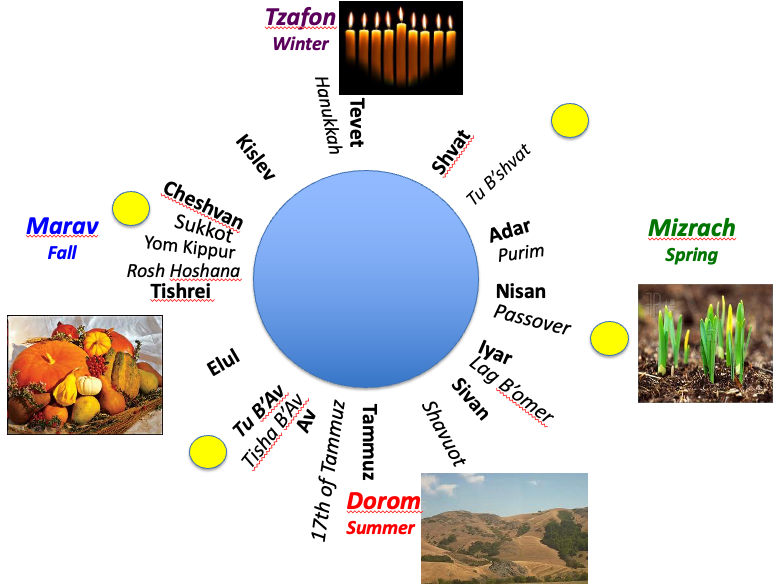

Adam Rishon - The First Earthling and the Winter Solstice
גמ׳ אמר רב חנן בר רבא קלנדא ח' ימים אחר תקופה סטרנורא ח' ימים לפני תקופה וסימנך (תהלים קלט, ה) אחור וקדם צרתני וגו'
GEMARA: Rav Ḥanan bar Rava says: When are these festivals celebrated? Kalenda is celebrated during the eight days after the winter solstice, and Saturnalia is celebrated during the eight days before the winter solstice. And your mnemonic to remember which festival is that the one that occurs after the solstice is mentioned first in the mishna, and the festival that takes place before the solstice is mentioned after, as in the verse: “You have hemmed me in behind and before, and laid Your Hand upon me” (Psalms 139:5), where the word “before” appears after the term “behind.”
ת"ר לפי שראה אדם הראשון יום שמתמעט והולך אמר אוי לי שמא בשביל שסרחתי עולם חשוך בעדי וחוזר לתוהו ובוהו וזו היא מיתה שנקנסה עלי מן השמים עמד וישב ח' ימים בתענית [ובתפלה] כיון שראה תקופת טבת וראה יום שמאריך והולך אמר מנהגו של עולם הוא הלך ועשה שמונה ימים טובים לשנה האחרת עשאן לאלו ולאלו ימים טובים הוא קבעם לשם שמים והם קבעום לשם עבודת כוכבים
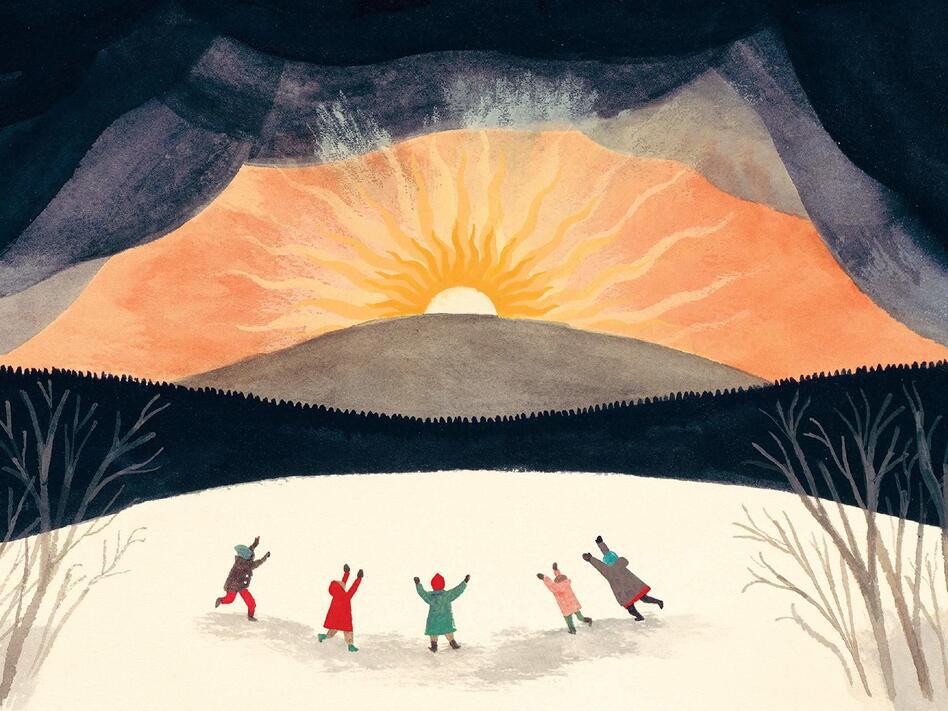
With regard to the dates of these festivals, the Sages taught: When Adam the first man saw that the day was progressively diminishing, as the days become shorter from the autumnal equinox until the winter solstice, he did not yet know that this is a normal phenomenon, and therefore he said: Woe is me; perhaps because I sinned the world is becoming dark around me and will ultimately return to the primordial state of chaos and disorder. And this is the death that was sentenced upon me from Heaven, as it is written: “And to dust shall you return” (Genesis 3:19). He arose and spent eight days in fasting and in prayer. Once he saw that the season of Tevet, i.e., the winter solstice, had arrived, and saw that the day was progressively lengthening after the solstice, he said: Clearly, the days become shorter and then longer, and this is the order of the world. He went and observed a festival for eight days. Upon the next year, he observed both these eight days on which he had fasted on the previous year, and these eight days of his celebration, as days of festivities. He, Adam, established these festivals for the sake of Heaven, but they, the gentiles of later generations, established them for the sake of idol worship.
Beit Hillel versus Beit Shammai - 1 to 8 or 8 to 1?
תָּנוּ רַבָּנַן: מִצְוַת חֲנוּכָּה, נֵר אִישׁ וּבֵיתוֹ. וְהַמְהַדְּרִין, נֵר לְכׇל אֶחָד וְאֶחָד. וְהַמְהַדְּרִין מִן הַמְהַדְּרִין, בֵּית שַׁמַּאי אוֹמְרִים: יוֹם רִאשׁוֹן מַדְלִיק שְׁמֹנָה, מִכָּאן וְאֵילָךְ פּוֹחֵת וְהוֹלֵךְ. וּבֵית הִלֵּל אוֹמְרִים: יוֹם רִאשׁוֹן מַדְלִיק אַחַת, מִכָּאן וְאֵילָךְ מוֹסִיף וְהוֹלֵךְ.
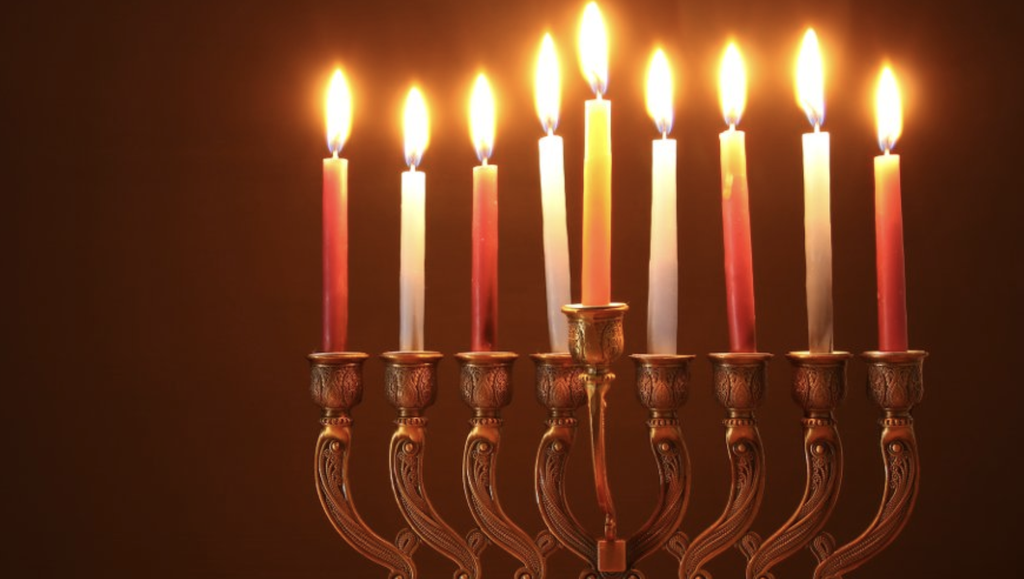
The Sages taught in a baraita: The basic mitzva of Hanukkah is each day to have a light kindled by a person, the head of the household, for himself and his household. And the mehadrin, i.e., those who are meticulous in the performance of mitzvot, kindle a light for each and every one in the household. And the mehadrin min hamehadrin, who are even more meticulous, adjust the number of lights daily. Beit Shammai and Beit Hillel disagree as to the nature of that adjustment. Beit Shammai say: On the first day one kindles eight lights and, from there on, gradually decreases the number of lights until, on the last day of Hanukkah, he kindles one light. And Beit Hillel say: On the first day one kindles one light, and from there on, gradually increases the number of lights until, on the last day, he kindles eight lights.
אָמַר עוּלָּא: פְּלִיגִי בַּהּ תְּרֵי אָמוֹרָאֵי בְּמַעְרְבָא, רַבִּי יוֹסֵי בַּר אָבִין וְרַבִּי יוֹסֵי בַּר זְבִידָא. חַד אָמַר טַעְמָא דְּבֵית שַׁמַּאי כְּנֶגֶד יָמִים הַנִּכְנָסִין, וְטַעְמָא דְּבֵית הִלֵּל כְּנֶגֶד יָמִים הַיּוֹצְאִין. וְחַד אָמַר טַעְמָא דְּבֵית שַׁמַּאי כְּנֶגֶד פָּרֵי הַחַג, וְטַעְמָא דְּבֵית הִלֵּל דְּמַעֲלִין בַּקֹּדֶשׁ וְאֵין מוֹרִידִין.
Ulla said: There were two amora’im in the West, Eretz Yisrael, who disagreed with regard to this dispute, Rabbi Yosei bar Avin and Rabbi Yosei bar Zevida. One said that the reason for Beit Shammai’s opinion is that the number of lights corresponds to the incoming days, i.e., the future. On the first day, eight days remain in Hanukkah, one kindles eight lights, and on the second day seven days remain, one kindles seven, etc. The reason for Beit Hillel’s opinion is that the number of lights corresponds to the outgoing days. Each day, the number of lights corresponds to the number of the days of Hanukkah that were already observed. And one said that the reason for Beit Shammai’s opinion is that the number of lights corresponds to the bulls of the festival of Sukkot: Thirteen were sacrificed on the first day and each succeeding day one fewer was sacrificed (Numbers 29:12–31). The reason for Beit Hillel’s opinion is that the number of lights is based on the principle: One elevates to a higher level in matters of sanctity and one does not downgrade. Therefore, if the objective is to have the number of lights correspond to the number of days, there is no alternative to increasing their number with the passing of each day.
Rededication of the Altar * Miracle of Fire
(כא) ועתה כי יש את נפשנו לחוג את יום חנוכת המזבח בעשרים וחמש לחודש כסלו. לא חדלנו מהודיע אתכם לחוג אותו עמנו.
(כב) וחגותם אותו כימי חג הסוכות, וכיום אשר מצא בו נחמיה את אש הקודש בשובו לבנות את המקדש ואת המזבח, ויקרב עליו עולות וזבחים לאלוהים.
(כג) כי כאשר הוגלו אבותינו ארצה פרס, לקחו הכוהנים הקדושים את האש בסתר מעל המזבח, ויטמנו אותה בשוחה עמוקה ויבשה לשומרה, ולא ידע איש את מקומה.
(כד) ויהי מקץ ימים רבים, בנטות ה' את חסדו עלינו, והמלך שלח את נחמיה ירושלימה.
(כה) ויקח מבני הכוהנים אשר טמנו את האש, וישלחם לבקְשה.
(כו) אולם כאשר הוגד לנו לא מצאו את האש, כי אם מים קפואים מצאו תחתיה, ויצו נחמיה לשאוב את המים ולהביאם.
(כז) ויהי בהקריבם את קורבן ה', ויצו אותם לזרוק מן המים על העצים ועל הקורבן אשר על המזבח, ויעשו כן.
(כח) אחרי כלותם, והשמש יצאה על הארץ, והעבים נפוצו, והנה אש אלוקים מתלקחת בקורבן, וישתומם כל העם מסביב.
(כט) ויפלו הכוהנים וכל העם וישתחוו, עד כי אוּכל הקורבן.
(21) And now there is in our lives to celebrate the day of the dedication of the altar on the 25th of the month of Kislev. We did not refrain from making it known to you to celebrate it with us.
(22) You will celebrate it like the days of the festival of Sukkot, and like the day that on it Nehemiah found the holy fire during his return to build the temple and the altar. He offered on it burnt offerings and sacrifices to God.
(23) For when our forefathers were exiled to Persia, the holy priests secretly took the fire from upon the altar, and they hid it in a deep pit to guard it. Nobody knew its location.
(24) It was at the end of many days, when The Yah pitched its kindness upon us, and the king sent Nehemiah to Jerusalem.
(25) He took descendants of the priests who hid the fire, and he sent them to search for it
(26) But when it was told to us that they didn't find the fire, rather frozen water beneath it, Nehemiah commanded [them] to draw the water and to bring it.
(27) It was when they were offering the sacrifices of Yah, he commanded them to throw the water on the wood and on the sacrifice that was on the altar. They did so.
(28) After they finished [pouring the water], the sun came out over the land, and the clouds scattered. Behold a fire of God is consuming the sacrifice! The entire crowd around was awe struck.
(29) The priests and the people fell and they prostrated, until the sacrifice was consumed.