
Sefer Yechezkel - An Introduction Based on Dr. Tova Ganzel's book Ezekiel: From Destruction to Restoration December 8, 2023
(א) וַיְהִ֣י ׀ בִּשְׁלֹשִׁ֣ים שָׁנָ֗ה בָּֽרְבִיעִי֙ בַּחֲמִשָּׁ֣ה לַחֹ֔דֶשׁ וַאֲנִ֥י בְתֽוֹךְ־הַגּוֹלָ֖ה עַל־נְהַר־כְּבָ֑ר נִפְתְּחוּ֙ הַשָּׁמַ֔יִם וָאֶרְאֶ֖ה מַרְא֥וֹת אֱלֹהִֽים׃
(1) In the thirtieth year,athe thirtieth year We do not know the 30th of what. on the fifth day of the fourth month, when I was in the community of exiles by the Chebar Canal, the heavens opened and I saw visions of God.
The Book of Yechezkel covers a fateful period of some 22 years in the history of the Jewish People: beginning with year five of the exile of King Yehoyakhin (593 B.C.E.), and ending fifteen years after the Destruction of the First Temple (571 B.C.E.). It was a momentous age, unprecedented in many ways. The Jewish nation was split between two centers – Judah and Babylon – with each group maintaining a separate identity. The Destruction of the Temple and the exile that followed created the unprecedented challenge of preserving the nation's identity in the absence of a Temple and cut off from its land.
The sefer is unique among the books of Tanakh - it is the only one that describes what is happening to the Jews during the years of churban bayit rishon, but from an external and internal perspective simultaneously. Yechezkel speaks to us from Bavel; not from Yerushalaim. We hear the immediacy of the nation's painful cries and grief, but the echo of distance and disconnect. [MO: It is very hard for me to not think about this time in late 2023, when I see the difference in how those of us in Medinat Yisrael and those in the diaspora are speaking about the current war.]

(ז) וְאַתָּ֣ה בֶן־אָדָ֔ם צֹפֶ֥ה נְתַתִּ֖יךָ לְבֵ֣ית יִשְׂרָאֵ֑ל וְשָׁמַעְתָּ֤ מִפִּי֙ דָּבָ֔ר וְהִזְהַרְתָּ֥ אֹתָ֖ם מִמֶּֽנִּי׃

(7) Now, O mortal, I have appointed you a lookout for the House of Israel; and whenever you hear a message from My mouth, you must transmit My warning to them.

אָמַר: אַסְתִּיר אֶת פָּנַי מֵהֶם, אֲנִי צוֹפֶה מַה יִּהְיֶה עֲתִידָם, כִּי הֵם דּוֹר הֲפַכְפָּךְ – בָּנִים שֶׁאֵין בָּהֶם אֵמוּן.

[God] said: I will hide My countenance from them,
And see how they fare in the end.
For they are a treacherous breed,
Children with no loyalty in them.
Although the navi was not present in Yerushalaim, he is not unaware of the events occurring there; he observes them from afar. His prophecies are harsh (particularly in the beginning of the sefer). Yet, these prophecies also convey the message that the bond between HaShem and the Jewish people is an eternal bond.
Yechezkel's words are the only clear example of prophecy conveyed in Babylon after the Destruction and prior to Cyrus's declaration and the return to the Land around 35 years later. The independent status of the Jewish community in Babylon during this time is discernible in several ways, including the king of Babylon’s treatment of Yehoyakhin.
(כז) וַיְהִי֩ בִשְׁלֹשִׁ֨ים וָשֶׁ֜בַע שָׁנָ֗ה לְגָלוּת֙ יְהוֹיָכִ֣ין מֶֽלֶךְ־יְהוּדָ֔ה בִּשְׁנֵ֤ים עָשָׂר֙ חֹ֔דֶשׁ בְּעֶשְׂרִ֥ים וְשִׁבְעָ֖ה לַחֹ֑דֶשׁ נָשָׂ֡א אֱוִ֣יל מְרֹדַךְ֩ מֶ֨לֶךְ בָּבֶ֜ל בִּשְׁנַ֣ת מׇלְכ֗וֹ אֶת־רֹ֛אשׁ יְהוֹיָכִ֥ין מֶלֶךְ־יְהוּדָ֖ה מִבֵּ֥ית כֶּֽלֶא׃ (כח) וַיְדַבֵּ֥ר אִתּ֖וֹ טֹב֑וֹת וַיִּתֵּן֙ אֶת־כִּסְא֔וֹ מֵעַ֗ל כִּסֵּ֧א הַמְּלָכִ֛ים אֲשֶׁ֥ר אִתּ֖וֹ בְּבָבֶֽל׃ (כט) וְשִׁנָּ֕א אֵ֖ת בִּגְדֵ֣י כִלְא֑וֹ וְאָכַ֨ל לֶ֧חֶם תָּמִ֛יד לְפָנָ֖יו כׇּל־יְמֵ֥י חַיָּֽיו׃ (ל) וַאֲרֻחָת֗וֹ אֲרֻחַ֨ת תָּמִ֧יד נִתְּנָה־לּ֛וֹ מֵאֵ֥ת הַמֶּ֖לֶךְ דְּבַר־י֣וֹם בְּיוֹמ֑וֹ כֹּ֖ל יְמֵ֥י חַיָּֽו׃
(27) In the thirty-seventh year of the exile of King Jehoiachin of Judah, on the twenty-seventh day of the twelfth month, King Evil-merodach of Babylon, in the year he became king, took note ofgtook note of Lit. “raised the head of.” King Jehoiachin of Judah and released him from prison. (28) He spoke kindly to him, and gave him a throne above those of other kings who were with him in Babylon. (29) His prison garments were removed, and [Jehoiachin] received regular rations by his favor for the rest of his life. (30) A regular allotment of food was given him at the king’s behest—an allotment for each day—all the days of his life.
(לא) וַיְהִי֩ בִשְׁלֹשִׁ֨ים וָשֶׁ֜בַע שָׁנָ֗ה לְגָלוּת֙ יְהוֹיָכִ֣ן מֶלֶךְ־יְהוּדָ֔ה בִּשְׁנֵ֤ים עָשָׂר֙ חֹ֔דֶשׁ בְּעֶשְׂרִ֥ים וַחֲמִשָּׁ֖ה לַחֹ֑דֶשׁ נָשָׂ֡א אֱוִ֣יל מְרֹדַךְ֩ מֶ֨לֶךְ בָּבֶ֜ל בִּשְׁנַ֣ת מַלְכֻת֗וֹ אֶת־רֹאשׁ֙ יְהוֹיָכִ֣ין מֶֽלֶךְ־יְהוּדָ֔ה וַיֹּצֵ֥א אֹת֖וֹ מִבֵּ֥ית (הכליא) [הַכְּלֽוּא]׃ (לב) וַיְדַבֵּ֥ר אִתּ֖וֹ טֹב֑וֹת וַיִּתֵּן֙ אֶת־כִּסְא֔וֹ מִמַּ֗עַל לְכִסֵּ֧א (מלכים) [הַמְּלָכִ֛ים] אֲשֶׁ֥ר אִתּ֖וֹ בְּבָבֶֽל׃ (לג) וְשִׁנָּ֕ה אֵ֖ת בִּגְדֵ֣י כִלְא֑וֹ וְאָכַ֨ל לֶ֧חֶם לְפָנָ֛יו תָּמִ֖יד כׇּל־יְמֵ֥י חַיָּֽו׃ (לד) וַאֲרֻחָת֗וֹ אֲרֻחַת֩ תָּמִ֨יד נִתְּנָה־לּ֜וֹ מֵאֵ֧ת מֶלֶךְ־בָּבֶ֛ל דְּבַר־י֥וֹם בְּיוֹמ֖וֹ עַד־י֣וֹם מוֹת֑וֹ כֹּ֖ל יְמֵ֥י חַיָּֽיו׃
(31) In the thirty-seventh year of the exile of King Jehoiachin of Judah, on the twenty-fifth day of the twelfth month, King Evil-merodach of Babylon, in the year he became king, took note ofitook note of Lit. “raised the head of.” King Jehoiachin of Judah and released him from prison. (32) He spoke kindly to him, and gave him a throne above those of other kings who were with him in Babylon. (33) He removed his prison garments and [Jehoiachin] ate regularly in his presence the rest of his life. (34) A regular allotment of food was given him by order of the king of Babylon, an allotment for each day, to the day of his death—all the days of his life.
And the Jews apparently maintained this status throughout the Second Temple Period (Esther 2:5-6).
(ה) אִ֣ישׁ יְהוּדִ֔י הָיָ֖ה בְּשׁוּשַׁ֣ן הַבִּירָ֑ה וּשְׁמ֣וֹ מׇרְדֳּכַ֗י בֶּ֣ן יָאִ֧יר בֶּן־שִׁמְעִ֛י בֶּן־קִ֖ישׁ אִ֥ישׁ יְמִינִֽי׃ (ו) אֲשֶׁ֤ר הׇגְלָה֙ מִיר֣וּשָׁלַ֔יִם עִם־הַגֹּלָה֙ אֲשֶׁ֣ר הׇגְלְתָ֔ה עִ֖ם יְכׇנְיָ֣ה מֶֽלֶךְ־יְהוּדָ֑ה אֲשֶׁ֣ר הֶגְלָ֔ה נְבוּכַדְנֶצַּ֖ר מֶ֥לֶךְ בָּבֶֽל׃
(5) In the fortress Shushan lived a Jew by the name of Mordecai, son of Jair son of Shimei son of Kish, a Benjaminite. (6) [Kish] had been exiled from Jerusalem in the group that was carried into exile along with King Jeconiah of Judah, which had been driven into exile by King Nebuchadnezzar of Babylon.
The Book of Yechezkel is essential in understanding both the Destruction and Exile and their lasting influence on the Diaspora Jewish identity to this day.
The Book of Yechezkel is organized chronologically, with chapters 1-24 dating before the Destruction and chapters 33-48 to the years after it. At its center (chapters 25-32) is a collection of prophecies directed towards other nations; these are placed together because of their content, rather than out of chronological considerations. The last explicit (?) date is 29:17
(יז) וַיְהִ֗י בְּעֶשְׂרִ֤ים וָשֶׁ֙בַע֙ שָׁנָ֔ה בָּרִאשׁ֖וֹן בְּאֶחָ֣ד לַחֹ֑דֶשׁ הָיָ֥ה דְבַר־יְהֹוָ֖ה אֵלַ֥י לֵאמֹֽר׃
(17) In the twenty-seventh year, on the first day of the first month, the word of GOD came to me:
Historical Context
The prophet Yechezkel is not mentioned by name in the other Books of Tanakh. Nevertheless, the account provided in Sefer Melakhim supplies us with the historical context within which Sefer Yechezkel was written.
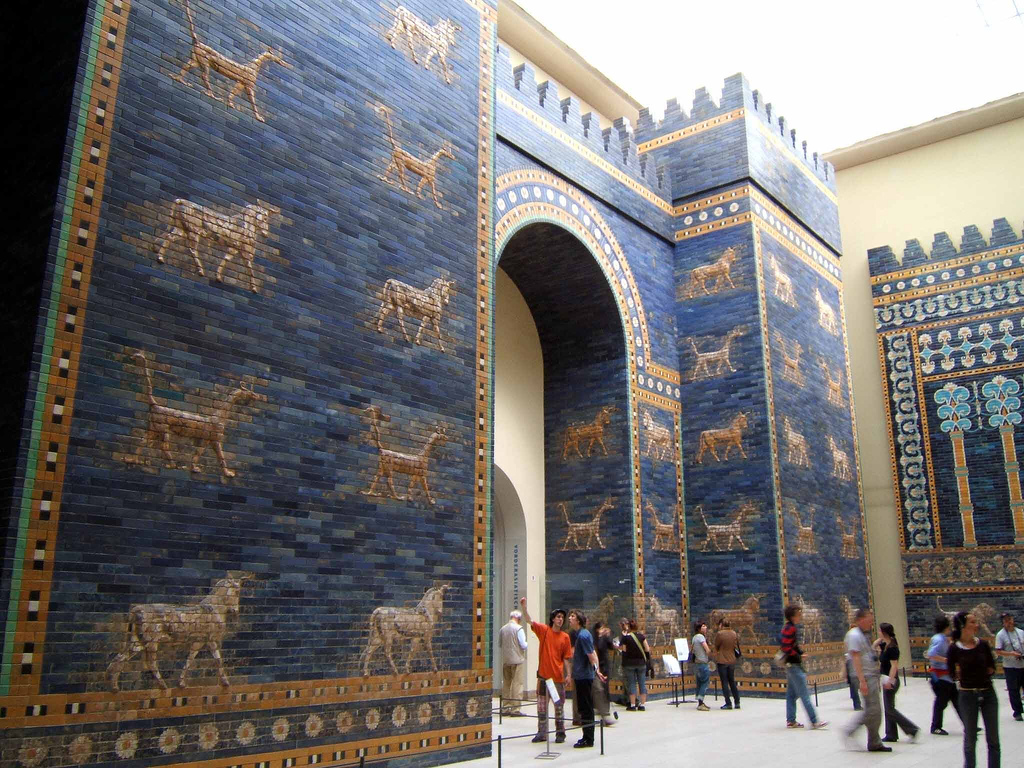
Nebuchadnezzar (Neb. - it is too long to type) ruled from 605-562 BCE. Neb remains famous for his military campaigns, for his construction projects in his capital, Babylon, including the Hanging Gardens of Babylon and the Ishtar Gate (see below), and for the role he plays in Jewish history. Ruling for 43 years, Nebuchadnezzar was the longest-reigning king of the Babylonian dynasty. By the time of his death, he was among the most powerful rulers in the world.
Before becoming king, he led the Babylonian army against the Egyptians in the battle of Carchemish.
(ב) לְמִצְרַ֗יִם עַל־חֵ֨יל פַּרְעֹ֤ה נְכוֹ֙ מֶ֣לֶךְ מִצְרַ֔יִם אֲשֶׁר־הָיָ֥ה עַל־נְהַר־פְּרָ֖ת בְּכַרְכְּמִ֑שׁ אֲשֶׁ֣ר הִכָּ֗ה נְבֽוּכַדְרֶאצַּר֙ מֶ֣לֶךְ בָּבֶ֔ל בִּשְׁנַת֙ הָרְבִיעִ֔ית לִיהוֹיָקִ֥ים בֶּן־יֹאשִׁיָּ֖הוּ מֶ֥לֶךְ יְהוּדָֽה׃
(2) Concerning Egypt, about the army of Pharaoh Neco, king of Egypt, which was at the river Euphrates near Carchemish, and which was defeated by King Nebuchadrezzar of Babylon, in the fourth year of King Jehoiakim son of Josiah of Judah.
The account of the battle in the Babylonian Chronicle reads as follows:
The king of Akkad[e] stayed home (while) Nebuchadnezzar, his eldest son (and) crown prince mustered [the army of Akkad]. He took his army's lead and marched to Carchemish, which is on the bank of the Euphrates. He crossed the river at Carchemish. [...] They did battle together. The army of Egypt retreated before him. He inflicted a [defeat] upon them (and) finished them off completely. In the district of Hamath the army of Akkad overtook the remainder of the army of [Egypt which] managed to escape [from] the defeat and which was not overcome. They inflicted a defeat upon them (so that) a single (Egyptian) man [did not return] home. At that time Nebuchadnezzar conquered all of Ha[ma]th. (See Nebuchadnezzar the Warrior: Remarks on his Military Achievements, by Israel Ephʿal in Israel Exploration Journal Vol. 53, No. 2 (2003), pp. 178-191 (14 pages) (https://www.jstor.org/stable/27927044).
A few months after the battle of Carchemish, Neb's father died and he returned to Babylonia to be coronated. In 604 BCE, Neb's army conquered Ashkelon. In 601 BCE, he fought against the king of Egypt. So, Yehoiakim decided to rebel.
(א) בְּיָמָ֣יו עָלָ֔ה נְבֻכַדְנֶאצַּ֖ר מֶ֣לֶךְ בָּבֶ֑ל וַיְהִי־ל֨וֹ יְהוֹיָקִ֥ים עֶ֙בֶד֙ שָׁלֹ֣שׁ שָׁנִ֔ים וַיָּ֖שׇׁב וַיִּמְרׇד־בּֽוֹ׃
(1) In his days, King Nebuchadnezzar of Babylon came up, and Jehoiakim became his vassal for three years. Then he turned and rebelled against him.
We know how Neb dealt with defeated kings.
(ז) וְלֹֽא־הֹסִ֥יף עוֹד֙ מֶ֣לֶךְ מִצְרַ֔יִם לָצֵ֖את מֵֽאַרְצ֑וֹ כִּֽי־לָקַ֞ח מֶ֣לֶךְ בָּבֶ֗ל מִנַּ֤חַל מִצְרַ֙יִם֙ עַד־נְהַר־פְּרָ֔ת כֹּ֛ל אֲשֶׁ֥ר הָיְתָ֖ה לְמֶ֥לֶךְ מִצְרָֽיִם׃ {פ}

(7) The king of Egypt did not venture out of his country again, for the king of Babylon had seized all the land that had belonged to the king of Egypt, from the Wadi of Egypt to the River Euphrates.

In 597 BCE, Neb laid siege to Yerushalaim in response to the rebellion, but it seems that Yehoiakim died before then. His son, Yehoiachin ascended the throne and then 3 months later surrendered to Neb.
The Babylonian historical record breaks off in the eleventh year of Neb's reign, so we are unsure of the exact timing of Yehoiachin's rebellion - perhaps in 595 BCE. (See Yechezkel Ch. 17 and Jeremiah Ch. 27) Neb again laid seige to Yerushalaim (beginning on 10th of Tevet in ninth year of Tzidkiyahu and lasting until the 9th of Av in the eleventh year of his reign - in the summer of 586 BCE).
(ג) בְּתִשְׁעָ֣ה לַחֹ֔דֶשׁ וַיֶּחֱזַ֥ק הָֽרָעָ֖ב בָּעִ֑יר וְלֹא־הָ֥יָה לֶ֖חֶם לְעַ֥ם הָאָֽרֶץ׃ (ד) וַתִּבָּקַ֣ע הָעִ֗יר וְכׇל־אַנְשֵׁ֨י הַמִּלְחָמָ֤ה ׀ הַלַּ֙יְלָה֙ דֶּ֜רֶךְ שַׁ֣עַר ׀ בֵּ֣ין הַחֹמֹתַ֗יִם אֲשֶׁר֙ עַל־גַּ֣ן הַמֶּ֔לֶךְ וְכַשְׂדִּ֥ים עַל־הָעִ֖יר סָבִ֑יב וַיֵּ֖לֶךְ דֶּ֥רֶךְ הָעֲרָבָֽה׃
(3) By the ninth day [of the fourth month]b[of the fourth month] Cf. Jer. 52.6. the famine had become acute in the city; there was no food left for the common people. (4) Then [the wall of] the city was breached. All the soldiers [left the city] by night through the gate between the double walls, which is near the king’s garden—the Chaldeans were all around the city; and [the king] set out for the Arabah.cArabah Hoping to escape across the Jordan.
Sefer Melachim does provide us with the perspective of what was happening from Yerushalaim.
(י) בָּעֵ֣ת הַהִ֔יא (עלה) [עָל֗וּ] עַבְדֵ֛י נְבֻכַדְנֶאצַּ֥ר מֶלֶךְ־בָּבֶ֖ל יְרוּשָׁלָ֑͏ִם וַתָּבֹ֥א הָעִ֖יר בַּמָּצֽוֹר׃ (יא) וַיָּבֹ֛א נְבֻכַדְנֶאצַּ֥ר מֶלֶךְ־בָּבֶ֖ל עַל־הָעִ֑יר וַעֲבָדָ֖יו צָרִ֥ים עָלֶֽיהָ׃ (יב) וַיֵּצֵ֞א יְהוֹיָכִ֤ין מֶֽלֶךְ־יְהוּדָה֙ עַל־מֶ֣לֶךְ בָּבֶ֔ל ה֣וּא וְאִמּ֔וֹ וַעֲבָדָ֖יו וְשָׂרָ֣יו וְסָרִיסָ֑יו וַיִּקַּ֤ח אֹתוֹ֙ מֶ֣לֶךְ בָּבֶ֔ל בִּשְׁנַ֥ת שְׁמֹנֶ֖ה לְמׇלְכֽוֹ׃ (יג) וַיּוֹצֵ֣א מִשָּׁ֗ם אֶת־כׇּל־אֽוֹצְרוֹת֙ בֵּ֣ית יְהֹוָ֔ה וְאוֹצְר֖וֹת בֵּ֣ית הַמֶּ֑לֶךְ וַיְקַצֵּ֞ץ אֶת־כׇּל־כְּלֵ֣י הַזָּהָ֗ב אֲשֶׁ֨ר עָשָׂ֜ה שְׁלֹמֹ֤ה מֶֽלֶךְ־יִשְׂרָאֵל֙ בְּהֵיכַ֣ל יְהֹוָ֔ה כַּאֲשֶׁ֖ר דִּבֶּ֥ר יְהֹוָֽה׃ (יד) וְהִגְלָ֣ה אֶת־כׇּל־יְ֠רוּשָׁלַ֠͏ִם וְֽאֶת־כׇּל־הַשָּׂרִ֞ים וְאֵ֣ת ׀ כׇּל־גִּבּוֹרֵ֣י הַחַ֗יִל (עשרה) [עֲשֶׂ֤רֶת] אֲלָפִים֙ גּוֹלֶ֔ה וְכׇל־הֶחָרָ֖שׁ וְהַמַּסְגֵּ֑ר לֹ֣א נִשְׁאַ֔ר זוּלַ֖ת דַּלַּ֥ת עַם־הָאָֽרֶץ׃ (טו) וַיֶּ֥גֶל אֶת־יְהוֹיָכִ֖ין בָּבֶ֑לָה וְאֶת־אֵ֣ם הַ֠מֶּ֠לֶךְ וְאֶת־נְשֵׁ֨י הַמֶּ֜לֶךְ וְאֶת־סָרִיסָ֗יו וְאֵת֙ (אולי) [אֵילֵ֣י] הָאָ֔רֶץ הוֹלִ֛יךְ גּוֹלָ֥ה מִירוּשָׁלַ֖͏ִם בָּבֶֽלָה׃ (טז) וְאֵת֩ כׇּל־אַנְשֵׁ֨י הַחַ֜יִל שִׁבְעַ֣ת אֲלָפִ֗ים וְהֶחָרָ֤שׁ וְהַמַּסְגֵּר֙ אֶ֔לֶף הַכֹּ֕ל גִּבּוֹרִ֖ים עֹשֵׂ֣י מִלְחָמָ֑ה וַיְבִיאֵ֧ם מֶלֶךְ־בָּבֶ֛ל גּוֹלָ֖ה בָּבֶֽלָה׃ (יז) וַיַּמְלֵ֧ךְ מֶלֶךְ־בָּבֶ֛ל אֶת־מַתַּנְיָ֥ה דֹד֖וֹ תַּחְתָּ֑יו וַיַּסֵּ֥ב אֶת־שְׁמ֖וֹ צִדְקִיָּֽהוּ׃ {פ}

(10) At that time, the troopsatroops Heb. “servants.” of King Nebuchadnezzar of Babylon marched against Jerusalem, and the city came under siege. (11) King Nebuchadnezzar of Babylon advanced against the city while his troops were besieging it. (12) Thereupon King Jehoiachin of Judah, along with his mother, and his courtiers, commanders, and officers, surrendered to the king of Babylon. The king of Babylon took him captive in the eighth year of his reign. (13) He carried off from Jerusalembfrom Jerusalem Heb. “from there.” all the treasures of the House of GOD and the treasures of the royal palace; he stripped off all the golden decorations in the Temple of GOD —which King Solomon of Israel had made—as GOD had warned. (14) He exiled all of Jerusalem: all the commanders and all the warriors—ten thousand exiles—as well as all the artisans and smiths; only the poorest people in the land were left. (15) He deported Jehoiachin to Babylon; and the king’s mother and wives and officers and the notables of the land were brought as exiles from Jerusalem to Babylon. (16) All the able men, to the number of seven thousand—all of them warriors, trained for battle—and a thousand artisans and smiths were brought to Babylon as exiles by the king of Babylon. (17) And the king of Babylon appointed Mattaniah, Jehoiachin’scJehoiachin’s Heb. “his.” uncle, king in his place, changing his name to Zedekiah.

In the year 597 BCE, Neb exiled the elite of the population of Yehuda. These exiles included Yechezkel son of Buzi, a Kohen and a prophet. Yehoyakhin’s exile was a pivotal event for Yechezkel. The entire chronology of the Book is counted according to the years of the exile of Yehoyakhin (1:2; 8:1; 20:1; 24:1; 26:1; 30:20; 31:1), as is the date of the prophecy foretelling the Destruction of the Temple (33:41), as well as the prophecies that were revealed post-Destruction (29:17; 32:1,17; 40:1). This exile dealt a heavy national blow to the lifestyle and status of the inhabitants of Judah. Without the king and his family, the men of valor, the craftsmen, and all the treasures of God's House and of the king's house, the land was left destitute.
Neb probably considered this exile, in which he removed one king (Yehoyakhin) and replaced him with another (Tzidkiyahu), to be more significant in asserting Babylonia’s authority over Judah than the exile that followed the Destruction of the Temple eleven years later. The appointment of Gedalia after the conquest of Jerusalem and the Destruction of the Temple indicates that, in Neb's eyes, the fate of the inhabitants of Jerusalem had been sealed earlier. But the locals saw things differently. To them, as long as the Temple was standing nothing had really changed. The events of the past, in particular the campaign of Sancheriv, still echoed in their ears. They expected that another miracle would save them in the final moments of the siege, and firmly believed that the Temple was indestructible.
The "people of Your redemption" vs. "the inhabitants of Jerusalem"
Yechezkel addressed his prophecy to the exiles who had been carried away with him in the exile of Yehoyakhin to Babylon. The purpose of Yechezkel's prophecies – in the years preceding the Destruction – was to inform the people that God had departed from His Temple in Jerusalem and a new reality had begun. The sefer abounds with discussions of the new reality and the dilemmas it raises, including how does Divine retribution relate to the individual (chapters 14, 18, 33)? What is the proper attitude towards Babylonia (chapter 17)? What is the status of the covenant between the nation of Israel and God, now that it has been violated by the nation and the Temple is destroyed (especially chapters 20, 36)? The prophetic response to these questions lays the foundation for understanding the future redemption of Israel (chapters 34-39), the vision of the future Temple (chapters 40-48), and the prophecies to the nations (chapters 25-32).
Although most of the prophecies to the exiles of Yehoyakhin relate to what is happening in the Land in those years, some of the prophecies in the Book paint a picture of God's view of the Babylonian exiles, in particular how their identity is distinct from that of the inhabitants of Jerusalem during the same years. In chapter 11 Yechezkel quotes the "inhabitants of Jerusalem," who say that the exiles have distanced themselves from God and from His Land, and that they are not counted among the inheritors of the land and those close to God:

(יד) וַיְהִ֥י דְבַר־יְהֹוָ֖ה אֵלַ֥י לֵאמֹֽר׃ (טו) בֶּן־אָדָ֗ם אַחֶ֤יךָ אַחֶ֙יךָ֙ אַנְשֵׁ֣י גְאֻלָּתֶ֔ךָ וְכׇל־בֵּ֥ית יִשְׂרָאֵ֖ל כֻּלֹּ֑ה אֲשֶׁר֩ אָמְר֨וּ לָהֶ֜ם יֹשְׁבֵ֣י יְרוּשָׁלַ֗͏ִם רַֽחֲקוּ֙ מֵעַ֣ל יְהֹוָ֔ה לָ֥נוּ הִ֛יא נִתְּנָ֥ה הָאָ֖רֶץ לְמוֹרָשָֽׁה׃ {ס}

(14) Then the word of GOD came to me: (15) “O mortal, [I will save] your kinsfolk, your relatives—your next of kinbyour next of kin I.e., the exiles. —all of that very House of Israel to whom the inhabitants of Jerusalem say, ‘Keep far from GOD; the land has been given as a heritage to us.’ (Dr. Ganzel translates this as: "They are far from the Lord; to us the land has been given as a possession.")

HaShem's response, however, conveyed through the prophet, is that while those taken in captivity are currently in exile, God is with them there, as a "miniature Temple":
(טז) לָכֵ֣ן אֱמֹ֗ר כֹּֽה־אָמַר֮ אֲדֹנָ֣י יֱהֹוִה֒ כִּ֤י הִרְחַקְתִּים֙ בַּגּוֹיִ֔ם וְכִ֥י הֲפִיצוֹתִ֖ים בָּאֲרָצ֑וֹת וָאֱהִ֤י לָהֶם֙ לְמִקְדָּ֣שׁ מְעַ֔ט בָּאֲרָצ֖וֹת אֲשֶׁר־בָּ֥אוּ שָֽׁם׃ {ס}
(16) Say then: Thus said the Sovereign GOD: I have indeed removed them far among the nations and have scattered them among the countries, and I have become to them a diminished sanctity in the countries whither they have gone.
This dialogue – featuring both the claim of the inhabitants of Jerusalem and reassurance to the exiles – demonstrates the exiles’ uncertainty regarding their identity in relation to the inhabitants of Jerusalem, and their questioning of God's place in their midst. Their concern is unsurprising considering that the ten tribes who had been exiled some 150 years previously (some already in the year 732 B.C.E., and the majority in the years 722-720 B.C.E.) had lost their Jewish identity. Thus, Yechezkel's prophetic message (like that of Yirmiyahu in chapter 29:1-9) to the exiles is a new one and requires a change of historical perspective. For the first time, the prophets affirm the Jewish identity of the exiles: they remain part of God’s nation, even though the Jews still living in their homeland have a different view, and maintain that God's place is still in the Temple in their midst.
Surprisingly, this view of the inhabitants of the land does not change even after the Destruction, as we learn from a different dialogue that Yechezkel quotes in his prophecies:
(כג) וַיְהִ֥י דְבַר־יְהֹוָ֖ה אֵלַ֥י לֵאמֹֽר׃ (כד) בֶּן־אָדָ֗ם יֹ֠שְׁבֵ֠י הֶחֳרָב֨וֹת הָאֵ֜לֶּה עַל־אַדְמַ֤ת יִשְׂרָאֵל֙ אֹמְרִ֣ים לֵאמֹ֔ר אֶחָד֙ הָיָ֣ה אַבְרָהָ֔ם וַיִּירַ֖שׁ אֶת־הָאָ֑רֶץ וַאֲנַ֣חְנוּ רַבִּ֔ים לָ֛נוּ נִתְּנָ֥ה הָאָ֖רֶץ לְמוֹרָשָֽׁה׃ {ס}
(23) The word of GOD came to me: (24) O mortal, those who live in these ruins in the land of Israel argue, “Abraham was but one man, yet he was granted possession of the land. We are many; surely, the land has been given as a possession to us.”
Even after the burning of the Temple, the destruction of Jerusalem, and the captivity led away by Nevuzaradan (Melakhim II 25), when only a tiny number of the "poor of the land" are left in Jerusalem, they maintain their view that they are numerous in comparison with the solitary Avraham. Therefore those who remain in the land will inherit the land, they claim, not those who have been taken into captivity to Babylon. The prophet dismisses this view:
(כה) לָכֵן֩ אֱמֹ֨ר אֲלֵהֶ֜ם כֹּה־אָמַ֣ר ׀ אֲדֹנָ֣י יֱהֹוִ֗ה עַל־הַדָּ֧ם ׀ תֹּאכֵ֛לוּ וְעֵינֵכֶ֛ם תִּשְׂא֥וּ אֶל־גִּלּוּלֵיכֶ֖ם וְדָ֣ם תִּשְׁפֹּ֑כוּ וְהָאָ֖רֶץ תִּירָֽשׁוּ׃ (כו) עֲמַדְתֶּ֤ם עַֽל־חַרְבְּכֶם֙ עֲשִׂיתֶ֣ן תּוֹעֵבָ֔ה וְאִ֛ישׁ אֶת־אֵ֥שֶׁת רֵעֵ֖הוּ טִמֵּאתֶ֑ם וְהָאָ֖רֶץ תִּירָֽשׁוּ׃ {ס}
(25) Therefore say to them: Thus said the Sovereign GOD: You eat with the blood, you raise your eyes to your fetishes, and you shed blood—yet you expect to possess the land! (26) You men have relied on your sword, you have committed abominations, you have defiled one another’s wives—yet you expect to possess the land!
Those who have remained in the land have not learned the lessons of the Destruction, points out the prophet. They continue to sin. The sins Yechezkel lists here are unconnected to the Temple, which is destroyed. He goes on to reject the claim of those remaining in the land; not only are they not destined to inherit the land, but it will instead become completely desolate (which indeed is what happened after the murder of Gedalia):
(כז) כֹּה־תֹאמַ֨ר אֲלֵהֶ֜ם כֹּה־אָמַ֨ר אֲדֹנָ֣י יֱהֹוִה֮ חַי־אָ֒נִי֒ אִם־לֹ֞א אֲשֶׁ֤ר בֶּֽחֳרָבוֹת֙ בַּחֶ֣רֶב יִפֹּ֔לוּ וַֽאֲשֶׁר֙ עַל־פְּנֵ֣י הַשָּׂדֶ֔ה לַחַיָּ֥ה נְתַתִּ֖יו לְאׇכְל֑וֹ וַאֲשֶׁ֛ר בַּמְּצָד֥וֹת וּבַמְּעָר֖וֹת בַּדֶּ֥בֶר יָמֽוּתוּ׃ (כח) וְנָתַתִּ֤י אֶת־הָאָ֙רֶץ֙ שְׁמָמָ֣ה וּמְשַׁמָּ֔ה וְנִשְׁבַּ֖ת גְּא֣וֹן עֻזָּ֑הּ וְשָׁ֥מְמ֛וּ הָרֵ֥י יִשְׂרָאֵ֖ל מֵאֵ֥ין עוֹבֵֽר׃ (כט) וְיָדְע֖וּ כִּֽי־אֲנִ֣י יְהֹוָ֑ה בְּתִתִּ֤י אֶת־הָאָ֙רֶץ֙ שְׁמָמָ֣ה וּמְשַׁמָּ֔ה עַ֥ל כׇּל־תּוֹעֲבֹתָ֖ם אֲשֶׁ֥ר עָשֽׂוּ׃ {פ}
(27) Thus shall you speak to them: Thus said the Sovereign GOD: As I live, those who are in the ruins shall fall by the sword, and those who are in the open I have allotted as food to the beasts, and those who are in the strongholds and caves shall die by pestilence. (28) I will make the land a desolate waste, and its proud glory shall cease; and the mountains of Israel shall be desolate, with none passing through. (29) And they shall know that I am GOD, when I make the land a desolate waste on account of all the abominations that they have committed.
The dwelling places of those remaining in the land described here is typical of a population left after the destruction of the city: they live in the open fields, in strongholds, and in caves. But if this prophecy brought some comfort to the captives in Babylonia, Yechezkel concludes that it is not only the remnants in the land who have not changed their deeds following the Destruction, but also those exiled with Yehoyakhin:
(ל) וְאַתָּ֣ה בֶן־אָדָ֔ם בְּנֵ֣י עַמְּךָ֗ הַנִּדְבָּרִ֤ים בְּךָ֙ אֵ֣צֶל הַקִּיר֔וֹת וּבְפִתְחֵ֖י הַבָּתִּ֑ים וְדִבֶּר־חַ֣ד אֶת־אַחַ֗ד אִ֤ישׁ אֶת־אָחִיו֙ לֵאמֹ֔ר בֹּאוּ־נָ֣א וְשִׁמְע֔וּ מָ֣ה הַדָּבָ֔ר הַיּוֹצֵ֖א מֵאֵ֥ת יְהֹוָֽה׃ (לא) וְיָב֣וֹאוּ אֵ֠לֶ֠יךָ כִּמְבוֹא־עָ֞ם וְיֵשְׁב֤וּ לְפָנֶ֙יךָ֙ עַמִּ֔י וְשָֽׁמְעוּ֙ אֶת־דְּבָרֶ֔יךָ וְאוֹתָ֖ם לֹ֣א יַעֲשׂ֑וּ כִּֽי־עֲגָבִ֤ים בְּפִיהֶם֙ הֵ֣מָּה עֹשִׂ֔ים אַחֲרֵ֥י בִצְעָ֖ם לִבָּ֥ם הֹלֵֽךְ׃ (לב) וְהִנְּךָ֤ לָהֶם֙ כְּשִׁ֣יר עֲגָבִ֔ים יְפֵ֥ה ק֖וֹל וּמֵטִ֣ב נַגֵּ֑ן וְשָֽׁמְעוּ֙ אֶת־דְּבָרֶ֔יךָ וְעֹשִׂ֥ים אֵינָ֖ם אוֹתָֽם׃ (לג) וּבְבֹאָ֑הּ הִנֵּ֣ה בָאָ֔ה וְיָ֣דְע֔וּ כִּ֥י נָבִ֖יא הָיָ֥ה בְתוֹכָֽם׃ {פ}
(30) Note well, O mortal: your people who converse about you by the walls and in the doorways of their houses and say to each other and propose to one another, “Come and hear what word has issued from GOD.” (31) They will come to you in crowds and sit before you in throngsein crowds and sit before you in throngs Meaning of Heb. uncertain. Lit. “as a people come, and sit before you as My people.” and will hear your words, but they will not obey them. For they produce nothing but lust with their mouths;fthey produce nothing but lust with their mouths Meaning of Heb. uncertain. and their hearts pursue nothing but gain. (32) To them you are just a singer of bawdy songs, who has a sweet voice and plays skillfully; they hear your words, but will not obey them. (33) But when the predicted punishmentgthe predicted punishment Heb. “it”; cf. vv. 27–28. comes—and come it will—they shall know that a prophet has been among them.
The Destruction establishes Yechezkel’s authenticity as a prophet who bears God's word. But even though the people come to hear God's word from him, their behavior remains unchanged even after they find out that the Temple has been burned and Jerusalem destroyed.
Both groups, the inhabitants in the land and those exiled to Babylonia, despite their differences, have this in common: neither changed its behavior during these years. Perhaps, then, we can suggest that Yechezkel's prophetic mission during these years was not to call upon the people to mend their ways and repent, but rather to explain the significance of the events in Jerusalem, and thereby to prepare the ground for the prophecies of rebuilding which came after the Destruction, as well as the vision of the future Temple.
"The language of this prophet is exceedingly wondrous and esoteric, and brief"
A literalist ("peshat") reading of the prophecies of Yechezkel raises many difficulties, and R. Eliezer of Beaugency notes this from his Introduction to the Book until his commentary on the concluding chapters dealing with the Temple (40-48).
Eliezer was born at Beaugency, capital of a canton in the department of Loiret. A student of Rashbam, Eliezer was one of the most distinguished representatives of Rashbam's school and of the exegesis of northern France. His chief concern was to find the connection between successive verses and the sequence of thought, a method that is also characteristic of the system of interpretation employed by Rashbam as well as Joseph Kara. Not concerned with grammatical observations or daring criticisms, he reached very happy results in explaining certain figurative passages in accordance with the metaphors employed in the context. He often used French terms to express his thoughts more clearly. His interpretation is entirely free from midrashic admixture. He was particularly interested in dating the Biblical prophecies and identifying the events mentioned in them.
Dr. Ganzel tries to understand the plain meaning of Sefer Yechezkel, walking in the footsteps of this important work. Rabbi Eliezer of Beaugency's Introduction to Sefer Yechezkel begins with the difficulty of interpreting the words of the prophet:
"Son of man, see with your own eyes and hear with your own ears and set your heart to the language of this prophet, for it is wondrous, esoteric, and brief. Even to our Sages, of blessed memory, his words appeared to contradict teachings of the Torah, so esoteric and concise were they…"
After pointing out the difficulty of studying Sefer Yechezkel in general, R. Eliezer of Beaugency then goes on to address the first specific problem that arises (as addressed also by the other commentaries), namely the date with which the Book begins:
"And it was in the thirtieth year, in the fourth [month], on the fifth of the month…" (1:1)
First, there is no indication of the point from which the prophet counts these thirty years. Second, the next verse gives a different date, counting from the exile of Yehoyakhin, but the relationship between the two counts is unclear:
"On the fifth of the month, which was in the fifth year of the exile of king Yehoyakhin…" (ibid. 2)
R. Eliezer of Beaugency writes, in his introduction:
"Note that that at the start his words, he does not explain how he calculates 'thirty years.' And although the words of Targum [Yonatan] are straightforward, explaining that this is [thirty years] since Chilkiyahu the Kohen found the Sefer Torah, nevertheless this is not the [customary] way of the Scriptures [to count]. Nevertheless, we have no other way of explaining it, although we do not know why he saw fit to count from that point. Looking at the Book as a whole, we might suggest the following: we find no prophet rebuking his own generation about Torah and the commandments the way that he does. Most of what he says is like Torah speech, he almost repeats the entire Torah for them. Note that this is true in many matters. Since the Book of Torah was revealed to them in his days, and he was in the exile where there were no kohanim or prophets as there were in the Land, he told them off in accordance with the Sefer Torah that had been found. It was as though he was teaching them a new Torah, for it had been forgotten in the days of Menashe. And since his prophecies and his words concerned the words of the Sefer Torah that had been found, therefore he counted [the years] from the time of its discovery, for the whole essence of his Book is dependent upon it."
In his Introduction, R. Eliezer of Beaugency accepts the solution proposed by the Targun Yonatan – that the prophet refers in the first verse to the thirty years that had passed since the discovery of the Sefer Torah, during the reign of Yoshiyahu – even while acknowledging that “this is not the [customary] way of the Writings [to count].” It would seem that there is more to the reason for his acceptance of this explanation of the counting of the years. In this way he emphasizes that in his generation Yechezkel was a unique prophet, insofar as he rebukes the people "with regard to Torah and the commandments," and "repeats for them the entire Torah" which had been forgotten.
It would seem that in proposing this interpretation, R. Eliezer of Beaugency seeks to solve two fundamental difficulties that arise in the study of Sefer Yechezkel in general. First, how is it possible that during such fateful years for the Jewish People, Yechezkel almost entirely avoids any call to the people to repent? Second, we know of no prophet other than Yechezkel who gives the people statutes and laws. Moreover, the statutes that he sees in his Divine visions appear to contradict laws of the Torah. How can this be? By adopting the explanation of "the thirtieth year" as referring to the discovery of the Sefer Torah in the days of Yoshiyahu, R. Eliezer of Beaugency emphasizes that most of Yechezkel’s speech “is like Torah speech,” and although it might seem at times that he is "teaching them a new Torah," in fact "the whole essence of his Book is dependent upon it." In other words, despite the discrepancies between the perceptions familiar to us from the Torah and those arising from a study of Sefer Yechezkel, we need not entertain any doubt or fear: the prophecy of Yechezkel in its entirety rests upon the Torah, as emphasized at the very outset in the noting of the date of the prophecy in relation to the discovery of the Sefer Torah in the days of Yoshiyahu.

(יד) אָמַר הֶחָבֵר: כָּל מִי שֶׁנִּתְנַבֵּא לֹא נִתְנַבֵּא כִּי אִם בָּהּ אוֹ בַעֲבוּרָהּ. הִנֵּה נִתְנַבֵּא אַבְרָהָם כְּדֵי שֶׁיַעֲבֹר בָּהּ, וִיחֶזְקֵאל וְדָנִיֵּאל בַּעֲבוּרָה, וּכְבָר הָיוּ נִמְצָאִים בְּבַיִת רִאשׁוֹן וְרָאוּ בוֹ הַשְּׁכִינָה אֲשֶׁר בְּהִמָּצְאָהּ הָיָה מַגִּיעַ לִנְבוּאָה כָּל הַמּוּכָן לָהּ מֵהַסְּגֻלָּה. אֲבָל אָדָם הָרִאשׁוֹן – הִיא הָיְתָה אַדְמָתוֹ וּבָה מֵת כַּאֲשֶׁר קִבַּלְנוּ, כִּי בַמְּעָרָה אַרְבָּעָה זוּגוֹת: אָדָם וְחַוָּה אַבְרָהָם וְשָׂרָה יִצְחָק וְרִבְקָה יַעֲקֹב וְלֵאָה, וְהִיא הָאָרֶץ הַנִּקְרֵאת: לִפְנֵי ה', הַנֶּאֱמַר עָלֶיהָ: תָּמִיד עֵינֵי ה' אֱלֹהֶיךָ בָּהּ, וְעָלֶיהָ נָפְלָה הַקִּנְאָה וְהַחֶמְדָּה בֵּין הֶבֶל וְקַיִן בַּתְּחִלָּה כְּשֶׁרָצוּ לָדַעַת, אֵיזֶה מֵהֶם הָרָצוּי לִהְיוֹת בִּמְקוֹם אָדָם וּסְגֻלָּתוֹ וְלִבּוֹ, לִנְחֹל אֶת הָאָרֶץ וּלְהִדָּבֵק בָּעִנְיָן הָאֱלֹהִי, וְיִהְיֶה זוּלָתוֹ כַקְּלִפָּה, וְאֵרַע מַה שֶּׁאֵרַע מֵהֲרִיגַת הֶבֶל וְנִשְׁאַר הַמַּלְכוּת עֲרִירִי וְנֶאֱמַר: וַיֵּצֵא קַיִן מִלִּפְנֵי ה', רְצוֹנוֹ לוֹמַר: מֵהָאָרֶץ הַזֹּאת שֶׁבָּהּ הָיוּ. וְכֵן נֶאֱמַר בְּיוֹנָה: וַיָּקָם יוֹנָה לִבְרֹחַ תַּרְשִׁישָׁה מִלִּפְנֵי ה', לֹא בָרַח כִּי אִם מִמְּקוֹם הַנְּבוּאָה, וְהֵשִׁיב אוֹתוֹ הָאֱלֹהִים אֵלֶיהָ מִמְּעֵי הַדָּגָה וְנִבָּא בָהּ. וְכַאֲשֶׁר נוֹלַד שֵׁת בִּדְמוּת אָדָם כְּמוֹ שֶׁאָמַר: וַיּוֹלֶד בִּדְמוּתוֹ כְּצַלְמוֹ, הָיָה בִמְקוֹם הֶבֶל, כְּמוֹׁ שֶׁאָמַר: כִּי שָׁת לִי אֱלֹהִים זֶרַע אַחֵר תַּחַת הֶבֶל, וְהָיָה רָאוּי שֶׁיִּקָּרֵא בֶּן אֱלֹהִים כְּאָדָם, וְזָכָה לָאָרֶץ הַהִיא שֶׁהִיא מַדְרֵגָה לְמַטָּה מִגַּן עֵדֶן, וְעָלֶיהָ נִתְקַנְּאוּ יִצְחָק וְיִשְׁמָעֵאל וְנִדְחָה יִשְׁמָעֵאל כִּקְלִפָּה, אַף עַל פִּי שֶׁנֶּאֱמַר בּוֹ: הִנֵּה בֵּרַכְתִּי אוֹתוֹ וְהִפְרֵיתִי אוֹתוֹ וגו' בַּטּוֹבָה הָעוֹלָמִית, וְנֶאֱמַר אַחַר כֵּן: וְאֶת בְּרִיתִי אָקִים אֶת יִצְחָק, רְצוֹנוֹ לוֹמַר: הִדָּבְקוֹ בָּעִנְיָן הָאֱלֹהִי וְהַטּוֹבָה בָּעוֹלָם הַבָּא, וְאֵין לְיִשְׁמָעֵאל בְּרִית וְלֹא לְעֵשָׂו וְאִם הִצְלִיחוּ. וְעַל הָאָרֶץ הַזֹּאת נָפְלָה הַקִּנְאָה בֵין יַעֲקֹב וְעֵשָׂו בַּבְּכוֹרָה וּבַבְּרָכָה, עַד שֶׁנִּדְחָה עֵשָׂו עִם חֶזְקָתוּ מִפְּנֵי יַעֲקֹב עִם חֻלְשָׁתוֹ. וּנְבוּאַת יִרְמְיָה בְמִצְרַיִם, בָּהּ וּבַעֲבוּרָהּ, וְכֵן נְבוּאַת מֹשֶׁה וְאַהֲרֹן וּמִרְיָם; וְאָמְנָם סִינַי וָּפאָרן כֻּלָּם מִגְּבוּל אֶרֶץ כְּנַעַן מִפְּנֵי שֶׁהֵם מִן יַם־סוּף, כְּמוֹ שֶׁאָמַר יִתְבָּרָךְ: וְשַׁתִּי אֶת גְּבֻלְךָ מִיַּם־סוּף וְעַד־יָם פְּלִשְׁתִּים וּמִמִּדְבָּר עַד־הַנָּהָר, וּמִדְבָּר הוּא מִדְבָּר פָּארָן, וְהוּא הַנֶּאֱמַר בּוֹ: הַמִּדְבָּר הַגָּדוֹל וְהַנּוֹרָא, זֶה הוּא גְבוּלָה הַדְּרוֹמִי. וְהַנָּהָר הוּא נְהַר פְּרָת גְּבוּלָהּ הַצְּפוֹנִי. וּבָהֶם הַמִּזְבְּחוֹת שֶׁהָיוּ לָאָבוֹת אֲשֶׁר נַעֲנוּ בָהֶם בָּאֵשׁ הָעֶלְיוֹנָה וְהָאוֹר הָאֱלֹהִי. וּכְבָר הָיְתָה עֲקֵדַת יִצְחָק אָבִינוּ בְהֵר שֶׁלֹא הָיָה בוֹ יִשּׁוּב הוּא הַר הַמּוֹרִיָּה, וְנִתְגַּלָּה הַדָּבָר בִּימֵי דַוִד כְּשֶׁהָיָה מְיֻשָּׁב, כִּי הוּא הַמָּקוֹם הַמְיֻחָד הַמּוּכָן לַשְּׁכִינָה, וַאֲרַוְנָה הַיְבוּסִי עוֹבֵד וְחוֹרֵשׁ בּוֹ, כְּמוֹ שֶׁנֶּאֱמַר: וַיִקְרָא אַבְרָהָם שֵׁם הַמָּקוֹם הַהוּא ה' יִרְאֶה. וּבֵאֵר בְּדִבְרֵי הַיָּמִים כִּי בֵית הַמִּקְדָשׁ בָּנוּי בְּהַר הַמּוֹרִיָּה, וְשָׁם מִבְּלִי סָפֵק הַמְּקוֹמוֹת שֶׁרְאוּיִים לְהִקָּרֵא שַׁעֲרֵי הַשָּׁמַיִם. הֲלֹא תִרְאֶה יַעֲקֹב אָבִינוּ, שֶׁלֹא תָלָה הַמַּרְאוֹת אֲשֶׁר רָאָה לֹא בִזְכוּת נַפְשׁוֹ וְלֹא בֶאֱמוּנָתוֹ וּבֹר לְבָבוֹ, אֲבָל תָּלָה אוֹתָם בַּמָּקוֹם, כְּמוֹ שֶׁאָמַר: וַיִּירָא וַיֹּאמַר מַה־נּוֹרָא הַמָּקוֹם הַזֶּה, וְעָלָיו אָמַר קֹדֶם לָזֶה: וַיִּפְגַּע בַּמָּקוֹם, רְצוֹנוֹ לוֹמַר: הַמָּקוֹם הַמְיֻחָד. וַהֲלֹא תִרְאֶה כִּי הָעְתַּק אַבְרָהָם מִאַרְצוֹ כַּאֲשֶׁר הִצְלִיחַ וְהָיָה רָאוּי לְהִדָּבֵק בָּעִנְיָן הָאֱלֹהִי, וְהָיָה לֵב הַסְּגֻלָּה הַהִיא, אֶל הַמָּקוֹם אֲשֶׁר בּוֹ תִגָּמֵר הַשְׁלָמָתוֹ, כַּאֲשֶׁר יִמְצָא עוֹבֵד הָאֲדָמָה אִילָן "שֶׁפִּרְיוֹ טוֹב" בַּמִּדְבָּר וּמַעְתִּיקוֹ אֶל אֲדָמָה נֶעֱבֶדֶת, מִטִּבְעָהּ שֶׁיַצְלִיחַ בָּהּ הַשֹּׁרֶש הַהוּא, וּמְגַדְלוֹ שָׁם, וְיָשׁוּב פַּרְדֵּסִי אַחֵר שֶׁהָיָה מִדְבָּרִי וְיִרְבֶּה אַחֵר שֶׁלֹא הָיָה נִמְצָא אֶלָּא בְעֵת שֶׁיִזְדַּמֵּן וּבַמָּקוֹם שֶׁיִּזְדַּמֵּן. וְכֵן שָׁבָה הַנְּבוּאָה בְזַרְעוֹ בְאֶרֶץ כְּנַעַן, רַבּוּ אֲנָשֶׁיהָ כָּל יְמֵי עָמְדָםבְּאֶרֶץ כְּנַעַן, עִם הָעִנְיָנִים הָעוֹזְרִים מֵהַטְּהָרוֹת וְהָעֲבוֹדוֹת והַקָּרְבָּנוֹת, כָּל שֶׁכֵּן בְּהִמָּצֵא הַשְּׁכִינָה. וְהָעִנְיָן הָאֱלֹהִי כְּמוֹ צוֹפֶה לְמִי שֶׁרָאוּי לְהִדָּבֵק בּוֹ שֶׁיִּהְיֶה לוֹ לֵאלֹהִים – כְּמוֹ הַנְּבִיאִים וְהַחֲסִידִים, כַּאֲשֶׁר הַשֵּׂכֶל צוֹפֶה לְמִי שֶׁנִּשְׁלְמוּ טְבָעָיו וְנִשְׁתַּוּוּ נַפְשׁוֹ וּמִדּוֹתָיו שֶׁיָחוּל בּוֹ עַל הַשְּׁלֵמוּת – כַּפִּילוֹסוֹפִים, וּכְמוֹ שֶׁהַנֶּפֶשׁ צוֹפָה לְמִי שֶׁנִּשְׁלְמוּ כֹּחוֹתָיו הַטִּבְעִיִּים הַשְׁלָמָה מְזֻמֶּנֶת לְמַעֲלָה יְתֵרָה, וְתָחוּל בּוֹ – כְּבַעֲלֵי חַיִּים, וּכְמוֹ שֶׁהַטֶּבַע צוֹפֶה לַמֶּזֶג הַשָּׁוֶה בְאֵיכֻיּוֹתָיו, שֶׁיָּחוּל בּוֹ וְיִּהְיֶה צֶמַח.

14. The Rabbi: Whosoever prophesied did so either in the [Holy] Land, or concerning it, viz. Abraham in order to reach it, Ezekiel and Daniel on account of it. The two latter had lived during the time of the first Temple, had seen the Shekhinah, through the influence of which each one who was duly prepared became of the elect, and able to prophesy. Adam lived and died in the land. Tradition tells us that in the cave [of Machpelāh] were buried the four pairs: Adam and Eve, Abraham and Sarah, Isaac and Rebeccah, Jacob and Leah. This is the land which bore the name 'before the Lord,' and of which it is stated that 'the eyes of the Lord thy God are always upon it' (Deuteronomy 11:12). It was also the first object of jealousy and envy between Cain and Abel, when they desired to know which of them would be Adam's successor, and heir to his essence and intrinsic perfection; to inherit the land, and to stand in connexion with the divine influence, whilst the other would be a nonentity. Then Abel was killed by Cain, and the realm was without an heir. It is stated that 'Cain' went out of the presence of Lord (Genesis 4:16), which means that he left the land, saying: 'Behold, Thou hast driven me out this day from the face of the earth, and from Thy face shall I be hid' (Genesis 5:14). In the same way is it said: 'But Jonah rose up to flee unto Tarshish from the presence of the Lord' (Jonah 1:3), but he only fled from the place of prophecy. God, however, brought him back there out of the belly of the fish, and appointed him prophet in the land. When Seth was born he was like Adam, as it is said: 'He begat in his own likeness, after his image' (Genesis 5:3), and took Abel's place, as it is said: For God has appointed me another seed, instead of Abel, whom Cain slew (Genesis 4:25). He merited the title: 'Son of God,' like Adam, and he had a claim on the land, which is the next step to paradise. The land was then the object of jealousy between Isaac and Ishmael, till the latter was rejected as worthless, although it was said concerning him: 'Behold, I have blessed him, and will multiply him exceedingly' (Genesis 17:20) in worldly prosperity; but immediately after it is said: 'My covenant will I establish with Isaac' (Genesis 17:21), which refers to his connexion with the divine influence and happiness in the world to come. Neither Ishmael nor Esau could boast of a covenant, although they were otherwise prosperous. Jealousy arose between Jacob and Esau for the birthright and blessing, but Esau was rejected in favour of Jacob, in spite of his strength and the latter's weakness. Jeremiah's prophecy concerning Egypt was uttered in Egypt itself. This was also the case with Moses, Aaron and Miriam. Sinai and Parān are reckoned as belonging to Palestine, because they are on this side of the Red Sea, as it is said: 'And I will set thy bounds from the Red Sea, even unto the sea of the Philistines, and from the desert unto the river' (Exodus 23:31). The 'desert' is that of Parūn, 'that great and terrible wilderness' (Deuteronomy 1:19), being the southern border. 'The fourth river is Euphrates' (Genesis 2:14), designates the northern border, where there were the altars of the Patriarchs, who were answered by fire from heaven and the divine light. The 'binding' of Isaac took place on a desolate mountain, viz. Moriah. Not till the days of David, when it was inhabited, was the secret revealed that it was the place specially prepared for the Shekhinah. Araunah, the Jebusite, tilled his land there. Thus it is said: 'And Abraham called the name of the place, The Lord shall see, as it is said to this day, in the mount of the Lord it shall be seen' (Genesis 22:14). In the Book of the Chronicles it is stated more clearly that the Temple was built on mount Moriah. These are, without doubt, the places worthy of being called the gates of heaven. Dost thou not see that Jacob ascribed the vision which he saw, not to the purity of his soul, nor to his belief, nor to true integrity, but to the place, as it is said: 'How awful is this place' (Genesis 28:17). Prior to this it is said: 'And he lighted upon a certain place' (Genesis 28:11), viz. the chosen one. Was not Abraham also, and after having been greatly exalted, brought into contact with the divine influence, and made the heart of this essence, removed from his country to the place in which his perfection should become complete? Thus the agriculturer finds the root of a good tree in a desert place. He transplants it into properly tilled ground, to improve it and make it grow; to change it from a wild root into a cultivated one, from one which bore fruit by chance only to one which produced a luxuriant crop. In the same way the gift of prophecy was retained among Abraham's descendants in Palestine, the property of many as long as they remained in the land, and fulfilled the required conditions, viz. purity, worship, and sacrifices, and, above all, the reverence of the Shekhinah. For the divine influence, one might say, singles out him who appears worthy of being connected with it, such as prophets and pious men, and is their God. Reason chooses those whose natural gifts are perfect, viz. Philosophers and those whose souls and character are so harmonious that it can find its dwelling among them. The spirit of life, pure and simple, is to be found in beings which are endowed with ordinary primary faculties, and particularly adapted to higher vitality--viz. animals. Finally, organic life finds its habitat in a mixture of harmonious elements, and produces--plant.
בֶּן־אָדָ֗ם אַחֶ֤יךָ אַחֶ֙יךָ֙ אַנְשֵׁ֣י גְאֻלָּתֶ֔ךָ וְכׇל־בֵּ֥ית יִשְׂרָאֵ֖ל כֻּלֹּ֑ה אֲשֶׁר֩ אָמְר֨וּ לָהֶ֜ם יֹשְׁבֵ֣י יְרוּשָׁלַ֗͏ִם רַֽחֲקוּ֙ מֵעַ֣ל יְהֹוָ֔ה לָ֥נוּ הִ֛יא נִתְּנָ֥ה הָאָ֖רֶץ לְמוֹרָשָֽׁה׃ {ס}
“O mortal, [I will save] your kinsfolk, your relatives—your next of kin —all of that very House of Israel to whom the inhabitants of Jerusalem say, ‘Keep far from GOD; the land has been given as a heritage to us.’