


(ה) עֵ֕קֶב אֲשֶׁר־שָׁמַ֥ע אַבְרָהָ֖ם בְּקֹלִ֑י וַיִּשְׁמֹר֙ מִשְׁמַרְתִּ֔י מִצְוֺתַ֖י חֻקּוֹתַ֥י וְתוֹרֹתָֽי׃
(5) inasmuch as Abraham obeyed Me and kept My charge: My commandments, My laws, and My teachings.”
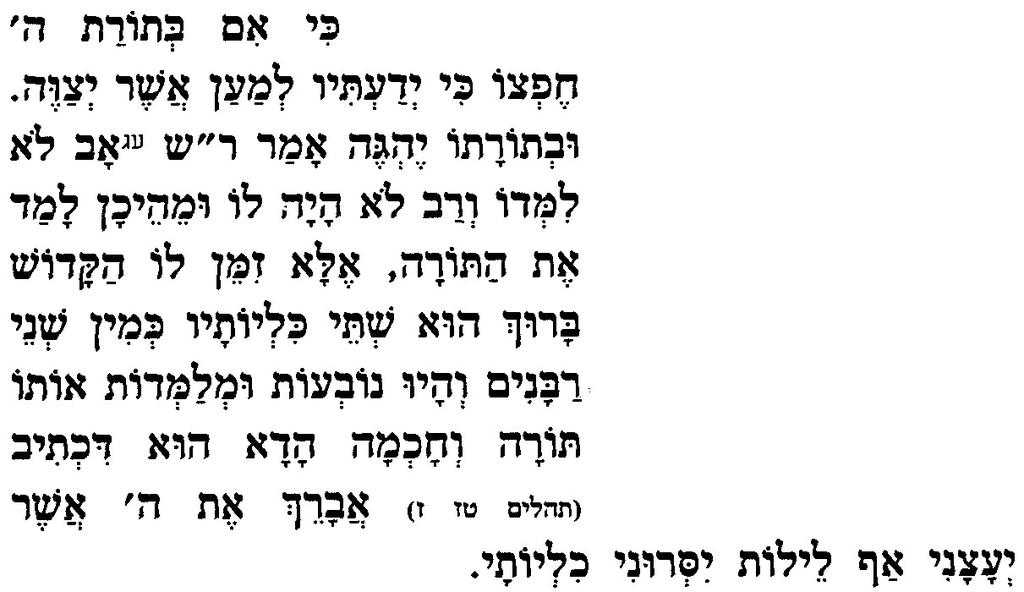
אָמַר רַב: קִיֵּים אַבְרָהָם אָבִינוּ כָּל הַתּוֹרָה כּוּלָּהּ, שֶׁנֶּאֱמַר: ״עֵקֶב אֲשֶׁר שָׁמַע אַבְרָהָם בְּקוֹלִי וְגוֹ׳״. אֲמַר לֵיהּ רַב שִׁימִי בַּר חִיָּיא לְרַב: וְאֵימָא שֶׁבַע מִצְוֹת? הָא אִיכָּא נָמֵי מִילָה! וְאֵימָא שֶׁבַע מִצְוֹת וּמִילָה! אֲמַר לֵיהּ: אִם כֵּן ״מִצְוֹתַי וְתוֹרוֹתָי״ לְמָה לִי?אָמַר (רַב), וְאִיתֵּימָא רַב אָשֵׁי: קִיֵּים אַבְרָהָם אָבִינוּ אֲפִילּוּ עֵירוּבֵי תַבְשִׁילִין, שֶׁנֶּאֱמַר: ״תּוֹרוֹתָי״, אַחַת תּוֹרָה שֶׁבִּכְתָב וְאַחַת תּוֹרָה שֶׁבְּעַל פֶּה
Rav said: Abraham our Patriarch fulfilled the entire Torah before it was given, as it is stated: “Because [ekev] Abraham hearkened to My voice and kept My charge, My mitzvot, My statutes and My Torahs” (Genesis 26:5). Rav Shimi bar Ḥiyya said to Rav: And say that the verse means that he fulfilled only the seven Noahide mitzvot and not the entire Torah. The Gemara asks: But isn’t there also circumcision that Abraham clearly observed, which is not one of the Noahide laws? Apparently, Abraham fulfilled more than just those seven. The Gemara asks: And say that he fulfilled only the seven mitzvot and circumcision. Rav said to him: If so, why do I need the continuation of the verse, that Abraham kept: My mitzvot and My Torah? That is a clear indication that he fulfilled mitzvot beyond the seven Noahide mitzvot, and apparently fulfilled the entire Torah.Rav said, and some say Rav Ashi said: Abraham our Patriarch fulfilled the entire Torah, even the mitzva of the joining of cooked foods, a rabbinic ordinance instituted later, as it is stated: My Torahs. Since the term is in the plural, it indicates that Abraham kept two Torahs; one, the Written Torah, and one, the Oral Torah.

(א)שמע אברהם בקולי. כְּשֶׁנִּסִּיתִי אוֹתוֹ:(ב)וישמר משמרתי. גְּזֵרוֹת לְהַרְחָקָה עַל הָאַזְהָרוֹת שֶׁבַּתּוֹרָה, כְּגוֹן שְׁנִיּוֹת לָעֲרָיוֹת וּשְׁבוּת לַשַּׁבָּת (יבמות כ"א):(ג)מצותי. דְּבָרִים שֶׁאִלּוּ לֹא נִכְתְּבוּ רְאוּיִן הֵם לְהִצְטַוּוֹת, כְּגוֹן גֶּזֶל וּשְׁפִיכוּת דָּמִים:(ד)חקותי. דְּבָרִים שֶׁיֵּצֶר הָרָע וְאֻמּוֹת הָעוֹלָם מְשִׁיבִין עֲלֵיהֶם, כְּגוֹן אֲכִילַת חֲזִיר וּלְבִישַׁת שַׁעַטְנֵז, שֶׁאֵין טַעַם בַּדָּבָר, אֶלָּא גְּזֵרַת הַמֶּלֶךְ וְחֻקּוֹתָיו עַל עֲבָדָיו:(ה)ותורתי. לְהָבִיא תּוֹרָה שֶׁבְּעַל פֶּה הֲלָכָה לְמֹשֶׁה מִסִּינַי (בראשית רבה):
(1) שמע אברהם בקלי ABRAHAM HEARKENED TO MY VOICE when I put him to the test.(2) וישמר משמרתי AND KEPT MY CHARGE — This refers to precautionary measures which are intended to make us avoid the infringement of Biblical prohibitions: such are the Rabbinical inhibition of marriage between relatives in the second degree and the Rabbinical regulations regarding not doing certain acts on the Sabbath (cf. Yevamot 21a).(3) מצותי MY COMMANDMENTS — those matters which, had they not been written in the Torah, we would nevertheless hold that they are fitting matters to be the subject of a commandment, such as robbery and murder (cf. Yoma 67b).(4) חקותי MY ORDINANCES — matters which our evil inclination and the heathen nations argue against the necessity of prohibiting, such as the eating of swine’s flesh and the wearing of garments made of a mixture of wool and linen — things for which there are no apparent reasons but which are the King’s decrees and enactments imposed on His subjects (Yoma 67b).(5) ותורתי AND MY LAWS — The plural serves to include with the written Law also the Oral Law which prescribes commands that are an ancient institution given by God to Moses from Sinai (cf. Genesis Rabbah 64:4).
(א) עַל שִׁשָּׁה דְּבָרִים נִצְטַוָּה אָדָם הָרִאשׁוֹן. עַל עֲבוֹדָה זָרָה. וְעַל בִּרְכַּת הַשֵּׁם. וְעַל שְׁפִיכוּת דָּמִים. וְעַל גִּלּוּי עֲרָיוֹת. וְעַל הַגֵּזֶל. וְעַל הַדִּינִים. אַף עַל פִּי שֶׁכֻּלָּן הֵן קַבָּלָה בְּיָדֵינוּ מִמּשֶׁה רַבֵּנוּ. וְהַדַּעַת נוֹטָה לָהֶן. מִכְּלַל דִּבְרֵי תּוֹרָה יֵרָאֶה שֶׁעַל אֵלּוּ נִצְטַוָּה. הוֹסִיף לְנֹחַ אֵבֶר מִן הַחַי שֶׁנֶּאֱמַר (בראשית ט, ד) "אַךְ בָּשָׂר בְּנַפְשׁוֹ דָמוֹ לֹא תֹאכֵלוּ". נִמְצְאוּ שֶׁבַע מִצְוֹת. וְכֵן הָיָה הַדָּבָר בְּכָל הָעוֹלָם עַד אַבְרָהָם. בָּא אַבְרָהָם וְנִצְטַוָּה יֶתֶר עַל אֵלּוּ בְּמִילָה. וְהוּא הִתְפַּלֵּל שַׁחֲרִית. וַיִּצְחָק הִפְרִישׁ מַעֲשֵׂר וְהוֹסִיף תְּפִלָּה אַחֶרֶת לִפְנוֹת הַיּוֹם. וְיַעֲקֹב הוֹסִיף גִּיד הַנָּשֶׁה וְהִתְפַּלֵּל עַרְבִית. וּבְמִצְרַיִם נִצְטַוָּה עַמְרָם בְּמִצְוֹת יְתֵרוֹת. עַד שֶׁבָּא משֶׁה רַבֵּנוּ וְנִשְׁלְמָה תּוֹרָה עַל יָדוֹ:
(1) Six precepts were commanded to Adam:
a) the prohibition against worship of false gods;
b) the prohibition against cursing God;
c) the prohibition against murder;
d) the prohibition against incest and adultery;
e) the prohibition against theft;
f) the command to establish laws and courts of justice.
Even though we have received all of these commands from Moses and, furthermore, they are concepts which intellect itself tends to accept, it appears from the Torah's words that Adam was commanded concerning them.
The prohibition against eating flesh from a living animal was added for Noah, as Genesis 9:4 states: 'Nevertheless, you may not eat flesh with its life, which is its blood.' Thus there are seven mitzvot.
These matters remained the same throughout the world until Abraham. When Abraham arose, in addition to these, he was commanded regarding circumcision. He also ordained the morning prayers.
Isaac separated tithes and ordained an additional prayer service before sunset. Jacob added the prohibition against eating the sciatic nerve. He also ordained the evening prayers. In Egypt, Amram was commanded regarding other mitzvot. Ultimately, Moses came and the Torah was completed by him.