


(א) זֶ֣ה סֵ֔פֶר תּוֹלְדֹ֖ת אָדָ֑ם בְּי֗וֹם בְּרֹ֤א אֱלֹקִים֙ אָדָ֔ם בִּדְמ֥וּת אֱלֹקִ֖ים עָשָׂ֥ה אֹתֽוֹ׃ (ב) זָכָ֥ר וּנְקֵבָ֖ה בְּרָאָ֑ם וַיְבָ֣רֶךְ אֹתָ֗ם וַיִּקְרָ֤א אֶת־שְׁמָם֙ אָדָ֔ם בְּי֖וֹם הִבָּֽרְאָֽם׃ (ג) וַיְחִ֣י אָדָ֗ם שְׁלֹשִׁ֤ים וּמְאַת֙ שָׁנָ֔ה וַיּ֥וֹלֶד בִּדְמוּת֖וֹ כְּצַלְמ֑וֹ וַיִּקְרָ֥א אֶת־שְׁמ֖וֹ שֵֽׁת׃
(ב) עֲשָׂרָה דוֹרוֹת מֵאָדָם וְעַד נֹחַ, לְהוֹדִיעַ כַּמָּה אֶרֶךְ אַפַּיִם לְפָנָיו, שֶׁכָּל הַדּוֹרוֹת הָיוּ מַכְעִיסִין וּבָאִין עַד שֶׁהֵבִיא עֲלֵיהֶם אֶת מֵי הַמַּבּוּל. עֲשָׂרָה דוֹרוֹת מִנֹּחַ וְעַד אַבְרָהָם, לְהוֹדִיעַ כַּמָּה אֶרֶךְ אַפַּיִם לְפָנָיו, שֶׁכָּל הַדּוֹרוֹת הָיוּ מַכְעִיסִין וּבָאִין, עַד שֶׁבָּא אַבְרָהָם וְקִבֵּל עָלָיו שְׂכַר כֻּלָּם:
(2) [There were] ten generations from Adam to Noah, in order to make known what long-suffering is His; for all those generations kept on provoking Him, until He brought upon them the waters of the flood. [There were] ten generations from Noah to Abraham, in order to make known what long-suffering is His; for all those generations kept on provoking Him, until Abraham, came and received the reward of all of them.
This is the Record: Counting and storytelling, and it continues below.
(א) ויעבר אברם בארץ עד מקום שכם אומר לך כלל תבין אותו בכל הפרשיות הבאות בענין אברהם יצחק ויעקב והוא ענין גדול הזכירוהו רבותינו בדרך קצרה ואמרו (תנחומא ט) כל מה שאירע לאבות סימן לבנים
(1) AND ABRAM PASSED THROUGH THE LAND. I will tell you a principle by which you will understand all the coming portions of Scripture concerning Abraham, Isaac, and Jacob. It is indeed a great matter which our Rabbis mentioned briefly, saying:33Tanchuma Lech Lecha, 9. “Whatever has happened to the patriarchs is a sign to the children.”
(יד) עַל־כֵּן֙ יֵֽאָמַ֔ר בְּסֵ֖פֶר מִלְחֲמֹ֣ת ה' אֶת־וָהֵ֣ב בְּסוּפָ֔ה וְאֶת־הַנְּחָלִ֖ים אַרְנֽוֹן׃
(א) כִּֽי־יִקַּ֥ח אִ֛ישׁ אִשָּׁ֖ה וּבְעָלָ֑הּ וְהָיָ֞ה אִם־לֹ֧א תִמְצָא־חֵ֣ן בְּעֵינָ֗יו כִּי־מָ֤צָא בָהּ֙ עֶרְוַ֣ת דָּבָ֔ר וְכָ֨תַב לָ֜הּ סֵ֤פֶר כְּרִיתֻת֙ וְנָתַ֣ן בְּיָדָ֔הּ וְשִׁלְּחָ֖הּ מִבֵּיתֽוֹ׃
(1) When a man takes a woman [into his household as his wife] and becomes her husband. She fails to please him because he finds something obnoxious about her, and he writes her a bill of divorcement, hands it to her, and sends her away from his house;
THIS IS THE BOOK OF THE GENERATIONS OF ADAM. The children and grandchildren that he begot. *Toledot (generations) comes from the root yod, lamed, dalet. In the hifil it means to give birth to.
Adam and only Adam had no human parents, for he was created by God in the likeness of God. *I.E. explains that in the likeness of God made He him (Adam) indicates that in contrast to his descendants Adam had no human parents but was created directly by God.
(9) This is the line of Noah.—Noah was a righteous man; he was blameless in his age; Noah walked with God.—
(א) אלה תולדת נח נח איש צדיק. הוֹאִיל וְהִזְכִּירוֹ סִפֵּר בְּשִׁבְחוֹ, שֶׁנֶּאֱמַר זֵכֶר צַדִּיק לִבְרָכָה (משלי י'). דָּבָר אַחֵר לִמֶּדְךָ שֶׁעִקַּר תּוֹלְדוֹתֵיהֶם שֶׁל צַדִּיקִים מַעֲשִׂים טוֹבִים:
(1) אלה תולדת נח נח איש צדיק THESE ARE THE PROGENY OF NOAH: NOAH WAS A RIGHTEOUS MAN — Since the text mentions him it sings his praise, in accordance with what is said, (Proverbs 10:7) “The mention of the righteous shall be for a blessing.” Another explanation is: since after stating “These are the progeny of Noah”, it does not at once mention the names of his children but declares that he “was a righteous man”, Scripture thereby teaches you that the real progeny of righteous people are their good deeds (Genesis Rabbah 30:6).
(א) אלה תולדות נח טעמו פירשו בו (הראב"ע והרד"ק) קורותיו כטעם מה ילד יום (משלי כז א) וירמוז אל כל הפרשה ואינו נכון בעיני כי אין קורות האדם תולדותיו והנכון שהוא כמשמעו
(1) THESE ARE ‘TOLDOTH’ NOAH. Commentators1Ibn Ezra and R’dak. These commentators felt the difficulty in explaining toldoth to mean “progeny” or “generations” since it further states, And Noah begot three sons. have explained the word toldoth to mean “his experiences” [or “his events”] much the same as the sense of: what a day ‘yeiled’ (may bring forth).2Proverbs 27:1.
In this way the word toldoth refers to the entire section [since all the events of the flood are occurrences in the life of Noah]. But this does not appear to me to be correct since the external events in the life of a person, [over which he has no control], are not his toldoth.
The correct interpretation is that the word toldoth here retains its literal meaning of “progeny,”
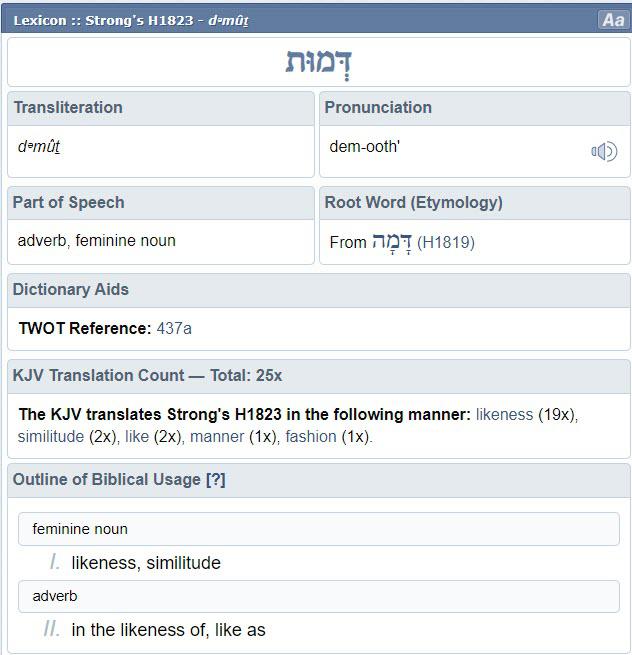
Scripture notes that Adam begat a son in his own likeness, after his image (v. 3) *All living creatures produce offspring that resemble them. Therefore, why mention that Adam produced offspring resembling him? to teach us that God implanted in Adam the power to reproduce his God like image so that his work would be like that of God. Scripture does not say the same with regard to Cain and Abel, nor does it state how long Cain lived or how old Cain was when he begot his son Enoch. It omits the above clause because the former was murdered and the latter’s descendants perished in the deluge. *The lines of both Cain and Abel were wiped out. But the Bible notes these things with regard to Seth because Noah was descended from him. The Torah tells the story of the murderer Cain to stress God’s righteousness. God was long-suffering with Cain but he ultimately punished him. This is in keeping with and that (God) will by no means clear the guilty (Ex. 34:7).