


וַיִּכְתֹּ֣ב מׇרְדֳּכַ֔י אֶת־הַדְּבָרִ֖ים הָאֵ֑לֶּה וַיִּשְׁלַ֨ח סְפָרִ֜ים אֶל־כׇּל־הַיְּהוּדִ֗ים אֲשֶׁר֙ בְּכׇל־מְדִינוֹת֙ הַמֶּ֣לֶךְ אֲחַשְׁוֵר֔וֹשׁ הַקְּרוֹבִ֖ים וְהָרְחוֹקִֽים׃
לְקַיֵּם֮ עֲלֵיהֶם֒ לִהְי֣וֹת עֹשִׂ֗ים אֵ֠ת י֣וֹם אַרְבָּעָ֤ה עָשָׂר֙ לְחֹ֣דֶשׁ אֲדָ֔ר וְאֵ֛ת יוֹם־חֲמִשָּׁ֥ה עָשָׂ֖ר בּ֑וֹ בְּכׇל־שָׁנָ֖ה וְשָׁנָֽה׃
כַּיָּמִ֗ים אֲשֶׁר־נָ֨חוּ בָהֶ֤ם הַיְּהוּדִים֙ מֵאֹ֣יְבֵיהֶ֔ם וְהַחֹ֗דֶשׁ אֲשֶׁר֩ נֶהְפַּ֨ךְ לָהֶ֤ם מִיָּגוֹן֙ לְשִׂמְחָ֔ה וּמֵאֵ֖בֶל לְי֣וֹם ט֑וֹב לַעֲשׂ֣וֹת אוֹתָ֗ם יְמֵי֙ מִשְׁתֶּ֣ה וְשִׂמְחָ֔ה וּמִשְׁלֹ֤חַ מָנוֹת֙ אִ֣ישׁ לְרֵעֵ֔הוּ וּמַתָּנ֖וֹת לָֽאֶבְיֹנִֽים׃
Mordecai recorded these events. And he sent dispatches to all the Jews throughout the provinces of King Ahasuerus, near and far,
charging them to observe the fourteenth and fifteenth days of Adar, every year.
The same days on which the Jews enjoyed relief from their foes and the same month which had been transformed for them from one of grief and mourning to one of festive joy, to make them days of feasting and joy, and sending portions to one another and gifts to the poor.
וַ֠תִּכְתֹּ֠ב אֶסְתֵּ֨ר הַמַּלְכָּ֧ה בַת־אֲבִיחַ֛יִל וּמׇרְדֳּכַ֥י הַיְּהוּדִ֖י אֶת־כׇּל־תֹּ֑קֶף לְקַיֵּ֗ם אֵ֣ת אִגֶּ֧רֶת הַפֻּרִ֛ים הַזֹּ֖את הַשֵּׁנִֽית׃
Then Esther the queen, the daughter of Abihail, and Mordecai the Jew, wrote with all power, to confirm this second letter of Purim.
וַיִּשְׁלַ֨ח סְפָרִ֜ים אֶל־כׇּל־הַיְּהוּדִ֗ים אֶל־שֶׁ֨בַע וְעֶשְׂרִ֤ים וּמֵאָה֙ מְדִינָ֔ה מַלְכ֖וּת אֲחַשְׁוֵר֑וֹשׁ דִּבְרֵ֥י שָׁל֖וֹם וֶאֱמֶֽת׃
Dispatches were sent to all the Jews in the hundred and twenty-seven provinces of the realm of Ahasuerus with an ordinance of “peace and truth:”
לְקַיֵּ֡ם אֶת־יְמֵי֩ הַפֻּרִ֨ים הָאֵ֜לֶּה בִּזְמַנֵּיהֶ֗ם כַּאֲשֶׁר֩ קִיַּ֨ם עֲלֵיהֶ֜ם מׇרְדֳּכַ֤י הַיְּהוּדִי֙ וְאֶסְתֵּ֣ר הַמַּלְכָּ֔ה וְכַאֲשֶׁ֛ר קִיְּמ֥וּ עַל־נַפְשָׁ֖ם וְעַל־זַרְעָ֑ם דִּבְרֵ֥י הַצּוֹמ֖וֹת וְזַעֲקָתָֽם׃
To establish these days of Purim at their proper time, as Mordecai the Jew—and Queen Esther—has obligated them to do, and just as they have assumed for themselves and their descendants the obligation of the fasts with their lamentations.
וּמַאֲמַ֣ר אֶסְתֵּ֔ר קִיַּ֕ם דִּבְרֵ֥י הַפֻּרִ֖ים הָאֵ֑לֶּה וְנִכְתָּ֖ב בַּסֵּֽפֶר׃ {ס}
And Esther’s ordinance validating these observances of Purim was recorded in a scroll.
מְגִלָּה נִקְרֵאת בְּאַחַד עָשָׂר, בִּשְׁנֵים עָשָׂר, בִּשְׁלֹשָׁה עָשָׂר, בְּאַרְבָּעָה עָשָׂר, בַּחֲמִשָּׁה עָשָׂר, לֹא פָחוֹת וְלֹא יוֹתֵר.
כְּרַכִּין הַמֻּקָּפִין חוֹמָה מִימוֹת יְהוֹשֻׁעַ בִּן נוּן, קוֹרִין בַּחֲמִשָּׁה עָשָׂר. כְּפָרִים וַעֲיָרוֹת גְּדוֹלוֹת, קוֹרִין בְּאַרְבָּעָה עָשָׂר, אֶלָּא שֶׁהַכְּפָרִים מַקְדִּימִין לְיוֹם הַכְּנִיסָה:
The Megillah is read on the eleventh, the twelfth, the thirteenth, the fourteenth, and the fifteenth, never earlier and never later.
Cities which have been walled since the days of Joshua ben Nun read on the fifteenth; villages and large towns read on the fourteenth, Except that villages advance the reading to the "day of gathering".
ותקנו שהכרכים המוקפים חומה מימות יהושע אע״פ שאין להם חומה עכשיו יקראו בט״ו כמו שושן, כדי לחלוק כבוד לא״י שהיתה חרבה בימי מרדכי ואסתר, כדי שיהיו קורין כבני שושן ויחשבו כאילו הם כרכים המוקפים אע״פ שהם עתה חרבין, ויהיה זכרון לא״י בנס זה.
ולפי שיהושע התחיל להלחם בעמלק תחלה וכתיב (שמות י״ז:י״ד) כתוב זאת זכרון בספר ושים באזני יהושע, לפיכך הזכירו מימות יהושע:
And they established that cities surrounded by a wall from the days of Joshua, even though they now lack a wall , should read on the fifteenth like Shushan, in order to give honor to the Land of Israel that was destroyed during the days of Mordecai and Esther, in order that they would read like those who live in Shushan and would be considered as if they were walled cities, even though right now they are destroyed. And there would be a reminder of the Land of Israel in this miracle.
And since Joshua began to fight with the Amalekites first, as it is written (Exodus 17:14): “Inscribe this in a scroll as a reminder and put it in Joshua's ears . . ." they mention "from the days of Joshua".
Principle 1 - We advance the reading-date, we don't postpone it.
Principle 2 - We don't read on shabbat.
Principle 3 - Small villages read on market days/court days which are Mondays and Thursdays. We've translated this as the "day of gathering".
כֵּיצַד. חָל לִהְיוֹת יוֹם אַרְבָּעָה עָשָׂר בַּשֵּׁנִי, כְּפָרִים וַעֲיָרוֹת גְּדוֹלוֹת קוֹרִין בּוֹ בַיּוֹם, וּמֻקָּפוֹת חוֹמָה לְמָחָר.
חָל לִהְיוֹת בַּשְּׁלִישִׁי אוֹ בָּרְבִיעִי, כְּפָרִים מַקְדִּימִין לְיוֹם הַכְּנִיסָה וַעֲיָרוֹת גְּדוֹלוֹת קוֹרִין בּוֹ בַיּוֹם, וּמֻקָּפוֹת חוֹמָה לְמָחָר.
חָל לִהְיוֹת בָּחֲמִישִׁי, כְּפָרִים וַעֲיָרוֹת גְּדוֹלוֹת קוֹרִין בּוֹ בַיּוֹם, וּמֻקָּפוֹת חוֹמָה לְמָחָר.
חָל לִהְיוֹת עֶרֶב שַׁבָּת, כְּפָרִים מַקְדִּימִין לְיוֹם הַכְּנִיסָה, וַעֲיָרוֹת גְּדוֹלוֹת וּמֻקָּפוֹת חוֹמָה קוֹרִין בּוֹ בַיּוֹם.
חָל לִהְיוֹת בְּשַׁבָּת, כְּפָרִים וַעֲיָרוֹת גְּדוֹלוֹת מַקְדִּימִין וְקוֹרִין לְיוֹם הַכְּנִיסָה, וּמֻקָּפוֹת חוֹמָה לְמָחָר.
חָל לִהְיוֹת אַחַר הַשַּׁבָּת, כְּפָרִים מַקְדִּימִין לְיוֹם הַכְּנִיסָה, וַעֲיָרוֹת גְּדוֹלוֹת קוֹרִין בּוֹ בַיּוֹם, וּמֻקָּפוֹת חוֹמָה לְמָחָר:
How so? If the fourteenth falls on Monday, the villages and large towns read on that day and the walled places on the next day.
If it falls on Tuesday or on Wednesday, the villages move the reading up to the day of gathering, the large towns read on that day, and the walled places on the next day.
If it falls on Thursday, the villages and large towns read on that day and the walled places on the next day.
If it falls on Friday, the villages move the reading up to the day of gathering and the large towns and walled places read on that day.
If it falls on Shabbat, the villages and large towns move the reading up to the day of gathering, and the walled places read on the next day.
If it falls on Sunday, the villages move the reading up to the day of gathering, the large towns read on that day, and the walled cities on the day following.
How could the Megillah have been read on the 11th?
DayThursdayFridayShabbatSundayMondayDate
אֵיזוֹ הִיא עִיר גְּדוֹלָה, כֹּל שֶׁיֵּשׁ בָּהּ עֲשָׂרָה בַטְלָנִים. פָּחוֹת מִכָּאן, הֲרֵי זֶה כְפָר. בָּאֵלּוּ אָמְרוּ מַקְדִּימִין וְלֹא מְאַחֲרִין.
אֲבָל זְמַן עֲצֵי כֹהֲנִים וְתִשְׁעָה בְאָב, חֲגִיגָה וְהַקְהֵל, מְאַחֲרִין וְלֹא מַקְדִּימִין.
אַף עַל פִּי שֶׁאָמְרוּ מַקְדִּימִין וְלֹא מְאַחֲרִין, מֻתָּרִין בְּהֶסְפֵּד וּבְתַעֲנִיּוֹת וּמַתָּנוֹת לָאֶבְיוֹנִים.
אָמַר רַבִּי יְהוּדָה, אֵימָתַי, מְקוֹם שֶׁנִּכְנָסִין בְּשֵׁנִי וּבַחֲמִישִׁי. אֲבָל מְקוֹם שֶׁאֵין נִכְנָסִין לֹא בְּשֵׁנִי וְלֹא בַחֲמִישִׁי, אֵין קוֹרִין אוֹתָהּ אֶלָּא בִזְמַנָּהּ:
What is a large town? One which has ten idlers. Fewer than that is a village. In respect of these they said "advance but don't postpone".
But the time of bringing the wood for the priests, the 9th of Av, the hagigah, and hakhel they postpone and do not advance.
Even though they said, "advance but don't postpone", it is permissible to mourn, to fast, and to distribute gifts to the poor.
Rabbi Judah said: When? In a place where people gather on Mondays and Thursdays. But in places where people do not gather on Mondays and Thursdays, the Megillah is read only at its proper time.
איזו היא עיר גדולה כל שיש בה עשרה בטלנים כו': י' בטלנים הוא שיהיה בבהכ"נ י' בני אדם שלא תהיה להם שום מלאכה אלא עסקי צבור ות"ת וקביעותם בבהכ"נ.
Ten idlers – that there should be ten men in the synagogue that do not have any work other than the business of the community and the study of Torah and permanence in the synagogue.
קָרְאוּ אֶת הַמְּגִלָּה בַּאֲדָר הָרִאשׁוֹן וְנִתְעַבְּרָה הַשָּׁנָה, קוֹרִין אוֹתָהּ בַּאֲדָר הַשֵּׁנִי, אֵין בֵּין אֲדָר הָרִאשׁוֹן לַאֲדָר הַשֵּׁנִי אֶלָּא קְרִיאַת הַמְּגִלָּה וּמַתָּנוֹת לָאֶבְיוֹנִים:
If they read the Megillah during the first Adar and then the year was made a leap-year, it is read again in the second Adar.
There is no difference between the first Adar and the second Adar except the reading of the Megillah and the giving of gifts to the poor.
אֵין בֵּין יוֹם טוֹב לְשַׁבָּת אֶלָּא אֹכֶל נֶפֶשׁ בִּלְבָד.
אֵין בֵּין שַׁבָּת לְיוֹם הַכִּפּוּרִים אֶלָּא שֶׁזֶּה זְדוֹנוֹ בִּידֵי אָדָם וְזֶה זְדוֹנוֹ בְּכָרֵת:
There is no difference between Shabbat and Yom Tov except the preparation of food.
There is no difference between Shabbat and Yom Kippur except that the intentional violation of this one is punished by a human court and the deliberate violation of the other by karet.
אֵין בֵּין הַמֻּדָּר הֲנָאָה מֵחֲבֵרוֹ לַמֻּדָּר מִמֶּנּוּ מַאֲכָל אֶלָּא דְּרִיסַת הָרֶגֶל וְכֵלִים שֶׁאֵין עוֹשִׂין בָּהֶן אֹכֶל נֶפֶשׁ.
אֵין בֵּין נְדָרִים לִנְדָבוֹת אֶלָּא שֶׁהַנְּדָרִים חַיָּב בְּאַחֲרָיוּתָן, וּנְדָבוֹת אֵינוֹ חַיָּב בְּאַחֲרָיוּתָן:
There is no difference between someone sworn not to benefit from his fellow and someone sworn not to benefit from his neighbour's food, except for setting foot and vessels which are not used for food.
There is no difference between vowed offerings and freewill-offerings except that he is responsible for vowed offering [that are lost or die] but not responsible for freewill-offerings.
אֵין בֵּין זָב הָרוֹאֶה שְׁתֵּי רְאִיּוֹת לְרוֹאֶה שָׁלֹשׁ אֶלָּא קָרְבָּן.
אֵין בֵּין מְצֹרָע מֻסְגָּר לִמְצֹרָע מֻחְלָט אֶלָּא פְרִיעָה וּפְרִימָה.
אֵין בֵּין טָהוֹר מִתּוֹךְ הֶסְגֵּר לְטָהוֹר מִתּוֹךְ הֶחְלֵט אֶלָּא תִגְלַחַת וְצִפֳּרִים:
There is no difference between a zav who sees two sightings and one who sees three, except the sacrifice.
There is no difference between a metzora who is quarantined and one declared to be definite except disheveling of hair and tearing the clothes.
There is no difference between someone who is pure after being quarantined and one who is pure after having being a definite metzora except shaving and birds.
אֵין בֵּין סְפָרִים לִתְפִלִּין וּמְזוּזוֹת אֶלָּא שֶׁהַסְּפָרִים נִכְתָּבִין בְּכָל לָשׁוֹן, וּתְפִלִּין וּמְזוּזוֹת אֵינָן נִכְתָּבוֹת אֶלָּא אַשּׁוּרִית.
רַבָּן שִׁמְעוֹן בֶּן גַּמְלִיאֵל אוֹמֵר, אַף בַּסְּפָרִים לֹא הִתִּירוּ שֶׁיִּכָּתְבוּ אֶלָּא יְוָנִית:
There is no difference between scrolls and tefillin and mezuzot except that scrolls may be written in any language whereas tefillin and mezuzot may be written only in Assyrian [actually Aramaic].
Rabban Shimon ben Gamaliel says that scrolls were permitted to be written only in Greek.
תְּפִלִּין וּמְזוּזוֹת מַאי טַעְמָא? מִשּׁוּם דִּכְתִיב בְּהוּ: ״וְהָיוּ״ — בַּהֲוָיָיתָן יְהוּ.
Tefilllin and mezuzot, what is the reason? Because it is written with regard to them: “And these words shall be on your heart” (Deuteronomy 6:6), as they are so shall they be.
אִ֣ם הַכֹּהֵ֧ן הַמָּשִׁ֛יחַ יֶחֱטָ֖א לְאַשְׁמַ֣ת הָעָ֑ם וְהִקְרִ֡יב עַ֣ל חַטָּאתוֹ֩ אֲשֶׁ֨ר חָטָ֜א פַּ֣ר בֶּן־בָּקָ֥ר תָּמִ֛ים לַיהוה לְחַטָּֽאת׃
If the anointed priest has sinned, so that blame falls upon the people, he shall offer for his sin that he sinned a bull of the herd without blemish as a sin-offering to the Lord.
אֵין בֵּין כֹּהֵן מָשׁוּחַ בְּשֶׁמֶן הַמִּשְׁחָה לִמְרֻבֶּה בְגָדִים אֶלָּא פַּר הַבָּא עַל כָּל הַמִּצְוֹת.
אֵין בֵּין כֹּהֵן מְשַׁמֵּשׁ לְכֹהֵן שֶׁעָבַר אֶלָּא פַּר יוֹם הַכִּפּוּרִים וַעֲשִׂירִית הָאֵיפָה:
There is no difference between a priest anointed with the oil of anointment and one with the additional garments except for the bull offered for any of the commandments.
There is no difference between a serving priest and one whose time has passed except the bull of Yom Kippur and the tenth of the ephah.
Locations for the Ark and Altar"Bamot" permitted?
וַ֠יְהִ֠י (בעלות) [כַּעֲל֨וֹת] הַכֹּהֲנִ֜ים נֹשְׂאֵ֨י אֲר֤וֹן בְּרִית־יהוה מִתּ֣וֹךְ הַיַּרְדֵּ֔ן נִתְּק֗וּ כַּפּוֹת֙ רַגְלֵ֣י הַכֹּהֲנִ֔ים אֶ֖ל הֶחָרָבָ֑ה וַיָּשֻׁ֤בוּ מֵֽי־הַיַּרְדֵּן֙ לִמְקוֹמָ֔ם וַיֵּלְכ֥וּ כִתְמוֹל־שִׁלְשׁ֖וֹם עַל־כׇּל־גְּדוֹתָֽיו׃ וְהָעָ֗ם עָלוּ֙ מִן־הַיַּרְדֵּ֔ן בֶּעָשׂ֖וֹר לַחֹ֣דֶשׁ הָרִאשׁ֑וֹן וַֽיַּחֲנוּ֙ בַּגִּלְגָּ֔ל בִּקְצֵ֖ה מִזְרַ֥ח יְרִיחֽוֹ׃
As soon as the priests who bore the Ark of GOD’s Covenant came up out of the Jordan, and the feet of the priests stepped onto the dry ground, the waters of the Jordan resumed their course, flowing over its entire bed as before. The people came up from the Jordan on the tenth day of the first month, and encamped at Gilgal on the eastern border of Jericho.
וַיִּקָּ֨הֲל֜וּ כׇּל־עֲדַ֤ת בְּנֵֽי־יִשְׂרָאֵל֙ שִׁלֹ֔ה וַיַּשְׁכִּ֥ינוּ שָׁ֖ם אֶת־אֹ֣הֶל מוֹעֵ֑ד וְהָאָ֥רֶץ נִכְבְּשָׁ֖ה לִפְנֵיהֶֽם׃
The whole community of Israelites assembled at Shiloh, and set up the Tent of Meeting there. The land was now under their control;
וְנֵ֤ר אֱלֹהִים֙ טֶ֣רֶם יִכְבֶּ֔ה וּשְׁמוּאֵ֖ל שֹׁכֵ֑ב בְּהֵיכַ֣ל יהוה אֲשֶׁר־שָׁ֖ם אֲר֥וֹן אֱלֹהִֽים׃ {פ}
The lamp of God had not yet gone out, and Samuel was sleeping in the temple of the LORD where the Ark of God was.
אֵין בֵּין בָּמָה גְדוֹלָה לְבָמָה קְטַנָּה אֶלָּא פְסָחִים.
זֶה הַכְּלָל, כָּל שֶׁהוּא נִדָּר וְנִדָּב, קָרֵב בַּבָּמָה. וְכֹל שֶׁאֵינוֹ לֹא נִדָּר וְלֹא נִדָּב, אֵינוֹ קָרֵב בַּבָּמָה:
There is no difference between a great altar [bamah] and a small altar except for the pesach offering.
This is the principle: any vow-offering or freewill offering may be brought on an altar, any offering not a vow or a freewill-offering may not be brought on an altar.
אֵין בֵּין שִׁילֹה לִירוּשָׁלַיִם אֶלָּא שֶׁבְּשִׁילֹה אוֹכְלִים קָדָשִׁים קַלִּים וּמַעֲשֵׂר שֵׁנִי בְּכָל הָרוֹאֶה, וּבִירוּשָׁלַיִם לִפְנִים מִן הַחוֹמָה.
וְכָאן וְכָאן קָדְשֵׁי קָדָשִׁים נֶאֱכָלִים לִפְנִים מִן הַקְּלָעִים.
קְדֻשַּׁת שִׁילֹה יֵשׁ אַחֲרֶיהָ הֶתֵּר, וּקְדֻשַּׁת יְרוּשָׁלַיִם אֵין אַחֲרֶיהָ הֶתֵּר:
There is no difference between Shiloh and Jerusalem except that in Shiloh sacrifices of lesser sanctity and second tithe could be eaten anywhere within sight, whereas in Jerusalem only within the walls.
In both places the most holy sacrifices were eaten within the curtains.
After the holiness of Shiloh there was permission [for altars], but after the holiness of Jerusalem there is no permission.
אין בין שילה לירושלים כו': ומאחר שבחר בירושלים אין מקריבין בשום מקום זולתו לעולם ואע"פ שחרב אסור להקריב בבמה.
Once God chose Jerusalem, we never sacrifice in any other place, and even though it is destroyed it is forbidden to sacrifice at the altars.
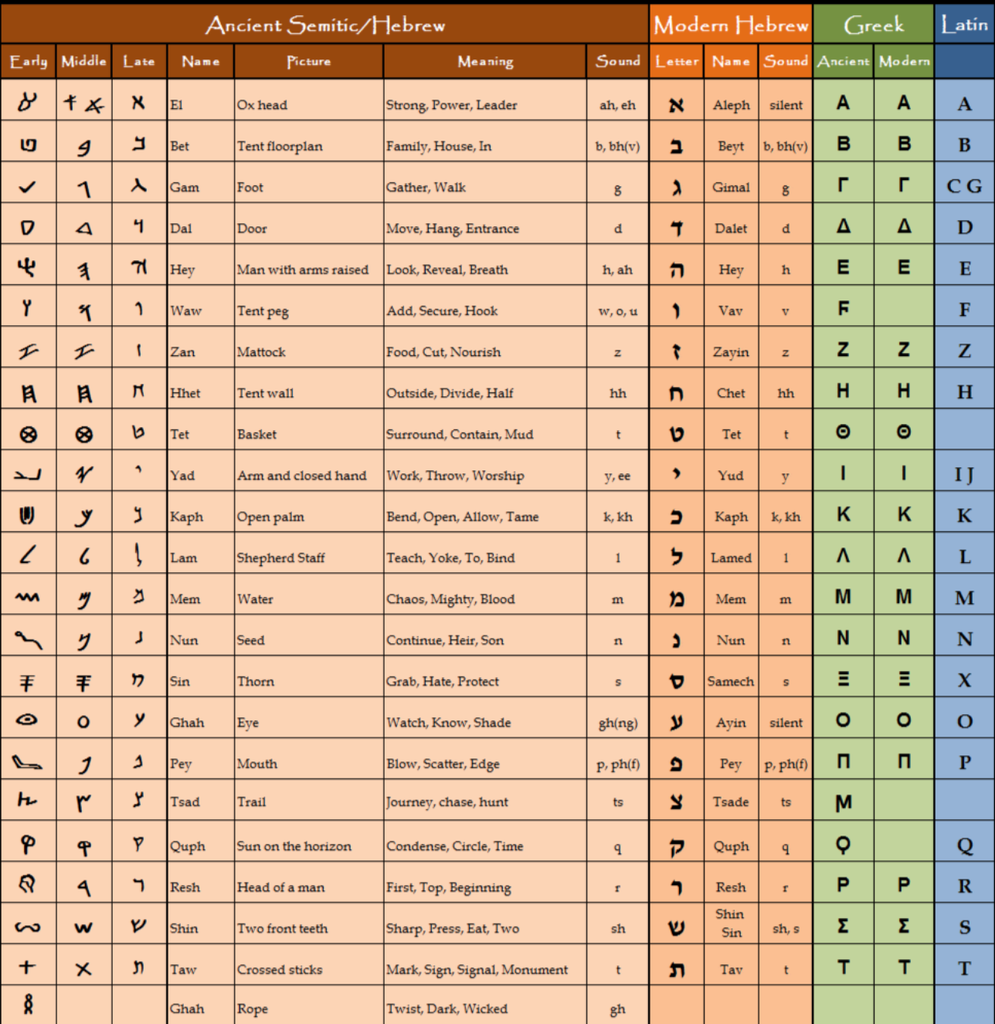
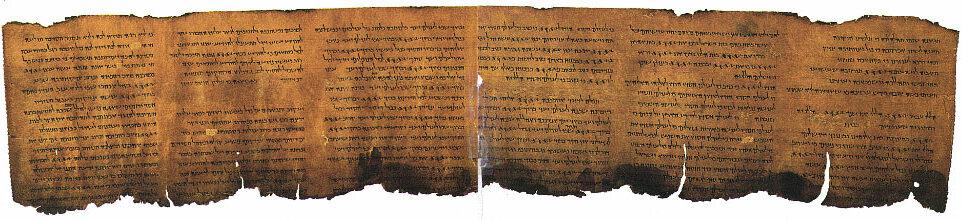
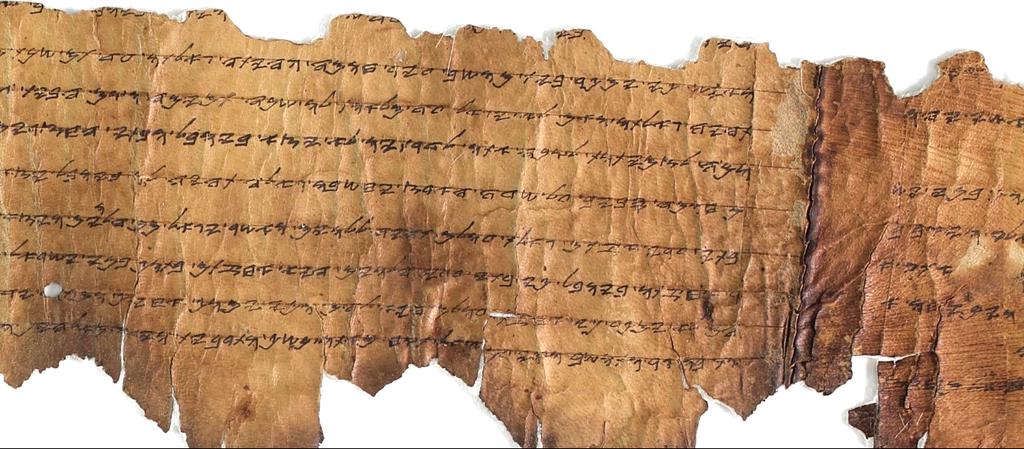
Two Dead Sea scrolls in Aramaic script, as we now write Hebrew, and in ancient Hebrew script. The first one, in Aramaic, is from Tehillim and the second one, in ancient Hebrew, is from VaYikra.
הַקּוֹרֵא אֶת הַמְּגִלָּה לְמַפְרֵעַ, לֹא יָצָא.
קְרָאָהּ עַל פֶּה, קְרָאָהּ תַּרְגּוּם, בְּכָל לָשׁוֹן, לֹא יָצָא.
אֲבָל קוֹרִין אוֹתָהּ לַלּוֹעֲזוֹת בְּלַעַז. וְהַלּוֹעֵז שֶׁשָּׁמַע אַשּׁוּרִית, יָצָא:
Someone who reads the Megillah out of order has not fulfilled his obligation.
If he read it by heart, if he read it in translation, in any language, he has not fulfilled his obligation.
But they may read it to foreigners in a foreign language. A foreigner who heard it in Assyrian [Aramaic script] has fulfilled his obligation.
קראה תרגום בכל לשון לא יצא. הכי קאמר, עברי שקראה תרגום ואינו מבין בל׳ תרגום, או בכל שאר לשון שאינו מבין, לא יצא:
In translation. A Hebrew who read it (i.e., the Megillah) in [an] Aramaic [translation] and does not understand the language of [the] Aramaic [translation], or in all other languages which he does not understand, he has not fulfilled [his obligation regarding the reading of the Megillah].
קְרָאָהּ סֵרוּגִין, וּמִתְנַמְנֵם, יָצָא.
הָיָה כוֹתְבָהּ, דּוֹרְשָׁהּ, וּמַגִּיהָהּ, אִם כִּוֵּן לִבּוֹ, יָצָא. וְאִם לָאו, לֹא יָצָא.
הָיְתָה כְּתוּבָה בְּסַם, וּבְסִקְרָא, וּבְקוֹמוֹס וּבְקַנְקַנְתּוֹם, עַל הַנְּיָר וְעַל הַדִּפְתְּרָא, לֹא יָצָא, עַד שֶׁתְּהֵא כְּתוּבָה אַשּׁוּרִית, עַל הַסֵּפֶר וּבִדְיוֹ:
Someone who read it with breaks, or napped, has fulfilled his obligation.
If he was writing it, teaching it or correcting it, if he directed his heart, he has fulfilled his obligation, but if not, he has not fulfilled his obligation.
If it was written with arsenic, with red chalk, with gum or with sulfate of copper, or on paper or on scratch paper, he has not fulfilled his obligation, unless it is written in Assyrian [Aramaic script] on the scroll and in ink.
על הספר. על הקלף:
On the scroll. On parchment.
בֶּן עִיר שֶׁהָלַךְ לִכְרַךְ וּבֶן כְּרַךְ שֶׁהָלַךְ לְעִיר, אִם עָתִיד לַחֲזֹר לִמְקוֹמוֹ, קוֹרֵא כִמְקוֹמוֹ. וְאִם לָאו, קוֹרֵא עִמָּהֶן.
וּמֵהֵיכָן קוֹרֵא אָדָם אֶת הַמְּגִלָּה וְיוֹצֵא בָּהּ יְדֵי חוֹבָתוֹ, רַבִּי מֵאִיר אוֹמֵר, כֻּלָּהּ.
רַבִּי יְהוּדָה אוֹמֵר, מֵאִישׁ יְהוּדִי (אסתר ב ה). רַבִּי יוֹסֵי אוֹמֵר, מֵאַחַר הַדְּבָרִים הָאֵלֶּה (אסתר ג׳:א׳):
Someone from a town who went to a walled city or a someone from a walled city who went to a town, if he is going to return to his own place he reads like his place, and if not reads with them.
From where does a person read the Megillah and fulfill his obligation?
Rabbi Meir says: all of it.
Rabbi Judah says: from “There was a Jew” (Esther 2:5).
Rabbi Yose says: from “After these things” (Esther 3:1).
הַכֹּל כְּשֵׁרִין לִקְרוֹת אֶת הַמְּגִלָּה, חוּץ מֵחֵרֵשׁ, שׁוֹטֶה, וְקָטָן.
רַבִּי יְהוּדָה מַכְשִׁיר בְּקָטָן.
אֵין קוֹרִין אֶת הַמְּגִלָּה, וְלֹא מָלִין, וְלֹא טוֹבְלִין, וְלֹא מַזִּין, וְכֵן שׁוֹמֶרֶת יוֹם כְּנֶגֶד יוֹם לֹא תִטְבֹּל, עַד שֶׁתָּנֵץ הַחַמָּה. וְכֻלָּן שֶׁעָשׂוּ מִשֶּׁעָלָה עַמּוּד הַשַּׁחַר, כָּשֵׁר:
All are fit to read the Megillah except a deaf person, someone mentally deficient, and a minor.
Rabbi Judah qualifies a minor.
They do not read the Megillah, nor circumcise, nor immerse, nor sprinkle, and similarly a woman keeping day for day should not immerse, until the sun has risen. But if any of these things is done after dawn, it is valid.
הכל כשרין לקרות את המגילה כו': הכל אפי' אשה.
All are fit to read the Megillah– even a woman.
הכל חייבין במקרא מגילה הכל כשרין לקרות את המגילה לאיתויי מאי?
לאתויי נשים וכדר' יהושע בן לוי דאמר ר' יהושע בן לוי נשים חייבות במקרא מגילה שאף הן היו באותו הנס
All are obligated to read the Megilla; all are fit to read the Megilla. What do these add?
They add women, in accordance with the opinion of Rabbi Yehoshua ben Levi, who says: Women are obligated in the mitzva of reading the Megilla, as they too were participants in that miracle.
כָּל הַיּוֹם כָּשֵׁר לִקְרִיאַת הַמְּגִלָּה, וְלִקְרִיאַת הַהַלֵּל, וְלִתְקִיעַת שׁוֹפָר, וְלִנְטִילַת לוּלָב, וְלִתְפִלַּת הַמּוּסָפִין, וְלַמּוּסָפִין, וּלְוִדּוּי הַפָּרִים, וּלְוִדּוּי הַמַּעֲשֵׂר, וּלְוִדּוּי יוֹם הַכִּפּוּרִים, לַסְּמִיכָה, לַשְּׁחִיטָה, לַתְּנוּפָה, לַהַגָּשָׁה, לַקְּמִיצָה וְלַהַקְטָרָה, לַמְּלִיקָה, וְלַקַּבָּלָה, וְלַהַזָּיָה, וּלְהַשְׁקָיַת סוֹטָה, וְלַעֲרִיפַת הָעֶגְלָה, וּלְטַהֲרַת הַמְּצֹרָע:
All day is fit for reading the Megillah; reading Hallel; blowing the shofar; taking the lulav; the Musaf prayer; the Musaf sacrifices; the confession over the oxen; the confession over the tithe; the confession of sins on Yom Kippur; laying on of hands; for slaughtering; for waving; for bringing close; for taking a handful; for placing it on the fire; pinching off; receiving the blood; sprinkling; for giving the Sotah drink; breaking the neck of the heifer; and purifying the metzora.
כָּל הַלַּיְלָה כָּשֵׁר לִקְצִירַת הָעֹמֶר וּלְהֶקְטֵר חֲלָבִים וְאֵבָרִים.
זֶה הַכְּלָל, דָּבָר שֶׁמִּצְוָתוֹ בַיּוֹם, כָּשֵׁר כָּל הַיּוֹם. דָּבָר שֶׁמִּצְוָתוֹ בַלַּיְלָה, כָּשֵׁר כָּל הַלָּיְלָה:
All night is fit for reaping the Omer and for burning fat and limbs.
This is the general principle: for any matter whose commandment is during the day, all day is fit, and for any matter whose commandment is at night, all night is fit.
מֵאֵימָתַי קוֹרִין אֶת שְׁמַע בְּעַרְבִית. מִשָּׁעָה שֶׁהַכֹּהֲנִים נִכְנָסִים לֶאֱכֹל בִּתְרוּמָתָן, עַד סוֹף הָאַשְׁמוּרָה הָרִאשׁוֹנָה, דִּבְרֵי רַבִּי אֱלִיעֶזֶר.
וַחֲכָמִים אוֹמְרִים, עַד חֲצוֹת.
רַבָּן גַּמְלִיאֵל אוֹמֵר, עַד שֶׁיַּעֲלֶה עַמּוּד הַשָּׁחַר. מַעֲשֶׂה שֶׁבָּאוּ בָנָיו מִבֵּית הַמִּשְׁתֶּה, אָמְרוּ לוֹ, לֹא קָרִינוּ אֶת שְׁמַע. אָמַר לָהֶם, אִם לֹא עָלָה עַמּוּד הַשַּׁחַר, חַיָּבִין אַתֶּם לִקְרוֹת. וְלֹא זוֹ בִּלְבַד, אֶלָּא כָּל מַה שֶּׁאָמְרוּ חֲכָמִים עַד חֲצוֹת, מִצְוָתָן עַד שֶׁיַּעֲלֶה עַמּוּד הַשָּׁחַר. הֶקְטֵר חֲלָבִים וְאֵבָרִים, מִצְוָתָן עַד שֶׁיַּעֲלֶה עַמּוּד הַשָּׁחַר. וְכָל הַנֶּאֱכָלִים לְיוֹם אֶחָד, מִצְוָתָן עַד שֶׁיַּעֲלֶה עַמּוּד הַשָּׁחַר.
אִם כֵּן, לָמָּה אָמְרוּ חֲכָמִים עַד חֲצוֹת, כְּדֵי לְהַרְחִיק אֶת הָאָדָם מִן הָעֲבֵרָה:
From what time may one recite the Shema in the evening? From the time that the priests come in to eat their terumah until the end of the first watch, the words of Rabbi Eliezer.
The sages say: until midnight.
Rabban Gamaliel says: until dawn. Once it happened that his sons came home from a wedding feast and they said to him: we have not yet recited Shema. He said to them: if it is not yet dawn you are still obligated to recite. And not in respect to this alone did they so decide, but wherever the sages say “until midnight,” the mitzvah may be performed until dawn. The burning of the fat and the pieces may be performed till dawn. Similarly, all [the offerings] that are to be eaten within one day may be eaten till dawn.
Why then did the sages say “until midnight”? In order to keep a man far from transgression.
בְּנֵי הָעִיר שֶׁמָּכְרוּ רְחוֹבָהּ שֶׁל עִיר, לוֹקְחִין בְּדָמָיו בֵּית הַכְּנֶסֶת.
בֵּית הַכְּנֶסֶת, לוֹקְחִין תֵּבָה.
תֵּבָה, לוֹקְחִין מִטְפָּחוֹת.
מִטְפָּחוֹת, לוֹקְחִין סְפָרִים.
סְפָרִים, לוֹקְחִין תּוֹרָה.
אֲבָל אִם מָכְרוּ תוֹרָה, לֹא יִקְחוּ סְפָרִים. סְפָרִים, לֹא יִקְחוּ מִטְפָּחוֹת. מִטְפָּחוֹת, לֹא יִקְחוּ תֵבָה. תֵּבָה, לֹא יִקְחוּ בֵית הַכְּנֶסֶת. בֵּית הַכְּנֶסֶת, לֹא יִקְחוּ אֶת הָרְחוֹב. וְכֵן בְּמוֹתְרֵיהֶן.
אֵין מוֹכְרִין אֶת שֶׁל רַבִּים לְיָחִיד, מִפְּנֵי שֶׁמּוֹרִידִין אוֹתוֹ מִקְּדֻשָּׁתוֹ, דִּבְרֵי רַבִּי מֵאִיר. אָמְרוּ לוֹ, אִם כֵּן, אַף לֹא מֵעִיר גְּדוֹלָה לְעִיר קְטַנָּה:
Townspeople who sold the town square may buy a synagogue with the money.
A synagogue, they may buy an ark.
An ark, they may buy covers.
Covers, they may buy scrolls.
Scrolls, they may buy a Torah.
But if they sold a Torah they may not buy scrolls; scrolls, they may not buy covers; covers, they may not buy an ark; an ark, they may not buy a synagogue; a synagogue, they may not buy a town square. The same applies to money left over.
They may not sell something of the community to an individual because this lowers its sanctity, according to Rabbi Meir. They said to him: if so, it should not be allowed to sell from a larger town to a smaller one.
וְטַעְמָא דְּבֵית הִלֵּל דְּמַעֲלִין בַּקֹּדֶשׁ וְאֵין מוֹרִידִין.
The reason for Beit Hillel [with regard to lighing one more Hannuka light every night] is: one raises the level of sanctity; one does not level down.
אֵין מוֹכְרִין בֵּית הַכְּנֶסֶת, אֶלָּא עַל תְּנַאי שֶׁאִם יִרְצוּ יַחֲזִירוּהוּ, דִּבְרֵי רַבִּי מֵאִיר.
וַחֲכָמִים אוֹמְרִים, מוֹכְרִים אוֹתוֹ מִמְכַּר עוֹלָם, חוּץ מֵאַרְבָּעָה דְּבָרִים, לְמֶרְחָץ וּלְבֻרְסְקִי וְלִטְבִילָה וּלְבֵית הַמָּיִם.
רַבִּי יְהוּדָה אוֹמֵר, מוֹכְרִין אוֹתוֹ לְשֵׁם חָצֵר, וְהַלּוֹקֵחַ מַה שֶּׁיִּרְצֶה יַעֲשֶׂה:
They may not sell a synagogue except with the stipulation that it may be bought back whenever they want, according to Rabbi Meir.
But the sages say: they may sell it in perpetuity, except for four purposes: a bathhouse, a tannery, a ritual bath, or a urinal.
Rabbi Judah says: they may sell it to be a courtyard, and the purchaser may do what he likes with it.
וְעוֹד אָמַר רַבִּי יְהוּדָה, בֵּית הַכְּנֶסֶת שֶׁחָרַב, אֵין מַסְפִּידִין בְּתוֹכוֹ, וְאֵין מַפְשִׁילִין בְּתוֹכוֹ חֲבָלִים, וְאֵין פּוֹרְשִׂין לְתוֹכוֹ מְצוּדוֹת, וְאֵין שׁוֹטְחִין עַל גַּגּוֹ פֵרוֹת, וְאֵין עוֹשִׂין אוֹתוֹ קַפַּנְדַּרְיָא, שֶׁנֶּאֱמַר (ויקרא כו), וַהֲשִׁמּוֹתִי אֶת מִקְדְּשֵׁיכֶם, קְדֻשָּׁתָן אַף כְּשֶׁהֵן שׁוֹמֵמִין.
עָלוּ בוֹ עֲשָׂבִים, לֹא יִתְלֹשׁ, מִפְּנֵי עָגְמַת נָפֶשׁ:
Rabbi Judah said further: a synagogue that has fallen into ruins, they may not eulogize in it, nor twist ropes, nor spread nets, nor lay out produce on its roof, nor use it as a short cut, as it says, “And I will desolate your holy places” (Leviticus 26:3) their holiness remains even when they are desolate.
If grass comes up in it, it should not be plucked, for grief of the soul.
ועוד א"ר יהודה בהכ"נ שחרב אין מספידין בתוכו כו': עגמת נפש רוצה לומר שיכאב הלב כשיש בו עשבים וישתדלו בבנינו אם יוכלו או תכנע נפשם וישובו אל יהוה אם אין בהם יכולת לבנותו
ולפיכך מותר לתלוש העשבים ולהריחם במקומם. אבל לא יתלוש ויאכיל או יאבדם לגמרי ודברי ר' יהודה אלו כולם אמת:
Grief of the soul – It wants to say that their hearts will be pained when there will there will be grass on it and they will attempt to rebuild it if they can, or their hearts will be humbled and they will return to God if it is impossible to build it.
And therefore, it is permitted to uproot the grass and to leave it in the same place, but he should not uproot for food nor get rid of it entirely, and all the words of Rabbi Yehuda are correct.
רֹאשׁ חֹדֶשׁ אֲדָר שֶׁחָל לִהְיוֹת בְּשַׁבָּת, קוֹרִין בְּפָרָשַׁת שְׁקָלִים.
חָל לִהְיוֹת בְּתוֹךְ הַשַּׁבָּת, מַקְדִּימִין לְשֶׁעָבַר וּמַפְסִיקִין לְשַׁבָּת אַחֶרֶת. בַּשְּׁנִיָּה, זָכוֹר. בַּשְּׁלִישִׁית, פָּרָה אֲדֻמָּה. בָּרְבִיעִית, הַחֹדֶשׁ הַזֶּה לָכֶם. בָּחֲמִישִׁית, חוֹזְרִין לִכְסִדְרָן. לַכֹּל מַפְסִיקִין, בְּרָאשֵׁי חֳדָשִׁים, בַּחֲנֻכָּה וּבְפוּרִים, בַּתַּעֲנִיּוֹת וּבַמַּעֲמָדוֹת וּבְיוֹם הַכִּפּוּרִים:
If Rosh Hodesh Adar falls on Shabbat they read the portion of Shekalim.
If it falls in the middle of the week, they bring it forward to the Shabbat before, and on the next Shabbat they have a break.
On the second, “Zakhor”; on the third, "The red heifer"; on the fourth, “This month . ."; on the fifth, the regular order is resumed.
They interrupt for anything: for Rosh Hodesh, for Hanukkah, for Purim, for fasts, for Ma’amadot, and for Yom Kippur.
בְּפֶסַח קוֹרִין בְּפָרָשַׁת מוֹעֲדוֹת שֶׁל תּוֹרַת כֹּהֲנִים.
בַּעֲצֶרֶת, שִׁבְעָה שָׁבֻעוֹת.
בְּרֹאשׁ הַשָּׁנָה, בַּחֹדֶשׁ הַשְּׁבִיעִי בְּאֶחָד לַחֹדֶשׁ.
בְּיוֹם הַכִּפּוּרִים, אַחֲרֵי מוֹת.
בְּיוֹם טוֹב הָרִאשׁוֹן שֶׁל חָג קוֹרִין בְּפָרָשַׁת מוֹעֲדוֹת שֶׁבְּתוֹרַת כֹּהֲנִים, וּבִשְׁאָר כָּל יְמוֹת הֶחָג בְּקָרְבְּנוֹת הֶחָג:
On Pesah they read from the portion of the festivals in "Torat Kohanim" (Leviticus 23).
On Shavuot, “Seven weeks” (Deuteronomy 16:9).
On Rosh Hashanah “On the seventh day on the first of the month” (Leviticus 23:2).
On Yom Kippur, “After the death” (Leviticus).
On the first day of the Festival they read the portion of the festivals in "Torat Kohanim" (Leviticus 23), and on the other days of the Festival the offerings of the Festival.
. . .
וּמשֶׁה תִּקֵּן לָהֶם לְיִשְׂרָאֵל שֶׁיְּהוּ קוֹרְאִין בְּכָל מוֹעֵד עִנְיָנוֹ. וְשׁוֹאֲלִין וְדוֹרְשִׁין בְּעִנְיָנוֹ שֶׁל יוֹם בְּכָל מוֹעֵד וּמוֹעֵד.
וּמַה הֵן קוֹרִין. בְּפֶסַח בְּפָרָשַׁת מוֹעֲדוֹת שֶׁבְּתוֹרַת כֹּהֲנִים. וּכְבָר נָהֲגוּ הָעָם לִקְרוֹת בְּיוֹם רִאשׁוֹן (שמות יב כא) ״מִשְׁכוּ וּקְחוּ לָכֶם״ וּמַפְטִירִין בְּ(גמרא מגילה לא א) ״פֶסַח גִּלְגָּל״. וּבְיוֹם טוֹב שֵׁנִי (ויקרא כב כז) ״שׁוֹר אוֹ כֶשֶׂב״ וּמַפְטִירִין בְּפֶסַח יֹאשִׁיָּהוּ. בַּשְּׁלִישִׁי (שמות יג ב) ״קַדֶּשׁ לִי כָל בְּכוֹר״. בָּרְבִיעִי (שמות כב כד) ״אִם כֶּסֶף תַּלְוֶה״. בַּחֲמִישִׁי (שמות לד א) ״פְּסָל לְךָ״. בְּשִׁשִּׁי (במדבר ט ב) ״וְיַעֲשׂוּ בְנֵי יִשְׂרָאֵל אֶת הַפָּסַח בְּמוֹעֲדוֹ״. . . .
. . . .And Moses instituted that, on each festival, Israel should read about it and ask about and explain it.Which do they read? On Pesach, the passage concerning the festivals in Torat Kohanim. But the people have already adopted the custom of reading Mishchu uk'chu lachem (Exodus 12:21-51) on the first day. The haftarah is [the description] of the Pesach celebrated in Gilgal (Joshua 5:2-15).On the second day, we read Shor o kesev (Leviticus 22:26-23:44). The haftarah is [the description] of the Pesach celebrated by Josaiah (II Kings 1-9, 21-25). On the third day, we read Kadesh li kol b'chor (Exodus 13:1-16); on the fourth day, Im kessef talveh (Exodus 22:24-23:19); on the fifth day, P'sol lecha (Exodus 34:1-26); on the sixth day, Vaya'asu Bnei Yisrael et hapesach b'mo'ado (Numbers 9:1-14). . . . .
בַּחֲנֻכָּה, בַּנְּשִׂיאִים.
בְּפוּרִים, וַיָּבֹא עֲמָלֵק.
בְּרָאשֵׁי חֳדָשִׁים, וּבְרָאשֵׁי חָדְשֵׁיכֶם.
בַּמַּעֲמָדוֹת, בְּמַעֲשֵׂה בְּרֵאשִׁית.
בַּתַּעֲנִיּוֹת, בְּרָכוֹת וּקְלָלוֹת. אֵין מַפְסִיקִין בַּקְּלָלוֹת, אֶלָּא אֶחָד קוֹרֵא אֶת כֻּלָּן.
בַּשֵּׁנִי וּבַחֲמִישִׁי וּבְשַׁבָּת בַּמִּנְחָה, קוֹרִין כְּסִדְרָן, וְאֵין עוֹלִין לָהֶם מִן הַחֶשְׁבּוֹן, שֶׁנֶּאֱמַר (ויקרא כג), וַיְדַבֵּר מֹשֶׁה אֶת מֹעֲדֵי יהוה אֶל בְּנֵי יִשְׂרָאֵל, מִצְוָתָן שֶׁיְּהוּ קוֹרִין כָּל אֶחָד וְאֶחָד בִּזְמַנּוֹ:
On Hanukkah, the princes (Numbers 7).
On Purim, “And Amalek came” (Exodus 17:8).
On Rosh Hodesh, “And on the first of your months” (Numbers 28:11).
On ma’amadot, the account of the creation (Genesis 1:1-2:3).
On fast days, the blessings and curses (Leviticus 26). They do not interrupt while reading the curses, but rather one person reads them all.
On Monday and Thursday and on Shabbat at minhah they read according to the regular order and this does not count as part of the reading.
As it says, “And Moshe declared to the people of Israel the appointed seasons of the Lord” (Leviticus 23:44), it is their mitzvah that each should be read at its proper time.
אֵלּוּ הֵן מַעֲמָדוֹת, לְפִי שֶׁנֶּאֱמַר (במדבר כח), צַו אֶת בְּנֵי יִשְׂרָאֵל וְאָמַרְתָּ אֲלֵהֶם אֶת קָרְבָּנִי לַחְמִי, וְכִי הֵיאַךְ קָרְבָּנוֹ שֶׁל אָדָם קָרֵב, וְהוּא אֵינוֹ עוֹמֵד עַל גַּבָּיו,
הִתְקִינוּ נְבִיאִים הָרִאשׁוֹנִים עֶשְׂרִים וְאַרְבַּע מִשְׁמָרוֹת. עַל כָּל מִשְׁמָר וּמִשְׁמָר הָיָה מַעֲמָד בִּירוּשָׁלַיִם שֶׁל כֹּהֲנִים, שֶׁל לְוִיִּם, וְשֶׁל יִשְׂרְאֵלִים.
הִגִּיעַ זְמַן הַמִּשְׁמָר לַעֲלוֹת, כֹּהֲנִים וּלְוִיִּם עוֹלִים לִירוּשָׁלַיִם, וְיִשְׂרָאֵל שֶׁבְּאוֹתוֹ מִשְׁמָר מִתְכַּנְּסִין לְעָרֵיהֶן וְקוֹרְאִין בְּמַעֲשֵׂה בְרֵאשִׁית:
These are the ma’amadot.
Since it is said, “Command the children of Israel and say to them: My offering, My food . . . you shall guard.” (Numbers 28:2). How can a man’s offering be offered and he is not present?
The former prophets instituted twenty-four mishmarot [watches]. For each mishmar there was a ma’amad in Jerusalem consisting of priests, Levites and Israelites.
When the time came for the mishmar to go up the priests and Levites went up to Jerusalem and the Israelites of that mishmar assembled in their cities and read the story of the creation.
הַקּוֹרֵא אֶת הַמְּגִלָּה עוֹמֵד וְיוֹשֵׁב. קְרָאָהּ אֶחָד, קְרָאוּהָ שְׁנַיִם, יָצְאוּ. מְקוֹם שֶׁנָּהֲגוּ לְבָרֵךְ, יְבָרֵךְ. וְשֶׁלֹּא לְבָרֵךְ, לֹא יְבָרֵךְ.
בְּשֵׁנִי וּבַחֲמִישִׁי וּבְשַׁבָּת בַּמִּנְחָה, קוֹרִין שְׁלֹשָׁה, אֵין פּוֹחֲתִין וְאֵין מוֹסִיפִין עֲלֵיהֶן, וְאֵין מַפְטִירִין בַּנָּבִיא.
הַפּוֹתֵחַ וְהַחוֹתֵם בַּתּוֹרָה, מְבָרֵךְ לְפָנֶיהָ וּלְאַחֲרֶיהָ:
He who reads the Megillah may either stand or sit. Whether one read it or two read it they have fulfilled their obligation. In places where it is the custom to say a blessing, they say the blessing, and where it is not the custom they do not say the blessing.
On Mondays and Thursdays and on Shabbat at Minhah, three read, no fewer and no more, nor do they conclude with a haftarah from the Prophets.
The ones who begin the Torah reading and conclude it bless before it and after it.
גְּמָ׳ תָּנָא: מַה שֶּׁאֵין כֵּן בַּתּוֹרָה.
It was taught: which is not the case with regard to reading the Torah.
בְּרָאשֵׁי חֳדָשִׁים וּבְחֻלּוֹ שֶׁל מוֹעֵד, קוֹרִין אַרְבָּעָה, אֵין פּוֹחֲתִין מֵהֶן וְאֵין מוֹסִיפִין עֲלֵיהֶן, וְאֵין מַפְטִירִין בַּנָּבִיא. הַפּוֹתֵחַ וְהַחוֹתֵם בַּתּוֹרָה, מְבָרֵךְ לְפָנֶיהָ וּלְאַחֲרֶיהָ.
זֶה הַכְּלָל, כָּל שֶׁיֵּשׁ בּוֹ מוּסָף וְאֵינוֹ יוֹם טוֹב, קוֹרִין אַרְבָּעָה.
בְּיוֹם טוֹב, חֲמִשָּׁה. בְּיוֹם הַכִּפּוּרִים, שִׁשָּׁה. בְּשַׁבָּת, שִׁבְעָה. אֵין פּוֹחֲתִין מֵהֶן, אֲבָל מוֹסִיפִין עֲלֵיהֶן, וּמַפְטִירִין בַּנָּבִיא.
הַפּוֹתֵחַ וְהַחוֹתֵם בַּתּוֹרָה, מְבָרֵךְ לְפָנֶיהָ וּלְאַחֲרֶיהָ:
On Rosh Hodesh and on the intermediate days of festivals four read, no fewer and no more, nor do they conclude with a haftarah from the Prophets. The ones who begin the Torah reading and conclude it bless before it and after it.
This is the general rule: on any day which has a musaf and is not a festival four read.
On a festival five. On Yom Kippur six. On Shabbat seven; no fewer but they may have more, and they conclude with a haftarah from the Prophets.
The ones who begin the Torah reading and conclude it bless before it and after it.
אֵין פּוֹרְסִין אֶת שְׁמַע, וְאֵין עוֹבְרִין לִפְנֵי הַתֵּבָה, וְאֵין נוֹשְׂאִין אֶת כַּפֵּיהֶם, וְאֵין קוֹרִין בַּתּוֹרָה, וְאֵין מַפְטִירִין בַּנָּבִיא, וְאֵין עוֹשִׂין מַעֲמָד וּמוֹשָׁב, וְאֵין אוֹמְרִים בִּרְכַּת אֲבֵלִים וְתַנְחוּמֵי אֲבֵלִים וּבִרְכַּת חֲתָנִים, וְאֵין מְזַמְּנִין בַּשֵּׁם, פָּחוֹת מֵעֲשָׂרָה.
וּבַקַּרְקָעוֹת, תִּשְׁעָה וְכֹהֵן. וְאָדָם, כַּיּוֹצֵא בָּהֶן:
They do not pores the Shema; they do not pass before the ark; they do not lift up their hands; they do not read from the Torah; they do not conclude with a haftarah from the Prophets; they do not make stops at funeral processions; they do not say the blessing for mourners, or the comfort for mourners, or the blessing of bridegrooms; and they do not mention God’s name in the invitation [to BirkatHamazon] except in the presence of ten.
And regarding lands nine and a priest, and similarly with human beings.
מלחמת יהוה פ"ק דמגילה דף ג
השנויים במשנתינו כולם חובת הצבור הן ואינן אלא במחוייבין בדבר . . . אבל במגילה כשם שהצבור חייב כך כל יחיד ויחיד חייב.
Ramban (Moses Nachmanides, 1194 - 1270), Sefer Milhamot HaShem, Page 3a of Rif on Megilla
All these mentioned in the Mishnah (Megilla 4:3) are obligations that devolve on the public and only apply to those concerned . . . But the Megilla is obligatory for every single individual as well as for the community.
אין פורסין על שמע ואין עוברין לפני התיבה כו': אמר השם ונקדשתי בתוך בני ישראל. ובאה הקבלה כל דבר שבקדושה לא יהיה פחות מעשרה.
God said (Leviticus 22:32): “And I will be sanctified in the midst of the children of Israel”, and it comes through the tradition that any matter related to holiness should not occur with fewer than ten.
הַקּוֹרֵא בַּתּוֹרָה לֹא יִפְחֹת מִשְּׁלֹשָׁה פְסוּקִים. לֹא יִקְרָא לַמְּתֻרְגְּמָן יוֹתֵר מִפָּסוּק אֶחָד, וּבַנָּבִיא שְׁלֹשָׁה.
הָיוּ שְׁלָשְׁתָּן שָׁלֹשׁ פָּרָשִׁיּוֹת, קוֹרִין אֶחָד אֶחָד.
מְדַלְּגִין בַּנָּבִיא וְאֵין מְדַלְּגִין בַּתּוֹרָה. וְעַד כַּמָּה הוּא מְדַלֵּג, עַד כְּדֵי שֶׁלֹּא יִפְסֹק הַמְּתֻרְגְּמָן:
The person reading the Torah should not read fewer than three verses. And he should not read to the translator more than one verse, or three from the prophet.
If the three verses constitute three separate paragraphs, he must read them one by one. They may jump in a prophet but not in the Torah. How far may he jump? So far that the translator will not have stopped.
הַמַּפְטִיר בַּנָּבִיא, הוּא פּוֹרֵס עַל שְׁמַע, וְהוּא עוֹבֵר לִפְנֵי הַתֵּבָה, וְהוּא נוֹשֵׂא אֶת כַּפָּיו. וְאִם הָיָה קָטָן, אָבִיו אוֹ רַבּוֹ עוֹבְרִין עַל יָדוֹ:
The person who concludes with the haftarah may also pores the Shema and passes before the ark and lifts up his hands. If he is a child, his father or his teacher pass before the ark in his place.
קָטָן קוֹרֵא בַּתּוֹרָה וּמְתַרְגֵּם, אֲבָל אֵינוֹ פּוֹרֵס עַל שְׁמַע, וְאֵינוֹ עוֹבֵר לִפְנֵי הַתֵּיבָה, וְאֵינוֹ נוֹשֵׂא אֶת כַּפָּיו.
פּוֹחֵחַ פּוֹרֵס אֶת שְׁמַע וּמְתַרְגֵּם, אֲבָל אֵינוֹ קוֹרֵא בַתּוֹרָה וְאֵינוֹ עוֹבֵר לִפְנֵי הַתֵּבָה וְאֵינוֹ נוֹשֵׂא אֶת כַּפָּיו. סוּמָא פּוֹרֵס אֶת שְׁמַע וּמְתַרְגֵּם.
רַבִּי יְהוּדָה אוֹמֵר, כֹּל שֶׁלֹּא רָאָה מְאוֹרוֹת מִיָּמָיו, אֵינוֹ פּוֹרֵס עַל שְׁמַע:
A child may read in the Torah and translate, but he may not pass before the ark or lift up his hands.
A person in rags may pores the Shema and translate, but he may not read in the Torah, pass before the ark, nor lift up his hands. A blind man may pores the Shema and translate.
Rabbi Judah says: one who has never seen the light from his birth may not pores the Shema.
קטן קורא בתורה שאין הכוונה אלא להשמיע לעם ואין זו מצוה גמורה כשאר מצות שנאמר בה כל שאינו מחויב וכו'
A child may read from the Torah because the only purpose is to make the people hear. This is not a commandment like those others, about which it is written that individuals who are not obliged to perform it themselves cannot perform it on behalf of the congregation.
הַכֹּל עוֹלִין לַמִּנְיָן שִׁבְעָה, וַאֲפִילּוּ קָטָן וַאֲפִילּוּ אִשָּׁה. אֲבָל אָמְרוּ חֲכָמִים: אִשָּׁה לֹא תִּקְרָא בְּתוֹרָה, מִפְּנֵי כְּבוֹד צִבּוּר.
All count toward the quorum of seven, even a minor and even a woman. However, the Sages said that a woman should not read the Torah, out of respect for the congregation.
כֹּהֵן שֶׁיֵּשׁ בְּיָדָיו מוּמִין, לֹא יִשָּׂא אֶת כַּפָּיו. רַבִּי יְהוּדָה אוֹמֵר, אַף מִי שֶׁהָיוּ יָדָיו צְבוּעוֹת אִסְטִיס וּפוּאָה, לֹא יִשָּׂא אֶת כַּפָּיו, מִפְּנֵי שֶׁהָעָם מִסְתַּכְּלִין בּוֹ:
A priest whose hands are deformed should not lift up his hands. Rabbi Judah says: also someone whose hands are colored with woad or madder should not lift up his hands, because the congregation looks at him.
לא ישא את כפיו. שאין הכהנים רשאין לעלות בסנדליהן לדוכן,
ואם יש מומין ברגליו יסתכלו בו ומתוך כך יבואו להסתכל בידיו, והמסתכל בכהנים כשנושאים כפיהן עיניו כהות, [חגיגה ט״ז ע״א]. לפי שהשכינה שורה בין ידיהם:
Should not lift up his hands – Since the Kohanim are not entitled to go up in their sandals to the duchan.
And if he has blemishes on his feet, people will look at him and through this they will come to look at his hands, and one who looks at the Kohanim when they raise their hands to recite the Priestly Blessing, their eyes will become dim, because the Divine Presence rests between their hands [Hagigah 16a].
ומברכין את העם בשם המפורש - שהשכינה שורה על קשרי אצבעותיהם:
They bless the people with the Name - the presence of God dwells on their finger-joints.
הָאוֹמֵר אֵינִי עוֹבֵר לִפְנֵי הַתֵּבָה בִצְבוּעִין, אַף בִּלְבָנִים לֹא יַעֲבֹר.
בְּסַנְדָּל אֵינִי עוֹבֵר, אַף יָחֵף לֹא יַעֲבֹר.
הָעוֹשֶׂה תְפִלָּתוֹ עֲגֻלָּה, סַכָּנָה וְאֵין בָּהּ מִצְוָה.
נְתָנָהּ עַל מִצְחוֹ אוֹ עַל פַּס יָדוֹ, הֲרֵי זוֹ דֶּרֶךְ הַמִּינוּת. צִפָּן זָהָב, וּנְתָנָהּ עַל בֵּית אֻנְקְלִי שֶׁלּוֹ, הֲרֵי זוֹ דֶּרֶךְ הַחִיצוֹנִים:
Someone who one says, “I will not pass before the ark in colored clothes,” may not pass before it even in whites.
“I will not pass before it in shoes,” even barefoot he may not pass.
Someone who makes his tefillin round, it is dangerous and fulfills no mitzvah.
If he put them on his forehead or on the palm of his hand, behold this is the way of heresy. If he overlaid them with gold or put it on his sleeve, behold this is the manner of the outsiders.
והחיצונים הם הכופרים בתורה בכל ואינם מאמינים ממנה לא תורה שבכתב ולא תורה שבע"פ:
Outsiders – they have departed from Torah completely for they do not believe either in the Written Torah nor the Oral Torah.
הָאוֹמֵר יְבָרְכוּךָ טוֹבִים, הֲרֵי זוֹ דֶּרֶךְ הַמִּינוּת.
עַל קַן צִפּוֹר יַגִּיעוּ רַחֲמֶיךָ, וְעַל טוֹב יִזָּכֵר שְׁמֶךָ, מוֹדִים מוֹדִים, מְשַׁתְּקִין אוֹתוֹ.
הַמְכַנֶּה בָעֲרָיוֹת, מְשַׁתְּקִין אוֹתוֹ.
הָאוֹמֵר, וּמִזַּרְעֲךָ לֹא תִתֵּן לְהַעֲבִיר לַמֹּלֶךְ (ויקרא יח), וּמִזַרְעָךְ לֹא תִתֵּן לְאַעְבָּרָא בְּאַרְמָיוּתָא, מְשַׁתְּקִין אוֹתוֹ בִנְזִיפָה:
Someone who one says “May the good bless you,” behold this is the way of heresy.
“May Your mercy reach the nest of a bird,” “May Your name be mentioned for the good,” “We give thanks, we give thanks,” they silence him.
Someone who uses euphemisms about forbidden relationships, they silence him.
Someone who says, [instead of] “And you shall not give any of your seed to be passed to Moloch,” (Leviticus 18:21) “And you shall not give any of your seed to pass to a Gentile woman,” they silence him with a rebuke.
מַעֲשֵׂה רְאוּבֵן נִקְרָא וְלֹא מִתַּרְגֵּם.
מַעֲשֵׂה תָמָר נִקְרָא וּמִתַּרְגֵּם.
מַעֲשֵׂה עֵגֶל הָרִאשׁוֹן נִקְרָא וּמִתַּרְגֵּם. וְהַשֵּׁנִי נִקְרָא וְלֹא מִתַּרְגֵּם.
בִּרְכַּת כֹּהֲנִים, מַעֲשֵׂה דָּוִד וְאַמְנוֹן לֹא נִקְרָאִין וְלֹא מִתַּרְגְּמִין.
אֵין מַפְטִירִין בַּמֶּרְכָּבָה (יחזקאל א), וְרַבִּי יְהוּדָה מַתִּיר.
רַבִּי אֱלִיעֶזֶר אוֹמֵר, אֵין מַפְטִירִין בְּהוֹדַע אֶת יְרוּשָׁלַיִם (יחזקאל ט״ז:ב׳):
The deed of Reuven is read but not translated.
The deed of Tamar is read and translated.
The first deed of the golden calf is both read and translated, and the second is read but not translated.
The blessing of the priests, the stories of David and Amnon are not read or translated.
They do not conclude with the portion of the chariot as a haftarah. But Rabbi Judah permits this.
R. Eliezar says: they do not conclude with “Proclaim Jerusalem’s [abominations]” (Ezekiel as a haftarah.
וַיְהִ֥י דְבַר־יהוה אֵלַ֥י לֵאמֹֽר׃ בֶּן־אָדָ֕ם הוֹדַ֥ע אֶת־יְרוּשָׁלַ֖͏ִם אֶת־תּוֹעֲבֹתֶֽיהָ׃ וְאָמַרְתָּ֞ כֹּה־אָמַ֨ר אדני יהוה לִיר֣וּשָׁלַ֔͏ִם מְכֹרֹתַ֙יִךְ֙ וּמֹ֣לְדֹתַ֔יִךְ מֵאֶ֖רֶץ הַֽכְּנַעֲנִ֑י אָבִ֥יךְ הָאֱמֹרִ֖י וְאִמֵּ֥ךְ חִתִּֽית׃
Again the word of the LORD came unto me, saying: ’Son of man, cause Jerusalem to know her abominations, and say: Thus saith the Lord GOD unto Jerusalem: Thine origin and thy nativity is of the land of the Canaanite; the Amorite was thy father, and thy mother was a Hittite.
הֲדְרָן עֲלָךְ מַסֶּכֶת מְגִלָּה וְהֲדְרָךְ עֲלָן. דַּעְתָּן עֲלָךְ מַסֶּכֶת מְגִלָּה וְדַעְתָּךְ עֲלָן. לָא נִתְנְשֵׁי מִינָךְ מַסֶּכֶת מְגִלָּה וְלֹא תִתְנְשֵׁי מִינָן, לָא בְּעָלְמָא הָדֵין וְלֹא בְּעָלְמָא דְאַָתֵי:
We will return to you, Tractate Megillah, and you will return to us; our mind is on you, Tractate Megillah, and your mind is on us; we will not forget you, Tractate Megillah, and you will not forget us – not in this world and not in the next world.
מאימתי מזכירין גבורות גשמים. איידי דתנא במסכת ר"ה דסליק מינה ובחג נידונין על המים, תנא הכא מאימתי מזכירין גבורות גשמים. ולפי שהגשמים אחת מגבורותיו של הקב"ה דכתיב (איוב ה ט-י) עושה גדולות ואין חקר הנותן מטר על פני ארץ, משום הכי קרי להו גבורות גשמים:
מאימתי מזכירין גבורות גשמים – Since the Mishnah teaches in the Tractate Rosh Hashanah that it happens from there that we are judged by the water on the hag [Sukkot], the Mishnah teaches here “from when do we mention God’s power to cause rain?” And because the rains are one of the powers of the Holy One, blessed be He, as it is written (Job 5:9-10): “Who performs great deeds which cannot be fathomed…Who gives rain to the earth,” because of this they call them “the power to cause rain [to fall].
מיום טוב אחרון של חג. אבל כל שבעת ימי החג לא, שהגשמים לימי סוכה סימן קללה. משל לעבד שבא למזוג כוס לרבו ושפך לו רבו קיתון על פניו, כלומר אי אפשי בשמושך:
מיום טוב אחרון של חג – But not [during] all seven days of the holiday [of Sukkot], for rain during the days of Sukkot is a sign of a curse. There is a parable telling of a servant who came to pour a cup for his master and the master spilled the pitcher on his face, that is to say, I don’t need your service (see Mishnah Sukkah 2:9).
מֵאֵימָתַי מַזְכִּירִין גְּבוּרוֹת גְּשָׁמִים. רַבִּי אֱלִיעֶזֶר אוֹמֵר, מִיּוֹם טוֹב הָרִאשׁוֹן שֶׁל חָג. רַבִּי יְהוֹשֻׁעַ אוֹמֵר, מִיּוֹם טוֹב הָאַחֲרוֹן שֶׁל חָג. אָמַר לוֹ רַבִּי יְהוֹשֻׁעַ. הוֹאִיל וְאֵין הַגְּשָׁמִים אֶלָּא סִימַן קְלָלָה בֶּחָג, לָמָּה מַזְכִּיר. אָמַר לוֹ רַבִּי אֱלִיעֶזֶר, אַף אֲנִי לֹא אָמַרְתִּי לִשְׁאוֹל, אֶלָּא לְהַזְכִּיר מַשִּׁיב הָרוּחַ וּמוֹרִיד הַגֶּשֶׁם בְּעוֹנָתוֹ. אָמַר לוֹ, אִם כֵּן, לְעוֹלָם יְהֵא מַזְכִּיר:
From when, i.e., from which date, does one begin to mention the might of the rains by inserting the phrase: He makes the wind blow and rain fall, in the second blessing of the Amida prayer? Rabbi Eliezer says: The phrase is inserted from the first Festival day of the festival of Sukkot. Rabbi Yehoshua says: From the last Festival day of the festival of Sukkot. Rabbi Yehoshua said to Rabbi Eliezer: Since rain is nothing other than a sign of a curse during the festival of Sukkot, as rainfall forces Jews to leave their sukkot, why should one mention the might of rain during this period? Rabbi Eliezer said to him: I too did not say that it is proper to request rain at this time, but it is proper only to mention the phrase: He makes the wind blow and rain fall, in its due time. Rabbi Yehoshua said to him: If so, i.e., if reciting the phrase does not constitute a request for rain, one should always mention rain, even in the summer.
אֵין שׁוֹאֲלִין אֶת הַגְּשָׁמִים אֶלָּא סָמוּךְ לַגְּשָׁמִים. רַבִּי יְהוּדָה אוֹמֵר, הָעוֹבֵר לִפְנֵי הַתֵּבָה בְּיוֹם טוֹב הָאַחֲרוֹן שֶׁל חַג, הָאַחֲרוֹן מַזְכִּיר, הָרִאשׁוֹן אֵינוֹ מַזְכִּיר. בְּיוֹם טוֹב הָרִאשׁוֹן שֶׁל פֶּסַח, הָרִאשׁוֹן מַזְכִּיר, הָאַחֲרוֹן אֵינוֹ מַזְכִּיר. עַד אֵימָתַי שׁוֹאֲלִין אֶת הַגְּשָׁמִים, רַבִּי יְהוּדָה אוֹמֵר, עַד שֶׁיַּעֲבֹר הַפָּסַח. רַבִּי מֵאִיר אוֹמֵר, עַד שֶׁיֵּצֵא נִיסָן, שֶׁנֶּאֱמַר (יואל ב) וַיּוֹרֶד לָכֶם גֶּשֶׁם, מוֹרֶה וּמַלְקוֹשׁ בָּרִאשׁוֹן:
The mishna states a general principle: One requests rain only immediately preceding the rainy season. Rabbi Yehuda says: With regard to the one who passes before the ark as prayer leader on the concluding Festival day of the festival of Sukkot, the Eighth Day of Assembly: The last prayer leader, who leads the additional prayer, mentions rain, whereas the first prayer leader, for the morning prayer, does not mention rain. The opposite is the case at the conclusion of the period for mentioning rain on the first Festival day of Passover: Here, the first prayer leader, who leads the morning prayer, mentions rain, while the last prayer leader, who leads the additional prayer, does not mention rain. Until when does one request rain? Rabbi Yehuda says: We request rain until Passover has passed. Rabbi Meir says: Until the month of Nisan has ended, as it is stated: “And He causes to come down for you the rain, the first rain and the last rain, in the first month” (Joel 2:23). Since the verse states that it rains in Nisan, the first month, this indicates that the entire month is considered part of the rainy season.
בִּשְׁלשָׁה בְמַרְחֶשְׁוָן שׁוֹאֲלִין אֶת הַגְּשָׁמִים. רַבָּן גַּמְלִיאֵל אוֹמֵר, בְּשִׁבְעָה בוֹ, חֲמִשָּׁה עָשָׂר יוֹם אַחַר הֶחָג, כְּדֵי שֶׁיַּגִּיעַ אַחֲרוֹן שֶׁבְּיִשְׂרָאֵל לִנְהַר פְּרָת:
On the third of the month of Marḥeshvan one starts to request rain by inserting the phrase: And give dew and rain, in the blessing of the years, the ninth blessing of the Amida. Rabban Gamliel says: One starts to request rain on the seventh of Marḥeshvan, which is fifteen days after the festival of Sukkot. Rabban Gamliel explains that one waits these extra four days so that the last pilgrim of the Jewish people, who traveled to Jerusalem on foot for the Festival, can reach the Euphrates River without being inconvenienced by rain on his journey home.