


Allen H. Lipis, "The Golem of Prague," Atlanta Jewish Times (Dec. 2022)
The story of the Golem is one of the most famous stories of Jewish history. Tradition recounts that when persecutors rose up to attack us, the Maharal Yehudah Loew, chief rabbi of Prague 500 years ago, created the Golem, a manlike creature made from the dust of the earth, endowed with “life” by means of a secret Kabbalistic formula. Through the Golem, the Maharal brought about miracles for the protection of the Jews.
A famous story about the Golem deals with blood libels. Back then, Christian priests, especially the priest Taddeus, claimed that Jews secretly killed Christian children and used their blood for their Passover matzot. After Taddeus’ sermons, the Christian townspeople would pour out of church, seething with hatred for the Jews.
The Maharal, in desperation to save the Jews from slaughter, prayed for guidance. He received an answer at night in a vision. He was given 10 Hebrew letters, signifying words meaning “You will create a Golem, a thing of clay and destroy the wicked!”
The Maharal and two friends went to the Moldova River and began to shape the soft clay. They created a figure that resembled a man. The first friend circled the Golem seven times while reciting certain holy letter combinations. The Golem began to glow. The second friend did the same thing, and the glow was replaced by a watery vapor. Then the Maharal also circled the Golem seven times and the three of them cried out, “And God blew the breath of life into his nostrils.” The Golem’s eyes then opened. The men discovered that the Golem had great strength and also the ability to disappear.
The Maharal told the Golem, “We created you with God’s help to protect the Jews against our enemies. You must obey my orders in everything! The Golem could see and hear but was mute. He nodded his head in agreement.
The Golem was not a monster, but rather a gentle soul that had no independent thought but was morally upright. He did exactly what he was told until he was told to stop by the Maharal. When asked to bring water to the kitchen, he continued to bring water until the kitchen flooded and was then told to stop. When he was told to catch fish, he fished all day, and when told that there were too many fish, he dumped the entire basket of them back into the lake.
...
Most important, the Golem performed many acts of brute strength to defend the Jews. After many other incidents involving the Golem, and once the blood libel battle was over, the Maharal no longer relied on the Golem. With his two friends, they followed the same process used to create the Golem, but in reverse. They wrapped the Golem in a tallit and hid him in the attic of the Maharal’s synagogue, available to return when needed. No one was told where the Golem had gone. Only a few in Prague knew the truth, and today many believe that the secret incantation to bring him back could only be enacted by the Maharal.
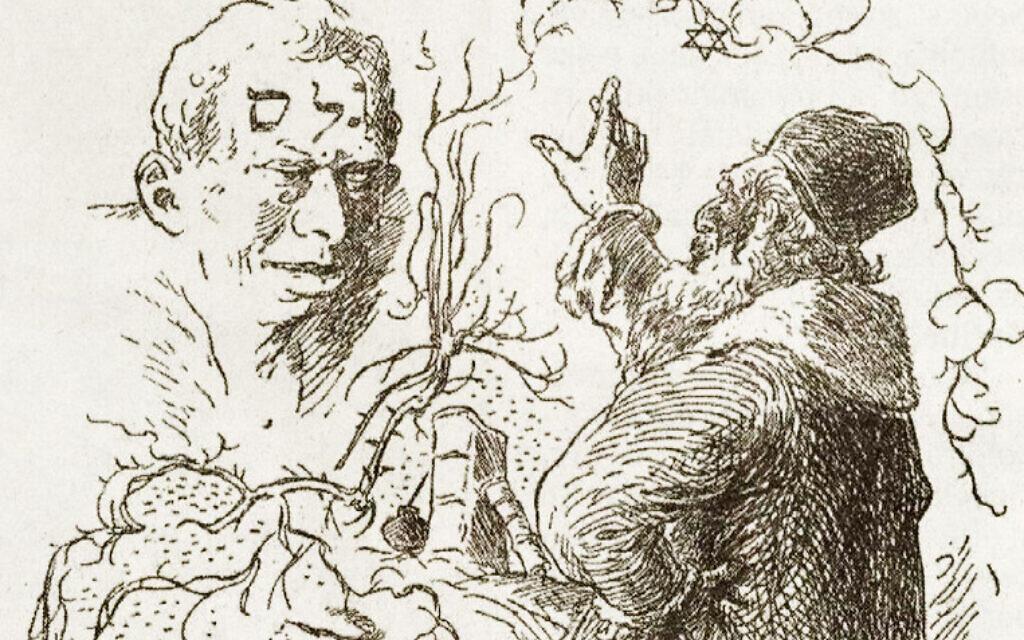
The mysterious tale of the Golem takes place in the dim tangle of lanes that once made up the now-defunct Jewish Quarter – today’s gentrified Josefov – essentially part of the Old Town. The tale goes that in the 16th century, the renowned Rabbi Löw, also known as the Maharal of Prague, was seeking a way to protect the local Jewish people from pogroms and the whim of unpredictable rulers up at Prague Castle. Endowed with the power to transform the four elements into living things, he moulded a superhuman from the mud of the Vltava – the Golem. To bring the Golem to life, Rabbi Löw had to insert a shem (a clay tablet bearing the name of God) into its mouth.
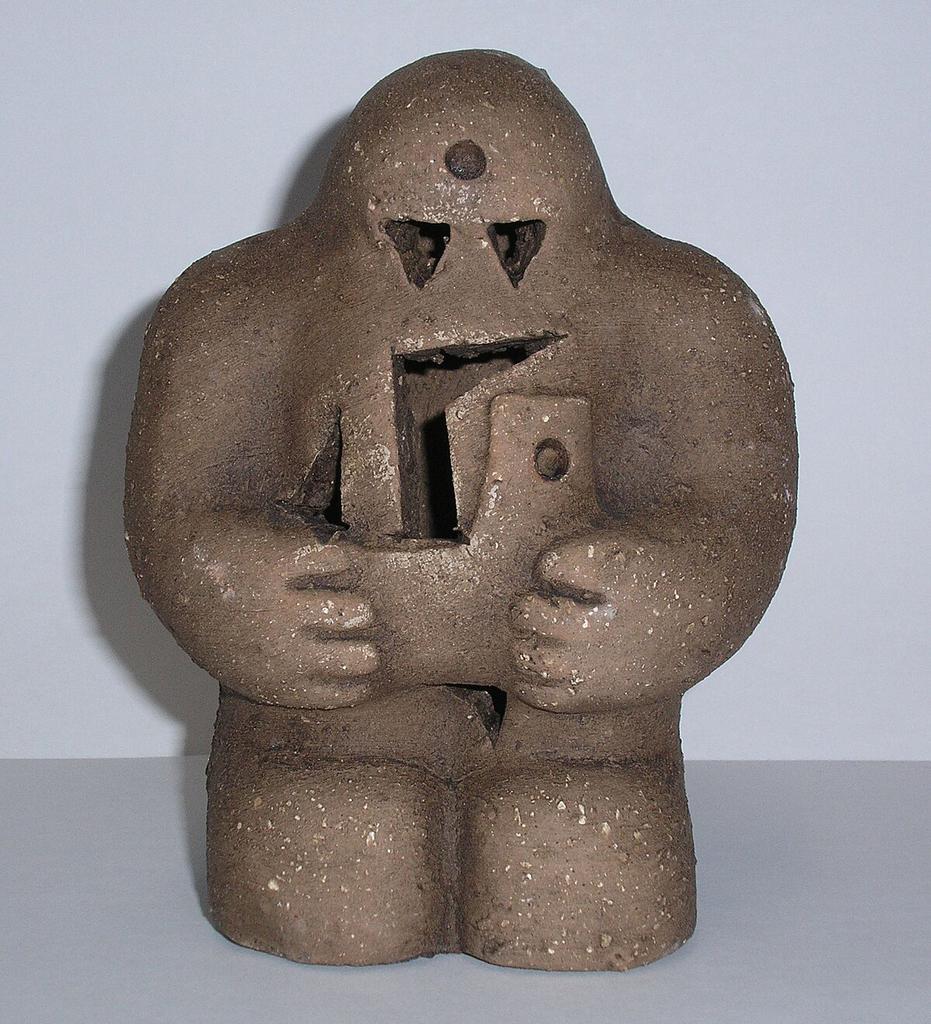
The amorphous clay beast is usually depicted around eight feet (2.4 metres) high with illuminated eyes and a thick belt around his considerable waist, though this image originates from a 20th-century film called The Golem. Previous depictions show the creature slightly thinner and more humanlike, but always tall and muscular – his task was, after all, to protect the Jewish people of Prague. With that in mind, it may come as a surprise to find that the word golem in Yiddish means ‘stupid’ or ‘lethargic’, although the Hebrew meaning was originally closer to ‘shapeless mass’.
Rabbi Löw would deactivate his creation for the Sabbath, to allow the creature to rest according to the Jewish custom. However, one day he forgot, and the Golem went raging through the ghetto, destroying everything in its path. Rabbi Löw was reciting Psalm 92 in the Old New Synagogue when he was interrupted and told of the chaos the Golem was causing. He eventually confronted the monster outside the synagogue, where he managed to remove the shem.
The Golem was never revived and allegedly was later stored in the synagogue’s attic, which remained locked for centuries. To this day, Psalm 92 is recited twice during services in Prague’s most famous synagogue.
Although there are many variants in procedures recorded, there seem to be a number of elements and steps common to most methods of creating a golem. These are:
1. The ritual cleansing and high qualifications of those creating the golem.
2. The use of some form of soil (sometimes clay or dust) to form the body of the golem, particularly soil which has never been plowed or used in any way.
3. The use of a verbal ritual to form the soil into a human form.
4. A concluding word or Name is used to activate the creature.
Medieval techniques of creating a golem often revolved around a highly complex procedure which required the mystic(s) to recite, presumably from memory and probably while in a state of meditation, an array of Hebrew alphabet letter combinations and/or various permutation of one or more Names of God.
Whoever studies Sefer Yetzirah has to purify himself, don white robes. It is forbidden to study alone, but only in two's and three's, as it is written... and the beings they made in Haran, (Gen. 12:5) and as it is written, two are better than one, (Eccl. 4:9) ... It is required that he take virgin soil from a place in the mountain where none has plowed. Then he shall knead the soil with living water and shall make a body and begin to permutate the alef-bet of 221 gates, each limb separately, each limb with the corresponding letter mentioned in Sefer Yetzirah. And the alef-bets shall be permutated first, then afterward he shall permutate with the vowel -alef, bet, gimel, dalet- -and always the letter of the divine name with them, and all the alef-bet. Afterward, [all the letters with each of the vowels, as with the alef:] ah, ah, ai, ee, oh, and then e'. Afterward, the permutation of [alef with a letter from the divine name plus the vowels], alef-yud, and similarly in its entirety. Afterward he shall appoint bet and likewise gimel and each limb with the letter designated to it. He shall do this when he is pure.
These are the 221 gates. (Sodei Razaya).
א"ר יוחנן בר חנינא שתים עשרה שעות הוי היום שעה ראשונה הוצבר עפרו שניה נעשה גולם שלישית נמתחו אבריו רביעית נזרקה בו נשמה חמישית עמד על רגליו ששית קרא שמות שביעית נזדווגה לו חוה שמינית עלו למטה שנים וירדו ארבעה תשיעית נצטווה שלא לאכול מן האילן עשירית סרח אחת עשרה נידון שתים עשרה נטרד והלך לו שנאמר (תהלים מט, יג) אדם ביקר בל ילין
Rabbi Yoḥanan bar Ḥanina says: Daytime is twelve hours long, and the day Adam the first man was created was divided as follows: In the first hour of the day, his dust was gathered. In the second, an undefined figure was fashioned. In the third, his limbs were extended. In the fourth, a soul was cast into him. In the fifth, he stood on his legs. In the sixth, he called the creatures by the names he gave them. In the seventh, Eve was paired with him. In the eighth, they arose to the bed two, and descended four, i.e., Cain and Abel were immediately born. In the ninth, he was commanded not to eat of the Tree of Knowledge. In the tenth, he sinned. In the eleventh, he was judged. In the twelfth, he was expelled and left the Garden of Eden, as it is stated: “But man abides not in honor; he is like the beasts that perish” (Psalms 49:13). Adam did not abide, i.e., sleep, in a place of honor for even one night.
דָּבָר אַחֵר, זֶה סֵפֶר תּוֹלְדֹת אָדָם, כְּתִיב (תהלים קלט, טז): גָּלְמִי רָאוּ עֵינֶיךָ וְעַל סִפְרְךָ כֻּלָּם יִכָּתֵבוּ יָמִים יֻצָּרוּ וְלוֹ אֶחָד בָּהֶם, רַבִּי יְהוֹשֻׁעַ בַּר נְחֶמְיָה וְרַבִּי יְהוּדָה בַּר סִימוֹן בְּשֵׁם רַבִּי אֶלְעָזָר בְּשָׁעָה שֶׁבָּרָא הַקָּדוֹשׁ בָּרוּךְ הוּא אֶת אָדָם הָרִאשׁוֹן מְלֹא כָל הָעוֹלָם כֻּלּוֹ בְּרָאוֹ, מִמִּזְרָח לַמַּעֲרָב מִנַּיִן, שֶׁנֶּאֱמַר (תהלים קלט, ה): אָחוֹר וָקֶדֶם צַרְתָּנִי. וּמִצָּפוֹן לַדָּרוֹם מִנַּיִן, שֶׁנֶּאֱמַר (דברים ד, לב): וּלְמִקְצֵה הַשָּׁמַיִם וְעַד קְצֵה הַשָּׁמָיִם. וּמִנַיִן אַף בַּחֲלָלוֹ שֶׁל עוֹלָם, תַּלְמוּד לוֹמַר (תהלים קלט, ה): וַתָּשֶׁת עָלַי כַּפֶּכָה. רַבִּי תַּנְחוּמָא בְּשֵׁם רַבִּי בְּנָיָה וְרַבִּי בֶּרֶכְיָה בְּשֵׁם רַבִּי אֶלְעָזָר אָמַר גֹּלֶם בְּרָאוֹ וְהָיָה מוּטָל מִסּוֹף הָעוֹלָם וְעַד סוֹפוֹ, הֲדָא הוּא דִכְתִיב: גָּלְמִי רָאוּ עֵינֶיךָ. אָמַר רַבִּי יְהוּדָה בַּר סִימוֹן עַד שֶׁאָדָם הָרִאשׁוֹן מֻטָּל גֹּלֶם לִפְנֵי מִי שֶׁאָמַר וְהָיָה הָעוֹלָם, הֶרְאָה לוֹ דּוֹר דּוֹר וְדוֹרְשָׁיו, דּוֹר דּוֹר וַחֲכָמָיו, דּוֹר דּוֹר וְסוֹפְרָיו, דּוֹר דּוֹר וּמַנְהִיגָיו, שֶׁנֶּאֱמַר: גָּלְמִי רָאוּ עֵינֶיךָ, גֹּלֶם שֶׁרָאוּ עֵינֶיךָ כְּבָר הֵם כְּתוּבִים עַל סִפְרוֹ שֶׁל אָדָם הָרִאשׁוֹן, הֱוֵי זֶה סֵפֶר תּוֹלְדוֹת אָדָם.
Another matter, “this is the book of the descendants of Adam,” it is written: “Your eyes saw my unformed parts, and in Your book they were all written. Of the days that were created, each one is His” (Psalms 139:16). Rabbi Yehoshua bar Neḥemya and Rabbi Yehuda bar Simon said in the name of Rabbi Elazar: When the Holy One blessed be He created Adam the first man, He created him [so large as to be] filling the whole world. From east to west, from where is it derived? It is as it is stated: “From back [aḥor] and front [kedem], You shaped me” (Psalms 139:5). From north to south, from where is it derived? It is as it is stated: “[From the day God made Adam on the earth,] and from one end of the heavens to the other end” (Deuteronomy 4:32). From where is it derived that he even filled the empty space of the world? It is as it is stated: “You placed Your palm upon me” (Psalms 139:5). Rabbi Tanḥuma in the name of Rabbi Benaya, and Rabbi Benaya and Rabbi Berekhya in the name of Rabbi Elazar, said: He created him unformed and he was placed from the end of the world to its end. That is what is written: “Your eyes saw my unformed parts” (Psalms 139:16). Rabbi Yehuda bar Simon said: While Adam the first man was placed unformed before Him who spoke and the world came into being, He showed him each and every generation and its scholars, each and every generation and its wise men, each and every generation and its interpreters of the Torah, each and every generation and its leaders, as it is stated: “Your eyes saw my unformed parts, [and in Your book they were all written]” – the unformed ones whom Your eyes saw, they were already written in the book of Adam the first man. That is, “this is the book of the descendants of Adam.”
גׇּלְמִ֤י ׀ רָ֘א֤וּ עֵינֶ֗יךָ וְעַֽל־סִפְרְךָ֮ כֻּלָּ֢ם יִכָּ֫תֵ֥בוּ יָמִ֥ים יֻצָּ֑רוּ (ולא) [וְל֖וֹ] אֶחָ֣ד בָּהֶֽם׃
Your eyes saw my unformed limbs (golmi);they were all recorded in Your book;in due time they were formed,to the very last one of them.-a
אמר רבא אי בעו צדיקי ברו עלמא שנאמר כי עונותיכם היו מבדילים וגו' רבא ברא גברא שדריה לקמיה דר' זירא הוה קא משתעי בהדיה ולא הוה קא מהדר ליה אמר ליה מן חבריא את הדר לעפריך
Rava says: If the righteous wish to do so, they can create a world, as it is stated: “But your iniquities have separated between you and your God.” In other words, there is no distinction between God and a righteous person who has no sins, and just as God created the world, so can the righteous. Indeed, Rava created a man, a golem, using forces of sanctity. Rava sent his creation before Rabbi Zeira. Rabbi Zeira would speak to him but he would not reply. Rabbi Zeira said to him: You were created by one of the members of the group, one of the Sages. Return to your dust.
It’s been a difficult weekend. While events at Beth Israel in Colleyville ultimately ended in triumph, and not a tragedy, our hearts are still broken for the trauma that Rabbi Cytron-Walker and his congregants experienced. As the scenes unfolded on our TV, we were grateful for the bravery of the Rabbi and all the members of law enforcement and the local community who showed up to offer help and support. But we also asked a question we have asked too frequently these past few years: "Do we need a golem?”Rabbi Judah Loew built his golem to defend the members of the Jewish community of Prague from the people who wished to harm them. When the crisis has been averted, he took the golem to the Altneushul’s attic and turned it back into mud. Legend has it that this mud lies there to this day, in case the golem should ever be needed again. But even the casual reader of Jewish history has to wonder, has there really never been a time since the 16th century where the need was great enough?At the 2019 High Holy Days, Lead Curator, Rabbi Joshua Fixler also asked this question. Watch the full sermon at bit.ly/golemsermon. He wrote:“As I stood in the shadow of the Altneushul this past summer in Prague, and looked up at the resting place of the golem, I wondered if he might be that that cure. Might I feel less afraid if there had been a Golem to stand guard in Charlottesville? In Pittsburgh or Poway?... The image of a powerful Golem that could protect the Jews at this time of increased vulnerability is an alluring fantasy. But it is just that. A fantasy. Our threats are real, and our responses must be based in facts not myths.“Rabbi Fixler encourages us to be the golem we wish to see in the world, to stand for ourselves but also to stand for others who are vulnerable, because “antisemitism is never an isolated hatred.” Ultimately, Rabbi Fixler concluded, “A mindless clay mass cannot save us. We must be the power we need. Where there is hatred, we must be love. Where there is fear, we must be hope. Where there is darkness, we must be light. Let the Golem rest in his attic with his prayerbooks and tallitot. We've better uses for our words than bringing him back to life."

ת"ר בעל אוב זה המדבר בין הפרקים ומבין אצילי ידיו ידעוני זה המניח עצם ידוע בפיו והוא מדבר מאליו מיתיבי (ישעיהו כט, ד) והיה כאוב מארץ קולך מאי לאו דמשתעי כי אורחיה לא דסליק ויתיב בין הפרקים ומשתעי תא שמע (שמואל א כח, יג) ותאמר האשה אל שאול אלהים ראיתי עולים מן הארץ מאי לאו דמשתעי כי אורחיה לא דיתיב בין הפרקים ומשתעי ת"ר בעל אוב אחד המעלה בזכורו ואחד הנשאל בגולגולת מה בין זה לזה מעלה בזכורו אינו עולה כדרכו ואינו עולה בשבת נשאל בגולגולת עולה כדרכו ועולה בשבת עולה להיכא סליק הא קמיה מנח אלא אימא עונה כדרכו ועונה בשבת
§ The Sages taught: A necromancer is one who causes the voice of the dead to be heard speaking from between his joints or from his armpit. A sorcerer [yideoni] is one who places a bone of an animal called a yadua in his mouth, and the bone speaks on its own. The Gemara raises an objection from the verse: “And your voice shall be as a ghost out of the ground” (Isaiah 29:4). What, does the dead person not speak from the grave on his own? The Gemara answers: No, this is not so, as the dead person rises by sorcery and sits between the joints of the necromancer and speaks. The Gemara suggests: Come and hear a proof from the statement of the necromancer to King Saul: “And the woman said to Saul, I see a godlike being coming up out of the earth” (I Samuel 28:13). What, does the verse not mean to say that the dead person spoke on his own? The Gemara refutes this proof: No, this is not so, as the dead person sits between the joints of the necromancer and speaks.The Sages taught: The category of a necromancer includes both one who raises the dead with his zekhur, which is a form of sorcery, and one who inquires about the future from a skull [begulgolet]. What is the difference between this type of necromancer and that type of necromancer? When one raises the dead with his zekhur, the dead does not rise in its usual manner, but appears upside-down, and it does not rise on Shabbat. By contrast, when one inquires about the future from a skull, the dead rises in its usual manner, and it rises [oleh] even on Shabbat. The Gemara asks with regard to the wording of the last statement: Rises? To where does it rise? Isn’t the skull lying before him? Rather, say as follows: The dead answers in its usual manner, and it answers [ve’oneh] even on Shabbat.
וַיֹּ֨אמֶר שָׁא֜וּל לַעֲבָדָ֗יו בַּקְּשׁוּ־לִי֙ אֵ֣שֶׁת בַּעֲלַת־א֔וֹב וְאֵלְכָ֥ה אֵלֶ֖יהָ וְאֶדְרְשָׁה־בָּ֑הּ וַיֹּאמְר֤וּ עֲבָדָיו֙ אֵלָ֔יו הִנֵּ֛ה אֵ֥שֶׁת בַּעֲלַת־א֖וֹב בְּעֵ֥ין דּֽוֹר׃ וַיִּתְחַפֵּ֣שׂ שָׁא֗וּל וַיִּלְבַּשׁ֙ בְּגָדִ֣ים אֲחֵרִ֔ים וַיֵּ֣לֶךְ ה֗וּא וּשְׁנֵ֤י אֲנָשִׁים֙ עִמּ֔וֹ וַיָּבֹ֥אוּ אֶל־הָאִשָּׁ֖ה לָ֑יְלָה וַיֹּ֗אמֶר (קסומי) [קָסֳמִי־]נָ֥א לִי֙ בָּא֔וֹב וְהַ֣עֲלִי לִ֔י אֵ֥ת אֲשֶׁר־אֹמַ֖ר אֵלָֽיִךְ׃ וַתֹּ֨אמֶר הָאִשָּׁ֜ה אֵלָ֗יו הִנֵּ֨ה אַתָּ֤ה יָדַ֙עְתָּ֙ אֵ֣ת אֲשֶׁר־עָשָׂ֣ה שָׁא֔וּל אֲשֶׁ֥ר הִכְרִ֛ית אֶת־הָאֹב֥וֹת וְאֶת־הַיִּדְּעֹנִ֖י מִן־הָאָ֑רֶץ וְלָמָ֥ה אַתָּ֛ה מִתְנַקֵּ֥שׁ בְּנַפְשִׁ֖י לַהֲמִיתֵֽנִי׃ וַיִּשָּׁ֤בַֽע לָהּ֙ שָׁא֔וּל בַּיהוה לֵאמֹ֑ר חַי־יהוה אִֽם־יִקְּרֵ֥ךְ עָוֺ֖ן בַּדָּבָ֥ר הַזֶּֽה׃ וַתֹּ֙אמֶר֙ הָאִשָּׁ֔ה אֶת־מִ֖י אַעֲלֶה־לָּ֑ךְ וַיֹּ֕אמֶר אֶת־שְׁמוּאֵ֖ל הַֽעֲלִי־לִֽי׃ וַתֵּ֤רֶא הָאִשָּׁה֙ אֶת־שְׁמוּאֵ֔ל וַתִּזְעַ֖ק בְּק֣וֹל גָּד֑וֹל וַתֹּ֩אמֶר֩ הָאִשָּׁ֨ה אֶל־שָׁא֧וּל ׀ לֵאמֹ֛ר לָ֥מָּה רִמִּיתָ֖נִי וְאַתָּ֥ה שָׁאֽוּל׃ וַיֹּ֨אמֶר לָ֥הּ הַמֶּ֛לֶךְ אַל־תִּֽירְאִ֖י כִּ֣י מָ֣ה רָאִ֑ית וַתֹּ֤אמֶר הָאִשָּׁה֙ אֶל־שָׁא֔וּל אֱלֹהִ֥ים רָאִ֖יתִי עֹלִ֥ים מִן־הָאָֽרֶץ׃ וַיֹּ֤אמֶר לָהּ֙ מַֽה־תׇּאֳר֔וֹ וַתֹּ֗אמֶר אִ֤ישׁ זָקֵן֙ עֹלֶ֔ה וְה֥וּא עֹטֶ֖ה מְעִ֑יל וַיֵּ֤דַע שָׁאוּל֙ כִּֽי־שְׁמוּאֵ֣ל ה֔וּא וַיִּקֹּ֥ד אַפַּ֛יִם אַ֖רְצָה וַיִּשְׁתָּֽחוּ׃ {ס} וַיֹּ֤אמֶר שְׁמוּאֵל֙ אֶל־שָׁא֔וּל לָ֥מָּה הִרְגַּזְתַּ֖נִי לְהַעֲל֣וֹת אֹתִ֑י וַיֹּ֣אמֶר שָׁ֠א֠וּל צַר־לִ֨י מְאֹ֜ד וּפְלִשְׁתִּ֣ים ׀ נִלְחָמִ֣ים בִּ֗י וֵאלֹהִ֞ים סָ֤ר מֵֽעָלַי֙ וְלֹא־עָנָ֣נִי ע֗וֹד גַּ֤ם בְּיַֽד־הַנְּבִיאִים֙ גַּם־בַּ֣חֲלֹמ֔וֹת וָאֶקְרָאֶ֣ה לְךָ֔ לְהוֹדִיעֵ֖נִי מָ֥ה אֶעֱשֶֽׂה׃ {ס}
Then Saul said to his courtiers, “Find me a woman who consults ghosts, so that I can go to her and inquire through her.” And his courtiers told him that there was a woman in En-dor who consulted ghosts. Saul disguised himself; he put on different clothes and set out with two men. They came to the woman by night, and he said, “Please divine for me by a ghost. Bring up for me the one I shall name to you.” But the woman answered him, “You know what Saul has done, how he has banned [the use of] ghosts and familiar spirits in the land. So why are you laying a trap for me, to get me killed?” Saul swore to her by the LORD: “As the LORD lives, you won’t get into trouble over this.” At that, the woman asked, “Whom shall I bring up for you?” He answered, “Bring up Samuel for me.” Then the woman recognized Samuel, and she shrieked loudly, and said to Saul, “Why have you deceived me? You are Saul!” The king answered her, “Don’t be afraid. What do you see?” And the woman said to Saul, “I see a divine being coming up from the earth.” “What does he look like?” he asked her. “It is an old man coming up,” she said, “and he is wrapped in a robe.” Then Saul knew that it was Samuel; and he bowed low in homage with his face to the ground. Samuel said to Saul, “Why have you disturbed me and brought me up?” And Saul answered, “I am in great trouble. The Philistines are attacking me and God has turned away from me; He no longer answers me, either by prophets or in dreams. So I have called you to tell me what I am to do.”
דִּילְמָא אִינִישׁ אַחֲרִינָא שָׁכֵיב, וְאָזֵיל וְאָמַר לְהוּ.
The Gemara responds: This is no proof; perhaps another person, who heard about the conversation of the spirits secondhand, died and he went and told them that they had been overheard.
רַב שְׂעוֹרִים אֲחוּהּ דְּרָבָא הֲוָה יָתֵיב קַמֵּיהּ דְּרָבָא, חַזְיֵיהּ דַּהֲוָה קָא מְנַמְנֵם. אֲמַר לֵיהּ: לֵימָא לֵיהּ מָר דְּלָא לְצַעֲרַן. אֲמַר לֵיהּ: מָר לָאו שׁוֹשְׁבִינֵיהּ הוּא? אֲמַר לֵיהּ: כֵּיוָן דְּאִימְּסַר מַזָּלָא, לָא אַשְׁגַּח בִּי. אֲמַר לֵיהּ: לִיתְחֲזֵי לִי מָר. אִיתְחֲזִי לֵיהּ. אֲמַר לֵיהּ: הֲוָה לֵיהּ לְמָר צַעֲרָא? אֲמַר לֵיהּ: כִּי רִיבְדָּא דְכוּסִילְתָּא.
The Gemara continues its discussion of the deaths of the righteous. Rav Seorim, Rava’s brother, sat before Rava, and he saw that Rava was dozing, i.e., about to die. Rava said to his brother: Master, tell him, the Angel of Death, not to torment me. Knowing that Rava was not afraid of the Angel of Death, Rav Seorim said to him: Master, are you not a friend of the Angel of Death? Rava said to him: Since my fate has been handed over to him, and it has been decreed that I shall die, the Angel of Death no longer pays heed to me. Rav Seorim said to Rava: Master, appear to me in a dream after your death. And Rava appeared to him. Rav Seorim said to Rava: Master, did you have pain in death? He said to him: Like the prick of the knife when letting blood.
אֲמַר לֵיהּ: לִיתְחֲזֵי לִי מָר. אִתְחֲזִי לֵיהּ. אֲמַר לֵיהּ: הֲוָה לֵיהּ לְמָר צַעֲרָא? אֲמַר לֵיהּ: כְּמִישְׁחַל בִּנִיתָא מֵחֲלָבָא, וְאִי אָמַר לִי הַקָּדוֹשׁ בָּרוּךְ הוּא זִיל בְּהָהוּא עָלְמָא כִּד הֲוֵית — לָא בָּעֵינָא, דִּנְפִישׁ בִּיעֲתוּתֵיהּ.
Rava said to Rav Naḥman: Master, appear to me in a dream after your death. And he appeared to him. Rava said to him: Master, did you have pain in death? Rav Naḥman said to him: Like the removal of hair from milk, which is a most gentle process. But nevertheless, were the Holy One, Blessed be He, to say to me: Go back to that world, the physical world, as you were, I would not want to go, for the fear of the Angel of Death is great. And I would not want to go through such a terrifying experience a second time.
In Jewish folklore and popular belief an evil spirit which enters into a living person, cleaves to his soul, causes mental illness, talks through his mouth, and represents a separate and alien personality is called a dibbuk. The term was introduced into literature only in the 17th century from the spoken language of German and Polish Jews. It is an abbreviation of dibbuk me-ru'aḥ ra'ah ("a cleavage of an evil spirit"), or dibbuk min ḥa-hiẓonim ("dibbuk from the outside"), which is found in man. that some of the dibbukim are the spirits of dead persons who were not laid to rest and thus became *demons. This idea (also common in medieval Christianity) combined with the doctrine of *gilgul ("transmigration of the soul") in the 16th century and became widespread and accepted by large segments of the Jewish population, together with the belief in dibbukim. They were generally considered to be souls which, on account of the enormity of their sins, were not even allowed to transmigrate and as "denuded spirits" they sought refuge in the bodies of living persons.
Sometimes the soul of a departed righteous person may “impregnate” the soul of a living person, the process described by Lurianic Kabbalah as ibbur–though unlike the dybbuk, ibbur is usually positive, not negative. Sometimes a righteous soul undergoes ibbur so it can complete a task or perform a mitzvah. Sometimes it does so for the benefit of the “host” soul. Really, ibbur is no different from possession by a dybbuk—but practically speaking, they are polar opposites, as the former is benign and the other sinister.