


(י) יֹ֭שְׁבֵי חֹ֣שֶׁךְ וְצַלְמָ֑וֶת אֲסִירֵ֖י עֳנִ֣י וּבַרְזֶֽל׃
(10) Some lived in deepest darkness,
bound in cruel irons,
(יג) וַיִּזְעֲק֣וּ אֶל־ה' בַּצַּ֣ר לָהֶ֑ם מִ֝מְּצֻ֥קוֹתֵיהֶ֗ם יוֹשִׁיעֵֽם׃ (יד) י֭וֹצִיאֵם מֵחֹ֣שֶׁךְ וְצַלְמָ֑וֶת וּמוֹסְר֖וֹתֵיהֶ֣ם יְנַתֵּֽק׃ (טו) יוֹד֣וּ לַה' חַסְדּ֑וֹ וְ֝נִפְלְאוֹתָ֗יו לִבְנֵ֥י אָדָֽם׃ (טז) כִּֽי־שִׁ֭בַּר דַּלְת֣וֹת נְחֹ֑שֶׁת וּבְרִיחֵ֖י בַרְזֶ֣ל גִּדֵּֽעַ׃
(13) In their adversity they cried to the LORD,
and He rescued them from their troubles. (14) He brought them out of deepest darkness,
broke their bonds asunder. (15) Let them praise the LORD for His steadfast love,
His wondrous deeds for mankind; (16) for He shattered gates of bronze,
He broke their iron bars.
(א) מִי שֶׁבֵּרַךְ אֲבוֹתֵינוּ אַבְרָהָם יִצְחָק וְיַעֲקֹב יוֹסֵף מֹשֶׁה וְאַהֲרֹן דָּוִד וּשְׁלֹמֹה, הוּא יְבָרֵךְ וְיִשְׁמֹר וְיִנְצֹר אֶת נֶעְדְּרֵי צְבָא הֲגַנָּה לְיִשְׂרָאֵל וְאֶת הַשְּׁבוּיִים
(ג) גַּיְא בֶּן רִנָּה חבר
(ד) רוֹן בֶּן בַּתְיָה ארד
(ה) יְקוּתִיאֵל יְהוּדָה נַחְמָן בֶּן שָׂרָה כץ
(ו) צְבִי בֶּן פְּנִינָה פלדמן
(ח) בְּתוֹךְ שְׁאָר אֲחֵינוּ בֵּית יִשְֹרָאֵל הַנְּתוּנִים בְּצָרָה וּבְשִׁבְיָה. בַּעֲבוּר שֶׁהַקָּהָל מִתְפַּלֵּל בַּעֲבוּרָם, הַקָּדוֹשׁ בָּרוּךְ הוּא יִמָּלֵא רַחֲמִים עֲלֵיהֶם, וְיוֹצִיאֵם מֵחֹשֶׁךְ וְצַלְמָוֶת, וּמוֹסְרוֹתֵיהֶם יְנַתֵּק, וּמִמְּצוּקוֹתֵיהֶם יוֹשִׁיעֵם, וִישִׁיבֵם מְהֵרָה לְחֵיק מִשְׁפְּחוֹתֵיהֶם. "יוֹדוּ לַה' חַסְדּוֹ וְנִפְלְאוֹתָיו לִבְנֵי אָדָם". וִיקֻיַּם בָּהֶם מִקְרָא שֶׁכָּתוּב: "וּפְדוּיֵי ה' יְשׁוּבוּן וּבָאוּ צִיּוֹן בְּרִנָּה וְשִׂמְחַת עוֹלָם עַל רֹאשָׁם. שָׂשׂוֹן וְשִׂמְחָה יַשִּׂיגוּ וְנָסוּ יָגוֹן וַאֲנָחָה" וְנֹאמַר אָמֵן.
(1) May the One who blessed Abraham, Isaac, Jacob, Joseph, Moses, Aaron, David and Solomon bless, watch and guard those missing from the Israel Defense Forces and the captives,
(3) Guy ben Rina Chaver,
(4) Ron ben Batya Arad,
(5) Yekutiel Yehudah Nachman ben Sarah Katz
(6) and Tzvi ben Peninah Feldman,
(8) among others of our brethren of the House of Israel that are situated in distress and in captivity. On account of the congregation's praying for them, may the Holy One, blessed be He, grant mercy upon them, take them out from darkness and gloom, break their chains, redeem them from their ordeals and return them quickly to the comfort of their families. "Let them praise the Lord for His kindness, and His wondrous deeds for the children of man" (Psalms 107:8). And through them, let the verse (Isaiah 35:10) be fulfilled, "And the Lord’s ransomed shall return, and come with shouting to Zion, crowned with joy everlasting; they shall attain joy and gladness, while sorrow and sighing flee." And let us say, Amen!
(א) וַיֹּ֤אמֶר ה' אֵלַ֔י אִם־יַעֲמֹ֨ד מֹשֶׁ֤ה וּשְׁמוּאֵל֙ לְפָנַ֔י אֵ֥ין נַפְשִׁ֖י אֶל־הָעָ֣ם הַזֶּ֑ה שַׁלַּ֥ח מֵעַל־פָּנַ֖י וְיֵצֵֽאוּ׃ (ב) וְהָיָ֛ה כִּי־יֹאמְר֥וּ אֵלֶ֖יךָ אָ֣נָה נֵצֵ֑א וְאָמַרְתָּ֨ אֲלֵיהֶ֜ם כֹּה־אָמַ֣ר ה' אֲשֶׁ֨ר לַמָּ֤וֶת לַמָּ֙וֶת֙ וַאֲשֶׁ֤ר לַחֶ֙רֶב֙ לַחֶ֔רֶב וַאֲשֶׁ֤ר לָרָעָב֙ לָרָעָ֔ב וַאֲשֶׁ֥ר לַשְּׁבִ֖י לַשֶּֽׁבִי׃
(1) GOD said to me, “Even if Moses and Samuel were to intercede with Me, I would not be won over to that people. Dismiss them from My presence, and let them go forth! (2) And if they ask you, ‘To what shall we go forth?’ answer them, ‘Thus said GOD:
Those destined for the plague, to the plague;
Those destined for the sword, to the sword;
Those destined for famine, to famine;
Those destined for captivity, to captivity.
אֲמַר לֵיהּ רָבָא לְרַבָּה בַּר מָרִי: מְנַָא הָא מִילְּתָא דַאֲמוּר רַבָּנַן דְּפִדְיוֹן שְׁבוּיִם מִצְוָה רַבָּה הִיא? אֲמַר לֵיהּ, דִּכְתִיב:
״וְהָיָה כִּי יֹאמְרוּ אֵלֶיךָ אָנָה נֵצֵא, וְאָמַרְתָּ אֲלֵיהֶם כֹּה אָמַר ה׳, אֲשֶׁר לַמָּוֶת – לַמָּוֶת, וַאֲשֶׁר לַחֶרֶב – לַחֶרֶב, וַאֲשֶׁר לָרָעָב – לָרָעָב, וַאֲשֶׁר לַשְּׁבִי – לַשֶּׁבִי״.
וְאָמַר רַבִּי יוֹחָנָן: כׇּל הַמְאוּחָר בְּפָסוּק זֶה קָשֶׁה מֵחֲבֵירוֹ. חֶרֶב קָשָׁה מִמָּוֶת – אִי בָּעֵית אֵימָא קְרָא, וְאִי בָּעֵית אֵימָא סְבָרָא. אִי בָּעֵית אֵימָא סְבָרָא – הַאי קָא מִינַּוַּול, וְהַאי לָא קָא מִינַּוַּול. וְאִיבָּעֵית אֵימָא קְרָא – ״יָקָר בְּעֵינֵי ה׳ הַמָּוְתָה לַחֲסִידָיו״. רָעָב קָשֶׁה מֵחֶרֶב – אִיבָּעֵית אֵימָא סְבָרָא: הַאי קָא מִצְטַעַר, וְהַאי לָא קָא מִצְטַעַר. אִיבָּעֵית אֵימָא קְרָא: ״טוֹבִים הָיוּ חַלְלֵי חֶרֶב מֵחַלְלֵי רָעָב״. שֶׁבִי [קָשֶׁה מִכּוּלָּם] – דְּכוּלְּהוּ אִיתַנְהוּ בֵּיהּ.
Rava said to Rabba bar Mari: Concerning this matter that the Sages stated, that redeeming captives is a great mitzva, from where is it derived? Rabba bar Mari said to him: As it is written:
“And it shall come to pass, when they say to you: To where shall we depart? Then you shall tell them: So says the Lord: Such as are for death, to death; and such as are for the sword, to the sword; and such as are for famine, to famine; and such as are for captivity, to captivity” (Jeremiah 15:2).
And Rabbi Yoḥanan says: Whichever punishment is written later in this verse is more severe than the one before it. Rabbi Yoḥanan explains: The sword is worse than death. If you wish, say that this is learned from a verse; if you wish, say instead that it is derived by way of logical reasoning. If you wish, say that this is derived by way of logical reasoning: This punishment, i.e., death by sword, mutilates the body, but that punishment, i.e., natural death, does not mutilate it. And if you wish, say that the fact that the sword is worse than death is learned from a verse: “Precious in the sight of the Lord is the death of His pious ones” (Psalms 116:15). Famine is worse than the sword. If you wish, say that this is derived by way of logical reasoning: This one, who dies of famine, suffers greatly before departing from this world, but that one, who dies by the sword, does not suffer. If you wish, say instead that the fact that famine is worse than the sword is learned from a verse: “More fortunate were the victims of the sword than the victims of famine” (Lamentations 4:9). And captivity is worse than all of them, as it includes all of them, i.e., famine, the sword, and death.
Initially, I understood Rabbi Yochanan to be treating מות/mavet/death in Jer. 15:2 to refer to something like dying in one's sleep. That is not consistent with the tenor of doom in Jer. 15:2. Dying in one's sleep is not the bad news that Jeremiah conveys in that passage! What could "death" there refer to? Consider:
- Lamentations 1:20
- Ezekiel 7:15
- the "Blessing of Song" / Nishmat
(כ) רְאֵ֨ה ה' כִּֽי־צַר־לִי֙ מֵעַ֣י חֳמַרְמָ֔רוּ נֶהְפַּ֤ךְ לִבִּי֙ בְּקִרְבִּ֔י כִּ֥י מָר֖וֹ מָרִ֑יתִי מִח֥וּץ שִׁכְּלָה־חֶ֖רֶב בַּבַּ֥יִת כַּמָּֽוֶת׃ {ס}
NJPS takes כמות to refer to "plague":
(20) See, O LORD, the distress I am in!
My heart is in anguish,
I know how wrong I was-e
To disobey.
Outside the sword deals death;
Indoors, the plague.
(טו) הַחֶ֣רֶב בַּח֔וּץ וְהַדֶּ֥בֶר וְהָרָעָ֖ב מִבָּ֑יִת אֲשֶׁ֤ר בַּשָּׂדֶה֙ בַּחֶ֣רֶב יָמ֔וּת וַאֲשֶׁ֣ר בָּעִ֔יר רָעָ֥ב וָדֶ֖בֶר יֹאכְלֶֽנּוּ׃
(15) The sword is outside and pestilence and famine are inside; those in the field shall die by the sword, those in the town shall be devoured by famine and pestilence.
From Egypt, Lord our God, did you redeem us and from the house of slaves you restored us.
In famine You nourished us, and in plenty you sustained us.
From the sword you saved us,
and from plague you spared us; and from severe and enduring diseases you delivered us.
These saving acts appear to address the four categories of calamity that Rabbi Yochanan identifies (Bava Batra 8b) in Jeremiah 15:2, in reverse order:
- captivity (from Egypt...did you redeem us)
- hunger
- sword
- plague
אִלּוּ פִינוּ מָלֵא שִׁירָה כַיָּם, וּלְשׁוֹנֵנוּ רִנָּה כֲּהַמוֹן גַּלָּיו, וְשִׂפְתוֹתֵינוּ שֶׁבַח כְּמֶרְחֲבֵי רָקִיעַ, וְעֵינֵינוּ מְאִירוֹת כַּשֶּׁמֶשׁ וְכַיָּרֵחַ, וְיָדֵינוּ פְרוּשׂות כְּנִשְׂרֵי שָׁמַיִם, וְרַגְלֵינוּ קַלּוֹת כָּאַיָּלוֹת – אֵין אֲנַחְנוּ מַסְפִּיקִים לְהוֹדוֹת לְךָ, ה' אֱלקֵינוּ וֵאלֹקֵי אֲבוֹתֵינוּ, וּלְבָרֵךְ אֶת שִׁמְךָ עַל אַחַת מֵאֶלֶף, אַלְפֵי אֲלָפִים וְרִבֵּי רְבָבוֹת פְּעָמִים הַטּוֹבוֹת שֶׁעָשִׂיתָ עִם אֲבוֹתֵינוּ וְעִמָּנוּ. מִמִּצְרַים גְּאַלְתָּנוּ, ה' אֱלקֵינוּ, וּמִבֵּית עֲבָדִים פְּדִיתָנוּ, בְּרָעָב זַנְתָּנוּ וּבְשָׂבָע כִּלְכַּלְתָּנוּ, מֵחֶרֶב הִצַּלְתָּנוּ וּמִדֶּבֶר מִלַּטְתָּנוּ, וּמֵחָלָיִם רָעִים וְנֶאֱמָנִים דִּלִּיתָנוּ.
Were our mouth as full of song as the sea, and our tongue as full of joyous song as its multitude of waves, and our lips as full of praise as the breadth of the heavens, and our eyes as sparkling as the sun and the moon, and our hands as outspread as the eagles of the sky and our feet as swift as deers - we still could not thank You sufficiently, Lord our God and God of our ancestors, and to bless Your Name for one thousandth of the thousand of thousands of thousands, and myriad myriads, of goodnesses that You performed for our ancestors and for us. From Egypt, Lord our God, did you redeem us and from the house of slaves you restored us. In famine You nourished us, and in plenty you sustained us. From the sword you saved us, and from plague you spared us; and from severe and enduring diseases you delivered us.
(י) פִּדְיוֹן שְׁבוּיִים קוֹדֵם לְפַרְנָסַת עֲנִיִּים וְלִכְסוּתָן. וְאֵין לְךָ מִצְוָה גְּדוֹלָה כְּפִדְיוֹן שְׁבוּיִים שֶׁהַשָּׁבוּי הֲרֵי הוּא בִּכְלַל הָרְעֵבִים וְהַצְּמֵאִים וַעֲרוּמִּים וְעוֹמֵד בְּסַכָּנַת נְפָשׁוֹת. וְהַמַּעֲלִים עֵינָיו מִפִּדְיוֹנוֹ הֲרֵי זֶה עוֹבֵר עַל
(דברים טו ז) "לֹא תְאַמֵּץ אֶת לְבָבְךָ וְלֹא תִקְפֹּץ אֶת יָדְךָ"
וְעַל (ויקרא יט טז) "לֹא תַעֲמֹד עַל דַּם רֵעֶךָ"
וְעַל (ויקרא כה נג) "לֹא יִרְדֶּנּוּ בְּפֶרֶךְ לְעֵינֶיךָ".
וּבִטֵּל מִצְוַת (דברים טו ח) (דברים טו יא) "פָתֹחַ תִּפְתַּח אֶת יָדְךָ לוֹ".
וּמִצְוַת (ויקרא כה לו) "וְחֵי אָחִיךָ עִמָּךְ".
(ויקרא יט יח) "וְאָהַבְתָּ לְרֵעֲךָ כָּמוֹךָ".
(משלי כד יא) "וְהַצֵּל לְקֻחִים לַמָּוֶת"
וְהַרְבֵּה דְּבָרִים כָּאֵלּוּ. וְאֵין לְךָ מִצְוָה רַבָּה כְּפִדְיוֹן שְׁבוּיִים:
(10) The redemption of captives receives priority over sustaining the poor and providing them with clothing. [Indeed,] there is no greater mitzvah than the redemption of captives.30For as the Rambam continues to explain, all of the different aspects of charitable gifts are included in the redemption of captives (Bava Batra 8b). For a captive is among those who are hungry, thirsty, and unclothed and he is in mortal peril.31For at any time, his captors may take his life. If someone pays no attention to his redemption, he violates the negative commandments: "Do not harden your heart or close your hand" (Deuteronomy 15:7 , "Do not stand by when the blood of your neighbor is in danger" (Leviticus 19:16 , and "He shall not oppress him with exhausting work in your presence" (ibid. 25:53). And he has negated the observance of the positive commandments: "You shall certainly open up your hand to him" (Deuteronomy 15:8 , "And your brother shall live with you" (ibid. 19:18), "Love your neighbor as yourself" (Leviticus 19:18 , "Save those who are taken for death" (Proverbs 24:11 , and many other decrees of this nature. There is no mitzvah as great as the redemption of captives.
(ז) ... וְהָאִשָּׁה קוֹדֶמֶת לָאִישׁ לִכְסוּת, וּלְהוֹצִיאָהּ מִבֵּית הַשֶּׁבִי. בִּזְמַן שֶׁשְּׁנֵיהֶם עוֹמְדִים לְקַלְקָלָה, הָאִישׁ קוֹדֵם לָאִשָּׁה:
(7) ...And the woman precedes the man with regard to which of them to provide with a garment first, because her humiliation is great, or to release from captivity first, due to the concern that she will be raped. When they are both subject to degradation, i.e., there is also concern that the man will be raped in captivity, the release of the man precedes the release of the woman.
(ו) ...אֵין פּוֹדִין אֶת הַשְּׁבוּיִים יוֹתֵר עַל כְּדֵי דְמֵיהֶן, מִפְּנֵי תִקּוּן הָעוֹלָם. וְאֵין מַבְרִיחִין אֶת הַשְּׁבוּיִין, מִפְּנֵי תִקּוּן הָעוֹלָם. רַבָּן שִׁמְעוֹן בֶּן גַּמְלִיאֵל אוֹמֵר, מִפְּנֵי תַקָּנַת הַשְּׁבוּיִין. ...
(6)...The captives are not redeemed for more than their actual monetary value, for the betterment of the world; and one may not aid the captives in their attempt to escape from their captors for the betterment of the world, so that kidnappers will not be more restrictive with their captives to prevent them from escaping. Rabban Shimon ben Gamliel says: For the betterment of the captives, so that kidnappers will not avenge the escape of the captives by treating other captives with cruelty. ...
גְּמָ׳ אִיבַּעְיָא לְהוּ: הַאי ״מִפְּנֵי תִּיקּוּן הָעוֹלָם״ – מִשּׁוּם דּוּחְקָא דְצִבּוּרָא הוּא, אוֹ דִילְמָא מִשּׁוּם דְּלָא לִגְרְבוּ וְלַיְיתוֹ טְפֵי?
תָּא שְׁמַע: דְּלֵוִי בַּר דַּרְגָּא פַּרְקַהּ לִבְרַתֵּיהּ בִּתְלֵיסַר אַלְפֵי דִּינְרֵי זָהָב.
אָמַר אַבָּיֵי: וּמַאן לֵימָא לַן דְּבִרְצוֹן חֲכָמִים עֲבַד? דִּילְמָא שֶׁלֹּא בִּרְצוֹן חֲכָמִים עֲבַד.
וְאֵין מַבְרִיחִין אֶת הַשְּׁבוּיִין מִפְּנֵי תִּיקּוּן הָעוֹלָם. רַבָּן שִׁמְעוֹן בֶּן גַּמְלִיאֵל אוֹמֵר: מִפְּנֵי תַּקָּנַת שְׁבוּיִין:
מַאי בֵּינַיְיהוּ? אִיכָּא בֵּינַיְיהוּ, דְּלֵיכָּא אֶלָּא חַד.
כל רגע שמאחר לפדות השבויים היכא דאפשר להקדים הוי כאילו שופך דמים: אין פודין השבויים יותר מכדי דמיהם מפני תיקון העולם שלא יהיו האויבים מוסרים עצמם עליהם לשבותם אבל אדם יכול לפדות את עצמו בכל מה שירצה וכן לת"ח או אפי' אינו ת"ח אלא שהוא תלמיד חריף ואפשר שיהיה אדם גדול פודים אותו בדמים מרובים (ואם אשתו כאחר דמי או לא עיין בטור אבן העזר סי' ע"ח):
Every moment that one delays unnecessarily the ransoming of a captive, it is as if he were to shed blood. Captives are not to be ransomed at an unreasonable cost, for the safety of society; otherwise, the enemies would exert every effort to capture victims. But a man may ransom himself at any price. So also, a scholar should be ransomed at a greater price, or even a student who gives promise of becoming a great scholar. (As to whether one's wife is considered "another" or "one's self," see Eben Ha-Ezer, 78.)
~1220-1293
לעת זקנתו החמירו רדיפות היהודים בגרמניה. היהודים נחשבו אז בגרמניה לעבדי האוצר (Servi Camerae Regis) ולכן הייתה אסורה עליהם הגירה מגרמניה משום שזה היה נחשב אז בעיני השלטונות כבריחה. המהר"ם שהיה מעורב בארגון של הגירה שמטרתה הייתה עלייה לארץ ישראל ולפי אברהם גרוסמן אף לפתח את היישוב היהודי בירושלים[6], החליט לברוח יחד עם משפחתו מגרמניה. יהודי מומרשהלשין עליו בעת שכבר הגיע לאיטליה, הביא להחזרתו לגרמניה, ולכליאתו ביום ד' תמוז שנת ה'מ"ו(1286) על ידי הקיסר רודולף הראשון לבית הבסבורג במבצר אנזיסהיים (אנ') שבחבל אלזס באשמת בריחה מגרמניה וניסיון לארגון בריחה המונית ממנה[7][6][8]. הקיסר תבע סכום עצום של 20,000 מארקתמורת פדיונו, ותלמידו, הרא"ש, אסף את דמי הכופר.
https://he.wikipedia.org/wiki/מהר%22ם_מרוטנבורג
https://en.wikipedia.org/wiki/Meir_of_Rothenburg
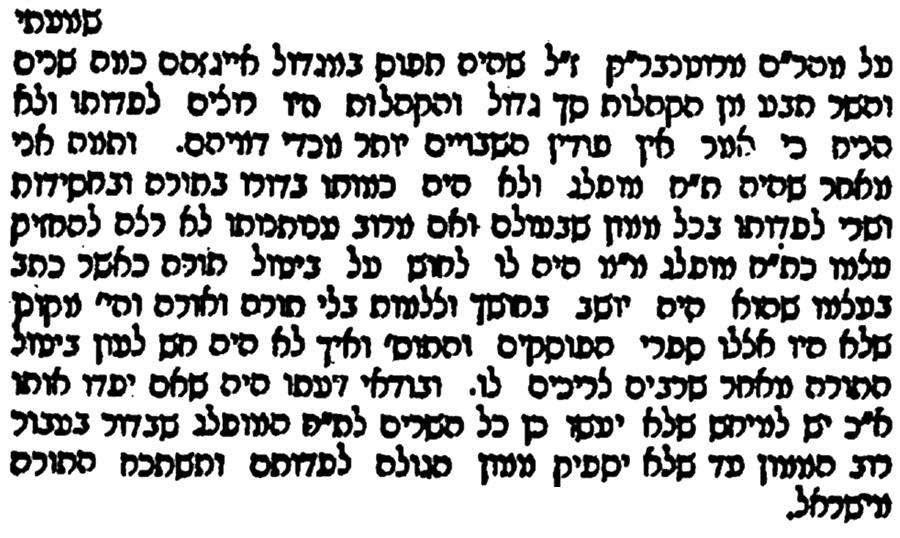
המהרש"ל על מאסרו של המהר"ם מתוך 'ים של שלמה', על מסכת גיטין פרק ד', סימן ס"ו
https://he.wikipedia.org/wiki/מהר%22ם_מרוטנבורג#/media/קובץ:Mahrshal22.jpg
ערבות הדדית / האם להיכנע לסחיטת מחבלים למען הצלת חטוף?
Solidarity (`Arvut Hadadit): Should one submit to Terrorist Extortion in order to Save a Kidnaped Person?
R. Eliezer Melamed, Yeshivat Har Bracha, ~2002
תשובה: בהלכות הקודמות למדנו, שככלל אסור להיכנע לסחיטת חוטפים, וכאשר השבוי נמצא בסכנת נפשות מוחשית נחלקו הפוסקים. אולם כל זה אמור דווקא בפושעים רגילים, שכל חפצם להרוויח ממון.
אך כאשר מדובר במצב של מלחמה מתמדת בינינו לבין המחבלים, אסור להיכנע לשום סחטנות מצידם. משום שאם נכנע, אויבינו יראו זאת כסימן ברור של חולשה, המורל שלהם יעלה, והם יוסיפו ביתר מרץ לפגוע בנו. וכן ידוע שלאחר כל "הצלחה" כזו, מצטרפים מחבלים נוספים לשורותיהם. בנוסף לכך, אלו שיוצאים לפגוע בנו, לא יחששו לעתידם, משום שיסמכו על כך, שגם אם ייתפסו, במהרה ישתחררו מן הכלא הישראלי על ידי עסקת שחרור.
ועוד, ישנו חשש סביר, שלפחות חלק מן המחבלים שישוחררו מן הכלא יחזרו ויפגעו ביהודים. לכן, למרות הכאב שבדבר, אין להיכנע לסחטנות ולשלם עבור החטוף יותר מן המקובל במקרים כאלה, היינו אדם תמורת אדם.
And come with shouting to Zion,
Crowned with joy everlasting.
They shall attain joy and gladness,
While sorrow and sighing flee.